Connecticut Mutual Wills containing Last Will and Testaments for Man and Woman living together not Married with No Children
Understanding this form
This form package includes Mutual Wills for a man and woman living together but not married, both containing Last Will and Testaments. This form is designed for couples who wish to outline the distribution of their assets to one another, despite not being legally married, and who do not have children. It differs from standard wills as it specifically caters to the needs of cohabiting partners.
Key parts of this document
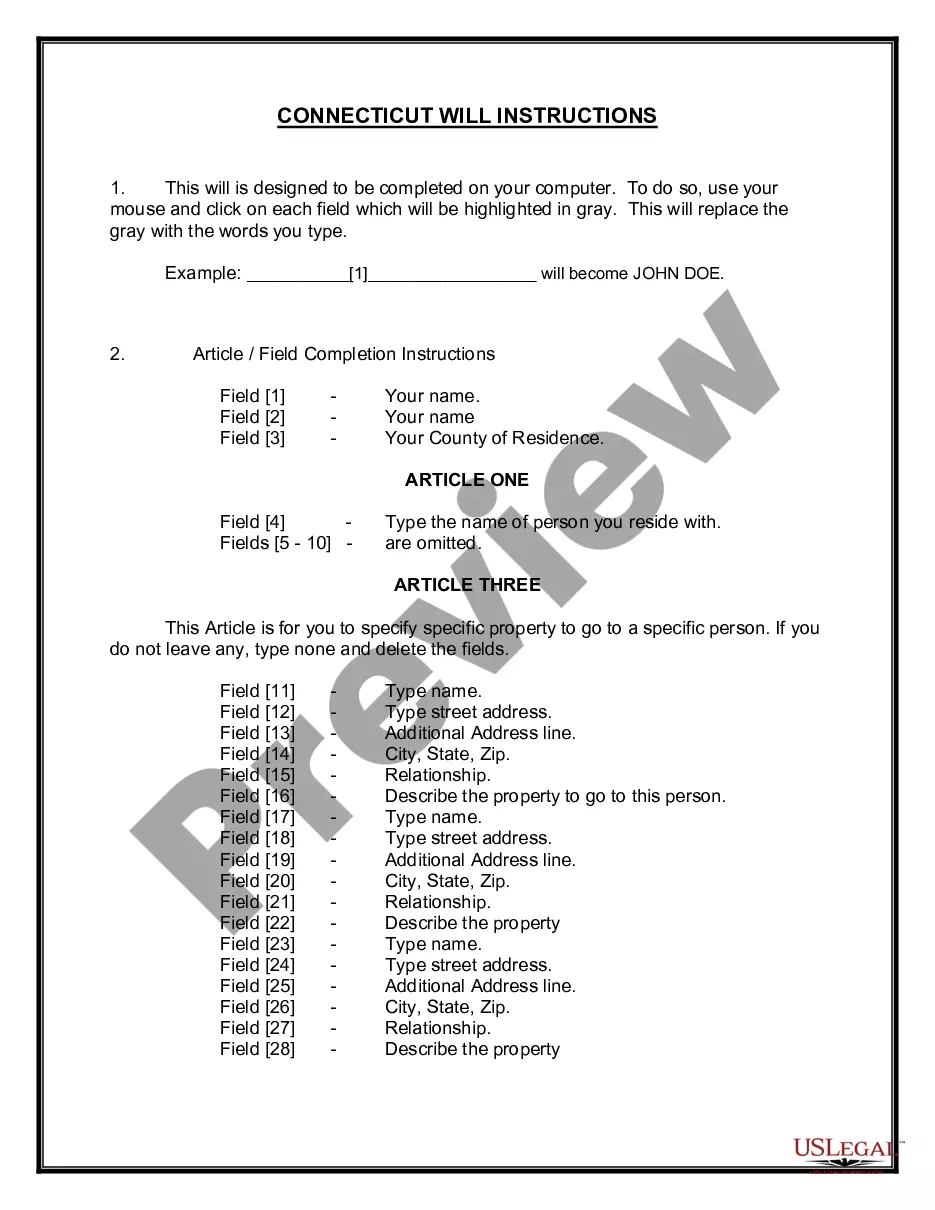
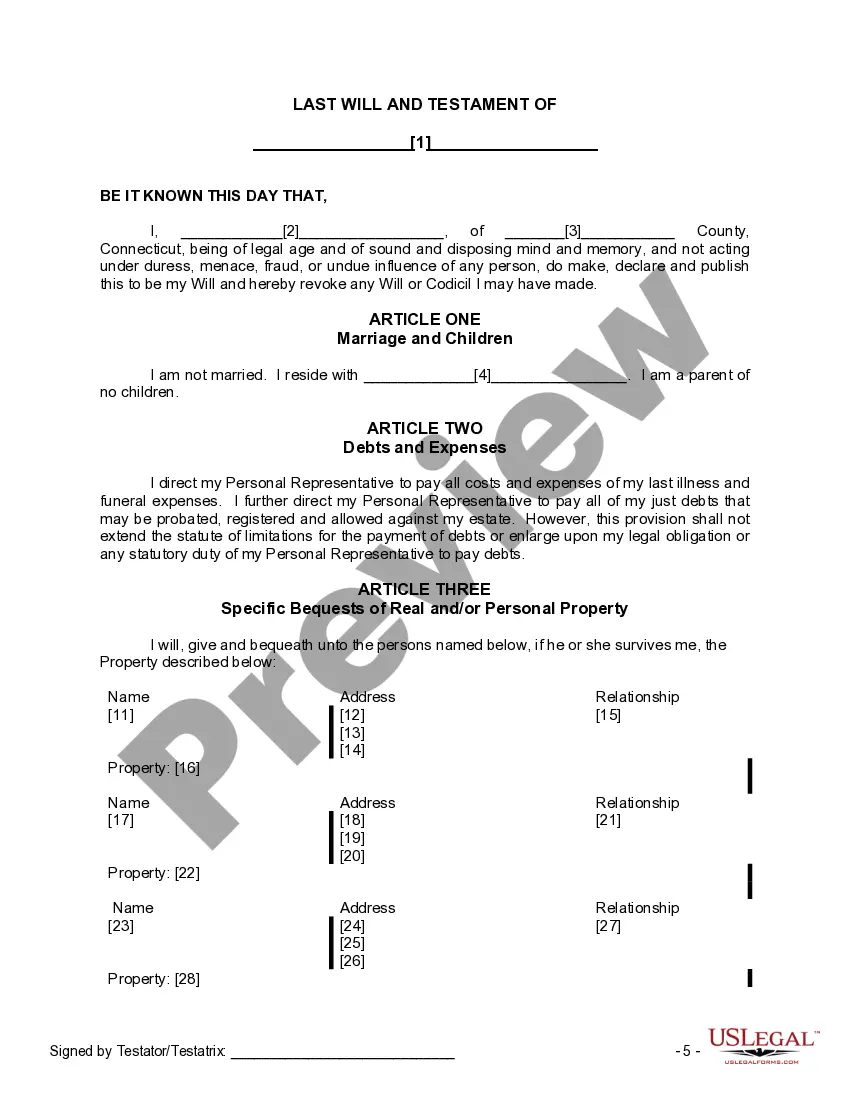
- Article One: States the testator is not married and resides with their partner.
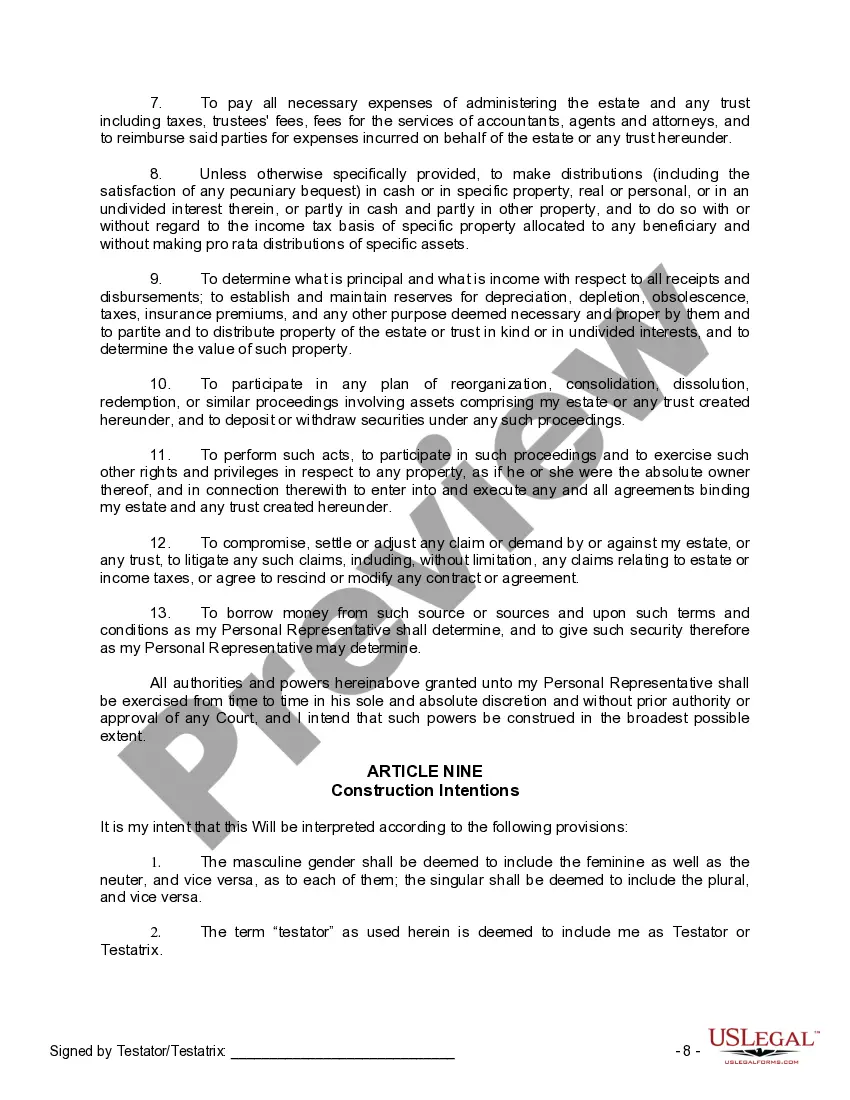
- Article Two: Directs expenses related to the testatorâs final illness and funeral to be paid by the Personal Representative.
- Article Three: Allows specification of particular assets to be bequeathed to designated individuals.
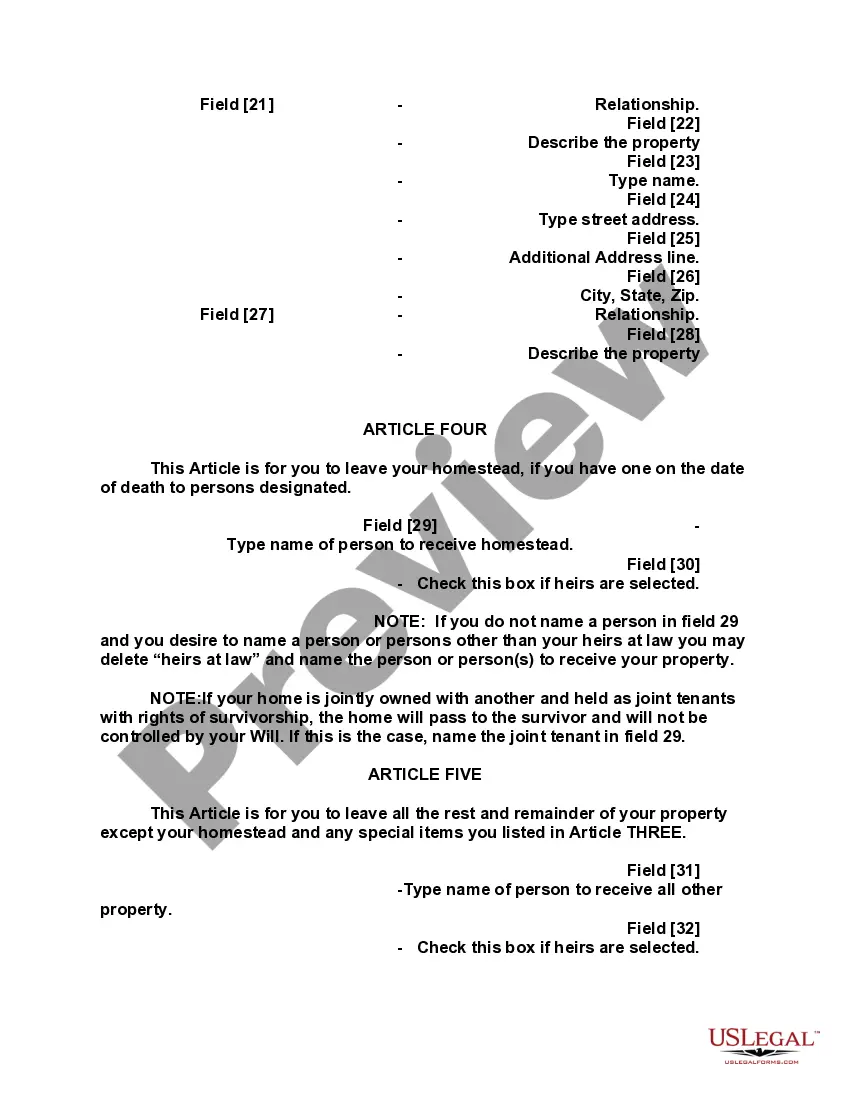
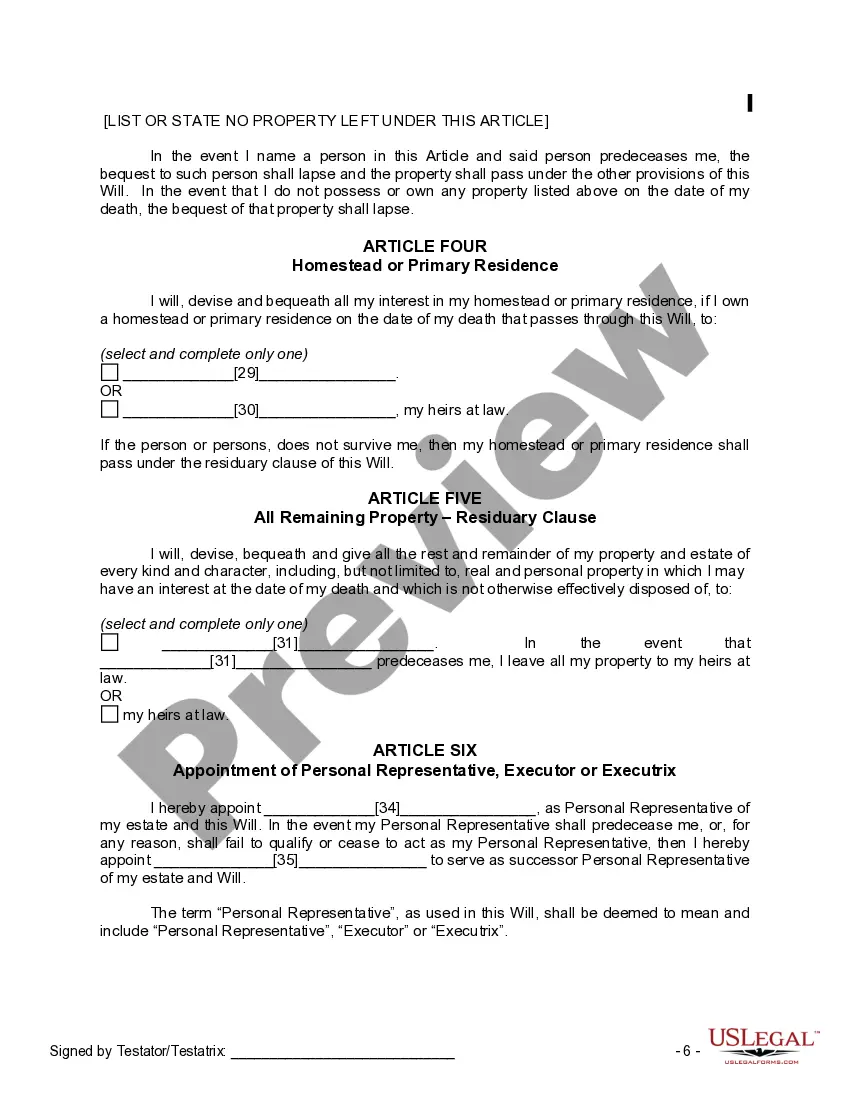
- Article Four: Discusses the disposition of the testator's homestead or primary residence.
- Article Five: Covers the residual estateâproperty not explicitly mentioned in previous articles.
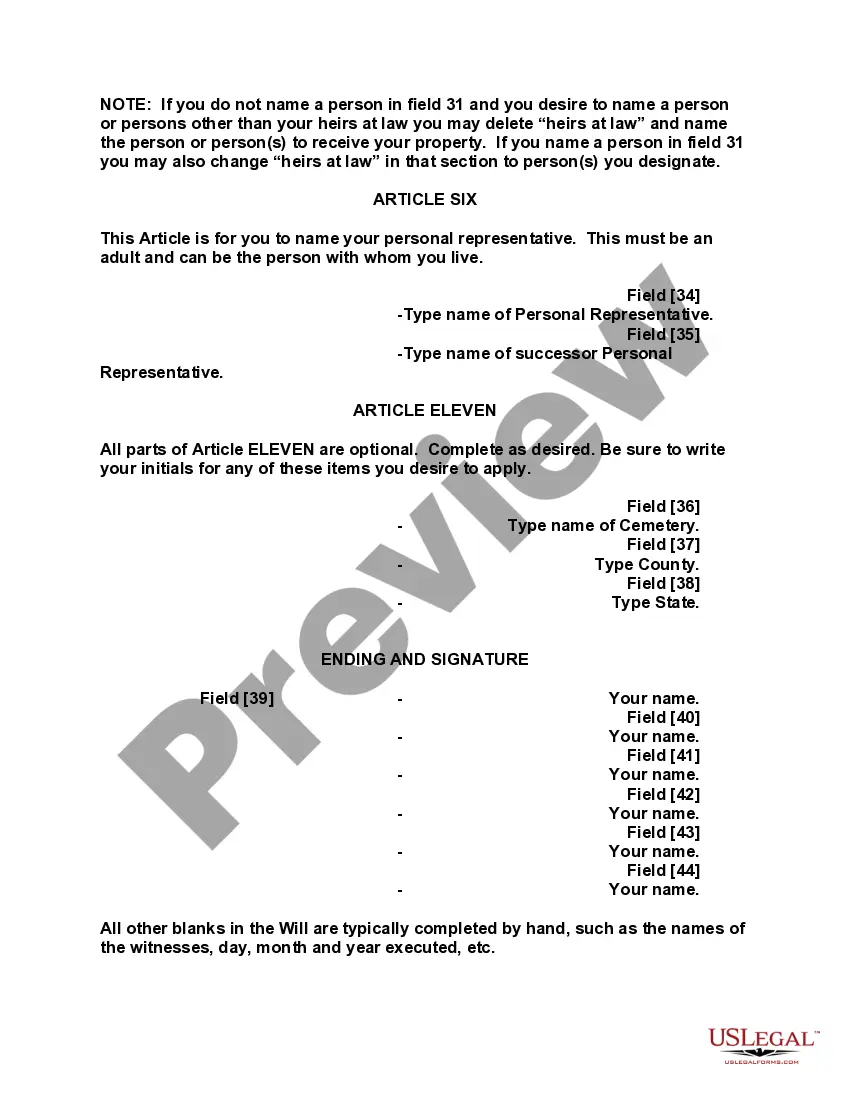
- Article Six: Appoints a Personal Representative to administer the estate.



Situations where this form applies
This form should be used when you and your partner wish to ensure that your wishes regarding asset distribution are clearly documented. It is particularly useful for non-married couples seeking to protect each otherâs interests as well as specify inheritance for personal property.
Who should use this form
Eligibility for this form includes:
- Cohabiting partners who are not legally married.
- Individuals who wish to leave property to their partner or designate alternate beneficiaries.
- Those without children who want to ensure their assets are distributed according to their wishes.
How to complete this form
To complete this form:
- Identify yourself and your partner in the designated fields.
- Specify any assets you wish to leave to your partner or other selected beneficiaries.
- Complete details such as the county of residence and any specific property descriptions.
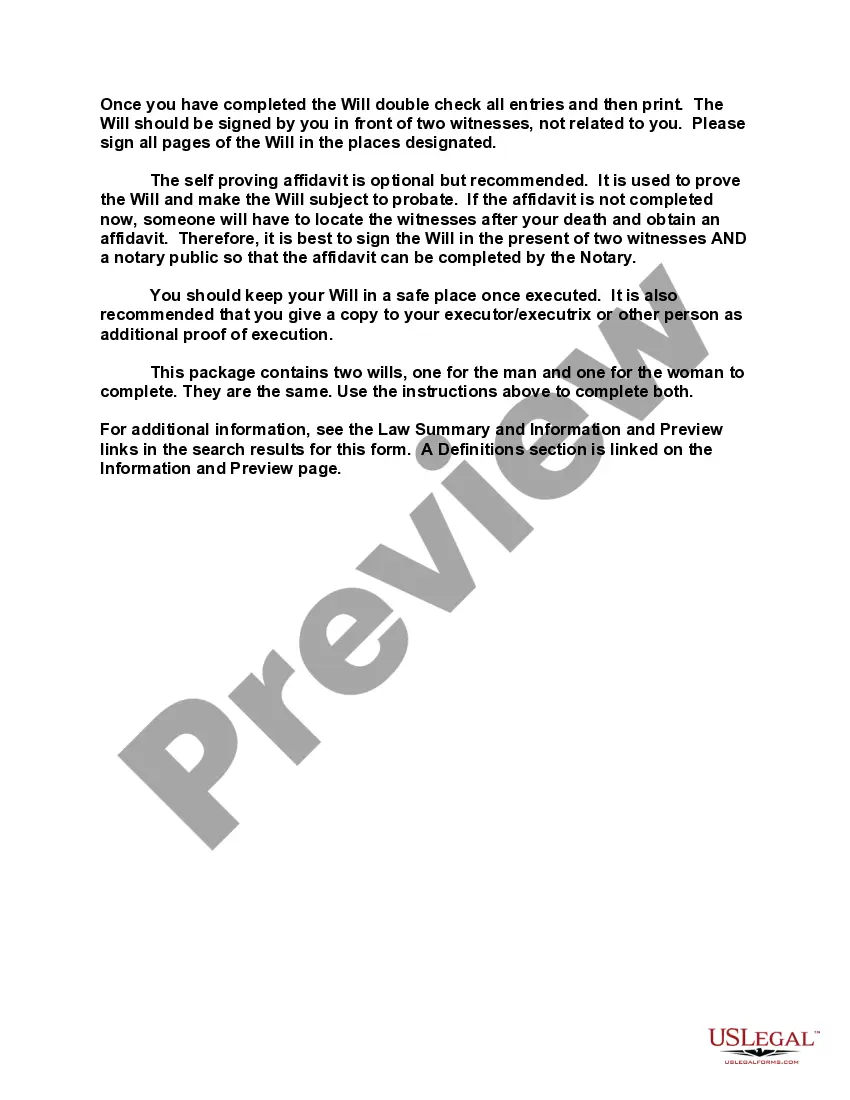
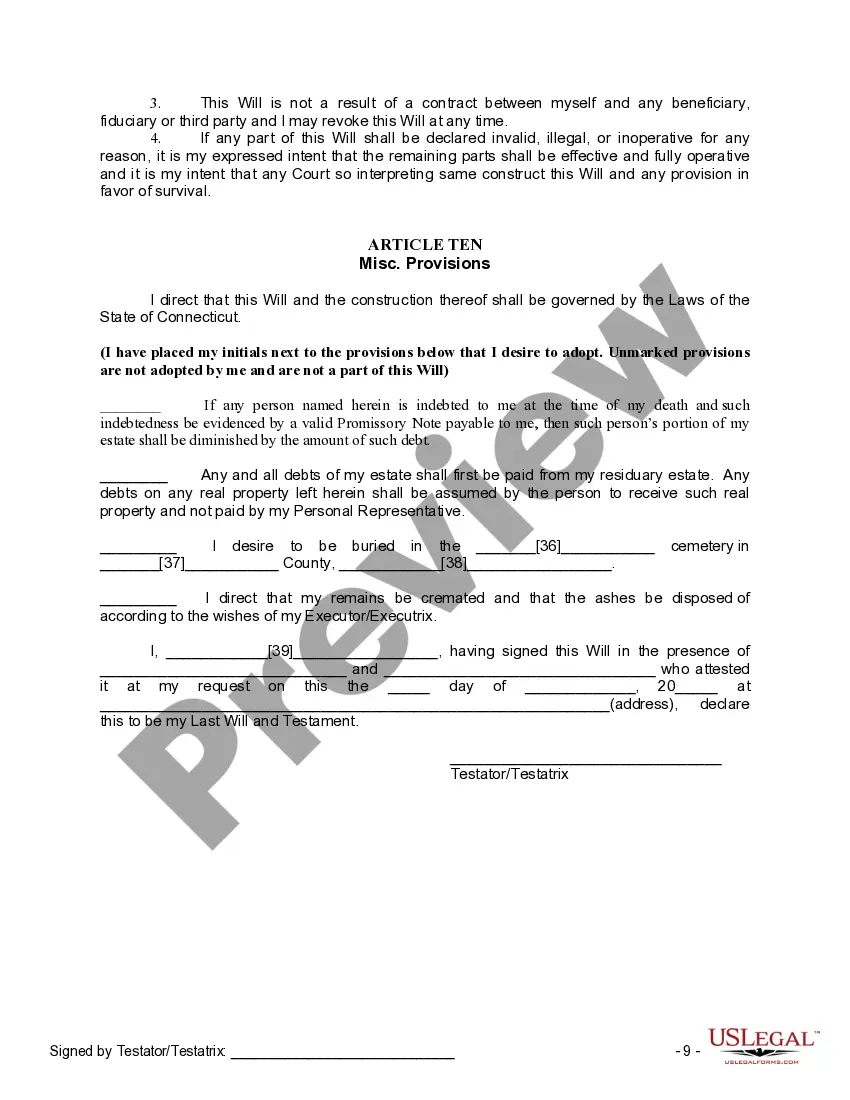
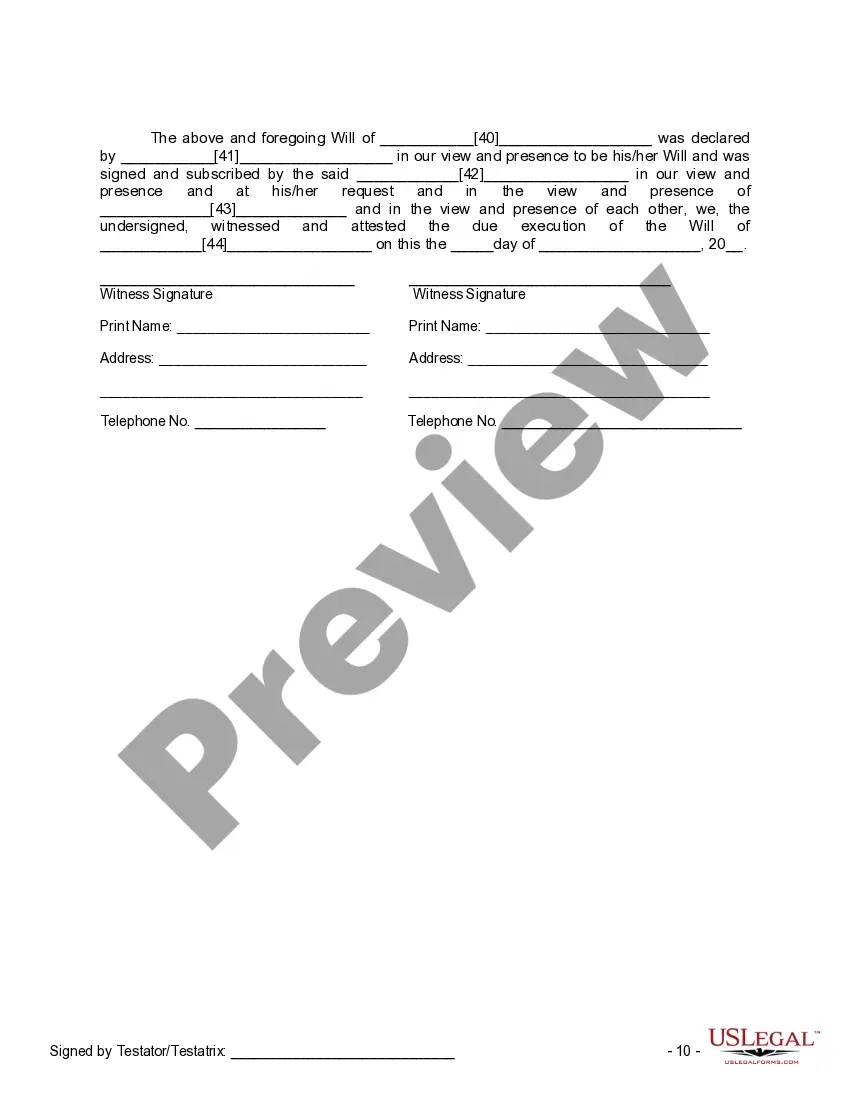
- Sign the will in front of two witnesses who are not beneficiaries or related to you.
- If applicable, complete the self-proving affidavit to simplify the probate process.
Does this document require notarization?
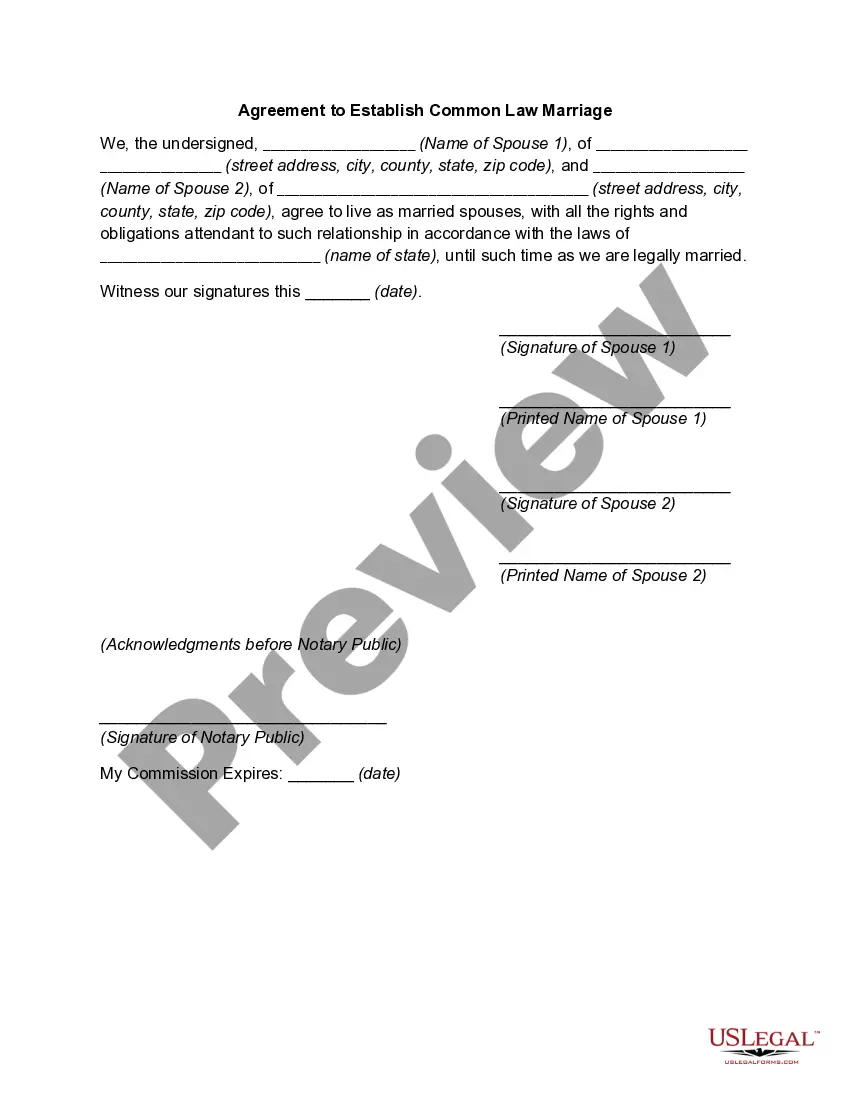
Yes, this form must be notarized to be legally valid. Notarization adds an additional layer of authenticity and can facilitate a smoother probate process. With US Legal Forms, you have access to integrated online notarization services to easily and securely complete this requirement.
Get your form ready online
Our built-in tools help you complete, sign, share, and store your documents in one place.
Make edits, fill in missing information, and update formatting in US Legal Forms—just like you would in MS Word.
Download a copy, print it, send it by email, or mail it via USPS—whatever works best for your next step.
Sign and collect signatures with our SignNow integration. Send to multiple recipients, set reminders, and more. Go Premium to unlock E-Sign.
If this form requires notarization, complete it online through a secure video call—no need to meet a notary in person or wait for an appointment.
We protect your documents and personal data by following strict security and privacy standards.

Make edits, fill in missing information, and update formatting in US Legal Forms—just like you would in MS Word.

Download a copy, print it, send it by email, or mail it via USPS—whatever works best for your next step.

Sign and collect signatures with our SignNow integration. Send to multiple recipients, set reminders, and more. Go Premium to unlock E-Sign.

If this form requires notarization, complete it online through a secure video call—no need to meet a notary in person or wait for an appointment.

We protect your documents and personal data by following strict security and privacy standards.
Mistakes to watch out for
- Neglecting to have the will signed in front of two witnesses.
- Failing to complete the self-proving affidavit, which can delay probate.
- Not clearly identifying specific property, which could lead to disputes.
Why use this form online
- Convenient online access allows easy completion of the form at your own pace.
- Flexibility to customize your wills to reflect personal wishes and requirements.
- Provides reliable legal documentation drafted by licensed attorneys.
Quick recap
- Mutual Wills cater to couples living together but not married.
- Clear specification of property and beneficiary designations is crucial.
- Follow state-specific signing and notarization requirements for validity.
Looking for another form?

Form popularity
FAQ
To effectively protect assets as an unmarried couple, you may want to consider establishing a trust or drafting mutual wills. This legal groundwork ensures your partner is recognized in asset distribution and prevents potential legal disputes. Using Connecticut Mutual Wills containing Last Will and Testaments for Man and Woman living together not Married with No Children can safeguard your shared assets and define clear guidelines for inheritance.
Inheritance rules in Connecticut dictate how assets are distributed when someone dies without a will. Generally, the estate goes first to the surviving spouse and children, then to parents, siblings, and more distant relatives if necessary. Crafting Connecticut Mutual Wills containing Last Will and Testaments for Man and Woman living together not Married with No Children allows you to specify your wishes, providing peace of mind to both partners.
In Connecticut, when a husband dies, the wife is entitled to a percentage of the estate, depending on whether there are surviving children or parents. If no children or parents exist, the wife typically inherits the entire estate. Utilizing Connecticut Mutual Wills containing Last Will and Testaments for Man and Woman living together not Married with No Children helps ensure that your partner is clearly defined as an heir, smoothing the transition during a difficult time.
In Connecticut, not everything automatically goes to a spouse upon death. If there are no wills in place, the estate is divided according to state inheritance laws, which can lead to unintended beneficiaries. Utilizing Connecticut Mutual Wills containing Last Will and Testaments for Man and Woman living together not Married with No Children provides clarity and assurance that your assets will go to the desired parties.
If a husband and wife have different wills, the law will generally honor the most recent will executed by either party. This situation can create confusion and legal disputes, particularly among surviving family members. When creating Connecticut Mutual Wills containing Last Will and Testaments for Man and Woman living together not Married with No Children, it's crucial to have a clear agreement on asset distribution to avoid conflicts.
The decision between joint or separate wills largely hinges on the couple's circumstances. Many couples find that separate wills offer greater control and adaptability, especially for those opting for Connecticut Mutual Wills containing Last Will and Testaments for Man and Woman living together not Married with No Children. Ultimately, it is vital to consult an expert to determine which option aligns best with each couple’s individual needs.
Joint wills can have distinct disadvantages, particularly in terms of flexibility. If one partner passes away, the surviving partner may find it challenging to change the will, which prevents them from adjusting to new circumstances. For those exploring Connecticut Mutual Wills containing Last Will and Testaments for Man and Woman living together not Married with No Children, understanding these limitations is essential to ensuring future decisions remain in their control.
The best type of will for a married couple often depends on their unique situation. For couples in Connecticut, considering options like mutual wills or separate wills can be valuable. The Connecticut Mutual Wills containing Last Will and Testaments for Man and Woman living together not Married with No Children should be designed to reflect the couple's wishes while allowing for future adjustments, thus ensuring that both partners feel secure.
For many couples, having separate wills is beneficial. This option allows each partner to manage their assets independently, which can be especially important for Connecticut Mutual Wills containing Last Will and Testaments for Man and Woman living together not Married with No Children. Separate wills provide flexibility, letting each individual update their will as life changes occur, ensuring that their intentions are clearly expressed.
Mutual wills can create complications, especially for Connecticut Mutual Wills containing Last Will and Testaments for Man and Woman living together not Married with No Children. Essentially, when one party passes away, the surviving party may face restrictions based on the terms of the mutual will. This limitation can hinder the survivor's ability to make changes in response to life changes, which is crucial when living as a couple without being married.