Wisconsin Statutory Living Will - Declaration to Healthcare Professionals
About this form
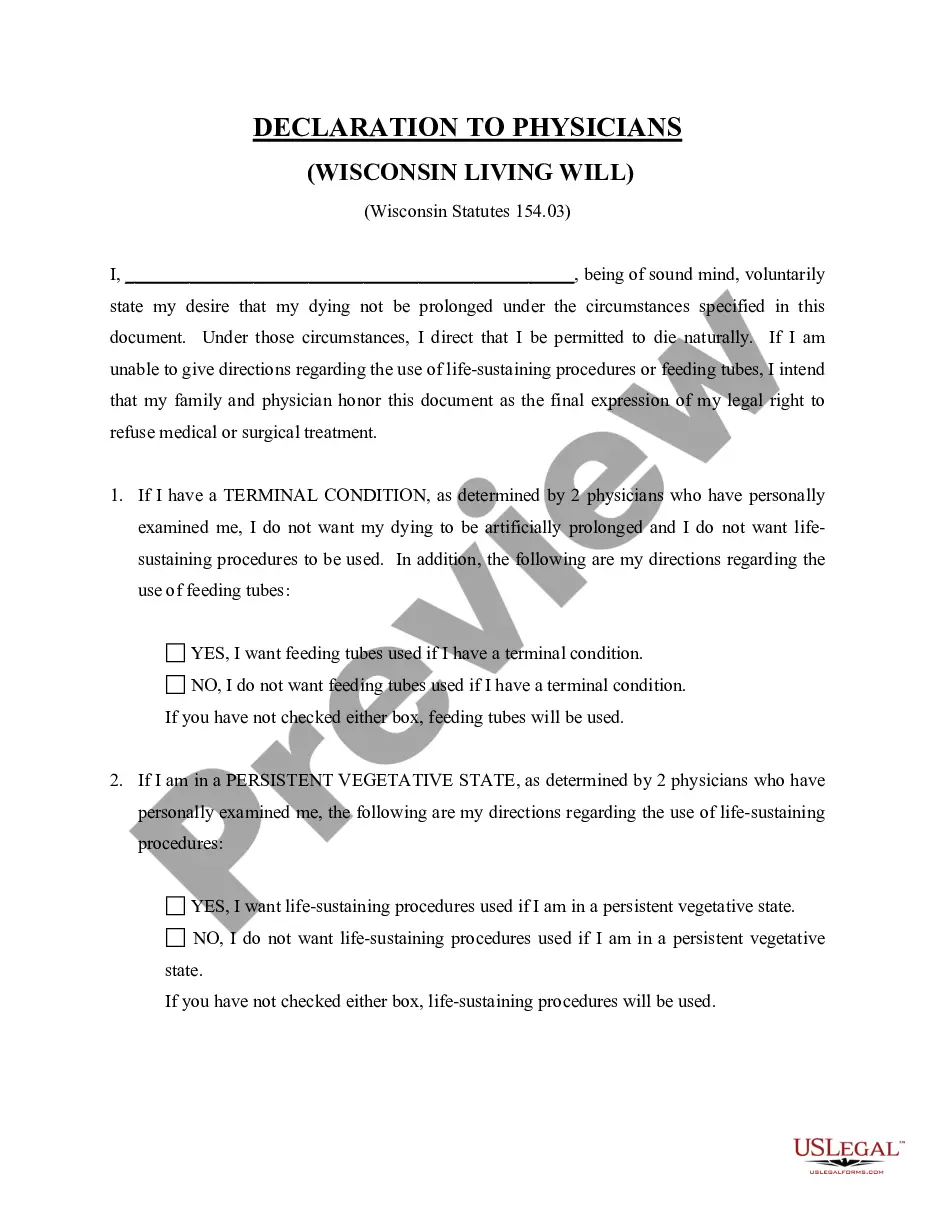
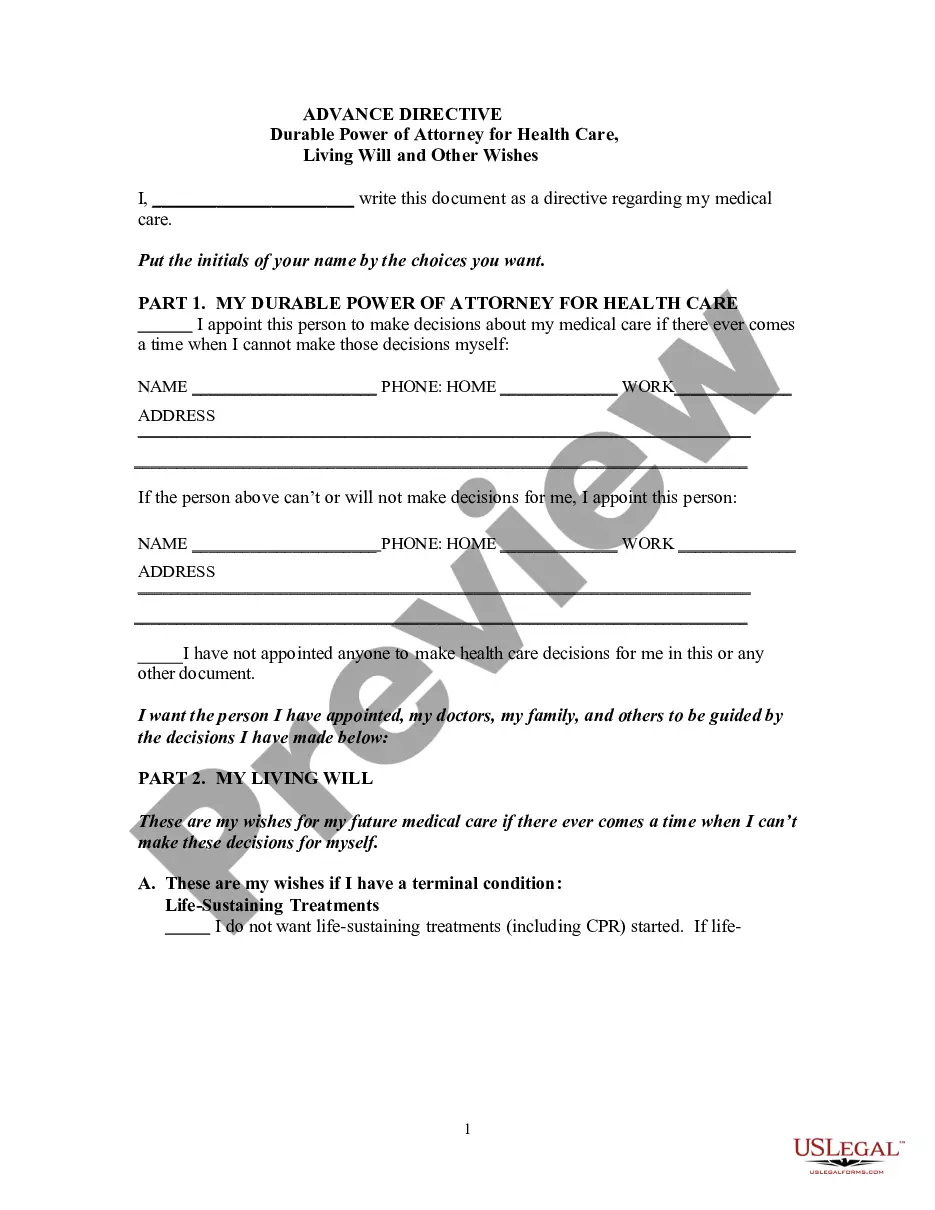
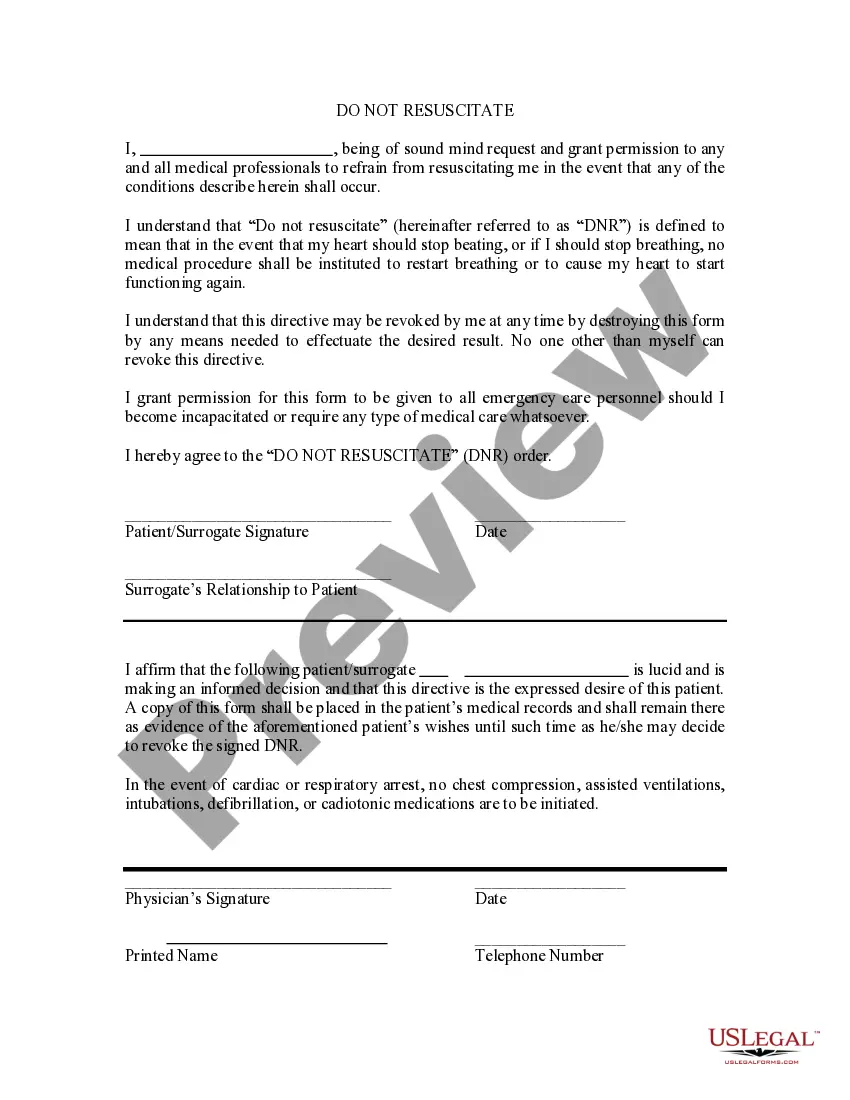
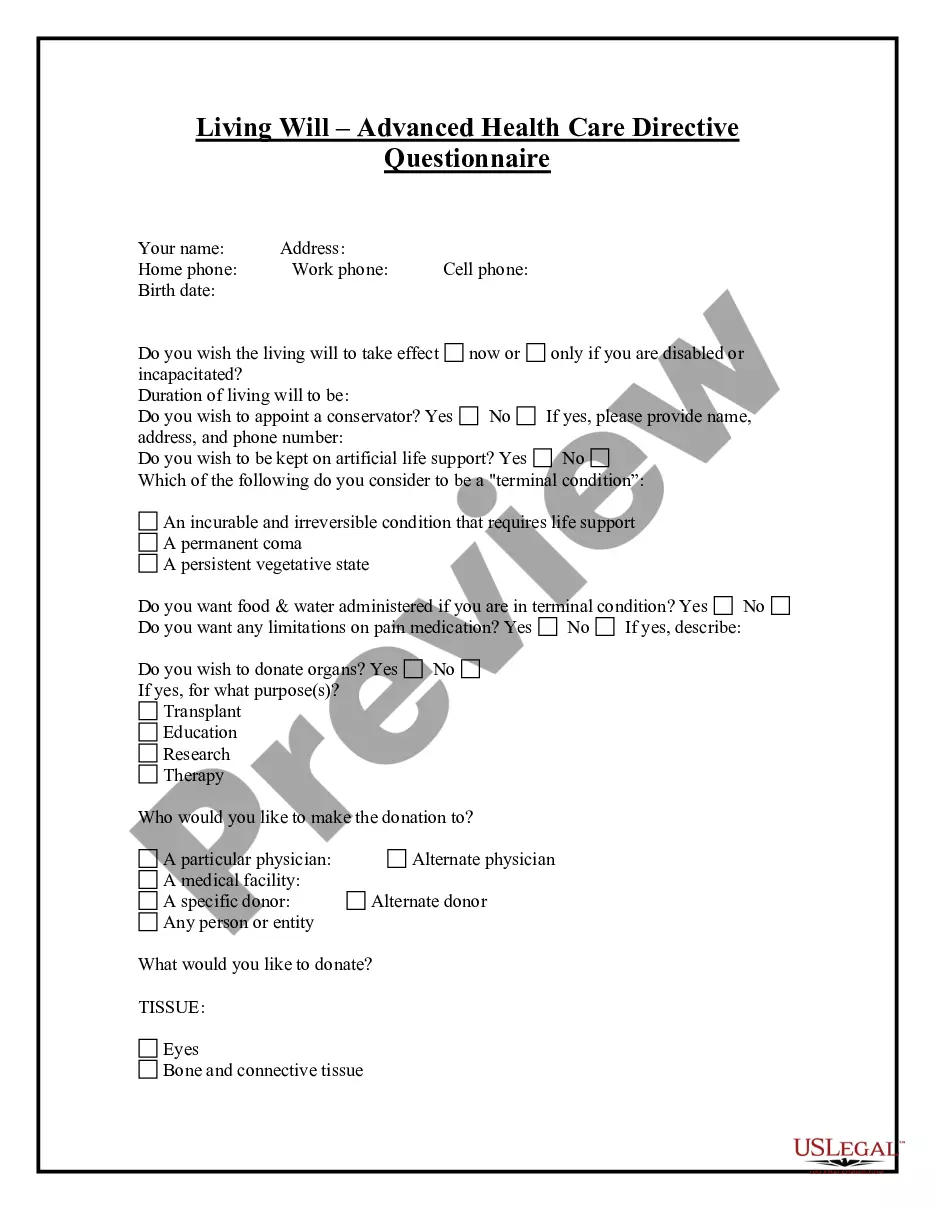
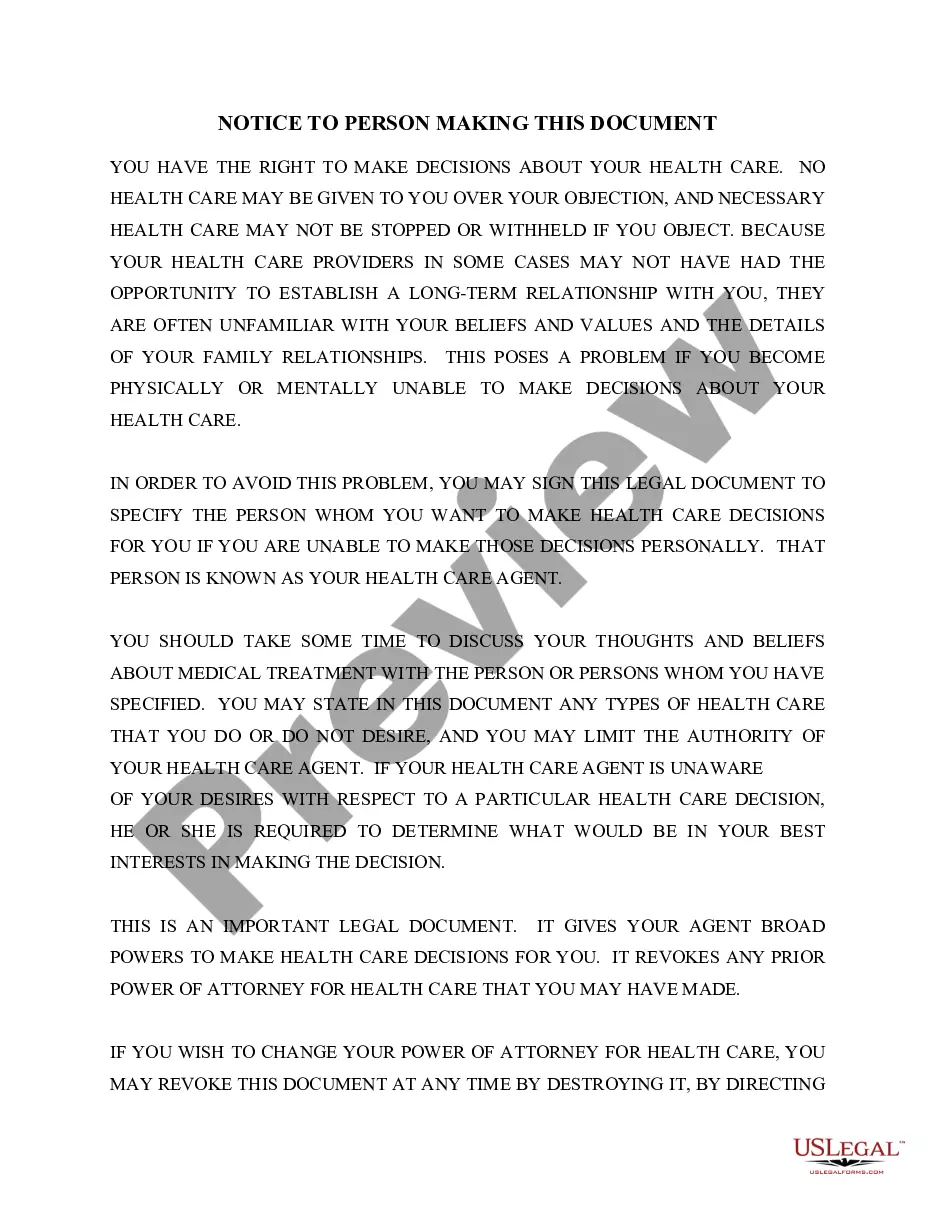
The Statutory Living Will - Declaration to Healthcare Professionals is a legal document that allows you to specify your medical care preferences if you become terminally ill or are in a persistent vegetative state. This form differs from other advance directives by focusing specifically on the withdrawal of life-sustaining treatments, ensuring that your wishes are respected regarding the end of life. It provides clear guidelines for healthcare providers and family members about your choices during critical care situations.
Key parts of this document
- Name and contact details of the individual creating the living will.
- Declarations regarding life-sustaining procedures if you have a terminal condition.
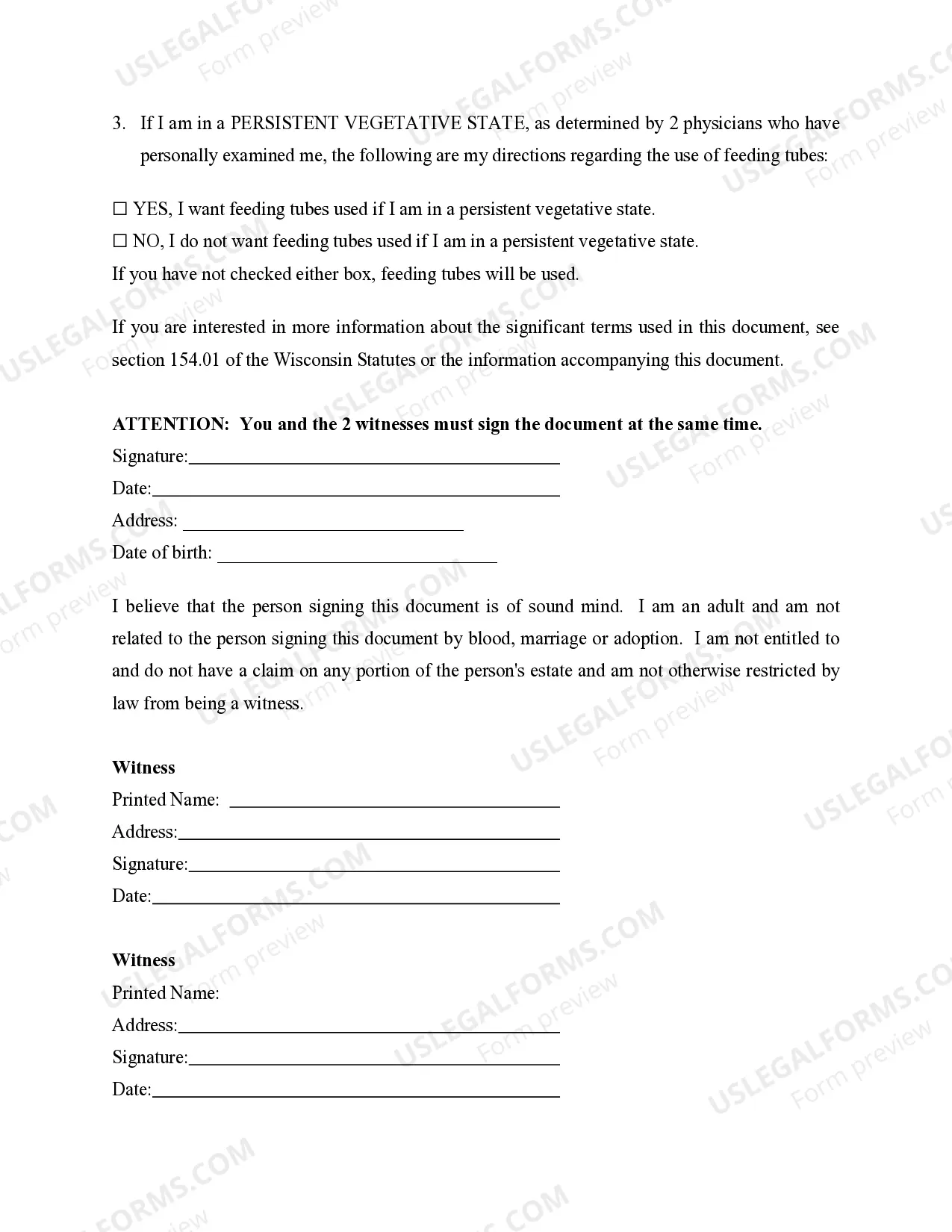
- Options for the use of feeding tubes under specified medical conditions.
- Signature requirements from both the individual and witnesses to validate the document.
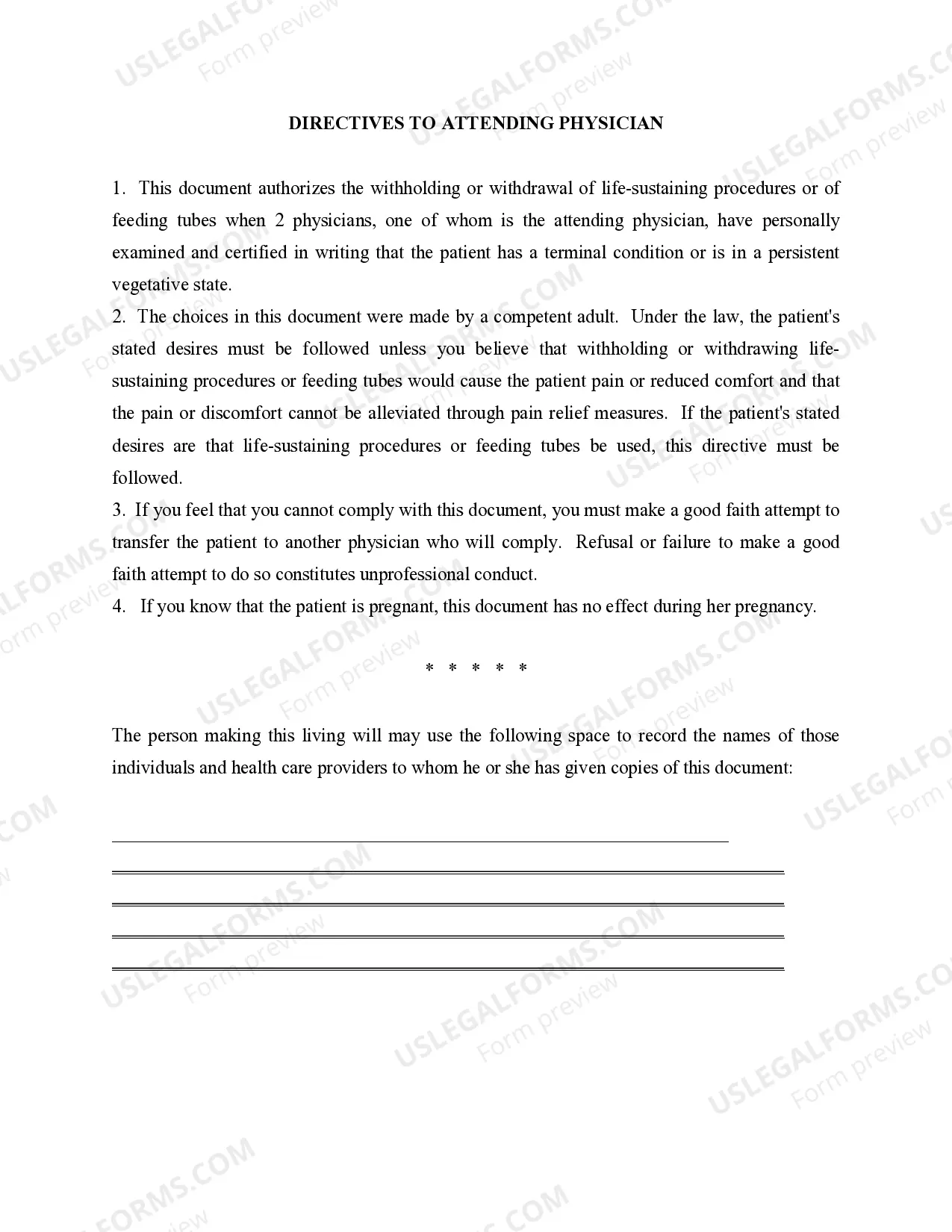
- Directives to attending physicians outlining their obligations regarding your specified wishes.
When to use this form
This form is essential when you want to communicate your healthcare preferences ahead of time, particularly if you are diagnosed with a terminal illness or face a situation where you cannot make decisions regarding your medical treatment. It is also used when you wish to relieve your family members from having to make difficult decisions about life-sustaining interventions on your behalf.
Who can use this document
- Individuals in good health looking to prepare for potential future medical emergencies.
- People diagnosed with serious illnesses who want to ensure their healthcare preferences are known and respected.
- Anyone who wishes to provide clear directives to their healthcare providers regarding end-of-life care.
Completing this form step by step
- Clearly write your full name and contact information at the beginning of the document.
- Specify your wishes regarding life-sustaining procedures if you are diagnosed with a terminal condition.
- Indicate your preferences about the use of feeding tubes using the provided options.
- Ensure you and your witnesses sign the document simultaneously to validate it.
- Provide the names of individuals to whom you will give copies of this document for their awareness.
Does this form need to be notarized?
This form does not typically require notarization unless specified by local law. However, having a notary can add an extra layer of validation to your document, assuring that it is recognized as legally enforceable.
Get your form ready online
Our built-in tools help you complete, sign, share, and store your documents in one place.
Make edits, fill in missing information, and update formatting in US Legal Forms—just like you would in MS Word.
Download a copy, print it, send it by email, or mail it via USPS—whatever works best for your next step.
Sign and collect signatures with our SignNow integration. Send to multiple recipients, set reminders, and more. Go Premium to unlock E-Sign.
If this form requires notarization, complete it online through a secure video call—no need to meet a notary in person or wait for an appointment.
We protect your documents and personal data by following strict security and privacy standards.

Make edits, fill in missing information, and update formatting in US Legal Forms—just like you would in MS Word.

Download a copy, print it, send it by email, or mail it via USPS—whatever works best for your next step.

Sign and collect signatures with our SignNow integration. Send to multiple recipients, set reminders, and more. Go Premium to unlock E-Sign.

If this form requires notarization, complete it online through a secure video call—no need to meet a notary in person or wait for an appointment.

We protect your documents and personal data by following strict security and privacy standards.
Common mistakes to avoid
- Failing to sign the document in the presence of witnesses.
- Not specifying preferences for feeding tubes, which can lead to unintended consequences.
- Overlooking to discuss your wishes with family members, leaving them uncertain in stressful moments.
Why complete this form online
- Convenient access to a legally compliant form that can be completed from home.
- Editability to customize the document to suit your personal wishes accurately.
- Reliability, as these templates are drafted by licensed attorneys who understand the legal requirements.
Legal use & context
- This living will is legally binding under Wisconsin law when properly completed.
- It must be followed by healthcare professionals as your advance directive regarding medical care.
- Your specified choices regarding life-sustaining procedures must be honored except in circumstances where compliance would cause pain or discomfort.
Main things to remember
- The Statutory Living Will allows you to express your healthcare preferences for end-of-life situations.
- Clearly filling out the form and discussing it with family is crucial for ensuring your intentions are followed.
- Understanding the legal aspects and state regulations is essential for valid implementation of your wishes.
Looking for another form?


Form popularity
FAQ
You do not need a lawyer to make a living will, although you can get one from a lawyer if you prefer to. Every state has its own requirements for making a living will, so if you make one on your own, make sure you find a form that meets your state's requirements.
The primary benefit of a living will is that it allows you to voice your desires regarding what treatments should be administered or withheld at the end of life. Physicians are required to comply with your wishes within the reasonable scope of medical practice.
Although both terms contain the word will," a living will and a last will and testament are two separate documents that serve entirely different purposes: A living will concerns health care preferences while you are alive, whereas a last will expresses your wishes for the distribution of your property after your death
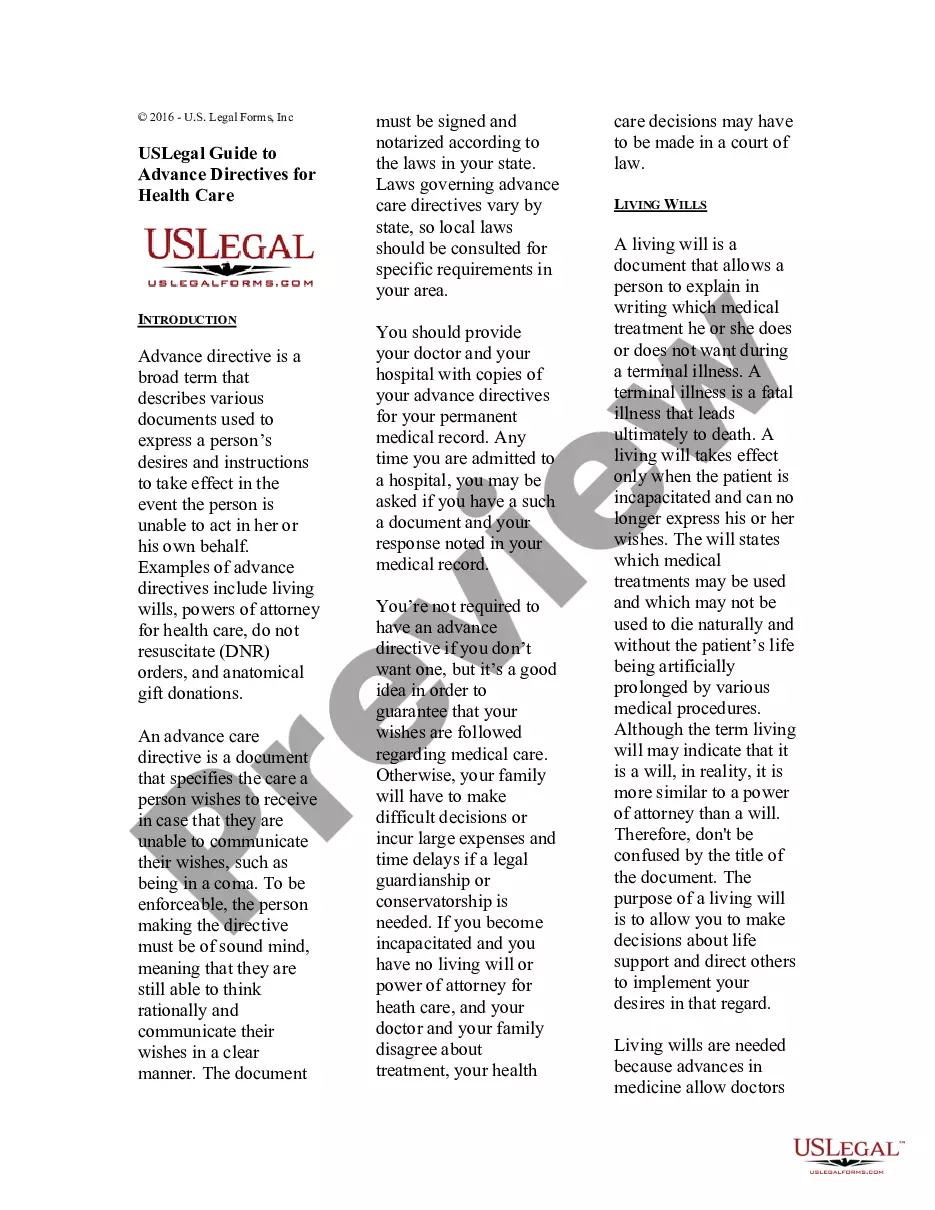
A living will is a legal document that tells others what your personal choices are about end-of-life medical treatment. It lays out the procedures or medications you wantor don't wantto prolong your life if you can't talk with the doctors yourself.