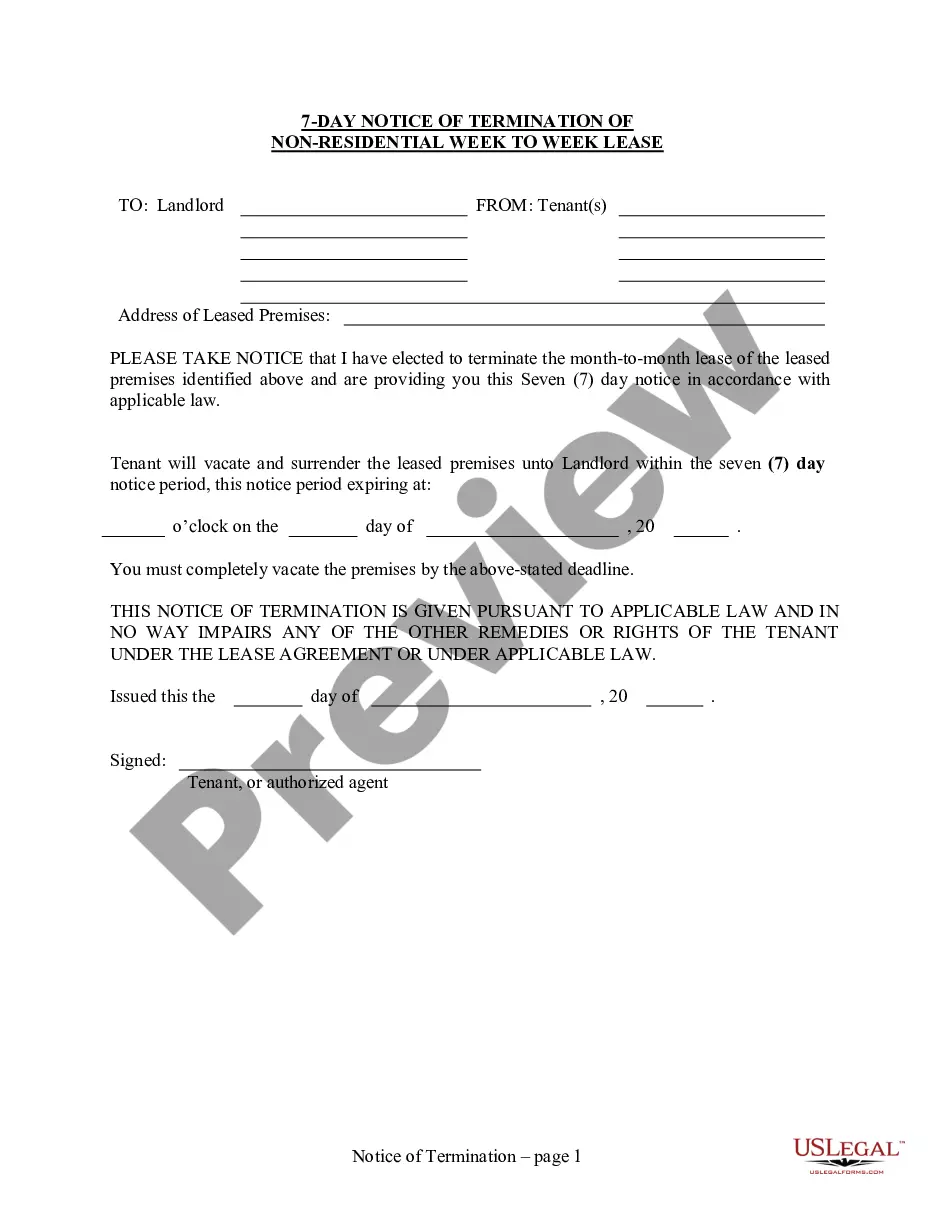
Wisconsin Letter from Tenant to Landlord containing Notice to landlord to withdraw improper rent increase due to violation of rent control ordinance
Understanding this form
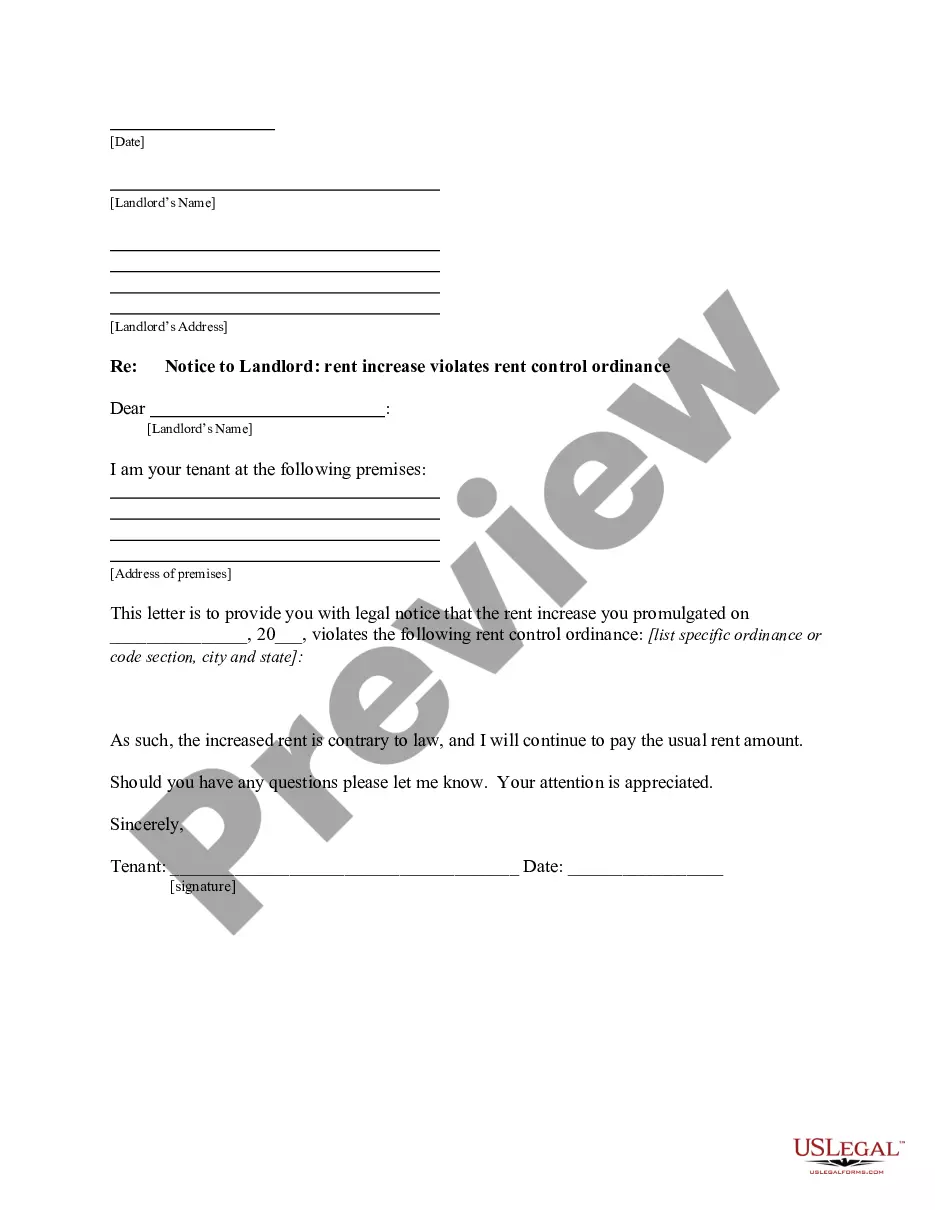
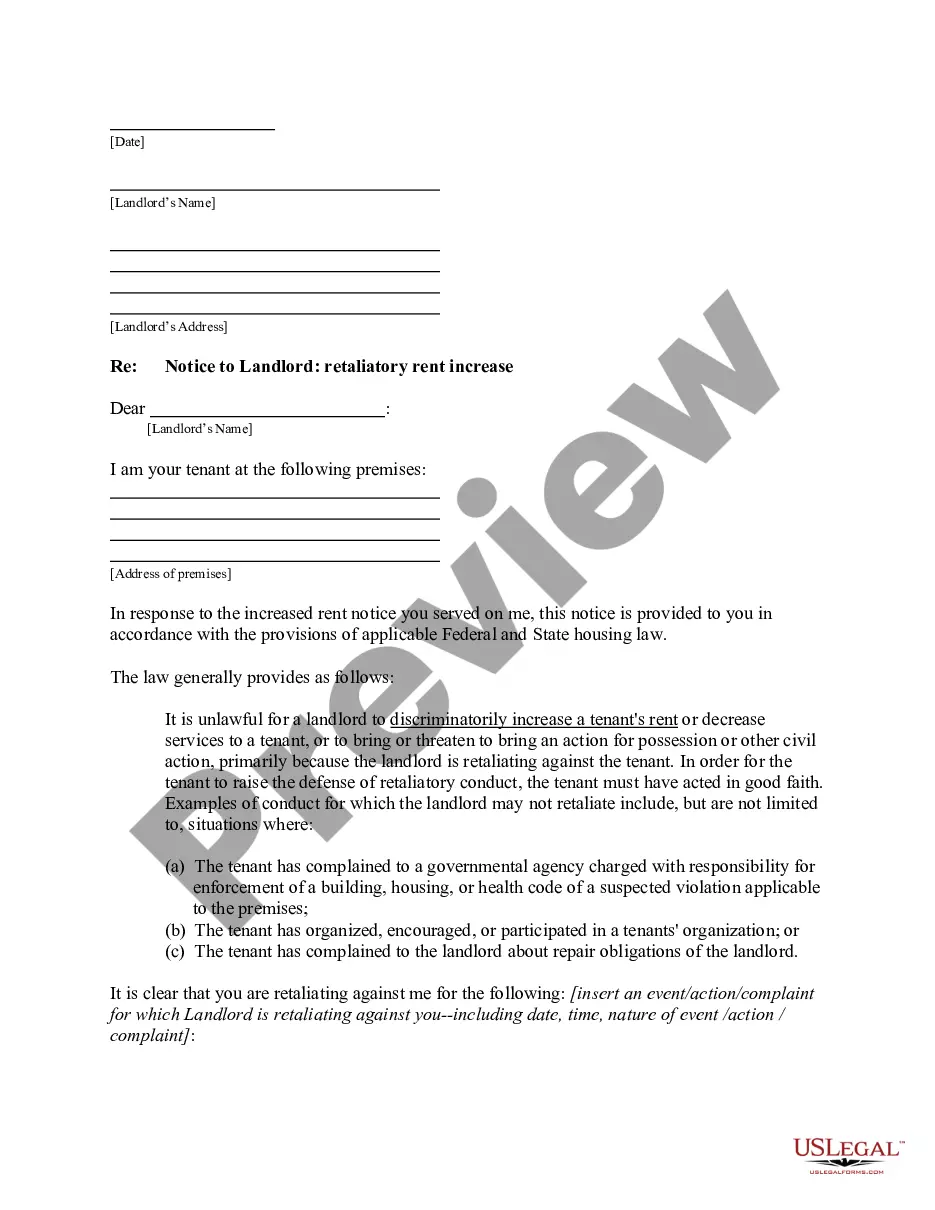
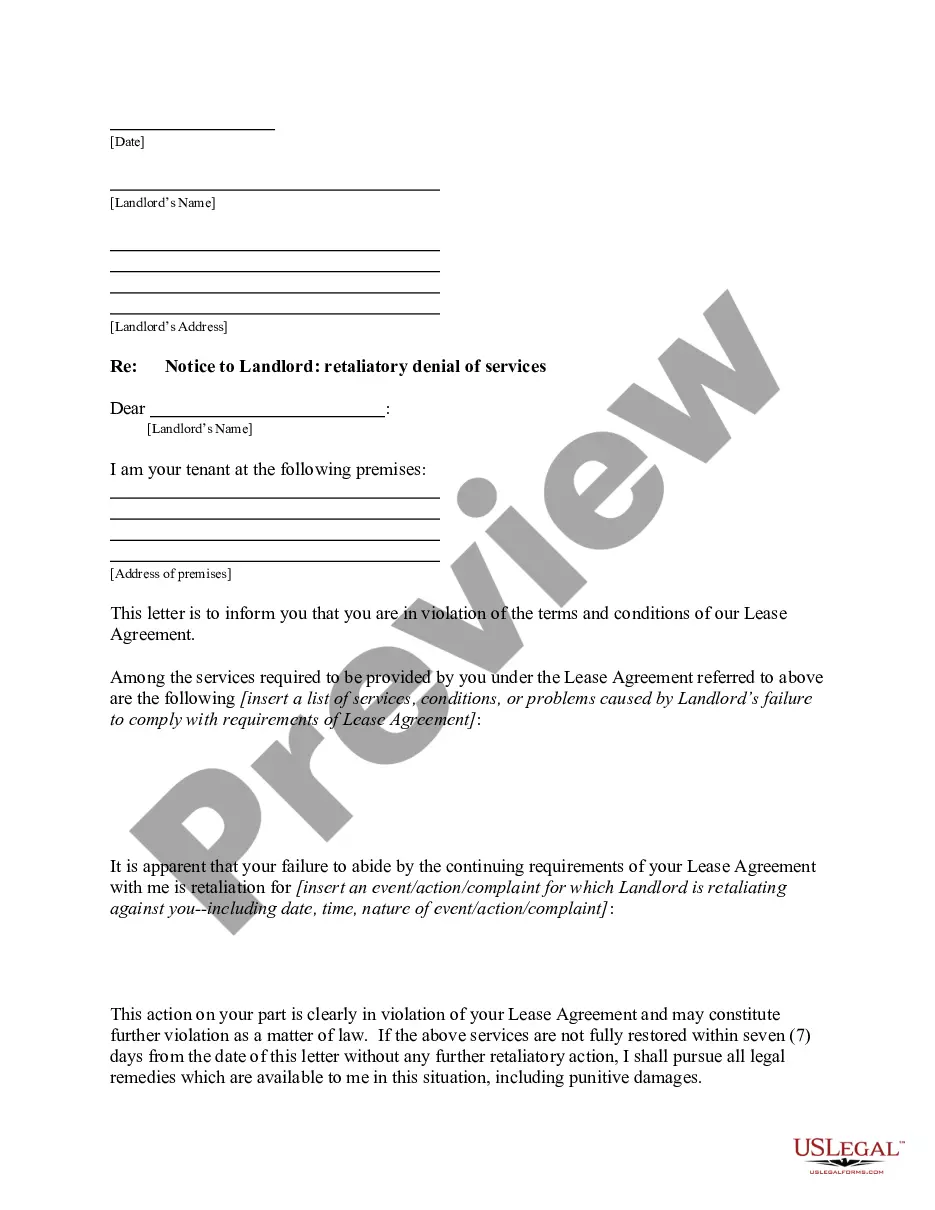
This form is a letter from the tenant to the landlord that contains a notice requesting the landlord to withdraw an improper rent increase. The notice is crucial for informing the landlord that the rent increase may violate local rent control ordinances. This form specifically addresses situations where a rent increase is deemed unlawful under these regulations, distinguishing it from general rent adjustment requests.
Main sections of this form
- Tenant's contact information and signature
- Landlord's name and address
- Statement of the improper rent increase
- Reference to the applicable rent control ordinance
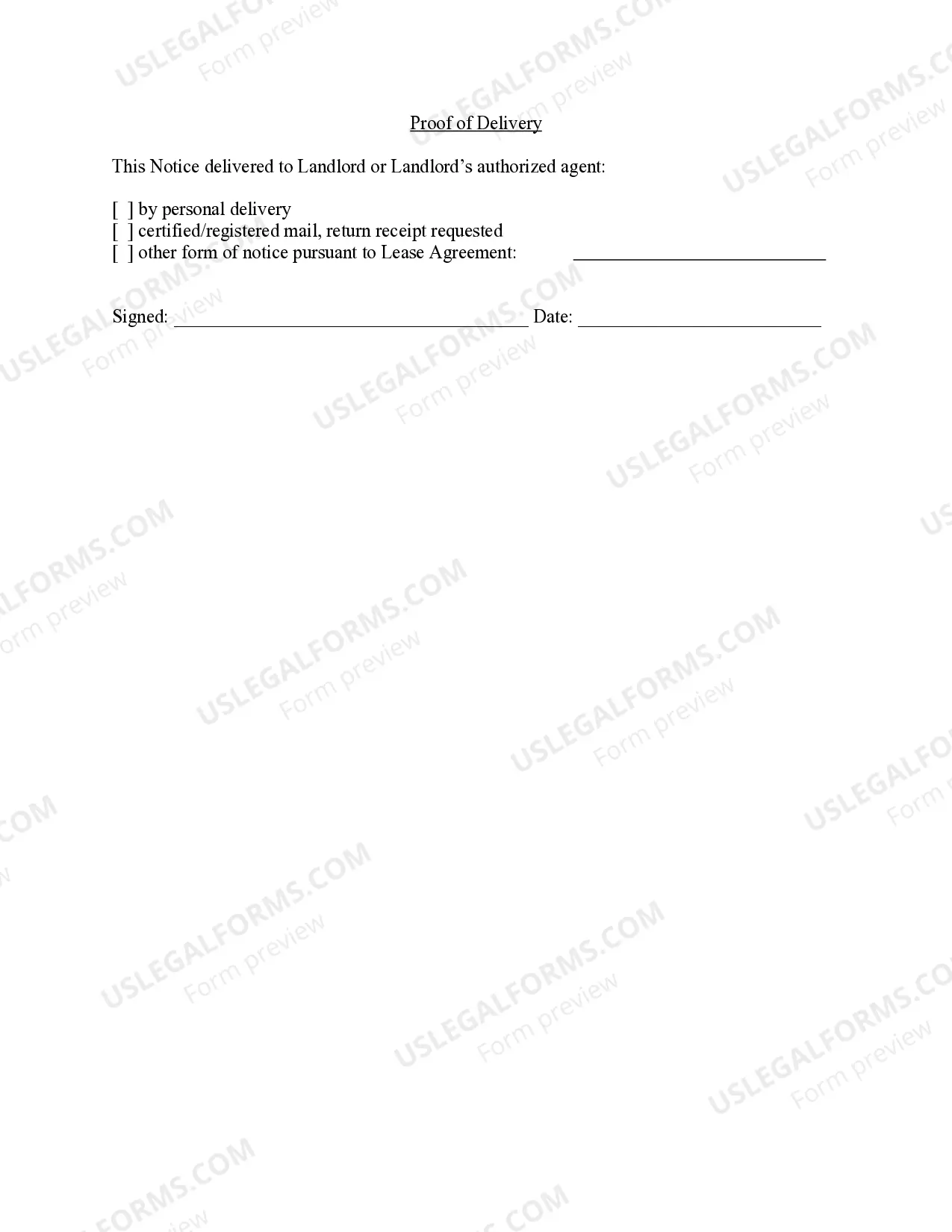
- Proof of delivery section for record-keeping

Common use cases
This form is used when a tenant believes that their landlord has increased the rent unlawfully in conflict with established rent control laws. It is applicable in situations where tenants want to officially document their concern and formally request the landlord to reverse the increase. This notice serves as a protective measure to ensure tenants do not pay more than what is legally permissible.
Who needs this form
- Tenants experiencing an improper rent increase
- Individuals living in areas with rent control regulations
- Renters who wish to formally notify their landlord of legal violations
How to complete this form
- Identify the parties by filling in the tenant's and landlord's names and addresses.
- Clearly state the details of the improper rent increase and how it violates rent control ordinances.
- Sign the letter to confirm it is from the tenant.
- Select the method of delivery: personal delivery or certified mail.
- Keep a copy of the delivered notice for your records.
Does this document require notarization?
In most cases, this form does not require notarization. However, some jurisdictions or signing circumstances might. US Legal Forms offers online notarization powered by Notarize, accessible 24/7 for a quick, remote process.
Get your form ready online
Our built-in tools help you complete, sign, share, and store your documents in one place.
Make edits, fill in missing information, and update formatting in US Legal Forms—just like you would in MS Word.
Download a copy, print it, send it by email, or mail it via USPS—whatever works best for your next step.
Sign and collect signatures with our SignNow integration. Send to multiple recipients, set reminders, and more. Go Premium to unlock E-Sign.
If this form requires notarization, complete it online through a secure video call—no need to meet a notary in person or wait for an appointment.
We protect your documents and personal data by following strict security and privacy standards.

Make edits, fill in missing information, and update formatting in US Legal Forms—just like you would in MS Word.

Download a copy, print it, send it by email, or mail it via USPS—whatever works best for your next step.

Sign and collect signatures with our SignNow integration. Send to multiple recipients, set reminders, and more. Go Premium to unlock E-Sign.

If this form requires notarization, complete it online through a secure video call—no need to meet a notary in person or wait for an appointment.

We protect your documents and personal data by following strict security and privacy standards.
Common mistakes to avoid
- Failing to mention the specific rent control ordinance being violated.
- Not including proof of delivery for documentation purposes.
- Omitting personal contact information for follow-up.
Benefits of completing this form online
- Easy access to legally sound templates drafted by licensed attorneys.
- Convenient downloadable format for immediate use.
- Editable to fit specific situations and personal details.
Legal use & context
- This notice can help tenants enforce their rights under local rent control laws.
- Failure to respond to this notice may lead to further legal action regarding the rent increase.
- Understanding local laws is essential for the enforceability of this form.
Summary of main points
- A notice to withdraw an improper rent increase is a vital tool for tenants.
- This form helps communicate concerns about unlawful rent increases to landlords.
- Ensure all information is accurate and complete to avoid delays or misunderstandings.
Looking for another form?




Form popularity
FAQ
There are no state laws limiting the amount of a rent increase. If you are renting by the month, the landlord may terminate the rental agreement by giving you a written termination notice at least 28 days before the next rent due date.
Tenants must be given a 60 day rent increase notice period before the rent goes up. You also need to tell them exactly which date it will increase! Rental prices cannot go up within the first 6 months (180 days) of starting a tenancy.
Review Your Lease Before You Sign. Research Local Laws. Keep Records. Pay Your Rent. Maintain Respectful Communication. Seek an Agreeable Solution. Request Repairs in Writing. What Do You Think?
Your landlord can't increase your rent during your fixed term unless you agree or your agreement allows it. If your agreement says your rent can be increased it has to say when and how it will be done. This is known as having a 'rent review clause'.
In most states, a landlord must give tenants notice at least 30 days before they'll enforce a rent increase. However, in other states like California, the notice can increase to 60 days' notice if the increase is more than 10% of the current rent rate.
Landlords are prohibited from harassing or retaliating against tenants who exercise their legal rights. In Wisconsin, the landlord must not terminate, refuse to renew a lease, or fine a tenant for complaining to the landlord regarding the deposit, complaining to a government agency, or exercising a legal right.
If you think your landlord is violating the Fair Housing Act, you can get that landlord in trouble by filing a complaint at HUD.gov. Your remedy for breach of quiet enjoyment is to terminate the lease and move or sue in small claims court.
Essentially, this means your landlord can only raise rents if they're in line with the current market. The AST often has a section suggesting how much rents could increase by. The percentage is typically between 0.5 and 5%, with market rents expected to be somewhere in that bracket after a 12-month AST comes to an end.
The landlord can enter at reasonable times to inspect the premises, make repairs, or show the premises to prospective tenants. The landlord usually must give 12 hours notice before entry, unless immediate entry is necessary to preserve or protect the premises, such as in case of a fire or a burst water pipe.