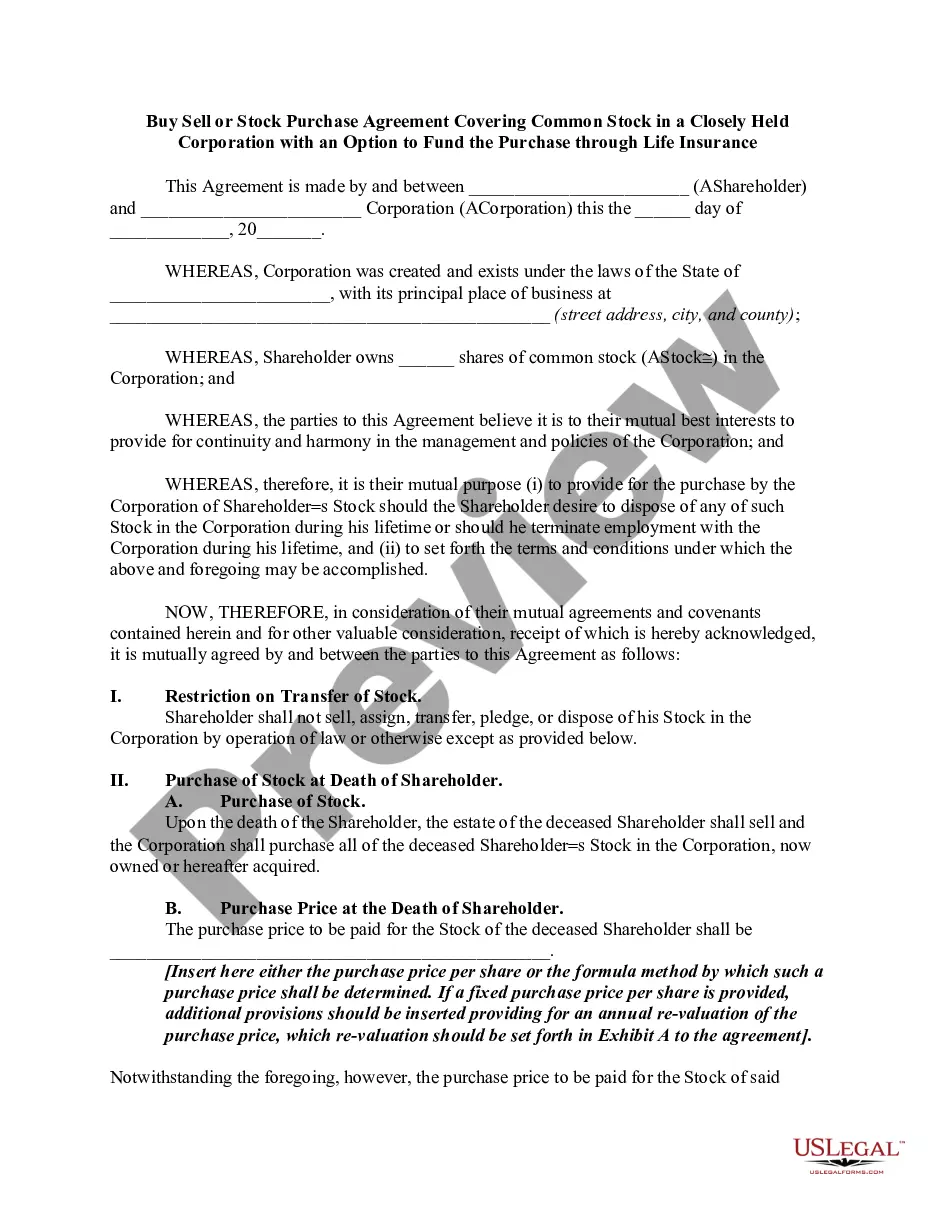
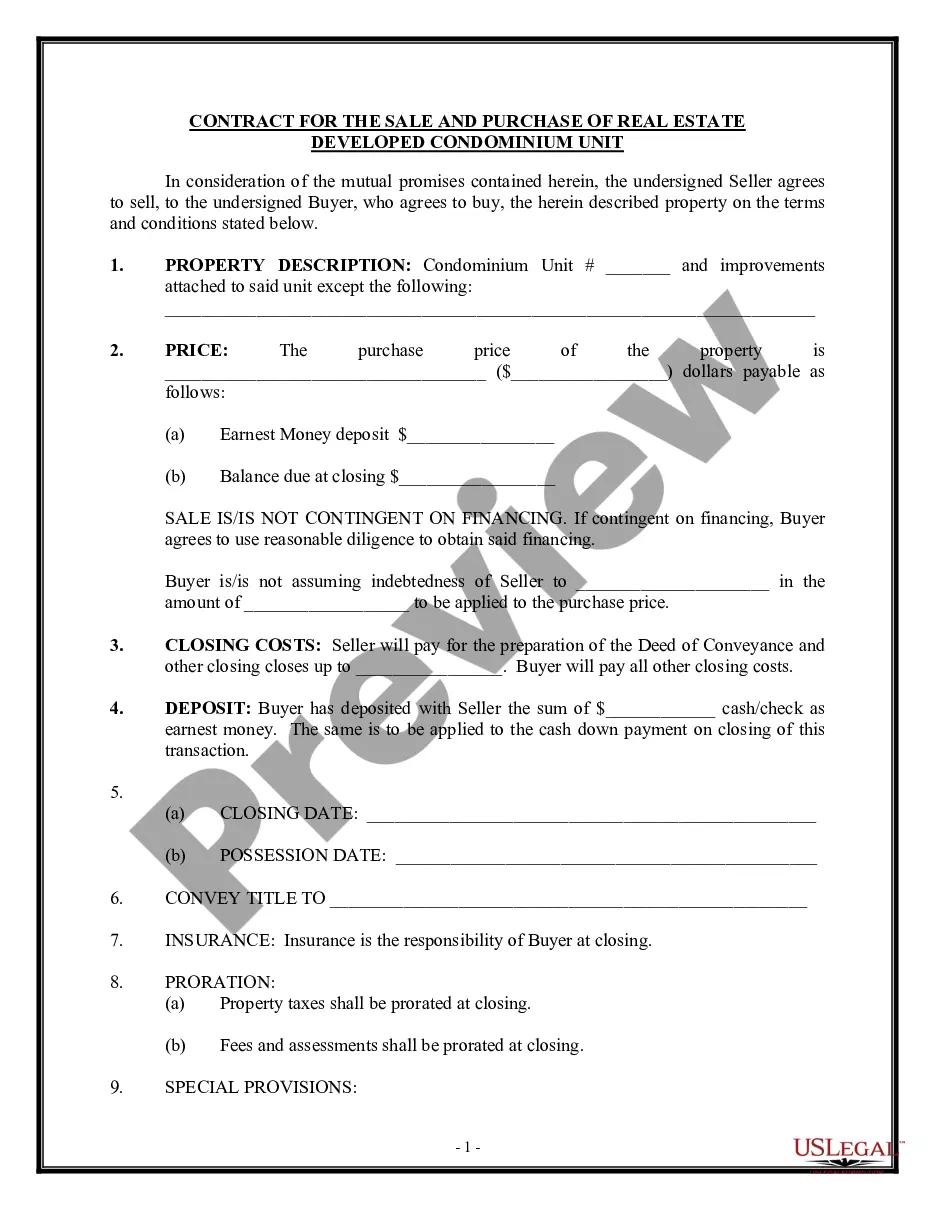
Wisconsin Warranty Deed from Corporation to Individual
Understanding this form
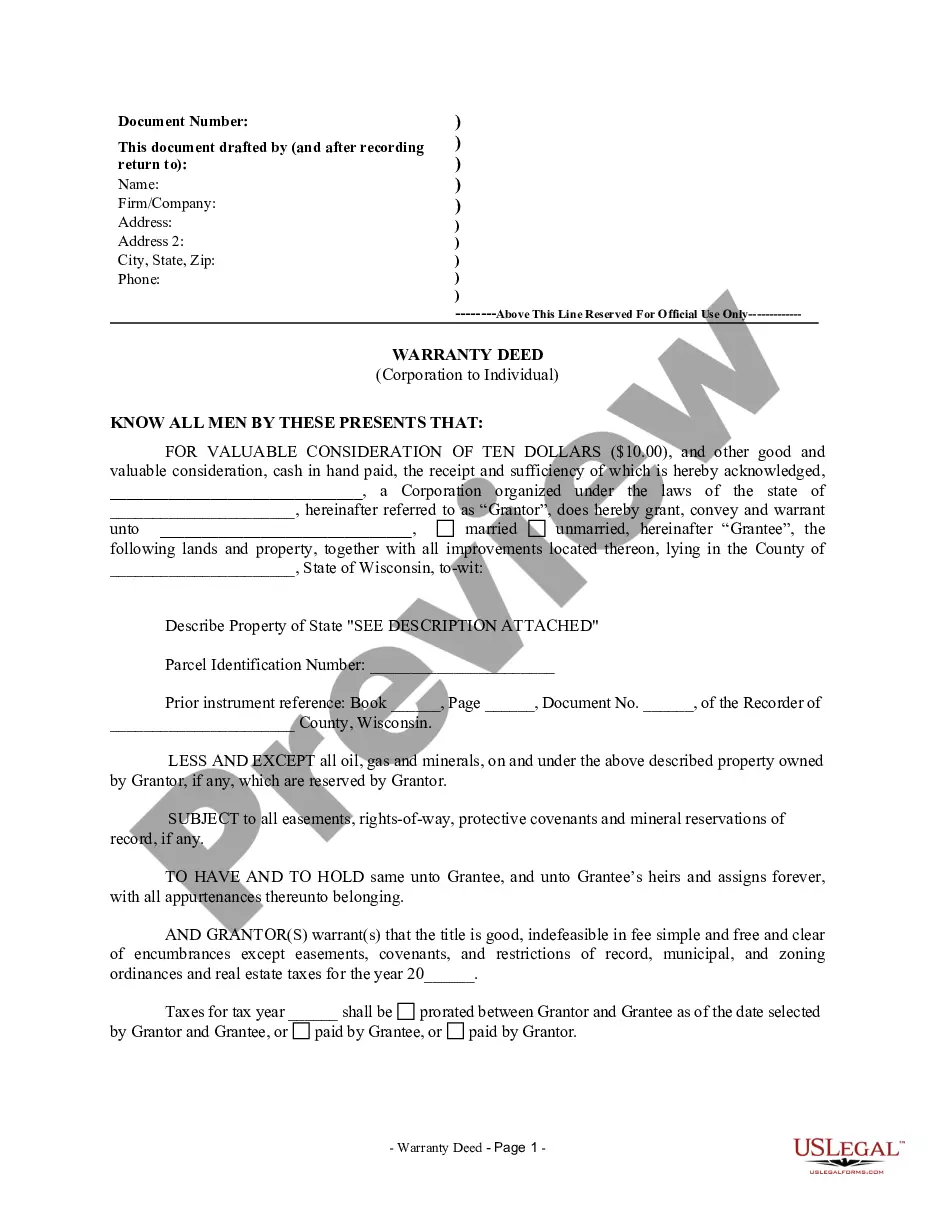
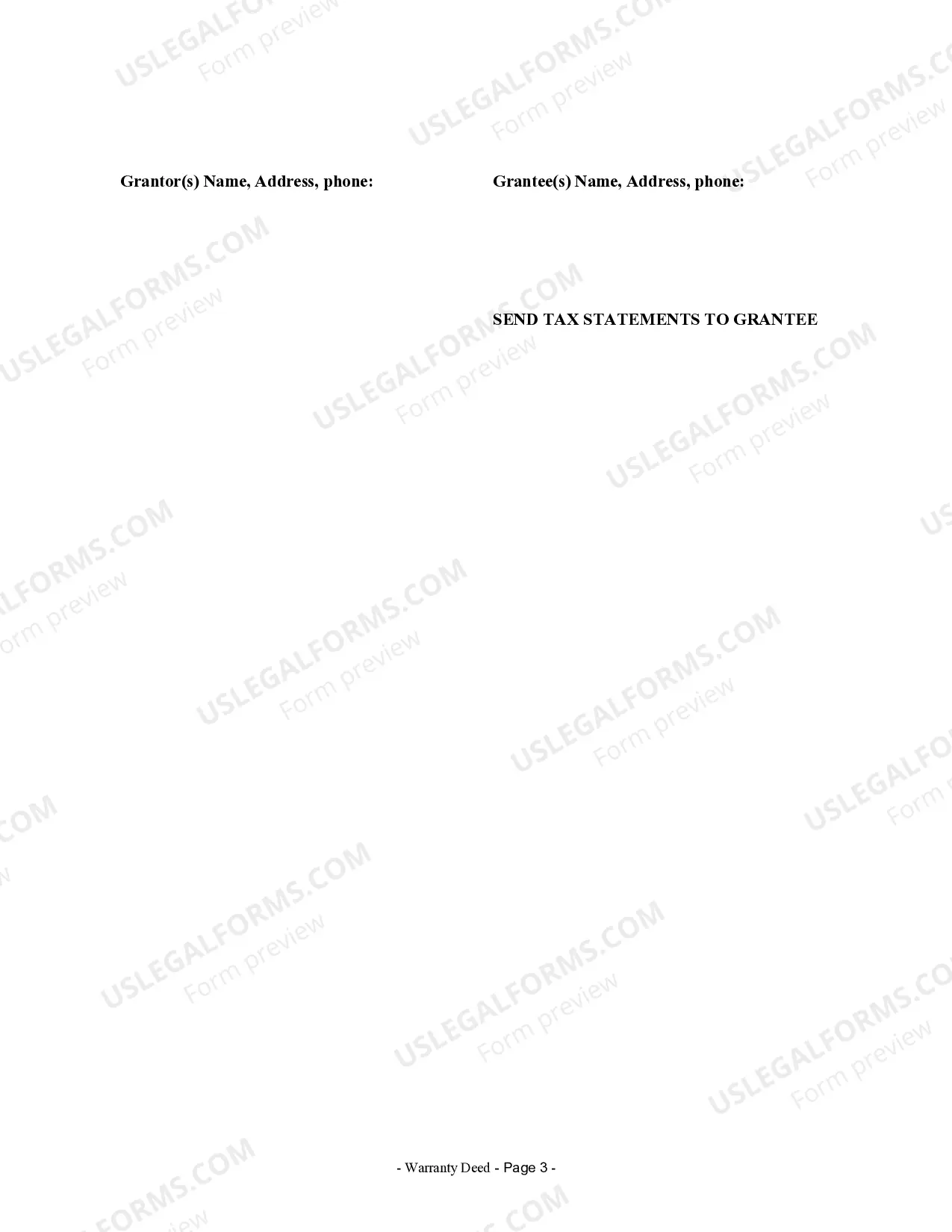
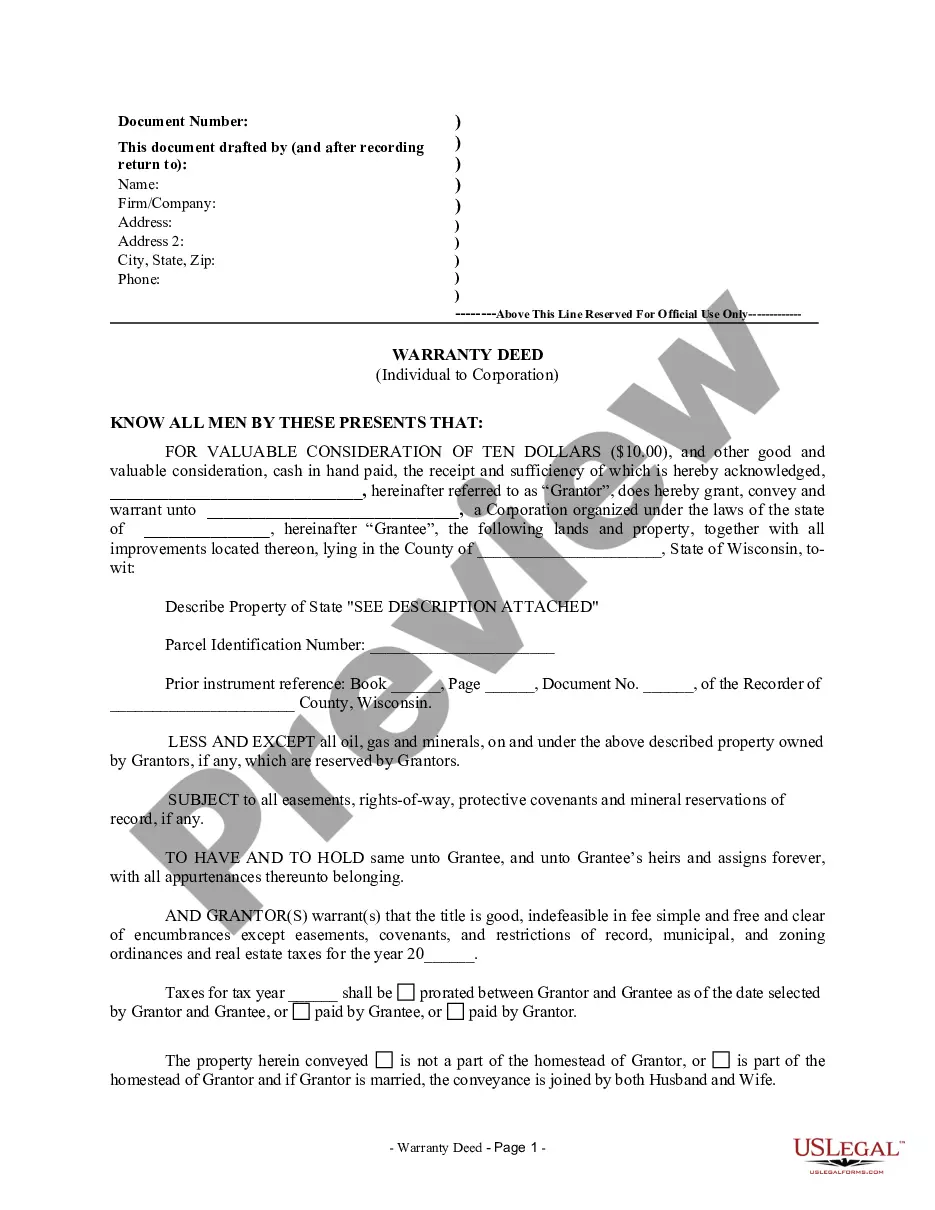
The Warranty Deed from Corporation to Individual is a legal document used to transfer real estate ownership from a corporation (the Grantor) to an individual (the Grantee). This deed provides a warranty of title, ensuring that the property is free from encumbrances, except for specified easements and reservations. It stands apart from other deeds by involving a corporation as the seller, making it essential for transactions where corporate properties are involved.
Key components of this form
- Identification of the parties: Clearly states the Grantor (corporation) and the Grantee (individual).
- Description of the property: Provides a detailed description of the transferred property and its Parcel Identification Number.
- Reservations: Includes a clause reserving any oil, gas, and minerals beneath the property.
- Warranties: Ensures the title is good, indefeasible in fee simple, and free from encumbrances, with exceptions noted.
- Tax proration instructions: Outlines responsibilities for real estate taxes between the Grantor and Grantee.
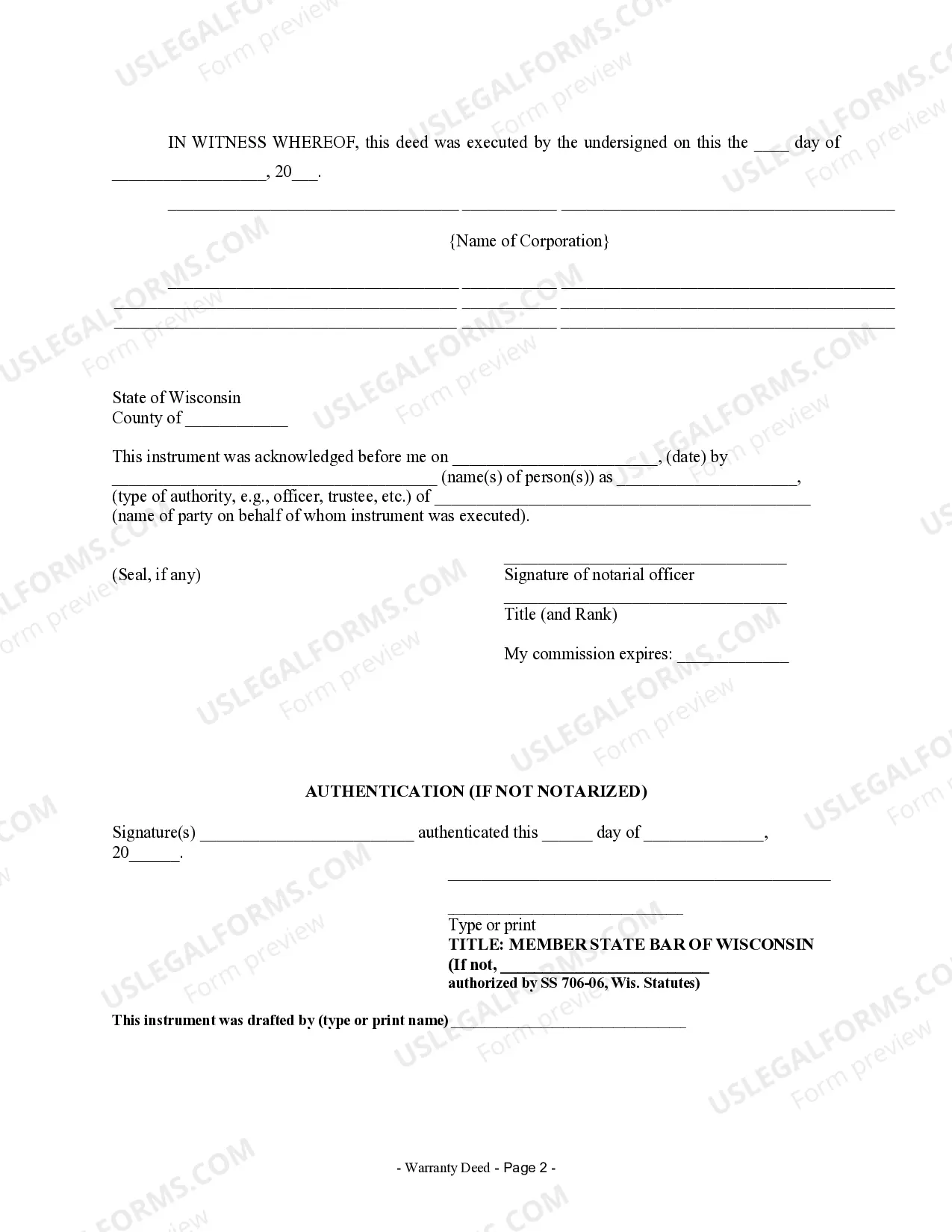
- Execution instructions: Details the signing process, including notary acknowledgment if required.


When to use this document
This form should be used when a corporation sells real estate to an individual. Typical scenarios include corporate sales of commercial properties or other real estate transactions where properties owned by a corporation are being transferred to a private owner. It ensures a legal framework is established for the transfer of property title.
Who needs this form
This form is intended for:
- Corporations or businesses seeking to transfer real estate to individual owners.
- Individuals purchasing property from a corporate entity.
- Legal representatives handling property transactions on behalf of a corporation or individual.
Instructions for completing this form
- Identify the parties involved: Enter the corporation's name as the Grantor and the individual's name as the Grantee.
- Specify the property: Provide a detailed description of the property being transferred, including its Parcel Identification Number.
- Review reservations: Detail any reservations, specifically regarding oil, gas, and minerals, as necessary.
- Complete tax information: Enter arrangements regarding real estate taxes, including which party will handle the payment for the tax year.
- Execute the deed: Ensure all relevant parties sign the document and have it notarized if required.
Does this form need to be notarized?
This form needs to be notarized to ensure legal validity. US Legal Forms provides secure online notarization powered by Notarize, allowing you to complete the process through a verified video call, available anytime.
Get your form ready online
Our built-in tools help you complete, sign, share, and store your documents in one place.
Make edits, fill in missing information, and update formatting in US Legal Forms—just like you would in MS Word.
Download a copy, print it, send it by email, or mail it via USPS—whatever works best for your next step.
Sign and collect signatures with our SignNow integration. Send to multiple recipients, set reminders, and more. Go Premium to unlock E-Sign.
If this form requires notarization, complete it online through a secure video call—no need to meet a notary in person or wait for an appointment.
We protect your documents and personal data by following strict security and privacy standards.

Make edits, fill in missing information, and update formatting in US Legal Forms—just like you would in MS Word.

Download a copy, print it, send it by email, or mail it via USPS—whatever works best for your next step.

Sign and collect signatures with our SignNow integration. Send to multiple recipients, set reminders, and more. Go Premium to unlock E-Sign.

If this form requires notarization, complete it online through a secure video call—no need to meet a notary in person or wait for an appointment.

We protect your documents and personal data by following strict security and privacy standards.
Avoid these common issues
- Failing to provide a clear and accurate property description.
- Neglecting to include necessary reservations for minerals or other resources.
- Not addressing the proration of taxes between Grantor and Grantee.
- Leaving the form unsigned or improperly executed if notarization is necessary.
Why use this form online
- Convenient access: Download and complete the form from anywhere at your convenience.
- Editability: Easily fill in the necessary information and make corrections as needed.
- Reliability: Ensure that the form meets current legal standards as drafted by licensed attorneys.
Looking for another form?
Form popularity
FAQ
In a Non-Warranty Deed, the seller gives no warranties.In a Non-Warranty or Quitclaim Deed, the seller merely is giving the buyer whatever rights, if any, that the seller has in the property and the seller makes no warranties of any nature about the seller's rights in the property.
Wisconsin. When recording a property conveyance deed and other instruments, a seller of real estate is required to file a Real Estate Transfer Return (RETR) with the county Register of Deeds. Since July 1, 2009, a seller must electronically file (e-file) a return under state law.
A warranty deed, also known as a general warranty deed, is a legal real estate document between the seller (grantor) and the buyer (grantee). The deed protects the buyer by pledging that the seller holds clear title to the property and there are no encumbrances, outstanding liens, or mortgages against it.
The mortgage company usually prepares this deed as part of the loan package and delivers it to the title company for you to sign at closing. The title company is commonly the trustee to the deed and holds legal title to the property until the loan gets fully repaid.
Key Takeaways. A property deed is a legal document that transfers the ownership of real estate from a seller to a buyer.General warranty deeds give the grantee the most protection, special warranty deeds give the grantee more limited protection, and a quitclaim deed gives the grantee the least protection under the law
As defined in section 706.10(5) of the Wisconsin Statutes, a warranty deed conveys real property in fee simple to the grantee and contains covenants by the grantor that he or she holds title to the property and has "good right to convey the same land or its title." The grantor guarantees that the property is "free from
A warranty deed is a higher level of protection produced by the seller upon the real estate closing. It includes a full legal description of the property, and confirms the title is clear and free from all liens, encumbrances, or title defects. Most property sales make use of a warranty deed.Our title agents can help.
Contact a Real Estate Attorney A Wisconsin attorney will be able to prepare the deed to meet recording requirements for the state.
A Wisconsin (WI) quitclaim deed is a legal document that allows a property's owner to transfer that property to a buyer quickly.In a quitclaim deed in Wisconsin, the buyer and seller agree that there is no guarantee or warranty to the title being clear and free.