Vermont Amendment to Prenuptial or Premarital Agreement
Overview of this form
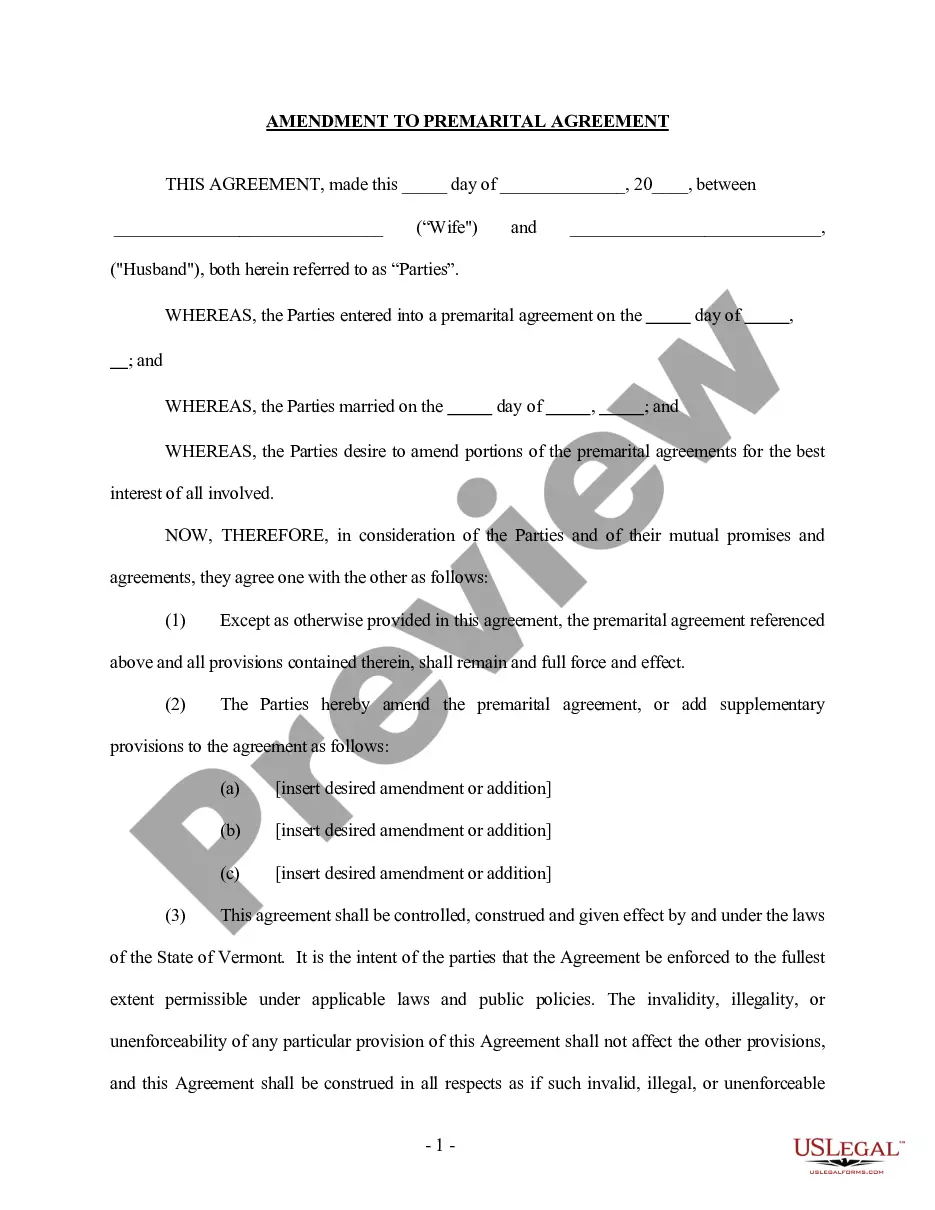
This form is an Amendment to a Prenuptial or Premarital Agreement specifically for the State of Vermont. It is designed to allow the parties involved to make changes or additions to an existing premarital agreement. Unlike a standard prenuptial agreement, this amendment focuses solely on updates, ensuring both parties can modify their existing arrangements in accordance with their current needs.
Key components of this form
- Identification of the parties involved (Wife and Husband).
- Clear statement of the amendments or additional provisions to be incorporated.
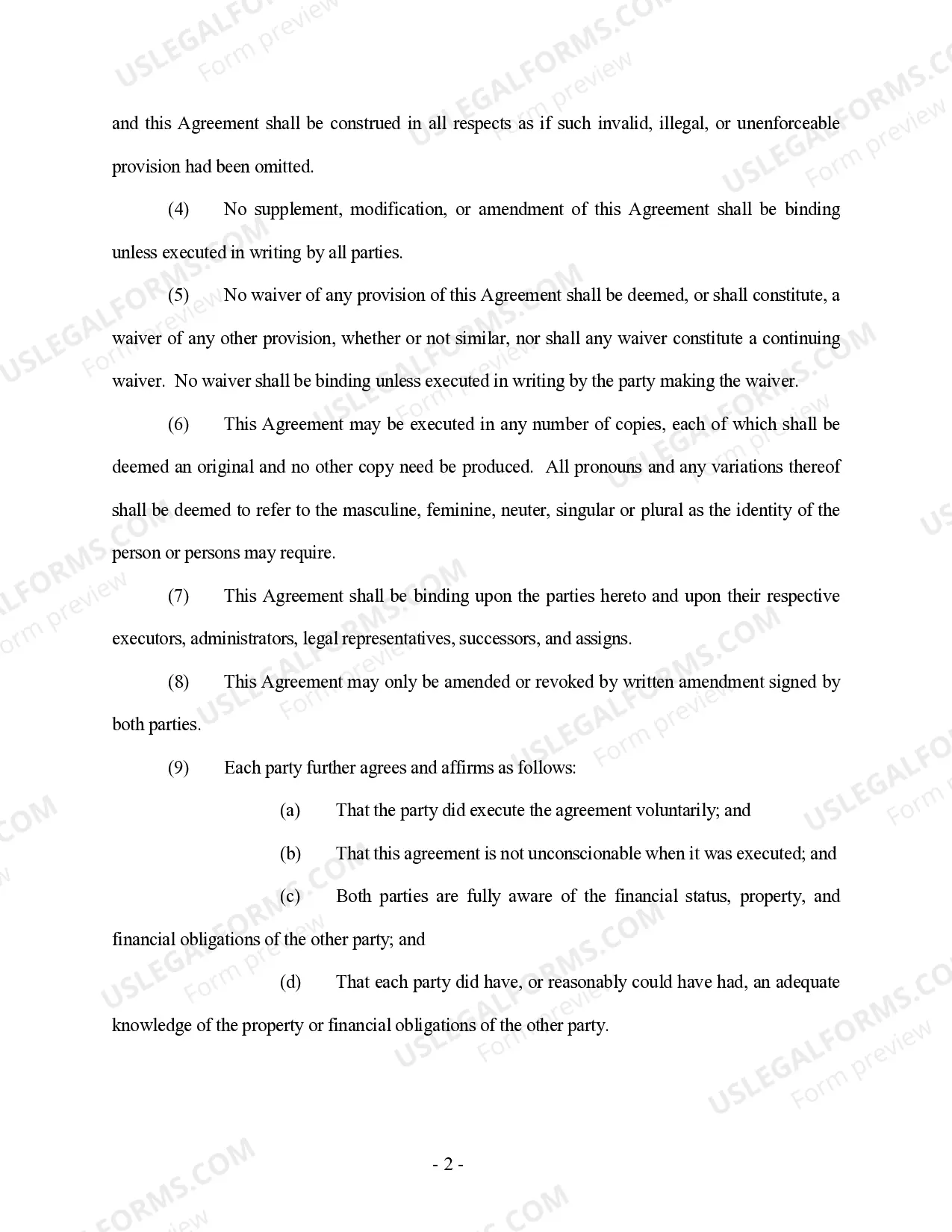
- Confirmation that the original premarital agreement remains in effect unless otherwise stated.
- Legal jurisdiction specified as the State of Vermont.
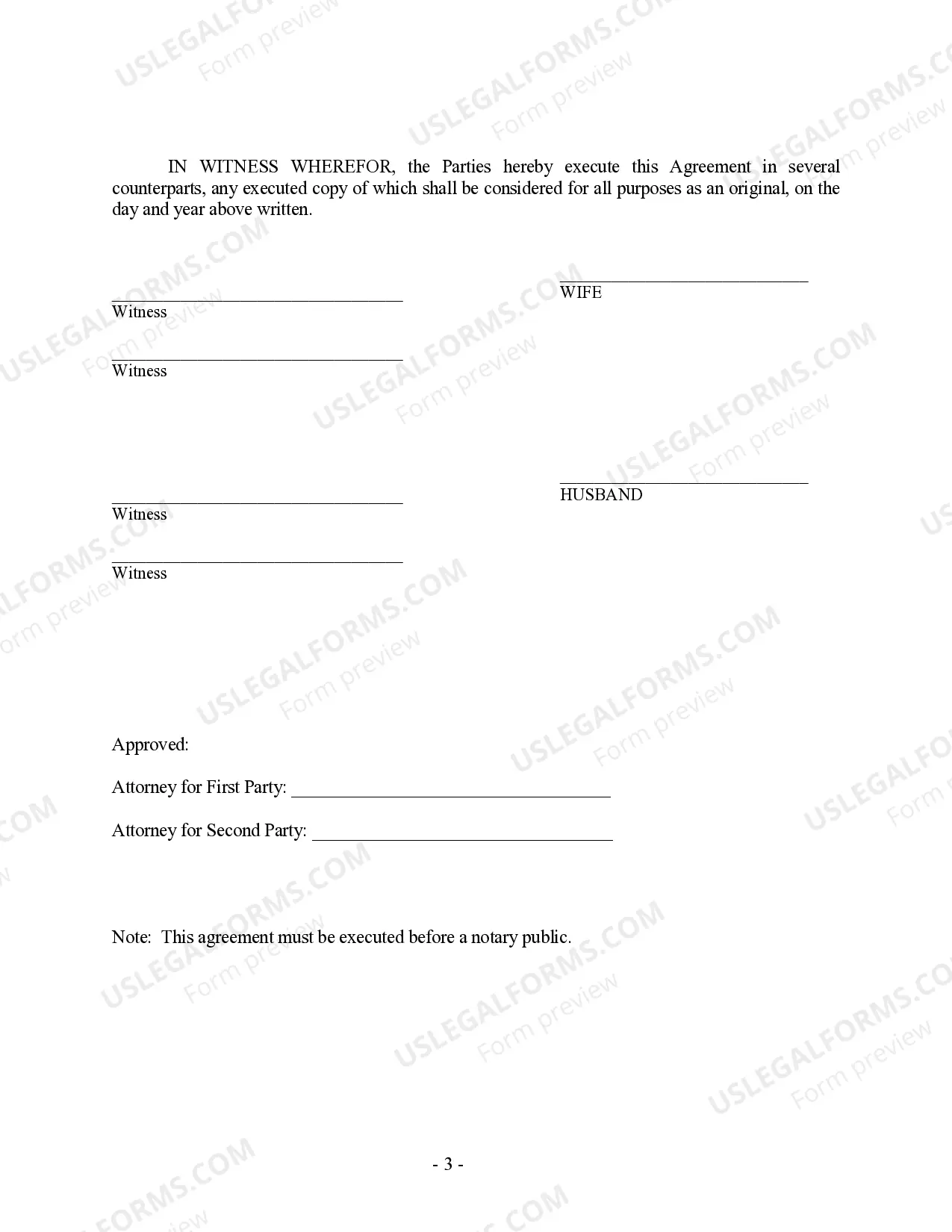
- Signatures of both parties in the presence of a notary public.
Situations where this form applies
You would use this form when you need to make changes or add new provisions to your existing prenuptial agreement. This could be in response to changes in your financial situation, family circumstances, or mutual agreements reached after marriage that require formal documentation.
Who this form is for
This form is suitable for:
- Couples who already have a premarital agreement and want to make modifications.
- Married individuals in Vermont wishing to update their existing marital agreements.
- Anyone looking to clarify or enhance terms originally agreed upon in their prenuptial agreement.
Completing this form step by step
Follow these steps to complete the amendment:
- Identify and enter the full names of both parties (Wife and Husband).
- Clearly state the amendments or additional provisions you wish to include.
- Ensure both parties understand and agree to the amendments inserted.
- Review the document for accuracy.
- Sign the document in the presence of a notary public.
Notarization requirements for this form
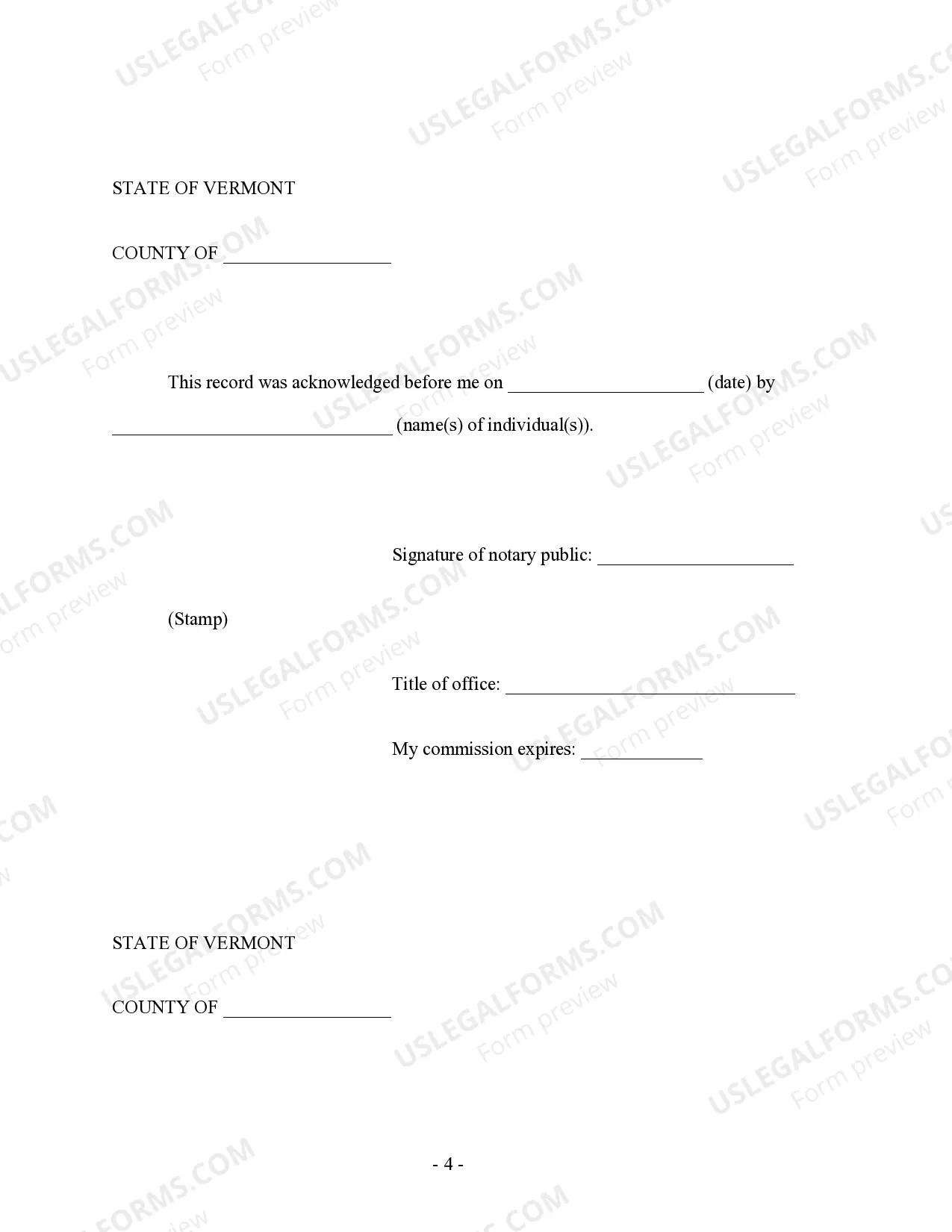
Yes, this form must be notarized to be legally valid. Both parties are required to sign the amendment in the presence of a notary public. US Legal Forms offers integrated online notarization, available 24/7 through secure video calls, ensuring convenience without the need for travel.
Get your form ready online
Our built-in tools help you complete, sign, share, and store your documents in one place.
Make edits, fill in missing information, and update formatting in US Legal Forms—just like you would in MS Word.
Download a copy, print it, send it by email, or mail it via USPS—whatever works best for your next step.
Sign and collect signatures with our SignNow integration. Send to multiple recipients, set reminders, and more. Go Premium to unlock E-Sign.
If this form requires notarization, complete it online through a secure video call—no need to meet a notary in person or wait for an appointment.
We protect your documents and personal data by following strict security and privacy standards.

Make edits, fill in missing information, and update formatting in US Legal Forms—just like you would in MS Word.

Download a copy, print it, send it by email, or mail it via USPS—whatever works best for your next step.

Sign and collect signatures with our SignNow integration. Send to multiple recipients, set reminders, and more. Go Premium to unlock E-Sign.

If this form requires notarization, complete it online through a secure video call—no need to meet a notary in person or wait for an appointment.

We protect your documents and personal data by following strict security and privacy standards.
Typical mistakes to avoid
- Neglecting to specify the new amendments clearly.
- Failing to have the document notarized, which could invalidate the amendment.
- Not reviewing the original premarital agreement before making changes.
- Overlooking the need for both partiesâ consent and signatures.
Why complete this form online
- Online access allows for easy completion and storage of the form.
- Editable format lets you customize the agreement to fit your specific needs.
- Guidance on legal requirements ensures compliance with Vermont laws.
- The amendment becomes part of the existing premarital agreement, so it should be drafted carefully.
- Both parties must fully understand the terms and conditions of the amendments made.
- Consulting a legal professional is advisable to ensure the amendments are enforceable.
Main things to remember
- This form allows couples to modify existing premarital agreements legally.
- Completion requires clear communication and consent from both parties.
- Notarization is crucial for the amendment's validity.
Looking for another form?

Form popularity
FAQ
The three most common grounds for nullifying a prenup are unconscionability, failure to disclose, or duress and coercion.Duress and coercion can also invalidate a prenup. If the prenup was signed the day before your wedding, it may appear that the parties didn't have much time to fully review the agreement.
You cannot amend your prenuptial agreement after marriage. What you can do is prepare a post-nuptial agreement to make the necessary amendments. A post-nuptial agreement requires similar disclosure so you again will need to exchange full financial disclosures with your husband.
The amendment is typically written by a lawyer because of its legal nature. You'll have to have the entire agreement signed and notarized to make the changes valid. If, for whatever reason, you and your spouse decide to cancel your prenuptial agreement, you can use a document called a Release of Marital Agreement.
Typically, a couple's prenuptial agreement will last for the lifetime of the marriage.For example, you can set the prenuptial agreement to last for 5 years before it automatically expires. If there is no sunset clause or specific stipulation regarding how long a prenup should last, its lifespan is indefinite.
Any indication of coercion or lack of willingness can give way for a divorce judge to overturn the agreement. A written agreement should be reviewed by an experienced family law attorney prior to completion of the agreement. Premarital agreements must be signed in front of witnesses and must be notarized.
Reasons a Judge Can Overturn a Prenuptial Agreement There are no specific rules that state what will overturn a prenup.A written agreement should be reviewed by an experienced family law attorney prior to completion of the agreement. Premarital agreements must be signed in front of witnesses and must be notarized.
Prenuptial agreements do not expire, unless they have a specific clause in them stating the agreement expires after a certain length of marriage (very uncommon).
As long as you and your spouse agree, your prenuptial agreement can be changed. To create an amendment to a prenup, you can either add to the original contract or sign a separate contract that modifies the terms of the initial agreement.
No, you cannot get a prenup if you are already married.You can still sign a postnuptial agreement (or postnup), which achieves the same goals as a prenup in most cases. Prenups are a common step before marriage. Texas community property rules are the reason why prenups are common in Texas.