Virginia Last Will and Testament for Married person with Adult Children
Understanding this form
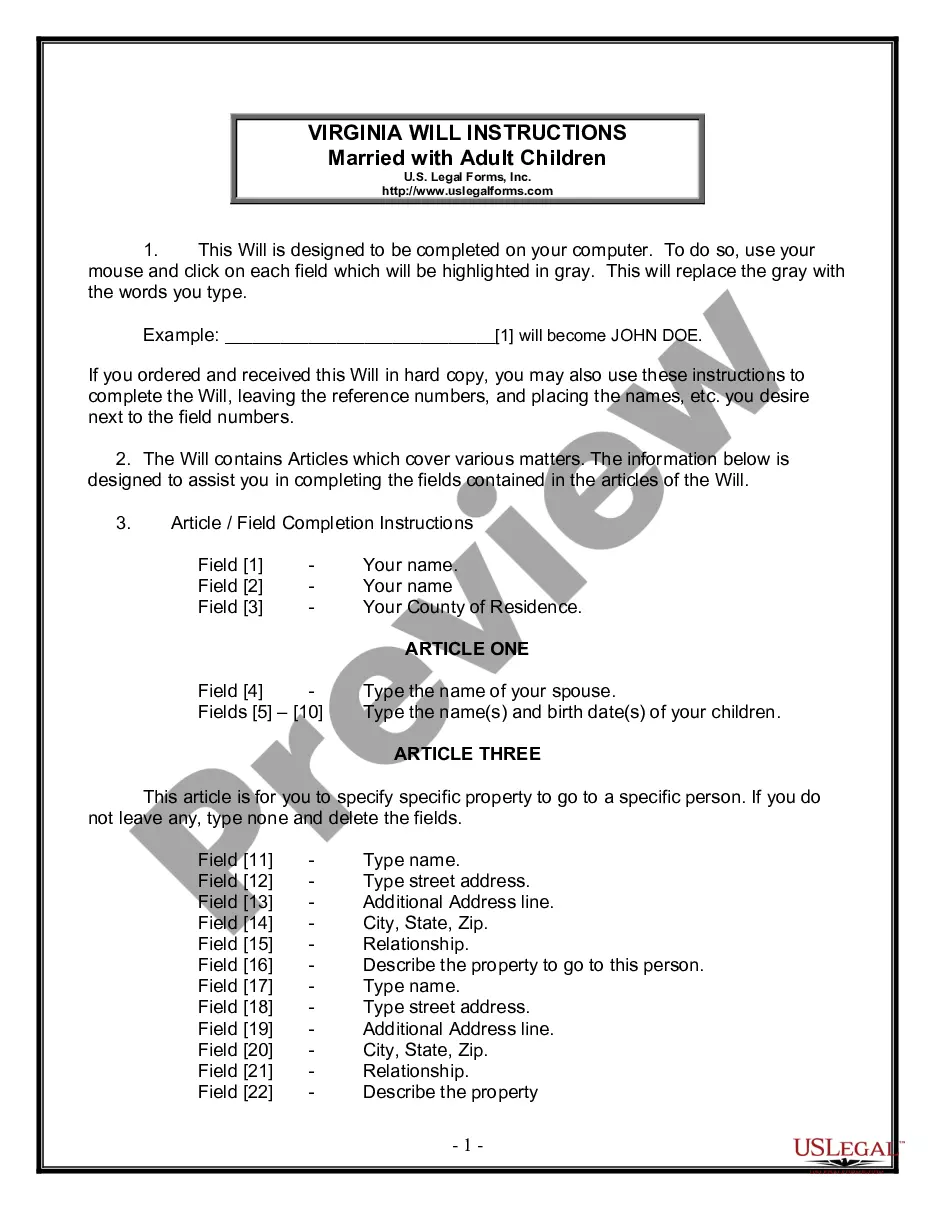
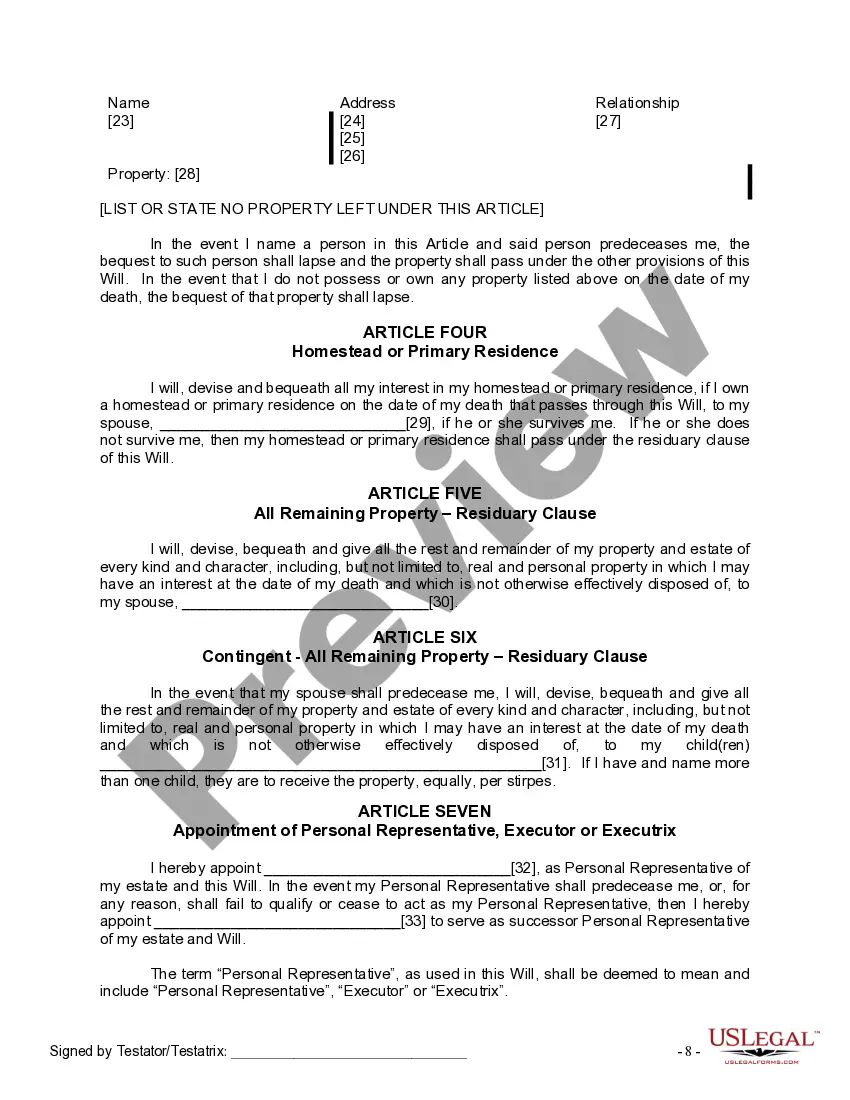
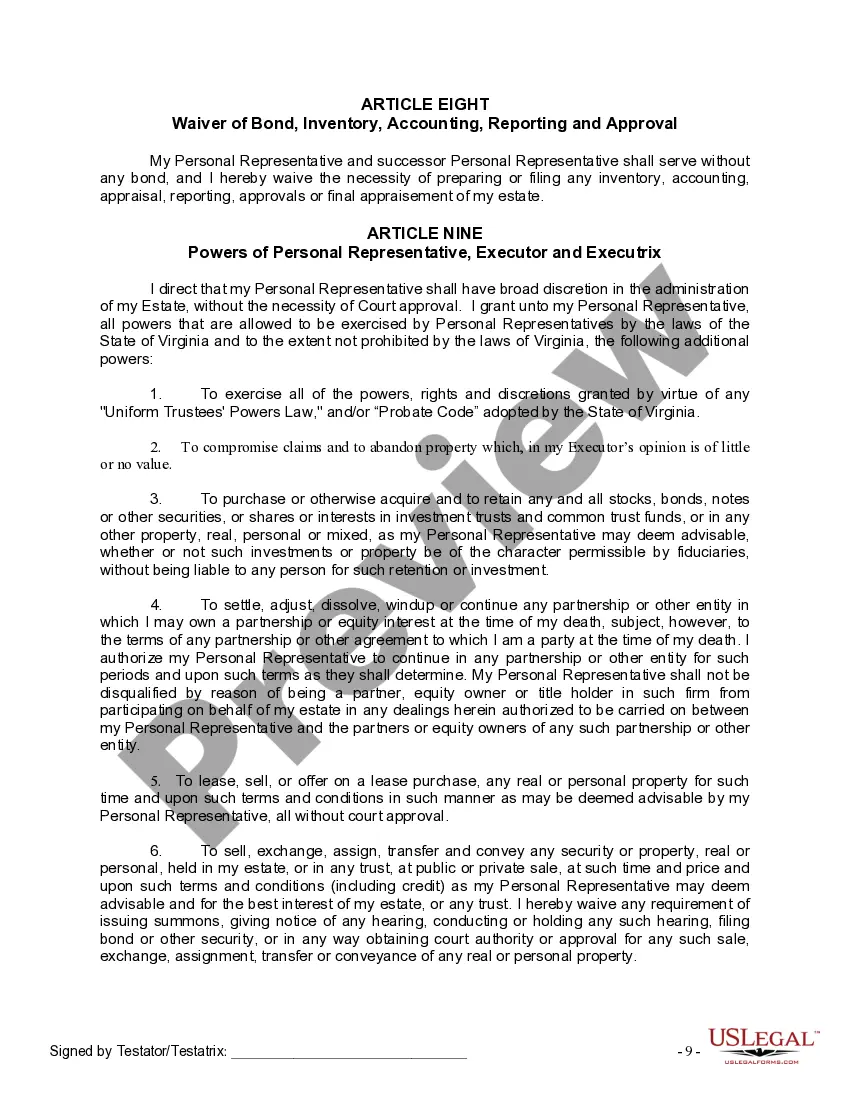
This Last Will and Testament form is specifically designed for a married person with adult children. It allows you to specify who will inherit your property, appoint a personal representative to manage your estate, and include provisions for your spouse and children. Unlike a generic will, this form takes into account the complexities of a marital situation with adult offspring.
Key parts of this document
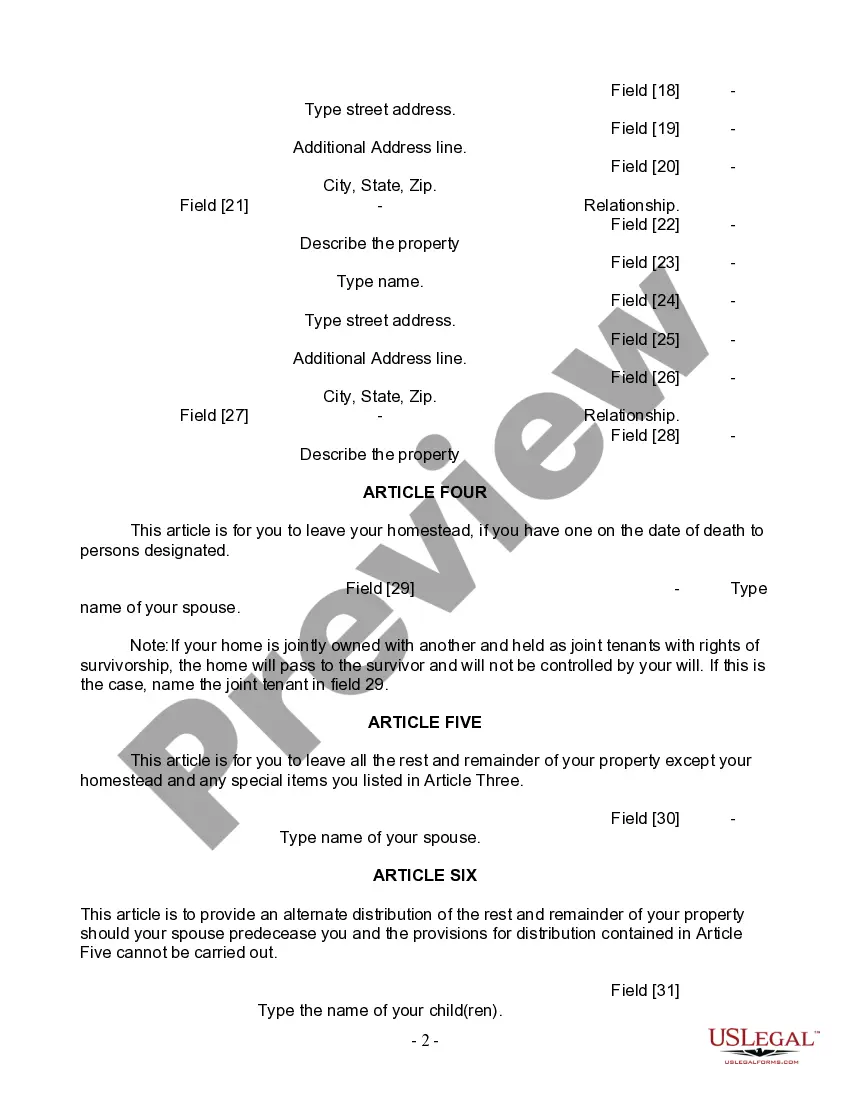
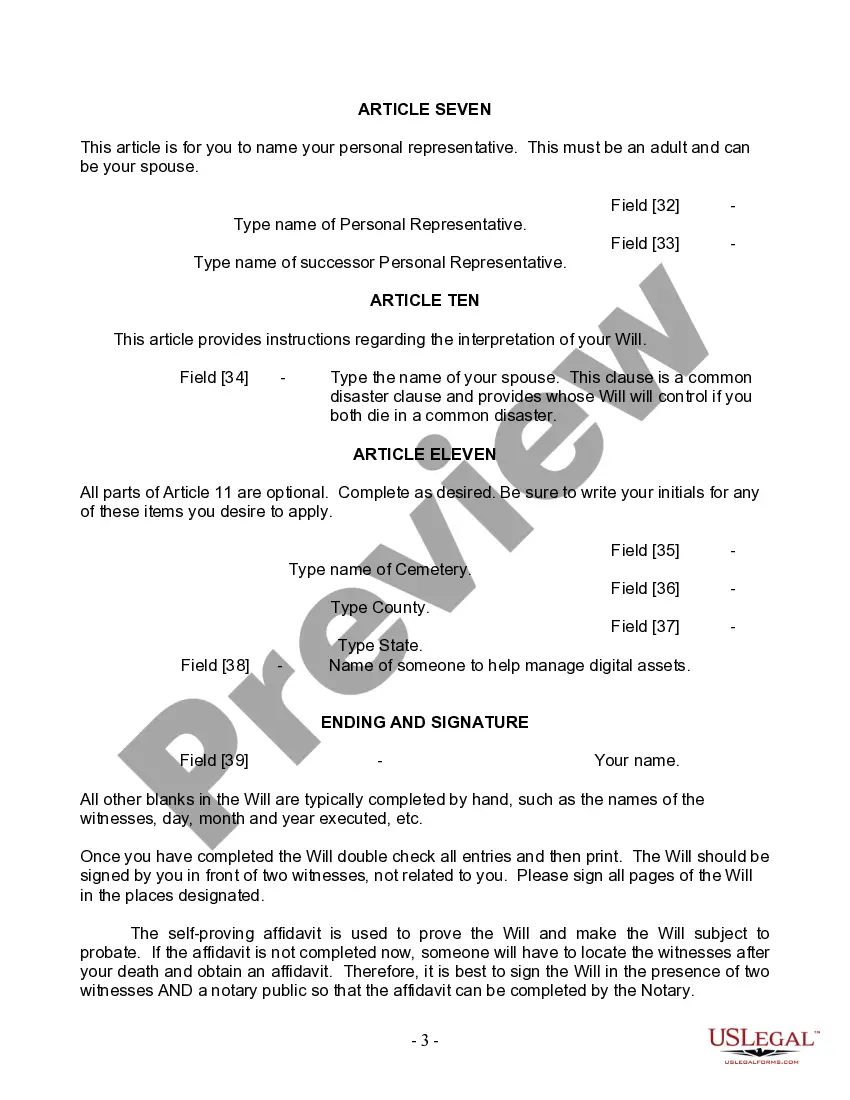
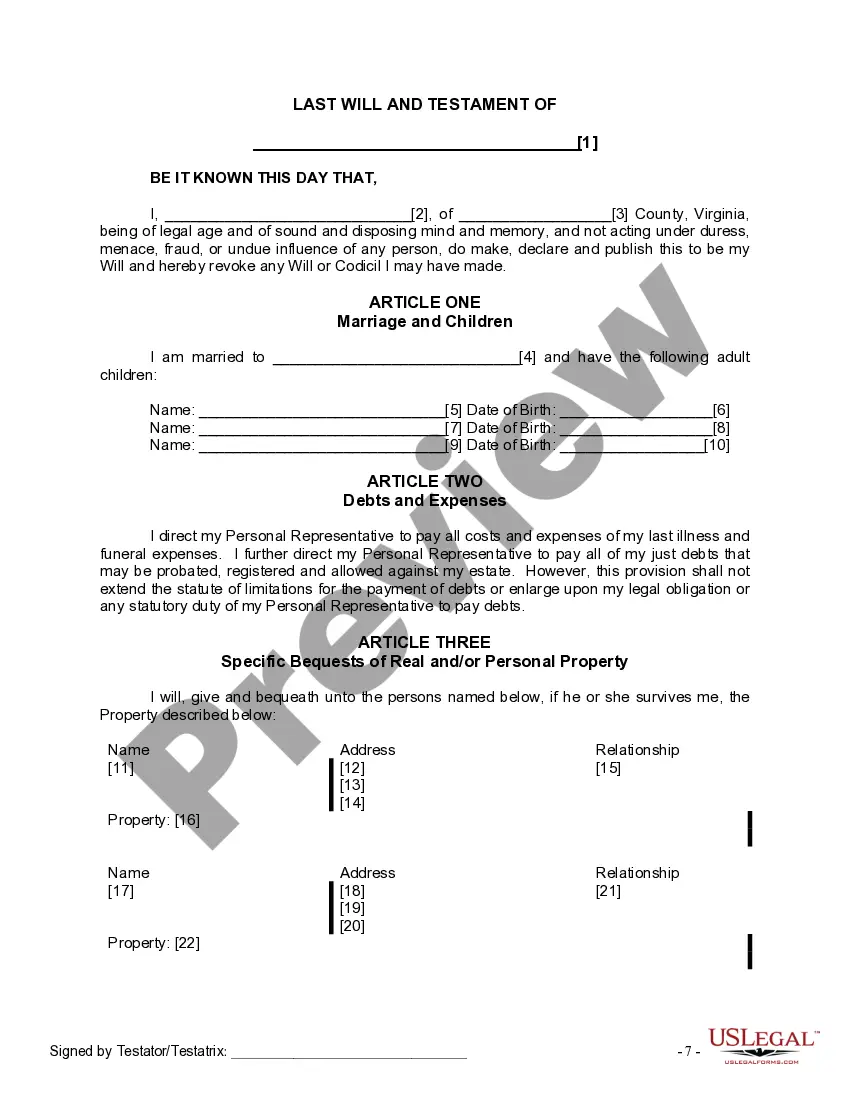
- Appointment of a Personal Representative: Designate an executor to manage your estate.
- Specific Bequests: Detail any specific gifts of property to individuals.
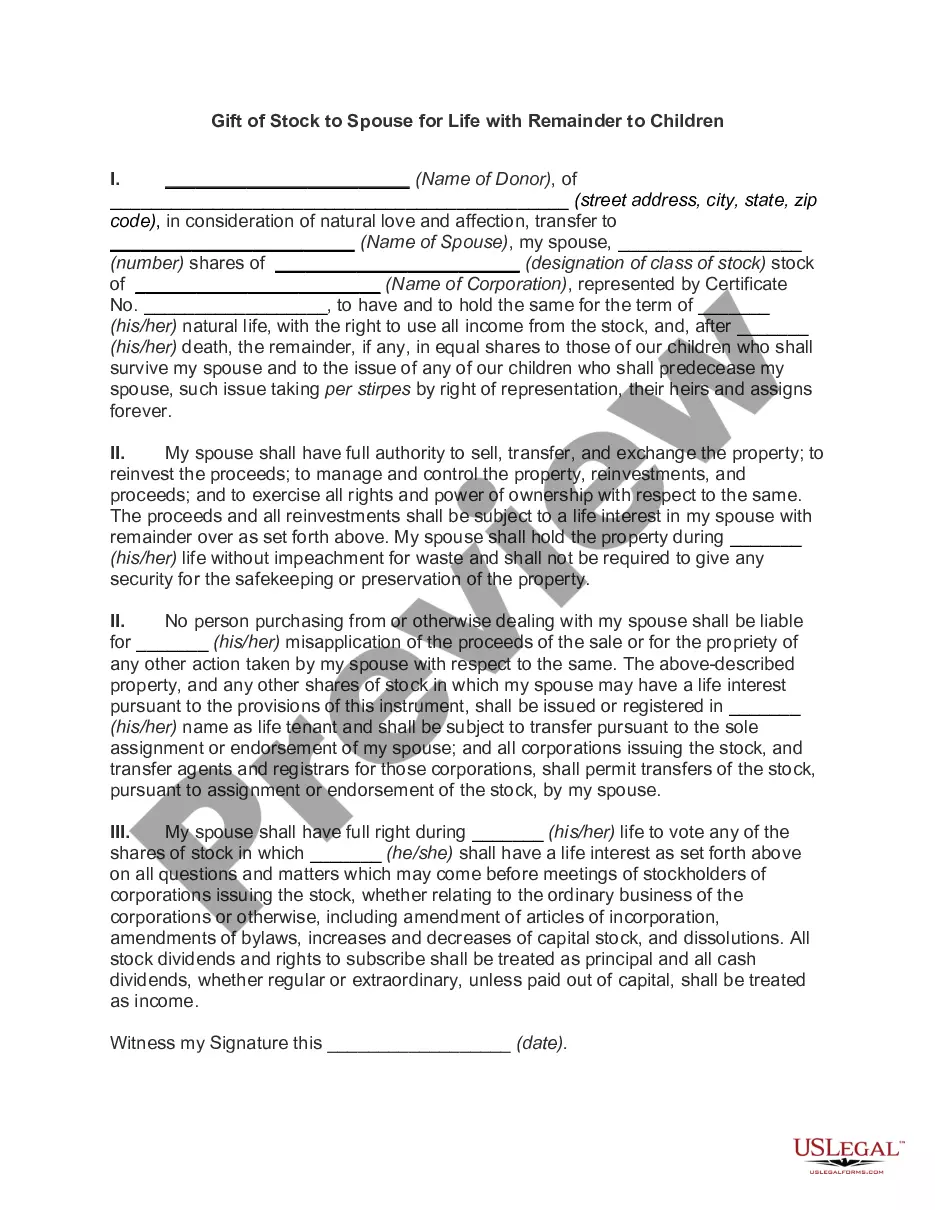
- Residue Clause: Distribute the remaining property to your spouse or children after specific bequests are made.
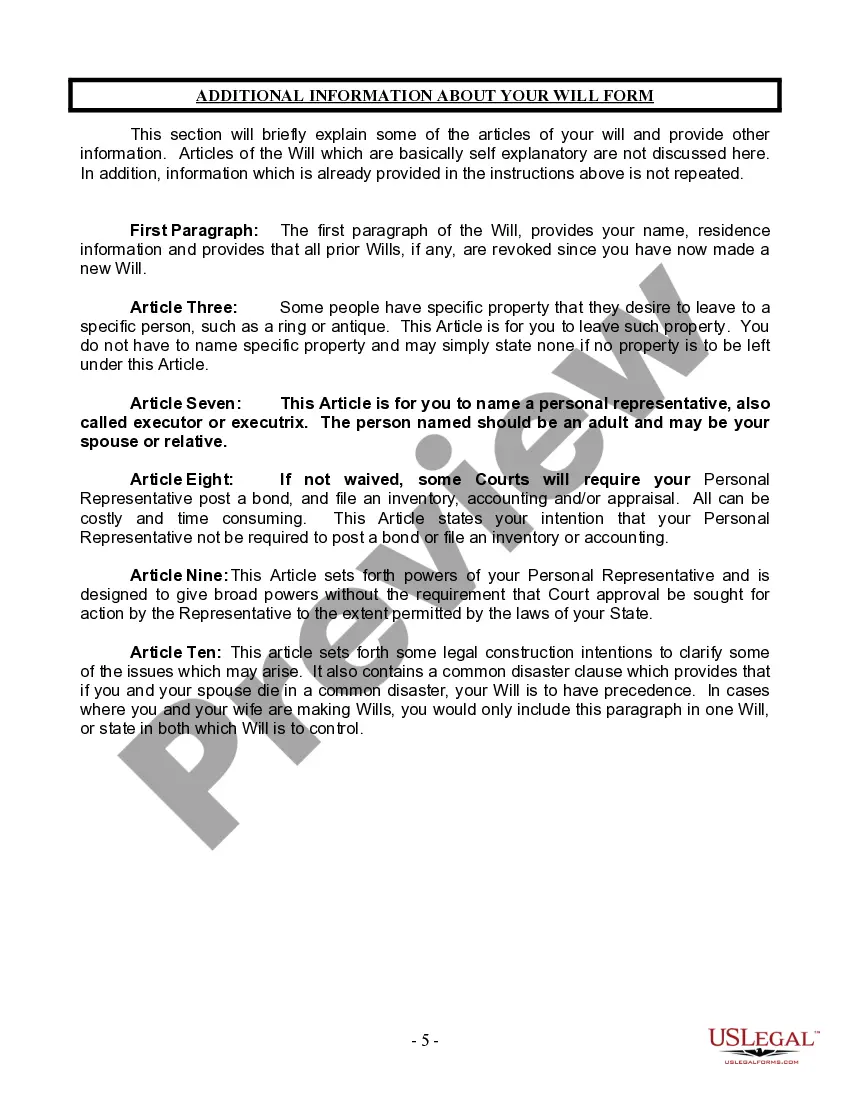
- Homestead Provision: Specify where your primary residence should pass.
- Common Disaster Clause: Define how to handle situations where both you and your spouse die simultaneously.





When to use this form
This form is useful when you want to create a legal document to ensure your wishes regarding property distribution are honored after your death. It is especially important if you have adult children and a spouse, as it clarifies the distribution of your assets and can help prevent disputes among surviving family members. Use this form when you wish to formalize your estate planning and ensure that your intentions are documented legally.
Who should use this form
This form is intended for:
- Married individuals with adult children.
- Anyone looking to specify particular bequests or assign a personal representative.
- Individuals who desire to document their estate plans in a legally recognized way.
Instructions for completing this form
- Identify yourself and your marital status at the beginning of the will.
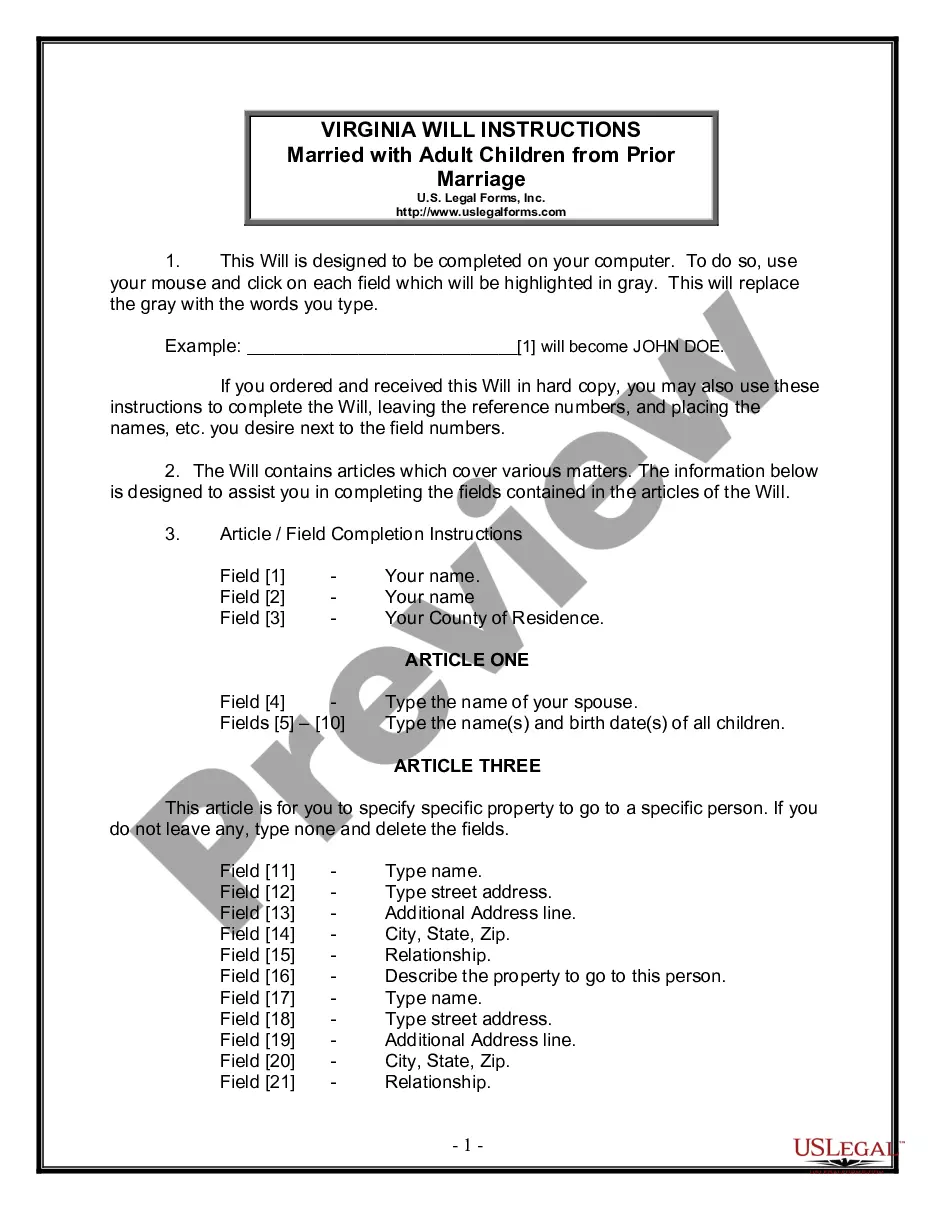
- List your spouse's name and your children's names and birth dates in the appropriate fields.
- Specify any specific bequests you wish to make, including the names of beneficiaries and the property they should receive.
- Detail the distribution of your homestead or primary residence.
- Sign the document in the presence of two witnesses and, if applicable, a notary public.
Does this form need to be notarized?
Yes, this form must be notarized to be legally valid if it includes a self-proving affidavit. The affidavit serves as evidence of execution and allows the will to be accepted for probate without the need for witnesses to testify about its validity later. US Legal Forms provides integrated online notarization services for ease and convenience.
Get your form ready online
Our built-in tools help you complete, sign, share, and store your documents in one place.
Make edits, fill in missing information, and update formatting in US Legal Forms—just like you would in MS Word.
Download a copy, print it, send it by email, or mail it via USPS—whatever works best for your next step.
Sign and collect signatures with our SignNow integration. Send to multiple recipients, set reminders, and more. Go Premium to unlock E-Sign.
If this form requires notarization, complete it online through a secure video call—no need to meet a notary in person or wait for an appointment.
We protect your documents and personal data by following strict security and privacy standards.

Make edits, fill in missing information, and update formatting in US Legal Forms—just like you would in MS Word.

Download a copy, print it, send it by email, or mail it via USPS—whatever works best for your next step.

Sign and collect signatures with our SignNow integration. Send to multiple recipients, set reminders, and more. Go Premium to unlock E-Sign.

If this form requires notarization, complete it online through a secure video call—no need to meet a notary in person or wait for an appointment.

We protect your documents and personal data by following strict security and privacy standards.
Typical mistakes to avoid
- Failing to sign the will in the presence of the required witnesses.
- Not updating the will after significant life events, such as the birth of a child or a change in marital status.
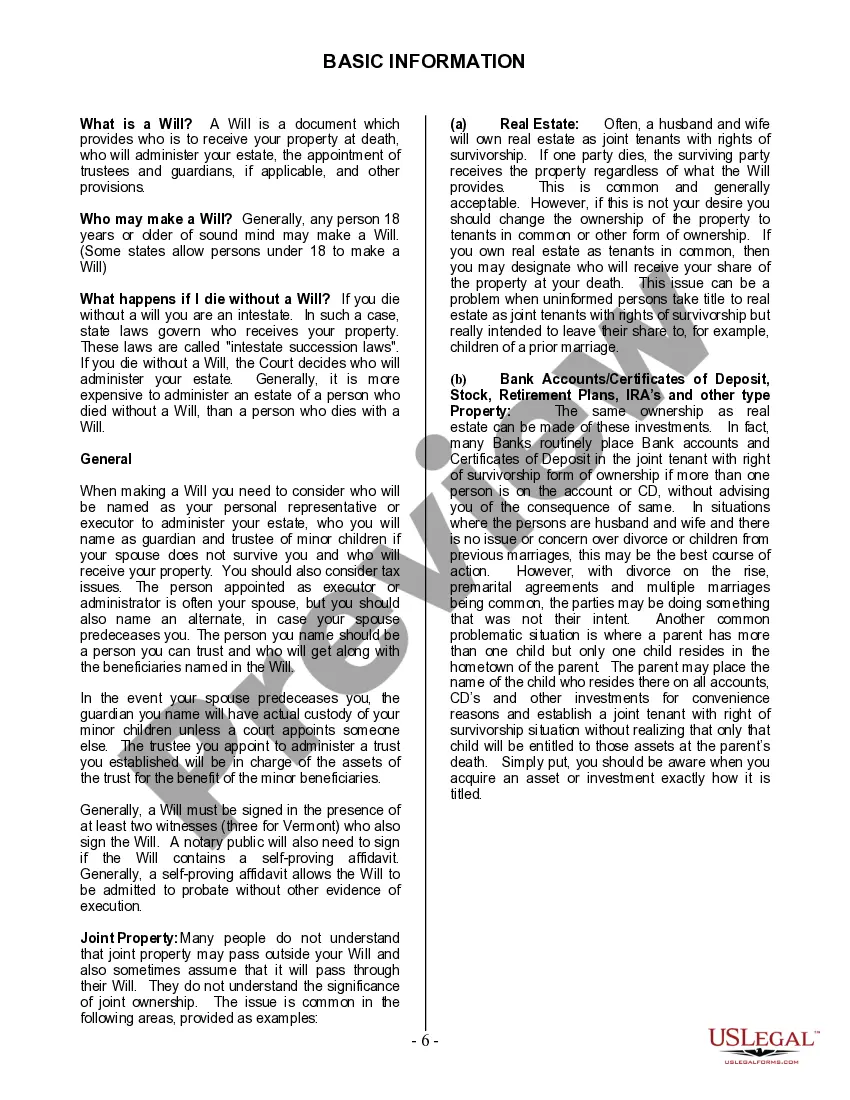
- Confusing joint property ownership with will provisions regarding property distribution.
Advantages of online completion
- Convenience of completing the form at your own pace from anywhere with internet access.
- Editability allows you to make changes easily before finalizing the document.
- Access to legal explanations and guidance throughout the process.
Main things to remember
- This form is essential for married individuals with adult children to plan their estate effectively.
- Proper execution and witnessing are crucial for the willâs legality.
- Be mindful of changes in your personal circumstances that may necessitate updates to your will.
Looking for another form?

Form popularity
FAQ
You don't have to get a lawyer to draft your will. It's perfectly legal to write your own will, and any number of products exist to help you with this, from software programs to will-writing kits to the packet of forms you can pick up at your local drugstore.
A will can also be declared invalid if someone proves in court that it was procured by undue influence. This usually involves some evil-doer who occupies a position of trust -- for example, a caregiver or adult child -- manipulating a vulnerable person to leave all, or most, of his property to the manipulator instead
In Virginia, the signing of a will must generally be witnessed by two competent persons, who also must sign the will in front of the testator.If the will includes a notarized Self-Proving Affidavit, the will is presumed to be properly executed and is accepted by the court without testimony from the witnesses.
A. You don't have to have a lawyer to create a basic will you can prepare one yourself. It must meet your state's legal requirements and should be notarized.A do-it-yourself will that's poorly drafted can save you money but create a mess for your heirs when you're gone.
It must be in writing. Generally, of course, wills are composed on a computer and printed out. The person who made it must have signed and dated it. A will must be signed and dated by the person who made it. Two adult witnesses must have signed it. Witnesses are crucial.
Fraud or Undue Influence A nonfamily caregiver forcing the testator to leave them an inheritance. A family member getting the testator to sign a will by pretending it is just a general legal document that needs a signature.
Property, like your home, vehicles, and other real estate you own. Bank and retirement accounts. Life insurance policies. Pets. Family heirlooms or personal items.
Create the initial document. Start by titling the document Last Will and Testament" and including your full legal name and address. Designate an executor. Appoint a guardian. Name the beneficiaries. Designate the assets. Ask witnesses to sign your will. Store your will in a safe place.
Include personal identifying information. Include a statement about your age and mental status. Designate an executor. Decide who will take care of your children. Choose your beneficiaries. List your funeral details. Sign and date your Last Will and Testament.