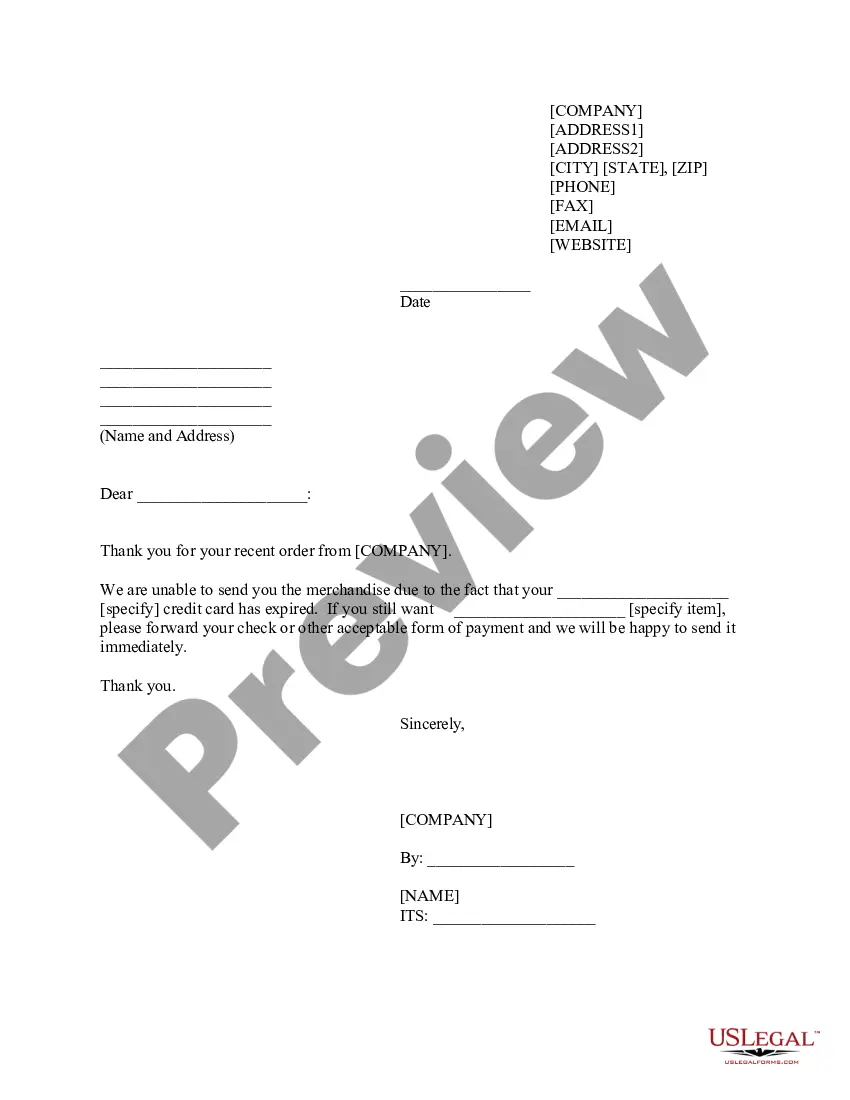
Virginia Letter from Tenant to Landlord about Illegal entry by landlord
About this form
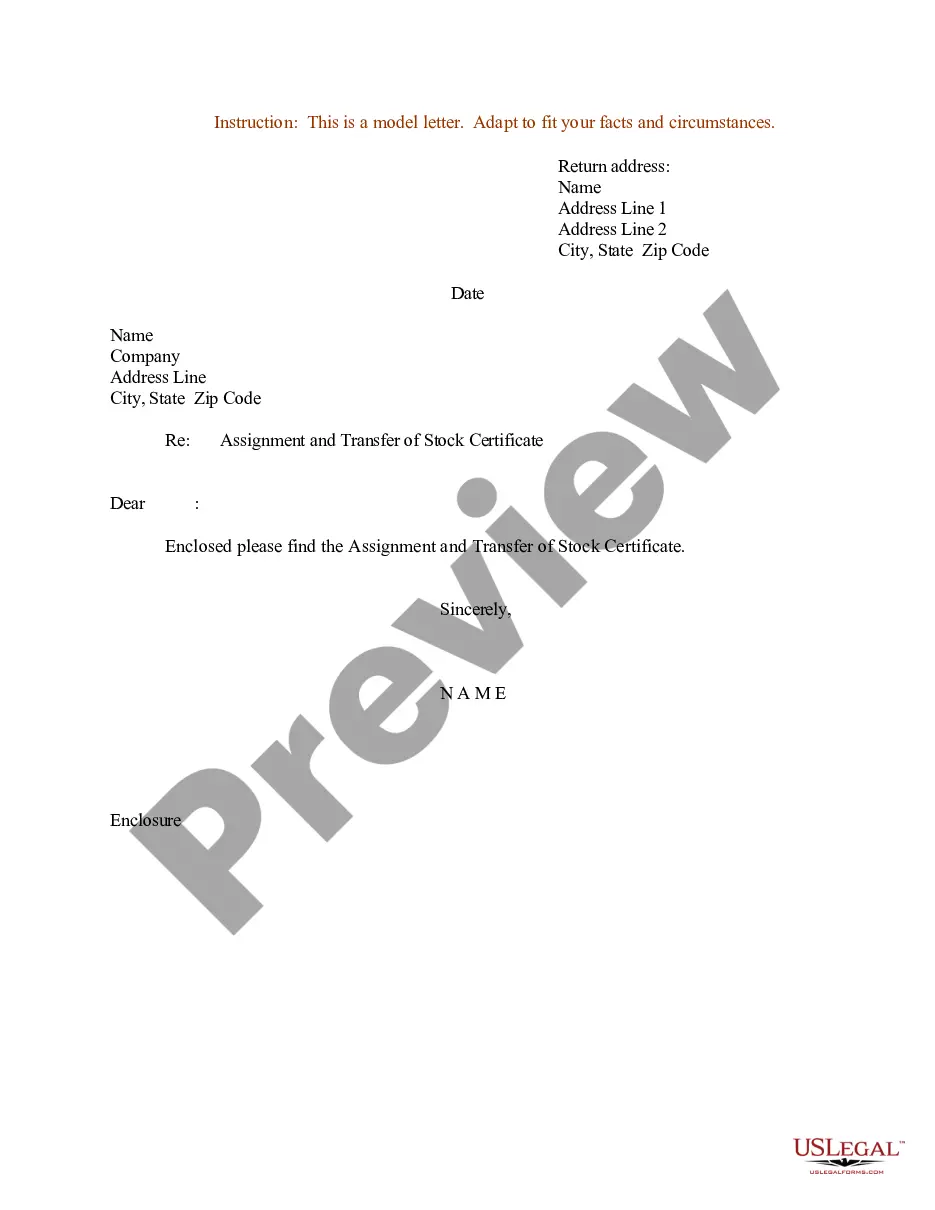
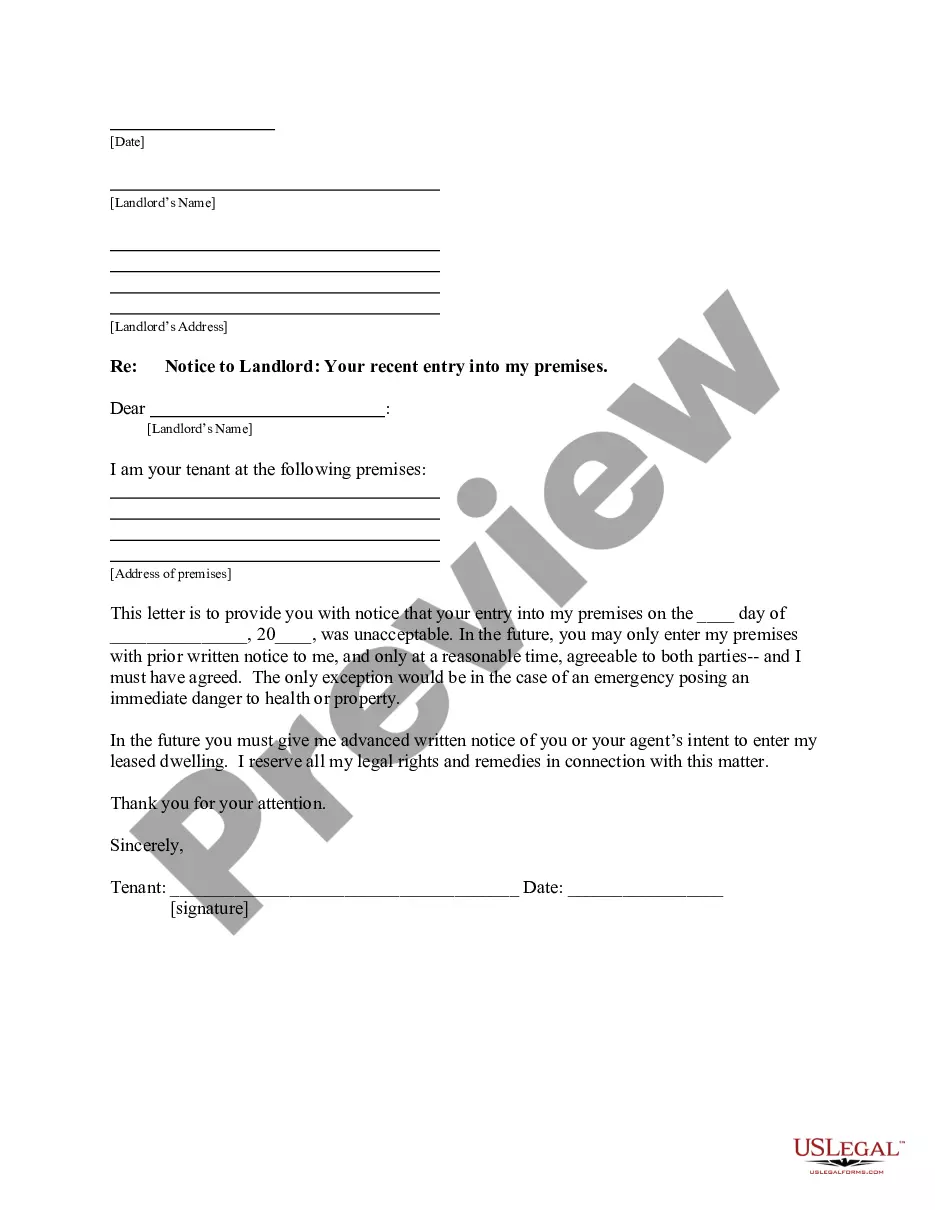
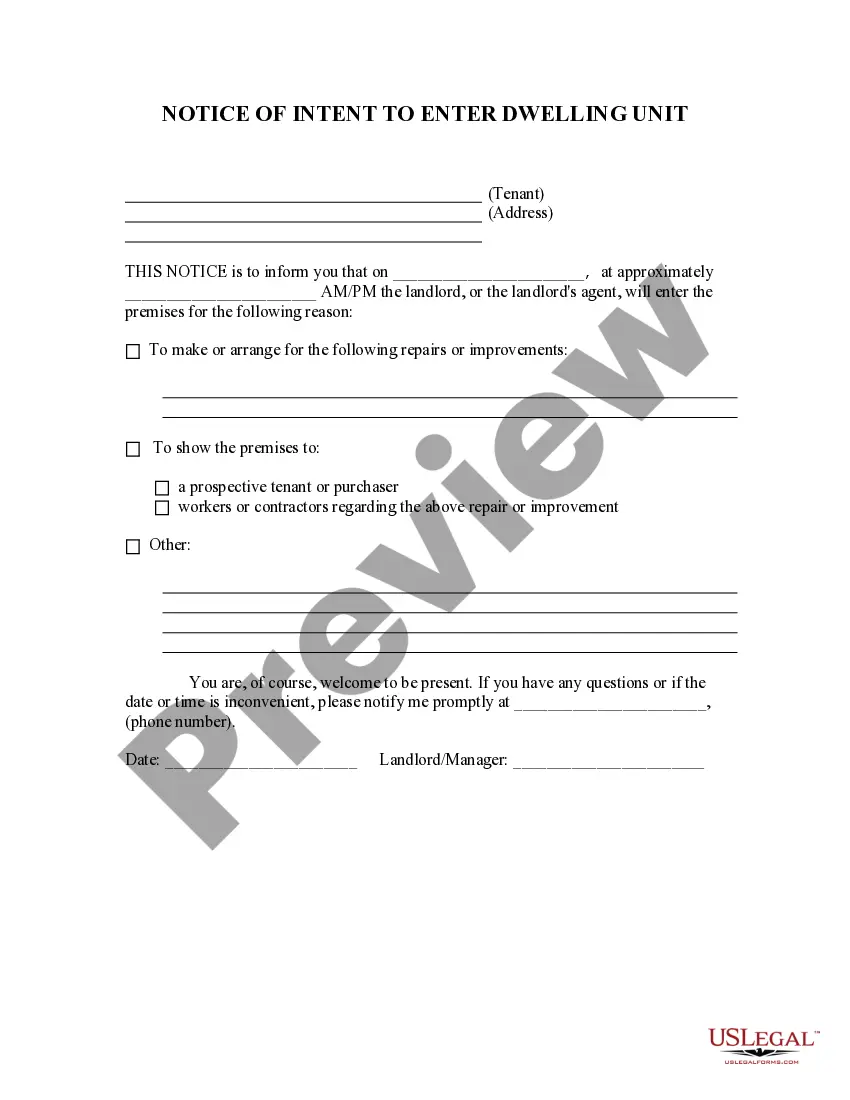
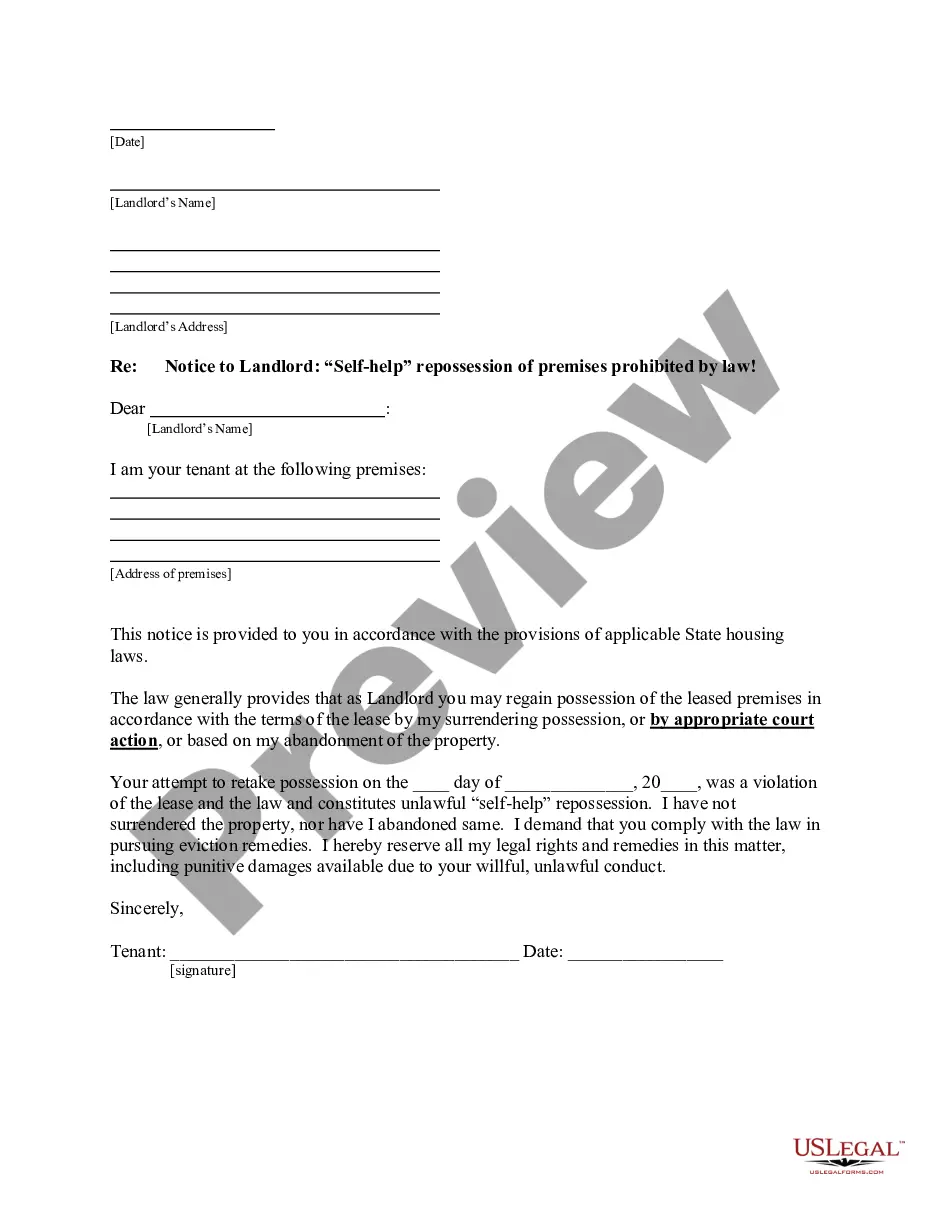
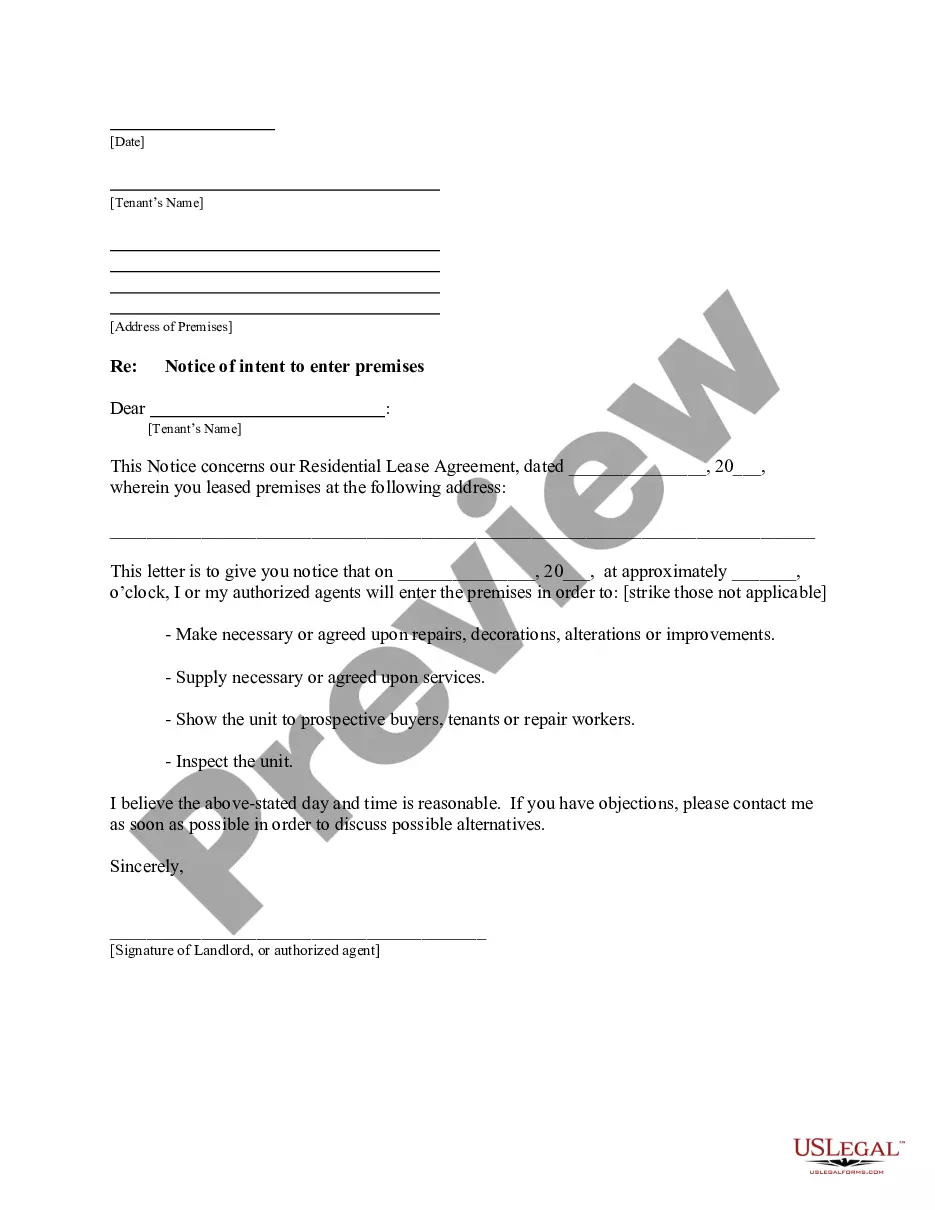
This form is a Letter from Tenant to Landlord about illegal entry by landlord. It serves to formally request that the landlord provide written notice before entering the tenant's dwelling, except in emergencies. This letter emphasizes the tenant's right to privacy and outlines the conditions under which the landlord may enter the premises.
Form components explained
- Notification of the requirement for prior written notice before entry.
- Clarification of reasonable times for visits agreed upon by both parties.
- Statement of the exception for emergencies threatening health or property.
- Reservation of legal rights and remedies by the tenant.
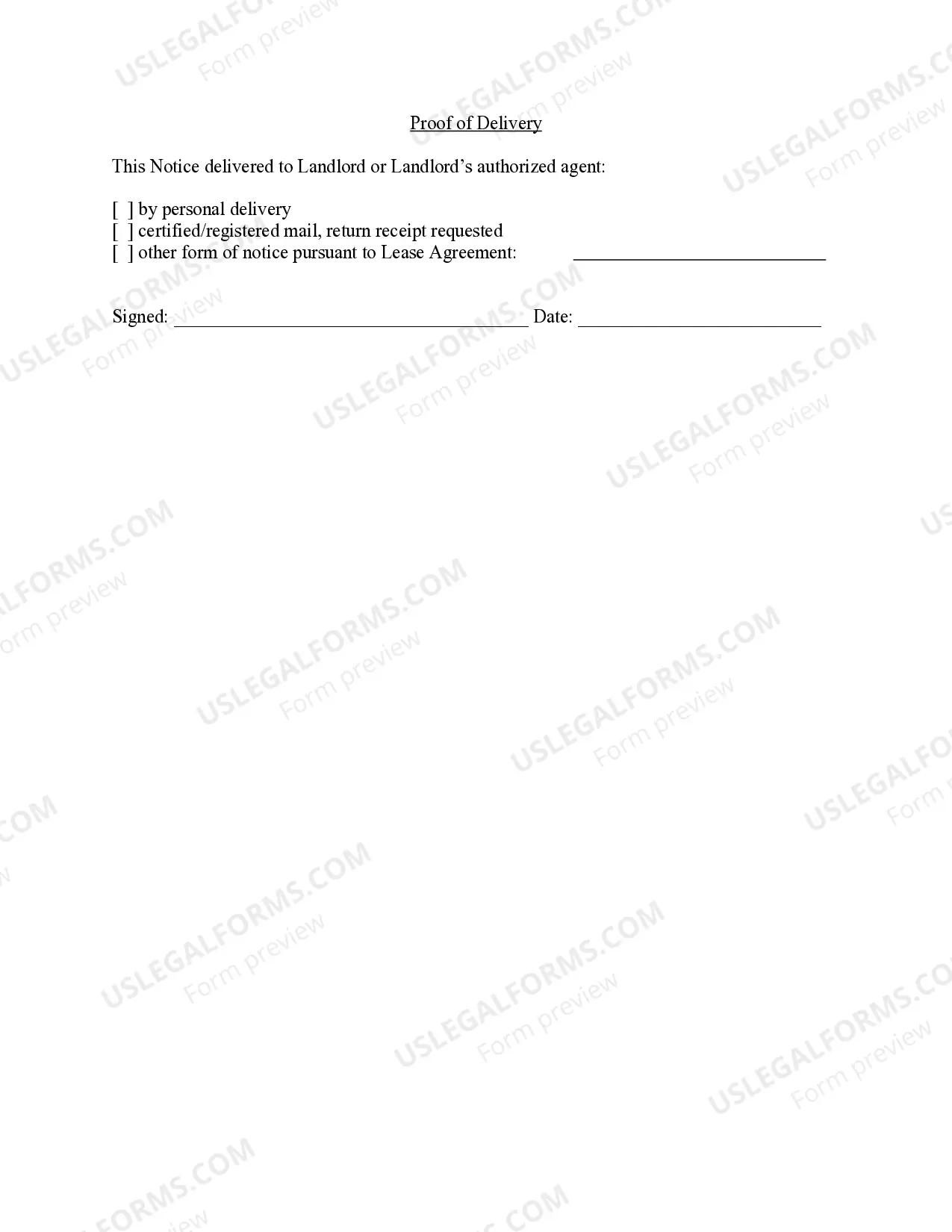
- Proof of delivery section for documenting the notice to the landlord.

When this form is needed
Who can use this document
- Tenants who feel their right to privacy is being violated.
- Individuals renting residential property who require better communication from their landlords regarding entry.
- Anyone who wishes to formally document requests pertaining to landlord-tenant relationships regarding property access.
How to complete this form
- Clearly identify the parties involved, including yourself as the tenant and your landlord.
- Specify the property address where the rental agreement applies.
- State your request for advance written notice before any entry.
- Indicate your reservation of legal rights concerning this matter.
- Sign and date the letter, and ensure to include proof of delivery options.
Does this form need to be notarized?
This form does not typically require notarization unless specified by local law. However, it is important to keep a copy for your records and ensure proper delivery to the landlord.
Get your form ready online
Our built-in tools help you complete, sign, share, and store your documents in one place.
Make edits, fill in missing information, and update formatting in US Legal Forms—just like you would in MS Word.
Download a copy, print it, send it by email, or mail it via USPS—whatever works best for your next step.
Sign and collect signatures with our SignNow integration. Send to multiple recipients, set reminders, and more. Go Premium to unlock E-Sign.
If this form requires notarization, complete it online through a secure video call—no need to meet a notary in person or wait for an appointment.
We protect your documents and personal data by following strict security and privacy standards.

Make edits, fill in missing information, and update formatting in US Legal Forms—just like you would in MS Word.

Download a copy, print it, send it by email, or mail it via USPS—whatever works best for your next step.

Sign and collect signatures with our SignNow integration. Send to multiple recipients, set reminders, and more. Go Premium to unlock E-Sign.

If this form requires notarization, complete it online through a secure video call—no need to meet a notary in person or wait for an appointment.

We protect your documents and personal data by following strict security and privacy standards.
Mistakes to watch out for
- Not including the property address in the letter.
- Failing to specify the timeframe for advance notice.
- Omitting a signature or date, which can make the document invalid.
Why complete this form online
- Convenient access to a legally sound template without the need for a lawyer.
- Editable format allows you to tailor the letter to your specific situation.
- Instant download options provide immediate availability for use.
Looking for another form?
Form popularity
FAQ
No, a landlord cannot just kick you out. They need to follow the formal eviction process provided in your state. If a landlord uses illegal self-help measures, such as changing the locks or throwing out your belongings, you should be able to hold the landlord accountable and remain on the property.
The rights of a tenant The right to live in a property that's safe and in a good state of repair. The right to have your deposit returned at the end of the tenancy (provided that you meet the terms of your tenancy agreement).
If the property is found to not be in reasonable repair through no negligence or intentional action by the tenant, then it's the landlord's responsibility to fix the problem. The nature of the repairs will determine whether or not they must be fixed urgently, which is generally defined as within three days.
Fundamental responsibilities of landlords include: providing and maintaining the property in a clean and reasonable standard; giving proper receipts and maintaining records of all transactions pertaining to the tenancy; paying council rates and taxes; maintaining locks to ensure the property's security; and lodging the