Virginia Letter from Tenant to Landlord with Demand that landlord repair floors, stairs or railings
What is this form?
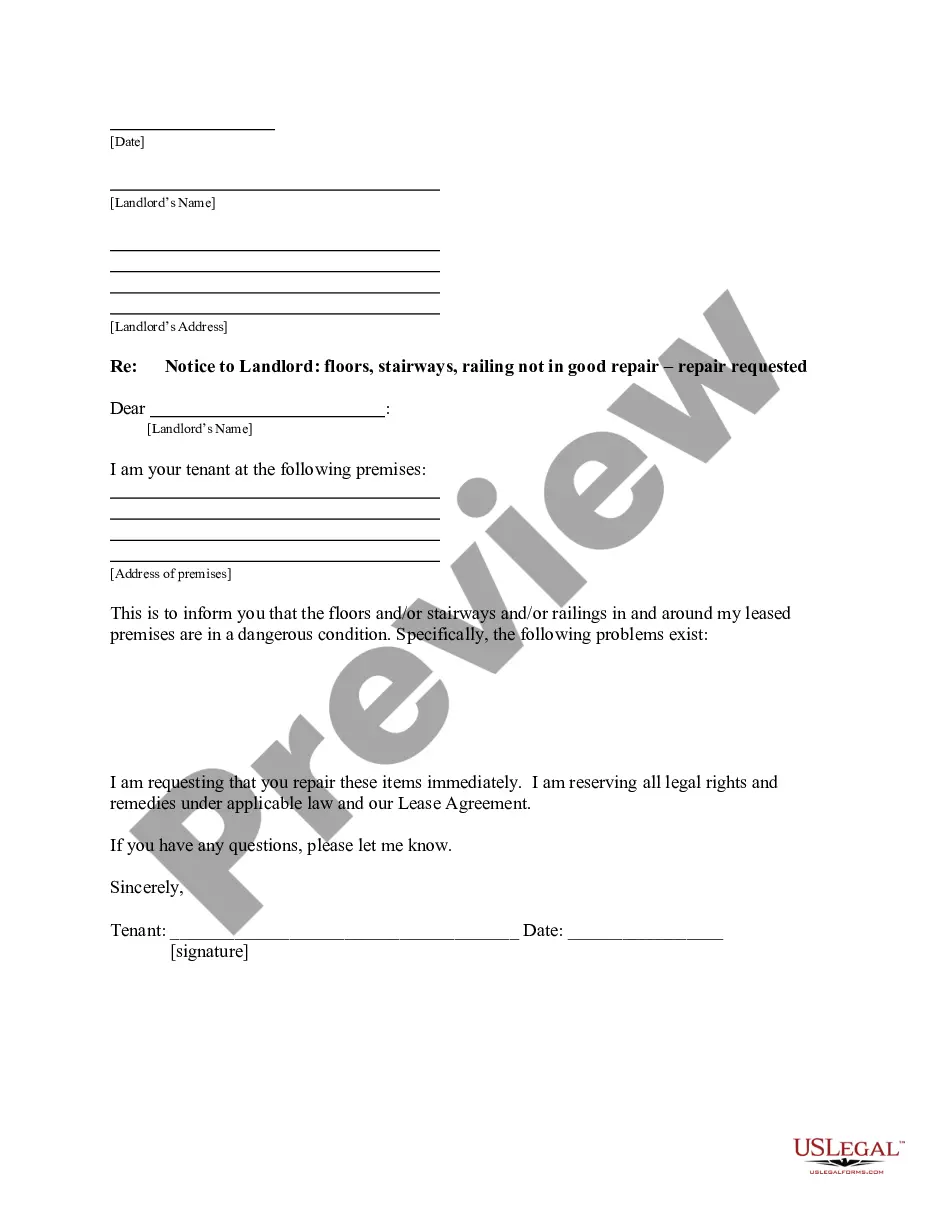
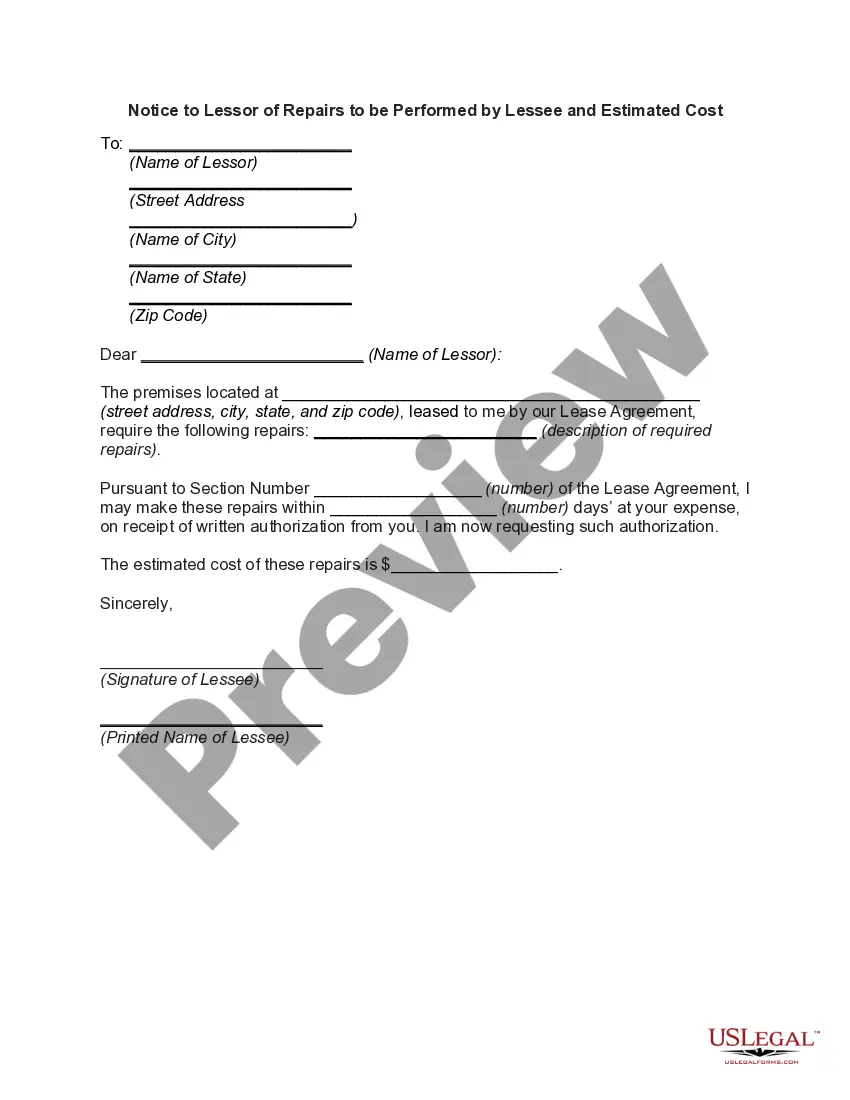
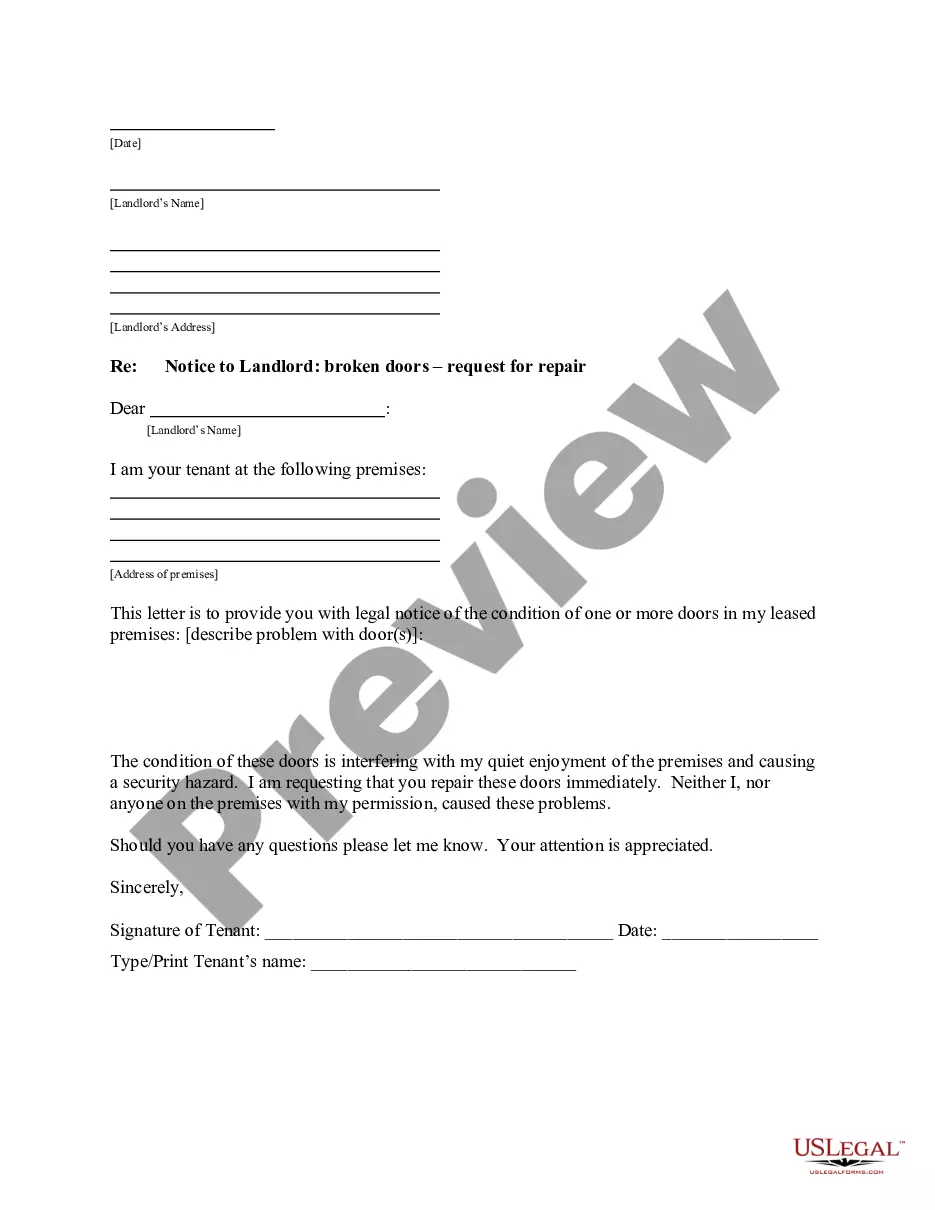
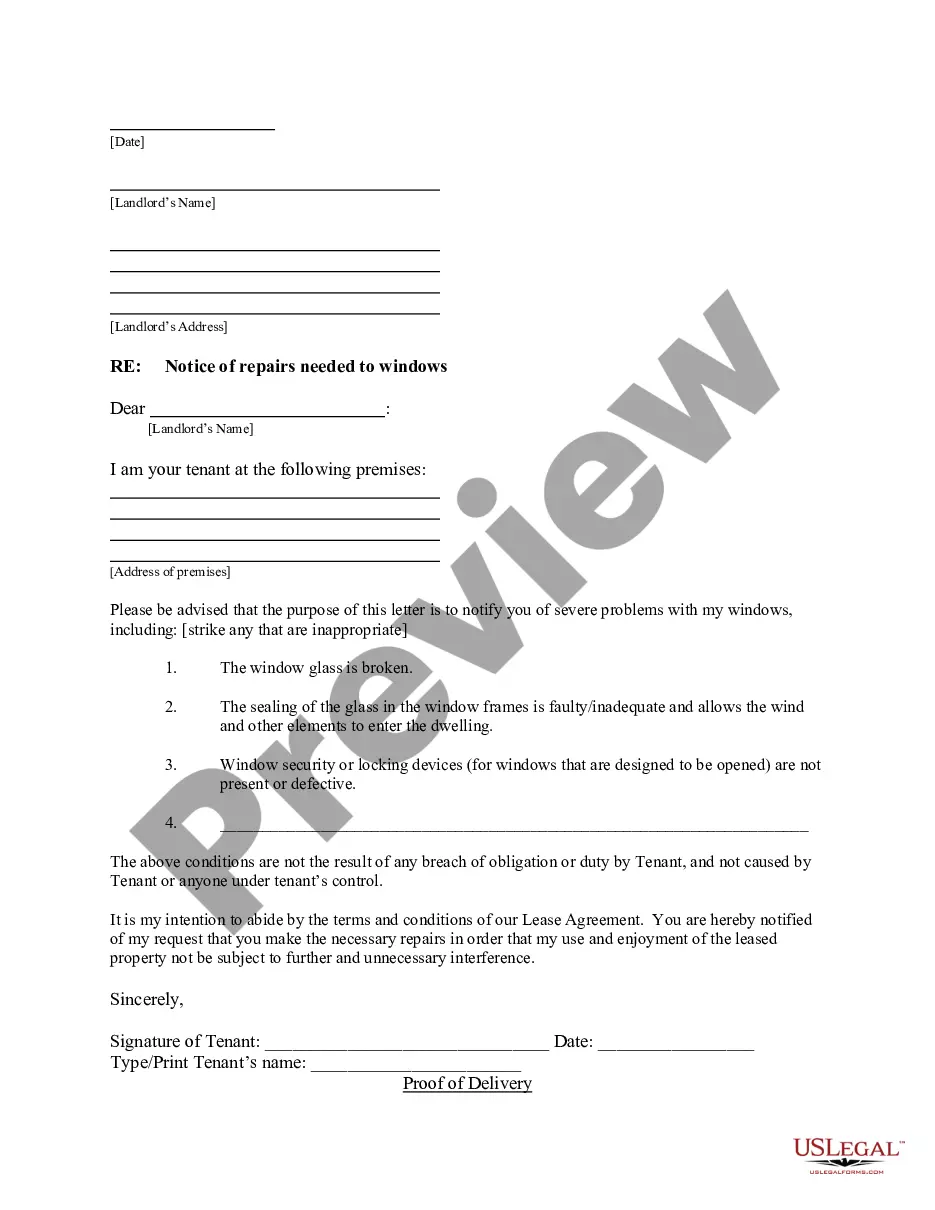
This form is a Letter from Tenant to Landlord with Demand for Repairs, specifically used to address issues with floors, stairs, or railings that are not in good repair. This formal communication notifies the landlord of their legal obligation to maintain the property and demands necessary repairs. Unlike other forms of communication, this letter serves as a documented request that emphasizes the tenant's rights and the landlord's responsibilities under housing laws.
Key parts of this document
- Tenant information: Name and contact details of the tenant.
- Landlord information: Name and address of the landlord or property manager.
- Rent premises details: Description of the leased property.
- Issue description: Clear statement of the problems with the floors, stairs, or railings.
- Demand for repairs: Specific request for the landlord to address the identified issues.
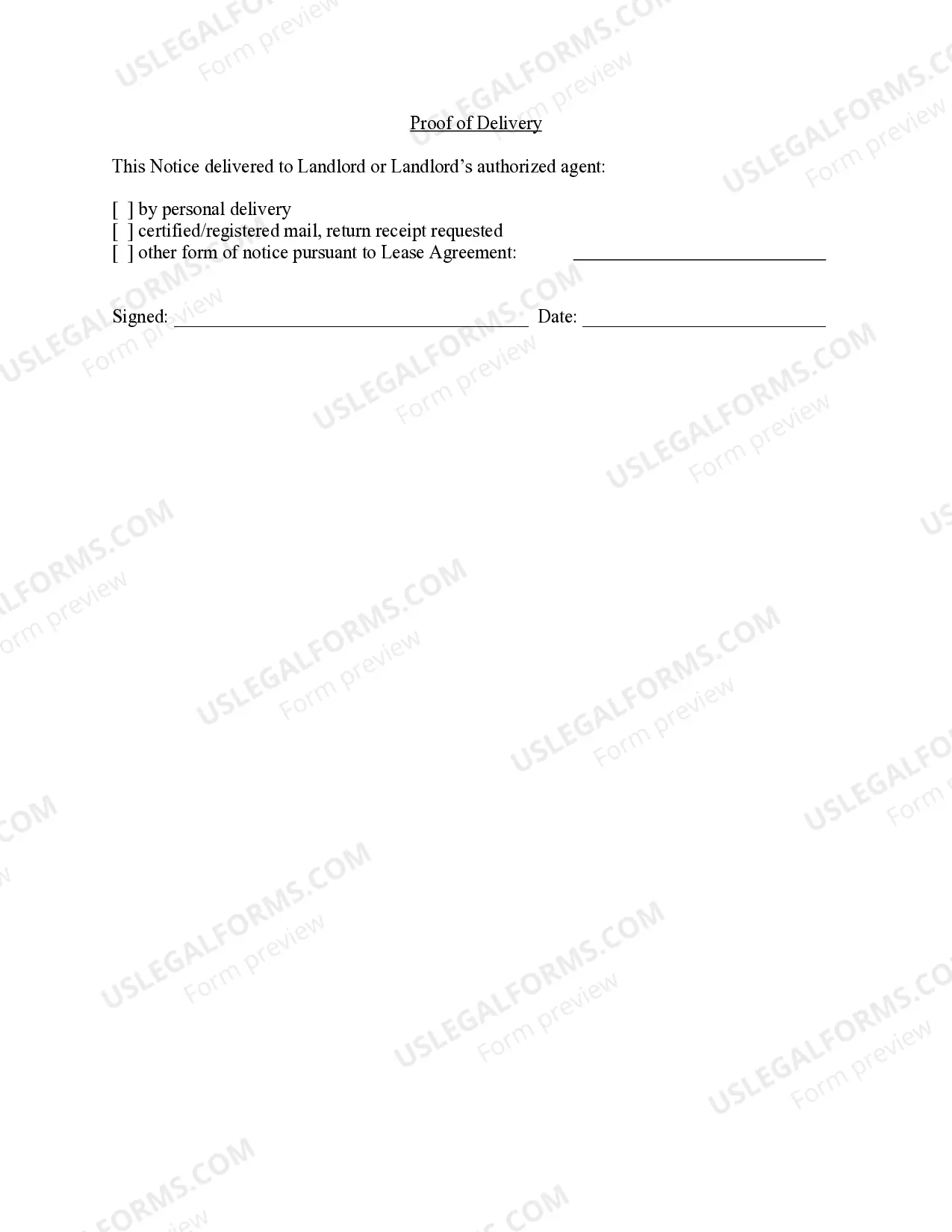
- Proof of delivery options: Method of delivering the notice to ensure it is received.

When to use this document
This form should be used by tenants when they notice hazardous or unmaintained conditions within their rental property, such as damaged floors, stairs, or railings. It is essential for tenants to formally document and communicate these issues to the landlord, especially if safety is a concern or if previous requests for maintenance have been ignored.
Intended users of this form
- Individuals renting a residential property.
- Tenants experiencing maintenance issues that affect safety or livability.
- Anyone looking to formally inform their landlord of necessary repairs.
How to prepare this document
- Identify the parties: Enter your name as the tenant and the landlord's name and address.
- Specify the property: Provide details about the rental property, including the address.
- Describe the issues: Clearly outline the problems with the floors, stairs, or railings.
- Make the demand: State your request for necessary repairs to be made by the landlord.
- Sign and date: Include your signature and the date of the letter to finalize the document.
- Choose delivery method: Indicate how you will deliver the letter to the landlord.
Does this form need to be notarized?
Notarization is generally not required for this form. However, certain states or situations might demand it. You can complete notarization online through US Legal Forms, powered by Notarize, using a verified video call available anytime.
Get your form ready online
Our built-in tools help you complete, sign, share, and store your documents in one place.
Make edits, fill in missing information, and update formatting in US Legal Forms—just like you would in MS Word.
Download a copy, print it, send it by email, or mail it via USPS—whatever works best for your next step.
Sign and collect signatures with our SignNow integration. Send to multiple recipients, set reminders, and more. Go Premium to unlock E-Sign.
If this form requires notarization, complete it online through a secure video call—no need to meet a notary in person or wait for an appointment.
We protect your documents and personal data by following strict security and privacy standards.
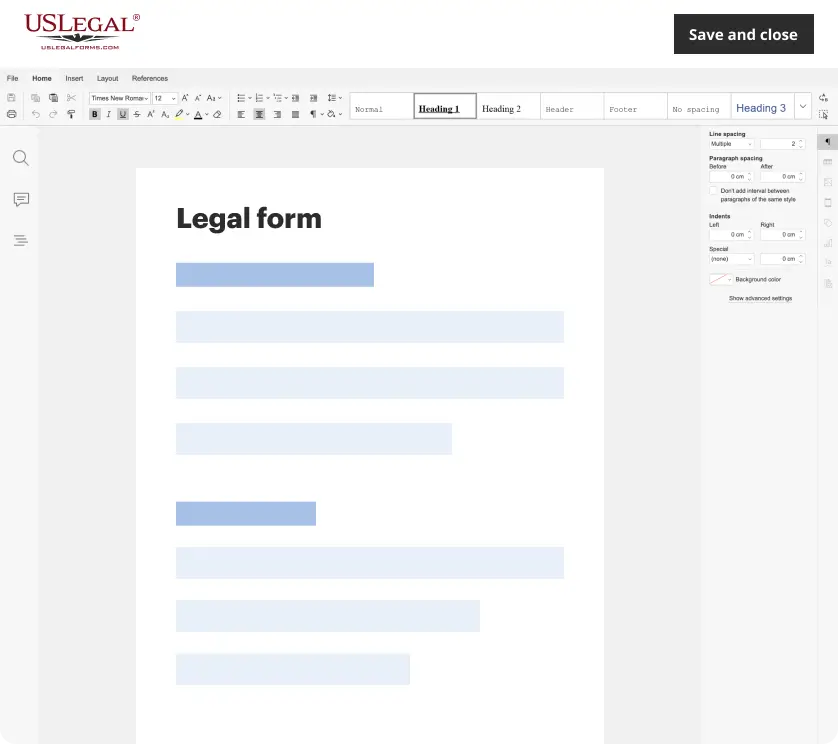
Make edits, fill in missing information, and update formatting in US Legal Forms—just like you would in MS Word.
Download a copy, print it, send it by email, or mail it via USPS—whatever works best for your next step.
Sign and collect signatures with our SignNow integration. Send to multiple recipients, set reminders, and more. Go Premium to unlock E-Sign.

If this form requires notarization, complete it online through a secure video call—no need to meet a notary in person or wait for an appointment.
We protect your documents and personal data by following strict security and privacy standards.
Avoid these common issues
- Failing to provide specific details about the issues that need repair.
- Not including a clear deadline for when repairs should be completed.
- Delivering the notice without proof of receipt.
- Using informal language instead of a professional tone.
Why complete this form online
- Convenient access to legally drafted forms, allowing for immediate use.
- Editability enables personalization to fit specific situations.
- Reliability of having forms created by licensed attorneys.
Looking for another form?







Form popularity
FAQ
Your landlord has to do anything your tenancy agreement says they have to do. Your landlord is also generally responsible for keeping in repair: the structure and exterior of your home, for example, the walls, roof, foundations, drains, guttering and external pipes, windows and external doors.
Landlords Must Fix Major Problems Your landlord must keep the structure of the building sound, including stairways, floors, and roofs; keep electrical, heating, and plumbing systems operating safely; supply hot and cold water in reasonable amounts; and exterminate infestations of pests such as cockroaches.
Clearly, state what you demand to be repaired by the person. Mention the period since it has been causing a problem and that it is high time. Without being too harsh, the letter is written as a warning to the person. Address the person well.
The landlord had a duty to reasonably maintain the property; The landlord knew or should have known of the dangerous condition; The landlord breached their duty by failing to repair/fix the dangerous condition;
Fundamental responsibilities of landlords include: providing and maintaining the property in a clean and reasonable standard; giving proper receipts and maintaining records of all transactions pertaining to the tenancy; paying council rates and taxes; maintaining locks to ensure the property's security; and lodging the
A burst water service or a serious water service leak. A blocked or broken toilet. A serious roof leak. A gas leak. A dangerous electrical fault. Flooding or serious flood damage. Serious storm or fire damage.
Dear (Name of landlord or manager), I am writing to request repairs to the (appliance, heating/air conditioning, plumbing issue be specific!) due to (reason for repair; this could include things such as broken handle, leaky sink hose, even normal wear-and-tear that would necessitate replacement).
Even if no damage to the rental property carpet has occurred, age and normal wear eventually triggers the need for replacement. Under California landlord-tenant guidelines, a carpet's useful life is eight to 10 years.
In most cases, landlords will be responsible for tenant injuries when they are legally obligated to maintain and repair the injury-causing factor. For example, if a tenant is injured after falling on a broken stair in a common area that's supposed to be maintained by the landlord, the landlord is likely liable.