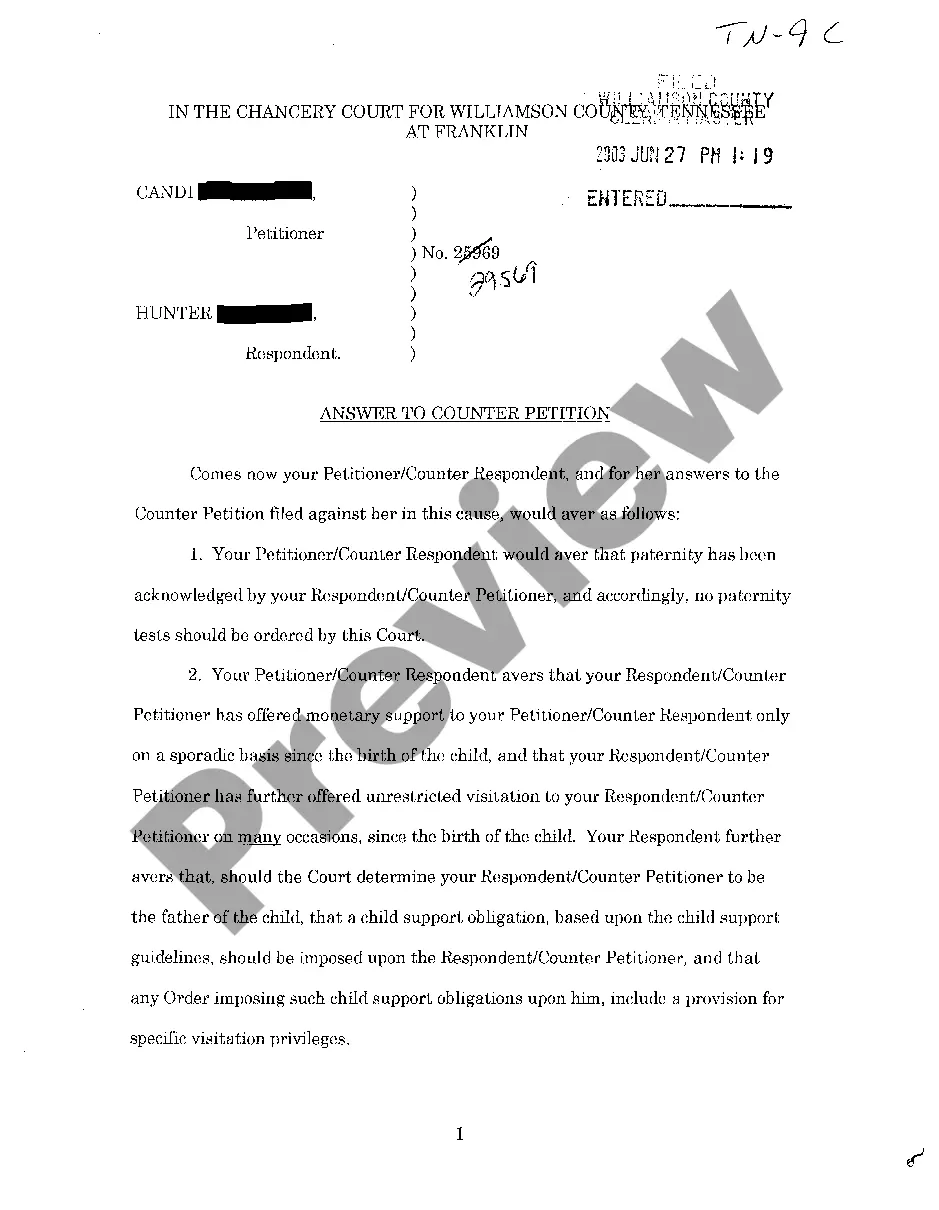
Utah Commercial Rental Lease Application Questionnaire
What this document covers
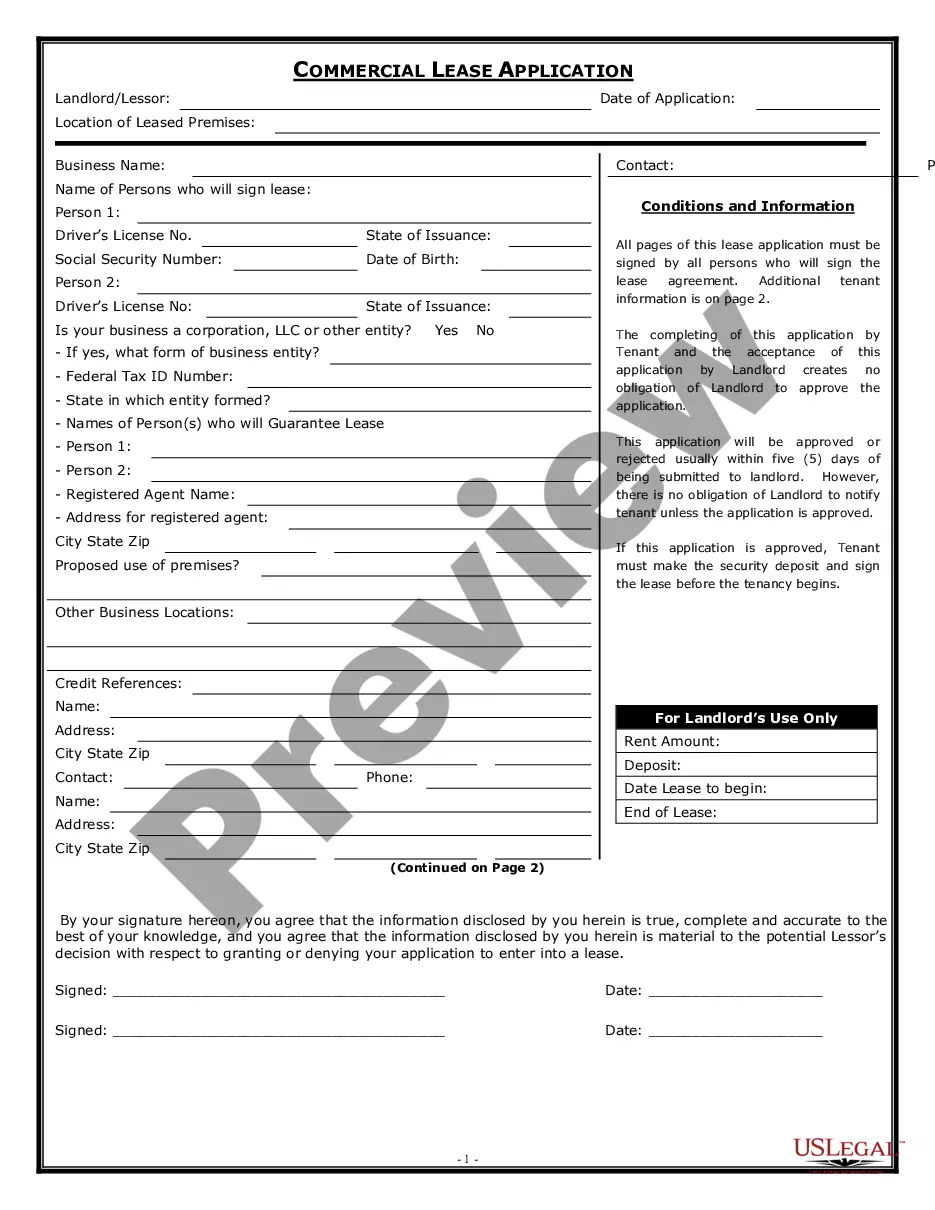
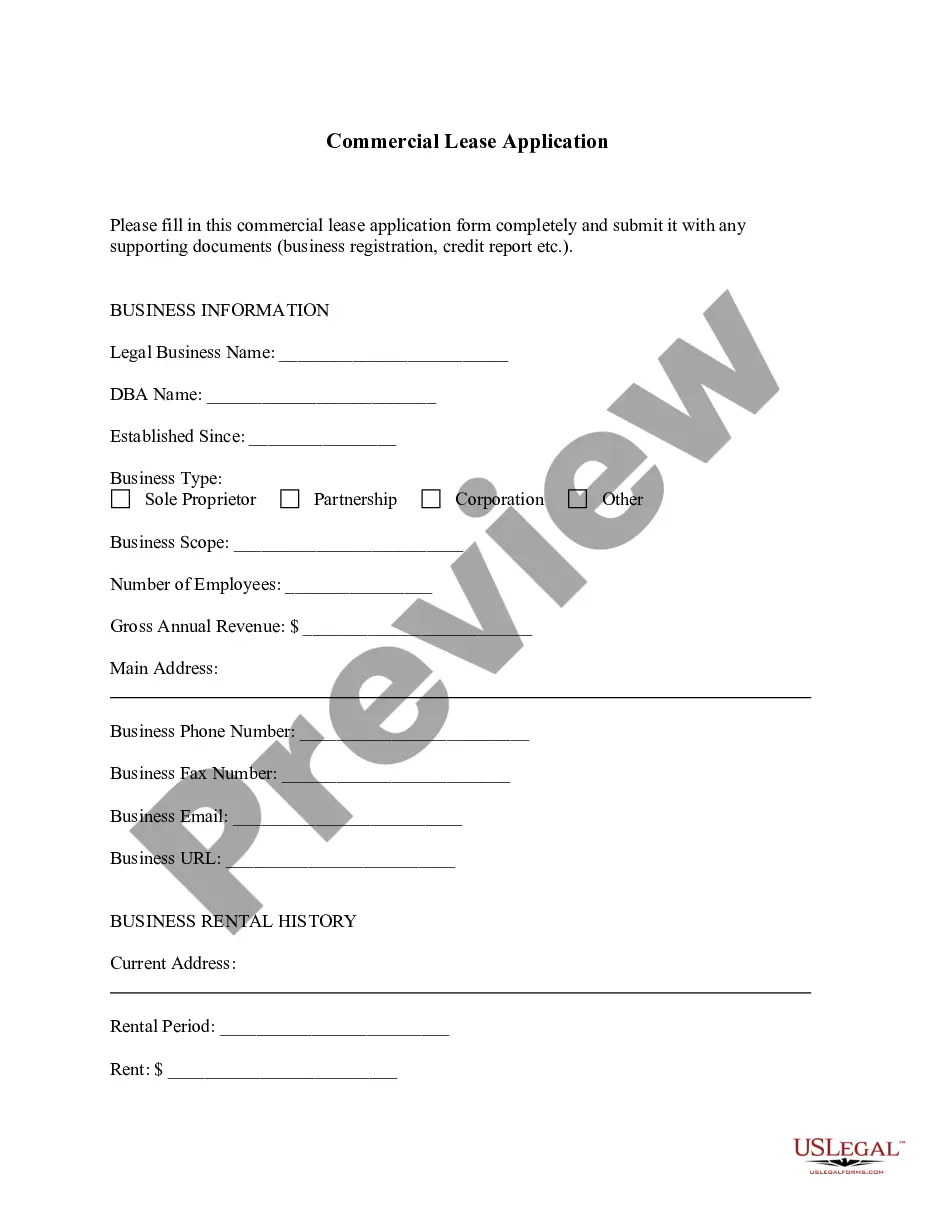
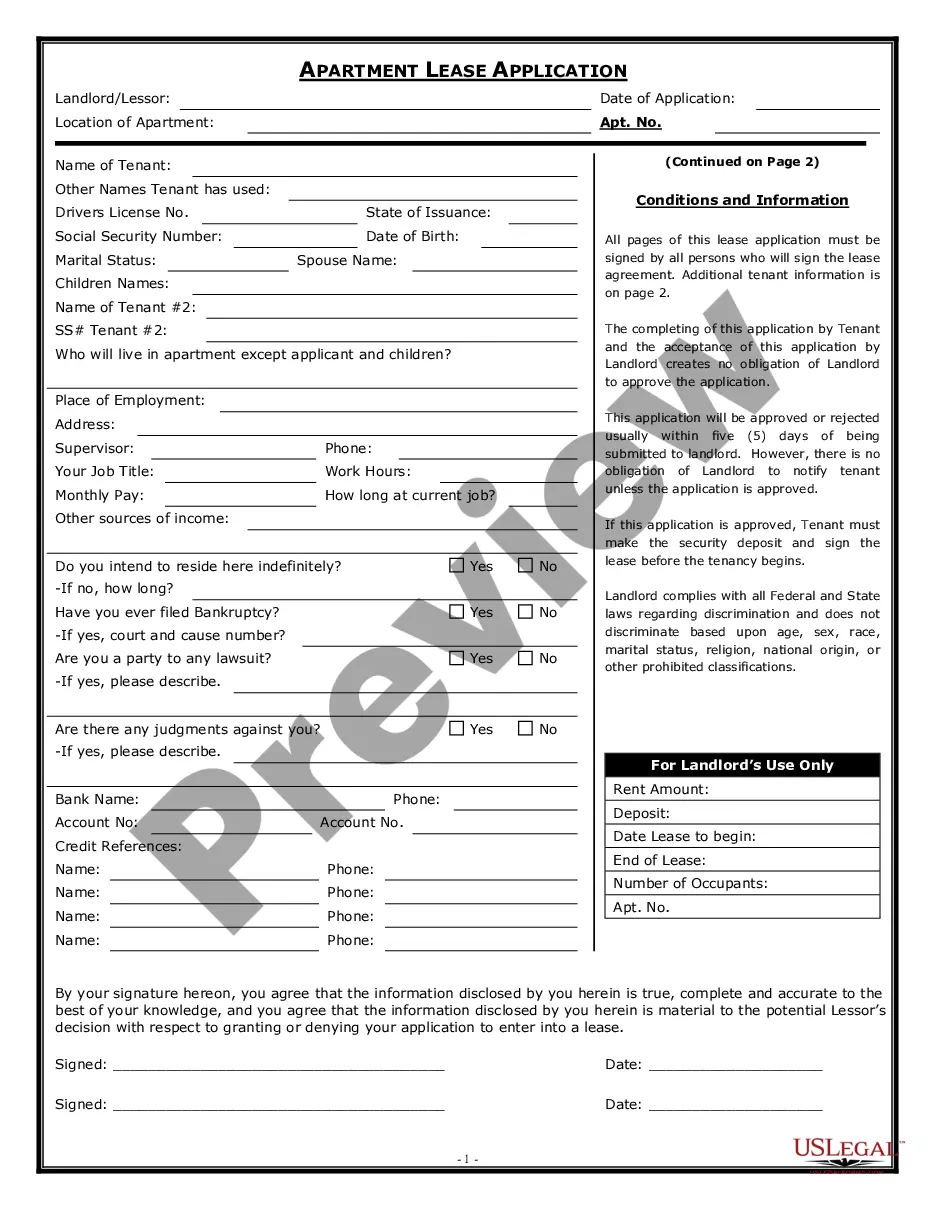
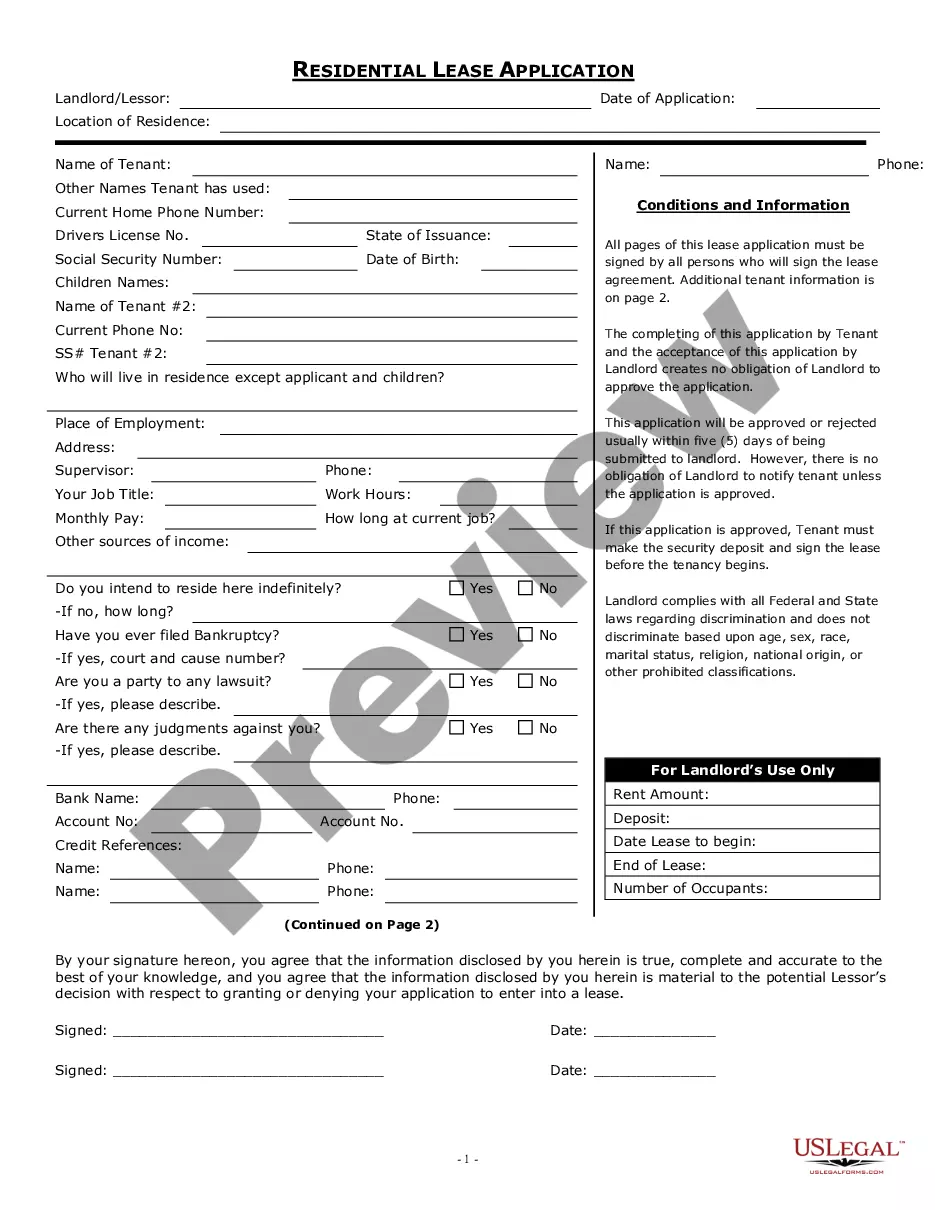
The Commercial Rental Lease Application Questionnaire is a crucial document for landlords seeking to assess potential tenants for commercial properties. This form gathers essential information, including personal disclosures and authorization for credit checks, to help the landlord make an informed decision. Unlike residential lease applications, commercial lease applications are tailored for business-oriented rentals and involve more complex terms and conditions.
What’s included in this form
- Tenant information: Personal and business details of the applicant.
- Disclosure requirements: Necessary disclosures regarding the application process.
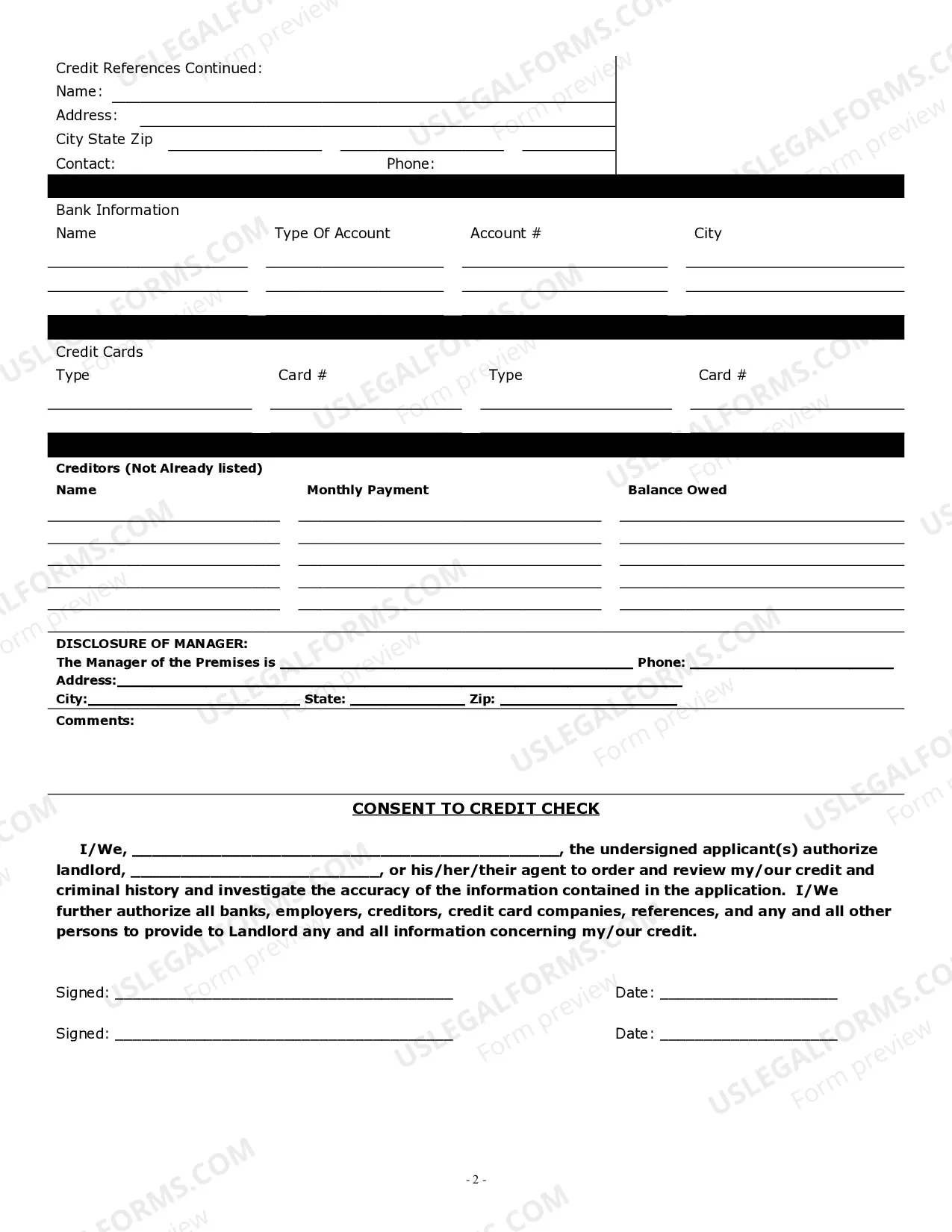
- Authorization for credit check: Consent for the landlord to investigate the applicant's credit history.
- Financial references: Information about the applicant's financial standing, including bank accounts and credit cards.
- Signatures: Required signatures from all parties involved in the application.

When this form is needed
This form should be used when a landlord is considering prospective tenants for a commercial property. It is essential for verifying the applicant's financial stability and creditworthiness before entering into a lease agreement. Use this application form whenever a business seeks to lease office space, retail space, industrial buildings, or any other commercial real estate.
Who needs this form
- Landlords of commercial properties looking to vet potential tenants.
- Business owners seeking to lease commercial space for their operations.
- Property managers responsible for the leasing process of commercial real estate.
How to prepare this document
- Identify the parties: Enter the names and contact details of the applicant(s) and the landlord.
- Specify the property: Include the address and any relevant details about the commercial property for lease.
- Provide financial information: Fill in details regarding financial references, including bank accounts and credit cards.
- Sign the application: Ensure all parties sign and date the application to confirm the truthfulness of the provided information.
- Submit the application: Send the completed form to the landlord for review and approval.
Does this document require notarization?
This form does not typically require notarization unless specified by local law. Be sure to check local regulations for any specific requirements regarding the application process.
Get your form ready online
Our built-in tools help you complete, sign, share, and store your documents in one place.
Make edits, fill in missing information, and update formatting in US Legal Forms—just like you would in MS Word.
Download a copy, print it, send it by email, or mail it via USPS—whatever works best for your next step.
Sign and collect signatures with our SignNow integration. Send to multiple recipients, set reminders, and more. Go Premium to unlock E-Sign.
If this form requires notarization, complete it online through a secure video call—no need to meet a notary in person or wait for an appointment.
We protect your documents and personal data by following strict security and privacy standards.

Make edits, fill in missing information, and update formatting in US Legal Forms—just like you would in MS Word.

Download a copy, print it, send it by email, or mail it via USPS—whatever works best for your next step.

Sign and collect signatures with our SignNow integration. Send to multiple recipients, set reminders, and more. Go Premium to unlock E-Sign.

If this form requires notarization, complete it online through a secure video call—no need to meet a notary in person or wait for an appointment.

We protect your documents and personal data by following strict security and privacy standards.
Mistakes to watch out for
- Failure to provide complete financial information.
- Not signing or dating the application, which may result in delays.
- Using outdated or incorrect property information.
- Not disclosing required details that may affect credit checks.
Advantages of online completion
- Convenience: Easily download and complete the application form at your convenience.
- Editability: Fill out the form digitally and make adjustments as needed.
- Reliability: Use a form drafted by licensed attorneys to ensure legal compliance.
Looking for another form?






Form popularity
FAQ
A security deposit is typically an amount equivalent to one or two month's rent, which is deposited by the tenant to secure, as far as money can, the tenant's performance of the tenant's obligations under the Lease.
Every commercial tenant doesn't necessarily need a sterling credit history to lease space from you. But it's good to know what you're getting into ahead of time. Assessing credit helps you know when to add appropriate protections into a tenant's lease agreement.
Commercial leases generally fall into one of three major categories based on how the building's operating expenses are passed on to tenants: Gross or full-service lease. You pay a flat monthly rate from which the landlord pays all operating expenses, including utilities, property taxes and maintenance.
The Person Liable for the Lease. Your Business Structure. How Long You Have Been in Business. The Nature of Your Business. Contact Information. Your Proposed Terms (or, Counter Offer) The Length of the Lease. Condition of the Property.
Bank references. Current credit reports/scores from all three reporting bureaus. Previous/current landlord references (for an existing business moving to a new location) Personal and corporate financial statement(s) A copy of your business plan. Business bank statement(s) Prior tax returns.
Are you building for the future? Is the location safe? Is the office space adequately wired for your business and equipment needs. How much will furniture cost? How much will the rent increase each year? What's included in the lease? Who handles repairs?
The process for retailers qualifying for a commercial lease can vary from landlord to landlord. Landlords consider several factors including tenant mix, personal credit history of the owner, company balance sheet, profit and loss statements, open credit lines, and growth projections.
Names of all tenants. Limits on occupancy. Term of the tenancy. Rent. Deposits and fees. Repairs and maintenance. Entry to rental property. Restrictions on tenant illegal activity.
Inspect the Property and Record Any Current Damages. Know What's Included in the Rent. Can You Make Adjustments and Customizations? Clearly Understand the Terms Within the Agreement and Anticipate Problems. Communicate with Your Landlord About Your Expectations.