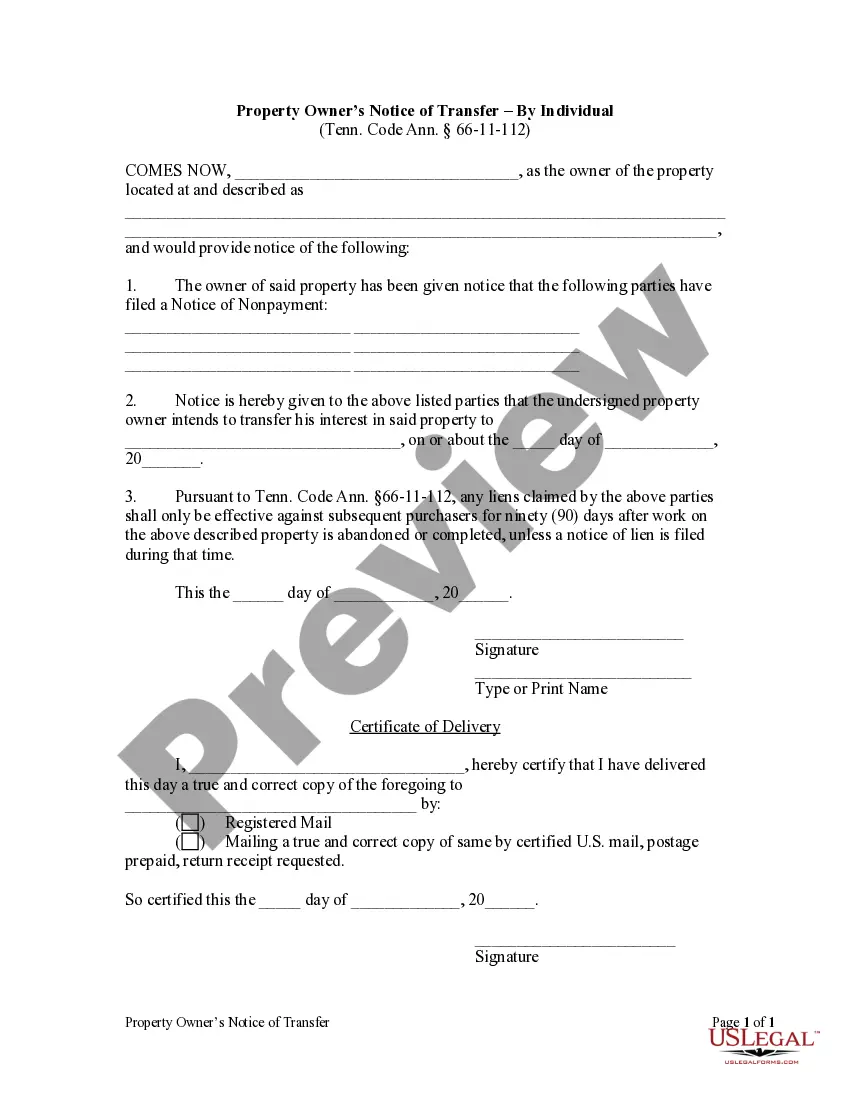
Utah Letter from Tenant to Landlord containing Notice to landlord to withdraw retaliatory rent increase
About this form
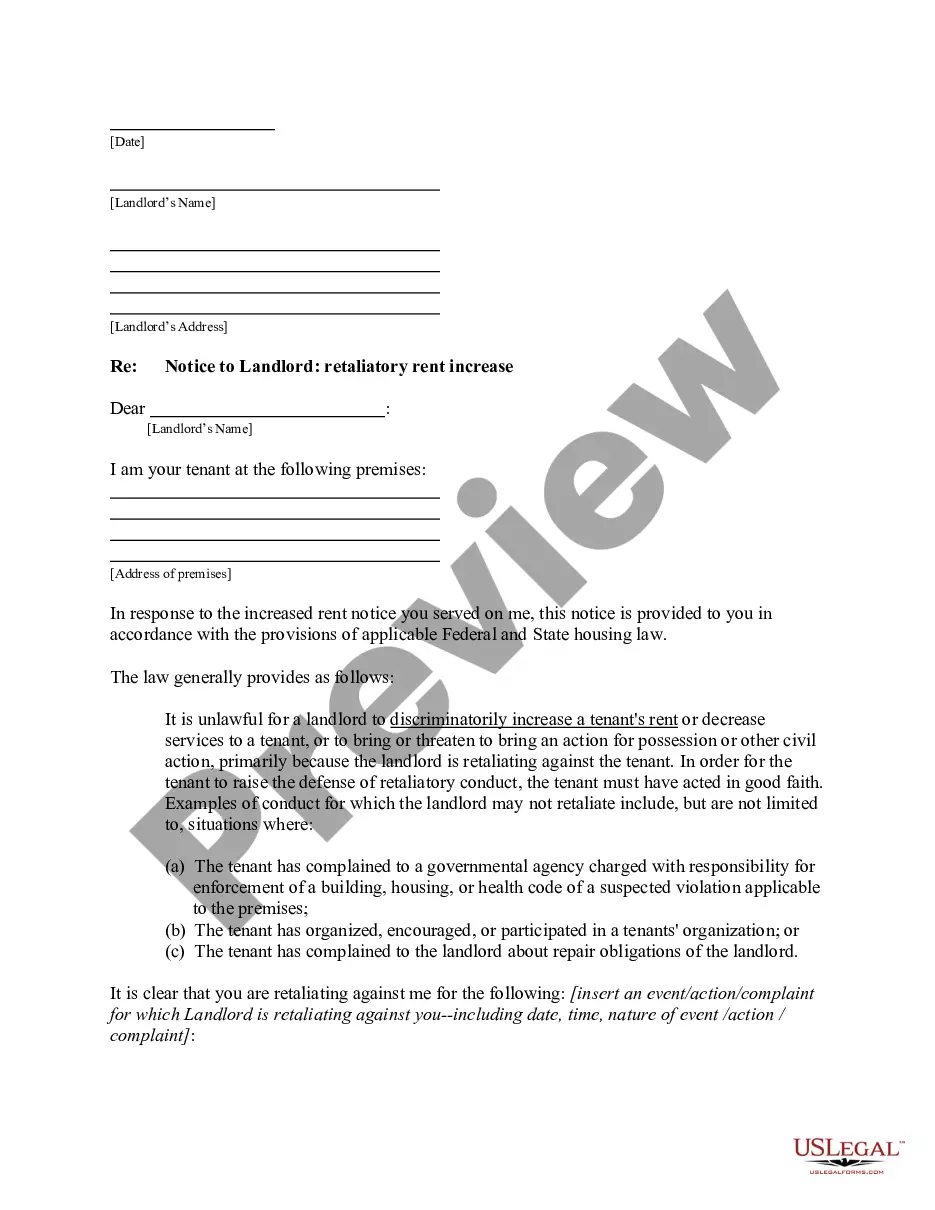
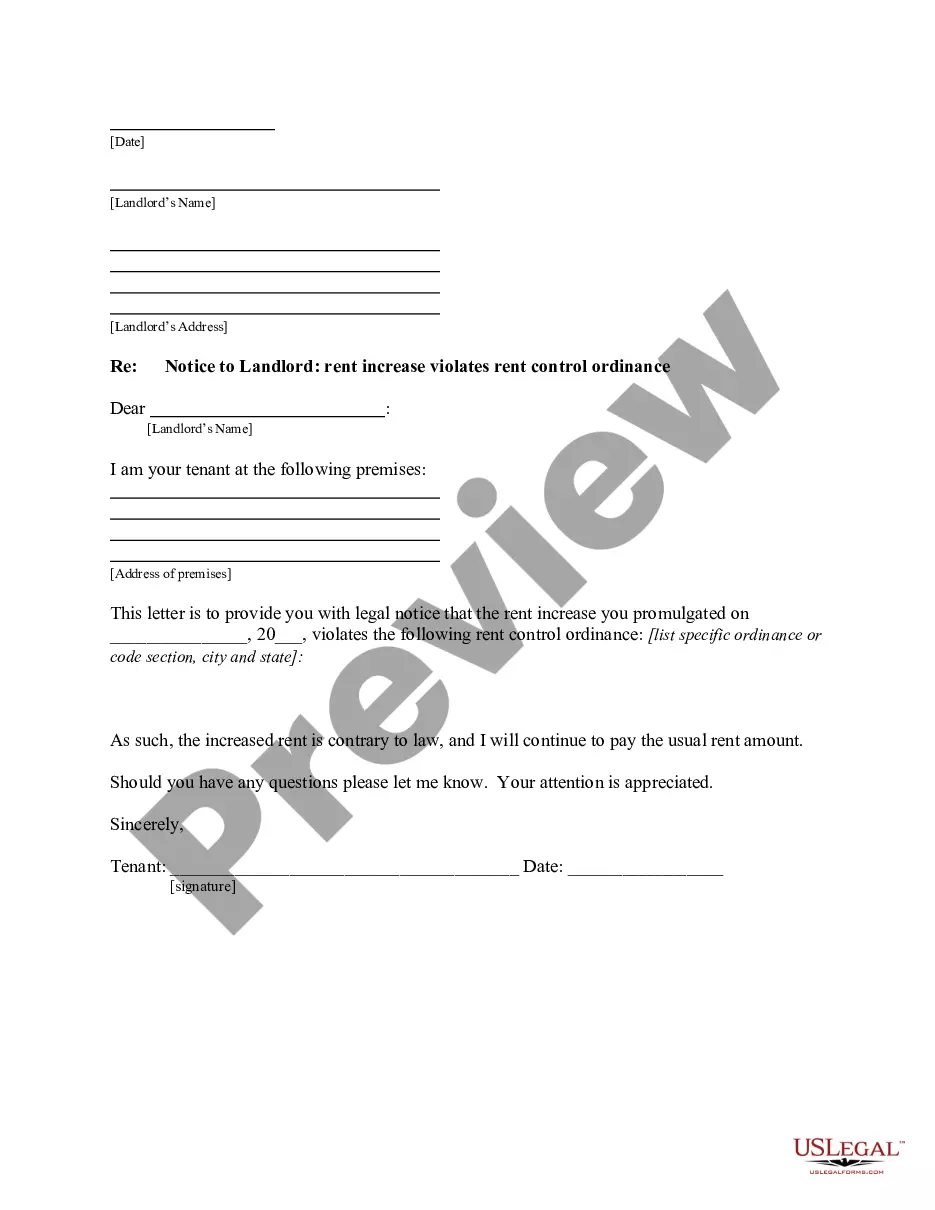
This form is a Letter from Tenant to Landlord containing Notice to withdraw a retaliatory rent increase. Its purpose is to inform the landlord that increasing the rent as a form of retaliation against the tenant is unlawful. This form helps tenants assert their rights and differentiate between legitimate rent adjustments and retaliatory actions based on tenant complaints or activities.
Main sections of this form
- Identification of parties: Name and address of both tenant and landlord.
- Notice of retaliatory intent: Clear statement that the rent increase is perceived as retaliatory.
- Assertion of rights: Reference to legal protections against retaliatory actions.
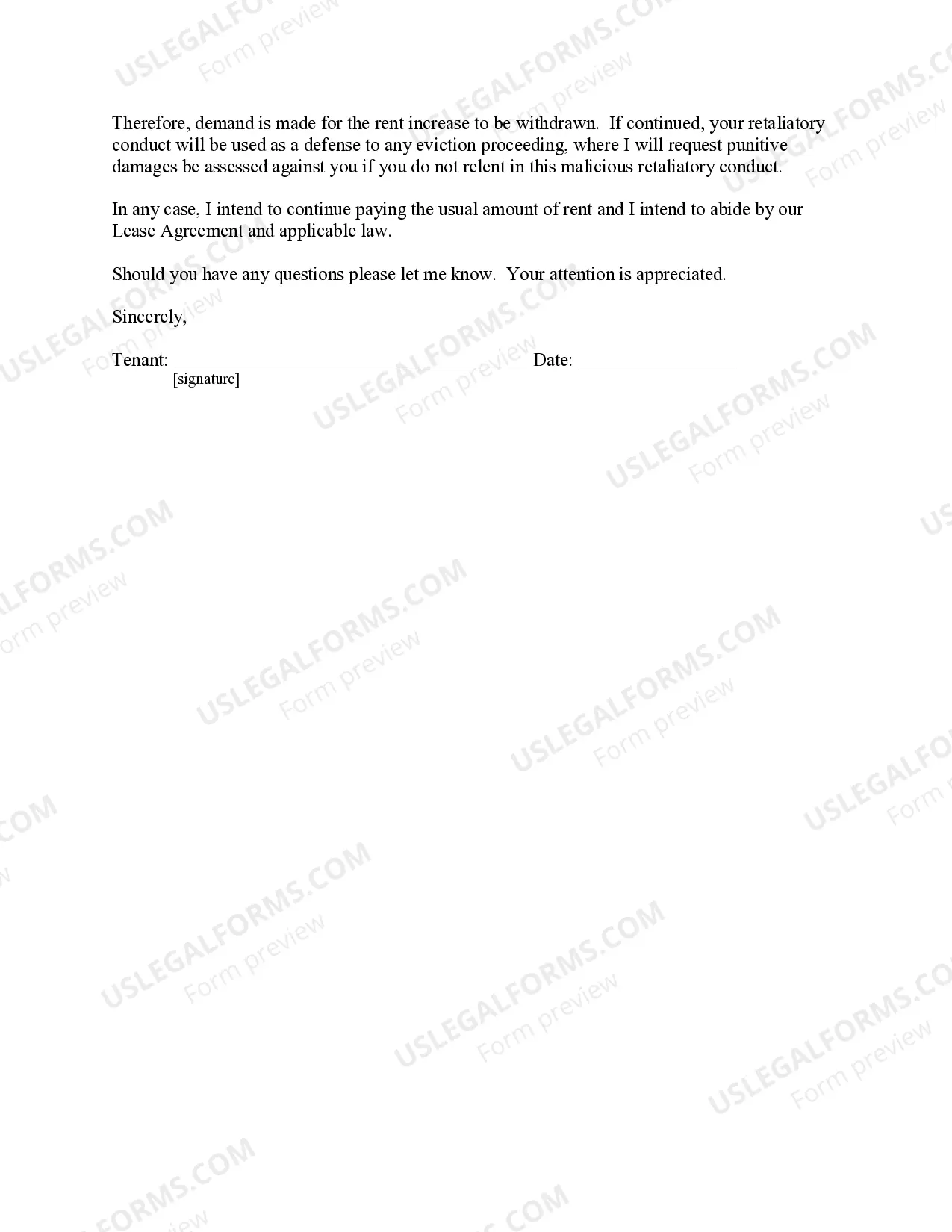
- Confirmation of intent to pay regular rent: Tenantâs commitment to continue paying the usual amount of rent.
- Space for signatures and dates: Signatures for both tenant and landlord to acknowledge receipt.

Common use cases
This form should be used when a tenant receives a rent increase that they believe is retaliatory. If the tenant has recently complained about repairs, organized a tenants' organization, or reported a violation to a governmental agency, this form is essential to formally notify the landlord of their rights under state law. It serves as a protective measure against unjust rent hikes.
Who needs this form
- Tenants who have faced a rent increase shortly after making a complaint to the landlord.
- Individuals involved in tenant organizations seeking to protect against unlawful rent hikes.
- Anyone experiencing reduced services or other retaliatory actions from their landlord.
How to prepare this document
- Identify the parties: Fill in the names and addresses of both the tenant and landlord.
- State the reason: Clearly indicate that the rent increase is seen as retaliatory.
- Confirm legal basis: Reference the applicable state laws protecting against retaliatory rent increases.
- Indicate willingness to pay rent: Specify the intention to continue paying the existing rent amount.
- Sign and date: Both tenant and landlord should sign and date the form to acknowledge receipt.
Does this form need to be notarized?
This form does not typically require notarization unless specified by local law. Tenants can use this form without having to visit a notary, making the process simpler and more efficient.
Get your form ready online
Our built-in tools help you complete, sign, share, and store your documents in one place.
Make edits, fill in missing information, and update formatting in US Legal Forms—just like you would in MS Word.
Download a copy, print it, send it by email, or mail it via USPS—whatever works best for your next step.
Sign and collect signatures with our SignNow integration. Send to multiple recipients, set reminders, and more. Go Premium to unlock E-Sign.
If this form requires notarization, complete it online through a secure video call—no need to meet a notary in person or wait for an appointment.
We protect your documents and personal data by following strict security and privacy standards.

Make edits, fill in missing information, and update formatting in US Legal Forms—just like you would in MS Word.

Download a copy, print it, send it by email, or mail it via USPS—whatever works best for your next step.

Sign and collect signatures with our SignNow integration. Send to multiple recipients, set reminders, and more. Go Premium to unlock E-Sign.

If this form requires notarization, complete it online through a secure video call—no need to meet a notary in person or wait for an appointment.

We protect your documents and personal data by following strict security and privacy standards.
Mistakes to watch out for
- Not providing sufficient detail about the retaliatory nature of the rent increase.
- Failing to include signatures or dates, which may invalidate the notice.
- Assuming that all rent increases are retaliatory without understanding legal definitions.
Why complete this form online
- Convenience: Easily download and complete from home without needing an attorney.
- Editability: Customize the template to fit specific circumstances and legal requirements.
- Reliability: Forms are drafted by licensed attorneys, ensuring legal compliance with state laws.
Legal use & context
- This form can assist tenants in asserting their rights regarding unlawful rent increases.
- It serves as a formal record of the tenant's objection to retaliatory actions.
- While the form indicates the tenant's position, resolution may require further negotiation or legal action.
Key takeaways
- The form helps tenants address retaliatory rent increases effectively.
- An understanding of state housing laws is crucial when using the form.
- Clear communication with landlords can help resolve disputes amicably.
Looking for another form?
Form popularity
FAQ
Today's Date. Landlord's Name. Property Address and Unit Number. State Your Desire to Move Out of the Apartment. Include Desired Move-Out Date. That You Expect the Return of Your Security Deposit Under State Law. A Forwarding Address Where Your Security Deposit Can Be Sent.
Dear (Name of landlord or manager), This letter constitutes my written (number of days' notice that you need to give based on your lease agreement)-day notice that I will be moving out of my apartment on (date), the end of my current lease. I am leaving because (new job, rent increase, etc.)
State who you are and why you need a rental. Mention where you found their ad and how you can afford the rental. Offer to provide references (work/volunteer/housing office) Include some highlighting feature from the original ad so that when you receive a response you can remember which rental you are talking about (ex.
When writing to your landlord, be specific in describing the problems you are having. Do not exaggerate or under-emphasize the extent of the problem. The landlord may show this letter to a judge if your problem is ever litigated.
You can send your letter by email if your tenancy agreement says you can. You should say something like: I am giving 1 month's notice to end my tenancy, as required by law. I will be leaving the property on (date xxxxx).
Addresses. Date. Tenant names. Status and date of the lease. Why the eviction notice is served (clear and concise explanation) Date tenant must vacate the property. Proof of service or delivery of notice.
While tenants cannot unreasonably deny access to a landlord, landlords must also follow all of the state and local rules regarding access to tenants' apartments. Roughly half of states have rules governing landlord entry into tenants' apartments.
Explain the Situation Tell your tenant in straightforward terms what the problem is, and explain that they cannot stay on the property any longer. Describe the Consequences Calmly explain that they will be evicted with necessary court orders if they remain on the property.
Even when a landlord does become so obliged to proceed, notice of withdrawal can be served at any time prior to (but not after) a binding contract has been entered into or come into existence by serving a notice of withdrawal.