Utah Letter from Landlord to Tenant about Intent to increase rent and effective date of rental increase
Understanding this form
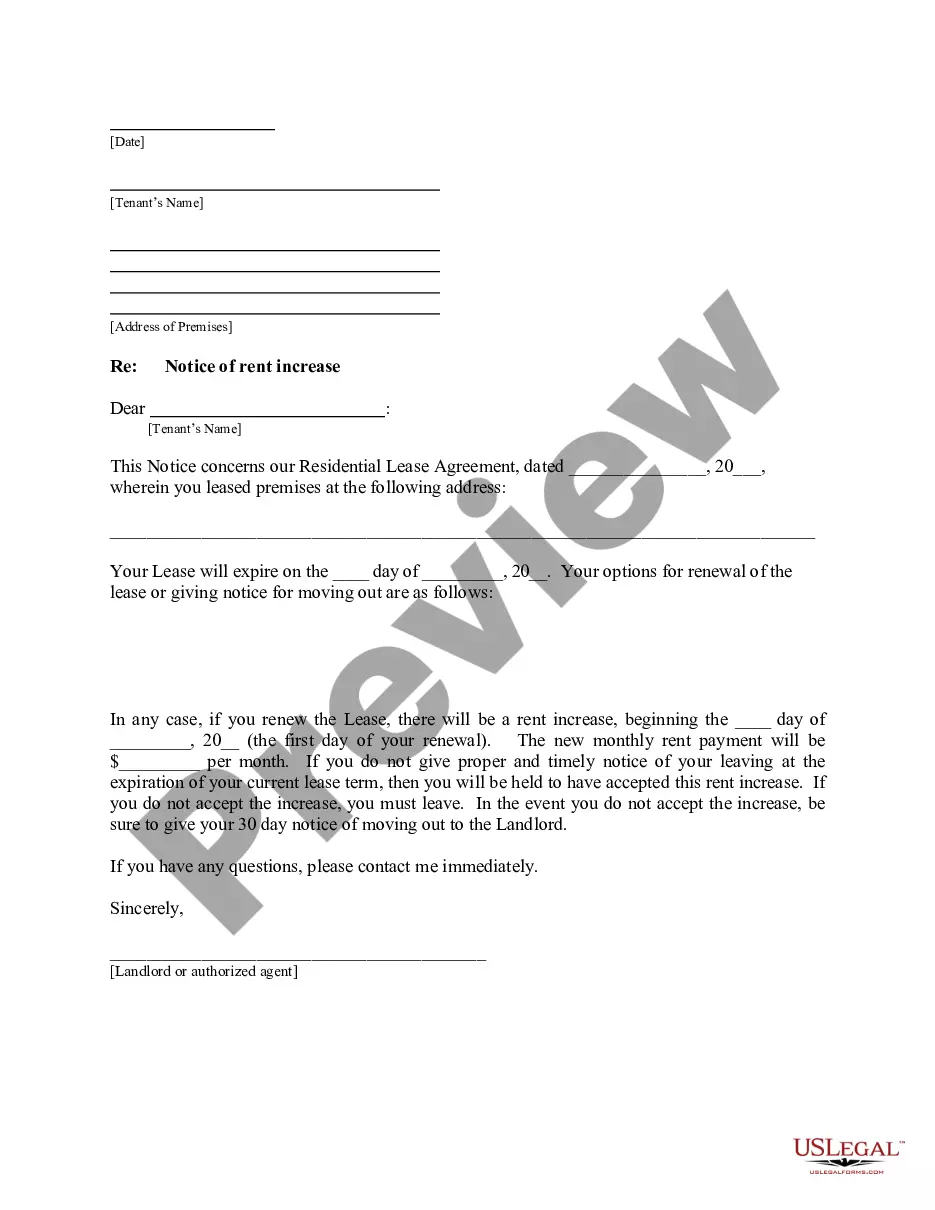
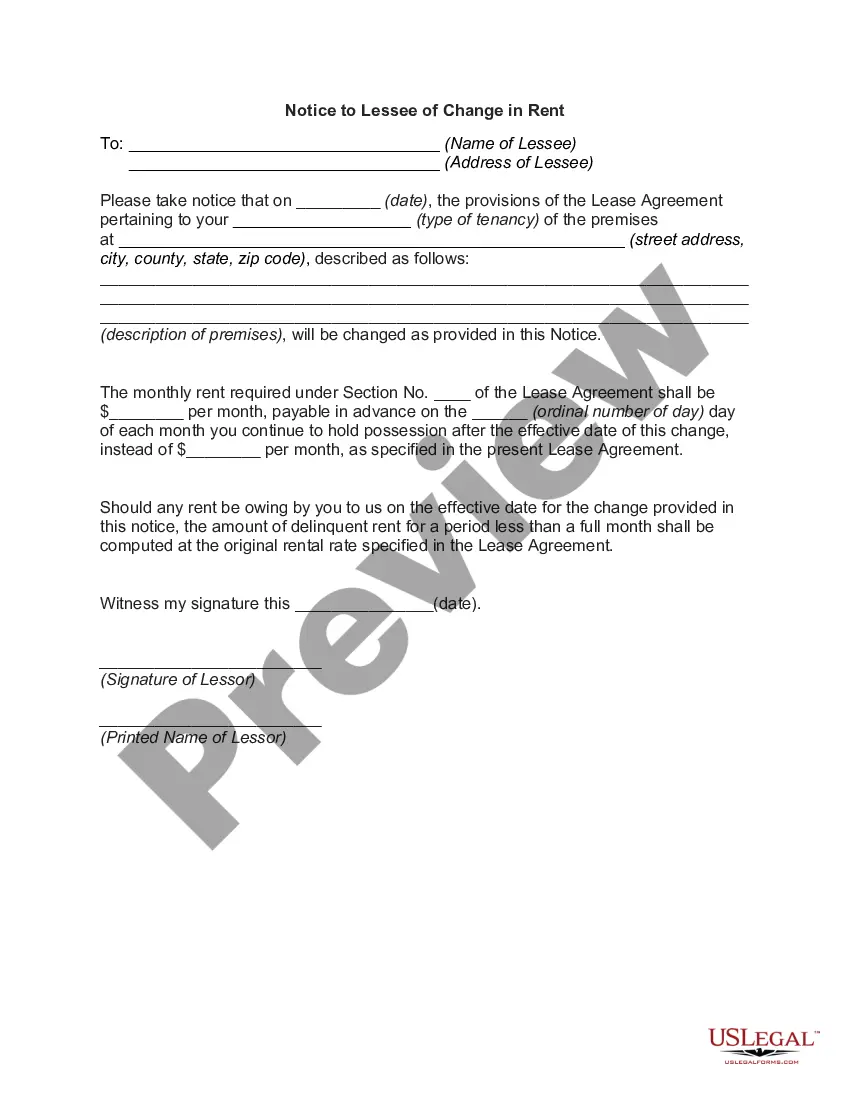
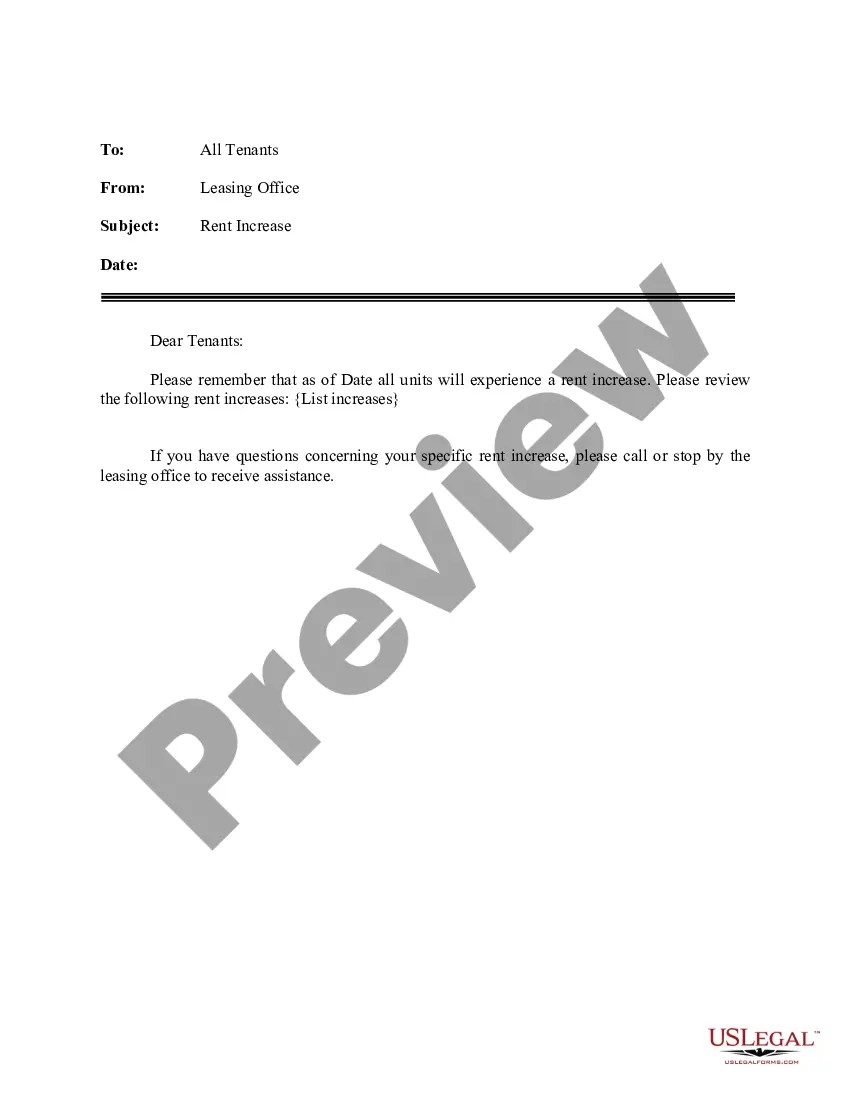
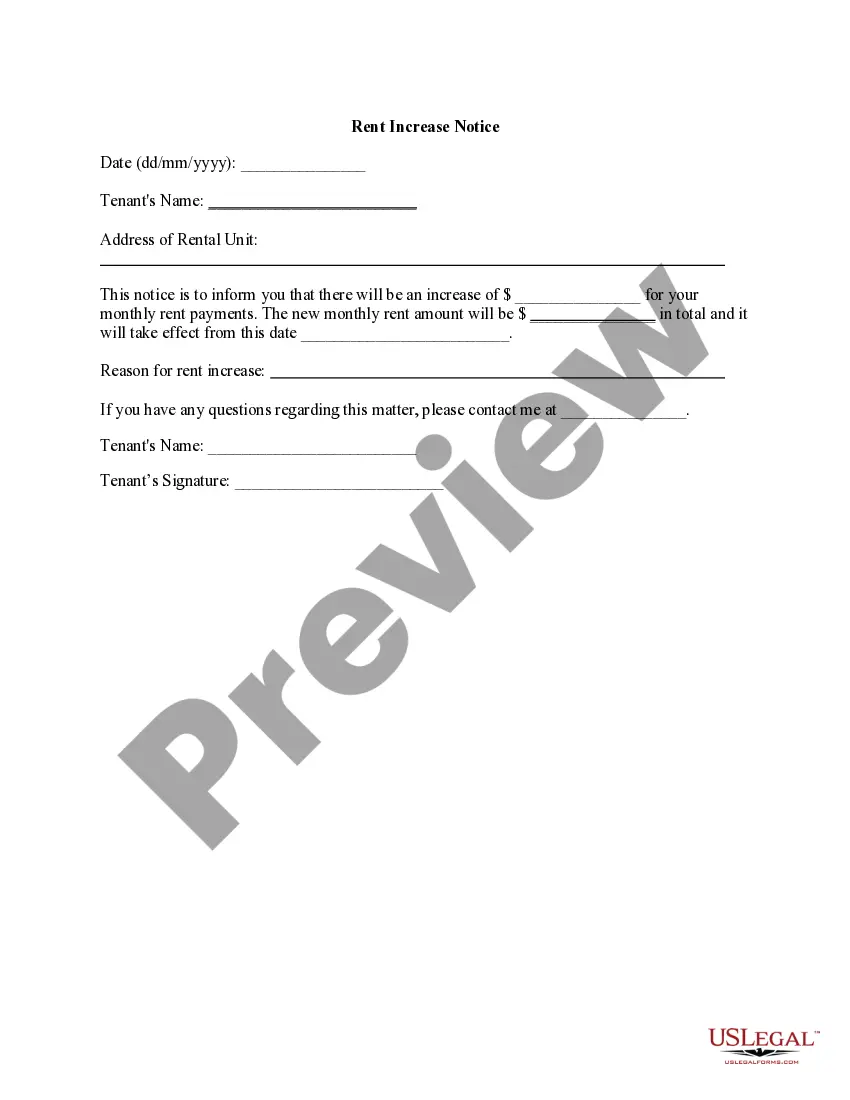
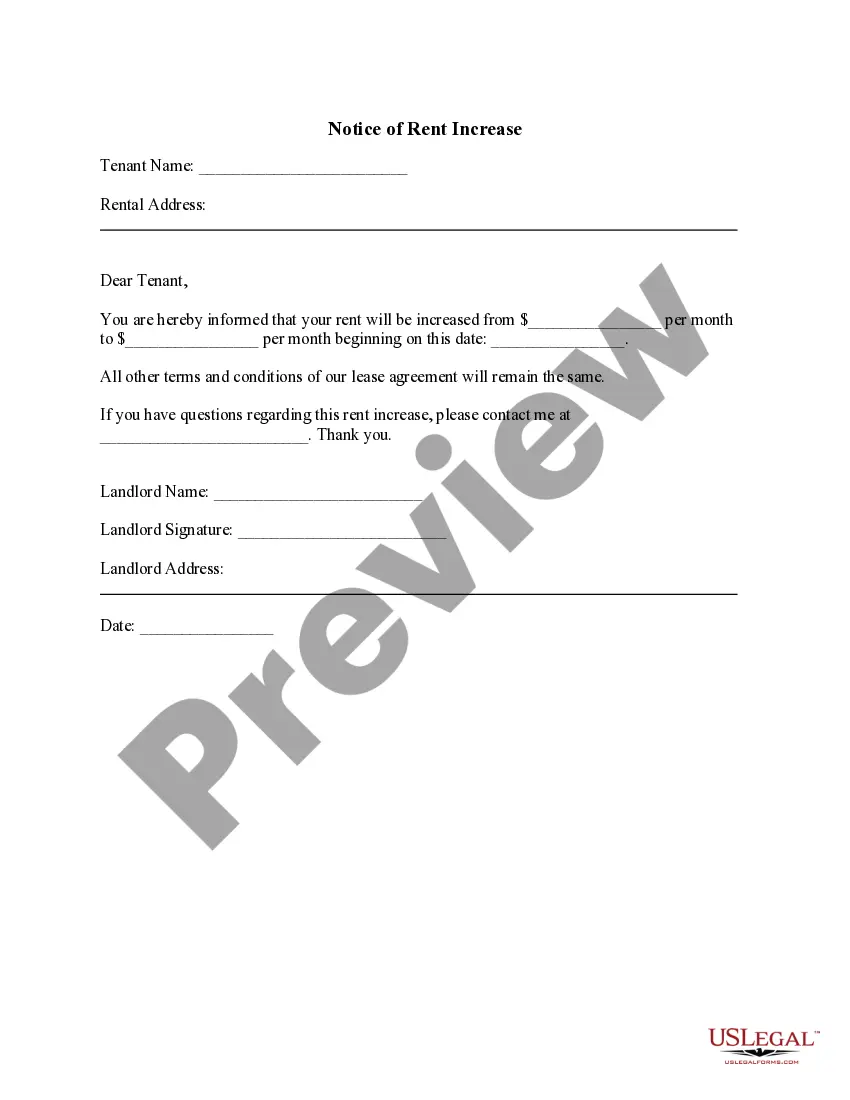
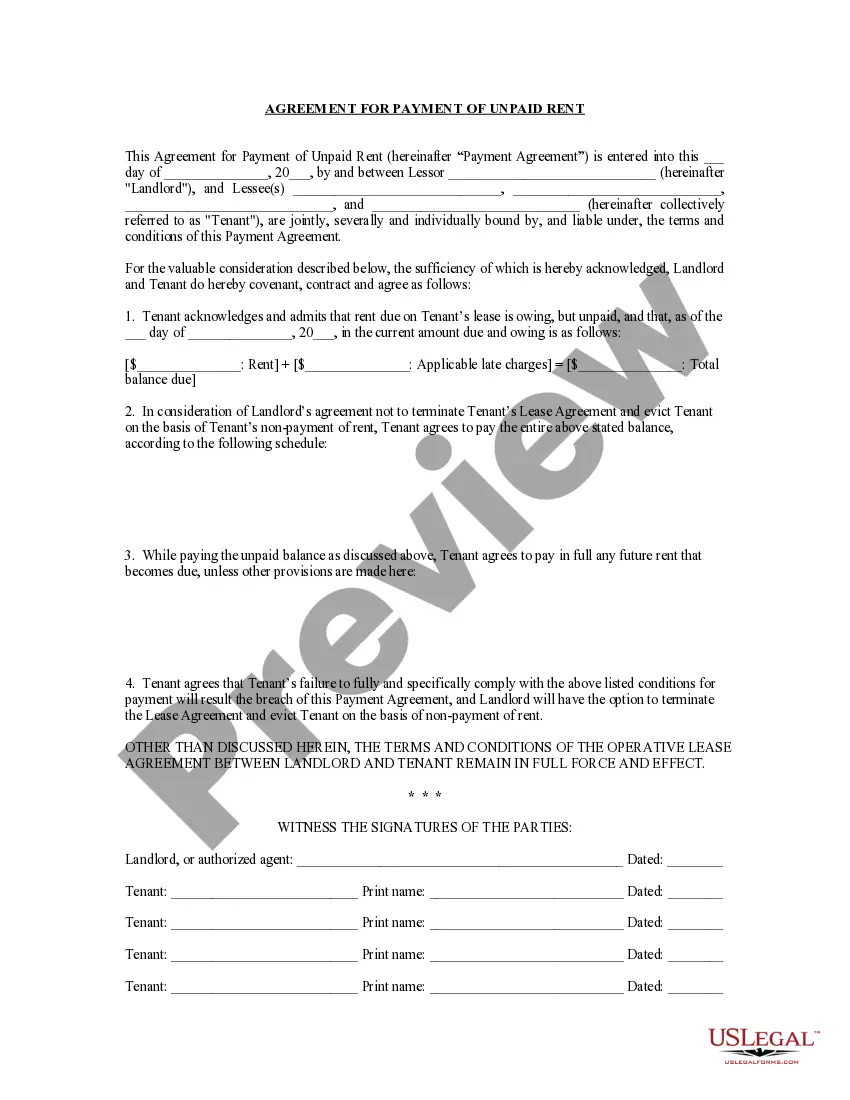
This form is a notice from a landlord to a tenant regarding the intention to increase rent at the end of a lease term. It clarifies the new rental amount and the effective date of this increase. Unlike other notices, this form specifically addresses rent adjustments and provides the tenant with options regarding their lease renewal or decision to vacate the premises.
Form components explained
- Identification of the lease agreement date and property address.
- Notification of the lease expiration date.
- Details regarding the proposed rent increase.
- Options for the tenant upon lease expiration.
- Contact information for the landlord or authorized agent.

When to use this form
This form should be used when the landlord intends to raise the rent upon the expiration of the current lease. It is essential to notify the tenant in advance so they can consider their options, including renewing the lease under the new terms or deciding to move out.
Who needs this form
- Landlords who lease residential properties.
- Property managers acting on behalf of landlords.
- Tenants who need to understand their rights regarding rent increases.
How to complete this form
- Identify the date of the existing lease agreement.
- Provide the complete address of the rental property.
- Specify the expiration date of the current lease.
- Indicate the amount of the new rent and its effective date.
- Sign and date the notice, providing contact information.
Does this document require notarization?
This form does not typically require notarization unless specified by local law. Always check for any specific requirements in your jurisdiction to ensure compliance.
Get your form ready online
Our built-in tools help you complete, sign, share, and store your documents in one place.
Make edits, fill in missing information, and update formatting in US Legal Forms—just like you would in MS Word.
Download a copy, print it, send it by email, or mail it via USPS—whatever works best for your next step.
Sign and collect signatures with our SignNow integration. Send to multiple recipients, set reminders, and more. Go Premium to unlock E-Sign.
If this form requires notarization, complete it online through a secure video call—no need to meet a notary in person or wait for an appointment.
We protect your documents and personal data by following strict security and privacy standards.

Make edits, fill in missing information, and update formatting in US Legal Forms—just like you would in MS Word.

Download a copy, print it, send it by email, or mail it via USPS—whatever works best for your next step.

Sign and collect signatures with our SignNow integration. Send to multiple recipients, set reminders, and more. Go Premium to unlock E-Sign.

If this form requires notarization, complete it online through a secure video call—no need to meet a notary in person or wait for an appointment.

We protect your documents and personal data by following strict security and privacy standards.
Avoid these common issues
- Failing to provide sufficient notice before the rent increase.
- Not including the specific effective date for the rent increase.
- Omitting contact information for clarification or questions.
Advantages of online completion
- Convenience of accessing the form from anywhere at any time.
- Editability allows you to customize the form to fit your specific situation.
- Reliability of having legally vetted documents prepared by attorneys.
Quick recap
- This letter serves to inform tenants about an increase in rent and their options thereafter.
- It is crucial for landlords to adhere to state-specific laws regarding notice periods and content.
- Completing the form accurately helps maintain a clear and professional relationship between landlords and tenants.
Looking for another form?
Form popularity
FAQ
A typical rent increase is around 3-5% annually.
The full names of both landlord and tenant. The type of property you are leasing. The location of the property. The type of tenancy (fixed term or periodic) Details about the rent (current rent vs. new rent and effective dates) Details about the lease (start date and signing date)
Generally, no. The landlord cannot raise the rent during a 12-month lease term. Once a year, HUD calculates the median gross income in each part of the U.S. LIHTC rent amounts are based upon this calculation. If the local average income increases, the LIHTC rent may be increased during the next 12-month lease term.
Tenant's name. Property address. Landlord's name and contact info. Date the letter was written. Date the rent increase will take effect. Rent increase amount. Current rental amount. Date the new rent will be due.
The name of your tenant. The date. The property address. The lease expiration date. The date the rent increase will take effect. The amount of the increase. The current rental amount. Date the new rent will be due.
Tenant's name. Property address. Landlord name and contact information. Date the letter is written. Date the rent increase will take effect. Amount of rent increase. Current cost of rent.
Remember you're a business. Do your research. Raise the rent all at once or incrementally. Don't negotiate or ask tenants what they think a fair rent increase would be. Be courteous and firm. Find a template you like. Send a formal letter by certified mail. Give the tenant notice.
In most states, a landlord must give tenants notice at least 30 days before they'll enforce a rent increase. However, in other states like California, the notice can increase to 60 days' notice if the increase is more than 10% of the current rent rate.