Waiver and Release From Liability For Minor Child for Cheerleading
What this document covers
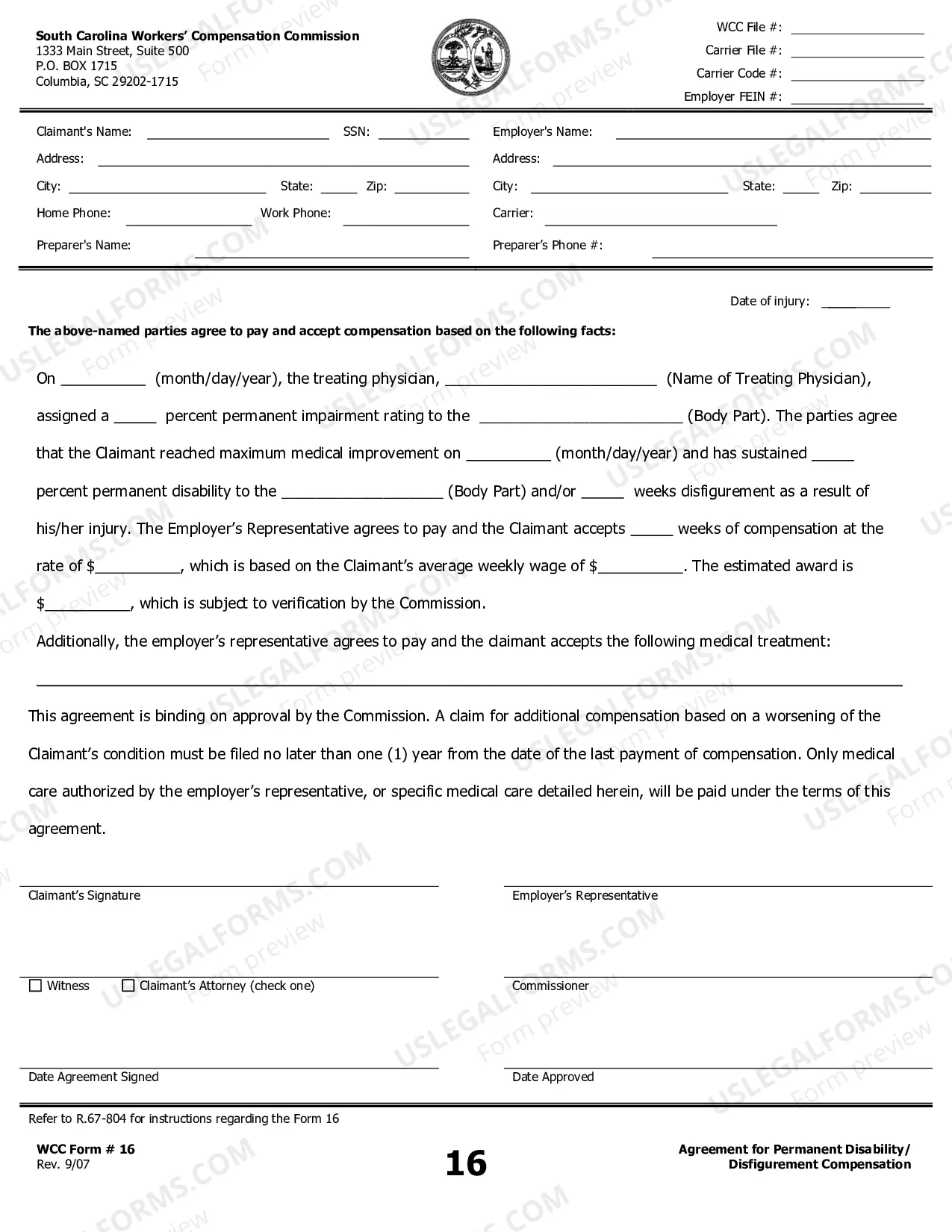
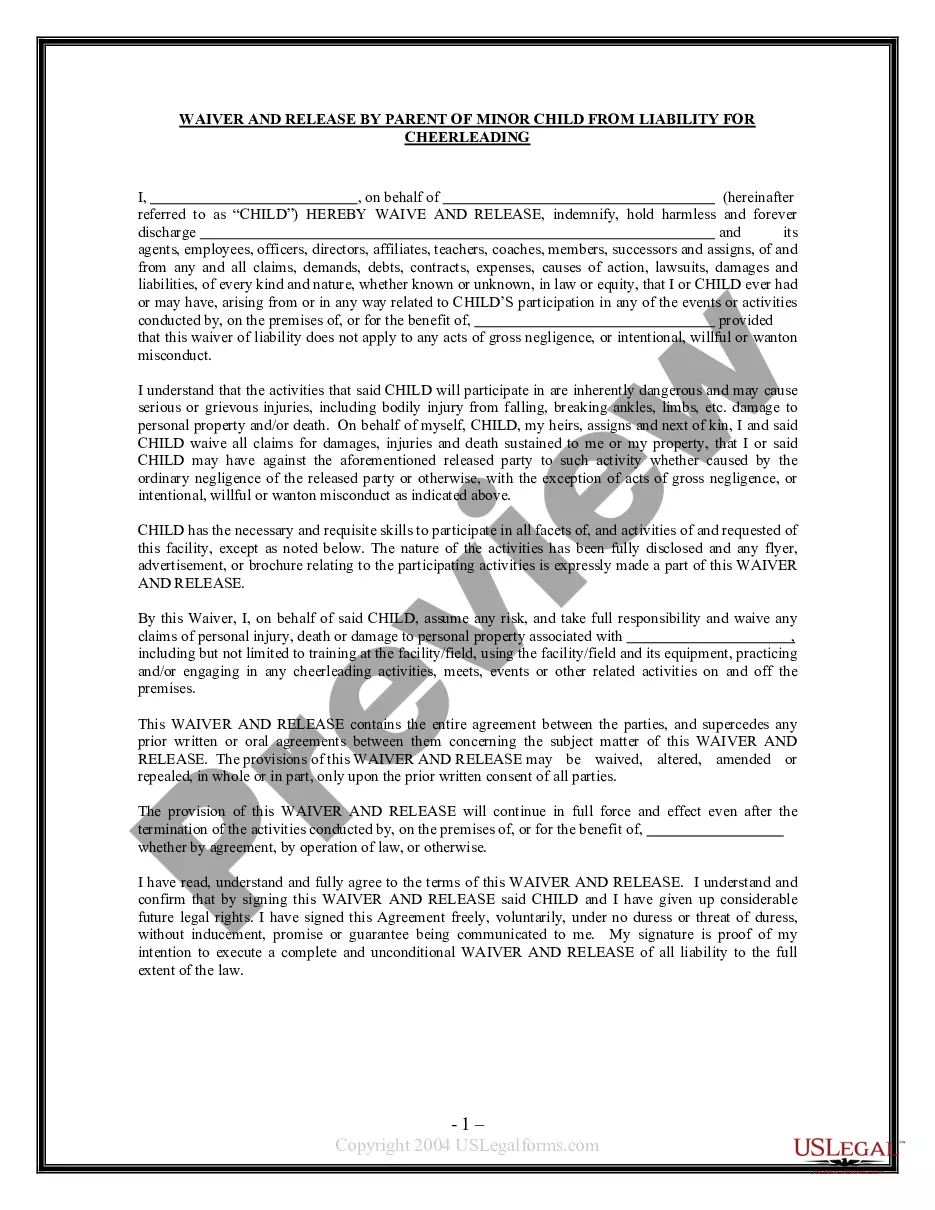
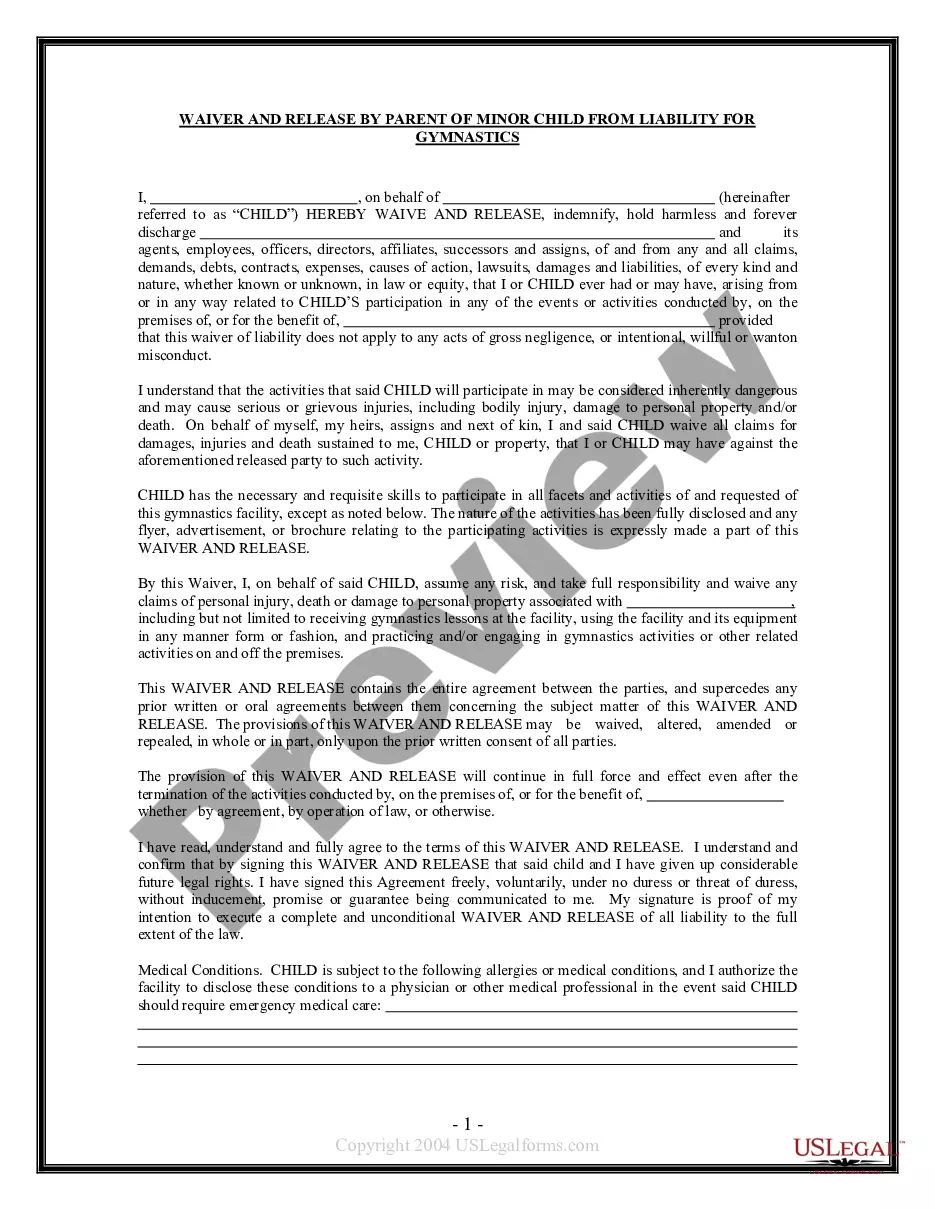
The Waiver and Release From Liability For Minor Child for Cheerleading is a legal document that allows a parent or guardian to release a cheerleading facility from liability for any injuries that may occur to a minor child during cheerleading activities. This form differs from other liability waivers by specifically addressing the unique risks associated with cheerleading, ensuring that parents acknowledge these risks while participating in the sport.
Main sections of this form
- Identification of the minor child participating in cheerleading activities.
- A statement of the parent or guardian's acknowledgment of the child's skills and abilities.
- Disclosure of the nature of cheerleading activities involved.
- A clause stating that this waiver contains the entire agreement and overrides any prior agreements.
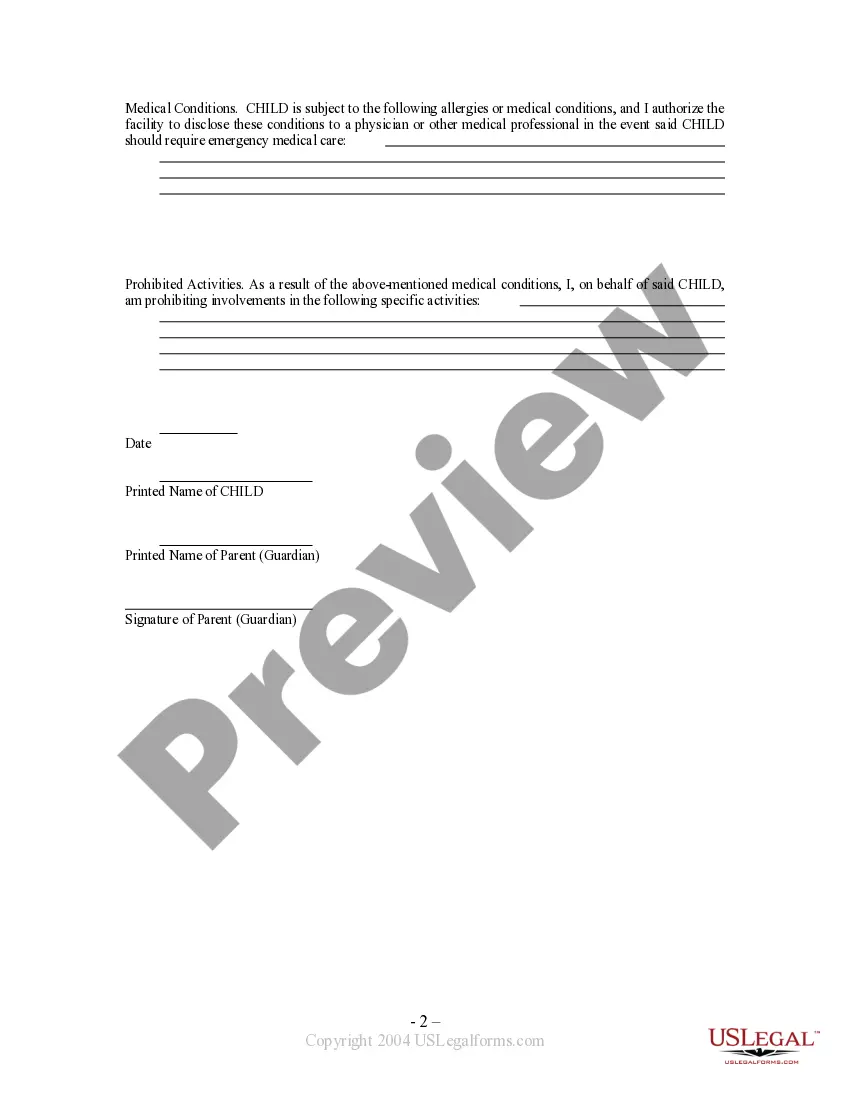
- Signature line for the parent or guardian to demonstrate consent.
When to use this form
This form should be used when enrolling a minor child in cheerleading activities at a facility that requires parents or guardians to acknowledge the risks associated with the sport. It is particularly relevant for cheerleading camps, classes, or any organized cheerleading events where the child may be at risk of injury.
Who needs this form
- Parents or guardians of minor children who wish to enroll them in cheerleading activities.
- Cheerleading facilities that require a liability waiver from parents or guardians.
- Any individual responsible for the safety and legal rights of a minor child participating in cheerleading.
Steps to complete this form
- Identify and write the name of the minor child participating in cheerleading activities.
- Confirm the child's skills and abilities for cheerleading participation, noting any exceptions if applicable.
- Read through the disclosed information regarding the nature of the cheerleading activities.
- Review the waiver terms to ensure understanding of the agreement.
- Provide the required signature of the parent or guardian, indicating consent to the waiver.
Notarization requirements for this form
This form does not typically require notarization unless specified by local law. However, it is always recommended to check any specific requirements that may apply in your state.
Get your form ready online
Our built-in tools help you complete, sign, share, and store your documents in one place.
Make edits, fill in missing information, and update formatting in US Legal Forms—just like you would in MS Word.
Download a copy, print it, send it by email, or mail it via USPS—whatever works best for your next step.
Sign and collect signatures with our SignNow integration. Send to multiple recipients, set reminders, and more. Go Premium to unlock E-Sign.
If this form requires notarization, complete it online through a secure video call—no need to meet a notary in person or wait for an appointment.
We protect your documents and personal data by following strict security and privacy standards.

Make edits, fill in missing information, and update formatting in US Legal Forms—just like you would in MS Word.

Download a copy, print it, send it by email, or mail it via USPS—whatever works best for your next step.

Sign and collect signatures with our SignNow integration. Send to multiple recipients, set reminders, and more. Go Premium to unlock E-Sign.

If this form requires notarization, complete it online through a secure video call—no need to meet a notary in person or wait for an appointment.

We protect your documents and personal data by following strict security and privacy standards.
Common mistakes
- Not providing complete information about the minor child.
- Failing to read and understand the terms of the waiver before signing.
- Overlooking any specific exceptions regarding the child's abilities.
- Not dating the waiver, which could cause issues regarding its enforceability.
Benefits of completing this form online
- Convenient access to the form anytime and anywhere, making it easy to complete.
- Editable fields allow parents or guardians to customize the waiver to their needs.
- Reliable legal language prepared by licensed attorneys, ensuring enforceability.
Legal use & context
- Liability waivers for minors must be carefully reviewed to ensure their enforceability.
- Each state may have different requirements regarding the wording and format of liability waivers.
- This form protects the facility by having parents or guardians acknowledge the inherent risks of cheerleading.
Summary of main points
- This form helps protect cheerleading organizations from liability regarding minor participants.
- Use this form when enrolling minors in cheerleading activities to ensure proper risk acknowledgement.
- Review and understand the implications of the waiver before signing.
Looking for another form?
Form popularity
FAQ
Most recent answer. In the context: with the term 'minor' means a person (juvenile) who is below the legal age of responsibility or accountability, and 'a child' refers to a son or daughter from the parent, that is more consistent in the definition of the UNCRC.
In law, a minor is a person under a certain age, usually the age of majority, which legally demarcates childhood from adulthood. The age of majority depends upon jurisdiction and application, but it is generally 18. Minor may also be used in contexts that are unconnected to the overall age of majority.
All states define an "age of majority", usually 18. Persons younger than this age are considered minors, and must be under the care of a parent or guardian unless they are emancipated.
The answer to this question in international and domestic law is clear: a child is anyone under the age of 18. But it took a legal challenge and a national campaign to ensure that 17-year-olds were given the same rights as other children in the police station.
In all 31 states, a minor is referred to as someone under the age of 18. Minors aged 16 or 17 who are charged with crimes could sometimes be treated as an adult.
Minors or Minority Definition: The term generally refers to anyone who has not reached full age to vote, buy alcoholic beverages, join the military, sign legal contracts and and so forth.Only people 21 years of age can purchase alcohol thus a 20 year old is still a minor in this category.
According to the U.S. government, a child officially becomes an adult when they turn 18.That's not to say that kids in their late teens and early 20s can't take on these tasks, but it does mean that it's harder for them to do at least until around age 25 or so when this area of the brain fully develops.
Legally, the term child may refer to anyone below the age of majority or some other age limit. The United Nations Convention on the Rights of the Child defines child as "a human being below the age of 18 years unless under the law applicable to the child, majority is attained earlier".
All states define an "age of majority", usually 18. Persons younger than this age are considered minors, and must be under the care of a parent or guardian unless they are emancipated.