Waiver and Release From Liability For Minor Child for Dojo
Understanding this form
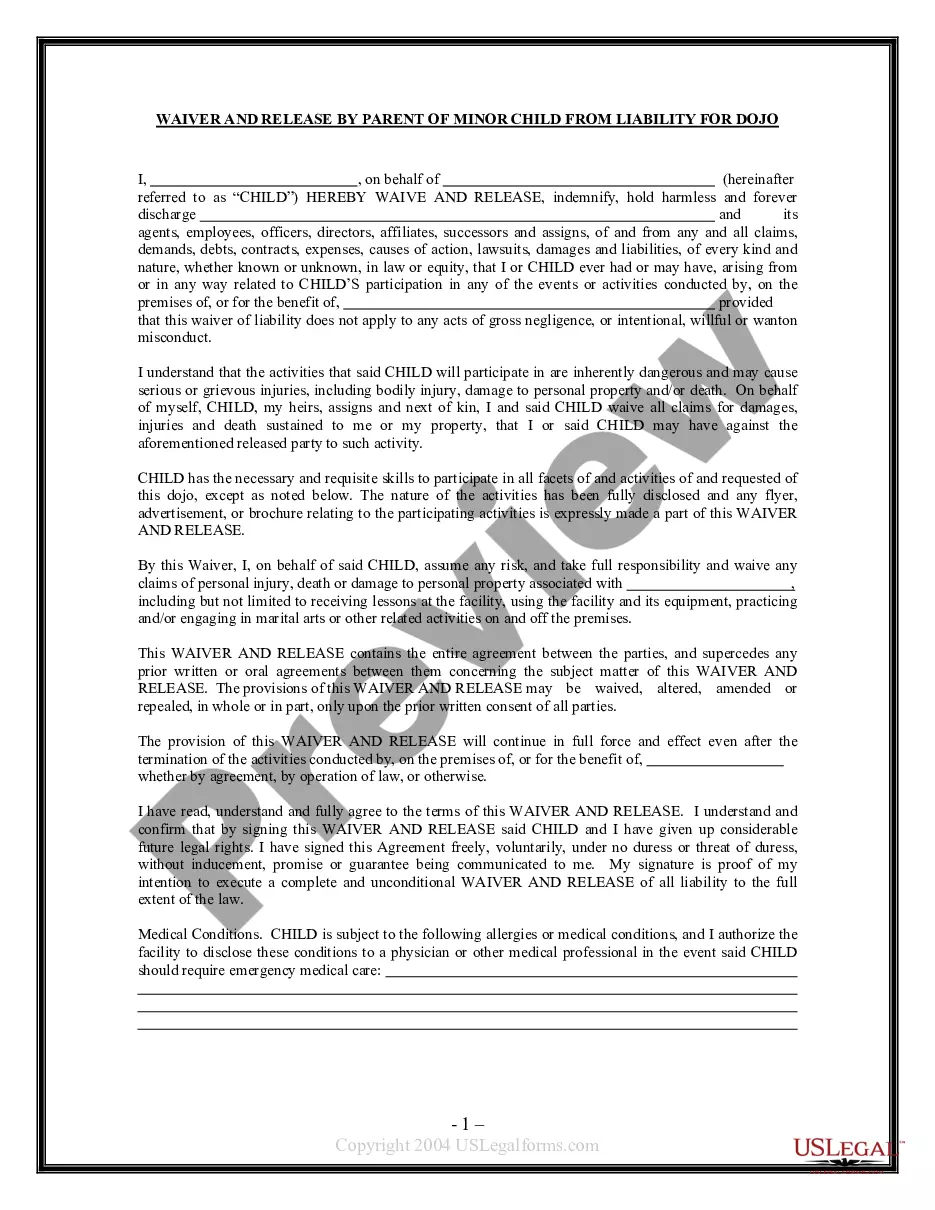
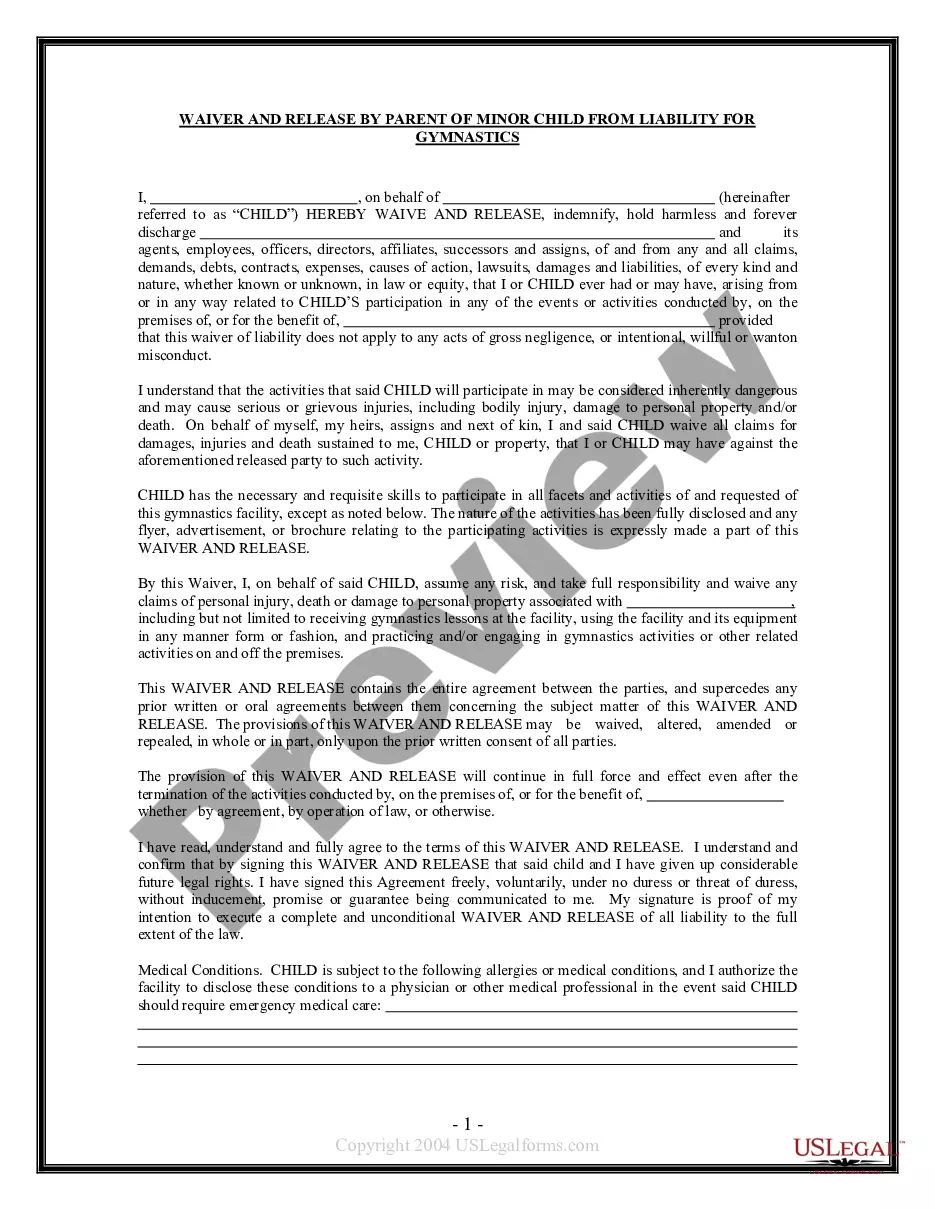
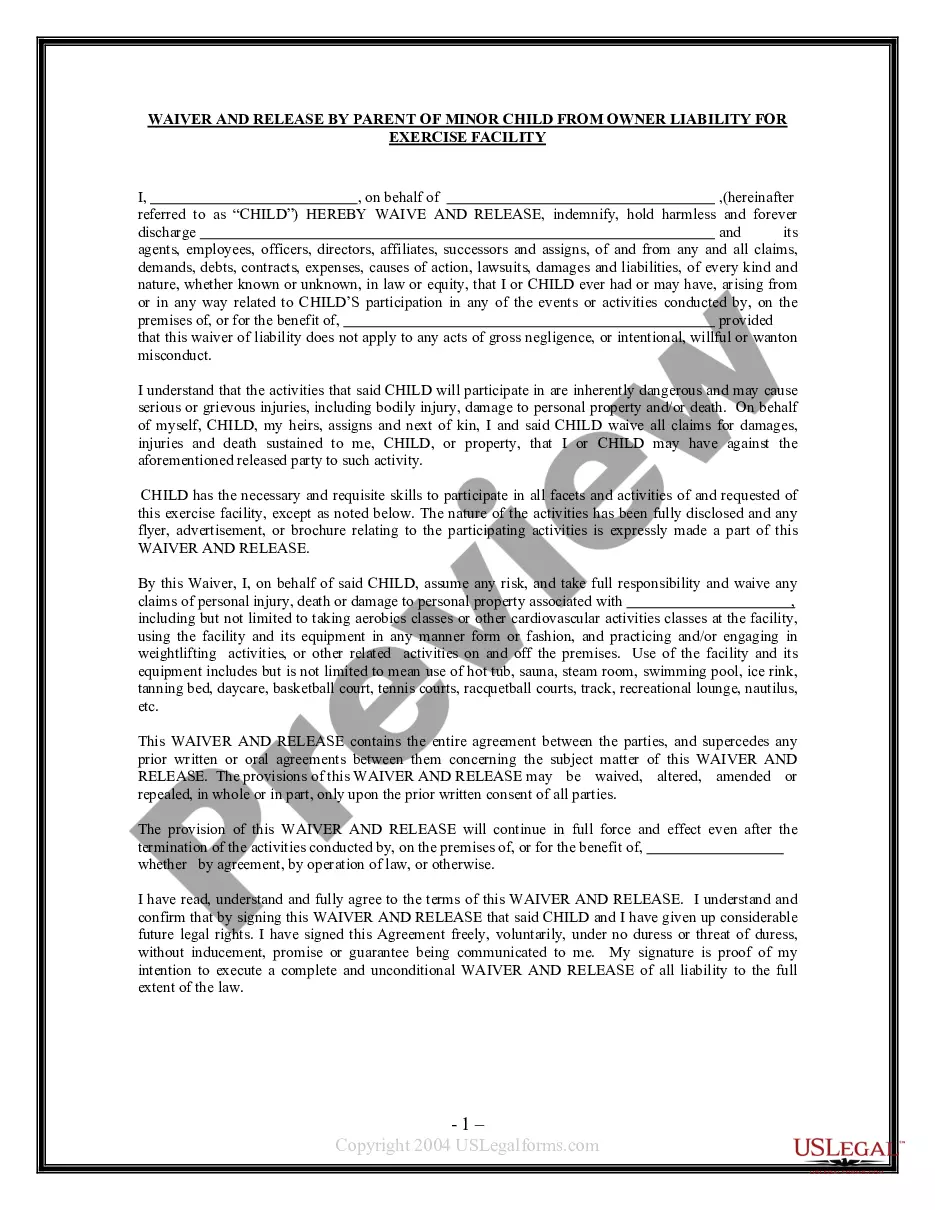
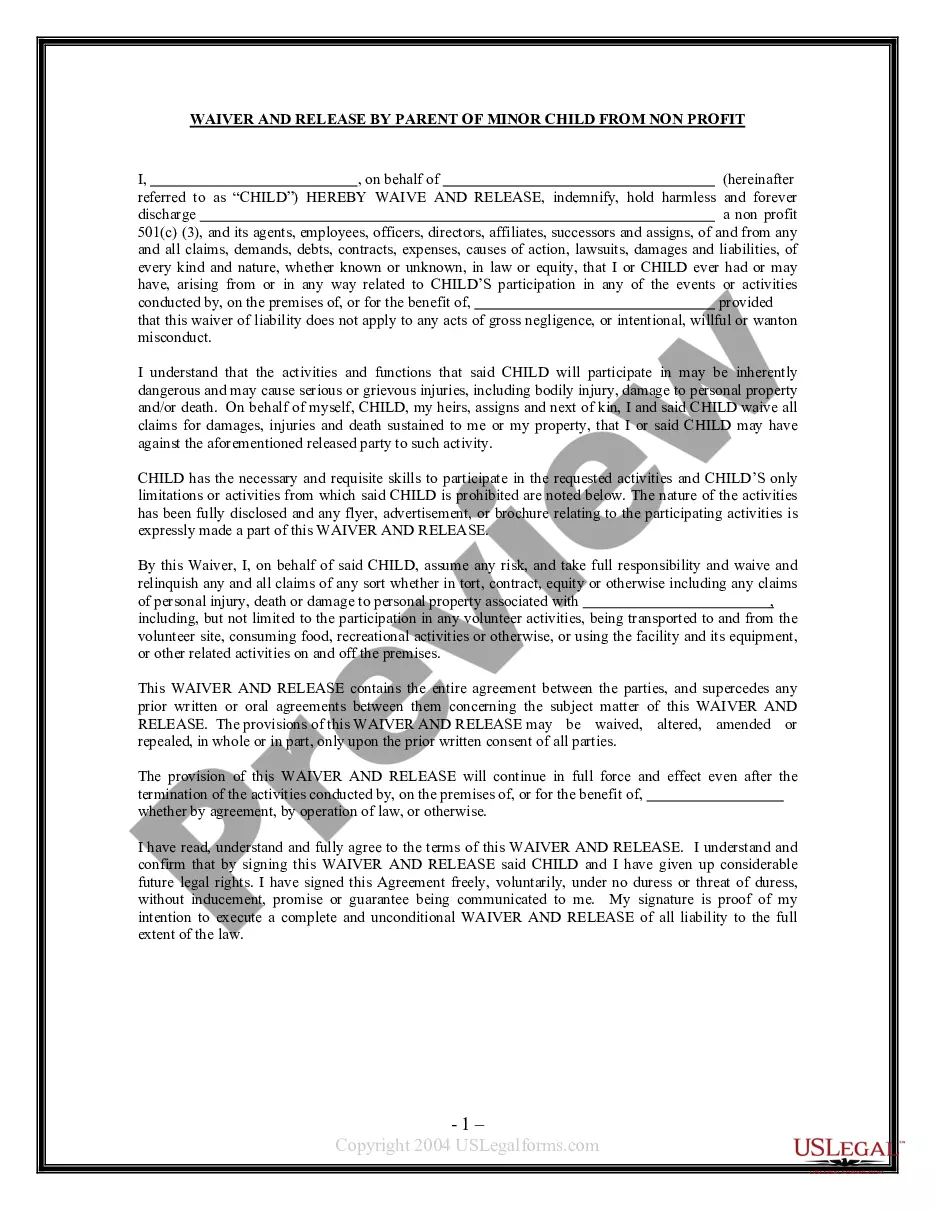
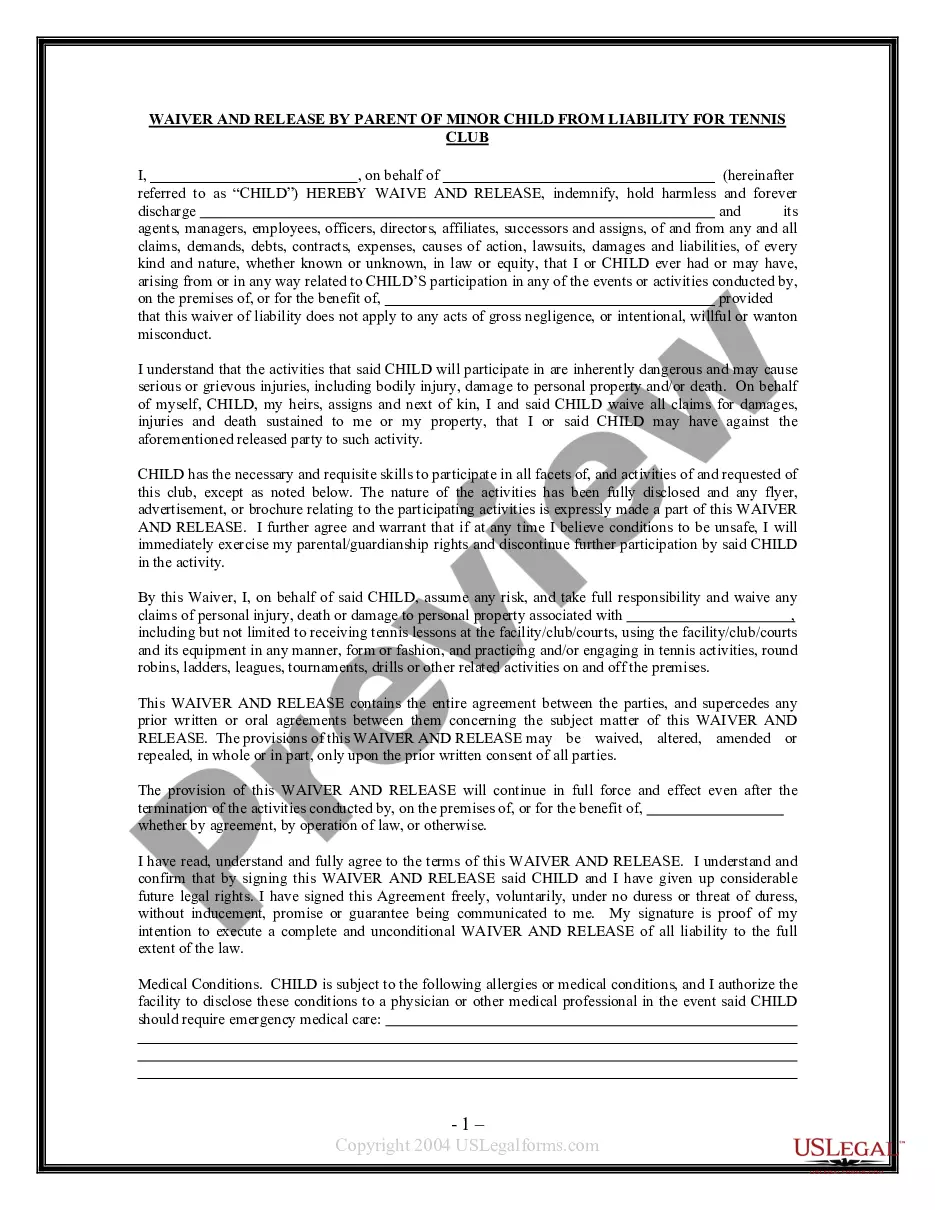
The Waiver and Release From Liability For Minor Child for Dojo is a legal document that allows a parent or guardian to release a dojo facility from liability for injuries that a minor child may experience while participating in activities on the premises. This form is essential for protecting the dojo from claims related to incidents that may occur during martial arts training or events, differentiating it from other general liability waivers by specifically addressing the context of activities involving minors.
Main sections of this form
- Identification of the child and guardian providing the waiver.
- Statement acknowledging the inherent risks associated with dojo activities.
- Release of claims against the dojo for injuries or damages incurred by the child.
- Disclosure of the child's ability to participate in specific activities.
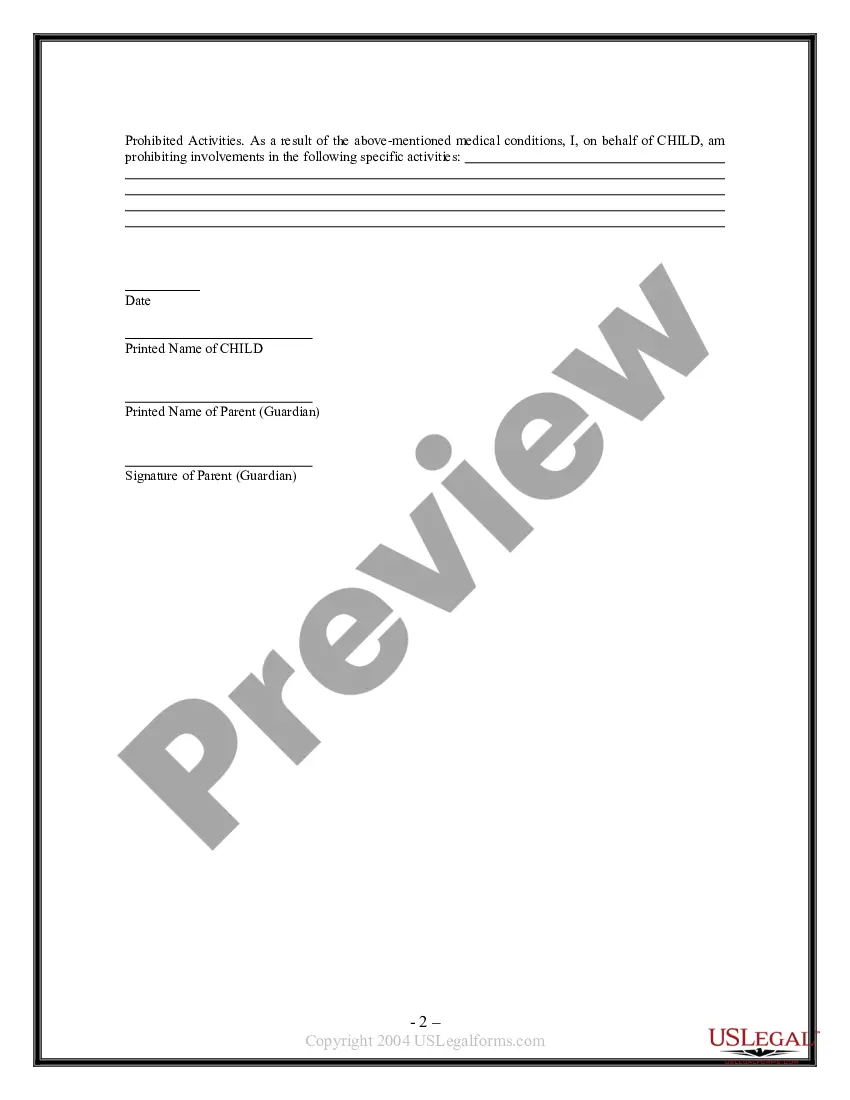
- Signature fields for the guardian and, when appropriate, the child.
When to use this form
This form should be used whenever a minor child is participating in activities at a dojo, such as martial arts classes, tournaments, or special events. It is particularly important when the activities involved may pose risks of injury due to physical activity or contact sports. Having this waiver in place protects the dojo from potential legal claims that may arise from accidents or injuries that occur during these activities.
Who should use this form
- Parents or guardians of minor children who wish to enroll them in martial arts programs.
- Dojo operators or owners who require a liability waiver from participants.
- Individuals managing youth events or camps at a dojo facility.
How to complete this form
- Identify and provide the full name of the minor child.
- Fill in the name of the parent or guardian signing the waiver.
- Read and acknowledge the risks associated with the child's participation in dojo activities.
- Include any relevant information about the childâs ability to participate, mentioning any limitations.
- Sign and date the waiver, ensuring all required signatures are present.
Does this form need to be notarized?
This form does not typically require notarization unless specified by local law. It is advisable to check with the dojo for any additional requirements they may have regarding the completion or submission of the waiver.
Get your form ready online
Our built-in tools help you complete, sign, share, and store your documents in one place.
Make edits, fill in missing information, and update formatting in US Legal Forms—just like you would in MS Word.
Download a copy, print it, send it by email, or mail it via USPS—whatever works best for your next step.
Sign and collect signatures with our SignNow integration. Send to multiple recipients, set reminders, and more. Go Premium to unlock E-Sign.
If this form requires notarization, complete it online through a secure video call—no need to meet a notary in person or wait for an appointment.
We protect your documents and personal data by following strict security and privacy standards.

Make edits, fill in missing information, and update formatting in US Legal Forms—just like you would in MS Word.

Download a copy, print it, send it by email, or mail it via USPS—whatever works best for your next step.

Sign and collect signatures with our SignNow integration. Send to multiple recipients, set reminders, and more. Go Premium to unlock E-Sign.

If this form requires notarization, complete it online through a secure video call—no need to meet a notary in person or wait for an appointment.

We protect your documents and personal data by following strict security and privacy standards.
Mistakes to watch out for
- Failing to include the full names of both the parent/guardian and the child.
- Not reading the waiver thoroughly before signing.
- Leaving the form unsigned or improperly dated, which may render it invalid.
- Not disclosing relevant medical conditions or limitations of the child.
Advantages of online completion
- Convenience of downloading and completing the form at your own pace.
- Editability allows customization based on specific dojo activities.
- Access to professionally drafted templates that ensure legal reliability and clarity.
Legal use & context
- This waiver is a binding contract recognized in court, provided it is filled out correctly.
- Liability waivers are generally enforceable in most states, subject to specific state laws regarding minors.
- It is important to note that while this form minimizes liability risks, it does not eliminate them entirely.
Quick recap
- The Waiver and Release From Liability For Minor Child for Dojo protects dojo facilities from injury claims.
- Parents or guardians must carefully complete this form before their child participates in dojo activities.
- Understanding and acknowledging the risks involved is crucial for both parties.
Looking for another form?








Form popularity
FAQ
The names, addresses, and phone numbers of the parent(s) or guardian signing the document. The names and addresses of the agent (and any alternative agent). The name and date of birth of each child covered by the document.
1) Choose the right person(s). 2) Talk to an attorney. 3) Choose what kind of power of attorney is best suited to your needs. 4) Decide on the details. 5) Fill out the power of attorney form. 6) Sign your power of attorney form in front of a notary or witness.
A written and signed statement of the supervising adult certifying that he or she has parental or legal guardian consent for each child. CBP also suggest that this note be notarized, to easily verify the validity of the parental authorization. For frequent border crossers, the letter should not exceed one year.
Most states offer simple forms to help you create a power of attorney for finances. Generally, the document must be signed, witnessed and notarized by an adult. If your agent will have to deal with real estate assets, some states require you to put the document on file in the local land records office.
The full name, place of birth, and passport details of the minor. Permission and contact details from the parent or guardian that is not traveling. Any relevant details regarding the parent or guardian that is traveling, such as their passport information, full name, and any custody information.
The name of your child. The name of your child's class. The name of your child's teacher. The e-mail address of the parent. The phone number/s of the parent. Any additional contact number/s. Any special instructions pertaining to the child. The parental consent.
The permission letter should give the child's name, date of birth, the dates of travel, the name of the adult companion, the allowed travel destinations and the reason for travel. Contact phone numbers for both parents, their full names and their signatures should also be included.
A power of attorney over a child is a document signed and notarized by a parent giving a non- parent authority to make decisions for a minor child.It can be used to authorize the person to obtain medical treatment for a child or sign up a child for an activity or for other significant decisions.
Writing your own durable power of attorney is an inexpensive way to deal with end-of-life decision-making because it allows you to appoint a person to make decisions for you after you are incapacitated or legally incompetent.