Employment Agreement for Key Employee
What this document covers
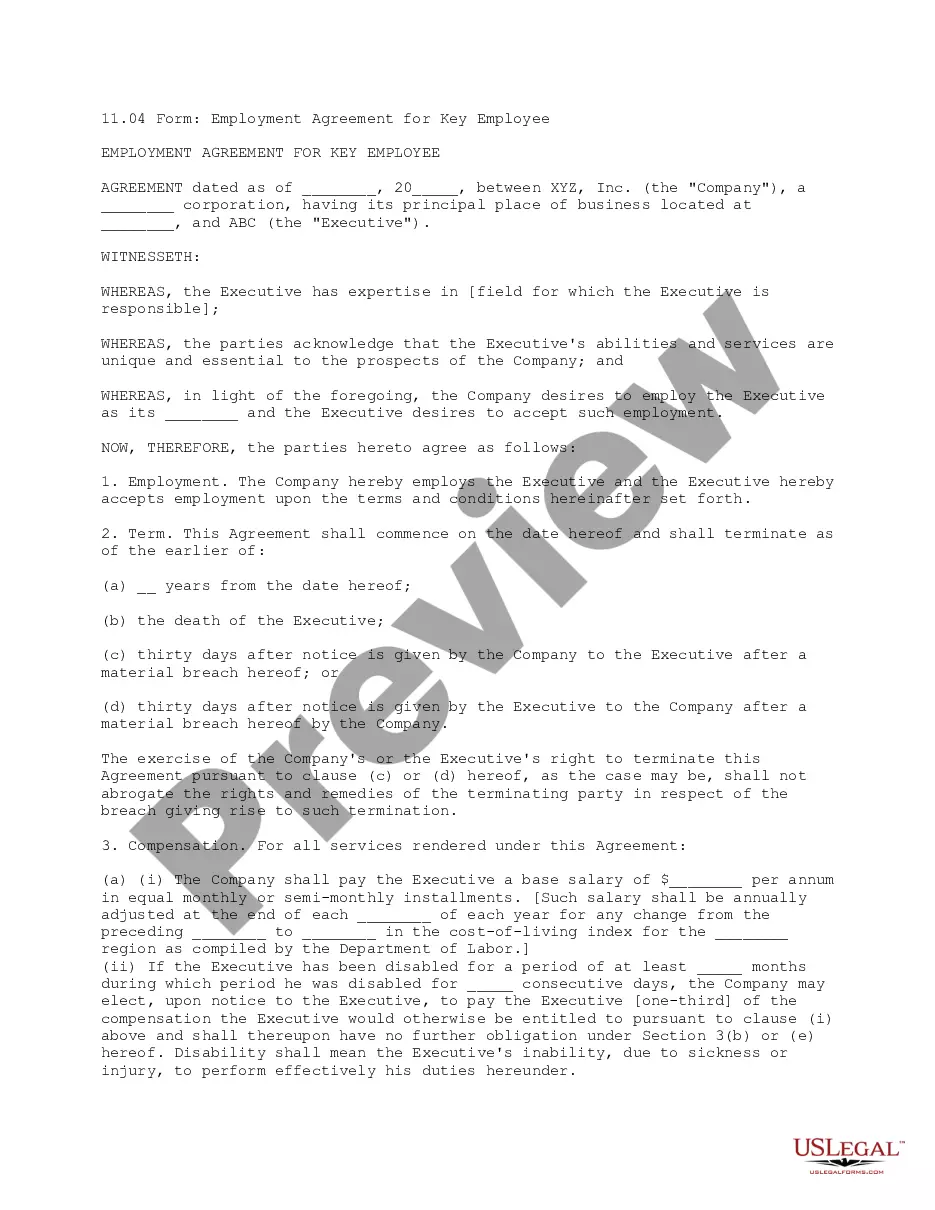
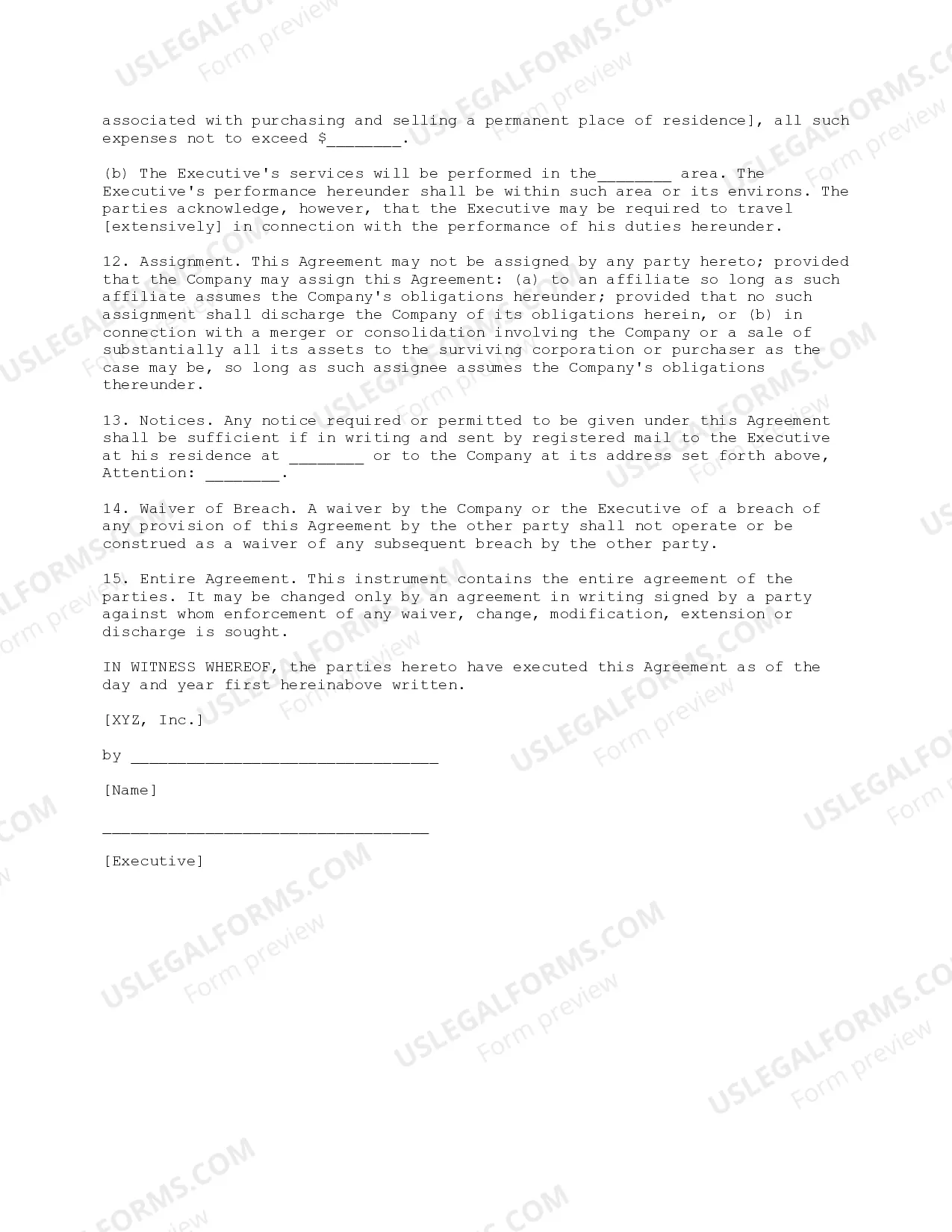
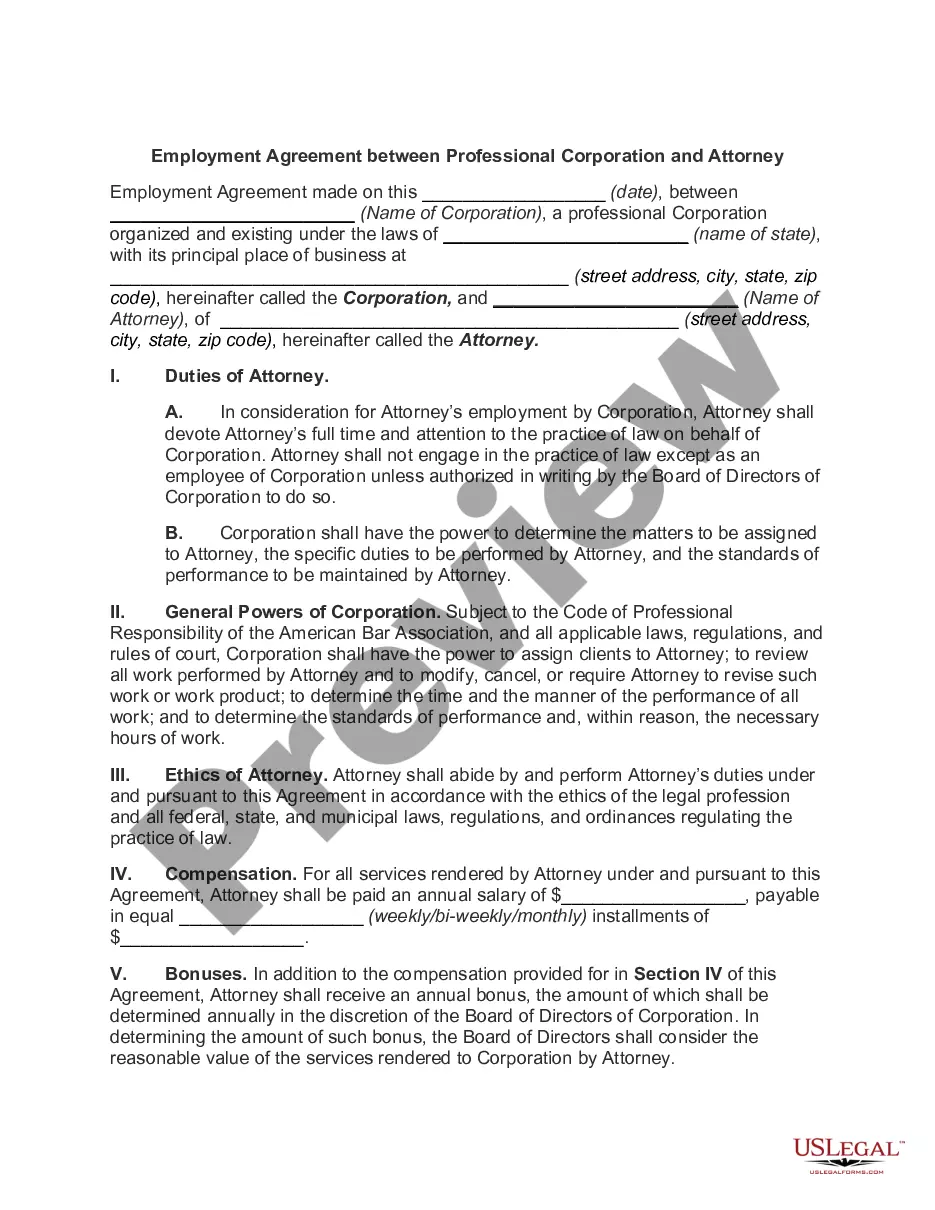
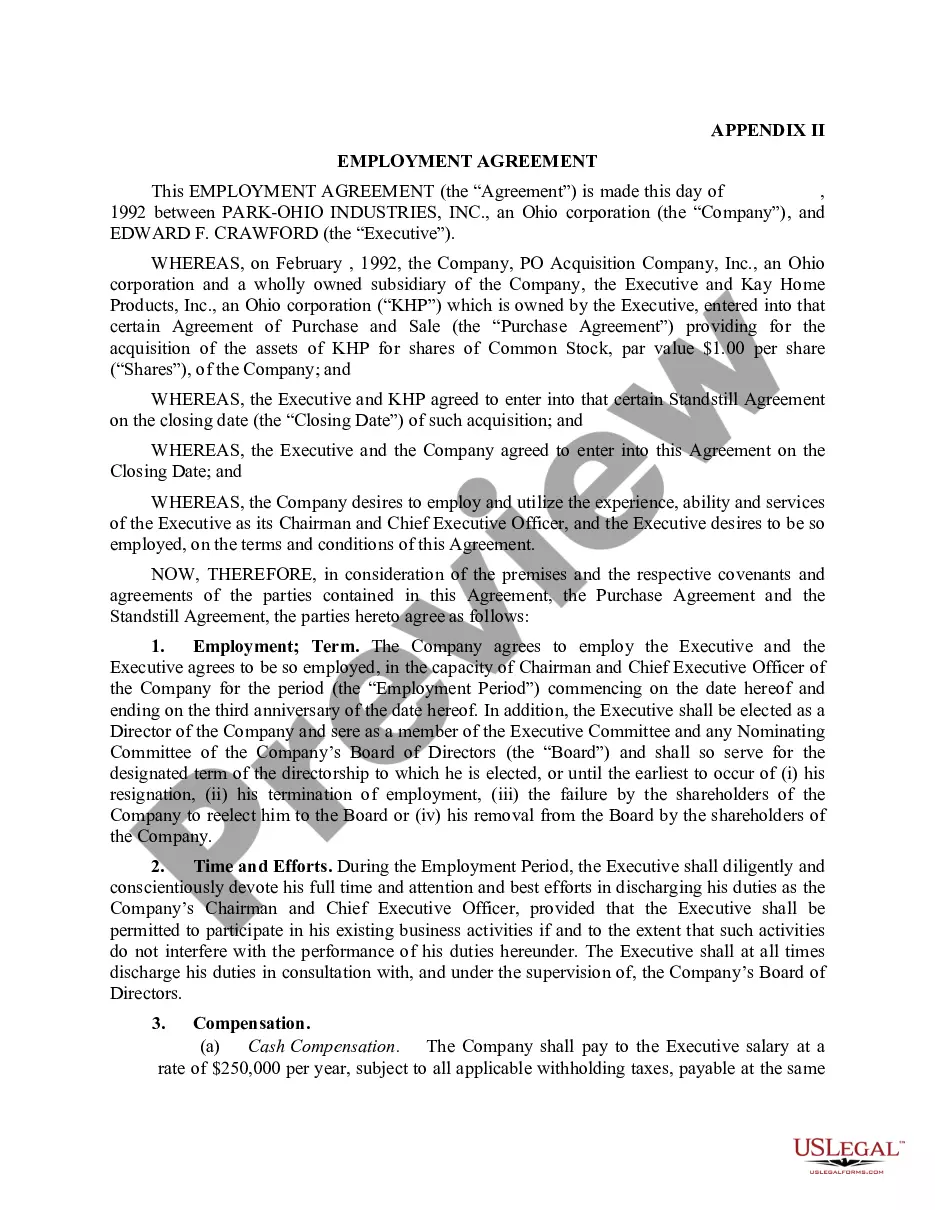
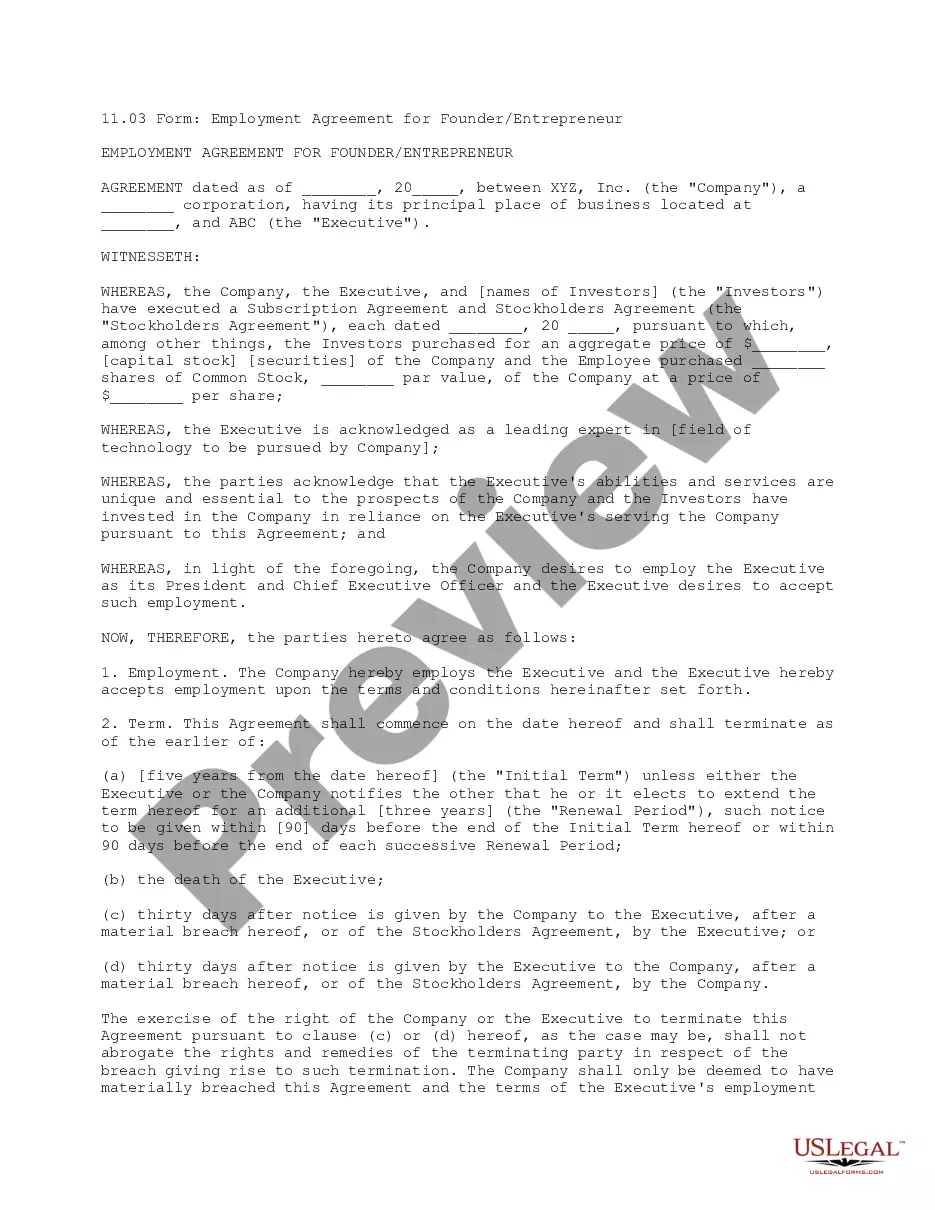
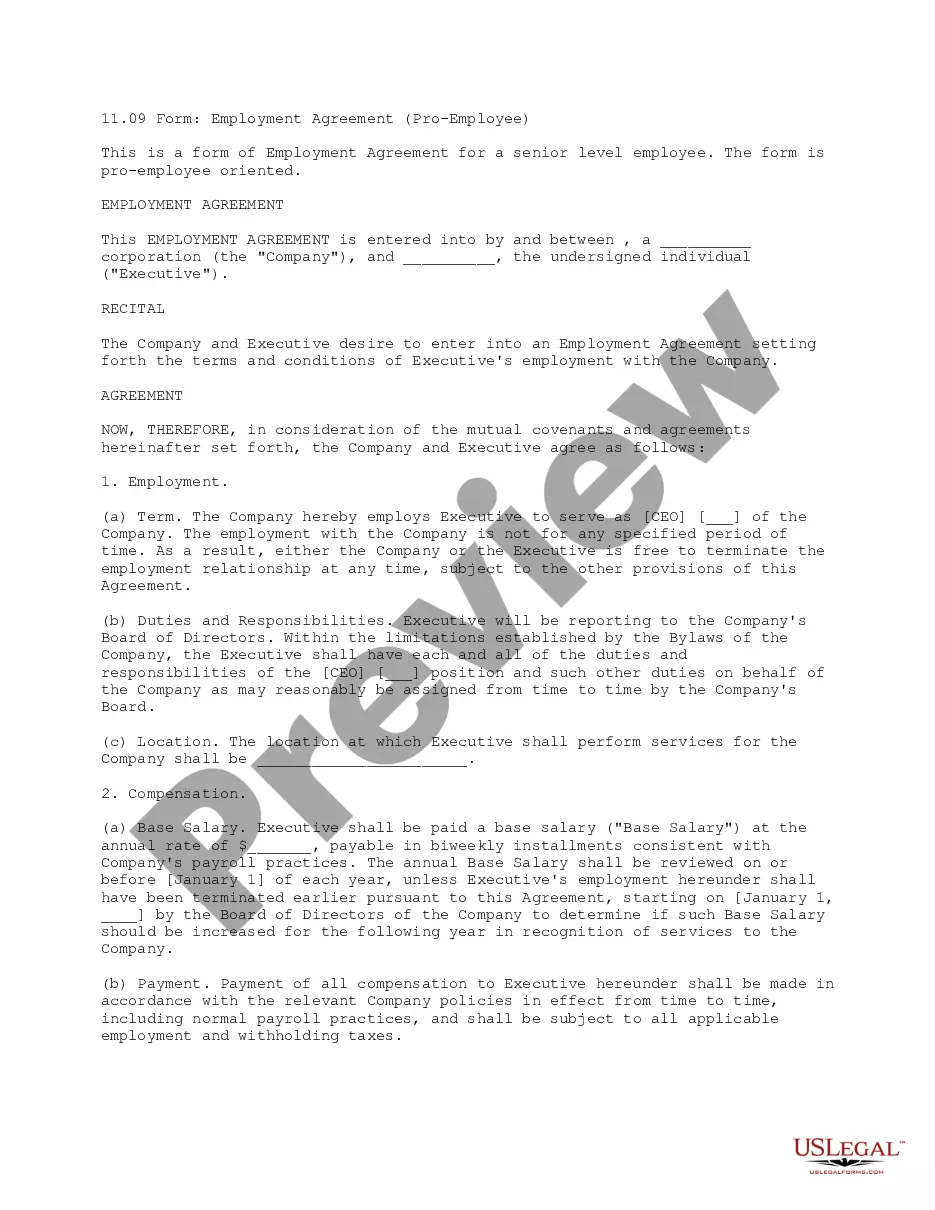
The Employment Agreement for Key Employee is a legal document used by companies to establish the terms of employment for critical team members. Unlike general employment contracts, this form is tailored to highlight the unique skills and contributions of the key employee, ensuring both parties are aligned on expectations and compensation. This agreement is essential for formalizing the employment relationship and protecting the companyâs interests while acknowledging the employeeâs significant role.
Key parts of this document
- Employment Terms: Details the employment relationship between the company and the key employee.
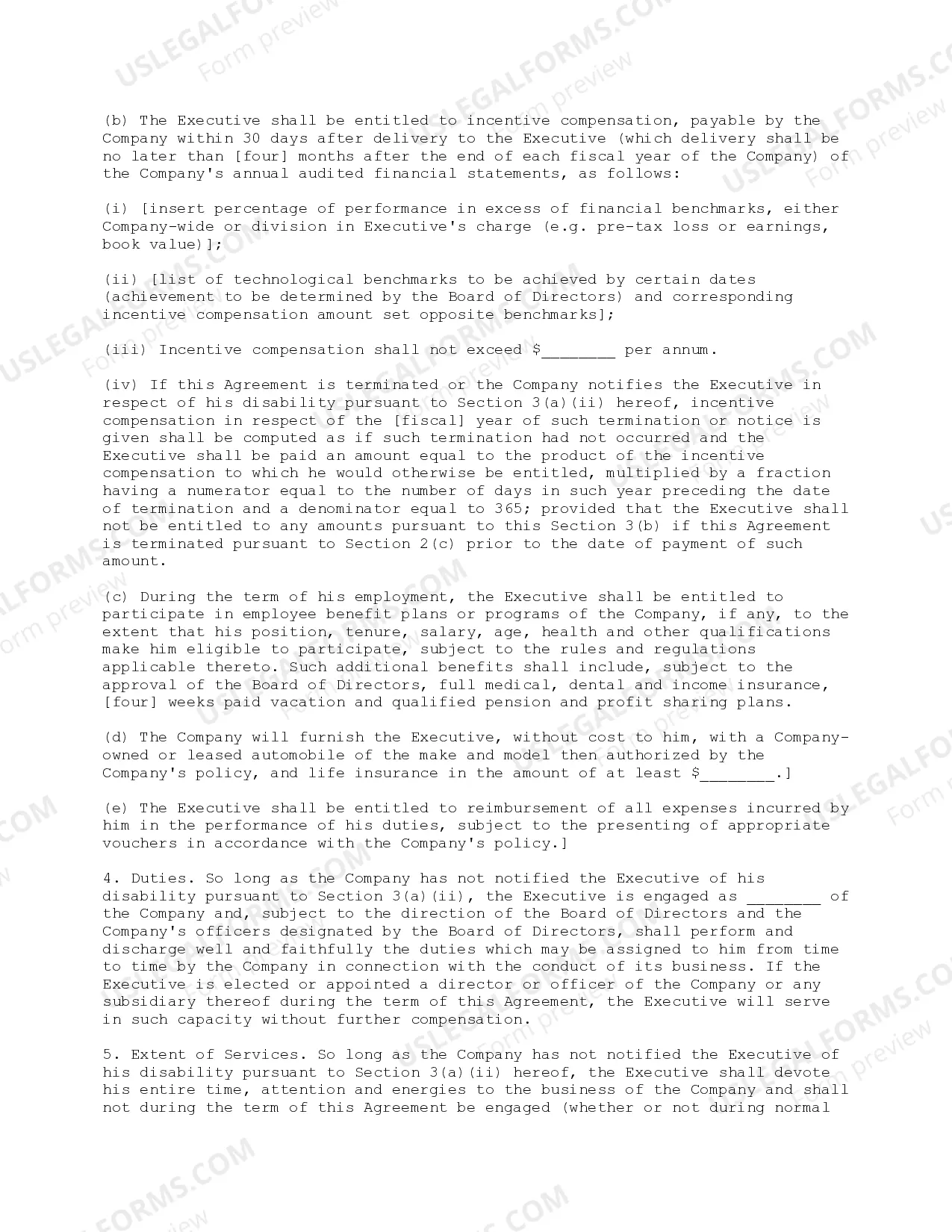
- Compensation: Specifies base salary, incentive compensation, and benefits the employee is entitled to.
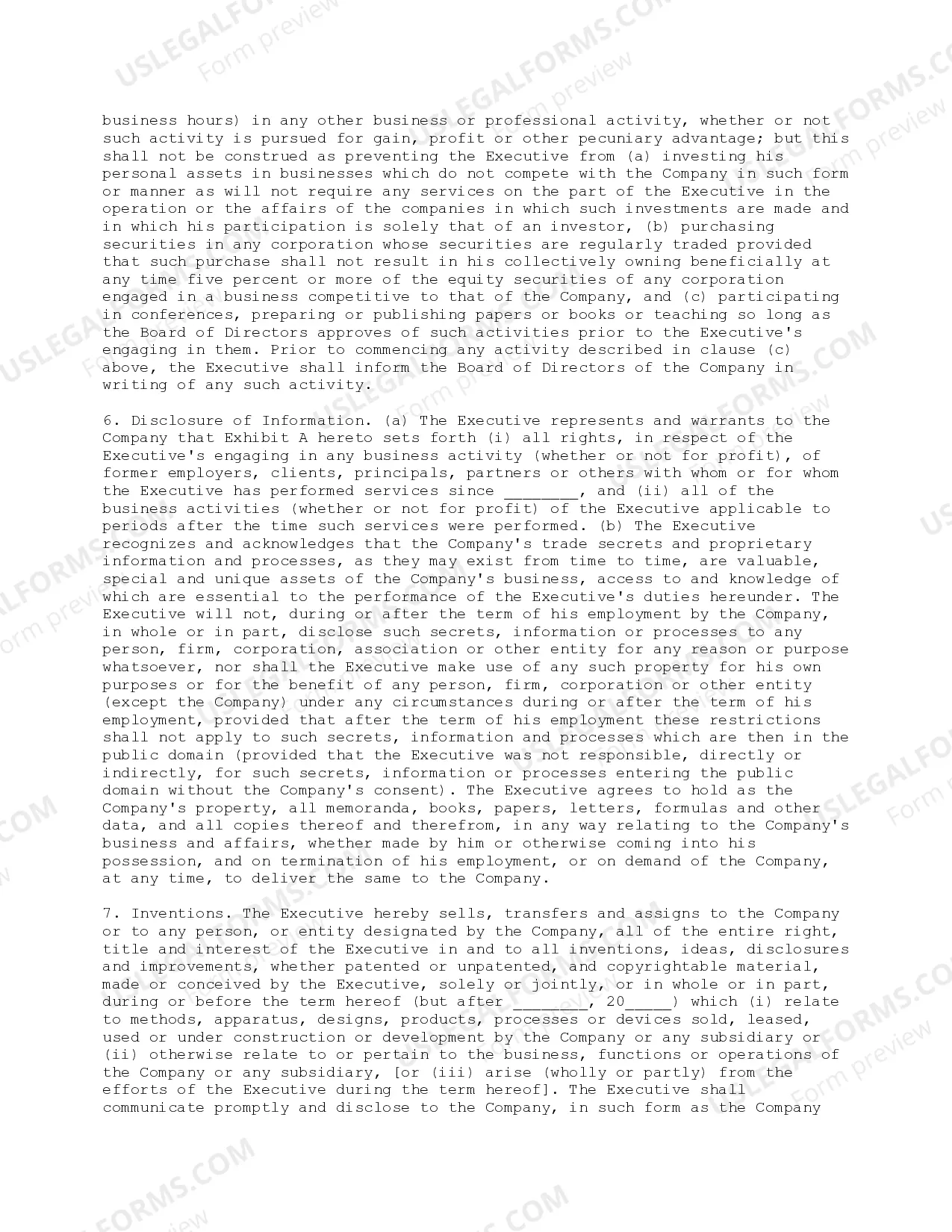
- Duties and Responsibilities: Outlines the specific roles and expectations for the key employee.
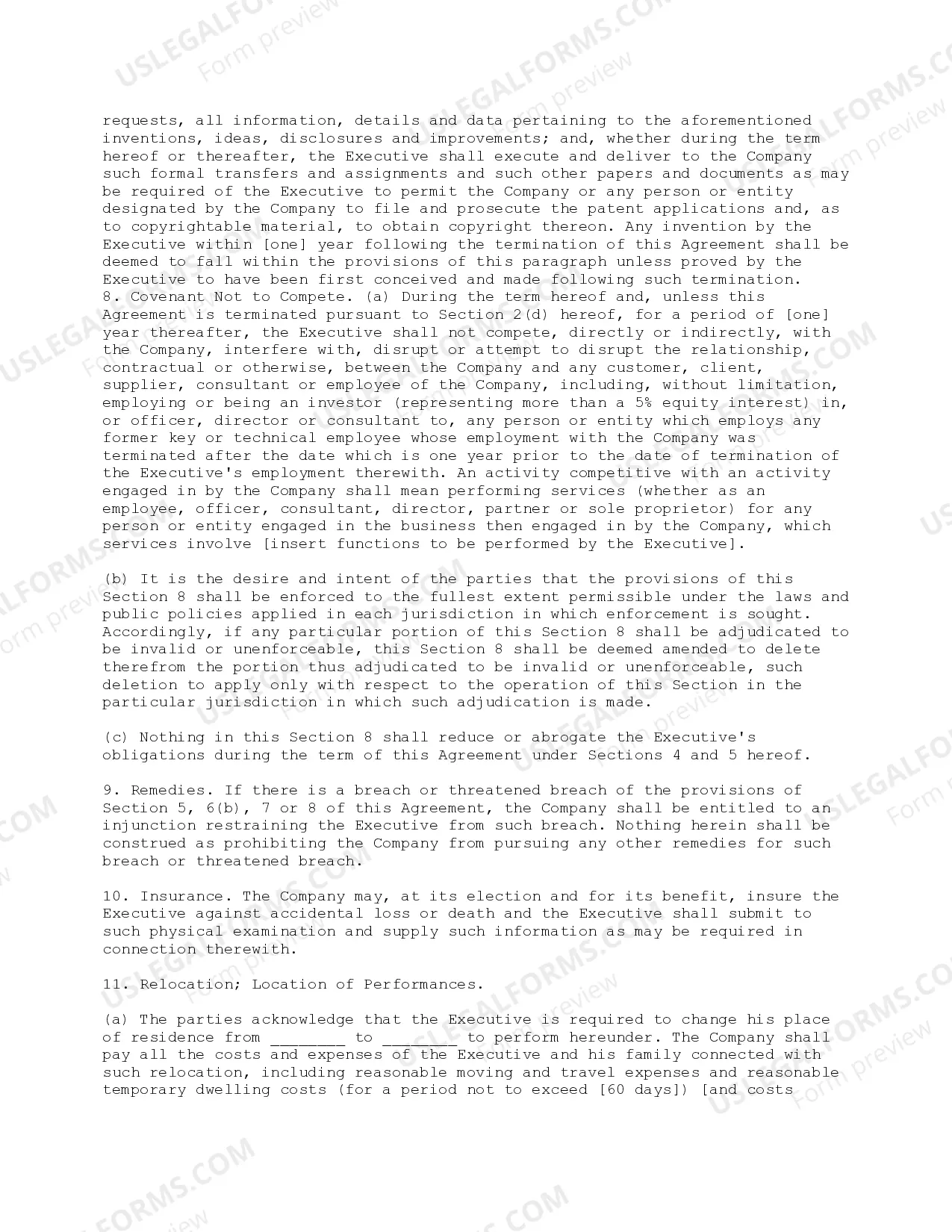
- Confidentiality Clauses: Protects the companyâs proprietary information and trade secrets.
- Covenant Not to Compete: Restricts the employee from competing with the company during and after employment.
- Termination Conditions: Describes the circumstances under which the agreement can be terminated.

When to use this form
This form is ideal for businesses looking to hire a key employee whose expertise is crucial for the company's success. You should use it when you want to formalize the employment terms, outline responsibilities, and clarify compensation and benefits, ensuring both parties have a clear understanding of their rights and obligations.
Who this form is for
- Businesses employing a key employee with specialized skills.
- Companies that want to protect their proprietary information.
- Organizations looking to outline specific compensation and performance metrics.
- Startups seeking clarity in critical employment relationships.
- Employers desiring a formal agreement to avoid disputes down the line.
Instructions for completing this form
- Identify the parties involved, including the company and the executive.
- Specify the date of the agreement and the employee's role within the company.
- Determine and enter details related to compensation, including salary and bonuses.
- Review and fill in terms related to duties, confidentiality, and non-compete clauses.
- Ensure both parties sign and date the agreement to make it legally binding.
Notarization requirements for this form
This form does not typically require notarization unless specified by local law. Always check your stateâs specific requirements to ensure compliance.
Get your form ready online
Our built-in tools help you complete, sign, share, and store your documents in one place.
Make edits, fill in missing information, and update formatting in US Legal Forms—just like you would in MS Word.
Download a copy, print it, send it by email, or mail it via USPS—whatever works best for your next step.
Sign and collect signatures with our SignNow integration. Send to multiple recipients, set reminders, and more. Go Premium to unlock E-Sign.
If this form requires notarization, complete it online through a secure video call—no need to meet a notary in person or wait for an appointment.
We protect your documents and personal data by following strict security and privacy standards.

Make edits, fill in missing information, and update formatting in US Legal Forms—just like you would in MS Word.

Download a copy, print it, send it by email, or mail it via USPS—whatever works best for your next step.

Sign and collect signatures with our SignNow integration. Send to multiple recipients, set reminders, and more. Go Premium to unlock E-Sign.

If this form requires notarization, complete it online through a secure video call—no need to meet a notary in person or wait for an appointment.

We protect your documents and personal data by following strict security and privacy standards.
Mistakes to watch out for
- Failing to clearly define the employee's duties and responsibilities.
- Omitting specific performance metrics for incentive compensation.
- Not incorporating termination clauses correctly.
- Neglecting to update the agreement as roles or compensation structures change.
Why complete this form online
- Easy access to professionally drafted legal documents.
- Time-saving with downloadable templates that can be customized.
- Reduces legal fees associated with drafting agreements from scratch.
- Ensures compliance with legal standards and best practices.
Quick recap
- The Employment Agreement for Key Employee is essential for formalizing the employment relationship between a key executive and the company.
- It includes detailed sections on employment duration, compensation, and responsibilities.
- Using this form helps protect both the company's and the executive's interests.
Looking for another form?
Form popularity
FAQ
The terms employment contract and at-will employment agreement are often used interchangeably; however, they are not the same legal document.Some employers require employees to sign a written agreement stating that they are employed at-will.
There is no legal requirement for an employee to have a written contract of employment, although having something in writing can make it easier to understand what your contractual obligations and rights are.
A clear job description. This should set out the role and duties of the employee. Salary or wage details. The nature of the employment. The reporting structure. Leave entitlements. Confidentiality. Non-compete/restraint of trade. Protection of intellectual property.
Employees and employers must stick to a contract until it ends (for example, by an employer or employee giving notice or an employee being dismissed) or until the terms are changed (usually by agreement between the employee and employer).
The contract of employment is the agreement between employer and employee which governs the relationship between both parties. It need not be in writing and can be implied from the surrounding circumstances.There is also a legal obligation to provide a written contract to employees.
If the employer fails to provide the employee with a contract, they could land up in jail (section 93 of the BCEA) or be liable for a hefty fine (schedule 2 of the BCEA).If there is no contract, or if the employee has never been informed, then he/she has the right to conclude that it does not exist.
Although there is no legal requirement to provide a written contract of employment, employers have a duty to provide employees with a written statement of the specified terms of employment under S. 1 of the Employment Rights Act 1996 (ERA) within two months of starting employment.
Title the employment contract. Give your employment contract a title so the person who reviews or signs the document understands what it is. Identify the parties. List the term and conditions. Outline the job responsibilities. Include compensation details. Use specific contract terms. Consult with an employment lawyer.