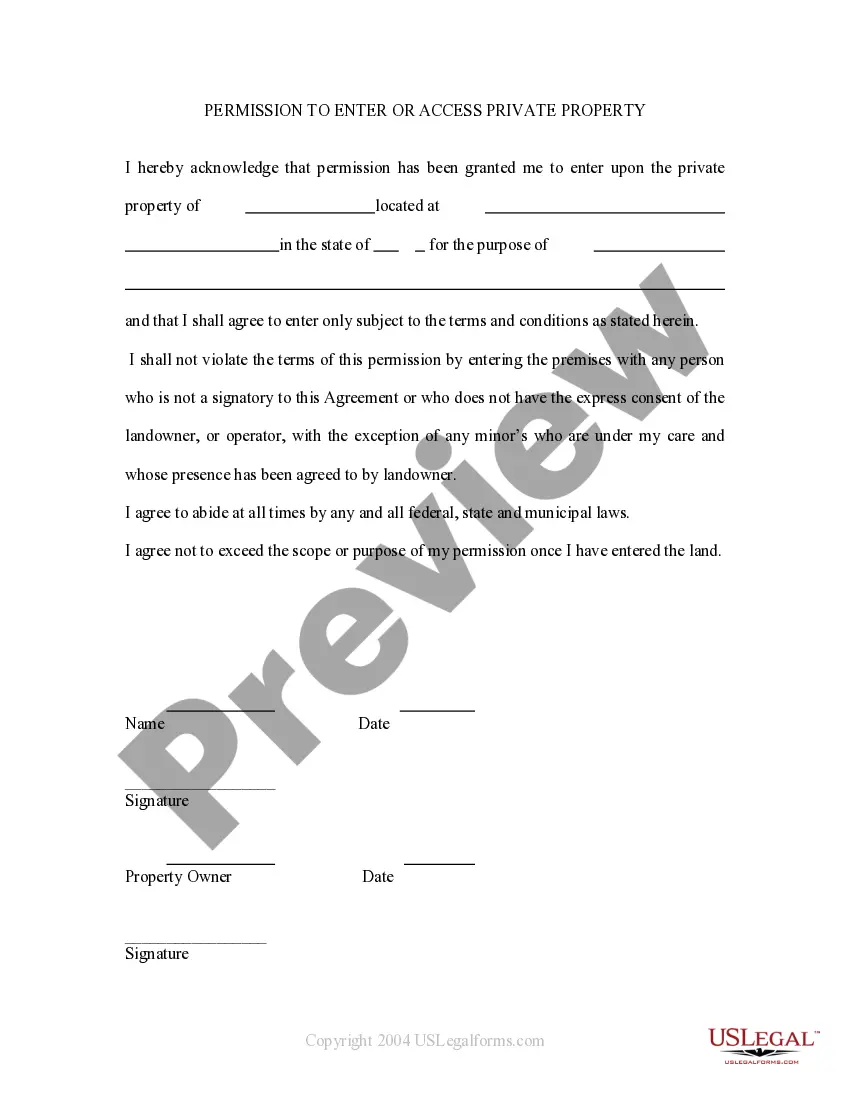
Permission To Enter Or Access Private Property
What is this form?
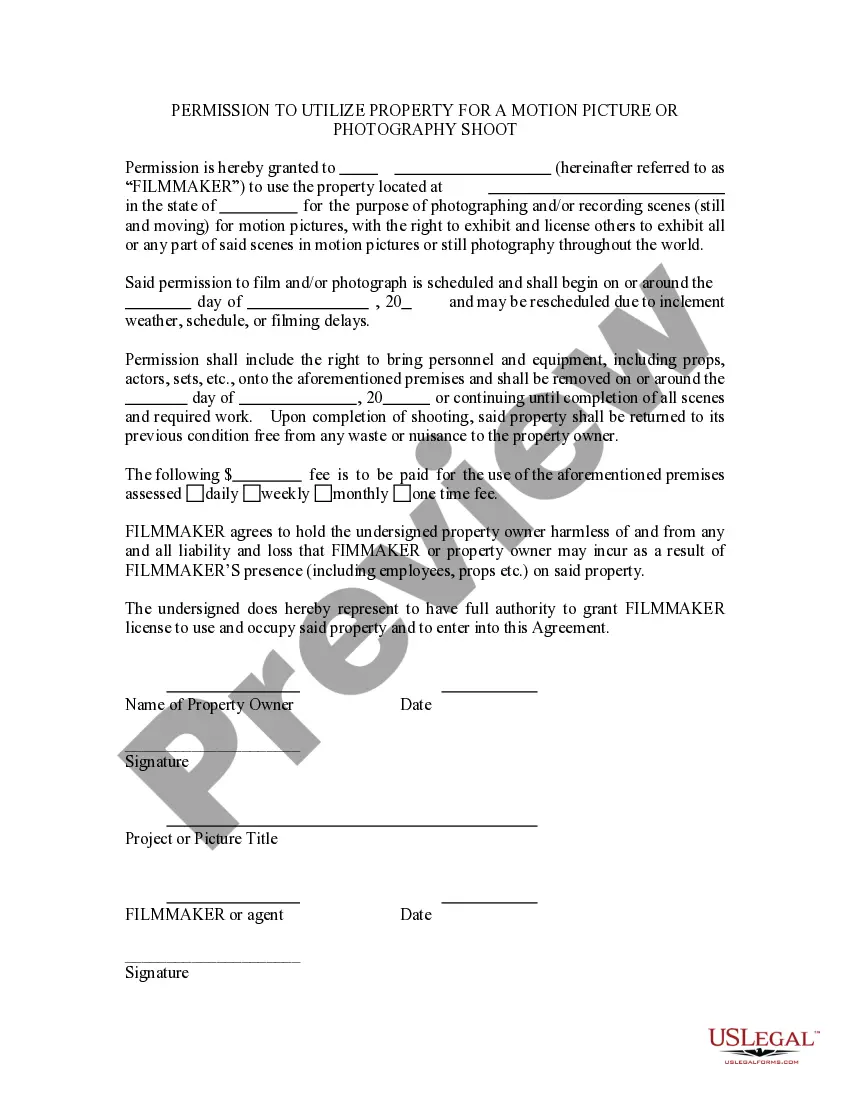
The Permission to Enter or Access Private Property form is a legal document that grants individuals the right to enter someone else's private property for a specified purpose. Unlike similar forms, this document not only outlines the permission granted but also emphasizes the importance of adhering to relevant laws and staying within the defined scope of entry. This ensures that both the property owner and the visitor understand their rights and obligations while on the premises.
Key parts of this document
- Agreement to comply with all federal, state, and municipal laws.
- Specification of the exact purpose and scope of the permission granted.
- Acceptance of restrictions on activities conducted on the property.
- Signature lines for both the property owner and the individual entering the property.
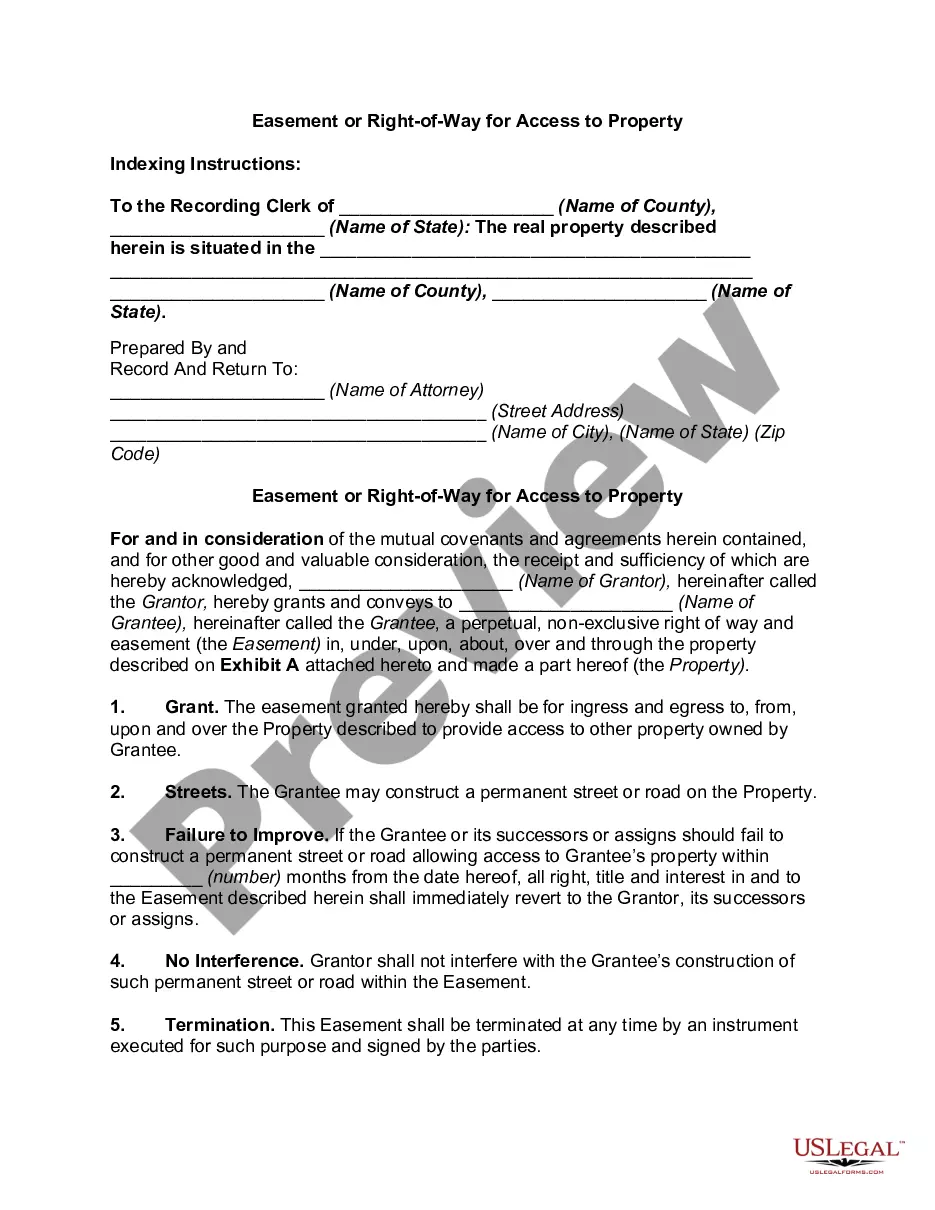
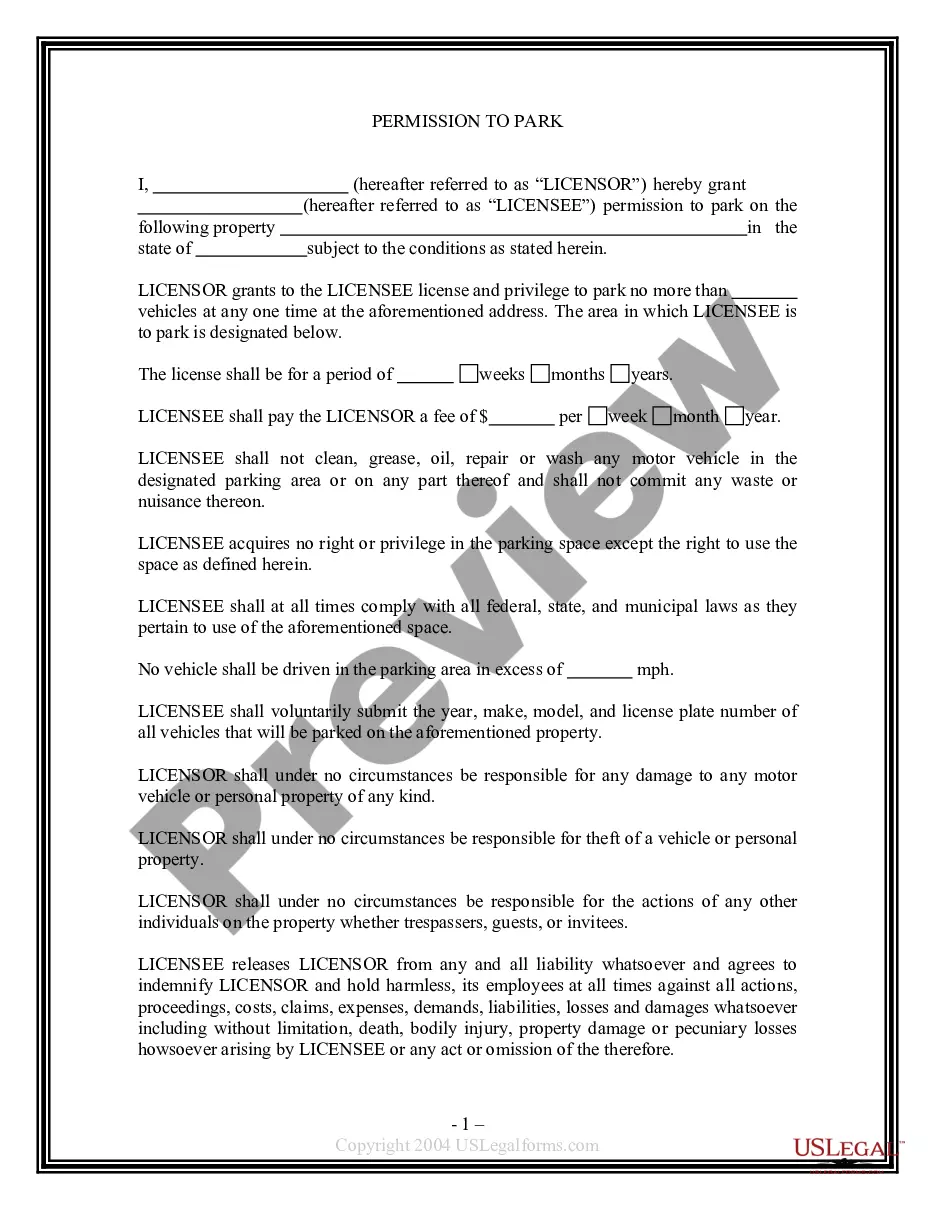
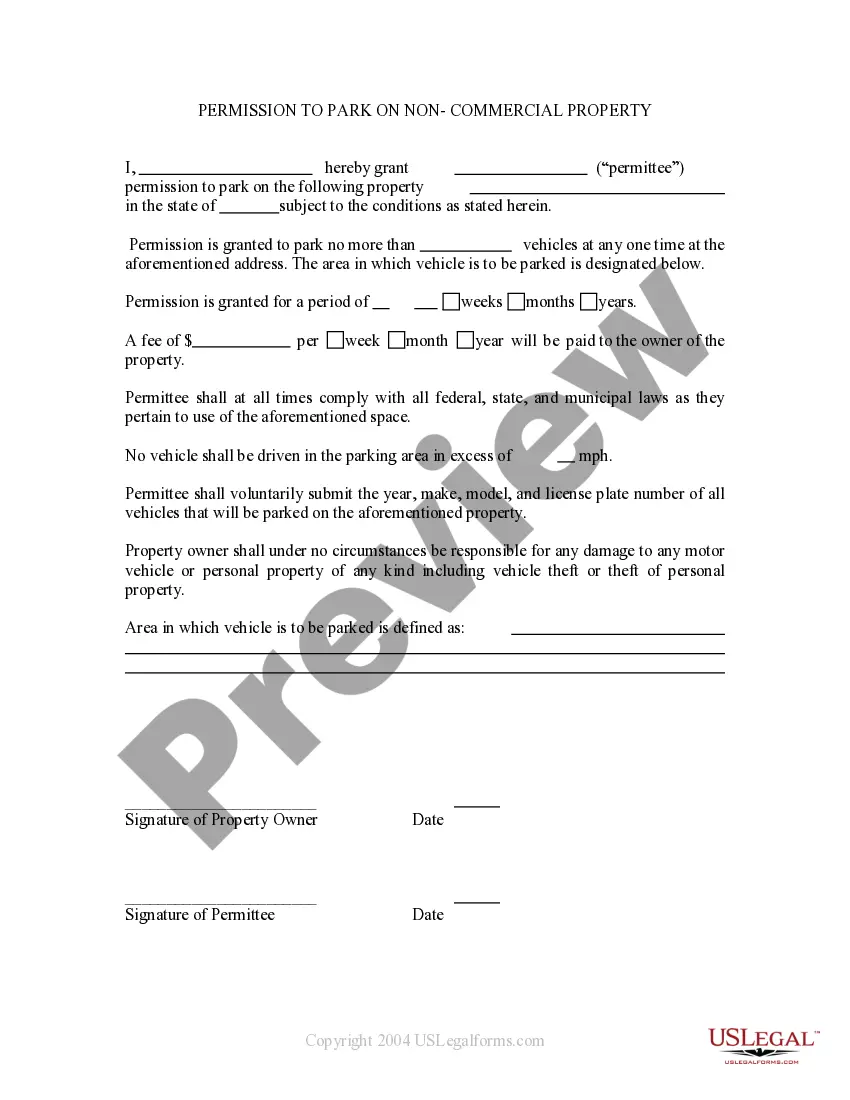
Situations where this form applies
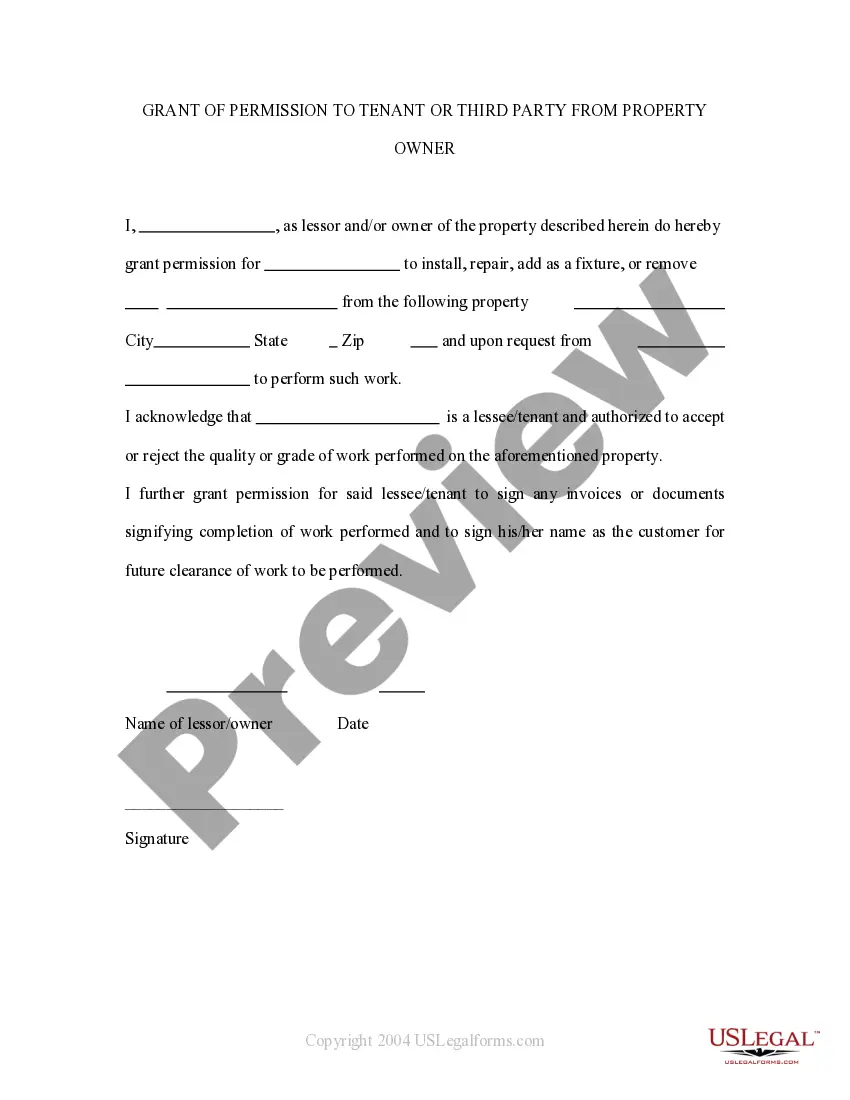
This form is used when you need to gain access to a private property for specific purposes, such as conducting repairs, inspections, or surveys. It may also be used by contractors, service providers, or individuals needing permission for temporary entry. Utilizing this form can help clarify the purpose of entry and protect both parties from potential disputes.
Intended users of this form
- Property owners who want to grant access to their land for specific reasons.
- Contractors or service personnel needing to enter private property for work.
- Individuals conducting research or inspections that require property access.
Steps to complete this form
- Identify the parties involved, including the property owner and the individual seeking permission.
- Clearly specify the property address to avoid confusion.
- Describe the specific purpose for entering the property.
- Include any limitations or restrictions on the activities allowed on the property.
- Obtain signatures from both the property owner and the individual entering the property, ensuring both parties agree to the terms outlined.
Is notarization required?
This form does not typically require notarization unless specified by local law. It is advisable to check specific state requirements to ensure compliance.
Get your form ready online
Our built-in tools help you complete, sign, share, and store your documents in one place.
Make edits, fill in missing information, and update formatting in US Legal Forms—just like you would in MS Word.
Download a copy, print it, send it by email, or mail it via USPS—whatever works best for your next step.
Sign and collect signatures with our SignNow integration. Send to multiple recipients, set reminders, and more. Go Premium to unlock E-Sign.
If this form requires notarization, complete it online through a secure video call—no need to meet a notary in person or wait for an appointment.
We protect your documents and personal data by following strict security and privacy standards.

Make edits, fill in missing information, and update formatting in US Legal Forms—just like you would in MS Word.

Download a copy, print it, send it by email, or mail it via USPS—whatever works best for your next step.

Sign and collect signatures with our SignNow integration. Send to multiple recipients, set reminders, and more. Go Premium to unlock E-Sign.

If this form requires notarization, complete it online through a secure video call—no need to meet a notary in person or wait for an appointment.

We protect your documents and personal data by following strict security and privacy standards.
Mistakes to watch out for
- Failing to clearly define the purpose of entry, which can lead to misunderstandings.
- Not obtaining signatures from both parties, making the agreement potentially unenforceable.
- Ignoring local laws that may affect property access permissions.
Benefits of completing this form online
- Convenience of downloading and printing the form directly from home.
- Easy editing to customize the form to fit specific needs and requirements.
- Access to reliable templates created by licensed attorneys, ensuring legal compliance.
Legal use & context
- The form legally protects the property owner's rights while allowing the visitor to enter.
- It minimizes potential disputes by clearly outlining the terms of access.
- It is important to abide by the limitations set in the form to ensure legality and avoid trespassing claims.
Summary of main points
- The Permission to Enter or Access Private Property form is essential for formalizing agreements regarding property access.
- Clearly outline the purpose and scope of permission to safeguard both parties.
- Ensure compliance with local laws for maximum effectiveness.
Looking for another form?
Form popularity
FAQ
Trespassing is a legal term that can refer to a wide variety of offenses against a person or against property. Trespassing as it relates to real estate law means entering onto land without consent of the landowner. There are both criminal and civil trespass laws.
People who enter you home without permission by either you or the court, are trespassing and commit to a criminal offence. Right of 'quiet enjoyment' is given to any legal occupant be he the freeholder of the property or a legal tenant.
And how do they enforce it? Businesses have a right to trespass anyone from their store for any reason, really. Each business has its own set of rules/policies to abide by. Often times, the trespass is a result of something like shoplifting or some kind of disorderly behavior.
If you enter private property without the owner's permission or enter portions of public property that are off limits to the public, you could be liable for civil or criminal trespass.If you are asked to leave, however, you may be trespassing if you refuse to do so.
People who enter you home without permission by either you or the court, are trespassing and commit to a criminal offence. Right of 'quiet enjoyment' is given to any legal occupant be he the freeholder of the property or a legal tenant.
Security cameras. Security cameras, especially if they are placed where potential trespassers can see them, also serve as deterrents. No Trespassing signs. The law is very clear about trespassing. Fences. Lighting.
Some circumstances do justify taking immediate action rather than calling the police. Some do not. In most instances, you can use non-deadly reasonable force to remove someone from your property.You have to give the person some reasonable amount of time to get off your property.
In order to deter someone from coming onto your land and to do so legally in most states, No Trespassing Signs can be posted to stop entry. To be protected by law, most states require a landowner or tenant to post a notice that entry onto the land is not allowed.