Motion for Reconsideration - Personal Injury
Understanding this form
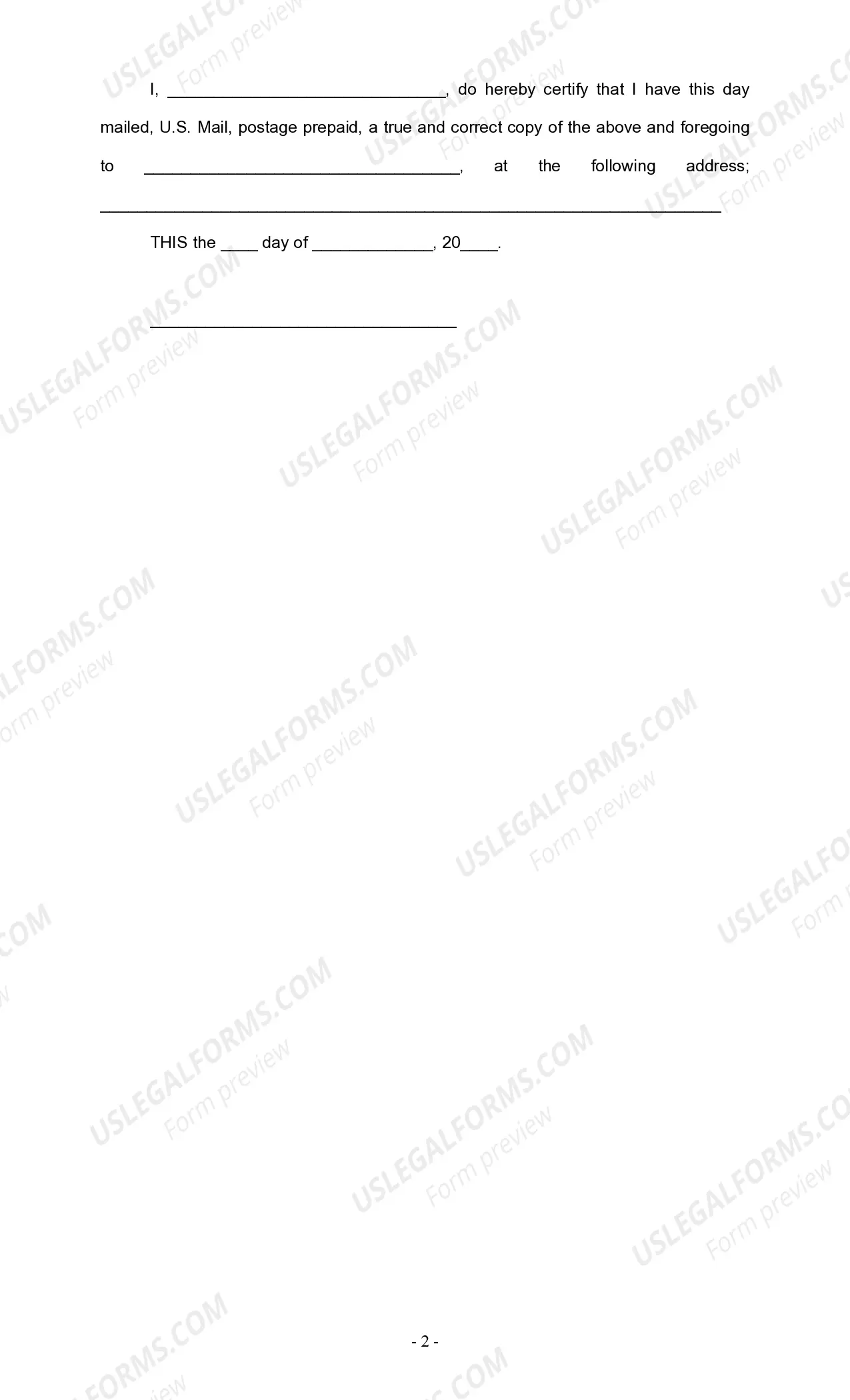
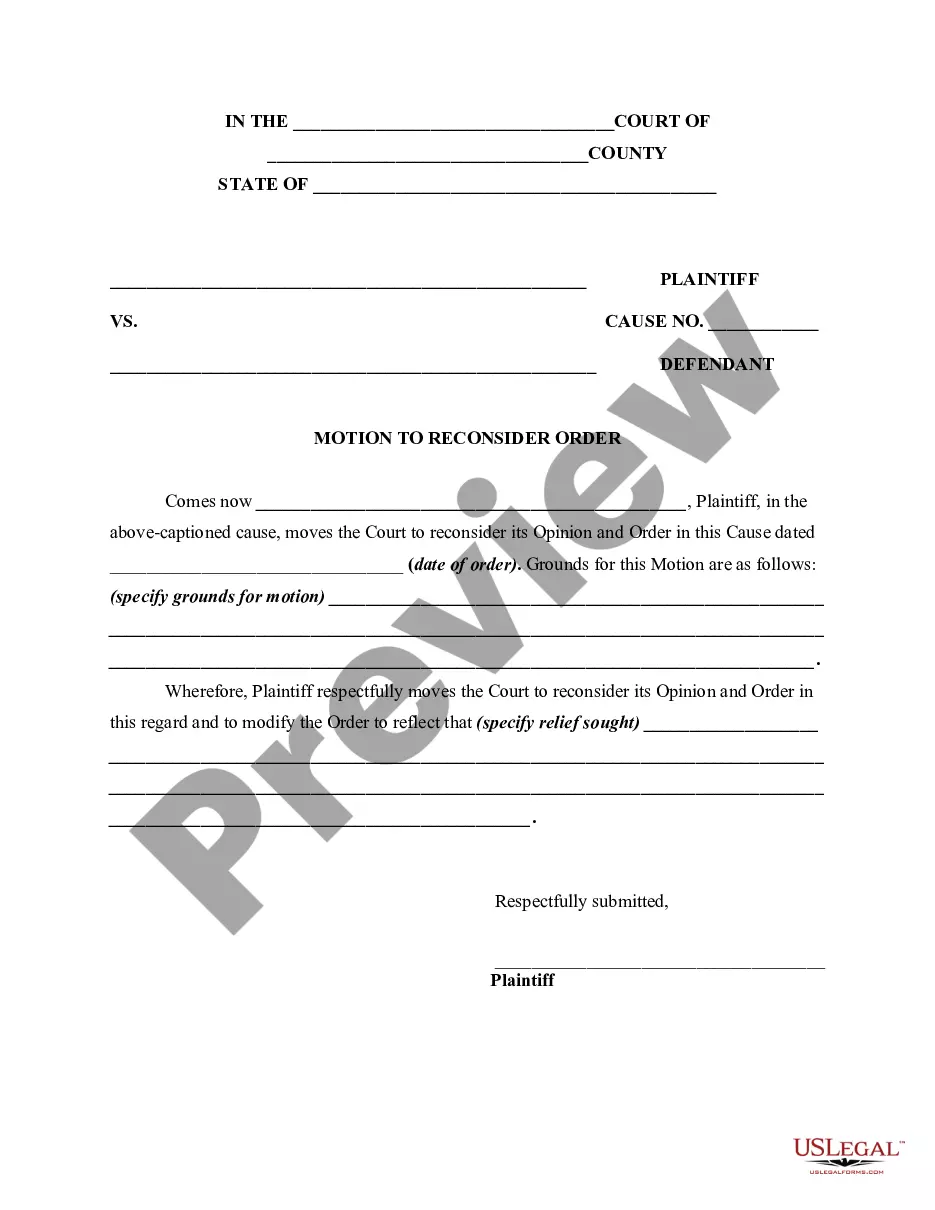
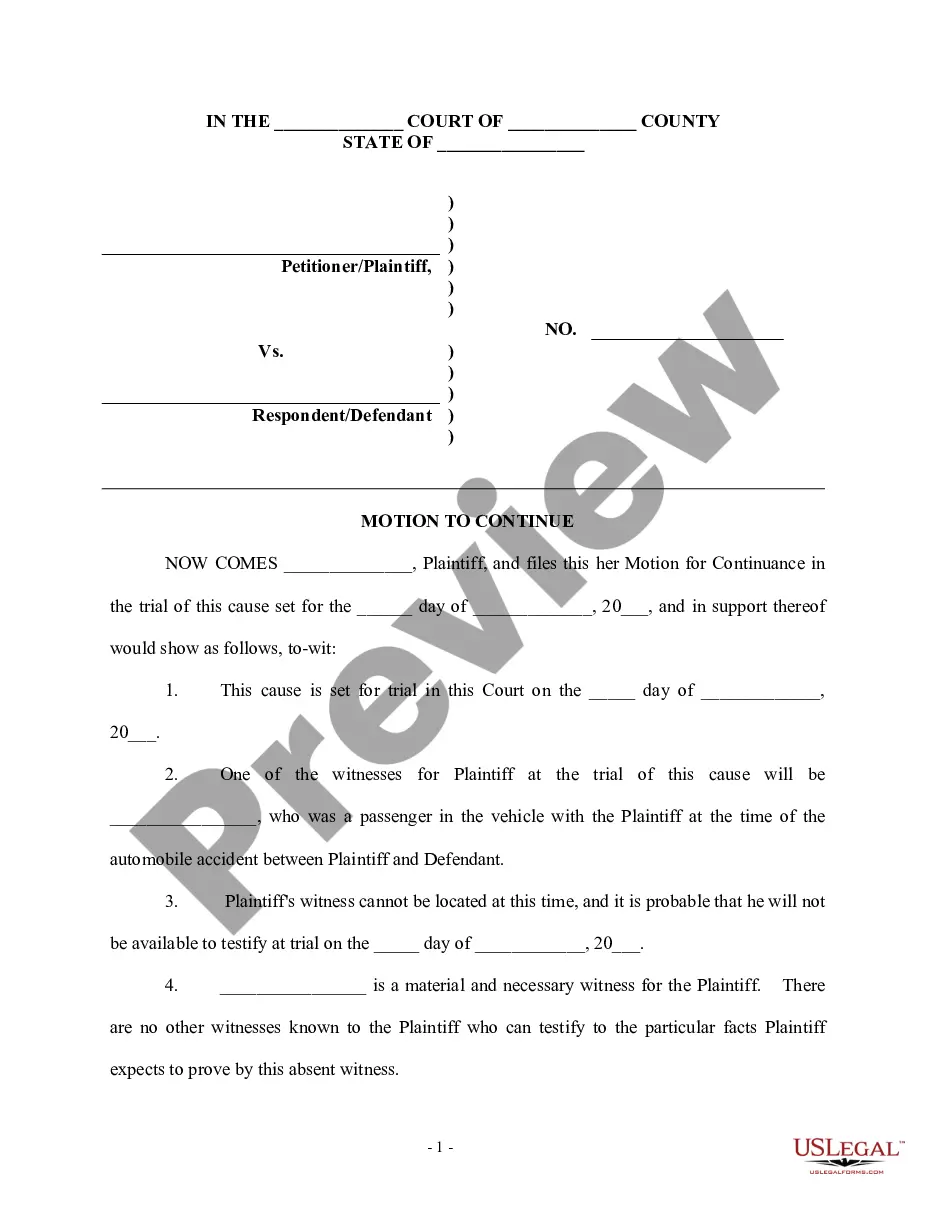
The Motion for Reconsideration in a personal injury case allows a plaintiff to request the court to amend its previous judgment. Specifically, this form is used to seek the inclusion of pre-judgment interest that the court initially denied. This motion differs from appeals or other motions as it focuses on correcting specific errors in the judgment rather than disputing the verdict as a whole.
What’s included in this form
- The date the court entered the final judgment.
- The amount awarded to the plaintiff and the specified post-judgment interest rate.
- A reference to the prior opinion denying pre-judgment interest.
- A statement explaining the grounds for reconsideration.
- A formal request for the court to amend the judgment.

When to use this document
This form should be used when the plaintiff believes that important aspects of their damages were overlooked in the original judgment, specifically regarding pre-judgment interest. If a plaintiff is seeking to enhance the damages awarded due to the time value of money during the litigation period, this motion is appropriate.
Who this form is for
- Individuals who have filed a personal injury lawsuit and received a final judgment.
- Plaintiffs who believe the court made an error regarding pre-judgment interest.
- Individuals represented by attorneys who seek to correct a specific aspect of the judgment.
Completing this form step by step
- Fill in the date when the court entered the final judgment.
- Specify the judgment amount and the annual post-judgment interest rate.
- Refer to the prior opinion date when pre-judgment interest was denied.
- Detail the grounds for reconsideration, citing relevant legal authorities.
- Sign the motion and prepare to submit it to the court.
Notarization requirements for this form
This form does not typically require notarization unless specified by local law. Always check state requirements to ensure compliance.
Get your form ready online
Our built-in tools help you complete, sign, share, and store your documents in one place.
Make edits, fill in missing information, and update formatting in US Legal Forms—just like you would in MS Word.
Download a copy, print it, send it by email, or mail it via USPS—whatever works best for your next step.
Sign and collect signatures with our SignNow integration. Send to multiple recipients, set reminders, and more. Go Premium to unlock E-Sign.
If this form requires notarization, complete it online through a secure video call—no need to meet a notary in person or wait for an appointment.
We protect your documents and personal data by following strict security and privacy standards.

Make edits, fill in missing information, and update formatting in US Legal Forms—just like you would in MS Word.

Download a copy, print it, send it by email, or mail it via USPS—whatever works best for your next step.

Sign and collect signatures with our SignNow integration. Send to multiple recipients, set reminders, and more. Go Premium to unlock E-Sign.

If this form requires notarization, complete it online through a secure video call—no need to meet a notary in person or wait for an appointment.

We protect your documents and personal data by following strict security and privacy standards.
Mistakes to watch out for
- Failing to reference the specific aspects of the original judgment that are being contested.
- Not including all necessary information, such as dates and signatures.
- Ignoring state-specific rules for filing motions.
Benefits of completing this form online
- Convenience of downloading and completing the form at your own pace.
- Editability allows you to ensure all details are correct before submission.
- Access to legal forms prepared by licensed attorneys for reliability.
Looking for another form?





Form popularity
FAQ
Just as with your motion to stay, begin your motion for reconsideration by stating who you are, what you are asking of the judge, and which rule gives you permission to ask. From there on out, use the rule itself as a general outline for your motion.
Section 1. Filing of Motion for Reconsideration. - A party adversely affected by a final order, resolution, or decision of the Commission rendered in an adjudicative proceeding may, within fifteen (15) days from receipt of a copy thereof, file a motion for reconsideration.
Write a motion for reconsideration. You must explain why you think the ruling is wrong and the reason must be one of the nine reasons listed in Civil Rule 59(a) (on back of page). 2. File the motion within ten calendar days after the judge or court commissioner made the ruling.
Under our rules of procedure, a party adversely affected by a decision of a trial court may move for reconsideration thereof on the following grounds: (a) the damages awarded are excessive; (b) the evidence is insufficient to justify the decision; or (c) the decision is contrary to law.
Succinctly, an application of the above-mentioned rule to your case would warrant the filing of a motion for reconsideration on the ground that the decision is contrary to law. On this note, the period to file the motion for reconsideration would be for 15 days from the receipt of the decision of the court.
Just as with your motion to stay, begin your motion for reconsideration by stating who you are, what you are asking of the judge, and which rule gives you permission to ask. From there on out, use the rule itself as a general outline for your motion.
What Is a "Motion to Reconsider?" In general, a motion for reconsideration is exactly what it sounds like; you file such a motion when you want the judge to take a second look at a decision you feel was incorrect. A motion for reconsideration will not, however, be granted simply because you disagree with the outcome.