Clauses Relating to Venture Ownership Interests
Overview of this form
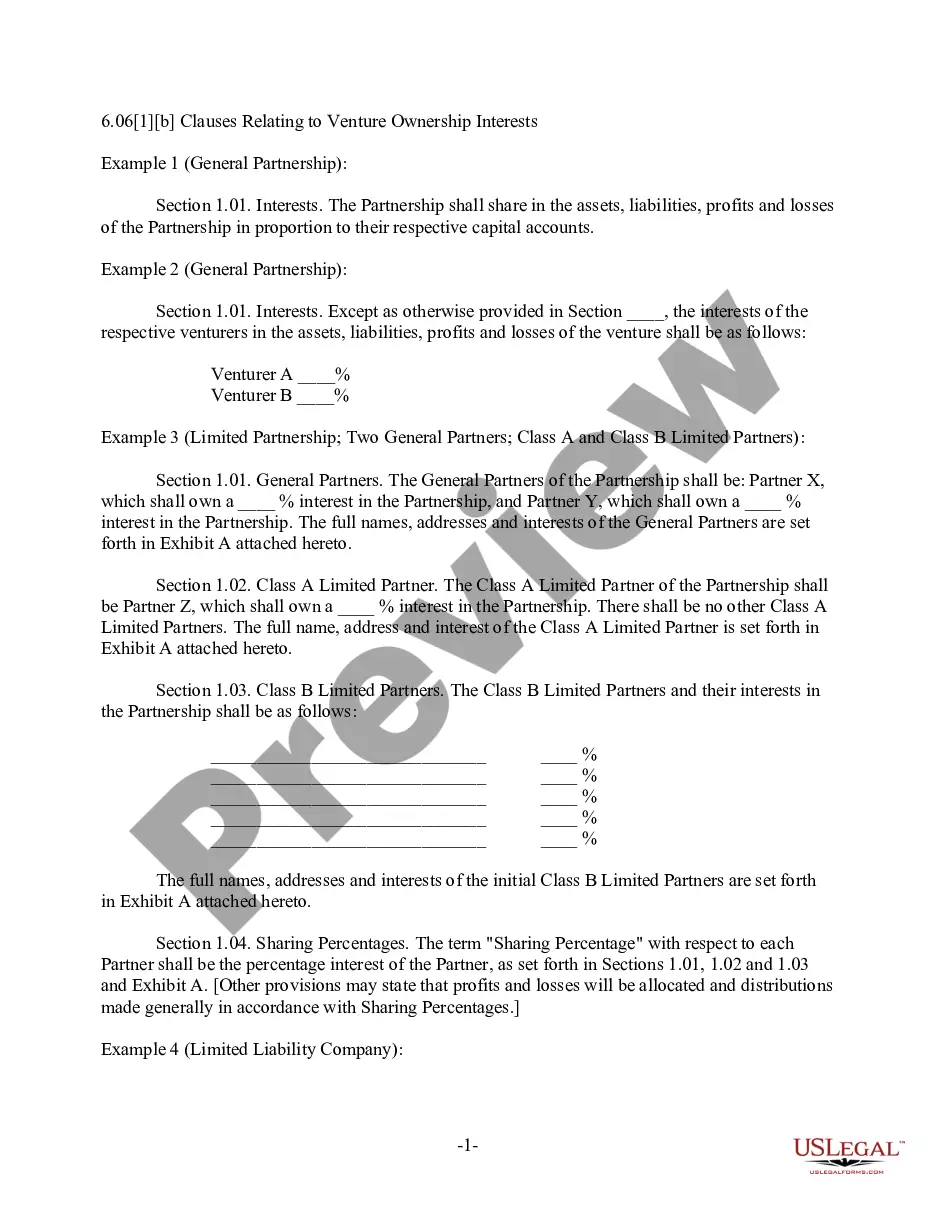
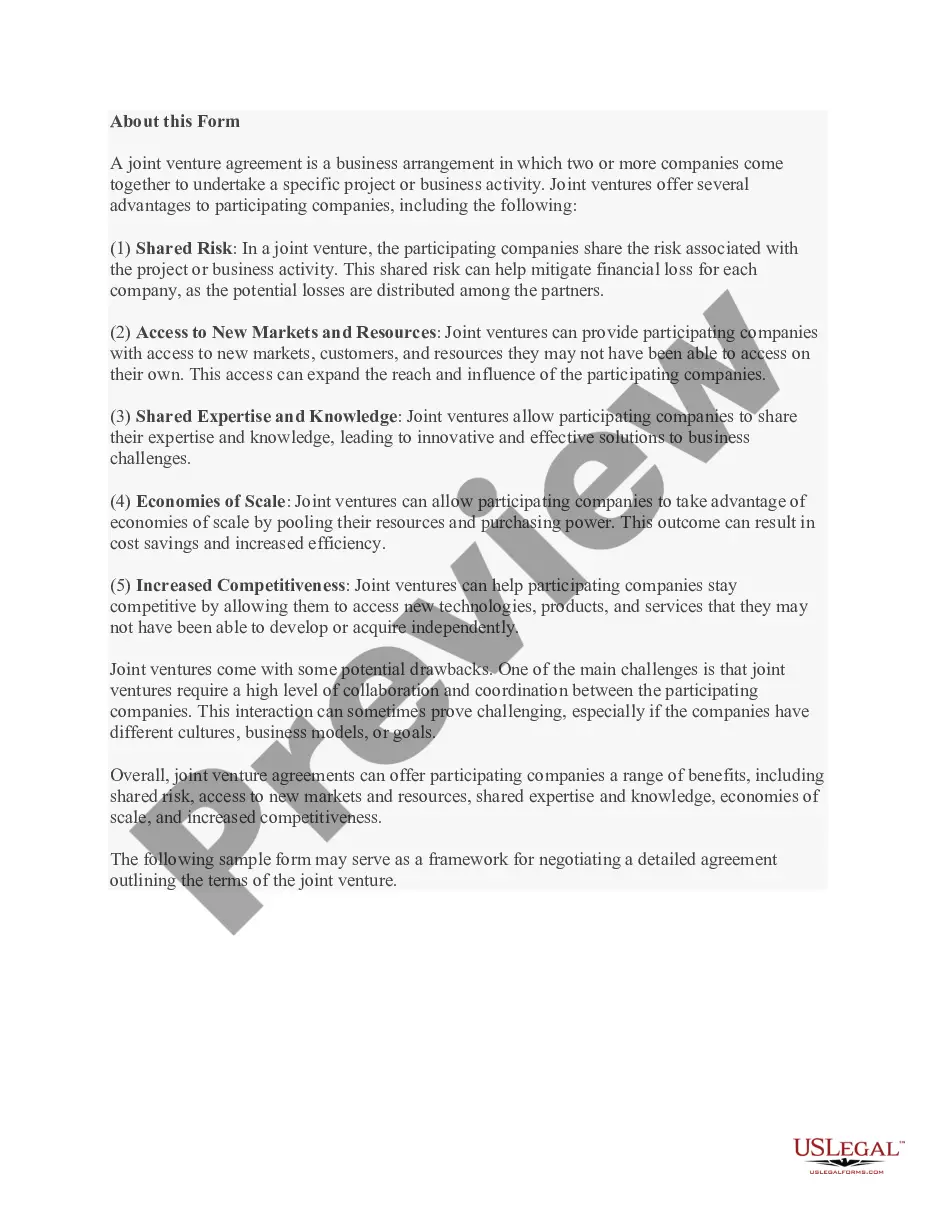
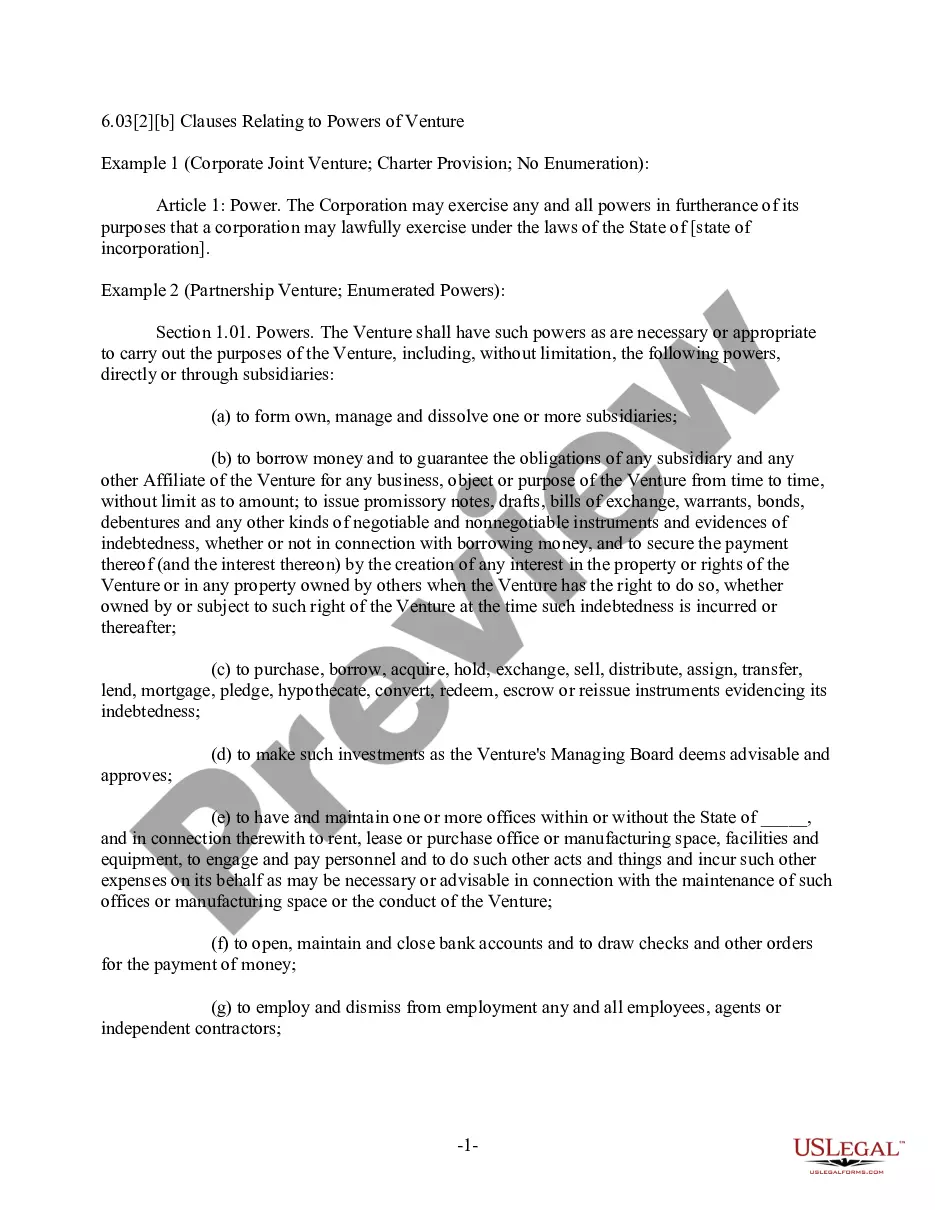
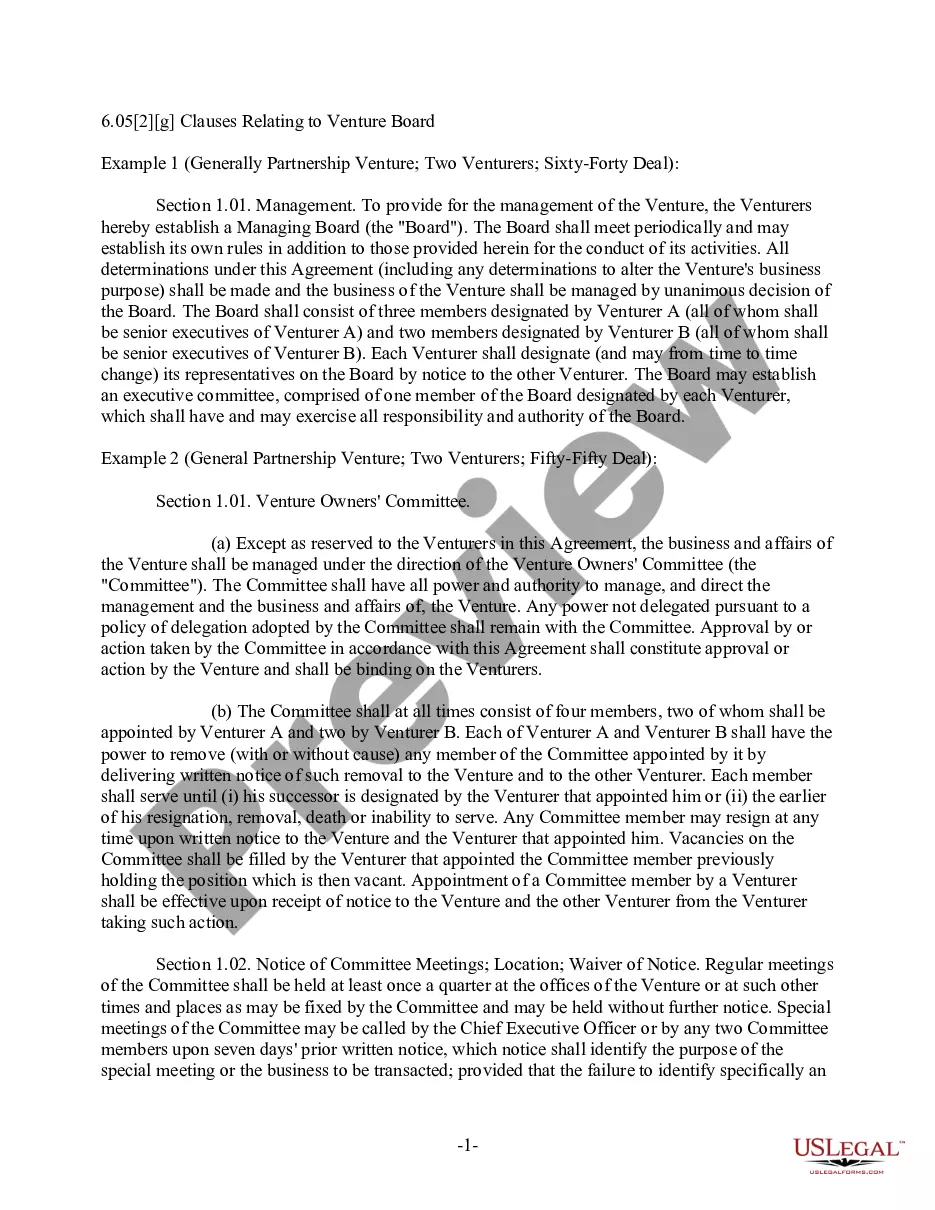
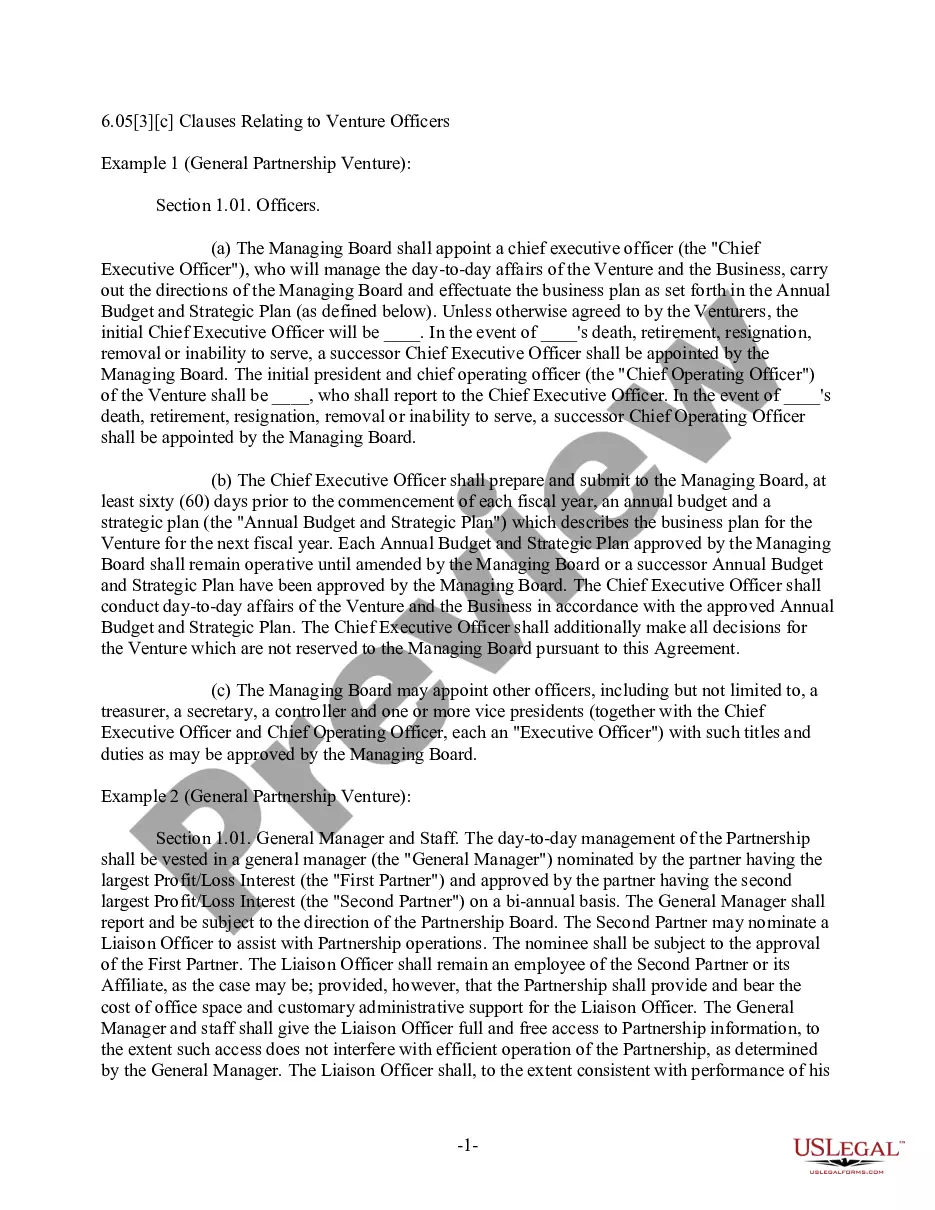
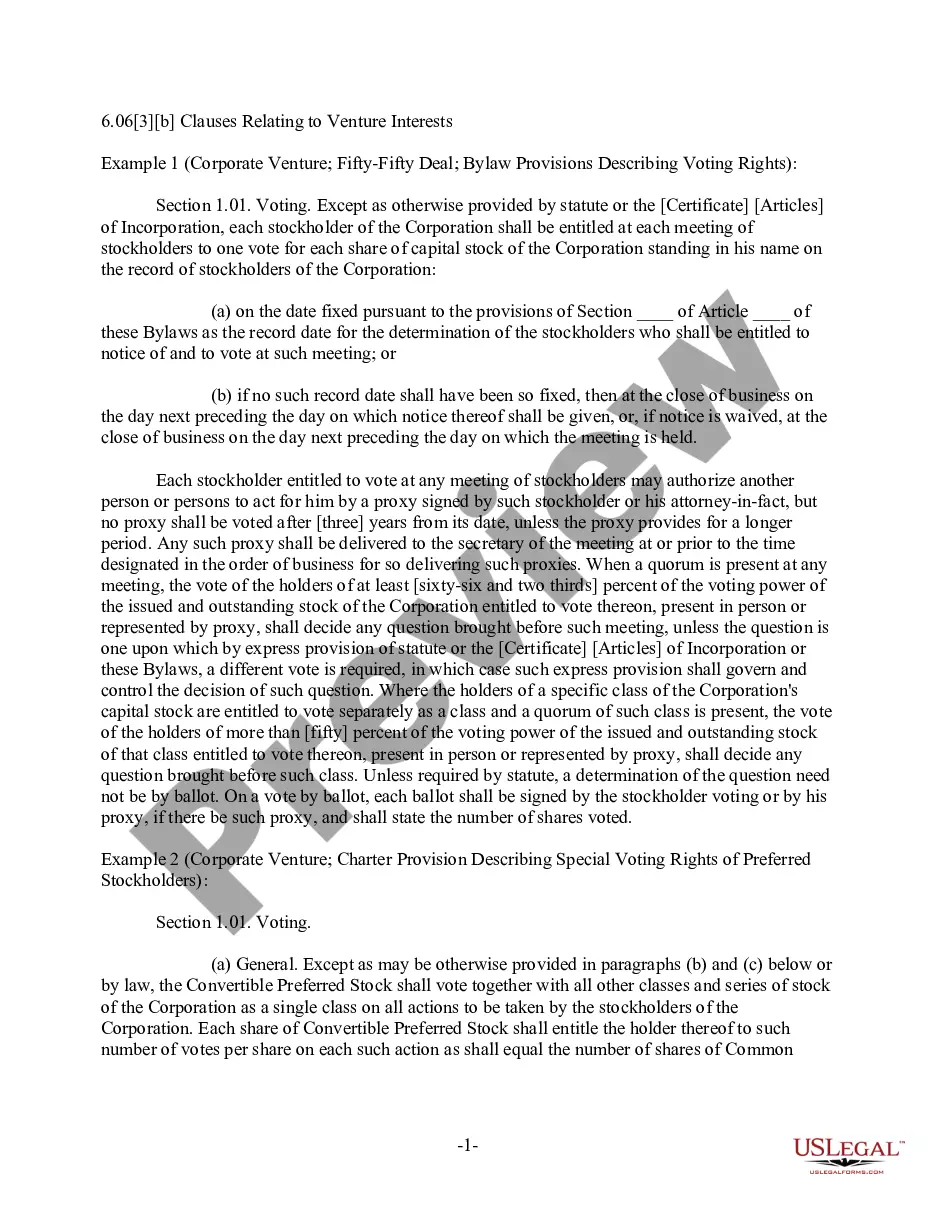
The Clauses Relating to Venture Ownership Interests form is a legal document used in corporate and business contexts to define the distribution of ownership interests among partners or members in a venture. Unlike other forms, this document focuses specifically on ownership clauses, making it crucial for outlining how profits, losses, and liabilities are shared among participants. This form is customizable to suit your specific circumstances while ensuring compliance with applicable laws in your jurisdiction.
Form components explained
- Section 1.01: Outlines the interest distribution among partners in a partnership.
- Section 1.02: Details the interests of General Partners if applicable.
- Section 1.03: Specifies the interests of Class B Limited Partners.
- Section 1.04: Definitions and explanations of Sharing Percentages.
- Section 1.01: Defines Members' Percentage Interests for Limited Liability Companies.

When to use this form
This form should be used when establishing a business partnership or limited liability company where ownership interests need to be clearly defined. Examples include creating a new business venture, structuring a partnership, or formalizing the roles and responsibilities of members. It ensures that all parties understand their ownership stakes and how profits and losses will be allocated.
Intended users of this form
- Business owners seeking to formalize ownership interests.
- Members of a partnership or limited liability company.
- Entrepreneurs establishing a new venture with multiple partners.
- Legal professionals advising clients on ownership issues.
How to prepare this document
- Identify all parties involved in the venture.
- Specify the ownership percentages for each partner or member.
- Fill out the details of profit and loss sharing as outlined in specific sections.
- Complete any additional required exhibits or appendices.
- Have all parties review the document for accuracy before signing.
Does this form need to be notarized?
This form does not typically require notarization unless specified by local law. Always verify the specific requirements based on your jurisdiction to ensure legal validity.
Get your form ready online
Our built-in tools help you complete, sign, share, and store your documents in one place.
Make edits, fill in missing information, and update formatting in US Legal Forms—just like you would in MS Word.
Download a copy, print it, send it by email, or mail it via USPS—whatever works best for your next step.
Sign and collect signatures with our SignNow integration. Send to multiple recipients, set reminders, and more. Go Premium to unlock E-Sign.
If this form requires notarization, complete it online through a secure video call—no need to meet a notary in person or wait for an appointment.
We protect your documents and personal data by following strict security and privacy standards.

Make edits, fill in missing information, and update formatting in US Legal Forms—just like you would in MS Word.

Download a copy, print it, send it by email, or mail it via USPS—whatever works best for your next step.

Sign and collect signatures with our SignNow integration. Send to multiple recipients, set reminders, and more. Go Premium to unlock E-Sign.

If this form requires notarization, complete it online through a secure video call—no need to meet a notary in person or wait for an appointment.

We protect your documents and personal data by following strict security and privacy standards.
Common mistakes to avoid
- Failing to accurately list all partners and their ownership interests.
- Not clearly defining allocation of profits and losses.
- Using vague or ambiguous language in the clauses.
- Neglecting to review state-specific legal requirements.
Why use this form online
- Quick and easy access to legally drafted templates that can be customized.
- Editable format allows for adjustments according to individual partnerships.
- Reliable source of legal information vetted by licensed attorneys.
Legal use & context
- Provides a clear framework for managing ownership interests in a venture.
- Helps prevent disputes among partners by clearly outlining roles and responsibilities.
- Ensures compliance with local laws and regulations regarding business partnerships.
Main things to remember
- The form is essential for defining ownership interests in a venture.
- It is customizable to fit specific partnership arrangements.
- Clear documentation can mitigate potential disputes and enhance business operations.
Looking for another form?

Form popularity
FAQ
Clause noun C (LEGAL DOCUMENT) a particular part of a written legal document, for example a law passed by Parliament or a contract (= an agreement):Clause 4 of the constitution is thought to be the most important section.
Clauses are specific provisions or sections in your contract that address a specific aspect of the agreement. Clauses clearly define each party's duties, rights, and privileges under the terms of the contract. There are several different types of clauses, and the ones you use depend on the parties' needs.
Is that clause is (grammarinformal) a group of two or more words which include a subject and any necessary predicate (the predicate also includes a verb, conjunction, or a preposition) to begin the clause; however, this clause is not considered a sentence for colloquial purposes while section is a cutting; a part cut
Clauses are specific provisions or sections in your contract that address a specific aspect of the agreement. Clauses clearly define each party's duties, rights, and privileges under the terms of the contract.
A section, phrase, paragraph, or segment of a legal document, such as a contract, deed, will, or constitution, that relates to a particular point. A document is usually broken into several numbered components so that specific sections can be easily located.
Read the Original Contract. Read the contract that you wish to amend. Describe the Contract. Define the contract the addendum will change. List the Deletions. List the Modifications. Replace Clauses. Write in New Items. Confirm the Original Contract. Add Signature Blocks.
An ownership clause in a life insurance contract provides ownership of the contract to the policyholder. That is when they decide who the beneficiaries will be and how much death benefit they will receive when the insured person dies.
Obligations of all parties. Ownership. Termination rights. Confidentiality. Limitation/indemnification of liability.