Form of Letter of Intent for Joint Venture Transactions
What is this form?
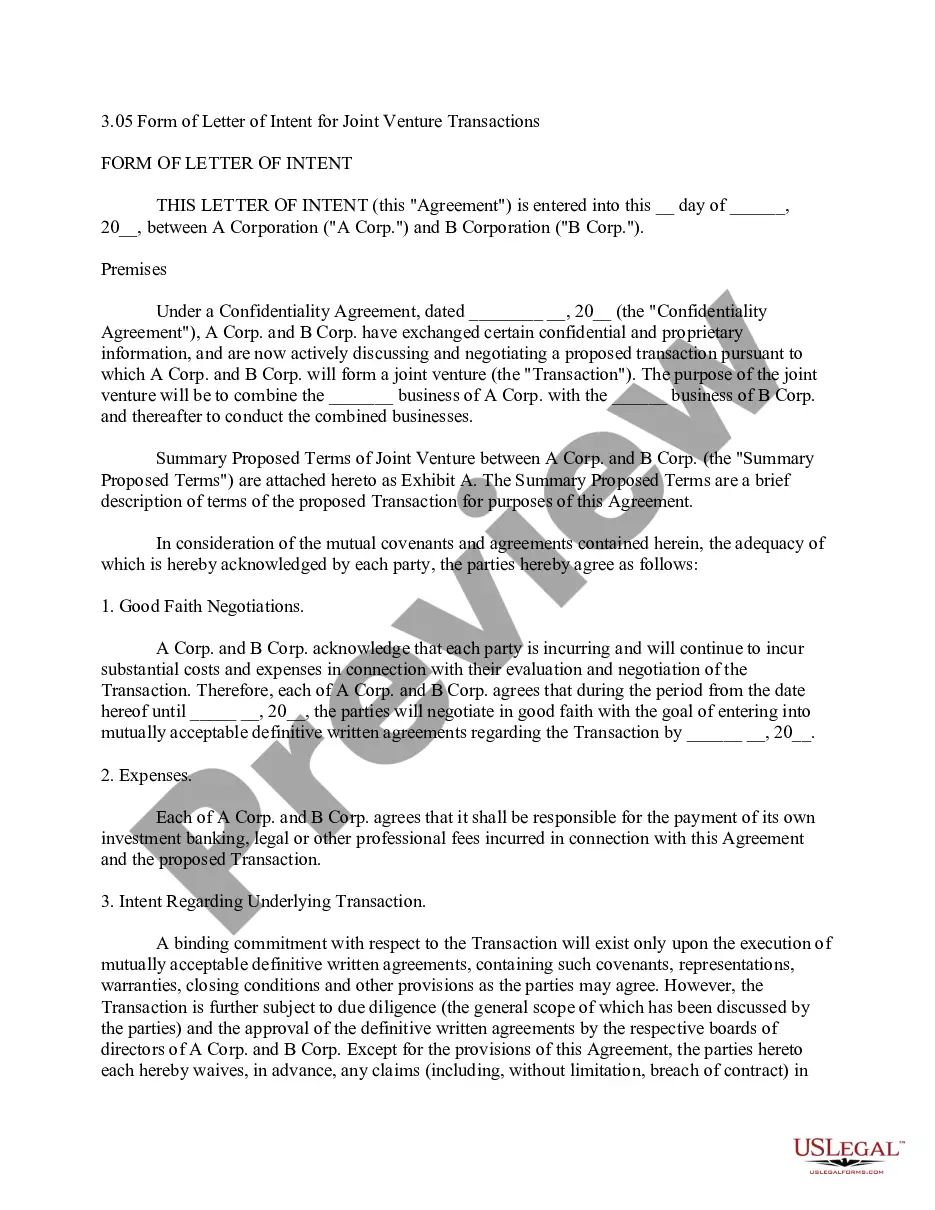
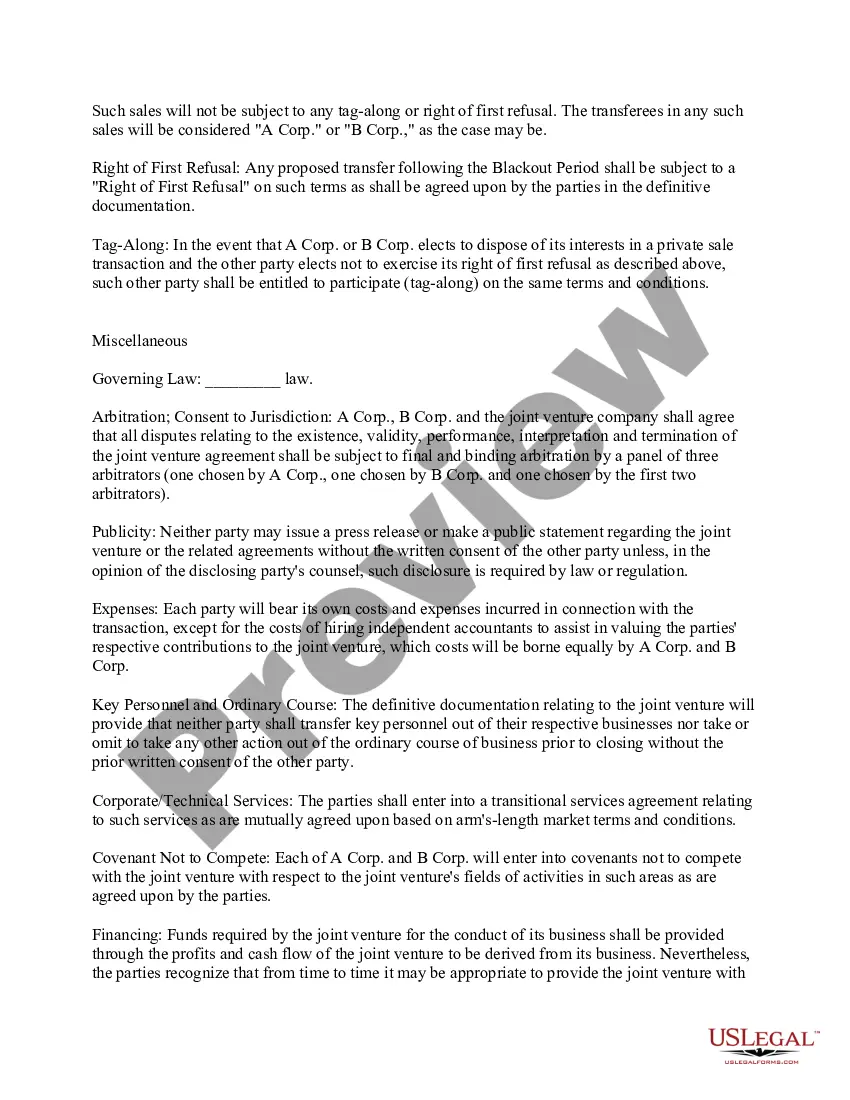
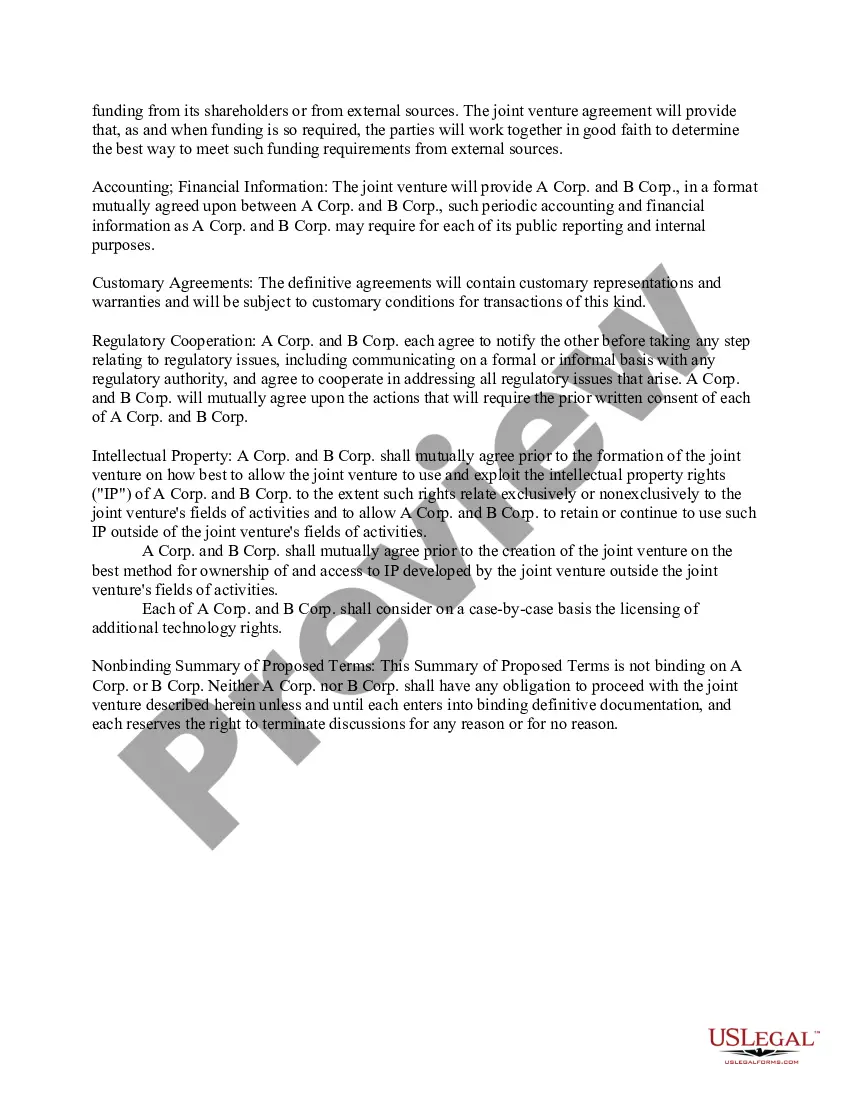
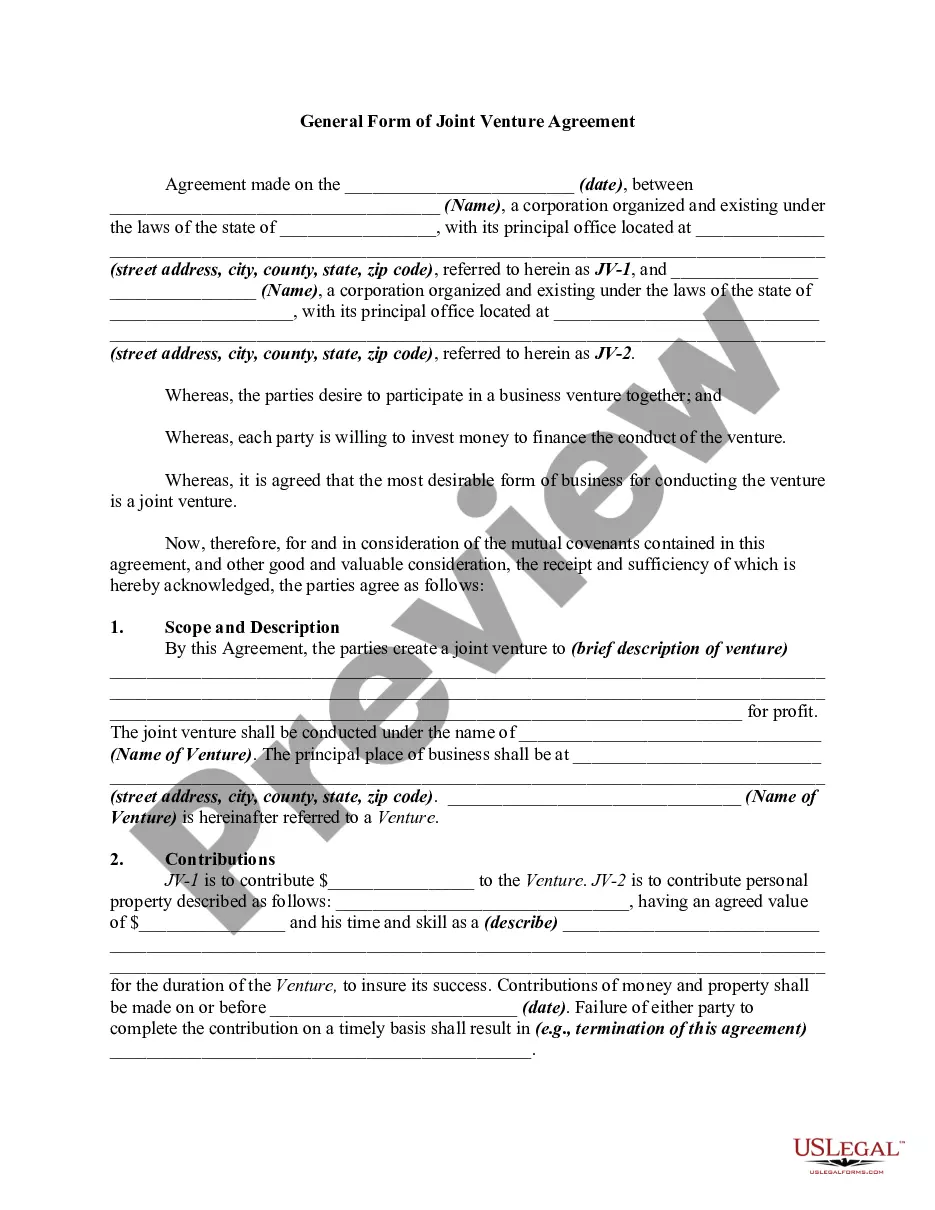
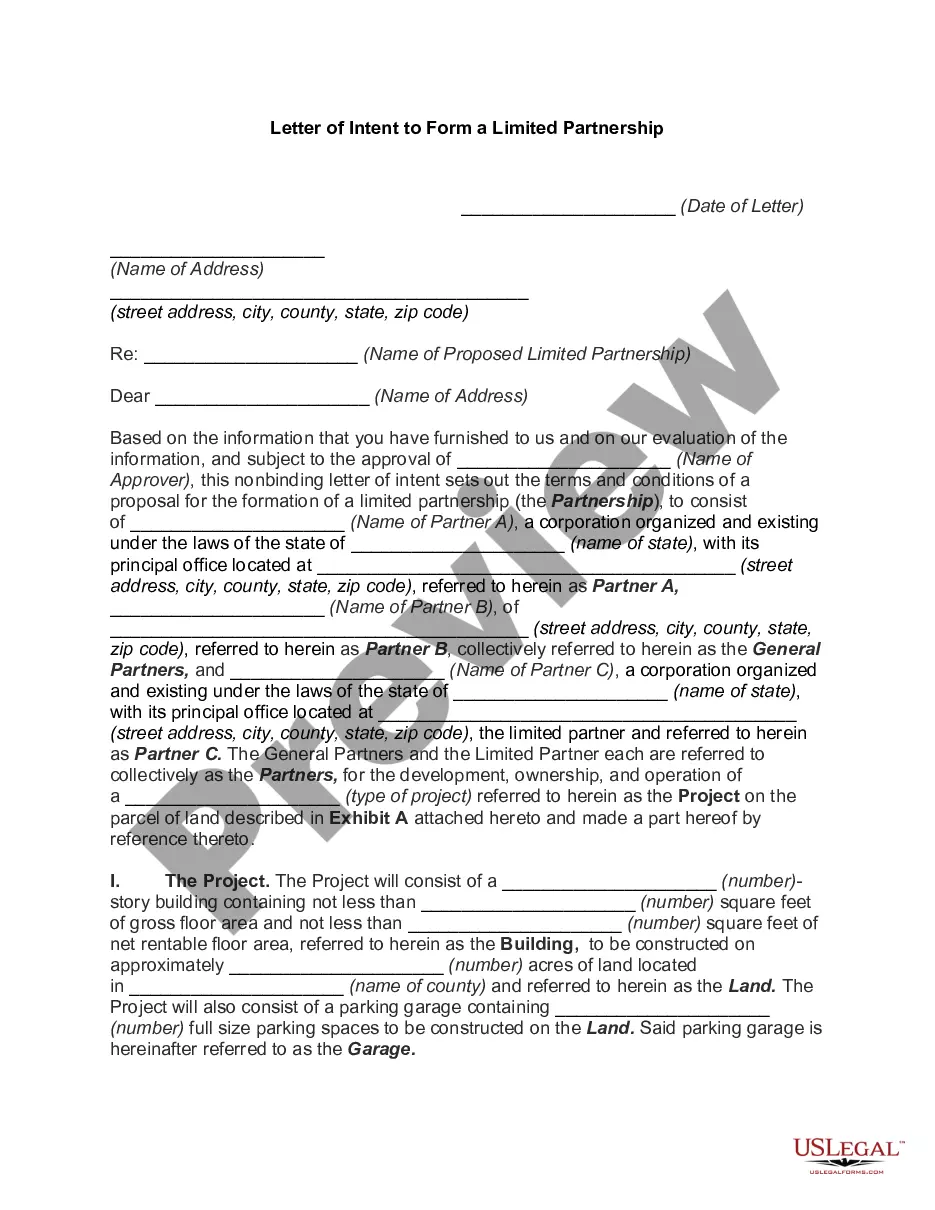
This form is a Letter of Intent for Joint Venture Transactions. It outlines the preliminary agreement between two parties aiming to enter into a joint venture. Unlike other agreements, this letter serves as a foundational document that indicates the intention to progress toward a definitive agreement while detailing preliminary terms and conditions for both parties.
Key components of this form
- Date and identification of parties involved.
- Introduction of relevant confidentiality agreements.
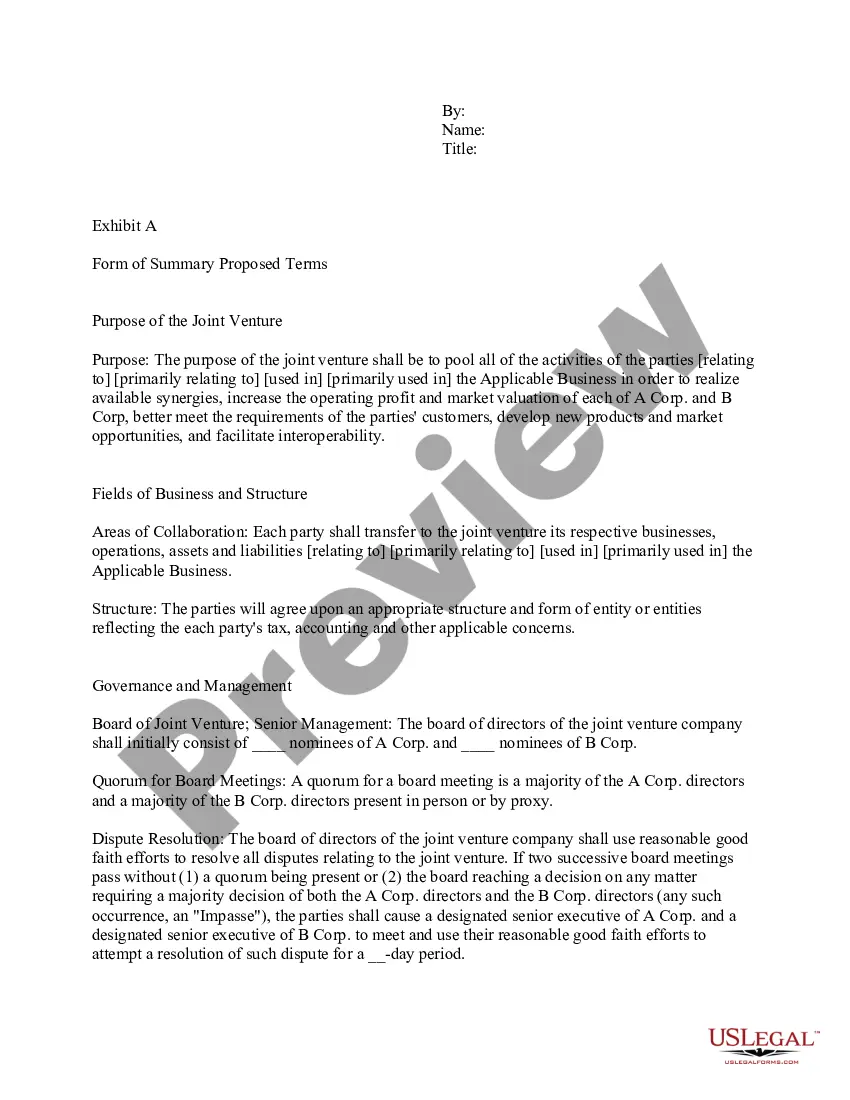
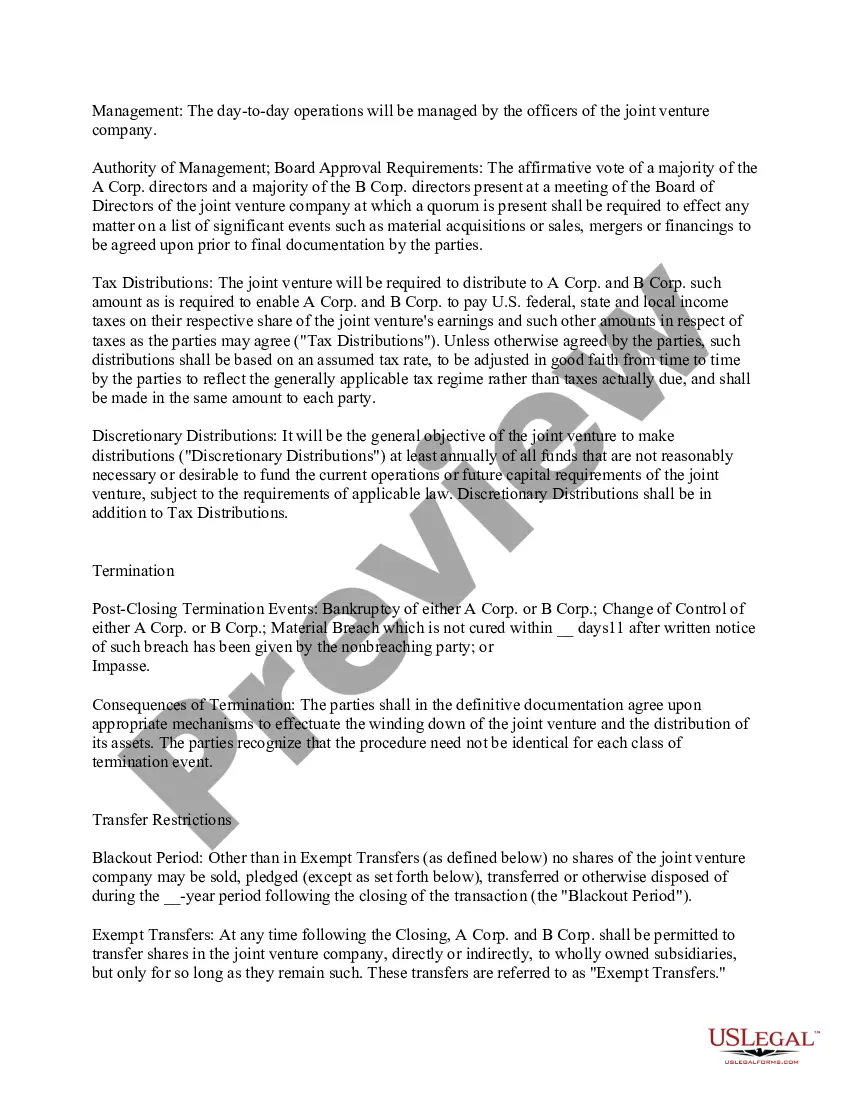
- Summary of proposed terms for the joint venture.
- Clauses on good faith negotiations and expenses.
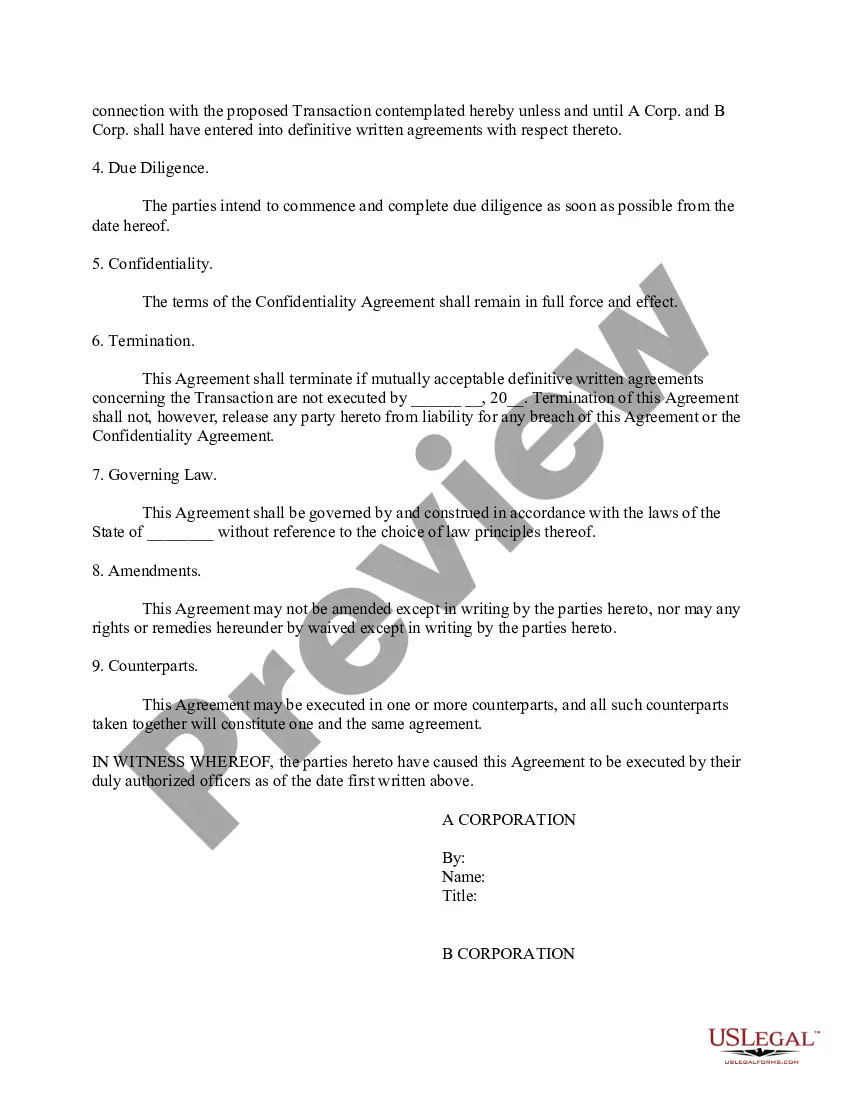
- Due diligence and confidentiality provisions.
- Dispute resolution mechanisms and termination conditions.
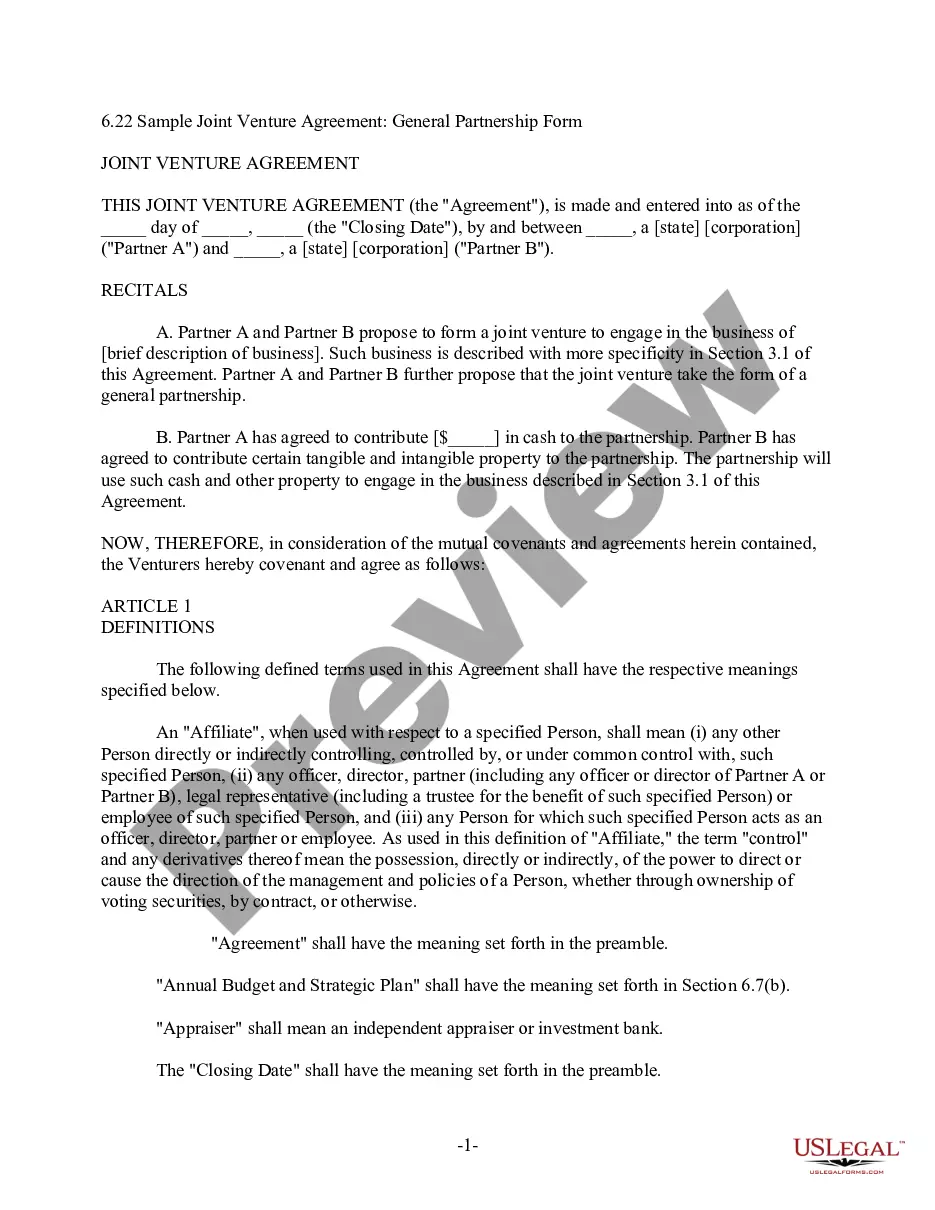
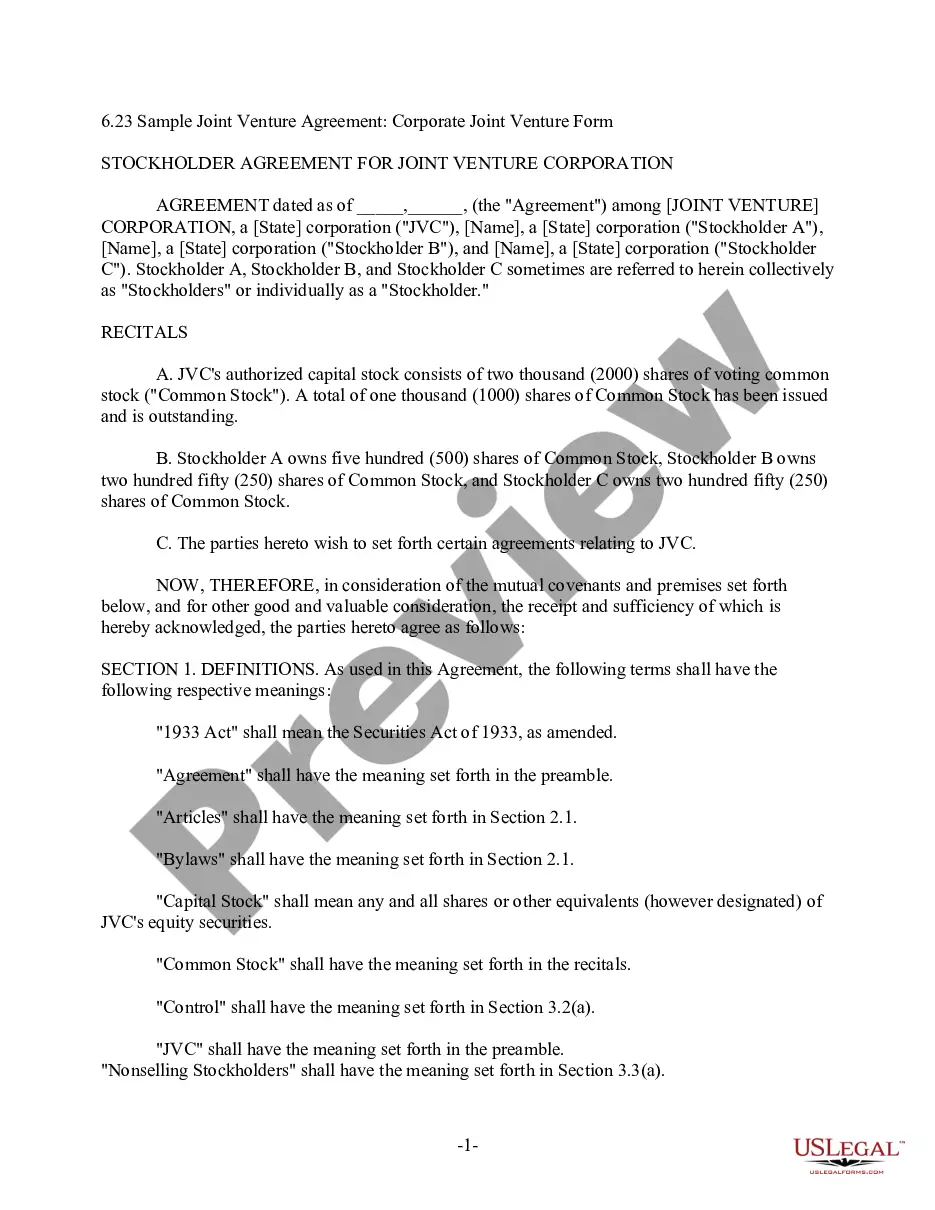
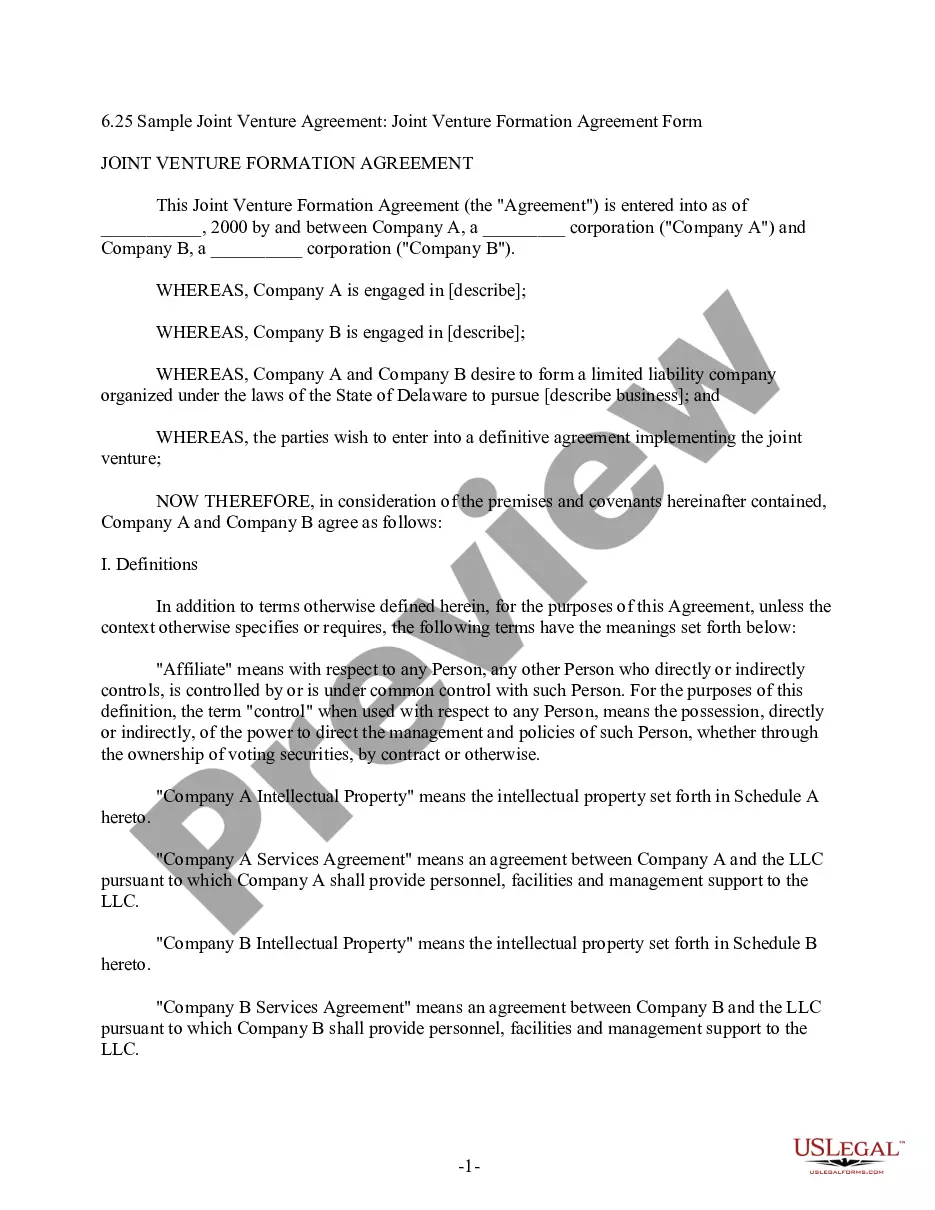
When to use this form
This Letter of Intent should be used when two or more companies are in discussions to form a joint venture. It is applicable when parties need to outline their expectations and establish a framework for future negotiations. Use this form if you have exchanged confidential information and want to ensure clarity on terms before finalizing any binding agreements.
Intended users of this form
- Businesses looking to collaborate through a joint venture.
- Legal professionals assisting clients with joint ventures.
- Entrepreneurs seeking to merge operations for strategic advantages.
- Corporations exploring partnerships to expand business opportunities.
How to prepare this document
- Identify the parties involved by entering their names and details.
- Specify the date of the agreement.
- Attach a summary of proposed terms as Exhibit A.
- Clearly outline the responsibilities regarding expenses.
- Include a deadline for due diligence and good faith negotiations.
Notarization requirements for this form
This form does not typically require notarization to be legally valid. However, some jurisdictions or document types may still require it. US Legal Forms provides secure online notarization powered by Notarize, available 24/7 for added convenience.
Get your form ready online
Our built-in tools help you complete, sign, share, and store your documents in one place.
Make edits, fill in missing information, and update formatting in US Legal Forms—just like you would in MS Word.
Download a copy, print it, send it by email, or mail it via USPS—whatever works best for your next step.
Sign and collect signatures with our SignNow integration. Send to multiple recipients, set reminders, and more. Go Premium to unlock E-Sign.
If this form requires notarization, complete it online through a secure video call—no need to meet a notary in person or wait for an appointment.
We protect your documents and personal data by following strict security and privacy standards.

Make edits, fill in missing information, and update formatting in US Legal Forms—just like you would in MS Word.

Download a copy, print it, send it by email, or mail it via USPS—whatever works best for your next step.

Sign and collect signatures with our SignNow integration. Send to multiple recipients, set reminders, and more. Go Premium to unlock E-Sign.

If this form requires notarization, complete it online through a secure video call—no need to meet a notary in person or wait for an appointment.

We protect your documents and personal data by following strict security and privacy standards.
Typical mistakes to avoid
- Failing to clearly define the joint venture's purpose and scope.
- Omitting important clauses regarding confidentiality and dispute resolution.
- Not adhering to the deadline for negotiations and due diligence.
- Incorrectly identifying parties involved in the agreement.
Why use this form online
- Convenient access to a customizable template tailored for joint ventures.
- Easy to download and adapt to specific business needs.
- Reduces legal costs by providing a clear starting point for negotiations.
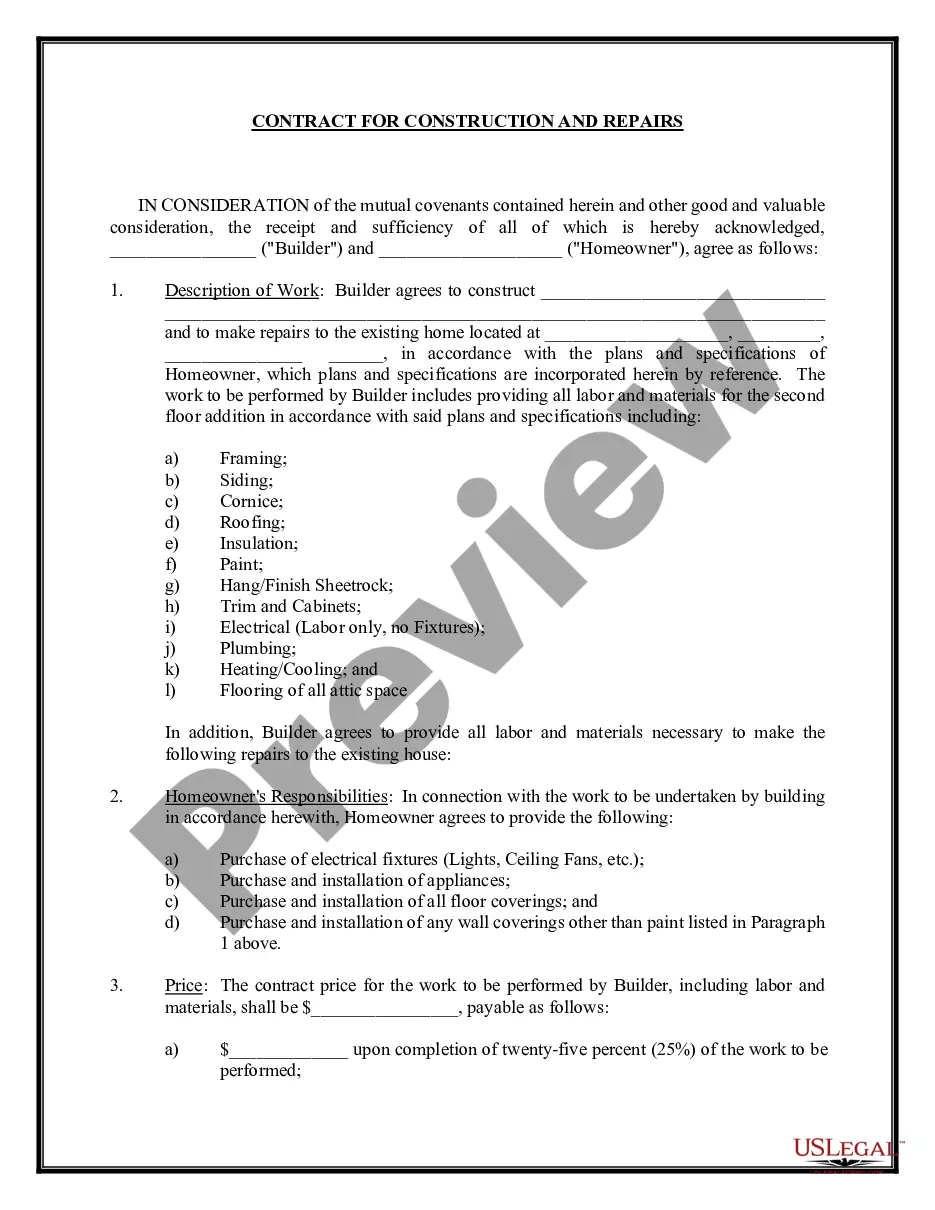
Looking for another form?



Form popularity
FAQ
Salutation. Begin with a professional salutation. Body Paragraph 1: Introduction. Body Paragraph 2: Highlight Relevant Skills. Body Paragraph 3: Call to Action. Closing. Use the appropriate format. When sending an email, include a clear subject line. Research the company.
Introduce the business and describe what it is about. Explain precisely how the partnership will benefit the potential partner. Identify some challenges the potential partner has that the partnership will help address.
A letter of intent (LOI) is a document that someone uses in order to declare their intent to do something, such as make a purchase, apply for a job or education program, or to clarify points in a business transaction. They are written in letter format, and signed by one party (the party writing it).
Choose the Right Letter of Intent Format and Layout. Research the Company Before You Write. Find 3 Ways You Fit the Position. Get Attention with a Strong First Paragraph. Explain Why You're Interested in Them. End Your Letter of Intent by Asking for Action. Sign off with a Professional Closing.
A letter of intent (LOI) is a document declaring the preliminary commitment of one party to do business with another. The letter outlines the chief terms of a prospective deal.
Introduction. Use the first one or two sentences of your letter to formally introduce yourself. This section should include your name, a brief explanation of your current experience level and your reason for writing. For example, if you are a recent graduate, include information about your degree and areas of study.
A court relies on two factors when determining if a letter of intent is binding: written expressions of intent present in the letter and demonstrative actions taken by both parties after the letter of intent is signed. If the letter is treated as a contract, it could be ruled binding.
Write the introduction. Describe the transaction and timeframes. List contingencies. Go through due diligence. Include covenants and other binding agreements. State that the agreement is nonbinding. Include a closing date.
State your reasons for writing the letter of intent. Give information on how you got to know about the vacancy and why you are interested in the said position. Highlight your accomplishments. Be confident to state your achievements. Praise the institution to which you are writing to.