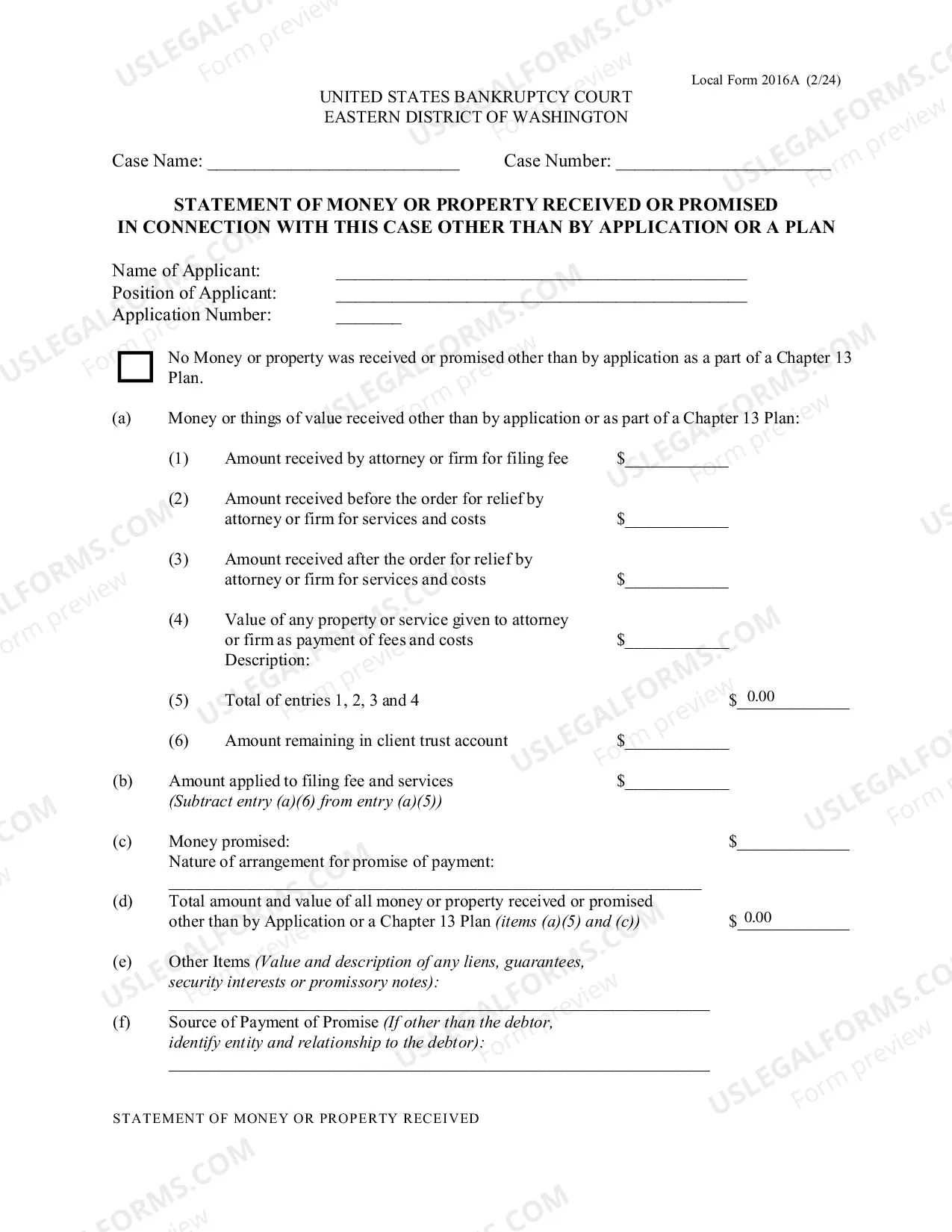
Easement and Right of Way for Roadway Allowing Access to Lands
What this document covers
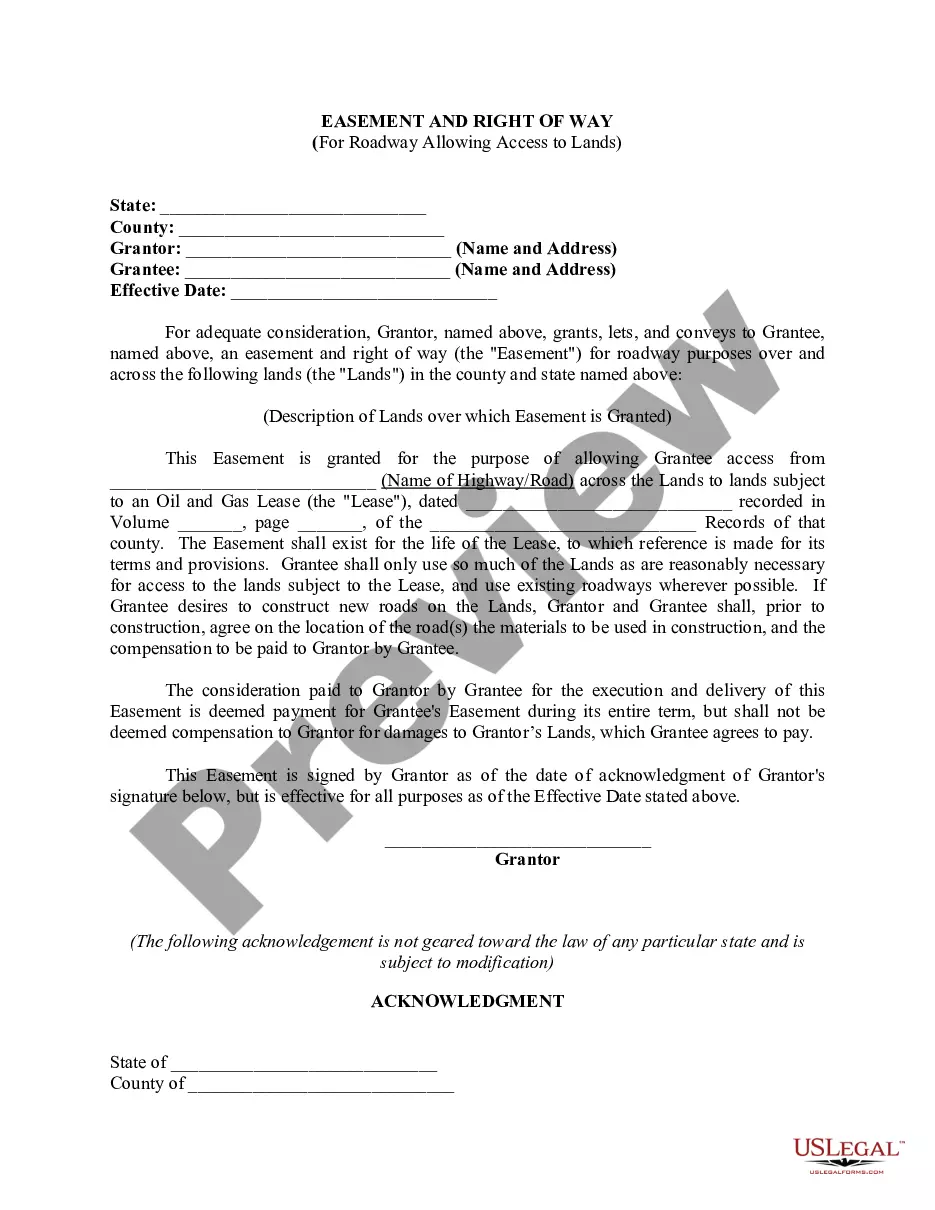
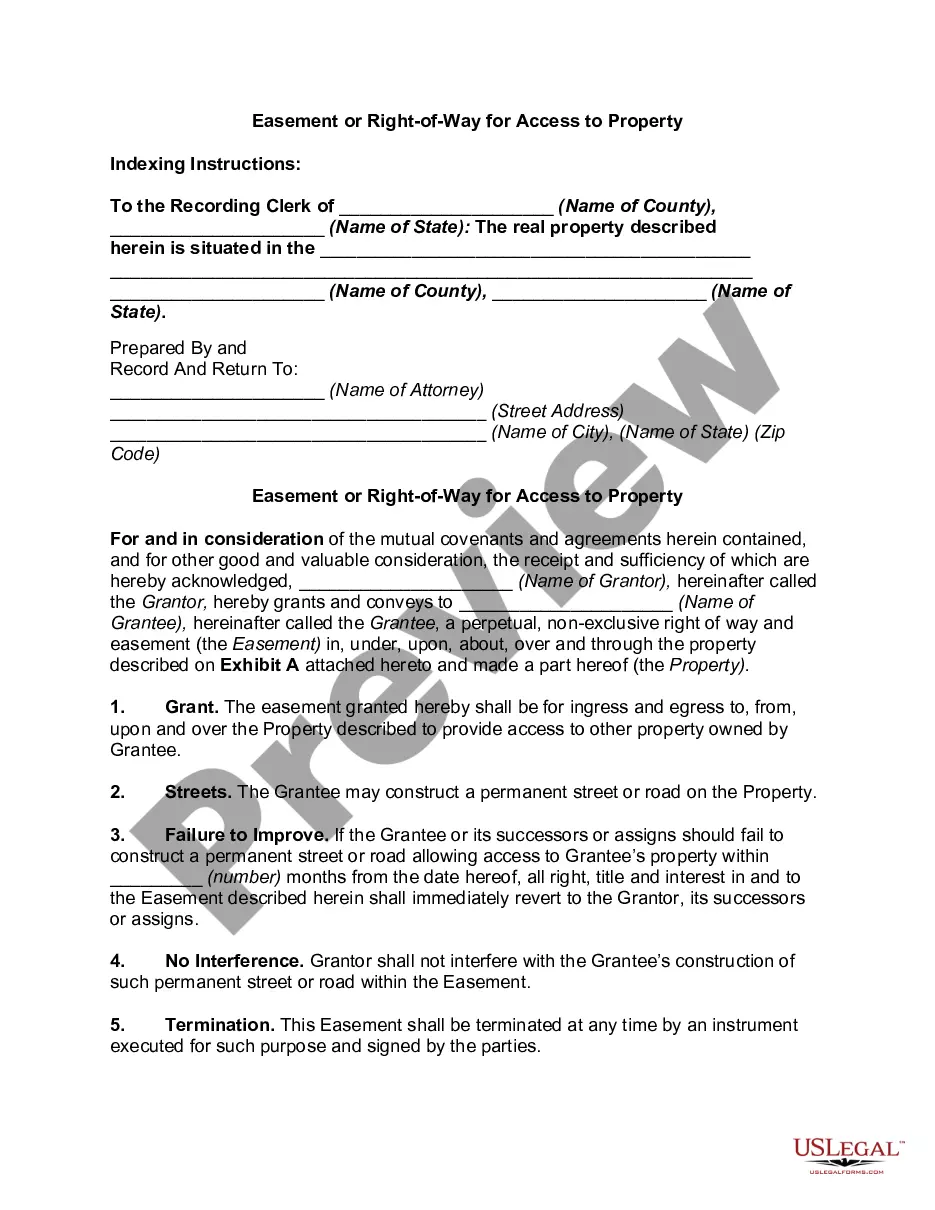
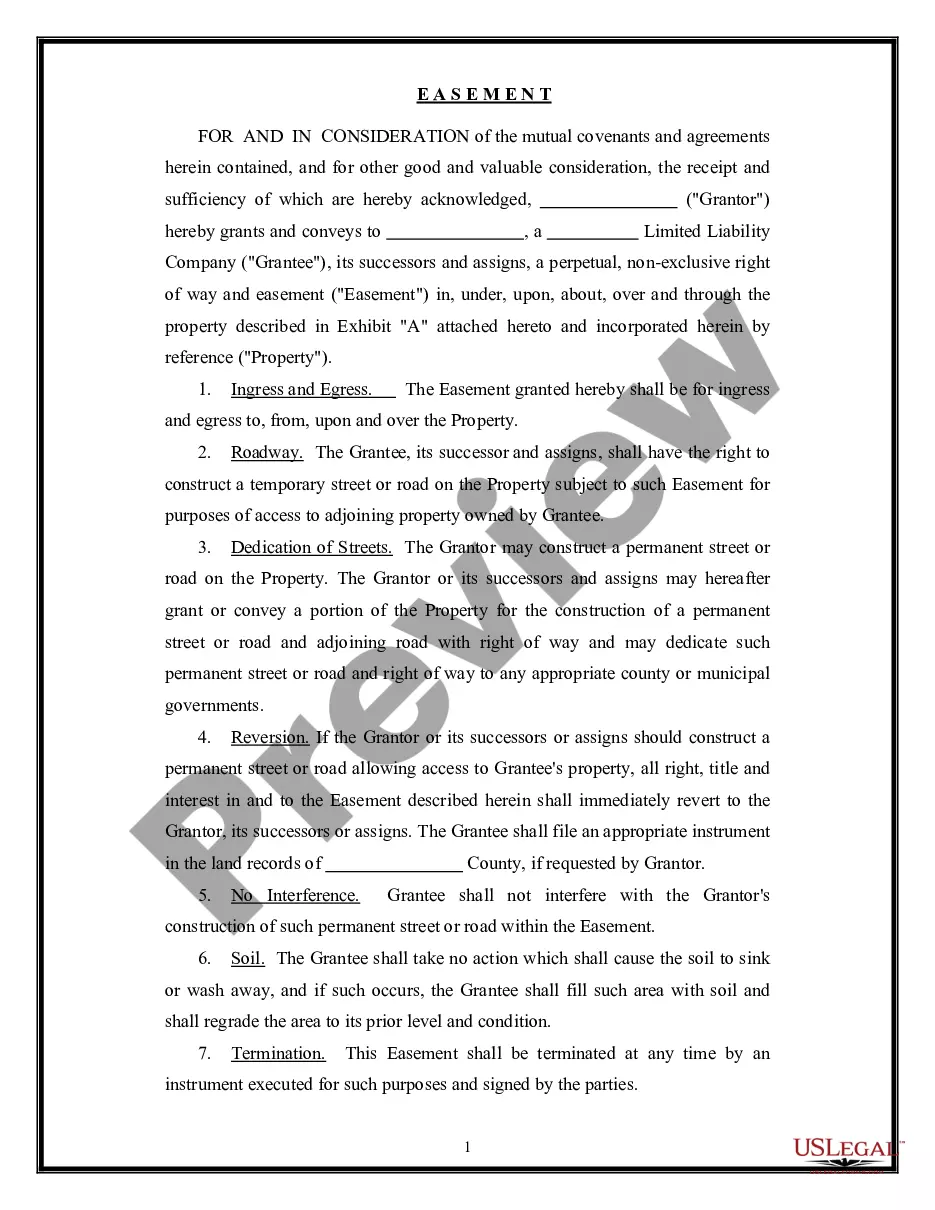
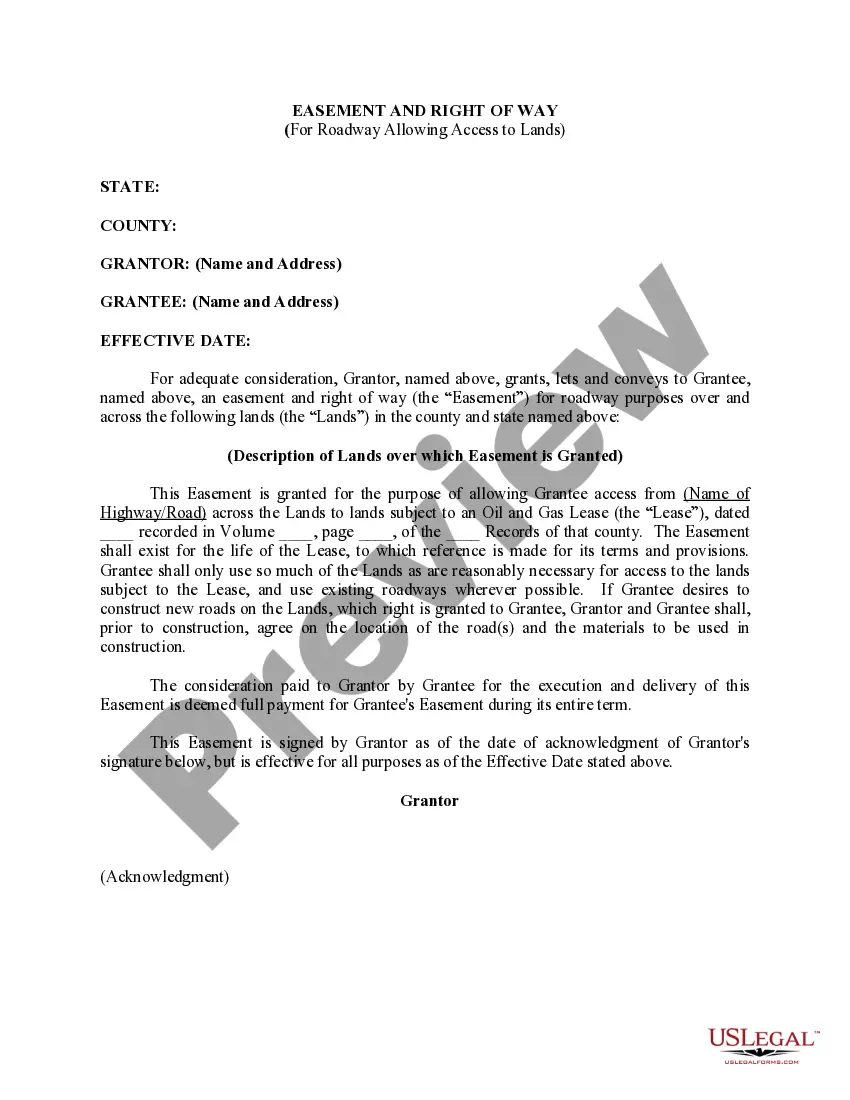
This form, known as the Easement and Right of Way for Roadway Allowing Access to Lands, grants a third party permission to cross the Grantor's land to gain access to lands they own under an oil and gas lease. This easement is specifically tailored for roadway purposes, ensuring legal access for the Grantee while establishing clear terms for usage of the Grantor's property.
Key components of this form
- Identification of the parties involved: Grantor and Grantee
- Description of the property where the easement is granted
- Effective date of the easement
- Details about the access route and the lands involved
- Terms regarding the construction of new roads and compensation for the Grantor
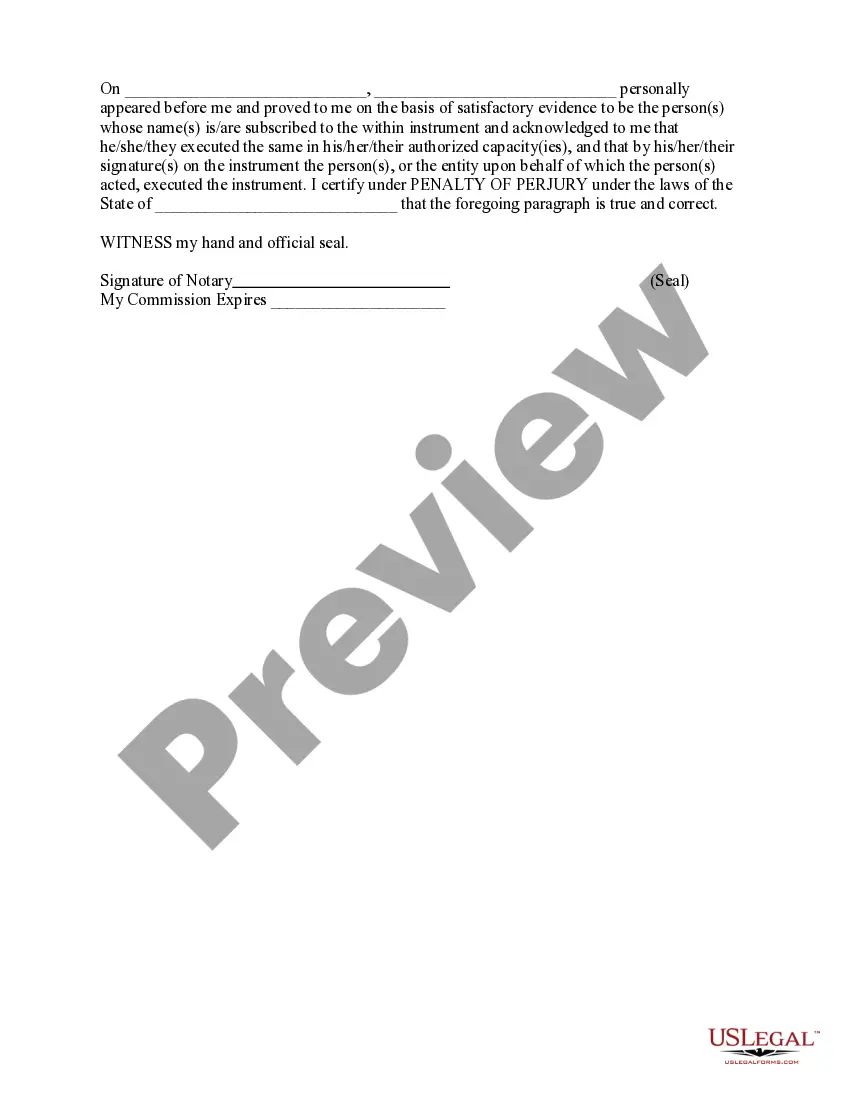
- Acknowledgment section for notarization

Common use cases
This form is used when a third party needs legal access through private property to reach lands they hold under an oil and gas lease. Situations may include the development of oil and gas resources, requiring consistent access for operational purposes. If you're entering into such an agreement, this form will establish the necessary legal groundwork for access rights.
Intended users of this form
- Property owners (Grantors) allowing access to their land
- Companies or individuals (Grantees) needing access for oil or gas extraction
- Legal representatives of either party involved in land transactions
- Real estate professionals facilitating easement agreements
Completing this form step by step
- Identify the parties: fill in the names and addresses of the Grantor and Grantee.
- Describe the property: provide a detailed description of the lands where the easement is granted.
- Specify the effective date of the easement.
- Detail the access route, including the name of the roadway leading to the leased lands.
- Ensure any agreements about road construction and terms of compensation are clearly outlined.
- Complete the acknowledgment section for notarization if required.
Does this document require notarization?
Notarization is required for this form to take effect. Our online notarization service, powered by Notarize, lets you verify and sign documents remotely through an encrypted video session, available 24/7.
Get your form ready online
Our built-in tools help you complete, sign, share, and store your documents in one place.
Make edits, fill in missing information, and update formatting in US Legal Forms—just like you would in MS Word.
Download a copy, print it, send it by email, or mail it via USPS—whatever works best for your next step.
Sign and collect signatures with our SignNow integration. Send to multiple recipients, set reminders, and more. Go Premium to unlock E-Sign.
If this form requires notarization, complete it online through a secure video call—no need to meet a notary in person or wait for an appointment.
We protect your documents and personal data by following strict security and privacy standards.

Make edits, fill in missing information, and update formatting in US Legal Forms—just like you would in MS Word.

Download a copy, print it, send it by email, or mail it via USPS—whatever works best for your next step.

Sign and collect signatures with our SignNow integration. Send to multiple recipients, set reminders, and more. Go Premium to unlock E-Sign.

If this form requires notarization, complete it online through a secure video call—no need to meet a notary in person or wait for an appointment.

We protect your documents and personal data by following strict security and privacy standards.
Common mistakes to avoid
- Failing to provide accurate descriptions of the property involved.
- Omitting the names and addresses of all parties.
- Not specifying terms regarding the use of existing or new roadways.
- Neglecting to sign or notarize the form where required.
Why use this form online
- Convenient access and instant download of the form.
- Editable templates allowing customization to fit specific needs.
- Reliability in terms of legal validity, as forms are crafted by licensed attorneys.
What to keep in mind
- This form is essential for establishing a legal easement for access to lands, especially for oil and gas operations.
- Ensure all parties understand their rights and obligations as detailed in the form.
- Complete the mandatory fields accurately to avoid legal issues later on.
- Notarization is required to validate the easement agreement.
Looking for another form?
Form popularity
FAQ
In order to acquire a prescriptive easement, a claimant must establish (1) that the use was continuous for five years; (2) the use was open, notorious and clearly visible to the owner of the property; and (3) the use was hostile and adverse to the owner.
Utility Easements. Private Easements. Easements by Necessity. Prescriptive Easements. Legal Disputes Over Easements. More Help with Easements.
Easements can be created in a variety of ways. They can be created by an express grant, by implication, by necessity, and by adverse possession.
A right of way is one of the types of easements that allows a person to pass through another's land. Typically, a right of way easement is a roadway or pathway for travel through another's property that benefits a particular person or benefits another parcel of land.
What are Easements and Rights-of-Way? Easements are nonpossessory interests in real property. More simply, an easement is the right to use another's property for a specific purpose. Rights-of-way are easements that specifically grant the holder the right to travel over another's property.
An easement is created by necessity when a single lot has been divided and one lot is left with no reasonable access to a main road or utilities without use of the other lot.
The easement can be acquired through express grant made by inserting the clause of granting such a right in the deed of sale, mortgage or through any other form of transfer. This involves expressing by the grantor of his clear intention. If the value of the immovable property is Rs.
A private right of way is an easement, which is the right to use part of another's property in a particular way even though they do not own it.
A Right of Way Easement is a form of Easement annexed to land which grants a right to travel over a part of the landowner's property. This right of way is usually granted to neighbouring landowners. The legal rights of the attached landowners to use and maintain the right of way may not always be clear.