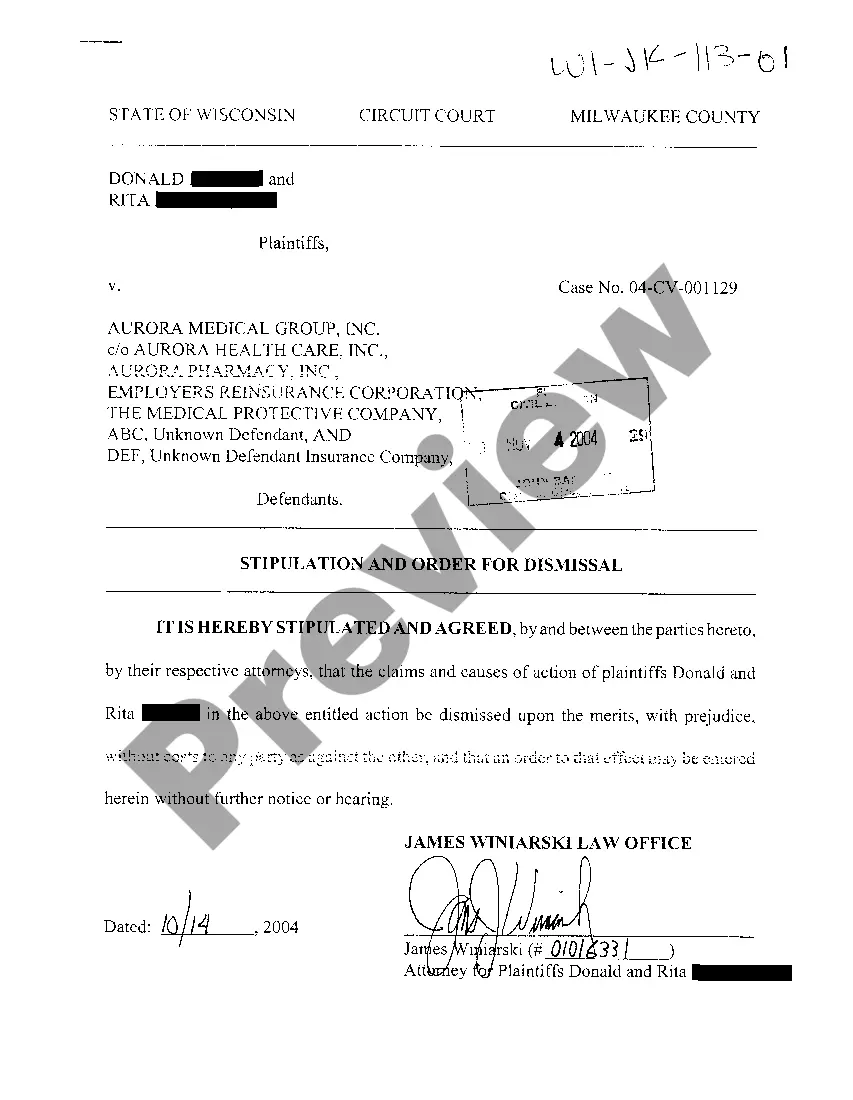
Announcement Provisions in Litigation Settlement Agreements
What this document covers
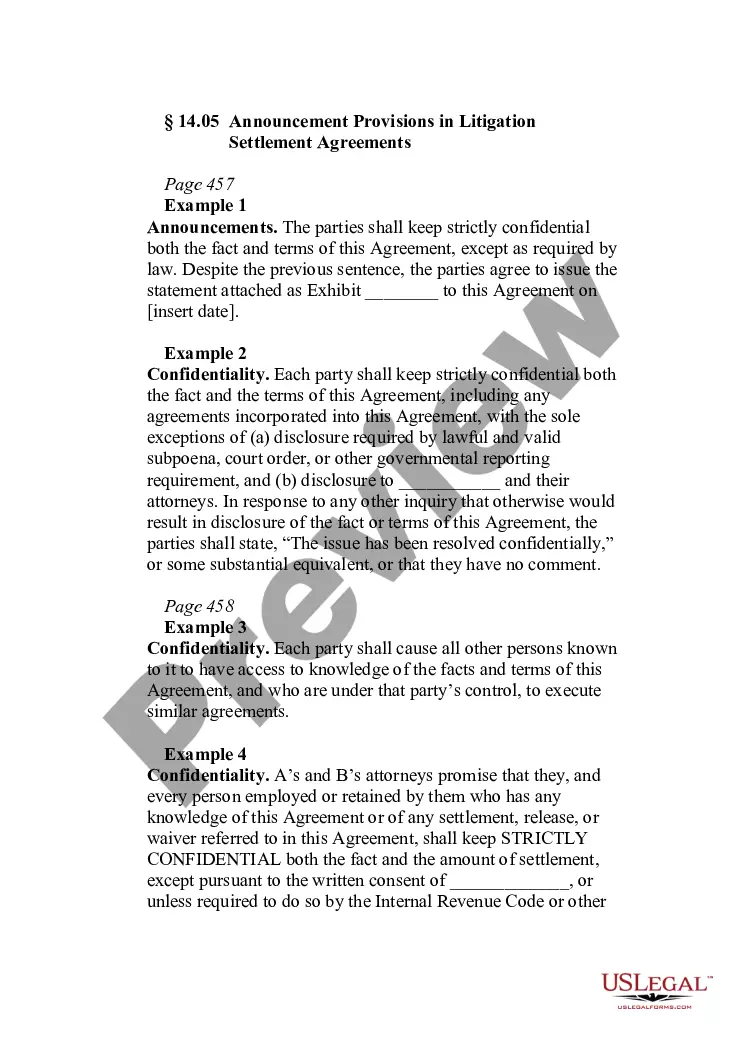
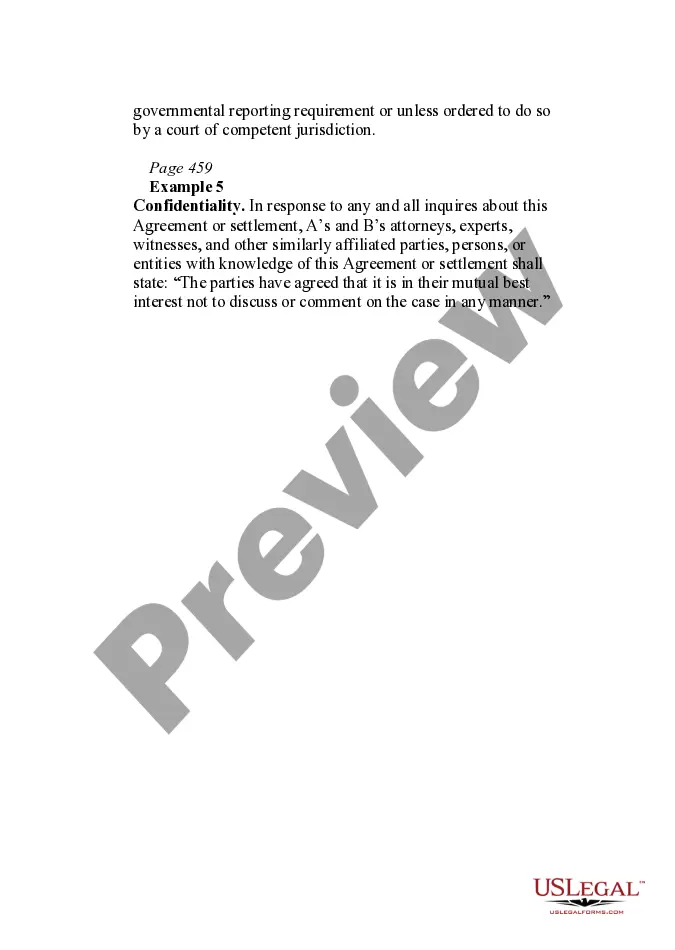
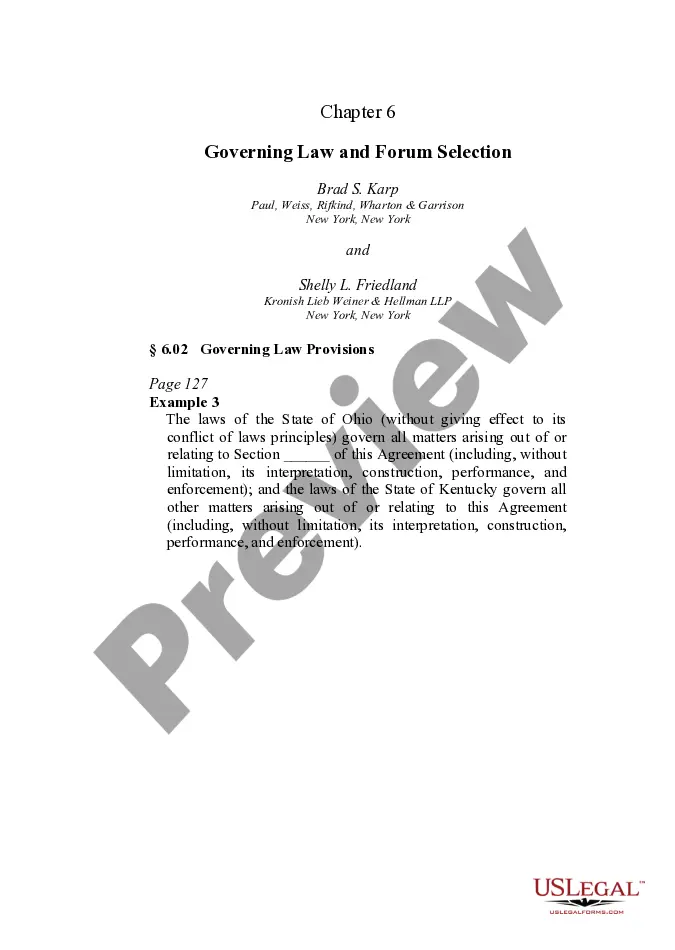
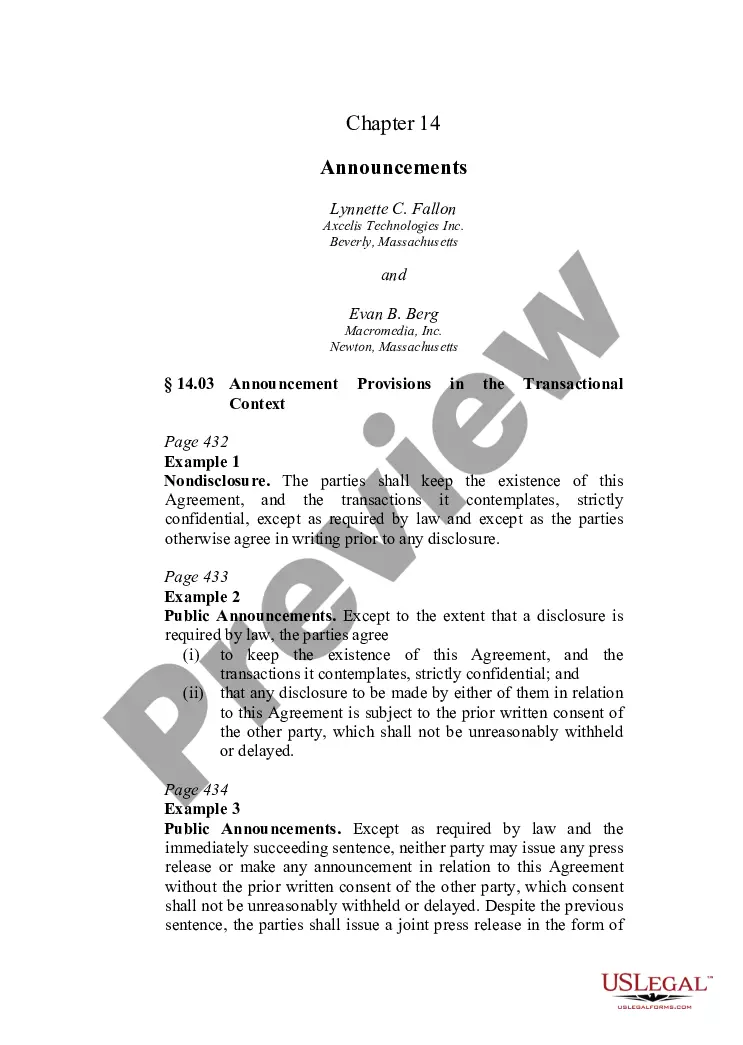
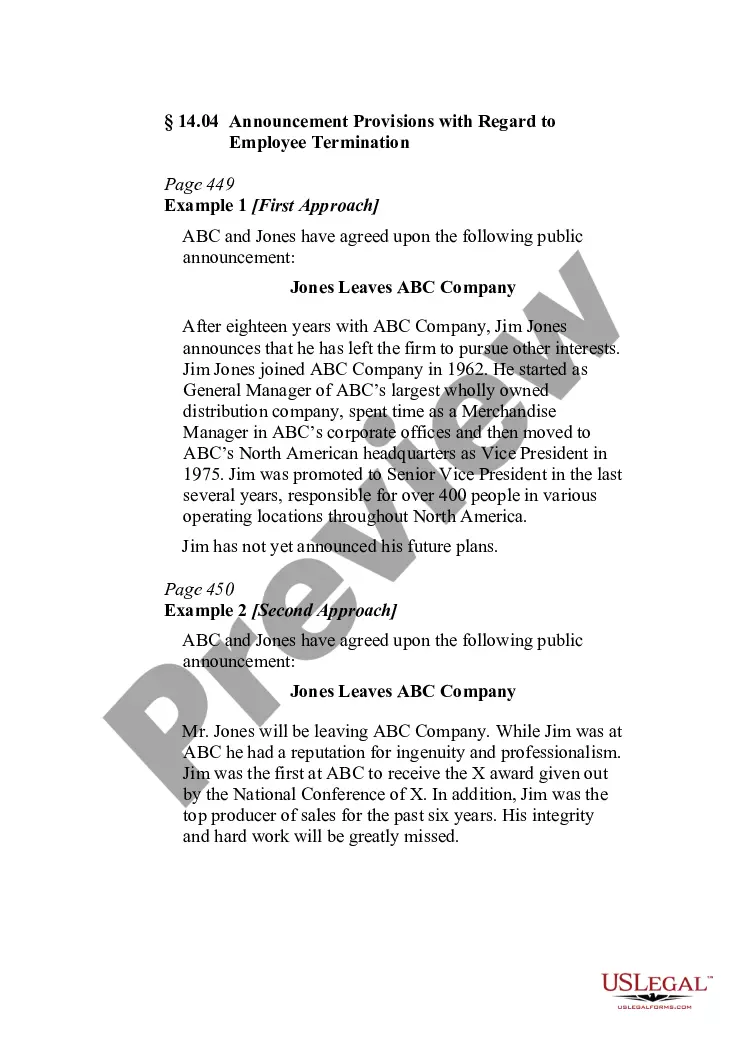
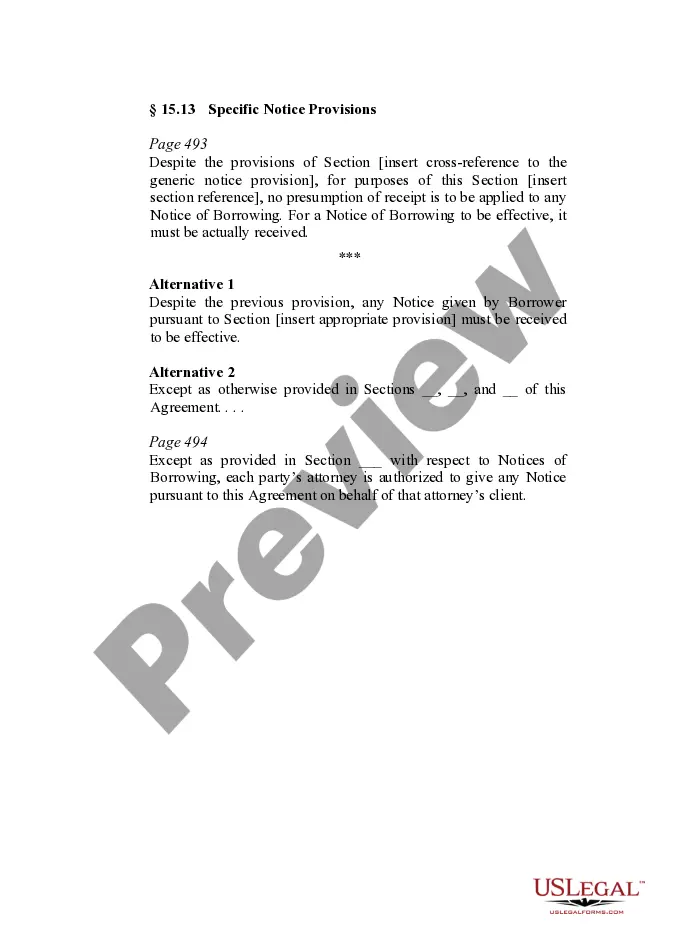
This form, titled Announcement Provisions in Litigation Settlement Agreements, provides essential boilerplate contract clauses outlining the restrictions and procedures related to public announcements for litigation settlement agreements. It is designed to help parties maintain confidentiality while specifying how and when announcements can be made, ensuring compliance with various legal requirements. This form is distinct from other legal documents as it focuses specifically on the announcement provisions within a settlement context.
What’s included in this form
- Confidentiality clauses outlining restrictions on the disclosure of settlement terms.
- Procedures for issuing public statements, including timelines and content of announcements.
- Exceptions to confidentiality for legal requirements such as subpoenas or court orders.
- Obligations for attorneys and other parties with knowledge of the agreement to maintain confidentiality.
- Statements to be provided to inquirers regarding the agreement.
Common use cases
This form should be used when parties involved in litigation reach a settlement and wish to set clear guidelines on how announcements regarding the settlement will be handled. It is particularly useful in situations where confidentiality is critical, and the parties desire to control public communication about the agreement to protect sensitive information or mitigate reputational risks.
Who should use this form
- Individuals or businesses involved in litigation that are negotiating a settlement agreement.
- Attorneys representing parties in a litigation settlement who need to draft specific announcement provisions.
- Any party that wishes to formalize confidentiality measures regarding the terms of their settlement.
Instructions for completing this form
- Identify the parties involved in the litigation and the settlement agreement.
- Specify the terms of confidentiality, including what can and cannot be disclosed.
- Detail any exceptions to confidentiality, such as legal obligations to disclose certain information.
- Include a statement outlining how and when announcements will be made, if applicable.
- Ensure that all parties, including attorneys, agree to the stipulations laid out in the form.
Notarization requirements for this form
In most cases, this form does not require notarization. However, some jurisdictions or signing circumstances might. US Legal Forms offers online notarization powered by Notarize, accessible 24/7 for a quick, remote process.
Get your form ready online
Our built-in tools help you complete, sign, share, and store your documents in one place.
Make edits, fill in missing information, and update formatting in US Legal Forms—just like you would in MS Word.
Download a copy, print it, send it by email, or mail it via USPS—whatever works best for your next step.
Sign and collect signatures with our SignNow integration. Send to multiple recipients, set reminders, and more. Go Premium to unlock E-Sign.
If this form requires notarization, complete it online through a secure video call—no need to meet a notary in person or wait for an appointment.
We protect your documents and personal data by following strict security and privacy standards.

Make edits, fill in missing information, and update formatting in US Legal Forms—just like you would in MS Word.

Download a copy, print it, send it by email, or mail it via USPS—whatever works best for your next step.

Sign and collect signatures with our SignNow integration. Send to multiple recipients, set reminders, and more. Go Premium to unlock E-Sign.

If this form requires notarization, complete it online through a secure video call—no need to meet a notary in person or wait for an appointment.

We protect your documents and personal data by following strict security and privacy standards.
Common mistakes to avoid
- Failing to specify exceptions to confidentiality clearly.
- Not having all relevant parties sign the agreement, including attorneys.
- Overlooking the need to update the form as circumstances change.
- Using vague language that could lead to misinterpretation of the agreement.
Why use this form online
- Convenience of downloading and tailoring the document to specific needs.
- Editability allows for easy customization of clauses and provisions.
- Access to forms prepared by licensed attorneys to ensure legality and clarity.
- Time-saving as users can complete and file the forms without visiting a lawyer's office.
Looking for another form?



Form popularity
FAQ
A Settlement Agreement (formerly known as a Compromise Agreement) is a legally binding agreement between you and your employer. This usually provides for a severance payment by the employer in return for your agreement not to pursue any claims in a Tribunal or a Court.
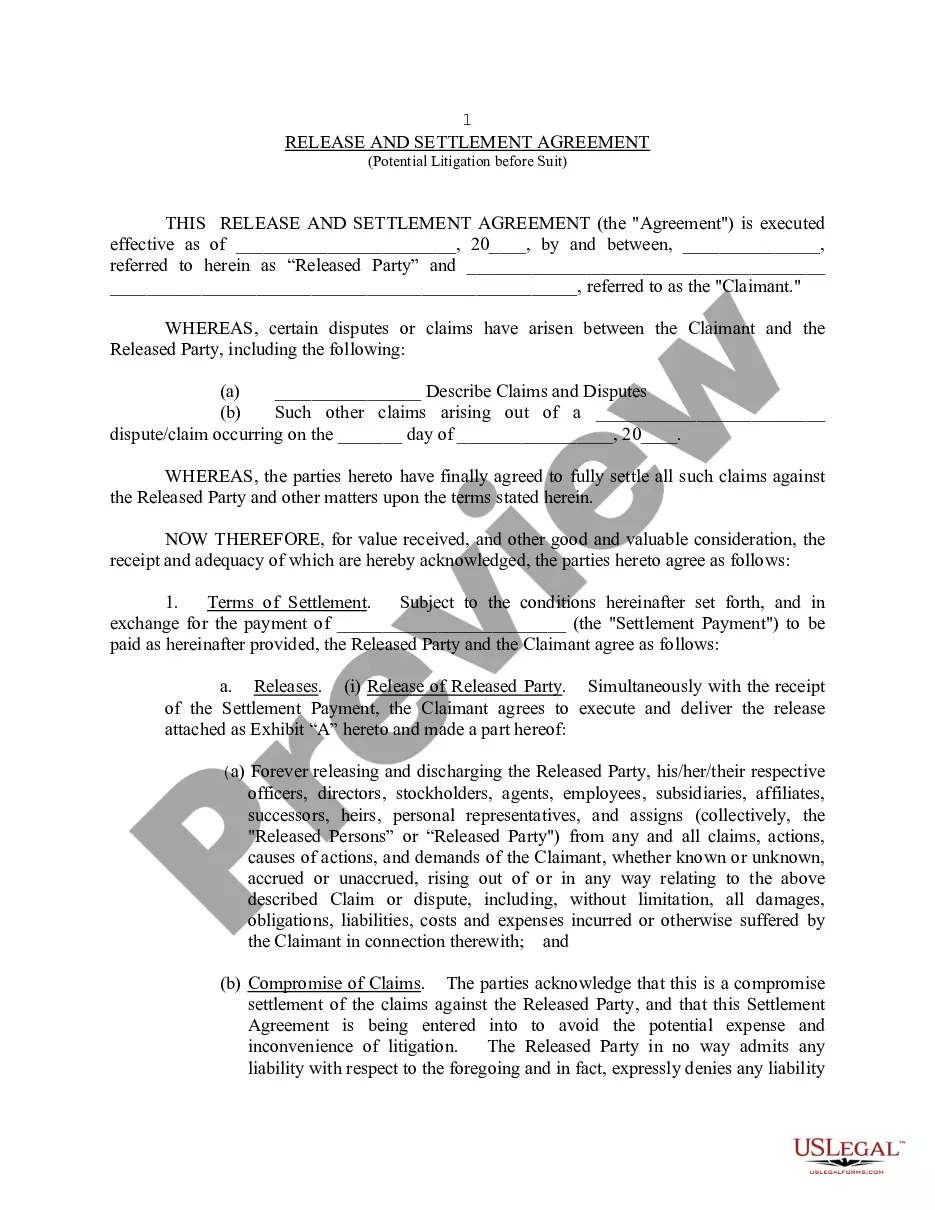
Key Obligations. Also called the terms of settlement, these include who will pay or do what, and what will happen after the payment is made or the actions completed. They should include details like a payment deadline. Release. Parties agree to release each other from all future claims, demands and actions.
Lawyers call an agreement to settle a dispute a "release," because in exchange for some act (often the payment of money), one person gives up (or releases) his or her claim against another.
Explain to the employee that you are proposing to offer them a settlement with a view to ending their employment amicably. Tell them any financial settlement you are proposing and also explain any other elements of the offer which are relevant, such as a reference, or no requirement for them to work out their notice.
The agreement should list the rights, claims, obligations, or interests that will be released in the settlement as well as any claims or obligations that are not part of the settlement.
Unless you have already have another job to go to, it is not easy to ascertain how long you will be out of work, but as a general rule of thumb, a payment equivalent to six month's salary is considered to be a good settlement.
An offer. This is what one party proposes to do, pay, etc. Acceptance. Valid consideration. Mutual assent. A legal purpose. A settlement agreement must also not be "unconscionable." This means that it cannot be illegal, fraudulent, or criminal.
Some people wonder if they can save even more by money by writing their own settlement agreement and not seeking the help of a divorce attorney at all. While there is no legal requirement that you have a lawyer draft your settlement agreement, it is certainly a good idea to do so.