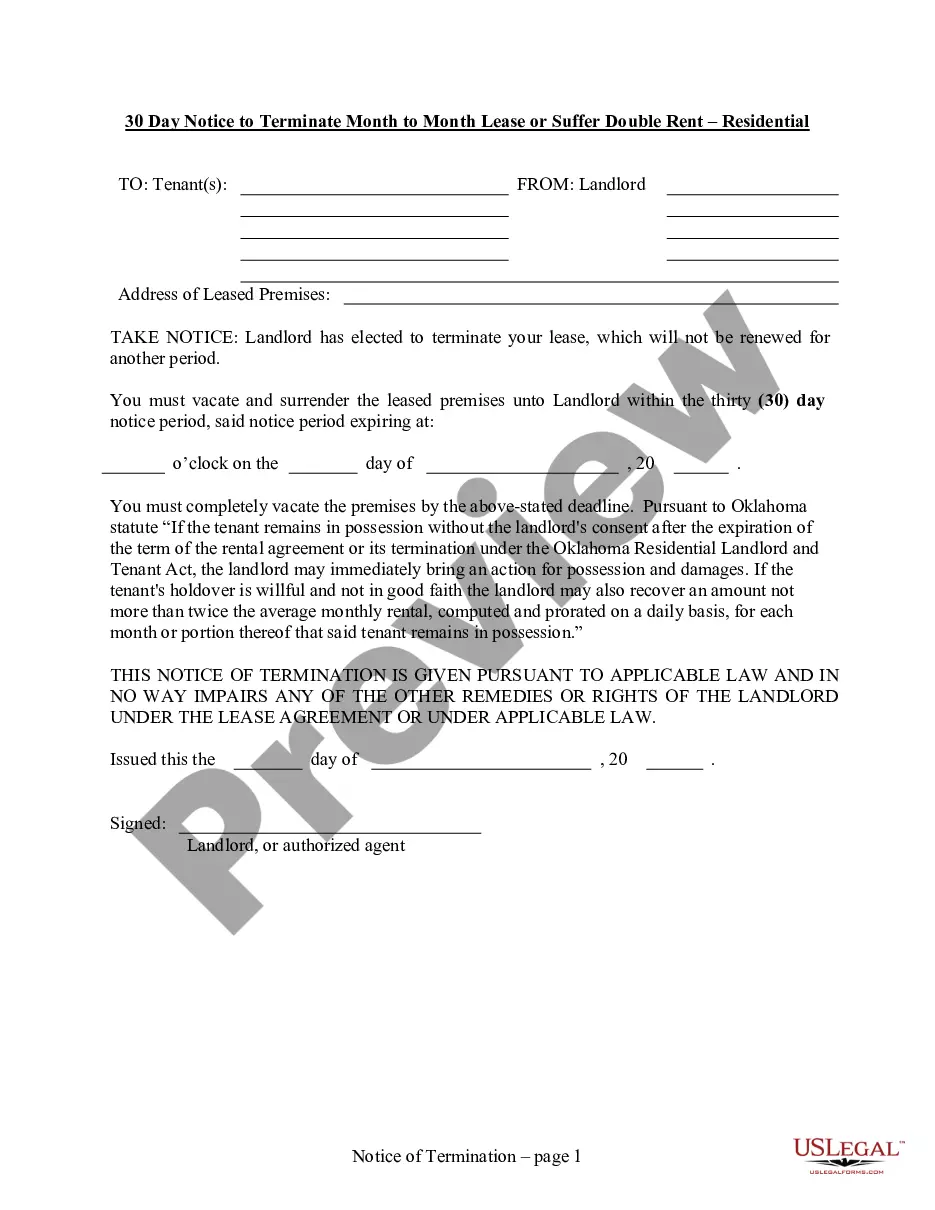
Motion to Clarify and / or Reconsider and for Protective order
About this form
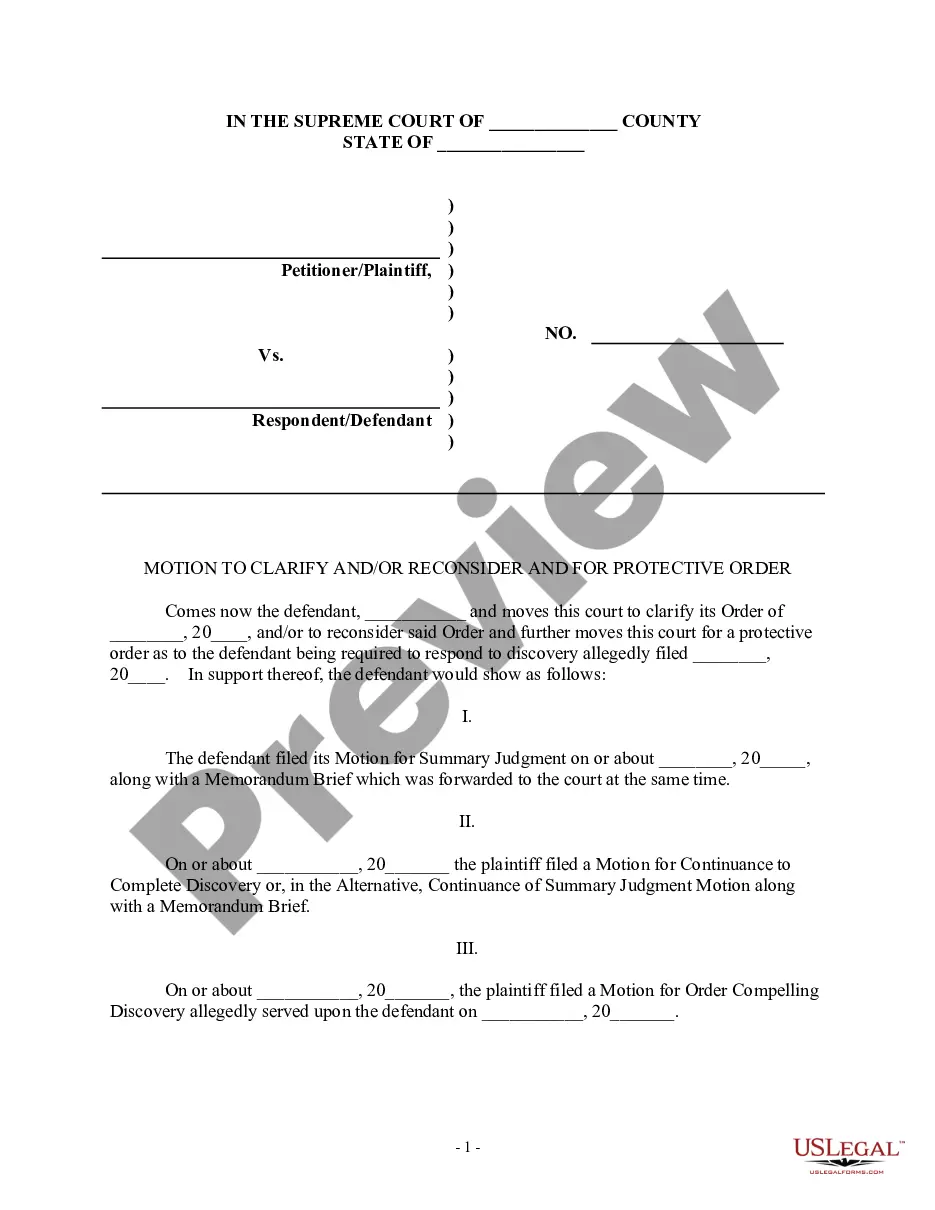
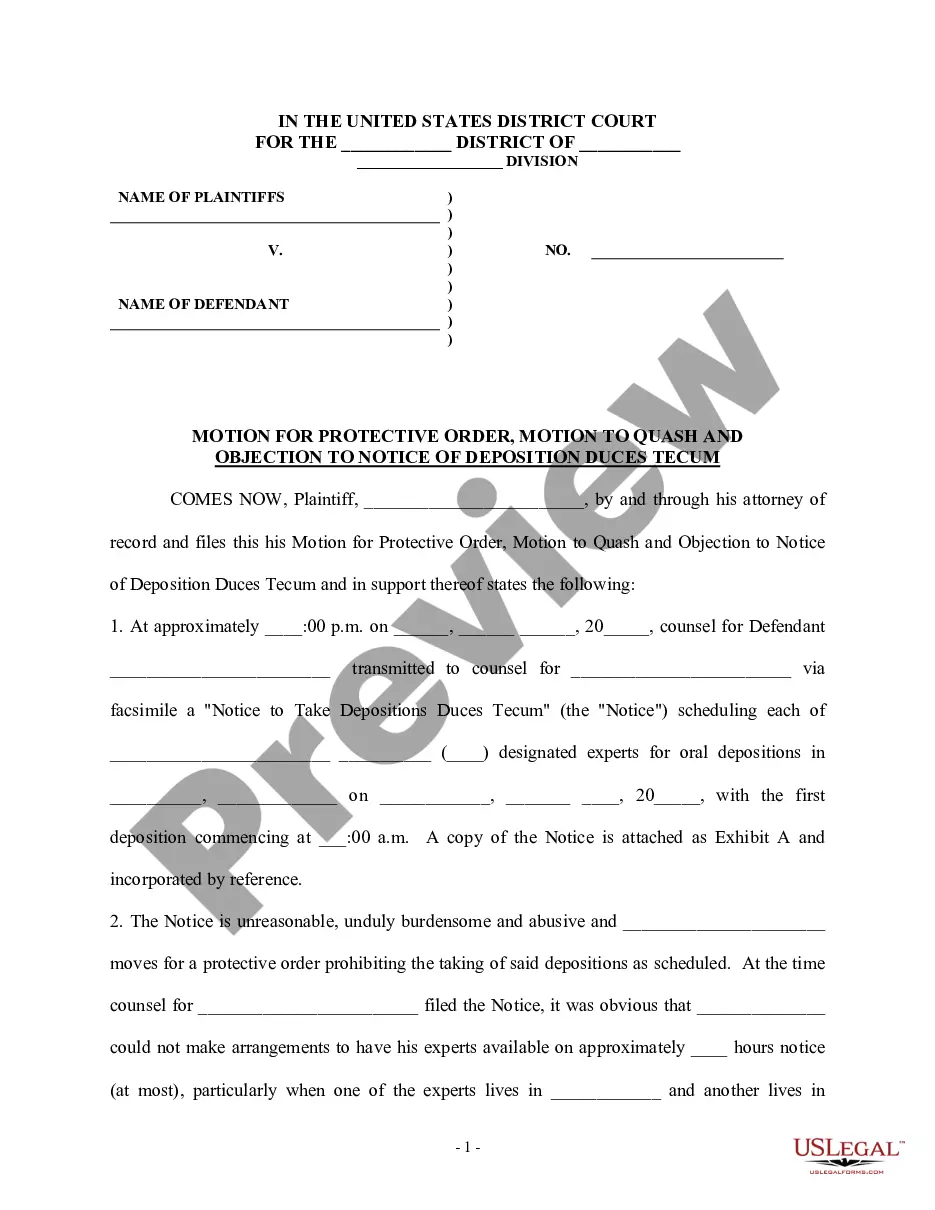
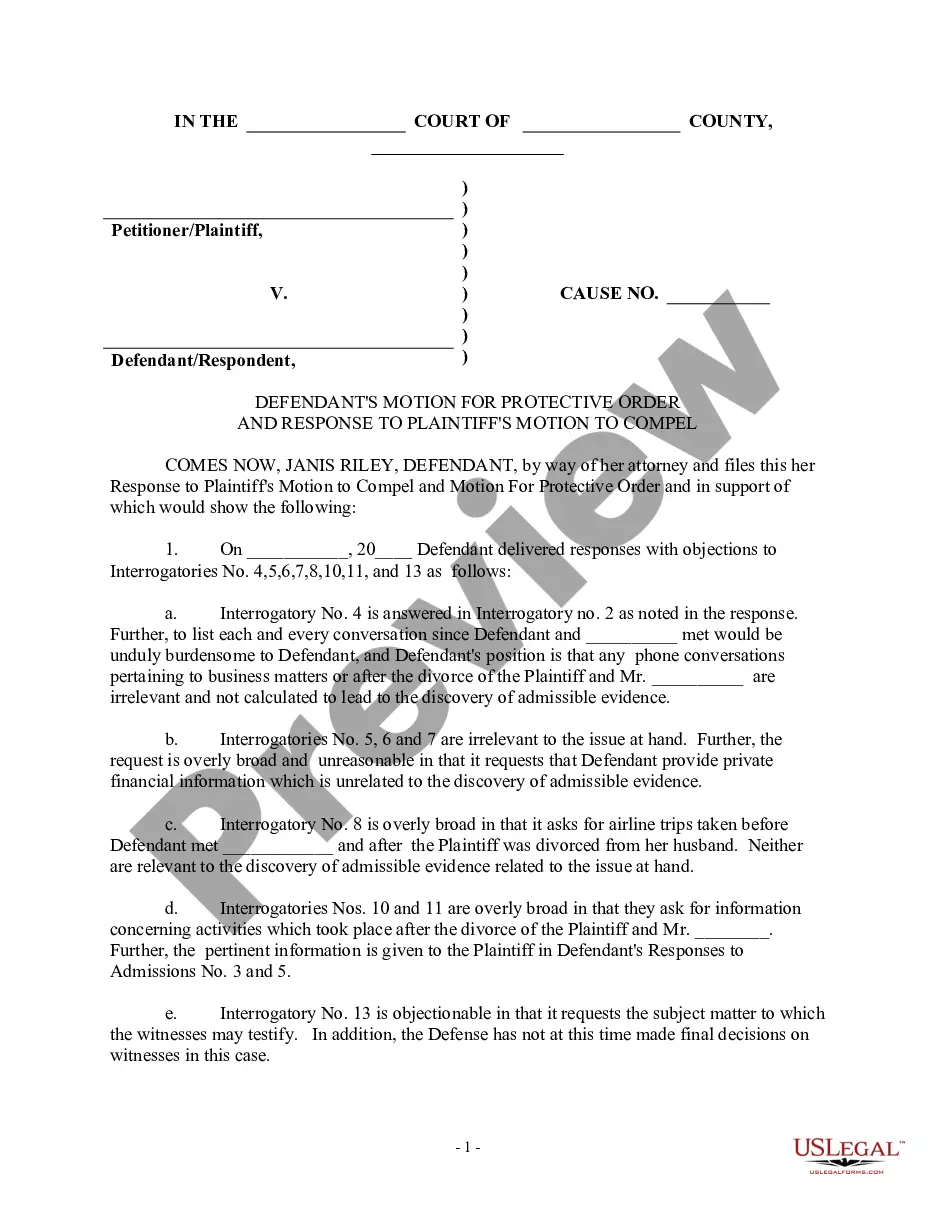
The Motion to Clarify and/or Reconsider and for Protective Order is a legal document used by defendants in court proceedings. This motion requests the court to clarify or reconsider a previous order and also seeks a protective order against certain discovery requests from the plaintiff. This form helps ensure that a defendant's rights are upheld and that the court's orders are clear and appropriately tailored to the circumstances of the case.
What’s included in this form
- Defendant's identification and the relevant court details.
- Date of the original order the defendant seeks to clarify or reconsider.
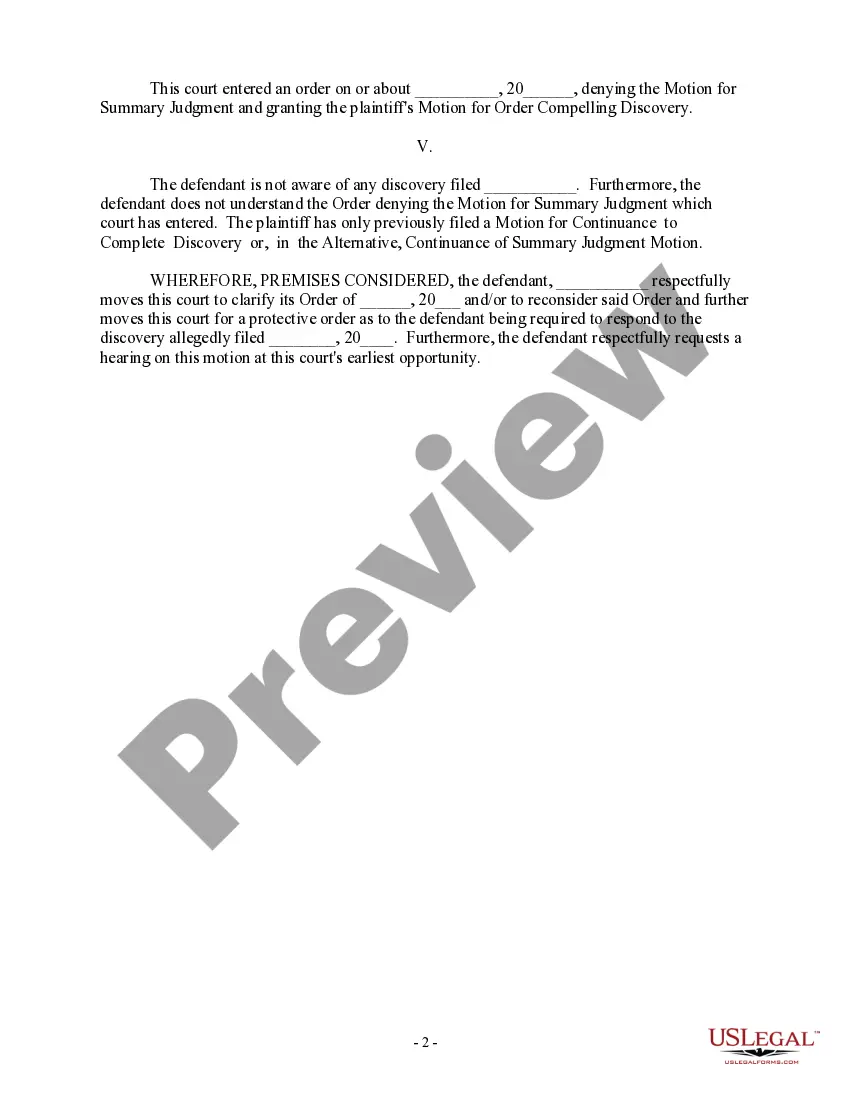
- Detailed timeline of related motions filed by both parties.
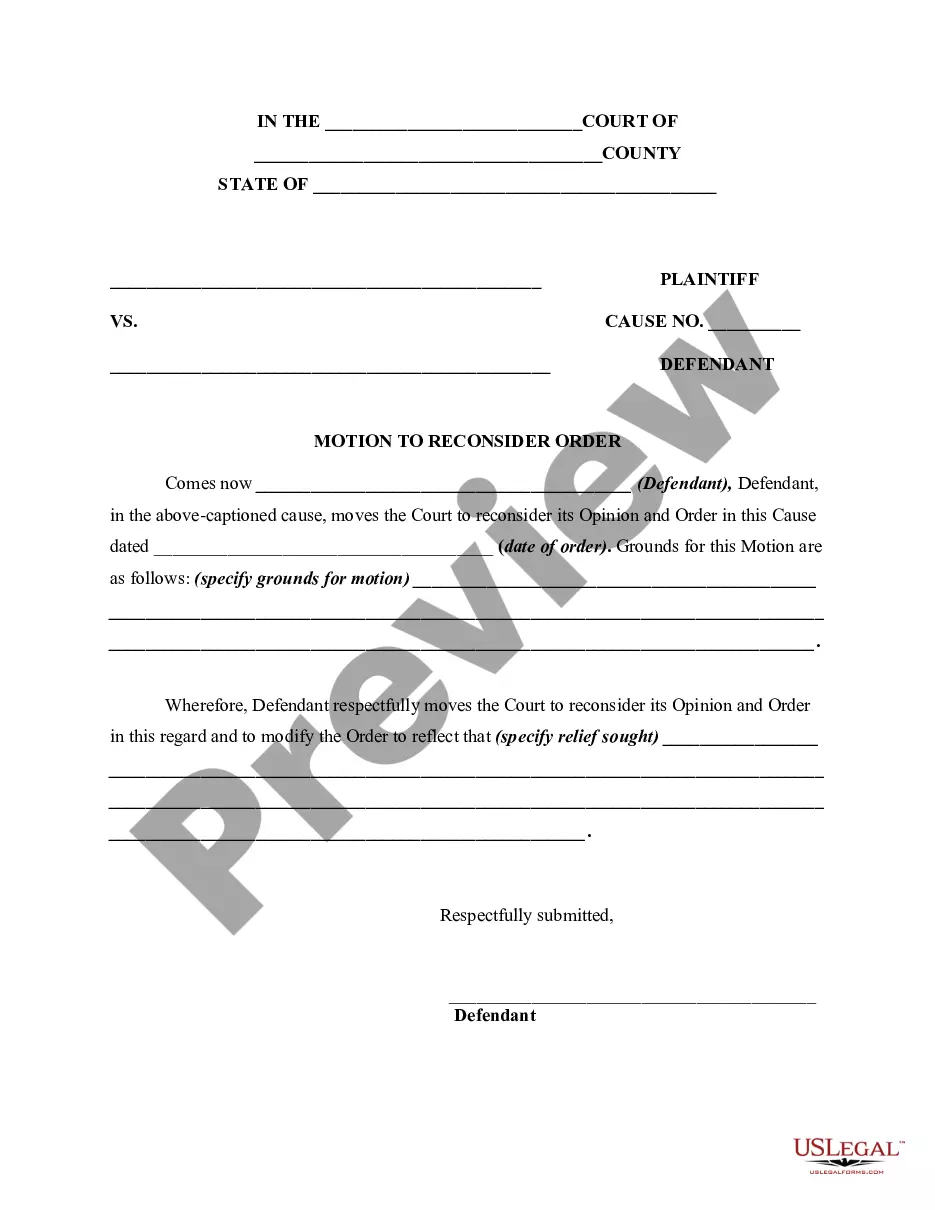
- Specific requests for clarification, reconsideration, and protective order.
- Request for a hearing regarding the motion.

When to use this document
This form should be used when a defendant believes that a court's order needs further clarification or reconsideration, particularly relating to discovery matters. It can be utilized in scenarios where the defendant feels that the information requested by the plaintiff is irrelevant or overly burdensome, or when there is ambiguity in the courtâs prior directives.
Who can use this document
- Defendants who are involved in civil litigation.
- Individuals seeking clarification on court orders related to discovery.
- Parties needing to request protective orders in response to plaintiff demands.
- Representatives or attorneys acting on behalf of a defendant in legal proceedings.
How to prepare this document
- Identify and fill in the name of the defendant and the court.
- Enter the date of the original court order that needs clarification.
- Outline the sequence of relevant motions filed by both parties.
- Clearly state your request for clarification or reconsideration, along with the need for a protective order.
- Request a hearing on the motion at a specified time, if needed.
Does this form need to be notarized?
This form does not typically require notarization unless specified by local law. Ensure to check with your jurisdiction for any specific requirements regarding notarization.
Get your form ready online
Our built-in tools help you complete, sign, share, and store your documents in one place.
Make edits, fill in missing information, and update formatting in US Legal Forms—just like you would in MS Word.
Download a copy, print it, send it by email, or mail it via USPS—whatever works best for your next step.
Sign and collect signatures with our SignNow integration. Send to multiple recipients, set reminders, and more. Go Premium to unlock E-Sign.
If this form requires notarization, complete it online through a secure video call—no need to meet a notary in person or wait for an appointment.
We protect your documents and personal data by following strict security and privacy standards.

Make edits, fill in missing information, and update formatting in US Legal Forms—just like you would in MS Word.

Download a copy, print it, send it by email, or mail it via USPS—whatever works best for your next step.

Sign and collect signatures with our SignNow integration. Send to multiple recipients, set reminders, and more. Go Premium to unlock E-Sign.

If this form requires notarization, complete it online through a secure video call—no need to meet a notary in person or wait for an appointment.

We protect your documents and personal data by following strict security and privacy standards.
Typical mistakes to avoid
- Failing to include specific dates related to motions and orders.
- Not clearly articulating the reasons for clarification or reconsideration.
- Overlooking the necessity of a factual basis to support the motion.
- Neglecting to request a hearing if one is needed.
Why complete this form online
- Convenient access to legal forms anytime, allowing for prompt completion.
- Easy editing capabilities to customize the form as needed.
- Reliable formats that comply with legal standards applicable in various jurisdictions.
Legal use & context
- The court has the authority to reconsider its own orders.
- A protective order can prevent undue burden or expense related to discovery.
- Clarifications help ensure compliance with court expectations.
Quick recap
- The Motion to Clarify and/or Reconsider is vital for defendants seeking clarity on court orders.
- Filling out the form accurately is essential to avoid delays in court processes.
- This form facilitates a protective measure against discovery demands from plaintiffs.
Looking for another form?

Form popularity
FAQ
An order denying a motion for reconsideration is not appealable, the remedy being an appeal from the judgment or final order.
A motion for reconsideration is a prime opportunity to seek relief from a Court Order. A motion for reconsideration is an application to the Court requesting that the Court alter or amend a judgment or order, and it must be served no later than twenty (20) days after the order has been served on all parties.
Protective orders are used in litigation to protect a party's propriety or confidential information from being disclosed to the public. Often, parties agree on the terms of the order and submit a stipulated protective order for entry by the court.
Just as with your motion to stay, begin your motion for reconsideration by stating who you are, what you are asking of the judge, and which rule gives you permission to ask. From there on out, use the rule itself as a general outline for your motion.
A motion for protective order refers to a party's request that the court protect it from potentially abusive action by the other party. Such a request is often made in relation to discovery, as when one party seeks discovery of the other party's trade secrets.
Write a motion for reconsideration. You must explain why you think the ruling is wrong and the reason must be one of the nine reasons listed in Civil Rule 59(a) (on back of page). 2. File the motion within ten calendar days after the judge or court commissioner made the ruling.
Section 1. Filing of Motion for Reconsideration. - A party adversely affected by a final order, resolution, or decision of the Commission rendered in an adjudicative proceeding may, within fifteen (15) days from receipt of a copy thereof, file a motion for reconsideration.
If you believe the protection order was granted improperly or that it is no longer needed, you can file a motion asking the court to dissolve (terminate or cancel) the protection order. After you file the motion, the court will decide whether or not to schedule a hearing.