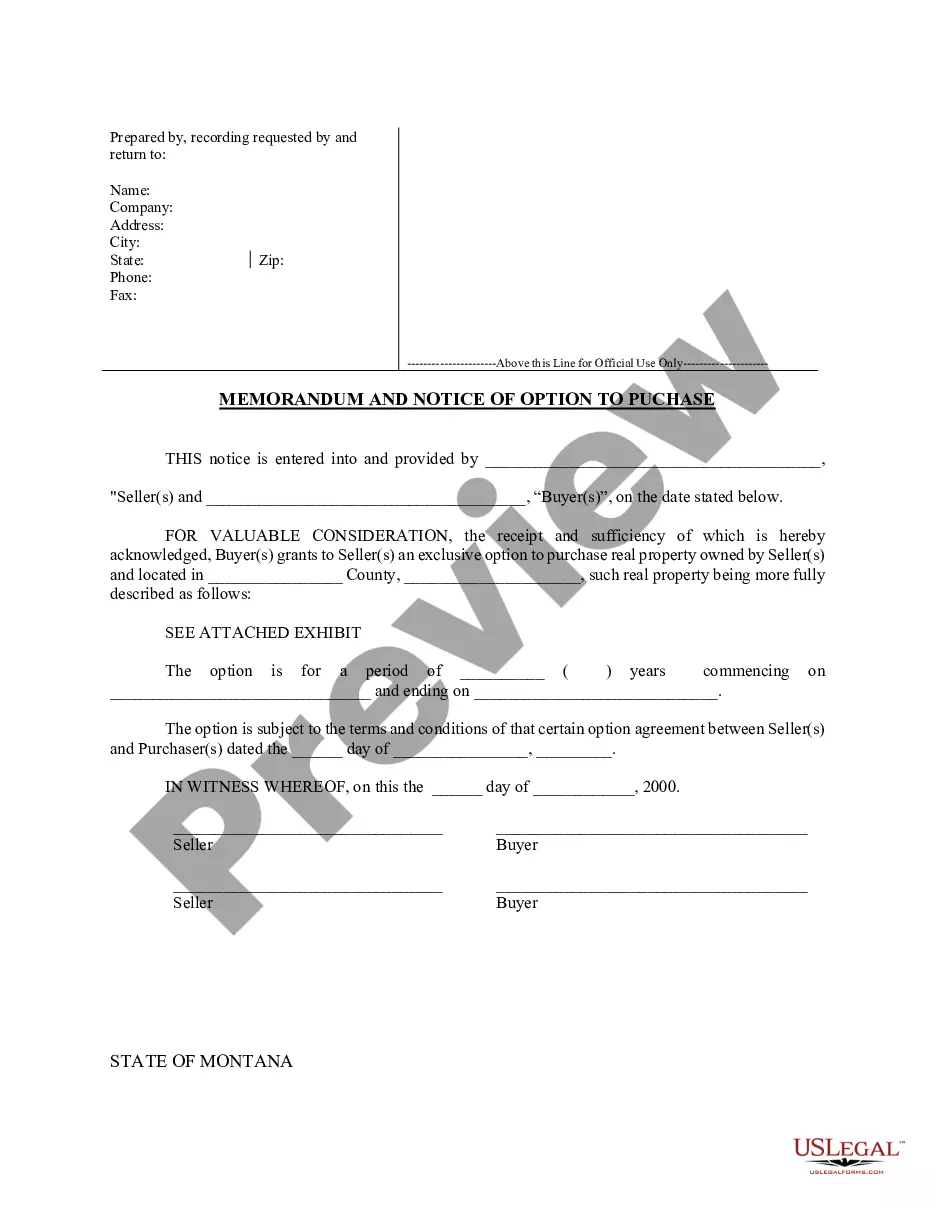
Complaint regarding Assault and Battery
About this form
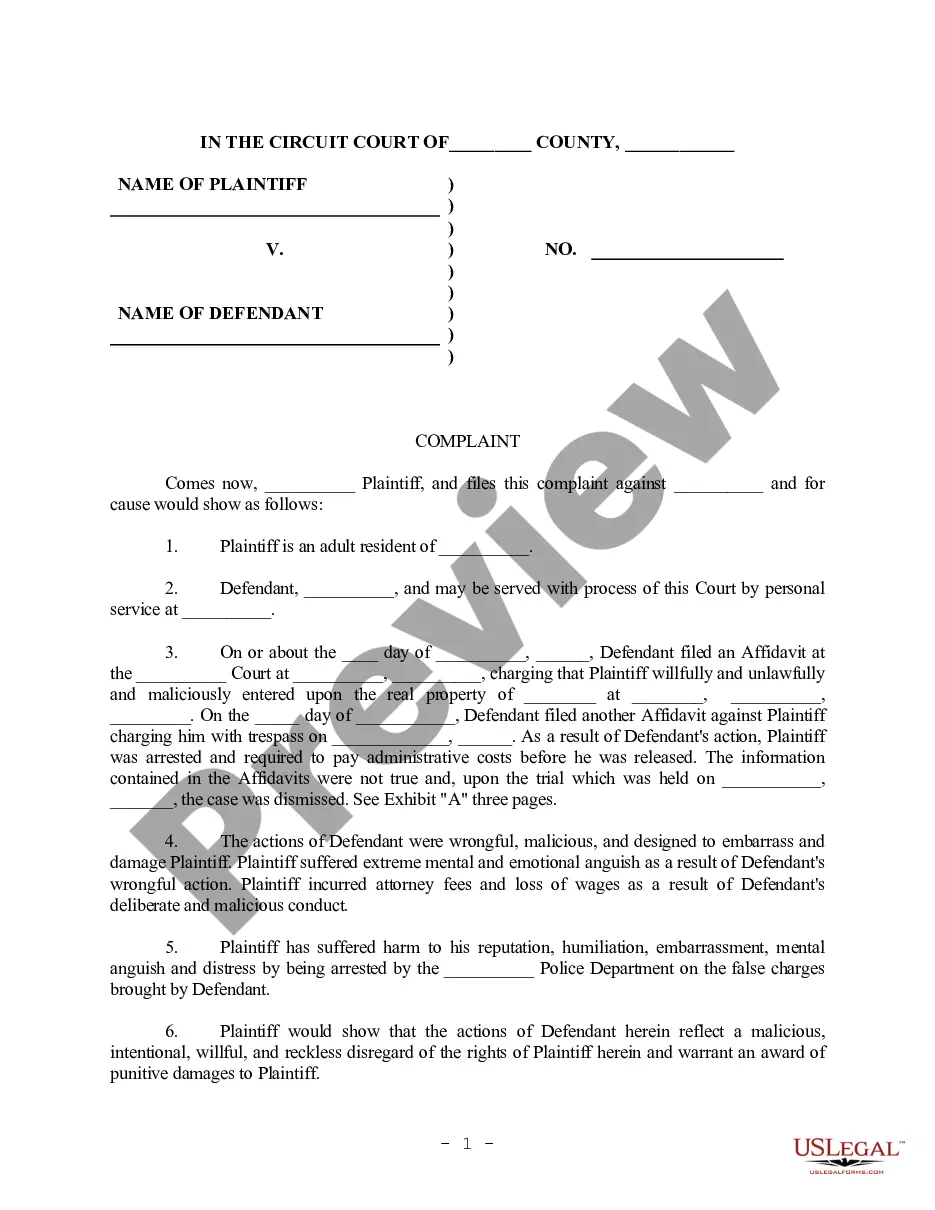
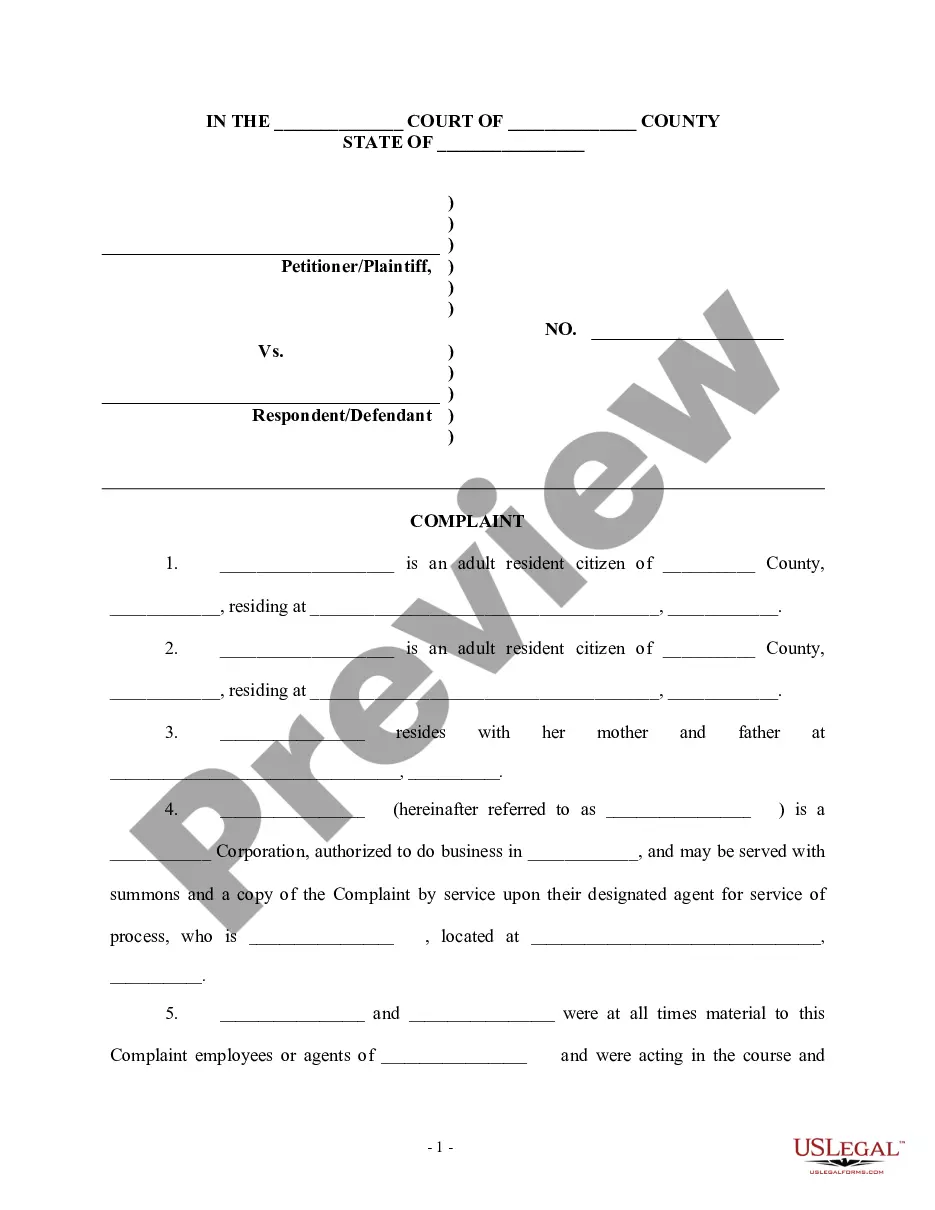
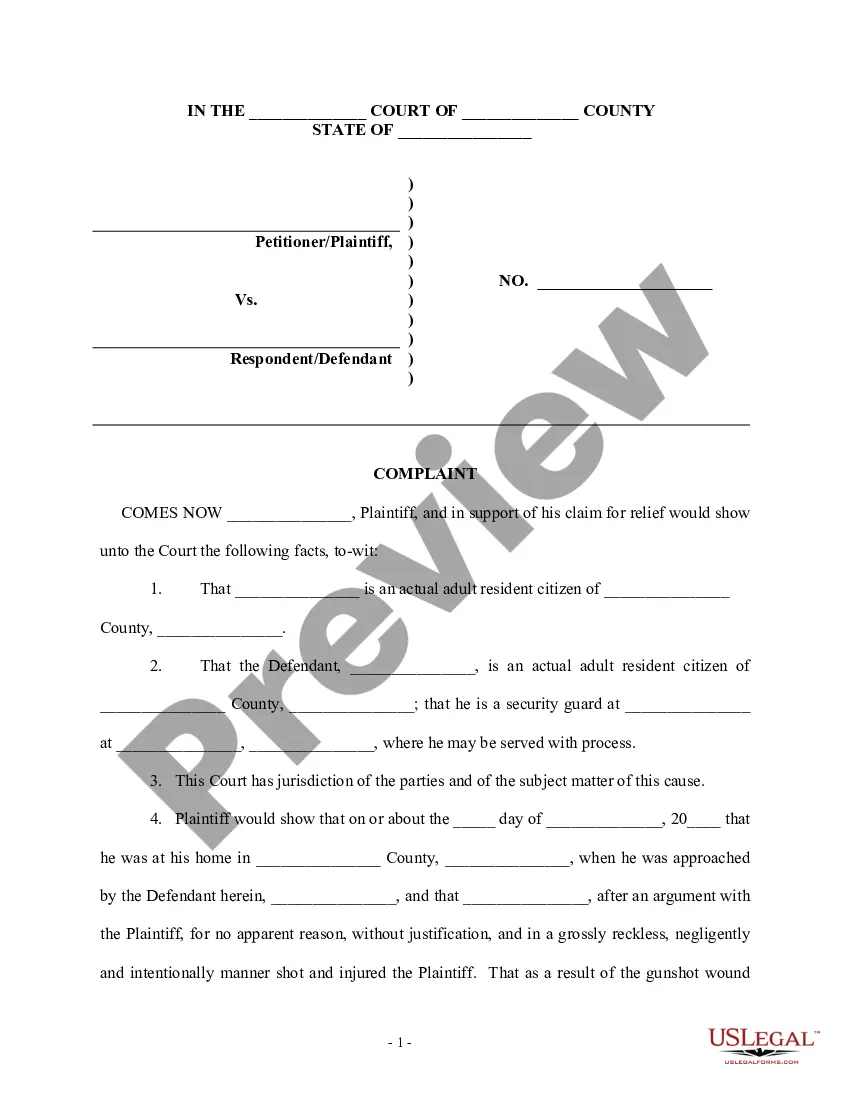
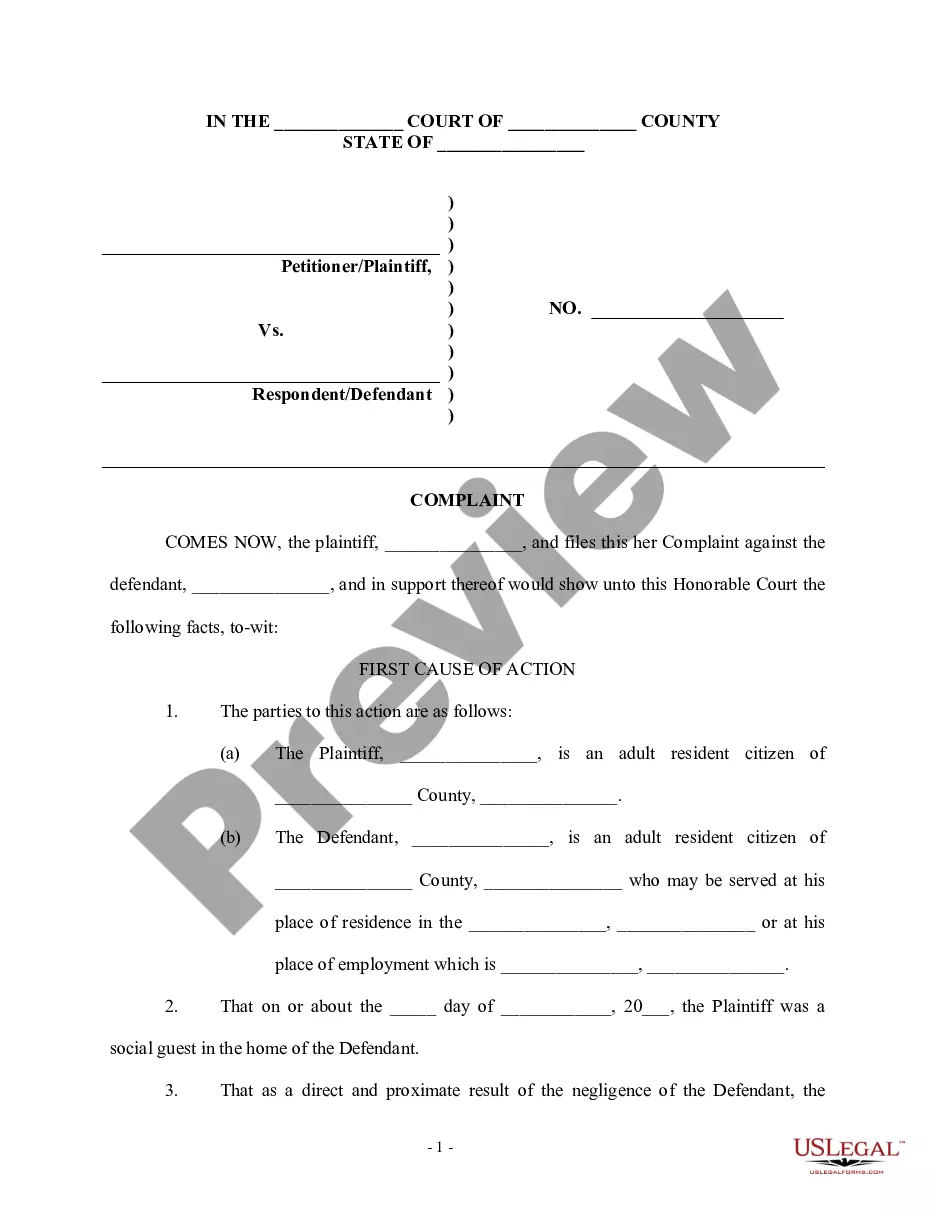
The Complaint regarding Assault and Battery is a legal document used to initiate a civil lawsuit against an individual for committing acts of physical violence, specifically assault and battery. This form outlines the plaintiff's allegations, the details of the incident, and the damages incurred as a result. It is a formal way to seek compensation for physical injuries and emotional distress caused by the defendant's actions. Unlike simpler forms, this complaint includes specific legal claims and articulates the legal duties breached by the defendant.
Form components explained
- Plaintiff and defendant identification, including residency and occupation.
- Jurisdictional statements confirming the court's authority over the case.
- Details of the incident leading to the assault and battery allegations.
- Claims of negligence and intentional actions by the defendant.
- Specification of damages sought, including both compensatory and punitive damages.
- A request for judgment and the costs associated with the action.

When to use this document
This form should be used when an individual has suffered physical harm due to the violent actions of another person, such as being assaulted or battered. It is appropriate in situations where the plaintiff seeks to recover medical expenses, compensation for pain and suffering, and other related damages resulting from the incident. If the defendant's actions were willful or grossly negligent, this form helps establish grounds for punitive damages.
Who needs this form
- Individuals who have sustained injuries due to assault or battery.
- Victims seeking compensation for medical bills and emotional distress.
- Persons who wish to hold the aggressor legally accountable for their actions.
Instructions for completing this form
- Identify and enter the names of the plaintiff and defendant, including their addresses and occupations.
- Specify the date and location of the incident.
- Clearly describe the sequence of events that led to the injury.
- Calculate and state the total amount of damages being claimed.
- Include any relevant facts that support your claim for damages.
- Sign and date the complaint before filing it with the appropriate court.
Is notarization required?
This form does not typically require notarization unless specified by local law. It is important to check your jurisdiction's requirements before submission. If notarization is needed, US Legal Forms offers integrated services to notarize documents securely online.
Get your form ready online
Our built-in tools help you complete, sign, share, and store your documents in one place.
Make edits, fill in missing information, and update formatting in US Legal Forms—just like you would in MS Word.
Download a copy, print it, send it by email, or mail it via USPS—whatever works best for your next step.
Sign and collect signatures with our SignNow integration. Send to multiple recipients, set reminders, and more. Go Premium to unlock E-Sign.
If this form requires notarization, complete it online through a secure video call—no need to meet a notary in person or wait for an appointment.
We protect your documents and personal data by following strict security and privacy standards.

Make edits, fill in missing information, and update formatting in US Legal Forms—just like you would in MS Word.

Download a copy, print it, send it by email, or mail it via USPS—whatever works best for your next step.

Sign and collect signatures with our SignNow integration. Send to multiple recipients, set reminders, and more. Go Premium to unlock E-Sign.

If this form requires notarization, complete it online through a secure video call—no need to meet a notary in person or wait for an appointment.

We protect your documents and personal data by following strict security and privacy standards.
Avoid these common issues
- Failing to accurately identify all parties involved.
- Leaving out key details about the incident.
- Not stating the amount of damages clearly.
- Submitting the complaint after the statute of limitations has expired.
Benefits of completing this form online
- Quick access to professionally drafted legal templates tailored to your needs.
- Easy customization options to fit specific circumstances.
- Immediate download and printing capabilities.
Main things to remember
- The Complaint regarding Assault and Battery is essential for pursuing legal action after physical harm.
- It is crucial to provide detailed and accurate information to support your claims.
- Understanding state-specific requirements can ensure the proper handling of your case.
Looking for another form?
Form popularity
FAQ
Yes. Unless the assault and/or battery was racially motivated, the charge will be heard in a Magistrate's Court. If the attack was racially motivated, it can be heard in either the Magistrate's Court or the Crown Court.
When it comes to criminal cases, there are usually four major criminal defense strategies that criminal attorneys employ: innocence, constitutional violations, self-defense, and insanity.
The two most common defences used against assault charges are Provocation and Self Defence. While these are the most common, there are a number of other factors that can help build a possible defence. Under section 268 of the Criminal Code provocation provides a complete excuse with relation to an assault charge.
Self-defense. Perhaps the most common defense argument in assault trials is self-defense. Defense of others. Another viable argument is defense of others. Defense of property. Consent.
In civil cases, the police do not lay criminal charges, but the person who was assaulted can sue the person who assaulted them. This means that you would personally sue the person who assaulted you. There are two type of assault in civil law: assault and battery.
The concept of consent is widely used in common law as a defence for non-fatal offences such as battery of assault.
Assault and Battery Defenses: Self-Defense a threat of unlawful force or harm against them; a real, honest perceived fear of harm to themselves (there must be a reasonable basis for this perceived fear); no harm or provocation on their part; and.
Assault and battery are two separate intentional torts that can be the subject of a personal injury lawsuit. These actions may be better known as two separate crimes that often occur together, but victims can also sue the perpetrator for civil damages.
Penalties for assault and batteryCalifornia Penal Code 242 PC simple battery is a misdemeanor in California law. The penalties for California battery in most cases include a fine of up to two thousand dollars ($2,000) and/or up to six (6) months in county jail.