Proxy Statement
About this form
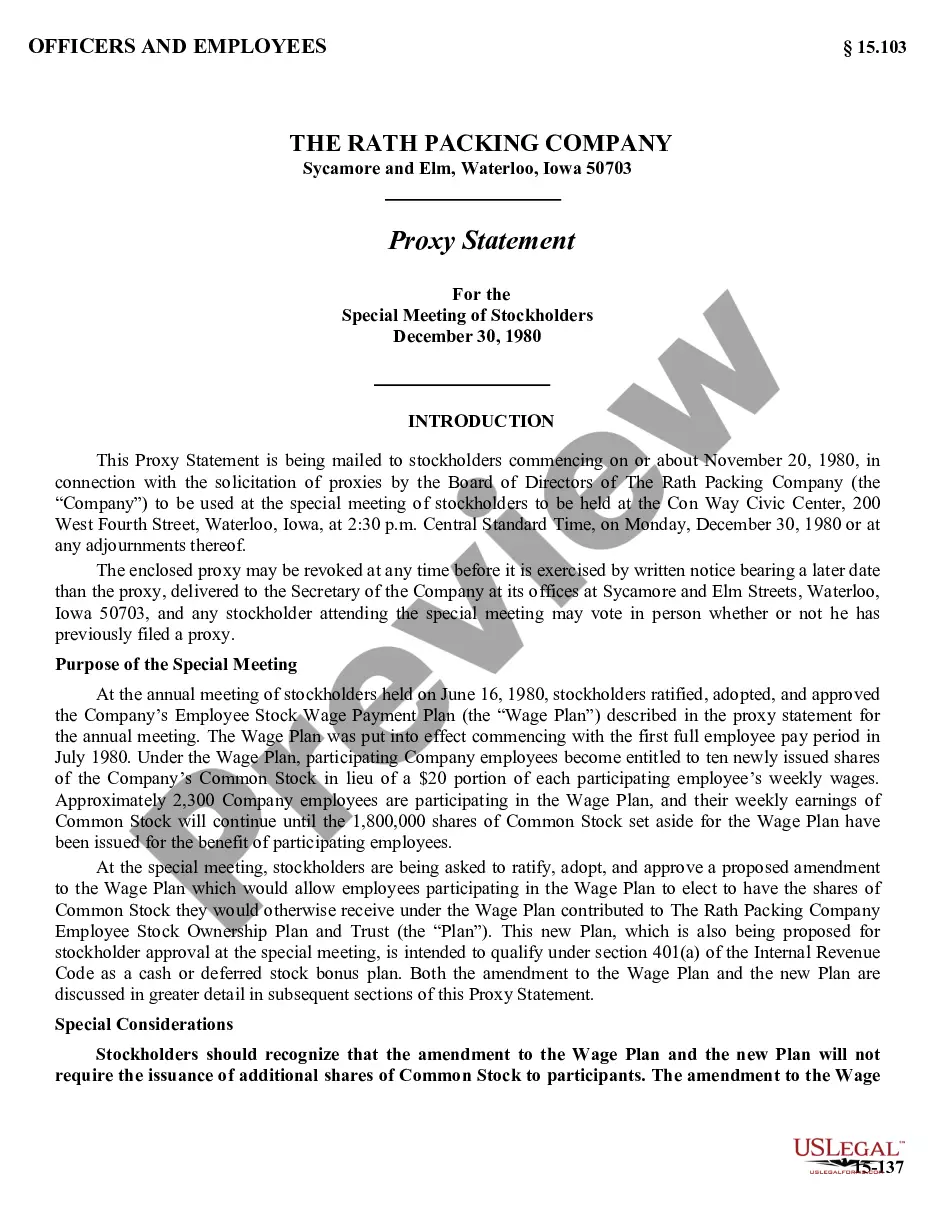
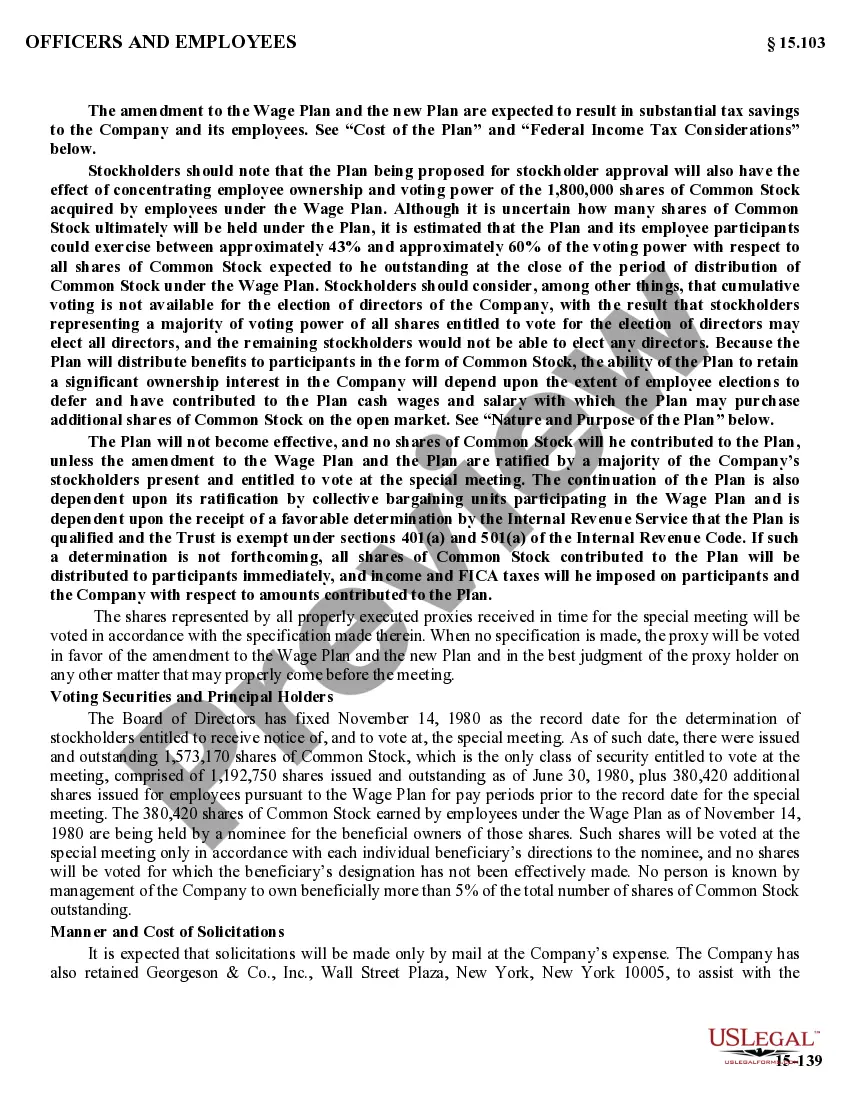
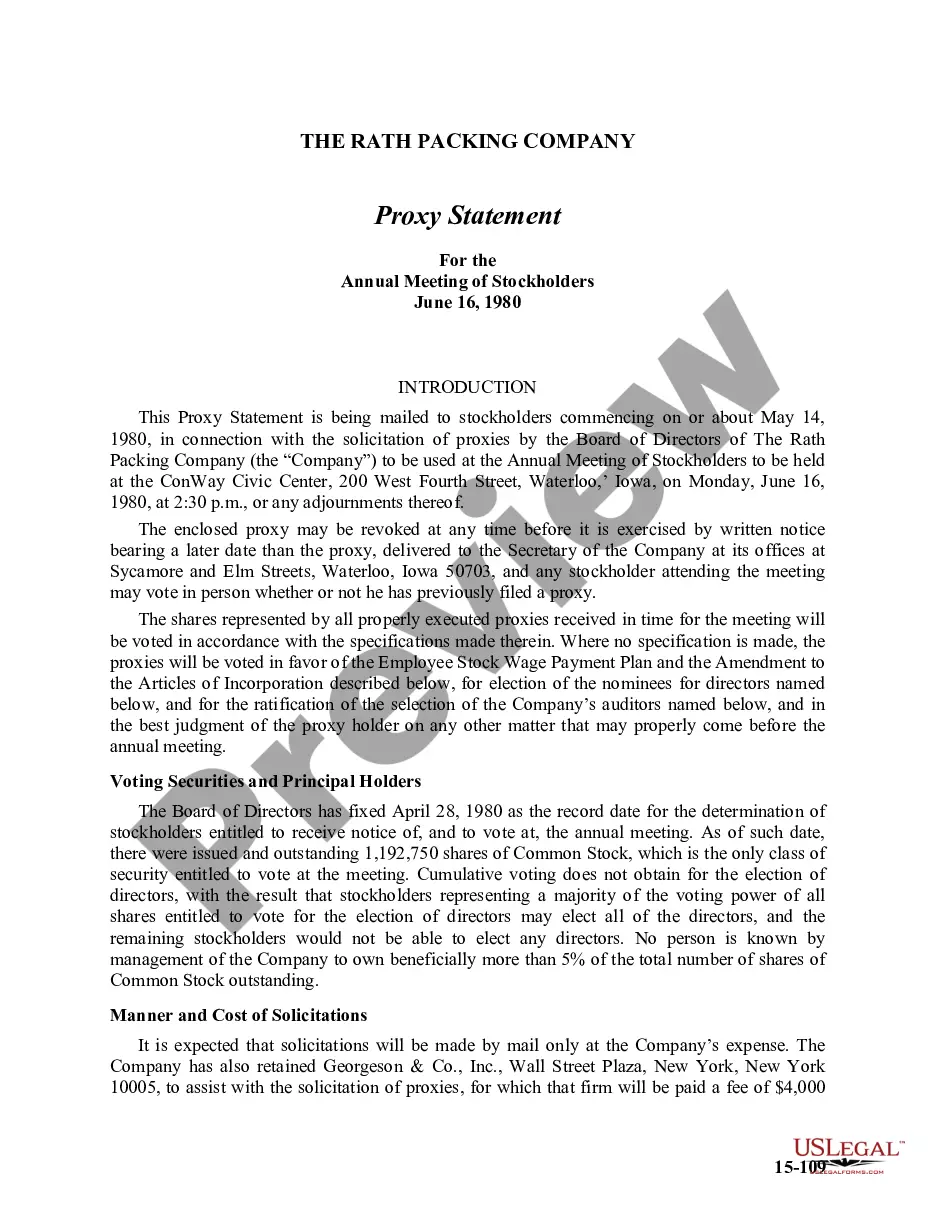
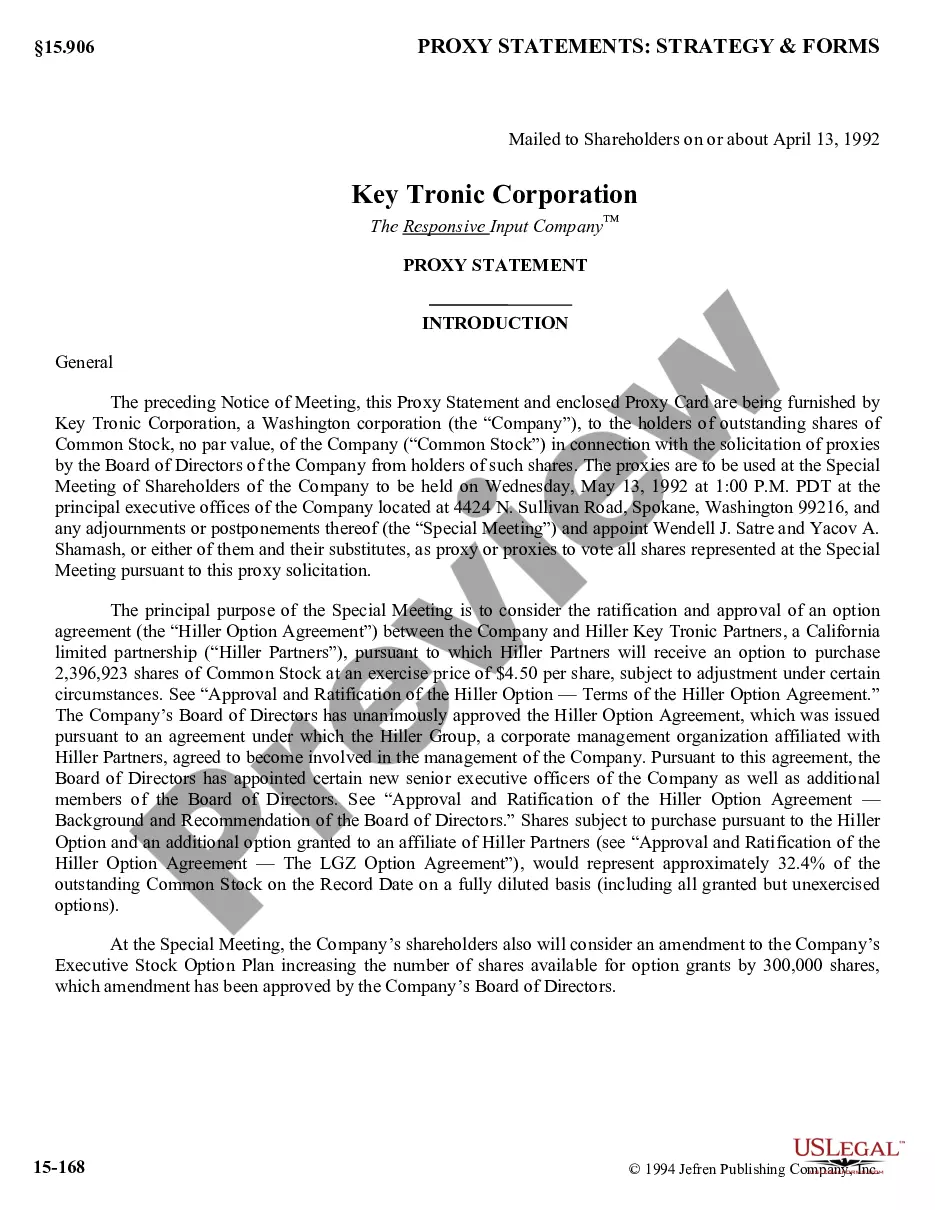
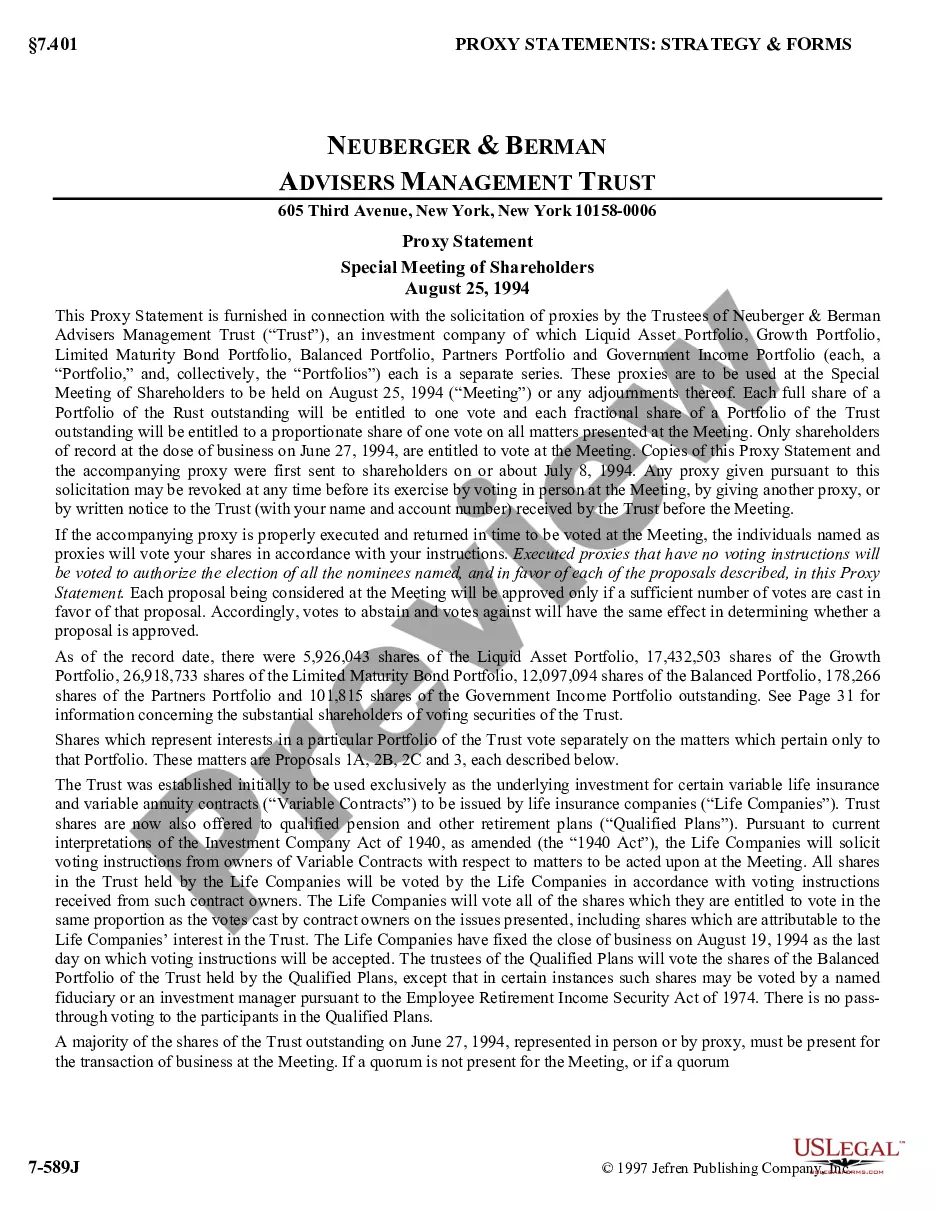
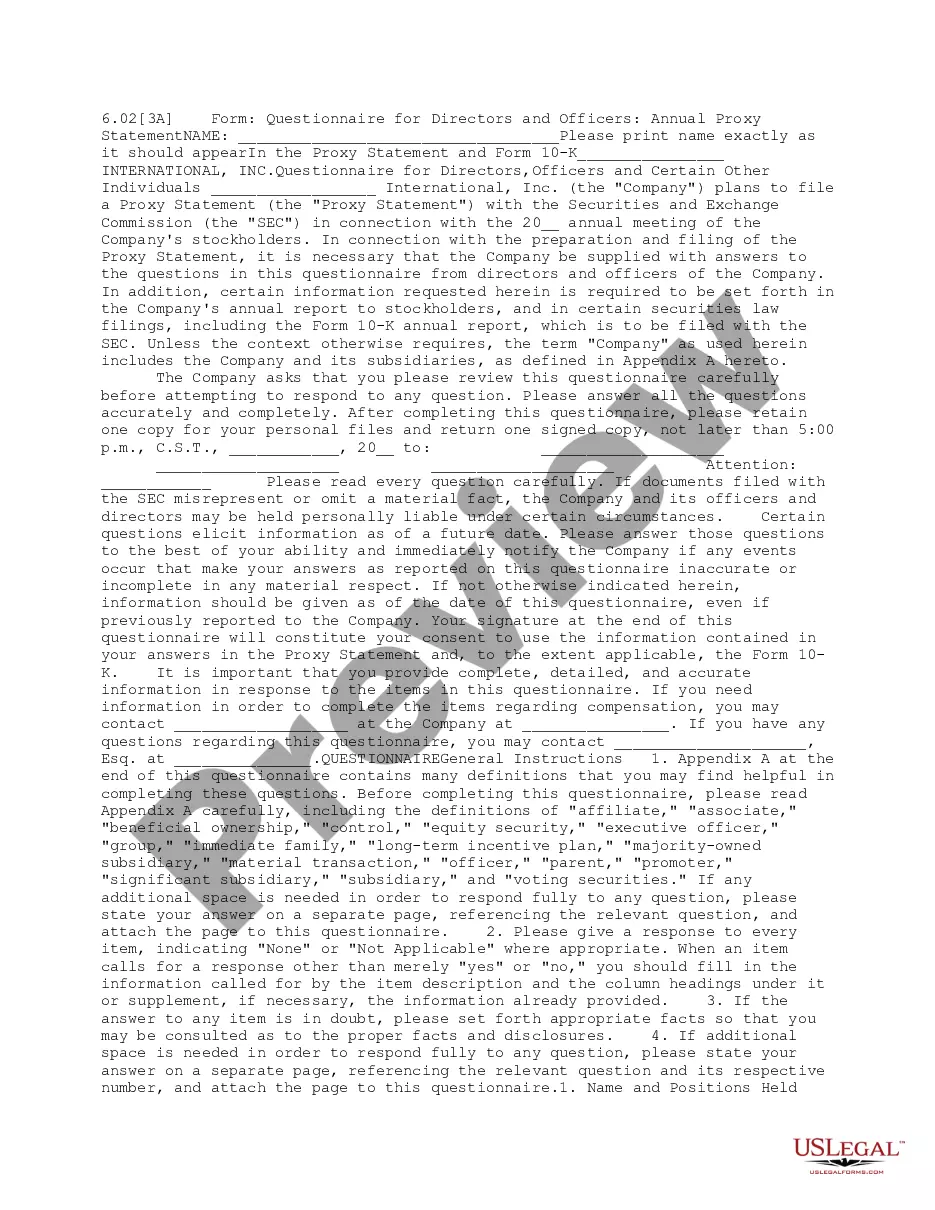
A proxy statement is a document that provides essential information to stockholders about issues they will vote on at a company meeting. It typically includes details about nominees for directorships, recommended auditing firms, and significant financial matters such as salaries of top officers. This form is crucial for transparency and compliance with regulations set by the Securities and Exchange Commission (SEC).
Key parts of this document
- Introduction detailing the meeting purpose and proxy revocation process.
- Agenda listing the items for stockholder voting.
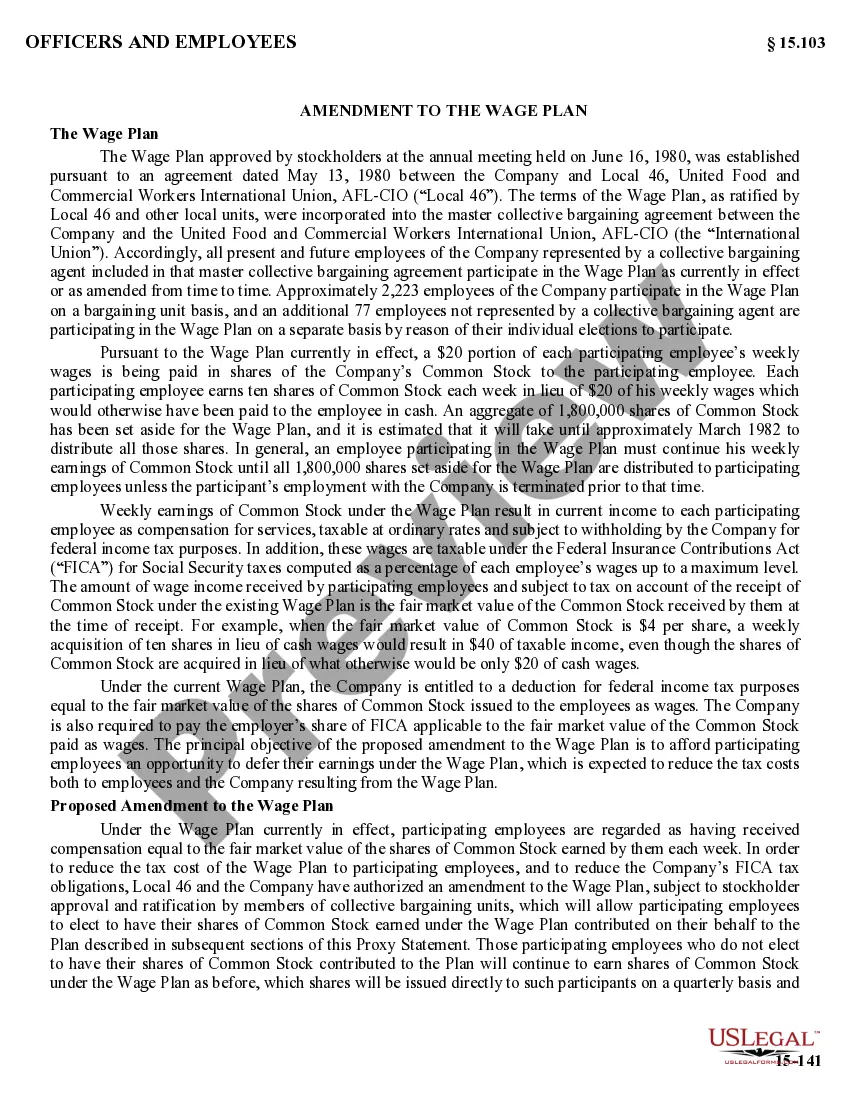
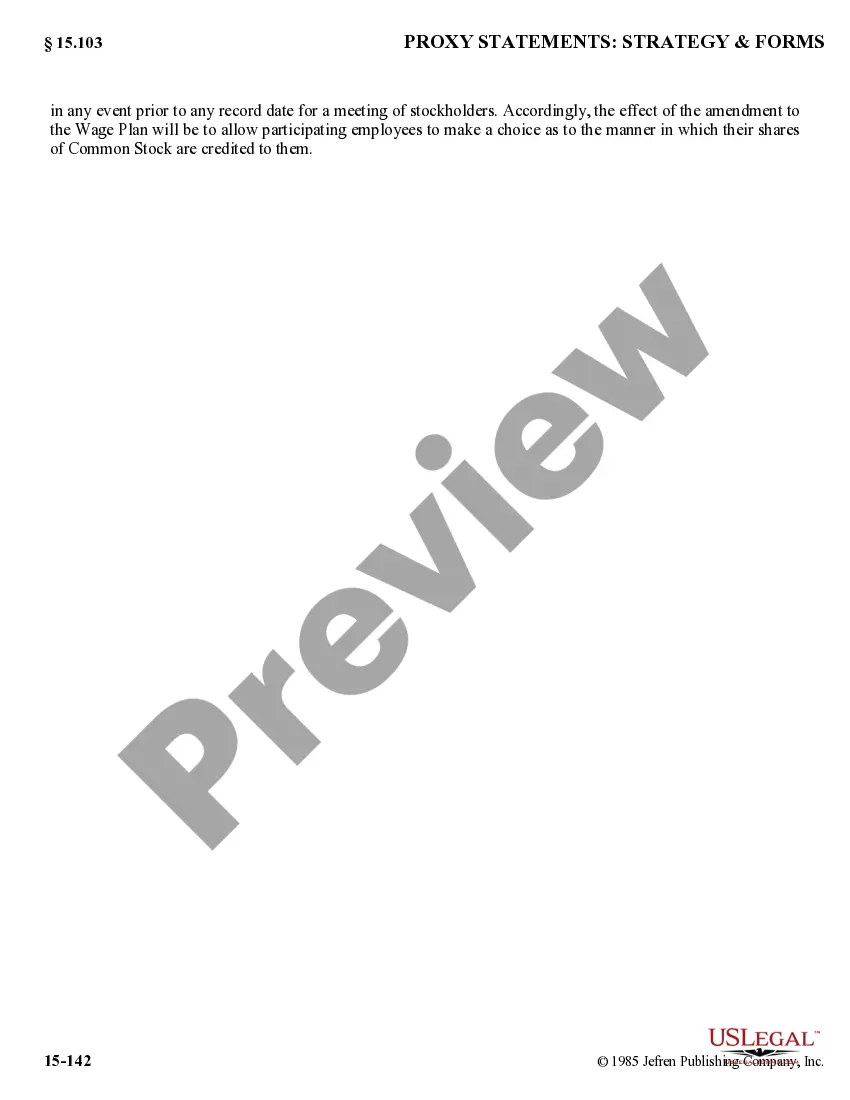
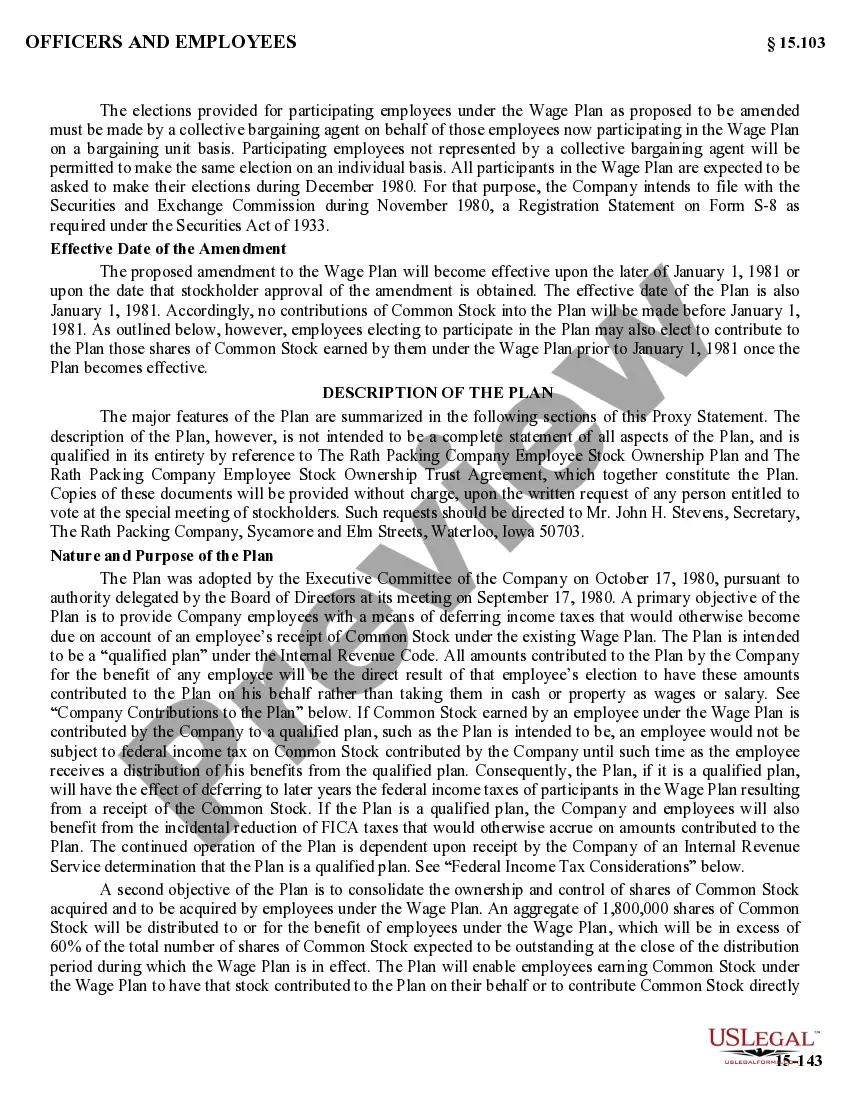
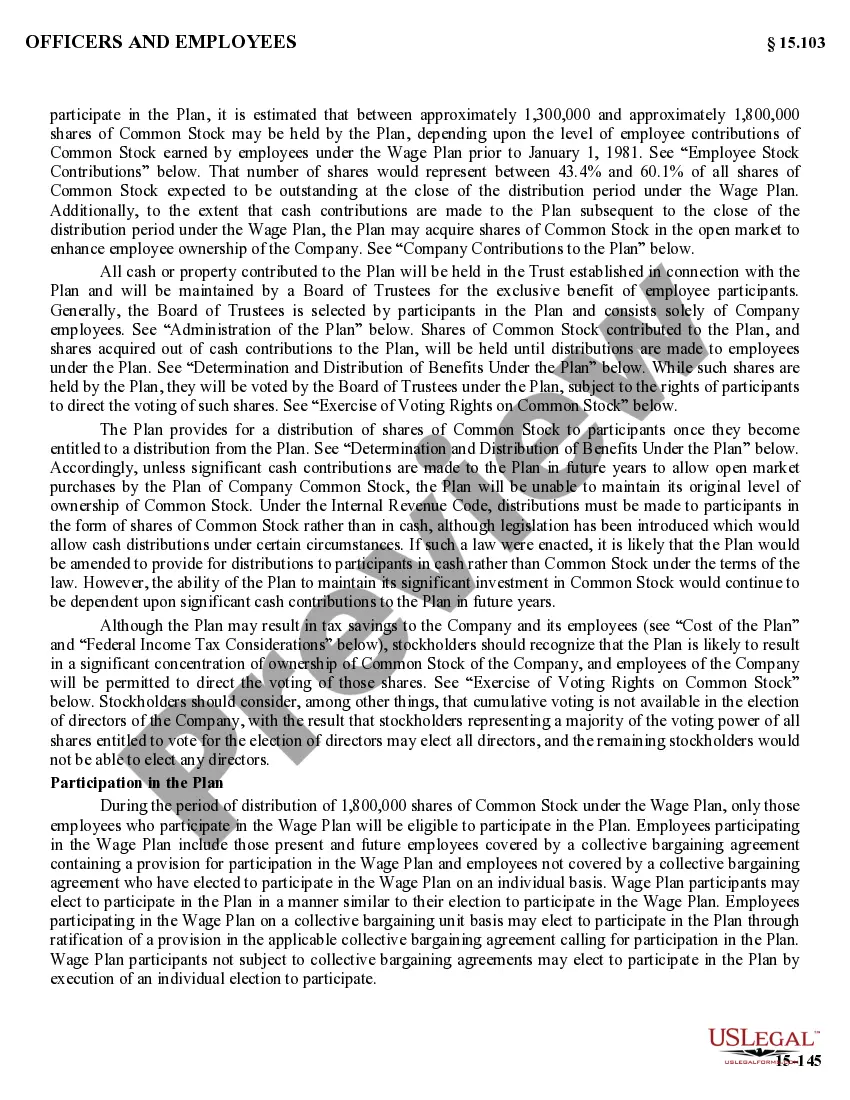
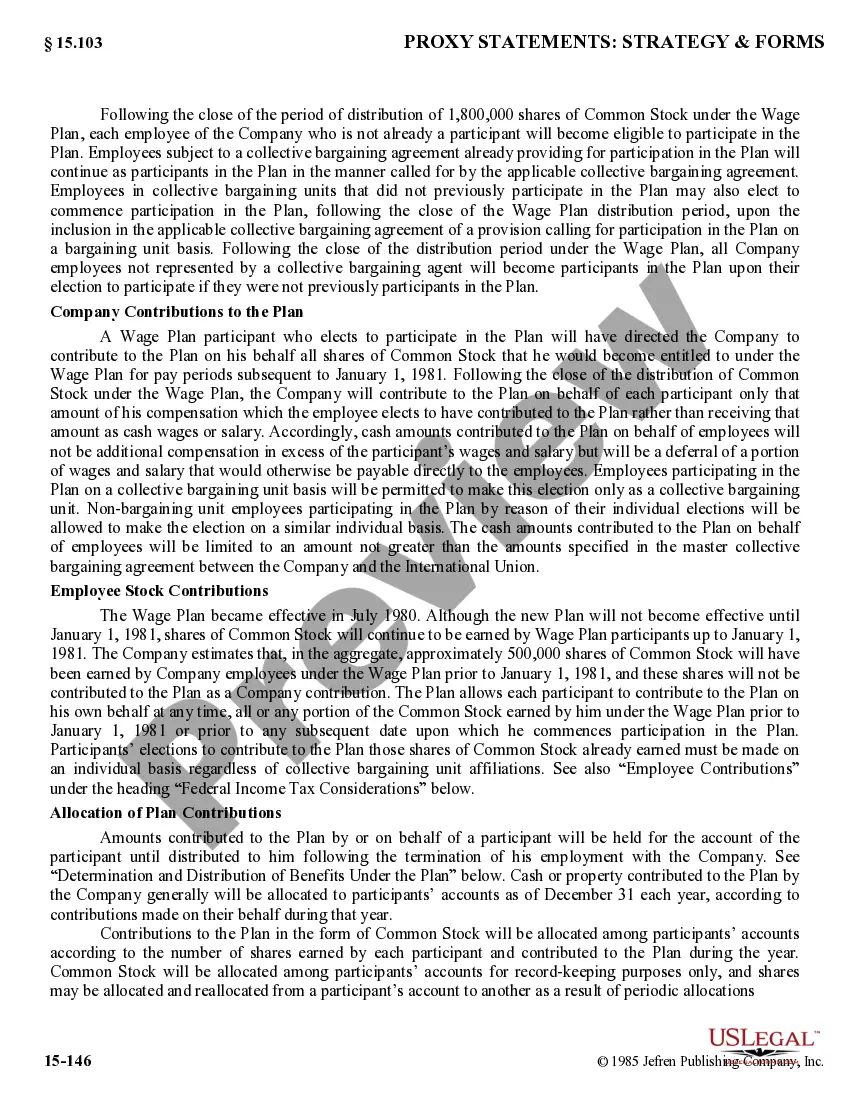
- Information about the Wage Plan and proposed amendments.
- Voting securities and principal holders of the company.
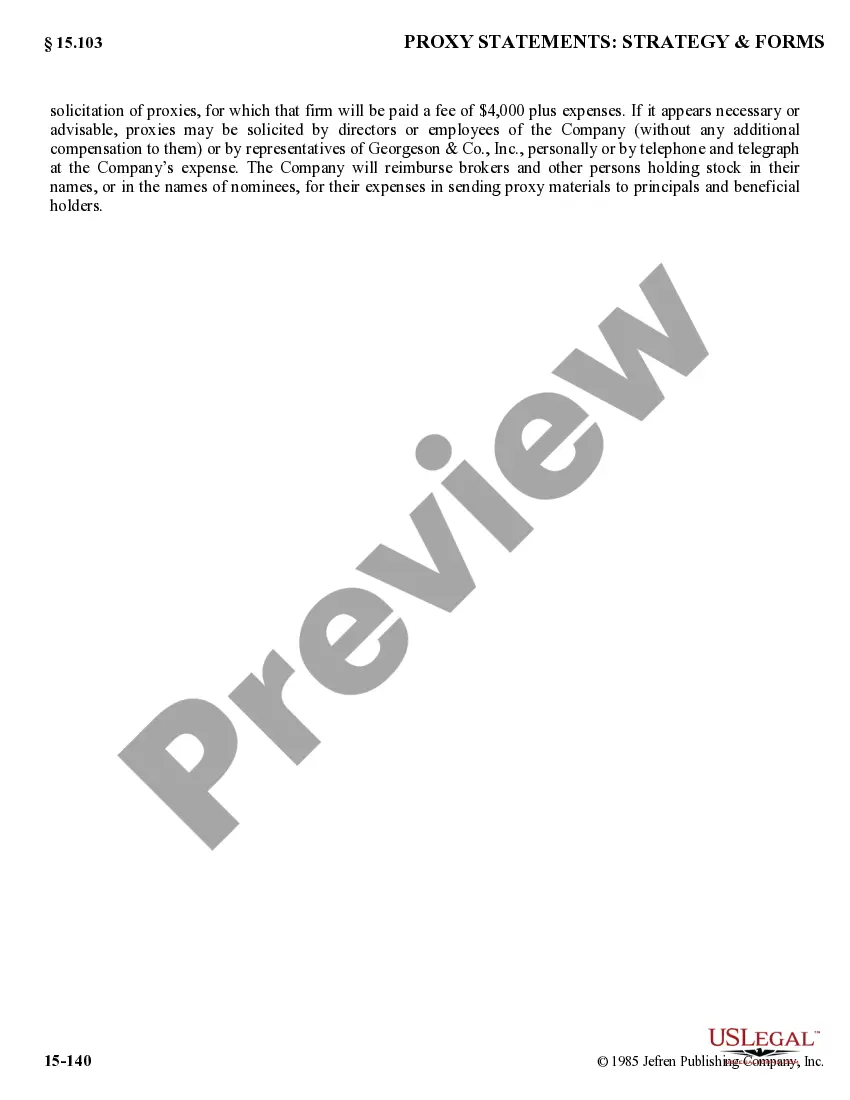
- Details on the cost and method of solicitation for proxies.
- Legal and tax considerations regarding the plans discussed.

When this form is needed
This proxy statement should be used whenever a company seeks to have its stockholders vote on important matters at a special or annual meeting. Examples include elections for company directors, amendments to existing plans, and approval of compensation packages for executives.
Who this form is for
- Publicly traded companies required to inform shareholders about voting matters.
- Board of Directors looking to solicit stockholder votes responsibly.
- Corporate legal teams ensuring compliance with SEC regulations.
Completing this form step by step
- Identify the date and location of the stockholders' meeting.
- List all items to be voted on in a clear and precise manner.
- Provide background information on each proposal, including financial implications.
- Detail voting procedures and how stockholders can submit their proxies.
- State deadlines for casting votes and for revoking proxies.
Does this document require notarization?
This form does not typically require notarization unless specified by local law. However, ensure all signatures are properly executed to avoid legal complications.
Get your form ready online
Our built-in tools help you complete, sign, share, and store your documents in one place.
Make edits, fill in missing information, and update formatting in US Legal Forms—just like you would in MS Word.
Download a copy, print it, send it by email, or mail it via USPS—whatever works best for your next step.
Sign and collect signatures with our SignNow integration. Send to multiple recipients, set reminders, and more. Go Premium to unlock E-Sign.
If this form requires notarization, complete it online through a secure video call—no need to meet a notary in person or wait for an appointment.
We protect your documents and personal data by following strict security and privacy standards.

Make edits, fill in missing information, and update formatting in US Legal Forms—just like you would in MS Word.

Download a copy, print it, send it by email, or mail it via USPS—whatever works best for your next step.

Sign and collect signatures with our SignNow integration. Send to multiple recipients, set reminders, and more. Go Premium to unlock E-Sign.

If this form requires notarization, complete it online through a secure video call—no need to meet a notary in person or wait for an appointment.

We protect your documents and personal data by following strict security and privacy standards.
Mistakes to watch out for
- Failing to provide clear instructions on how shareholders can vote.
- Omitting crucial financial information regarding proposed amendments.
- Not adhering to the specific deadlines for proxy submission.
Advantages of online completion
- Convenience of filling out and submitting the proxy statement from any location.
- Ease of tracking submissions and modifications to the form.
- Reduced administrative burdens and improved compliance with legal standards.
Legal use & context
- The proxy statement is a legal requirement for publicly traded companies under SEC regulations.
- Providing accurate information in this document helps ensure shareholder participation in corporate governance.
- Failure to comply with SEC regulations regarding proxy statements can lead to legal repercussions for the company.
Key takeaways
- A proxy statement is essential for informing stockholders about important corporate votes.
- It must comply with SEC regulations and should be completed accurately to avoid issues.
- Understanding this form and its components is critical for corporate governance.
Looking for another form?









Form popularity
FAQ
A proxy statement is a document containing the information the Securities and Exchange Commission (SEC) requires companies to provide to shareholders so they can make informed decisions about matters that will be brought up at an annual or special stockholder meeting.
Proxy access, a mechanism that enables shareholders to place their nominees for director on a company's proxy card, gives shareholders a meaningful voice in board elections. In 2015, proxy access was just beginning to come into widespread adoption on a company-by-company basis.
These rules get their name from the common practice of management asking shareholders to provide them with a document called a proxy card granting authority to vote the shareholders' shares at the meeting.
A proxy server acts as a gateway between you and the internet. It's an intermediary server separating end users from the websites they browse. Proxy servers provide varying levels of functionality, security, and privacy depending on your use case, needs, or company policy.
Proxy access is the ability of certain privileged shareholders to have their own slate of director nominees included in the company's proxy materials whether or not the board of directors (Board) approves.
Key Takeaways. A proxy is an agent legally authorized to act on behalf of another party. The proxy may also allow an investor to vote without being physically present at the annual shareholder's meeting.
SEC Form PRE 14A, also known as a preliminary proxy statement, is a form that must be filed with the Securities and Exchange Commission (SEC) by or on behalf of a registrant when a shareholder vote is required on an issue not related to a contested matter or merger/acquisition.
SEC Form DEF 14A, also known as a "definitive proxy statement," is a required filing when a shareholder vote is required. The Form DEF 14A outlines the list of items up for vote by shareholders, such as the hiring of new directors or other business decisions.