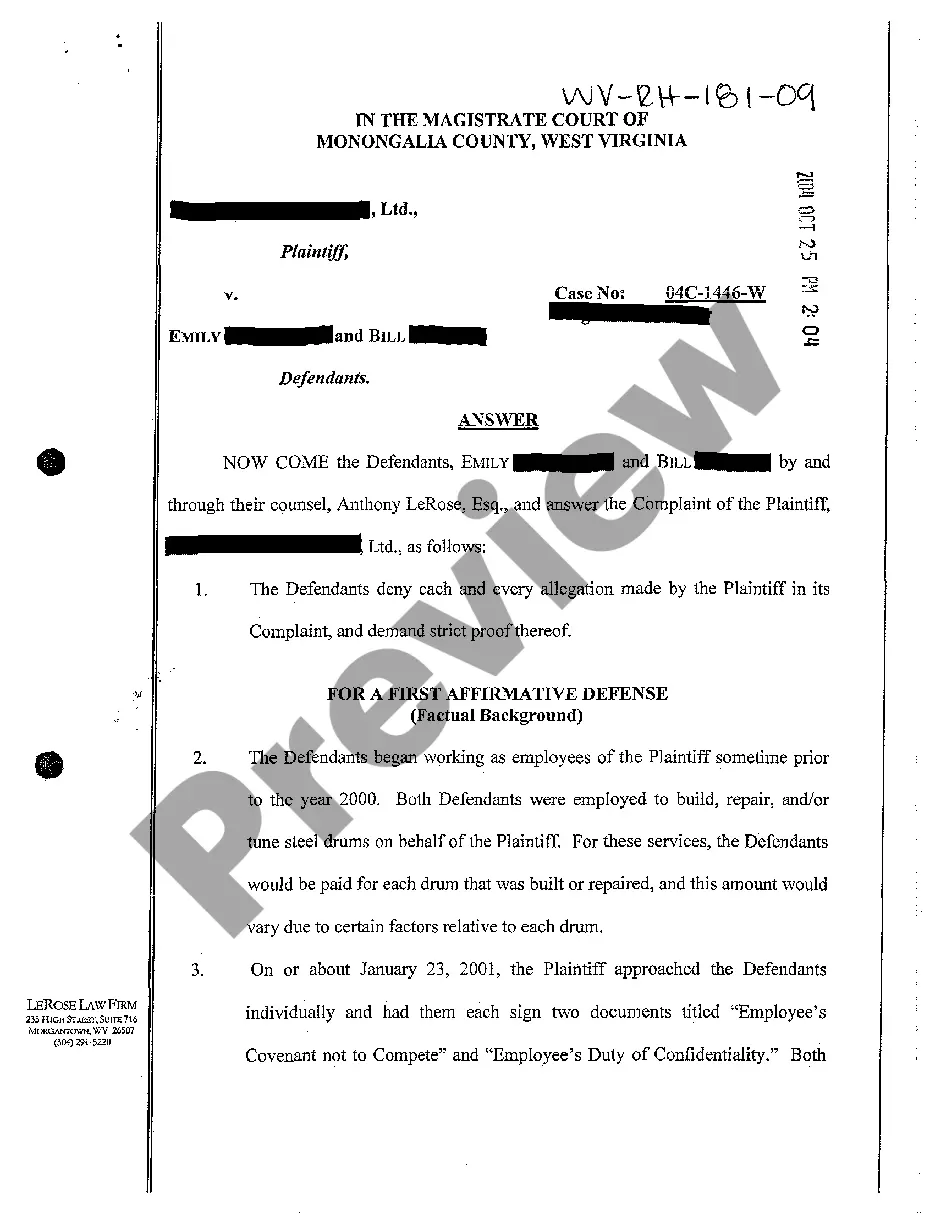
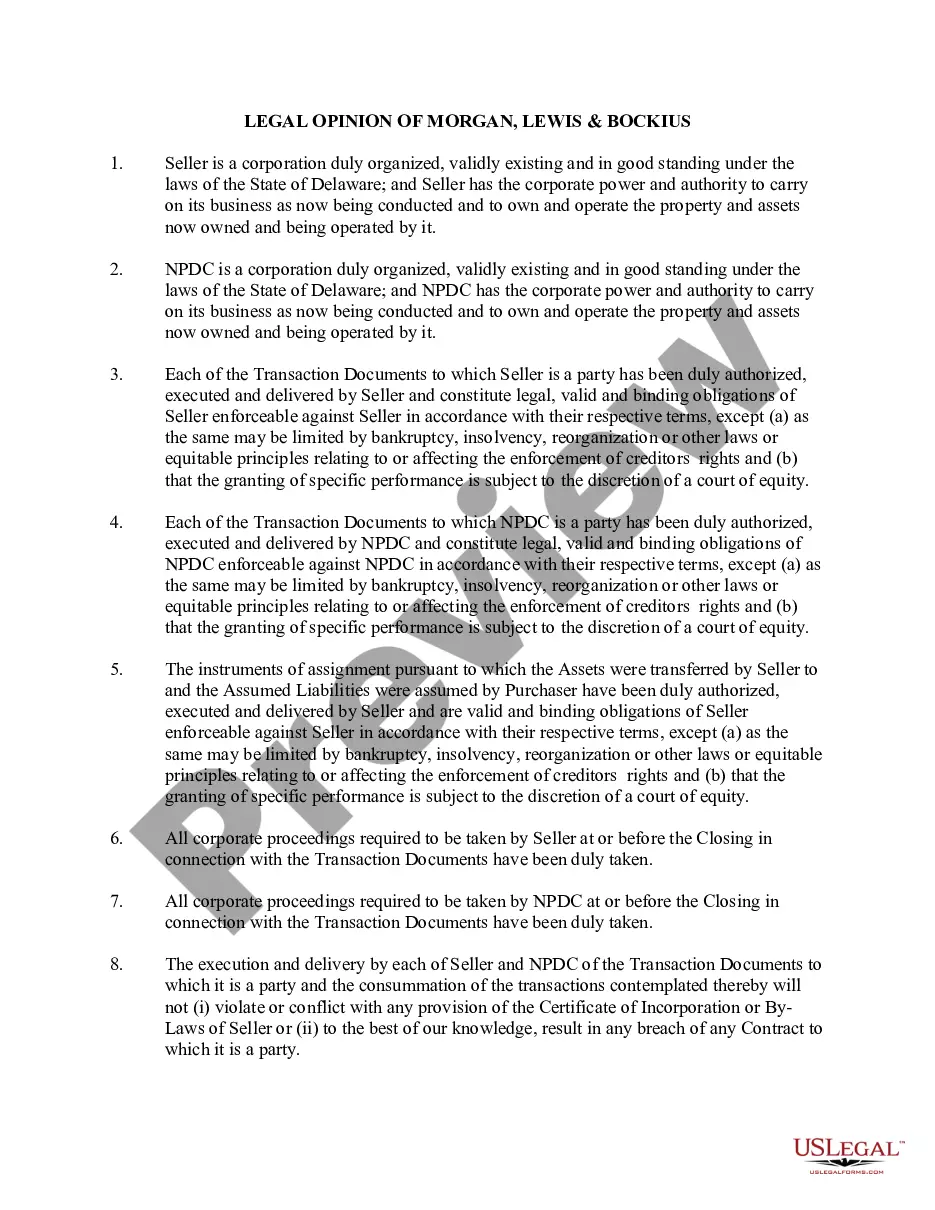
Legal Opinion of Morgan, Lewis and Bockius
About this form
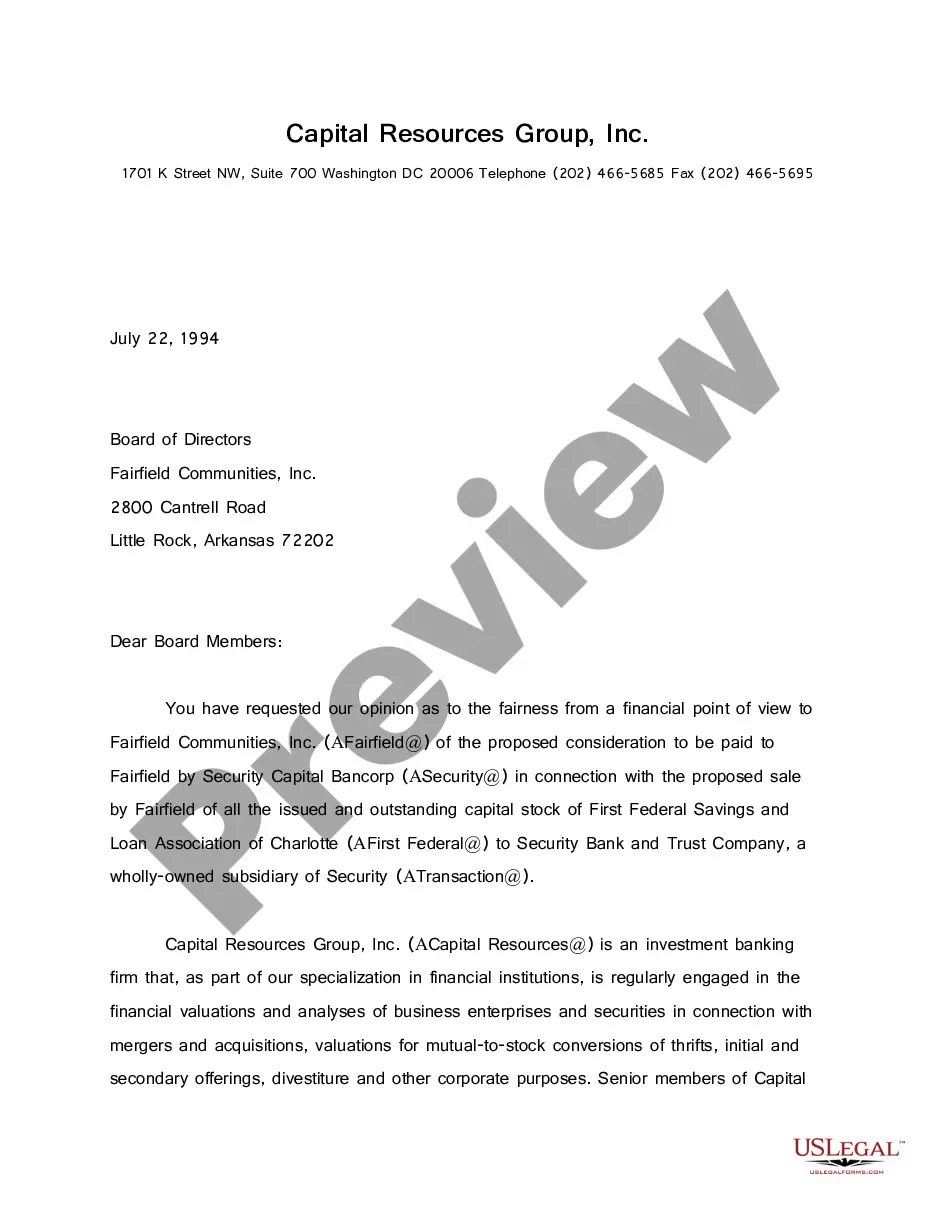
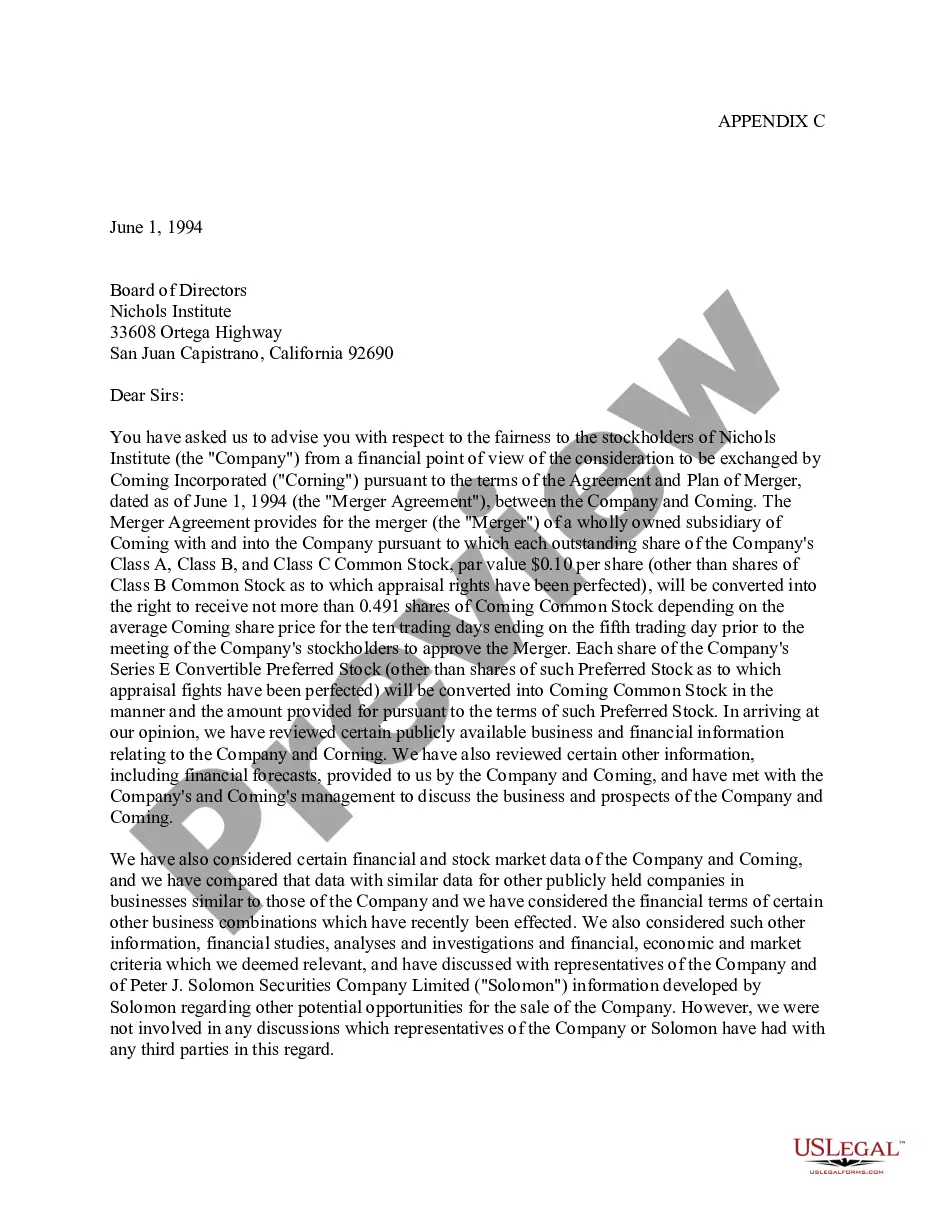
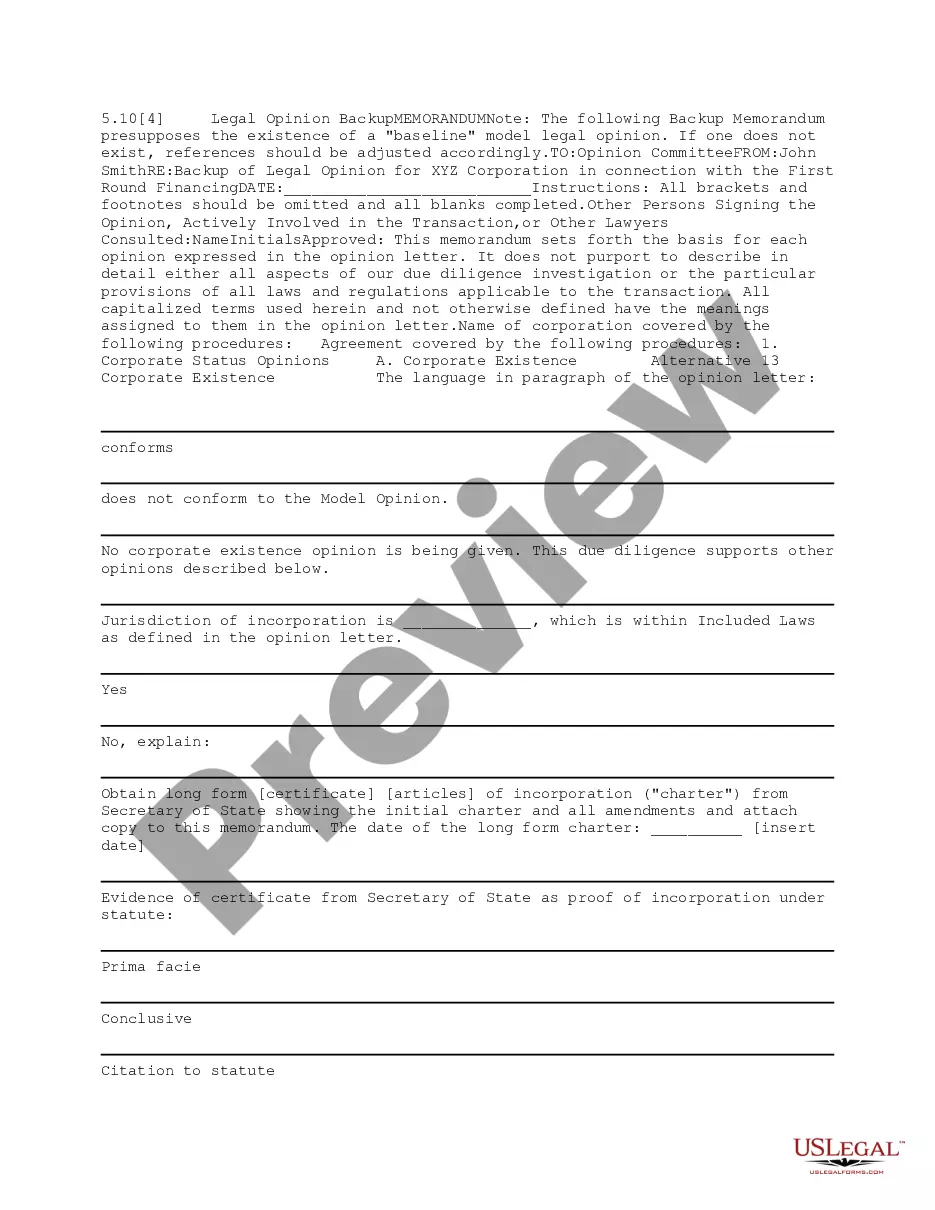
The Legal Opinion of Morgan, Lewis and Bockius is a formal document typically used in the context of mergers and acquisitions. It provides legal assurance regarding the standing and authority of the parties involved in a contract, specifically addressing the validity of a merger agreement involving a disappearing company. This form differs from general opinion letters by focusing on the specific legal implications of a merger transaction, ensuring both parties are protected under applicable law.
Key parts of this document
- Seller and purchaser corporation details, including state of incorporation and standing.
- Authorization and execution of transaction documents by the seller and purchaser.
- Binding obligations and enforceability of transaction documents.
- Confirmation of all necessary corporate proceedings being taken.
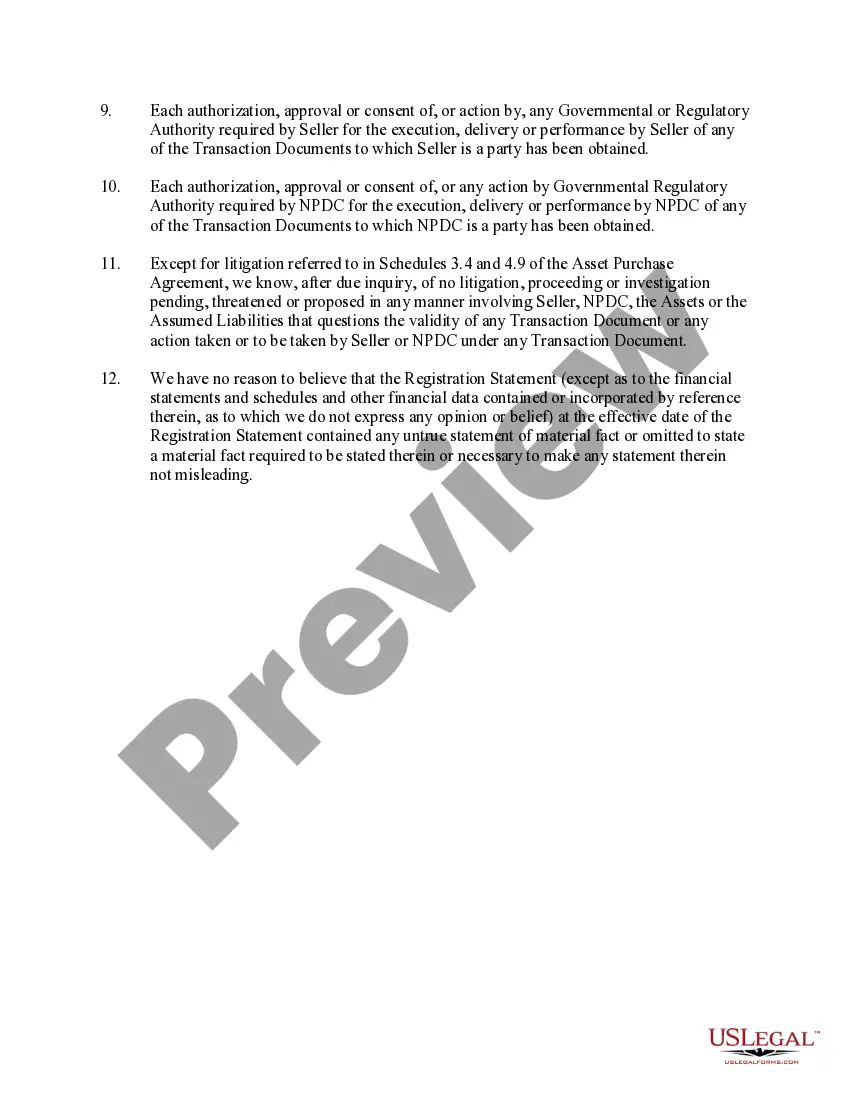
- Compliance with regulatory approvals and absence of litigation affecting the transaction.

Situations where this form applies
This form should be used when engaging in a merger where one party is a disappearing entity. It is essential when legal clarity is needed to confirm that all documentation and corporate actions related to the transaction are in accordance with applicable laws. Having this opinion can protect the interests of both the seller and purchaser during the transaction process.
Intended users of this form
Eligibility includes:
- Corporations engaged in a merger agreement involving a disappearing entity.
- Legal representatives or advisors of corporations participating in a merger.
- Parties interested in understanding the legal standing and enforceability of a merger.
Instructions for completing this form
- Identify the parties involved in the transaction, including the seller and purchaser.
- Confirm the corporate status and standing of both entities as per the form requirements.
- Ensure all necessary corporate proceedings and approvals have been documented.
- Complete the necessary sections regarding transaction documents and signature requirements.
- Provide any relevant litigation references if applicable.
Notarization requirements for this form
Notarization is generally not required for this form. However, certain states or situations might demand it. You can complete notarization online through US Legal Forms, powered by Notarize, using a verified video call available anytime.
Get your form ready online
Our built-in tools help you complete, sign, share, and store your documents in one place.
Make edits, fill in missing information, and update formatting in US Legal Forms—just like you would in MS Word.
Download a copy, print it, send it by email, or mail it via USPS—whatever works best for your next step.
Sign and collect signatures with our SignNow integration. Send to multiple recipients, set reminders, and more. Go Premium to unlock E-Sign.
If this form requires notarization, complete it online through a secure video call—no need to meet a notary in person or wait for an appointment.
We protect your documents and personal data by following strict security and privacy standards.

Make edits, fill in missing information, and update formatting in US Legal Forms—just like you would in MS Word.

Download a copy, print it, send it by email, or mail it via USPS—whatever works best for your next step.

Sign and collect signatures with our SignNow integration. Send to multiple recipients, set reminders, and more. Go Premium to unlock E-Sign.

If this form requires notarization, complete it online through a secure video call—no need to meet a notary in person or wait for an appointment.

We protect your documents and personal data by following strict security and privacy standards.
Typical mistakes to avoid
- Failing to confirm the corporate status of both parties before completing the form.
- Neglecting to document all required corporate proceedings or approvals.
- Leaving out necessary details about litigation that could affect the transaction.
Why complete this form online
- Convenience of accessing the form anywhere and anytime.
- Editability allows for quick adjustments as needed.
- Reliability, as forms are drafted by licensed attorneys to ensure compliance with current laws.
Looking for another form?








Form popularity
FAQ
An evaluation or judgment given by an expert. a medical opinion. 5. the advice given by a barrister or counsel on a case submitted to him or her for a view on the legal points involved.
The legal opinion should be written following a structure. It should be entitled OPINION or ADVICE and contain the title of the case in the heading. The first paragraphs should serve as an introduction to the legal opinion, laying out the salient facts and what you have been asked to advise about.
A legal opinion letter is a formal letter by an attorney verifying the legal status of a person or entity.At Tsang & Associates, we can provide a legal opinion letter for persons or entities in the state of California.
It points to the key difference between a legal opinion and legal advicei.e., that a legal opinion is an attorney's analysis based on past or present facts, while legal advice is an attorney's counsel and guidance as to what future actions the client should take.
The main purposes of a legal opinion are: to state conclusions of law as to the ability of a party to enter into and perform its obligations under an agreement; to inform the addressee of the legal opinion of the legal effect of an agreement; and.
An evaluation or judgment given by an expert. a medical opinion. 5. the advice given by a barrister or counsel on a case submitted to him or her for a view on the legal points involved.
The Legal Opinion The purpose of a legal opinion in a transaction is to provide an additional layer of assurance to the party receiving the opinion.When borrower's counsel gives a legal opinion to the lender, the lender is entitled to rely on it even though the borrower's counsel does not represent the lender.