Jury Instruction - 1.9.4.2 Joint Employers
About this form
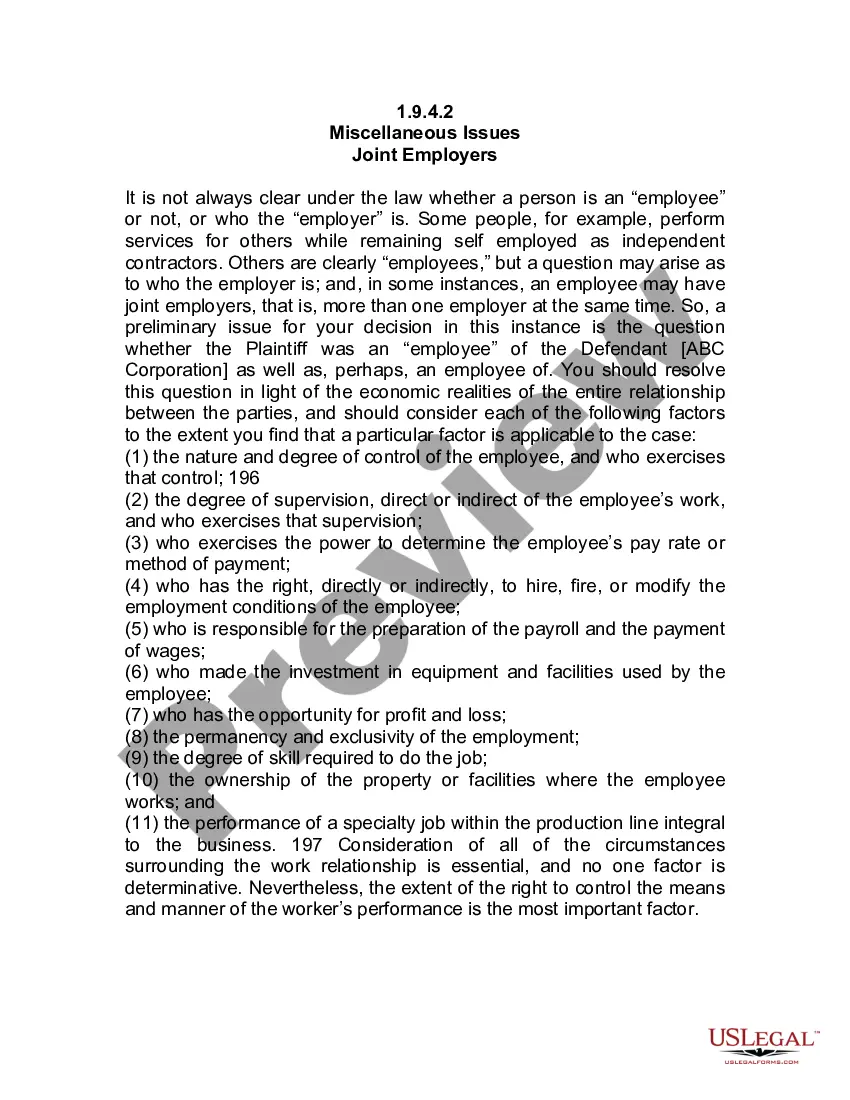
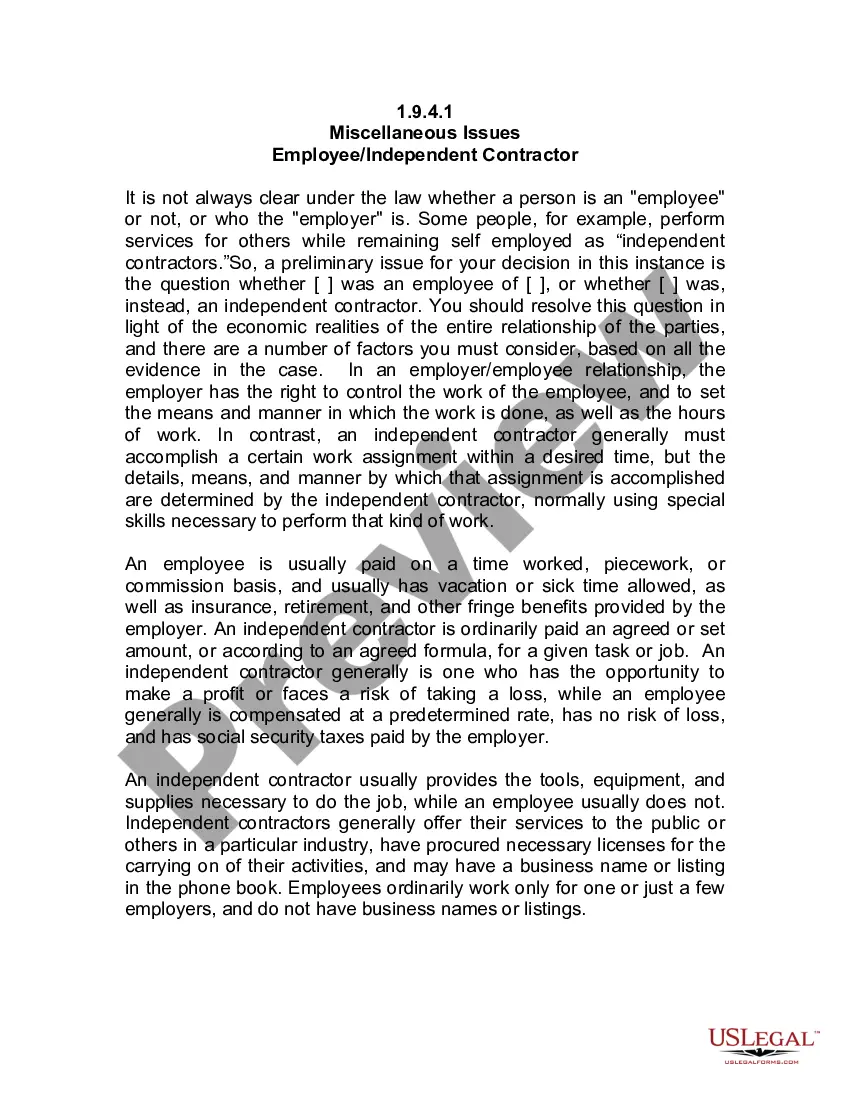
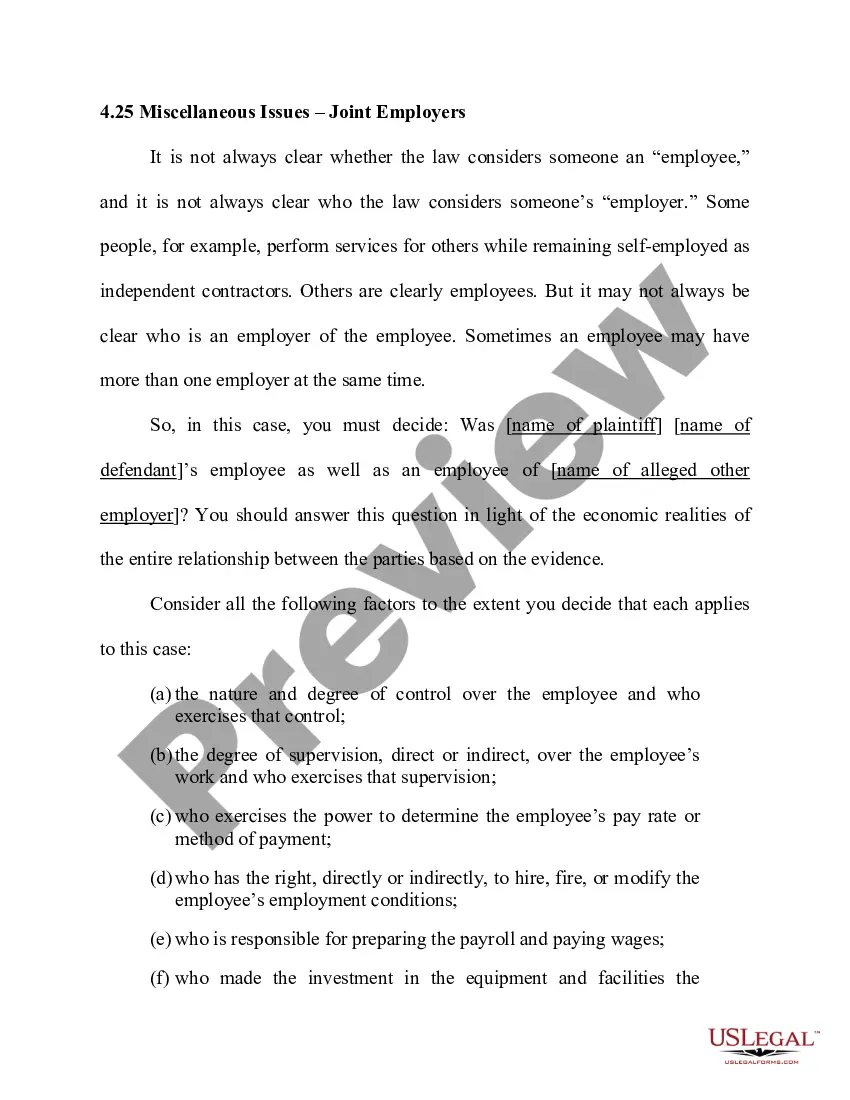
The Jury Instruction - 1.9.4.2 Joint Employers form provides sample jury instructions regarding the issue of joint employment. This form assists in determining if an individual is considered an employee of one or more employers based on various legal factors. It is particularly useful in legal cases where the employer-employee relationship is contested, making it distinct from other forms that do not address joint employment specifically.
What’s included in this form
- Definition of joint employer and employee relationships.
- Factors to consider when determining control and supervision over the employee.
- Consideration of economic realities affecting employment status.
- Guidance on evaluating pay methods and hiring/firing rights.
- Reference case law that informs the jury instructions provided.

Situations where this form applies
This form is used in legal proceedings where the classification of an employee as a joint employee is in question. It is particularly relevant in cases involving disputes between multiple employers or when determining liability in employment-related claims such as workplace injuries, wage disputes, or wrongful termination. It helps the jury to understand the legal standard for joint employment in their deliberations.
Who needs this form
- Attorneys representing clients in employment disputes.
- Juries in cases involving allegations of joint employment.
- Judges presiding over employment-related legal matters.
- Legal professionals seeking to clarify the definitions of employers and employees.
Instructions for completing this form
- Review the sample jury instructions provided and adapt them as necessary to fit your case.
- Identify the parties involved, including the plaintiff and the alleged employers.
- Assess the employment relationship based on the listed factors to determine the status of the employee.
- Draft your version of the jury instructions using clear and precise language.
- Include appropriate legal citations and references to supportive case law.
Does this document require notarization?
This form usually doesn’t need to be notarized. However, local laws or specific transactions may require it. Our online notarization service, powered by Notarize, lets you complete it remotely through a secure video session, available 24/7.
Get your form ready online
Our built-in tools help you complete, sign, share, and store your documents in one place.
Make edits, fill in missing information, and update formatting in US Legal Forms—just like you would in MS Word.
Download a copy, print it, send it by email, or mail it via USPS—whatever works best for your next step.
Sign and collect signatures with our SignNow integration. Send to multiple recipients, set reminders, and more. Go Premium to unlock E-Sign.
If this form requires notarization, complete it online through a secure video call—no need to meet a notary in person or wait for an appointment.
We protect your documents and personal data by following strict security and privacy standards.

Make edits, fill in missing information, and update formatting in US Legal Forms—just like you would in MS Word.

Download a copy, print it, send it by email, or mail it via USPS—whatever works best for your next step.

Sign and collect signatures with our SignNow integration. Send to multiple recipients, set reminders, and more. Go Premium to unlock E-Sign.

If this form requires notarization, complete it online through a secure video call—no need to meet a notary in person or wait for an appointment.

We protect your documents and personal data by following strict security and privacy standards.
Common mistakes to avoid
- Failing to consider all relevant factors when determining employment status.
- Overlooking the importance of case law in shaping the jury instructions.
- Not clearly defining the roles of multiple employers involved in the case.
- Using jargon or overly complex language that may confuse jurors.
Benefits of using this form online
- Quick access to legally vetted jury instructions tailored for joint employer cases.
- Easy to customize to fit the specifics of your legal matter.
- Downloadable and printable for your convenience.
- Ensures you have the most current and relevant legal guidelines at your fingertips.
Summary of main points
- A clear understanding of joint employment is critical in many legal cases.
- Fact-specific inquiry is essential in determining employment status.
- This form provides a structured approach to present evidence on employment relationships.
- Adapt the jury instructions thoughtfully to suit individual circumstances.
Looking for another form?
Form popularity
FAQ
They perform work for the same business that hired them. However, some employees are shared by two or more businesses that act as joint employers. When two or more businesses share workers, disagreements can occur over which company is responsible for complying with federal or state employment laws.
A person can't work as a whole time employee in 2 company but he can work in 1 company as full time & in other company as part time. what u need to do Is that u need to have appointment letter of both company showing as par time time & full time employee.
The central question in the joint employer analysis is whether the corporation is also their employer. If it is their employer, it is jointly and severally liable for the temp workers' minimum wage, child labor, and overtime violations.
Co-employment is a contractual relationship, in which a business and a professional employer organization (PEO) share certain employment responsibilities.Outsourcing with a co-employer also allows owners and executive leaders to focus more of their efforts on growing their business and less on HR.
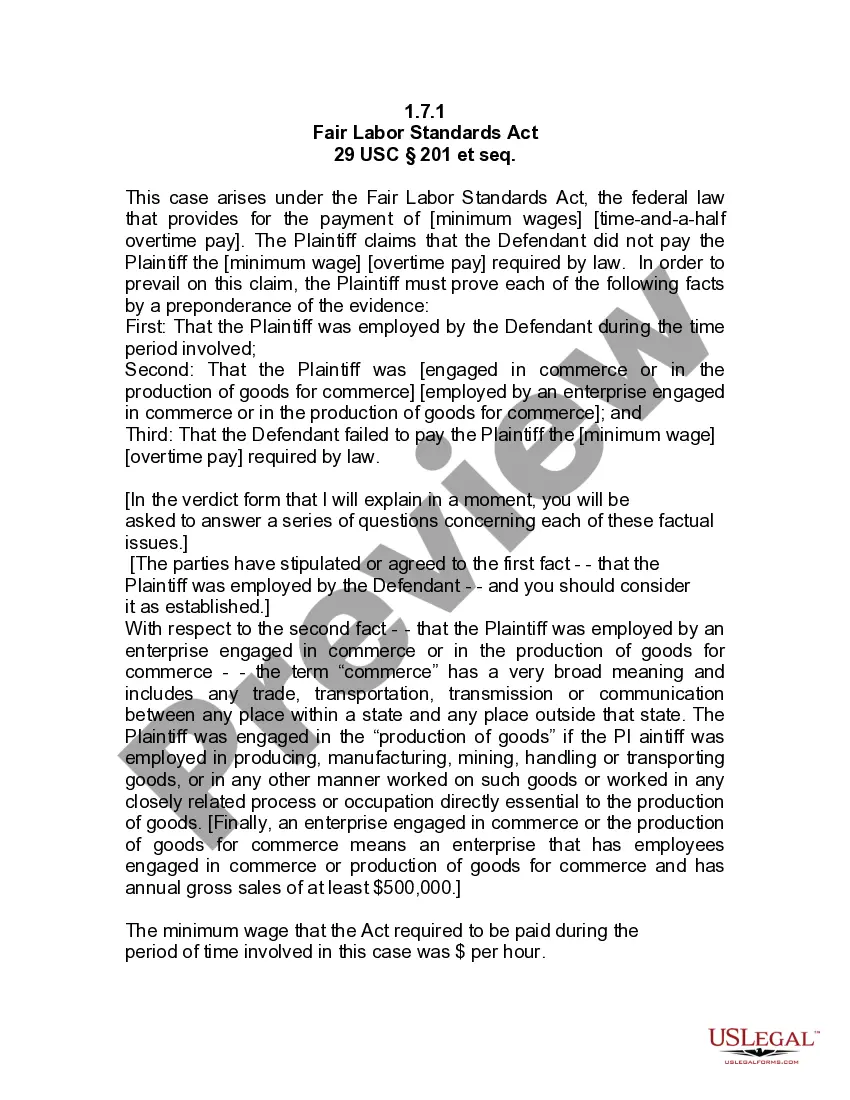
Employers Who Are Covered The FLSA applies only to employers whose annual sales total $500,000 or more or who are engaged in interstate commerce. You might think that this would restrict the FLSA to covering only employees in large companies, but, in reality, the law covers nearly all workplaces.
Fortunately, California has a broad joint employer doctrine that allows workers to sue entities other than their immediate employers-including both businesses and individuals-for such wages.
Integrated Employers. A corporation is a single employer under the FMLA rather than its separate establishments or divisions; all employees of the corporation, at all locations, are counted for coverage purposes.