Jury Instruction - 3.1 Fraud - With Defense Of Waiver
Overview of this form
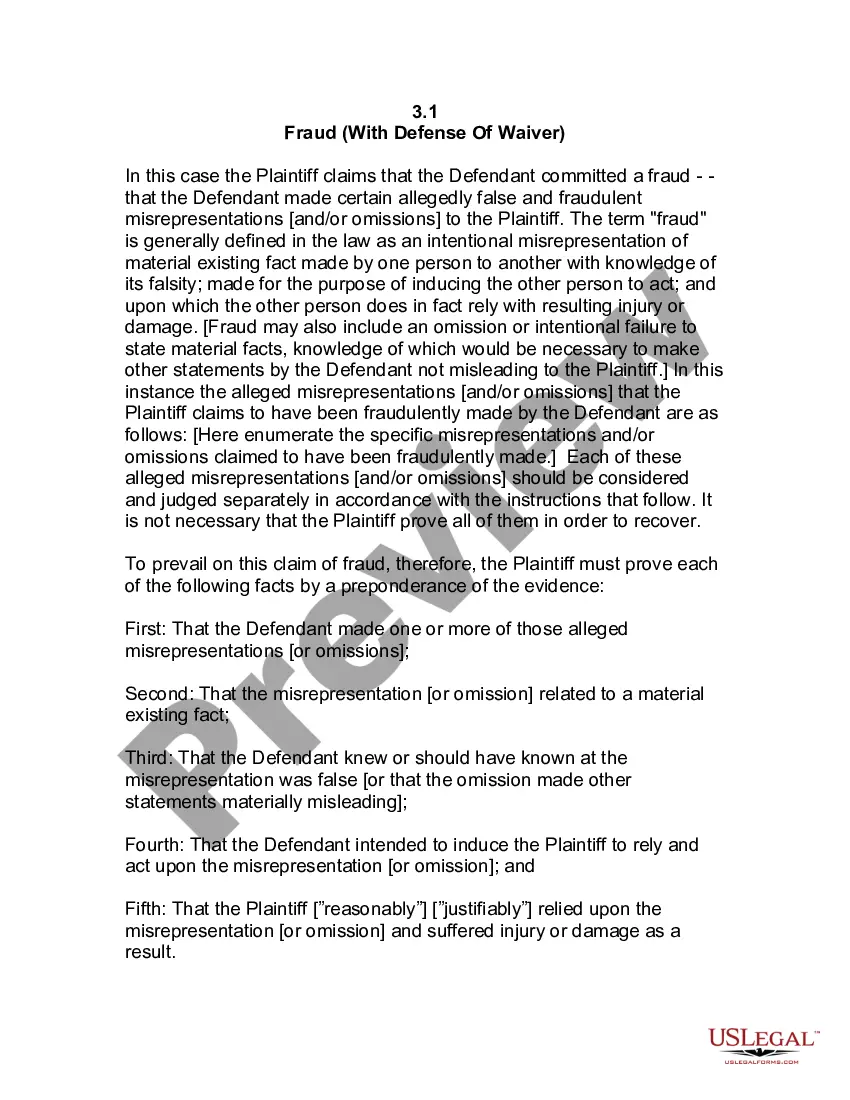
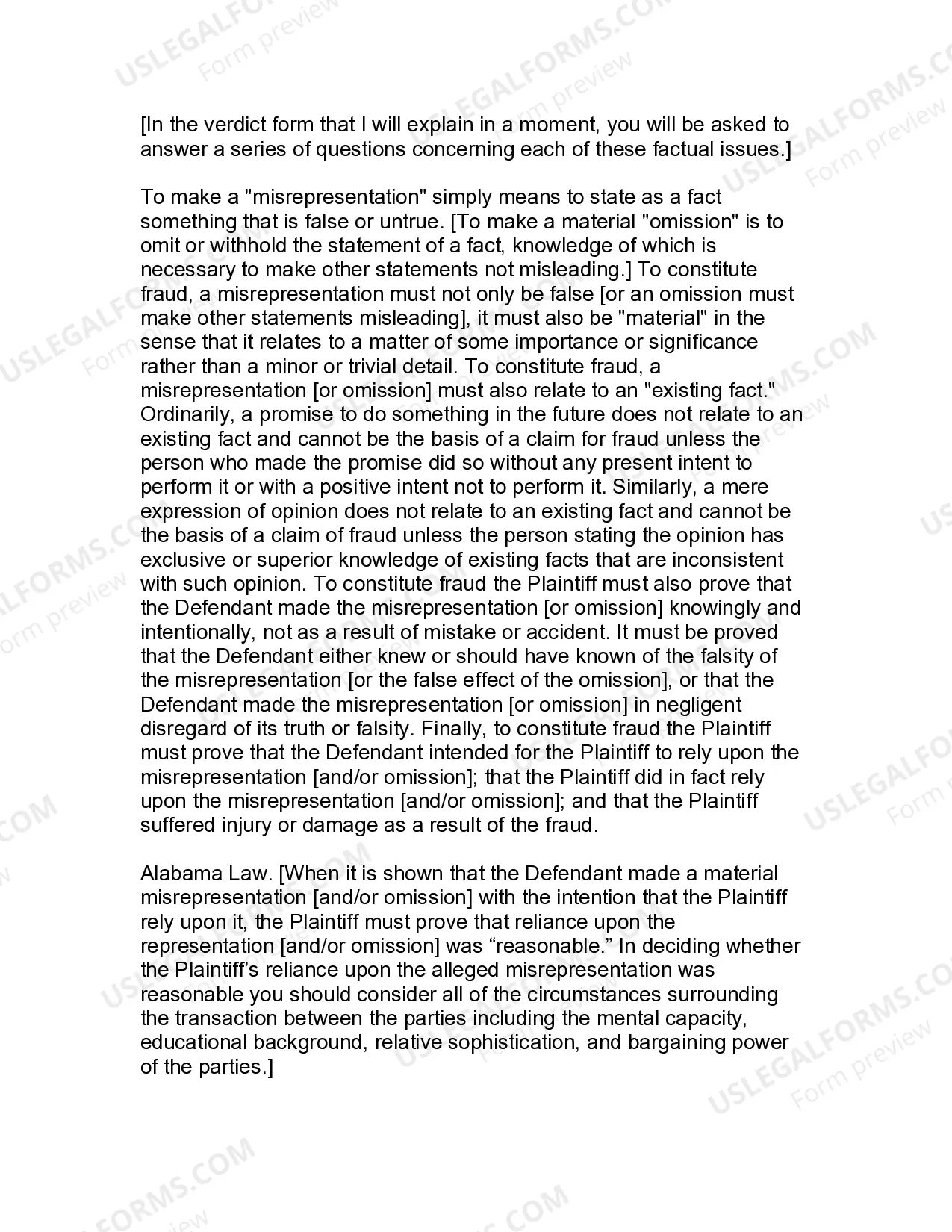
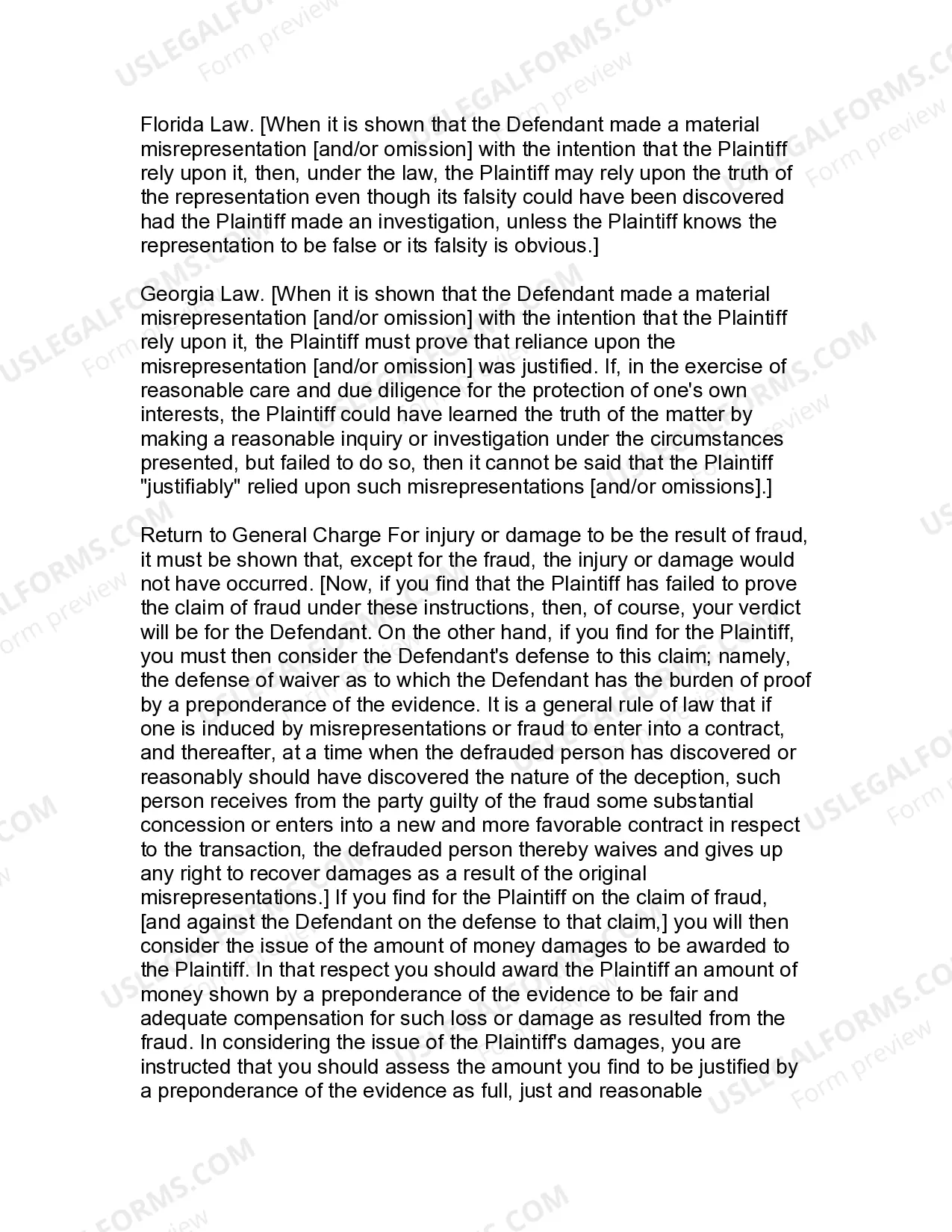
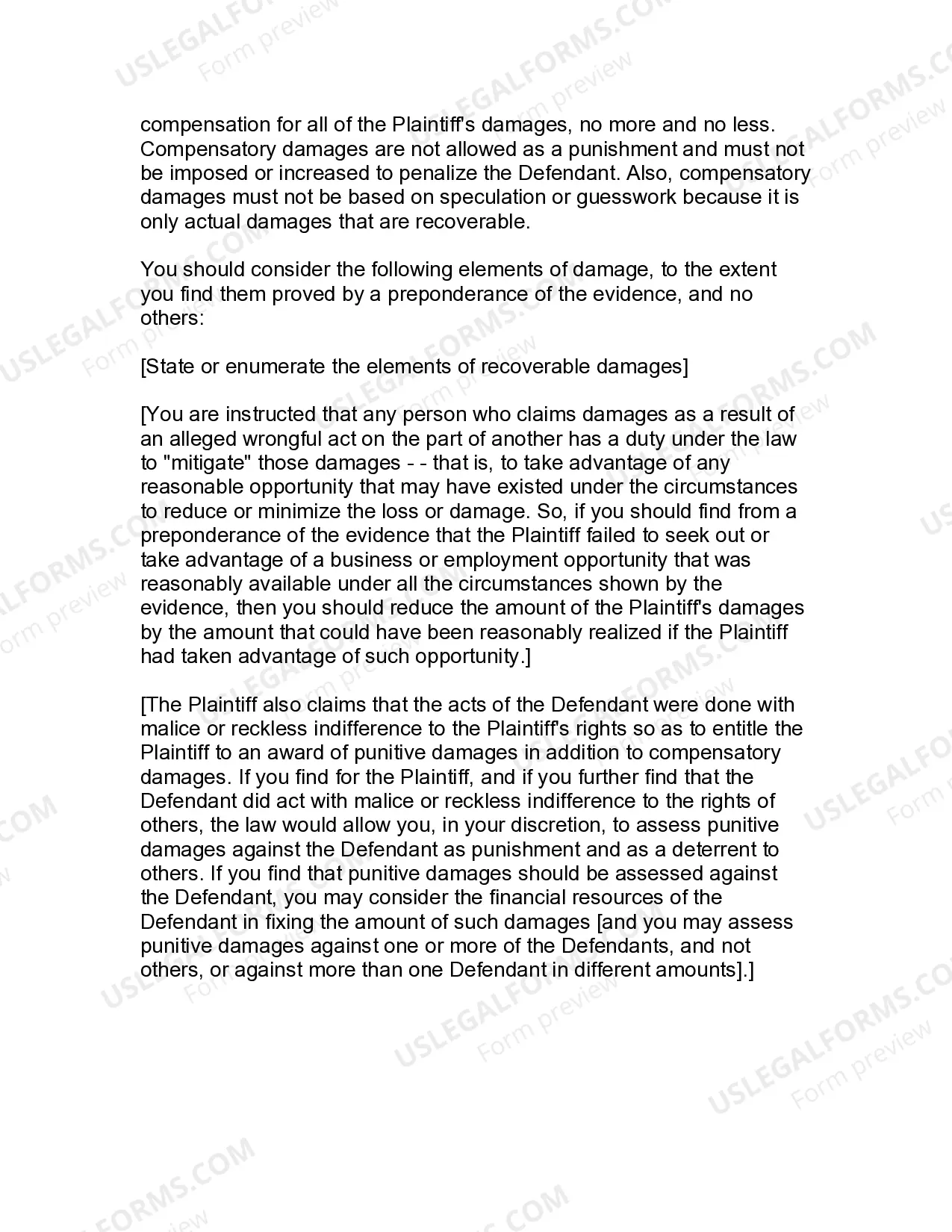
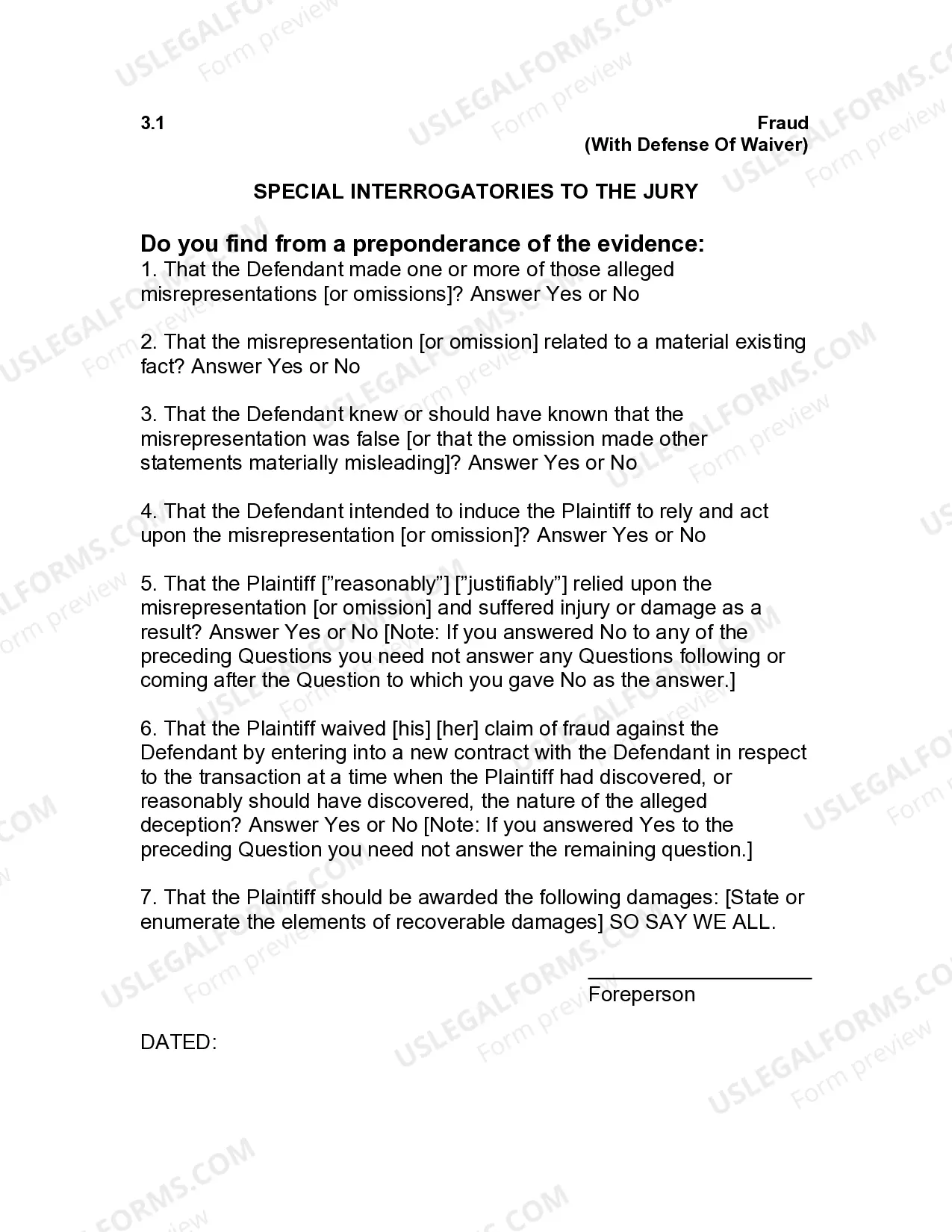
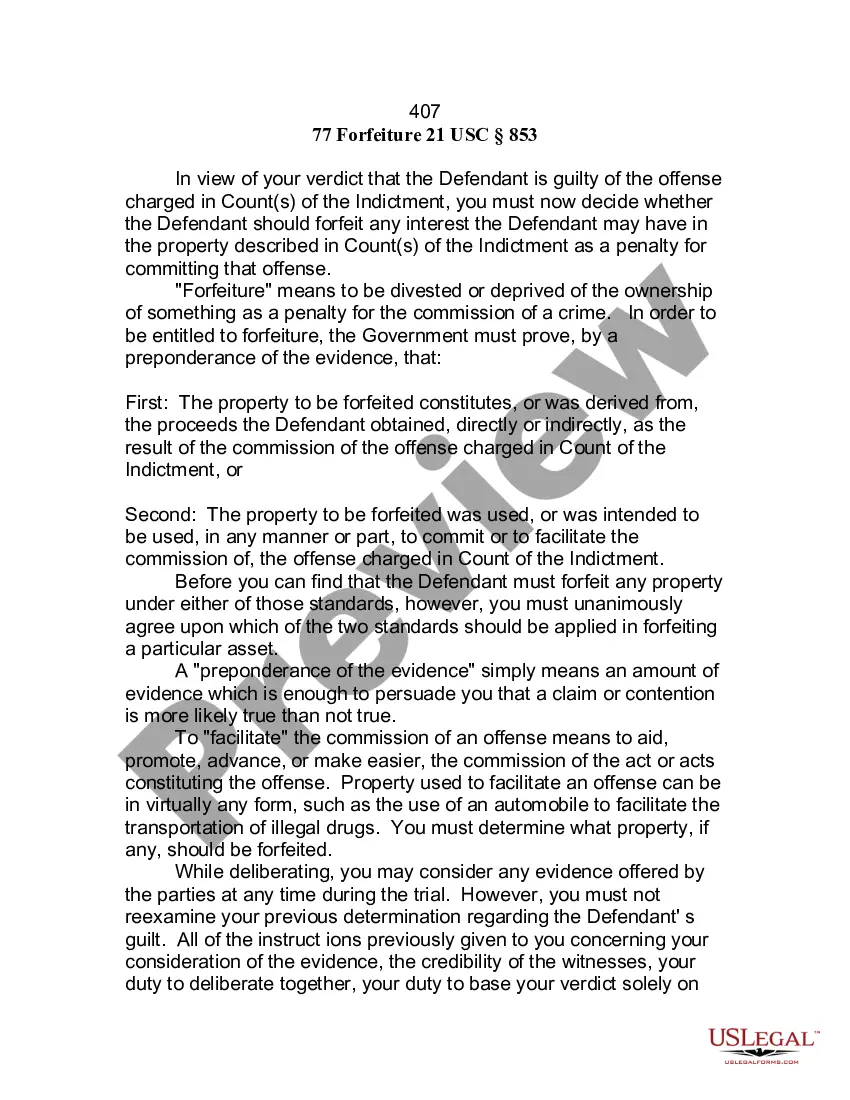
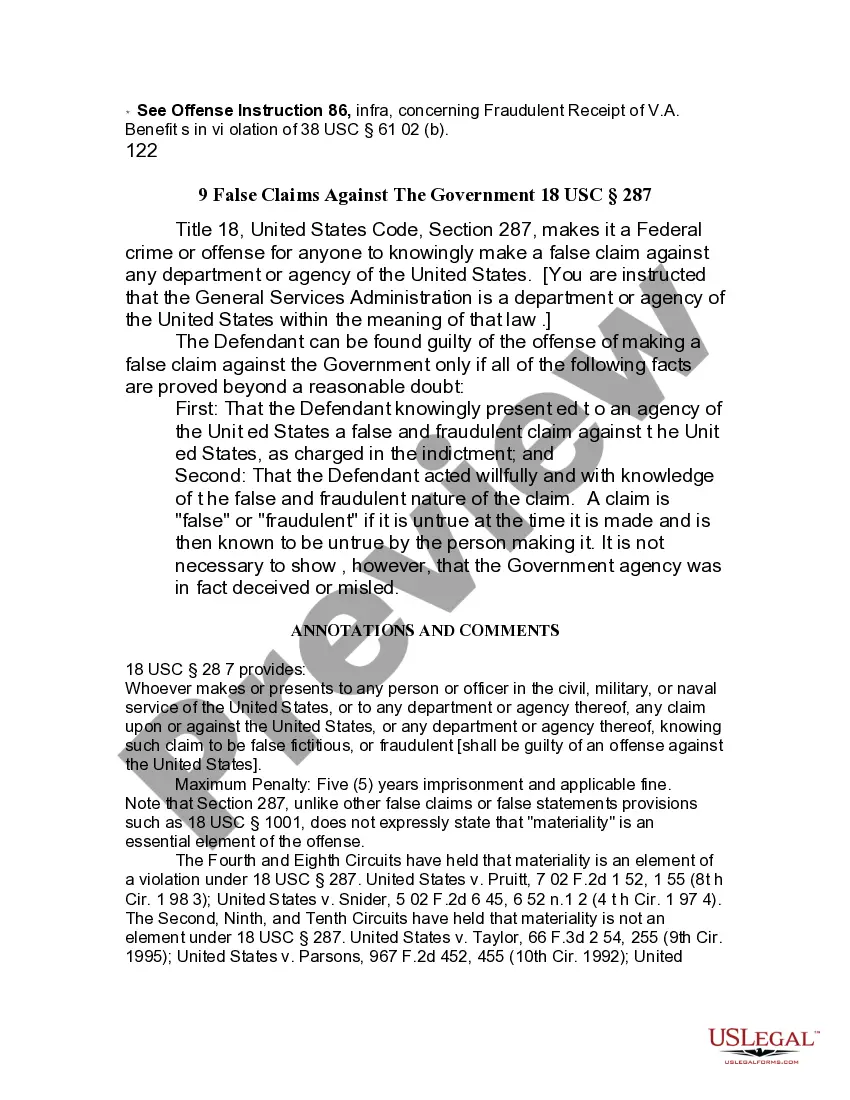
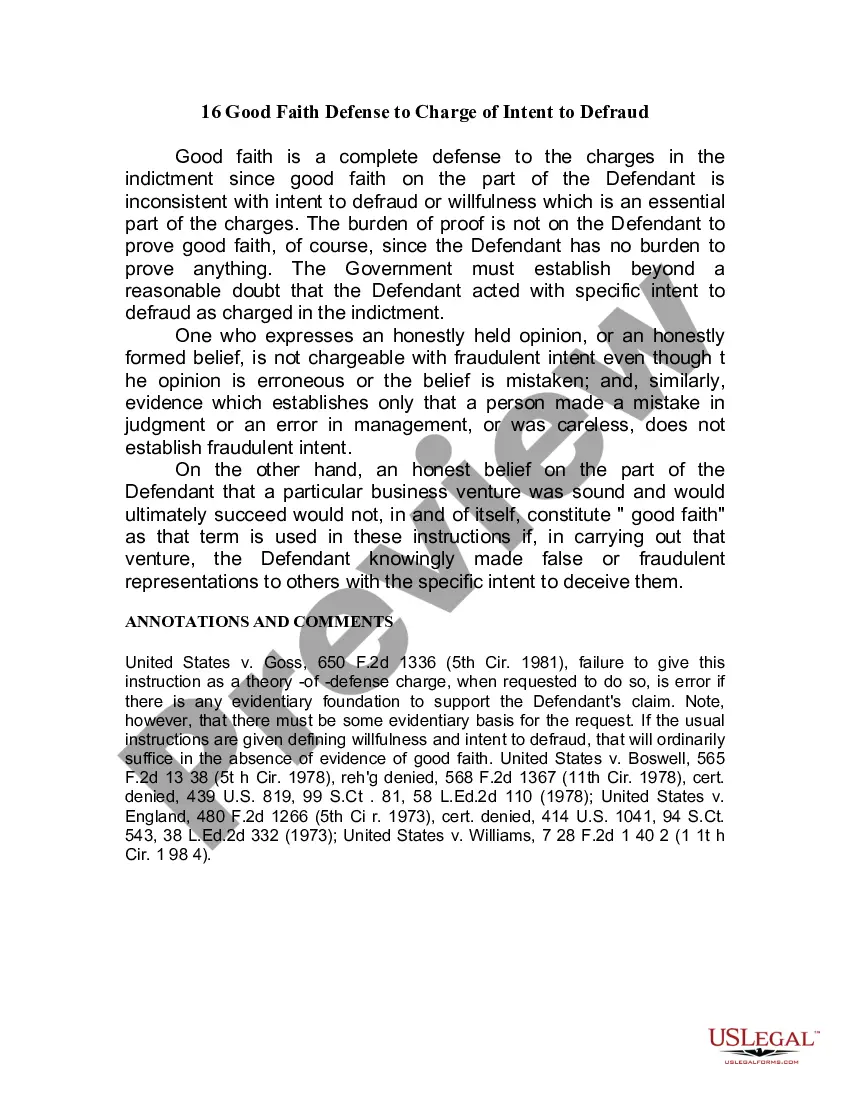
This Jury Instruction - 3.1 Fraud - With Defense Of Waiver is a legal document that provides sample jury instructions for cases involving fraud claims. The instructions guide jurors on assessing claims where a plaintiff alleges that a defendant engaged in fraudulent misrepresentation or omission. This form can assist legal professionals in ensuring jurors understand their role in evaluating fraud cases, specifically when the defense of waiver is involved, setting it apart from simpler fraud claim templates that may not consider such defenses.
Key components of this form
- Definition of fraud and related legal terminology.
- Elements the plaintiff must prove to establish fraud.
- Instructions for jury consideration regarding misrepresentations and omissions.
- Defense of waiver and its implications in fraud cases.
- Assessment of damages and compensation standards.
When to use this document
This form should be used in court cases where a plaintiff asserts a claim of fraud against a defendant. It is particularly relevant when misrepresentations or omissions by the defendant are at issue, and when the defendant raises a defense of waiver, arguing that the plaintiff cannot claim damages because they acknowledged or accepted certain terms after discovering the fraud.
Intended users of this form
- Attorneys representing clients in fraud cases.
- Legal professionals involved in jury trials concerning fraud allegations.
- Judges looking for structured jury instructions in fraud disputes.
- Students or individuals studying law who need practical examples of jury instructions.
Completing this form step by step
- Identify the elements of fraud that the plaintiff alleges, including specific misrepresentations or omissions.
- Determine what material facts are relevant and ensure they are articulated clearly in the instructions.
- Explain the defense of waiver if applicable, noting circumstances where the plaintiff's claims may be invalidated.
- Provide detailed jury interrogatories that guide jurors through decision-making processes.
- Summarize potential damages to ensure jurors understand compensation principles if fraud is proven.
Notarization requirements for this form
In most cases, this form does not require notarization. However, some jurisdictions or signing circumstances might. US Legal Forms offers online notarization powered by Notarize, accessible 24/7 for a quick, remote process.
Get your form ready online
Our built-in tools help you complete, sign, share, and store your documents in one place.
Make edits, fill in missing information, and update formatting in US Legal Forms—just like you would in MS Word.
Download a copy, print it, send it by email, or mail it via USPS—whatever works best for your next step.
Sign and collect signatures with our SignNow integration. Send to multiple recipients, set reminders, and more. Go Premium to unlock E-Sign.
If this form requires notarization, complete it online through a secure video call—no need to meet a notary in person or wait for an appointment.
We protect your documents and personal data by following strict security and privacy standards.

Make edits, fill in missing information, and update formatting in US Legal Forms—just like you would in MS Word.

Download a copy, print it, send it by email, or mail it via USPS—whatever works best for your next step.

Sign and collect signatures with our SignNow integration. Send to multiple recipients, set reminders, and more. Go Premium to unlock E-Sign.

If this form requires notarization, complete it online through a secure video call—no need to meet a notary in person or wait for an appointment.

We protect your documents and personal data by following strict security and privacy standards.
Typical mistakes to avoid
- Failing to specify all alleged misrepresentations clearly.
- Neglecting to consider the defense of waiver fully in jury instructions.
- Overcomplicating legal definitions, making them hard for jurors to understand.
- Providing insufficient guidance on how jurors should assess damages.
Why use this form online
- Immediate access to professionally drafted jury instructions.
- Easy to download and print for court use, ensuring timely submissions.
- Editable template allows for customization to fit specific case needs.
- Comprehensive guidelines help legal professionals avoid common errors.
Legal use & context
- This form helps clarify important legal standards regarding proving fraud.
- It is legally enforceable when used correctly within appropriate jurisdictions.
- The instructions provided guide jurors thoroughly in reaching fair verdicts.
What to keep in mind
- This form provides detailed jury instructions specific to fraud cases with waiver defenses.
- Understanding each element of fraud is critical for successful litigation outcomes.
- The defense of waiver can significantly impact a plaintiff's ability to recover damages.
- Clarity and precision in jury instructions can facilitate juror understanding and decision-making.
Looking for another form?








Form popularity
FAQ
Mail Fraud. Driver's License Fraud. Healthcare Fraud. Debit and Credit Card Fraud. Bank Account Takeover Fraud. Stolen Tax Refund Fraud. Voter Fraud. Internet Fraud.
Definition of Fraud The active concealment of a fact by one having knowledge or belief of the fact. A promise made without any intention of performing it. Any other act fitted to deceive. Any such act or omission as the law specially declares to be fraudulent.
Fraud (or defrauding or scamming) is a crime in which someone tricks somebody else to get unfair or unlawful gain. Frauds are almost always about money, either directly or indirectly. A fraudster or a fraud is the person who commits the fraud.