Asset Information Sheet
Understanding this form
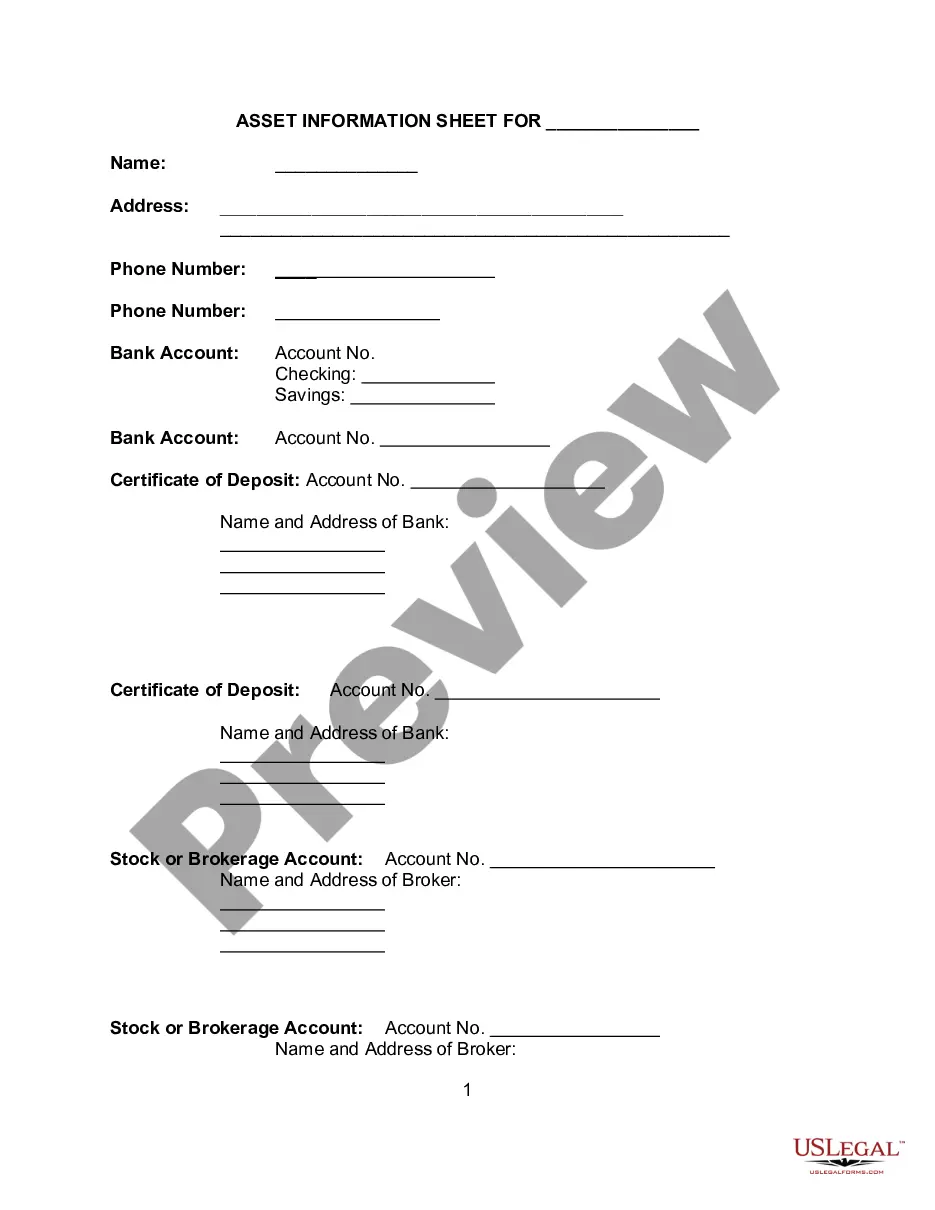
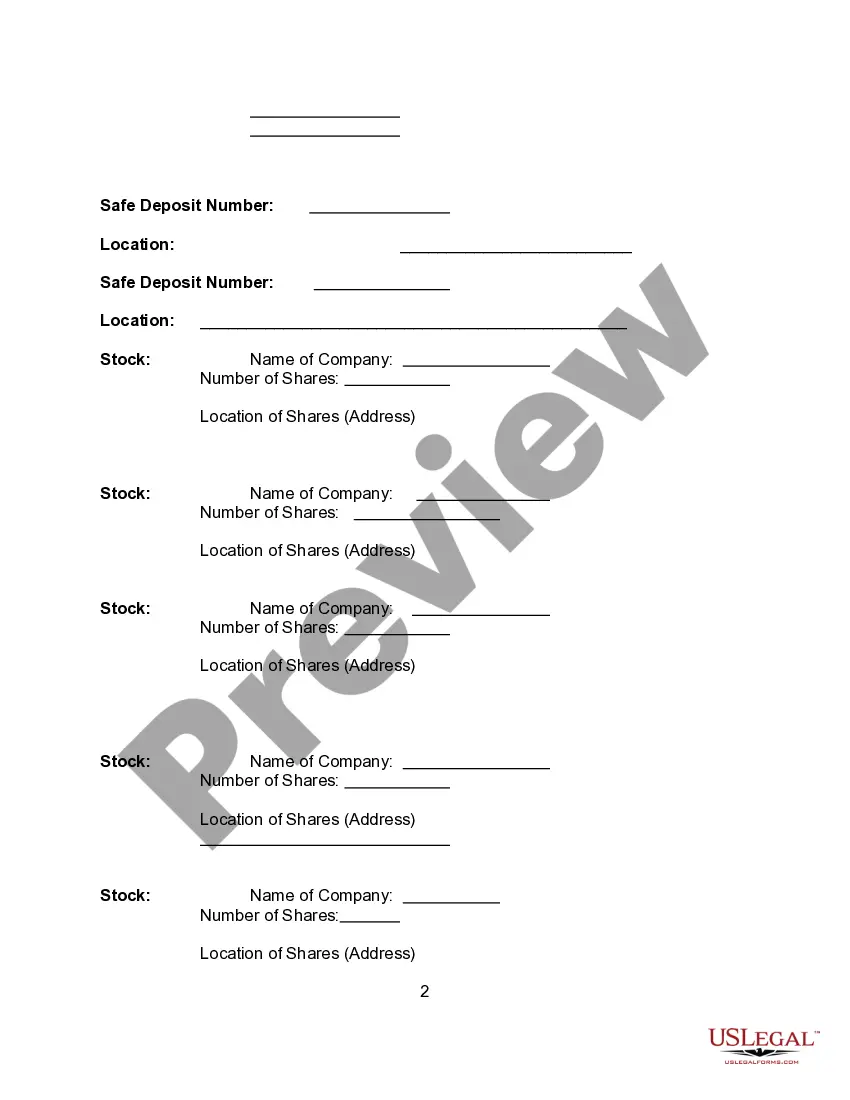
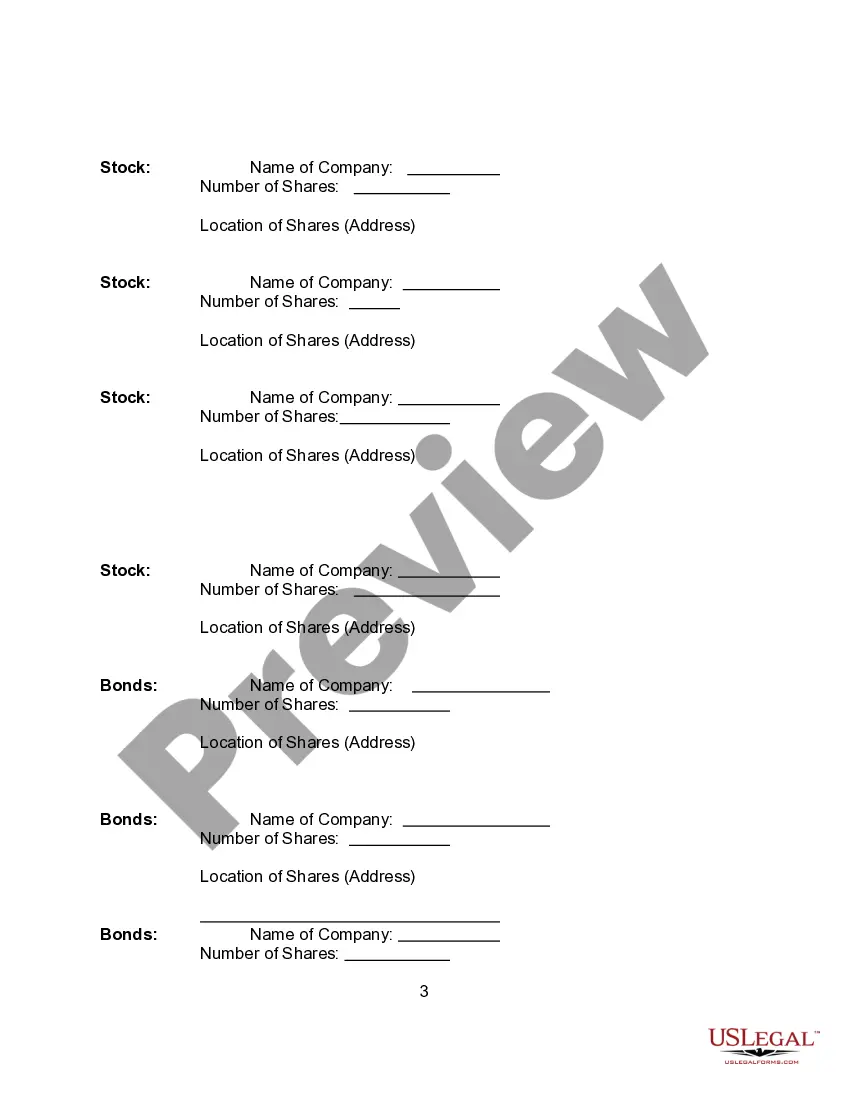
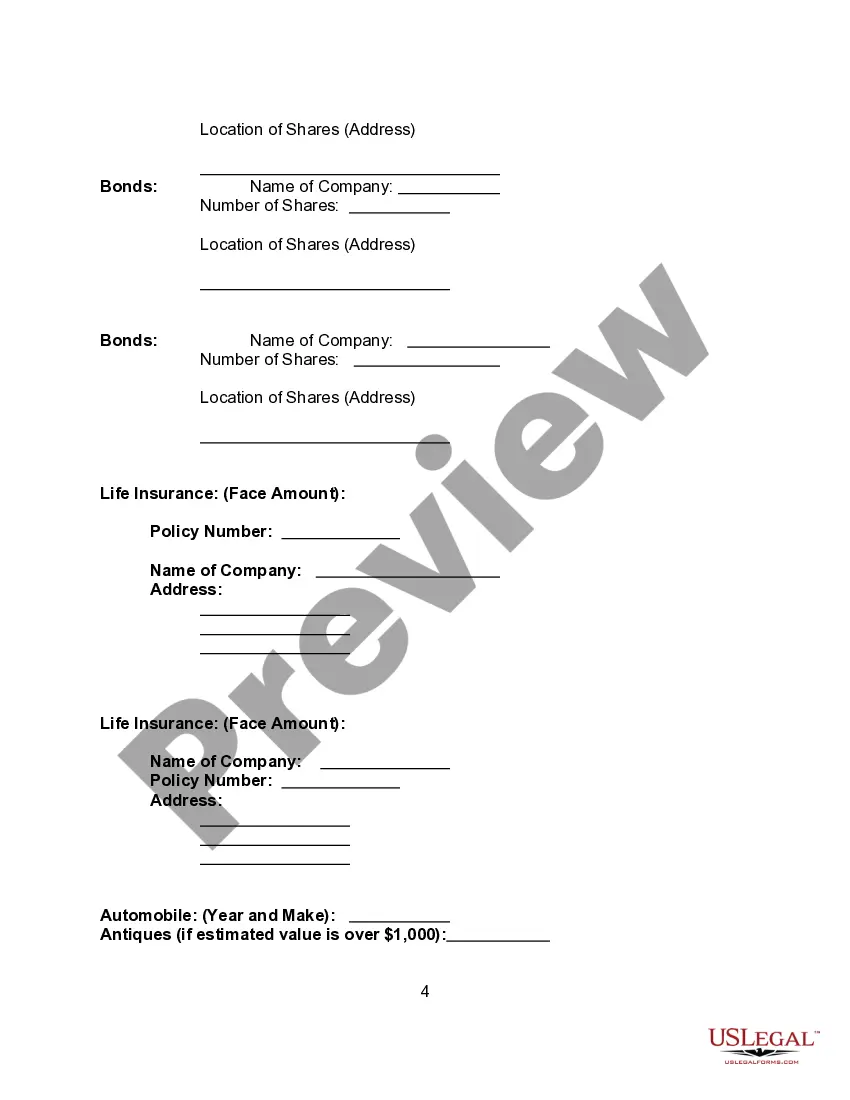
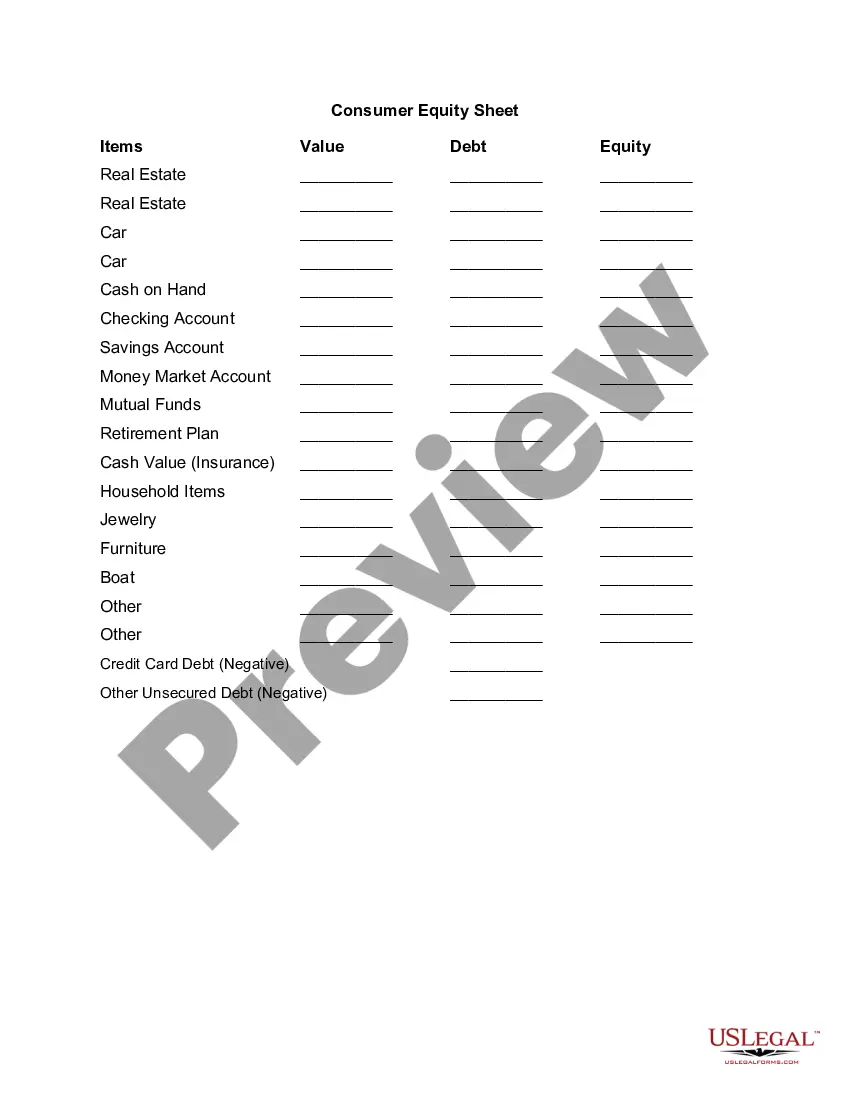
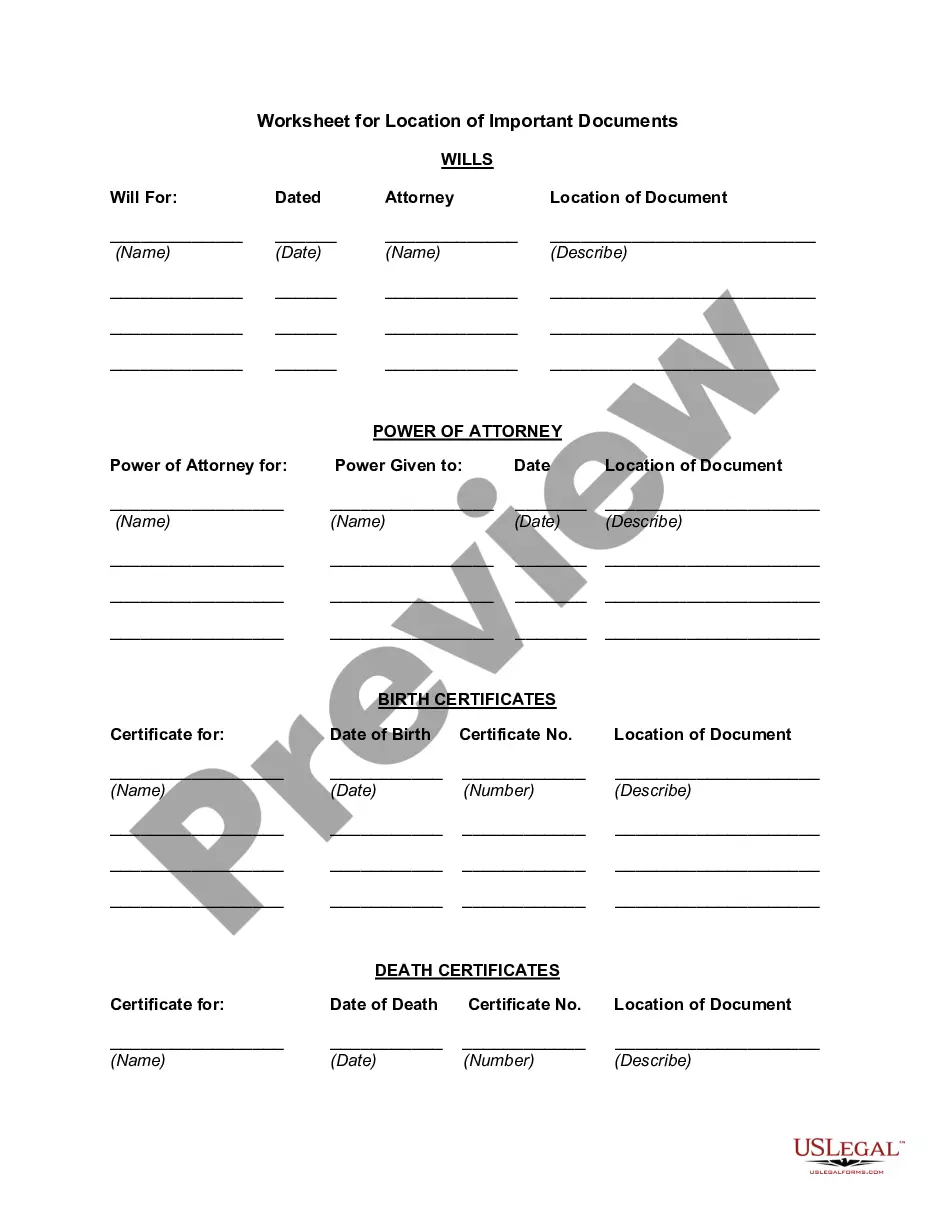
The Asset Information Sheet is a legal document that assists individuals in organizing important details about their assets. This form is specifically designed to help users compile information such as bank accounts, stock holdings, personal property, and various financial accounts. It differs from other asset-related forms by providing a comprehensive overview in a structured manner, making it easier to track and assess one's total assets at any given time.
Key parts of this document
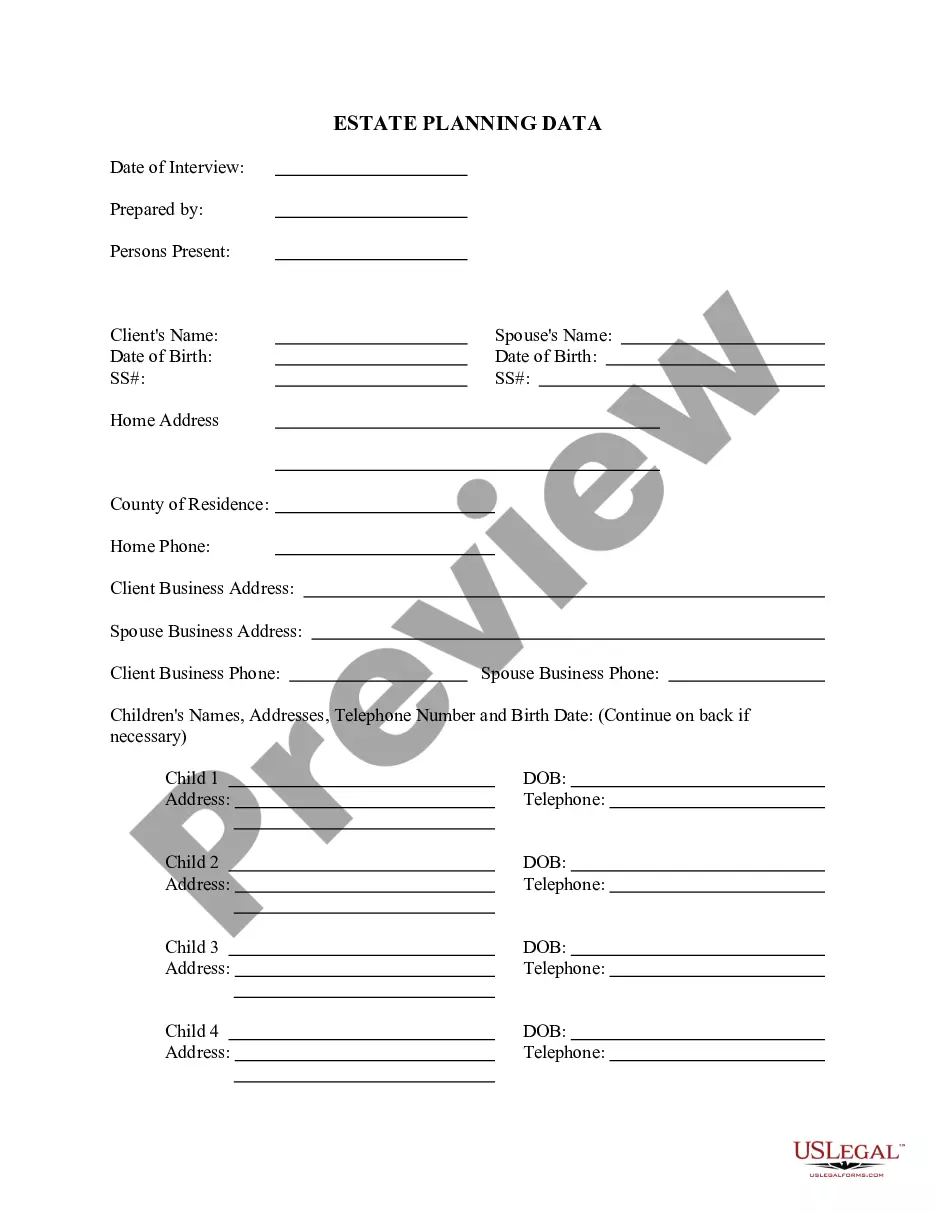
- Name, address, and contact information of the individual.
- Details of bank accounts, including account numbers and types (checking, savings, certificate of deposit).
- Information on stock or brokerage accounts, including the name and address of the broker.
- Sections for safe deposit box details, including locations and numbers.
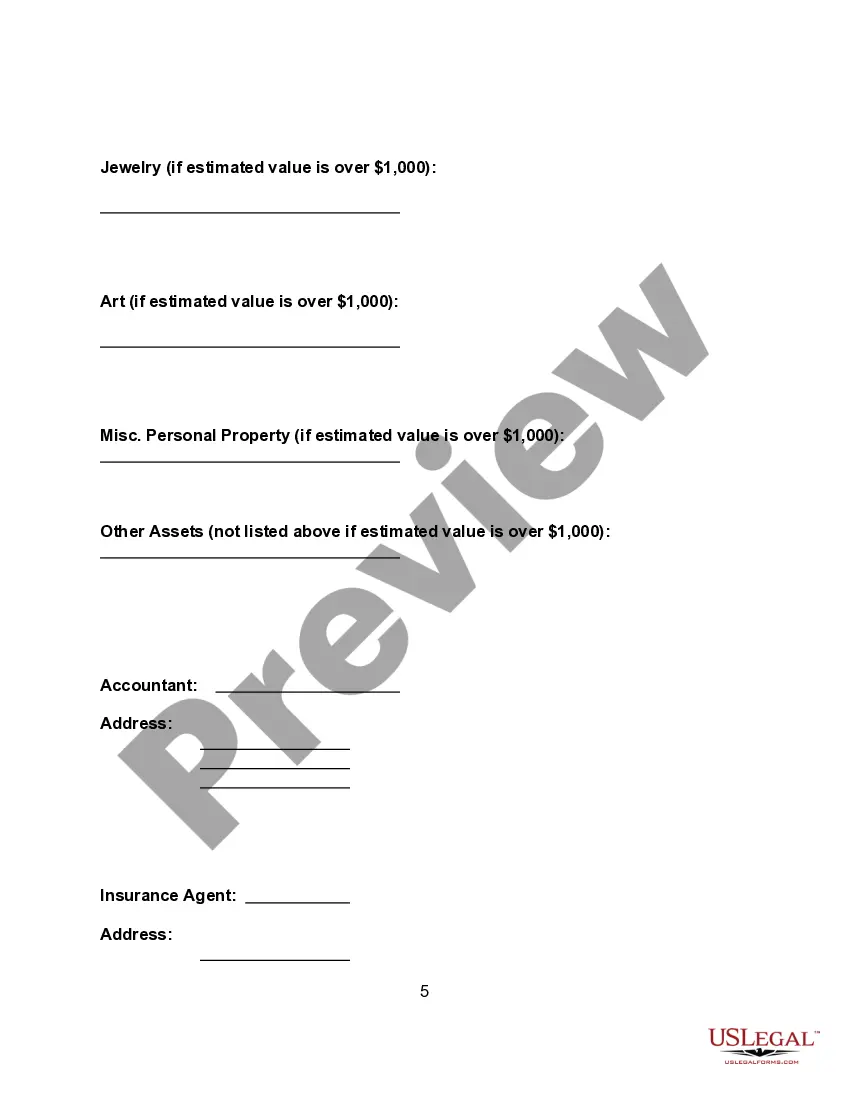
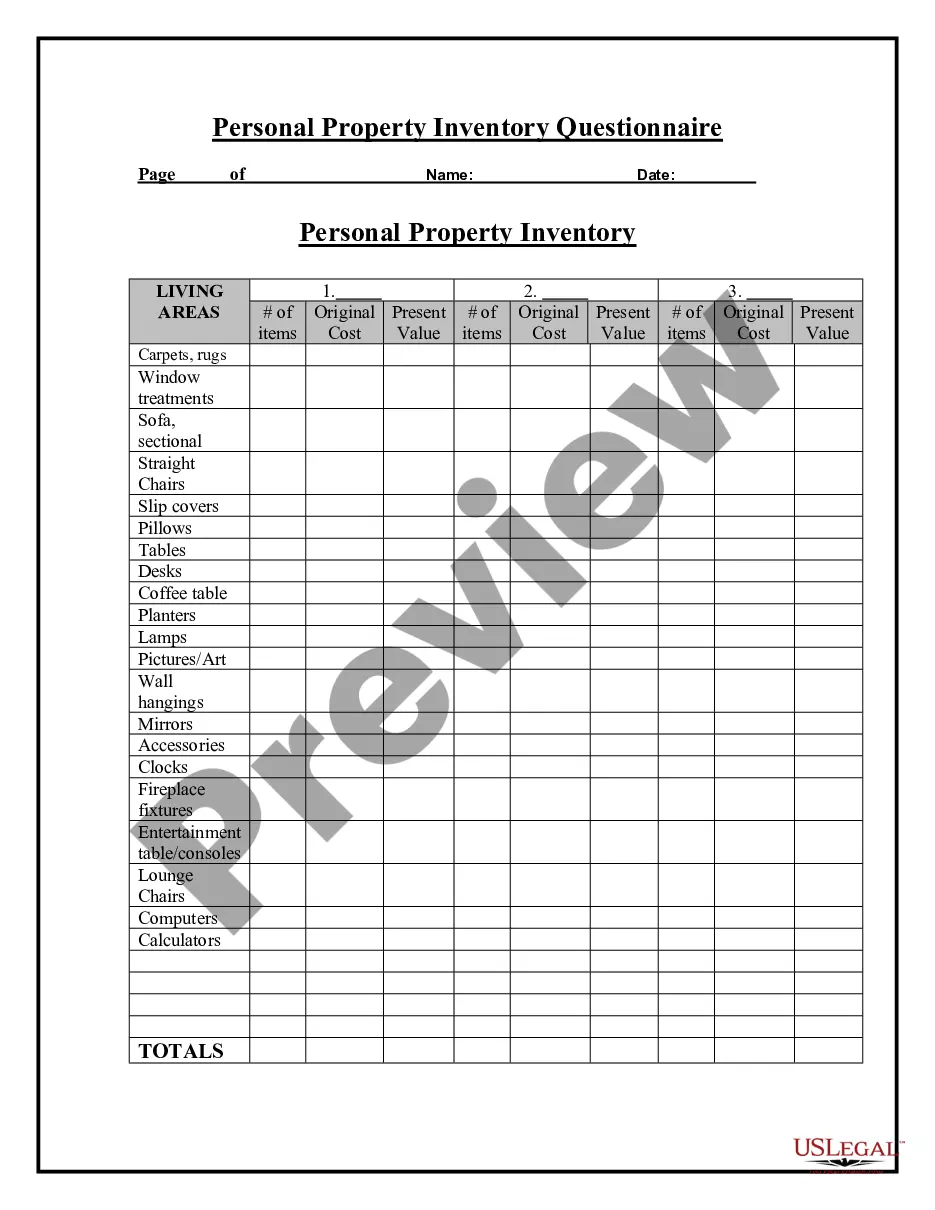
- Details for personal property such as automobiles, jewelry, antiques, and art, especially if their estimated value exceeds one thousand.
- Contact information for your accountant, insurance agent, and financial advisor.

When to use this document
This form is useful in various situations, including when preparing for estate planning, assessing financial status, or consolidating asset information for personal records. It can also be used when an individual needs to provide a comprehensive overview of their assets for loan applications or financial assessments.
Intended users of this form
Individuals who might find this form beneficial include:
- Anyone looking to organize their assets for estate planning.
- Individuals preparing for financial consultations or assessments.
- People who want to keep an accurate record of their financial holdings.
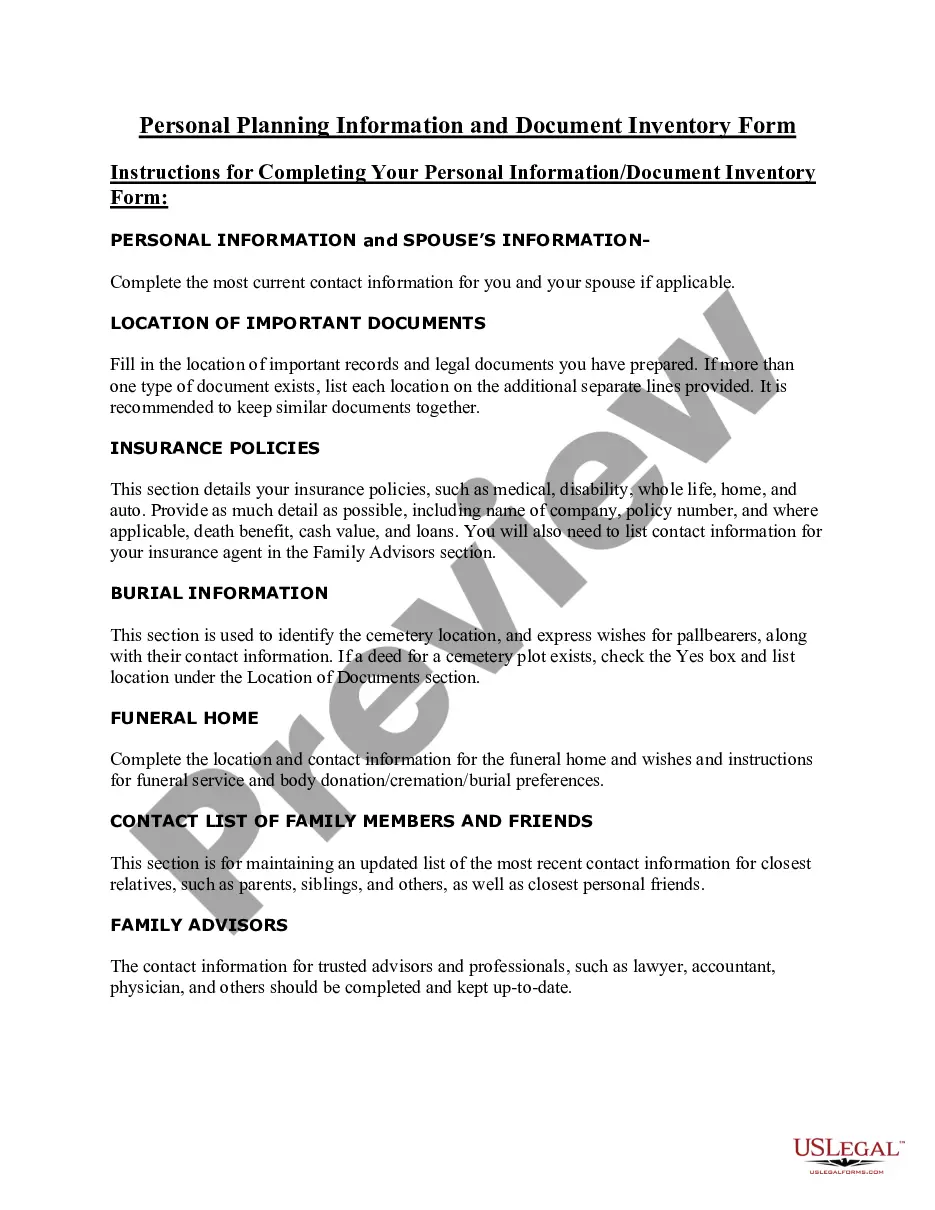
Instructions for completing this form
- Enter your full name, address, and phone numbers at the top of the form.
- List your bank accounts by providing account numbers, indicating whether they are checking or savings accounts.
- Document your stock and brokerage accounts, including the name of the broker and any account numbers.
- Fill in details about your safe deposit box, including the location and numbers associated with it.
- Provide information on other valuable personal property, specifying any items valued over one thousand.
- Add contact details for your accountant, insurance agent, and financial advisor for future reference.
Is notarization required?
Notarization is generally not required for this form. However, certain states or situations might demand it. You can complete notarization online through US Legal Forms, powered by Notarize, using a verified video call available anytime.
Get your form ready online
Our built-in tools help you complete, sign, share, and store your documents in one place.
Make edits, fill in missing information, and update formatting in US Legal Forms—just like you would in MS Word.
Download a copy, print it, send it by email, or mail it via USPS—whatever works best for your next step.
Sign and collect signatures with our SignNow integration. Send to multiple recipients, set reminders, and more. Go Premium to unlock E-Sign.
If this form requires notarization, complete it online through a secure video call—no need to meet a notary in person or wait for an appointment.
We protect your documents and personal data by following strict security and privacy standards.

Make edits, fill in missing information, and update formatting in US Legal Forms—just like you would in MS Word.

Download a copy, print it, send it by email, or mail it via USPS—whatever works best for your next step.

Sign and collect signatures with our SignNow integration. Send to multiple recipients, set reminders, and more. Go Premium to unlock E-Sign.

If this form requires notarization, complete it online through a secure video call—no need to meet a notary in person or wait for an appointment.

We protect your documents and personal data by following strict security and privacy standards.
Common mistakes
- Leaving sections incomplete or not providing full details for assets.
- Forgetting to list all valuable personal property, especially items worth over one thousand.
- Neglecting to verify bank account numbers and brokerage details before submission.
Advantages of online completion
- Convenience of accessing and filling out the form from anywhere with internet access.
- Easy editing capabilities allow you to update information as needed.
- Reliability from using professionally drafted templates by licensed attorneys.
Looking for another form?

Form popularity
FAQ
Your FSA ID, which you can create on fsaid.ed.gov. Your social security number and driver's license, and/or alien registration number if you are not a U.S. citizen. Your federal income tax returns, W-2s, and other records of money earned. Your parents income tax returns, W-2 forms and 1040 forms if you're a dependent.
The FAFSA will require disclosure of financial information, including bank account balances, by the student applicant and also from the student's parents if the student is classified as a dependent student.
Assets on the FAFSA An asset is essentially any money that you have readily available. For the purpose of filling the FAFSA, these are counted as assets: Money deposited in checking accounts and savings accounts.
You can only skip FAFSA questions about assets if you meet the qualifications to do so based on your answers to other questions on the application. However, that's only because your asset information at that point doesn't affect your eligibility for federal student aid.
As a general rule, you should only report assets that are cash-based (i.e. not your car) and liquid (meaning you can easily turn them into cash). Things like trust funds and 529 savings plans (if they're owned by you or your parent) do need to be reported, as well as more obvious things like your bank balances.
If you don't report assets, you'll be automatically disqualified from institutional aid like need based scholarships but can still qualify for government loans or merit based scholarships. The accountant and the financial aid people at multiple medical schools have confirmed this.
Impact of Assets on the FAFSA The impact of an asset depends on whether it is a student asset or a parent asset. The FAFSA has a simplified needs test that causes assets to be disregarded if the parent income (or student income, if the student is independent) is less than $50,000 and certain other criteria apply.
How do I complete the question Does the total amount of your parents' asset net worth exceed the amount listed on the FAFSA® form? Select Yes if your parents' current asset net worth exceeded this amount on the day you submitted your Free Application for Federal Student Aid (FAFSAA®) form.
Your FSA ID Your Social Security number Your driver's license number. Your 2019 tax records Records of your untaxed income Records of your assets (money) List of the school(s) you are interested in attending.