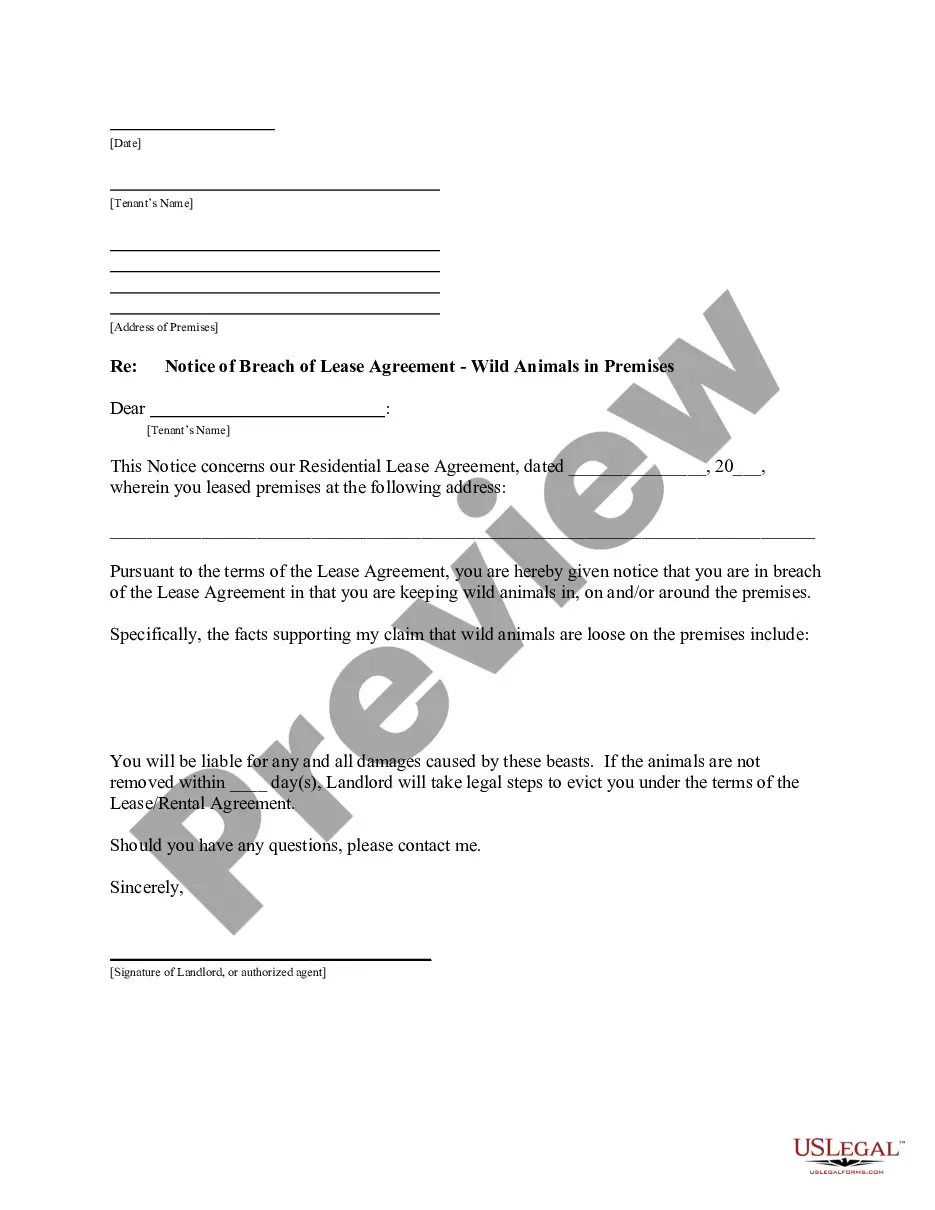
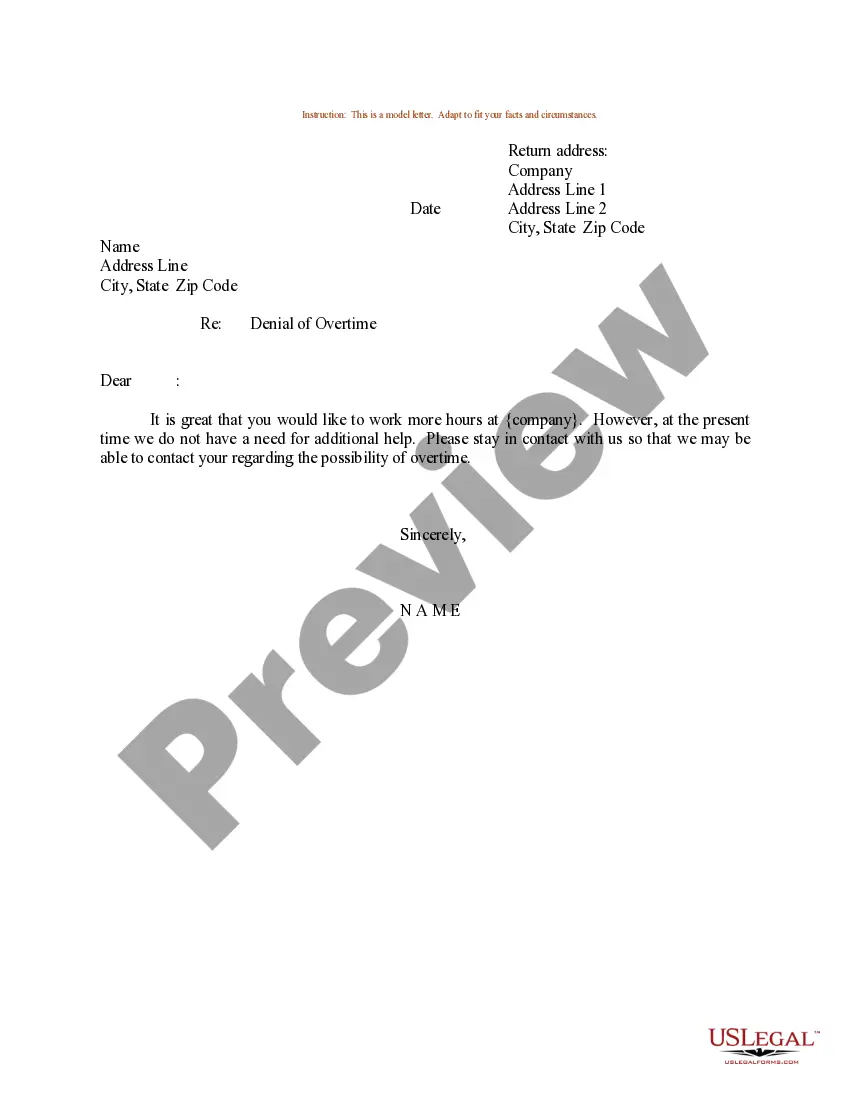
Sample Letter for Denial of Overtime
About this form
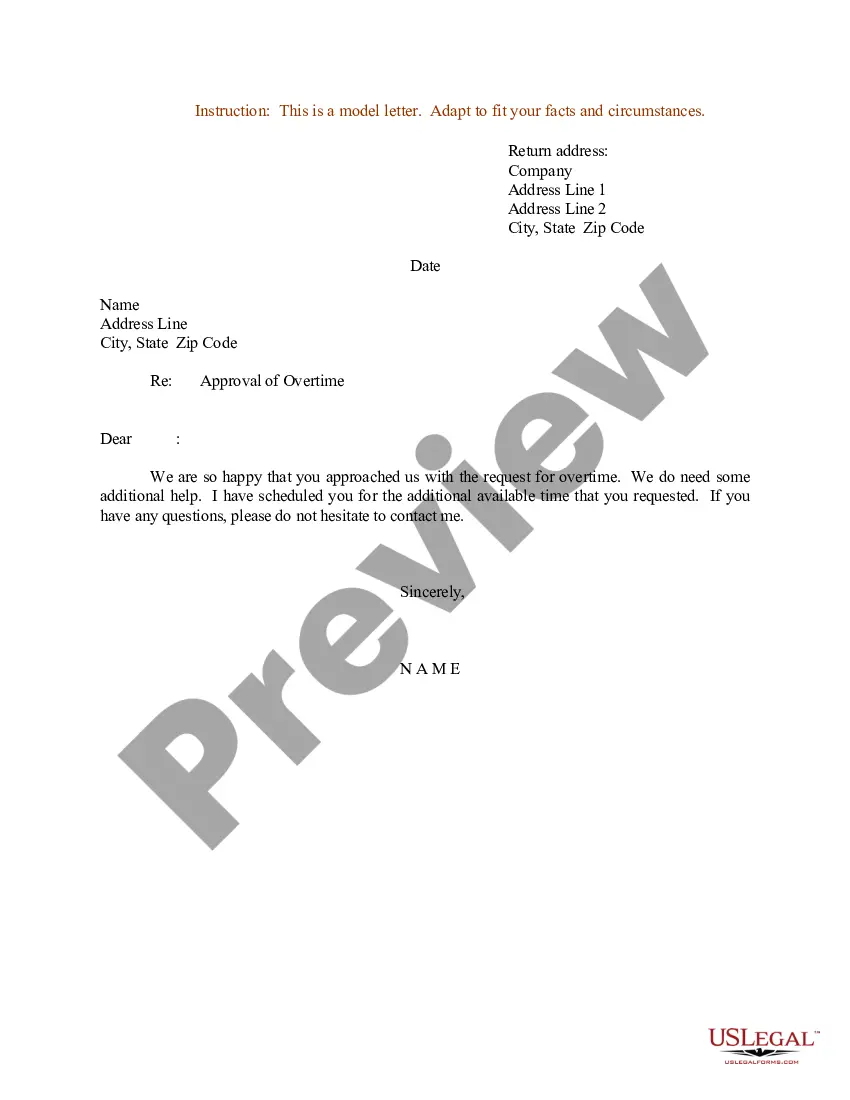
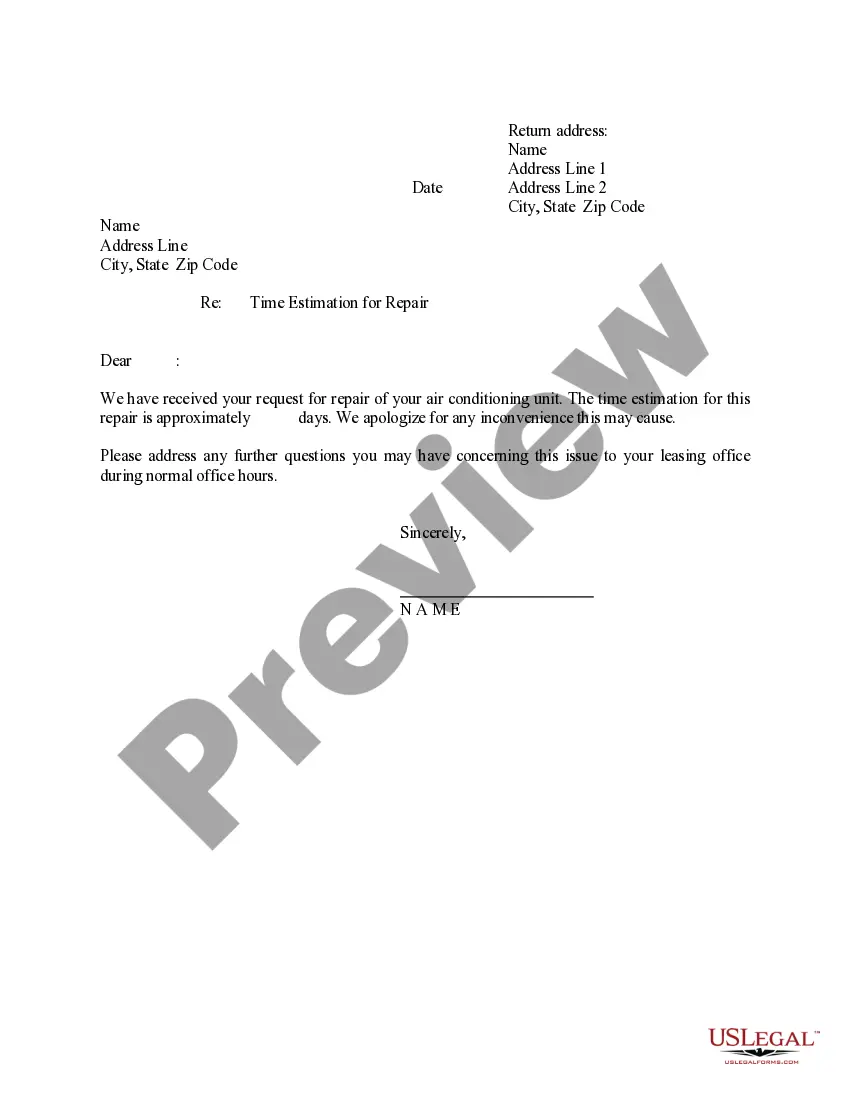
The Sample Letter for Denial of Overtime is a formal document used by employers to notify employees that their request for overtime pay has been denied. This letter clearly outlines the reasons for the denial, distinguishing it from other employment-related forms such as request letters or wage statements. It serves to provide transparency and maintain open communication between employers and employees.
Key parts of this document
- Return address: Includes the company's name and address for proper correspondence.
- Date: The date on which the letter is issued.
- Recipient's address: The employee's name and address, ensuring the letter is directed to the correct person.
- Subject line: Clearly states the purpose of the letter as "Denial of Overtime."
- Body: Provides a rationale for the denial and any relevant details.
- Signature line: Includes space for the employer's name, which formalizes the letter.
When to use this document
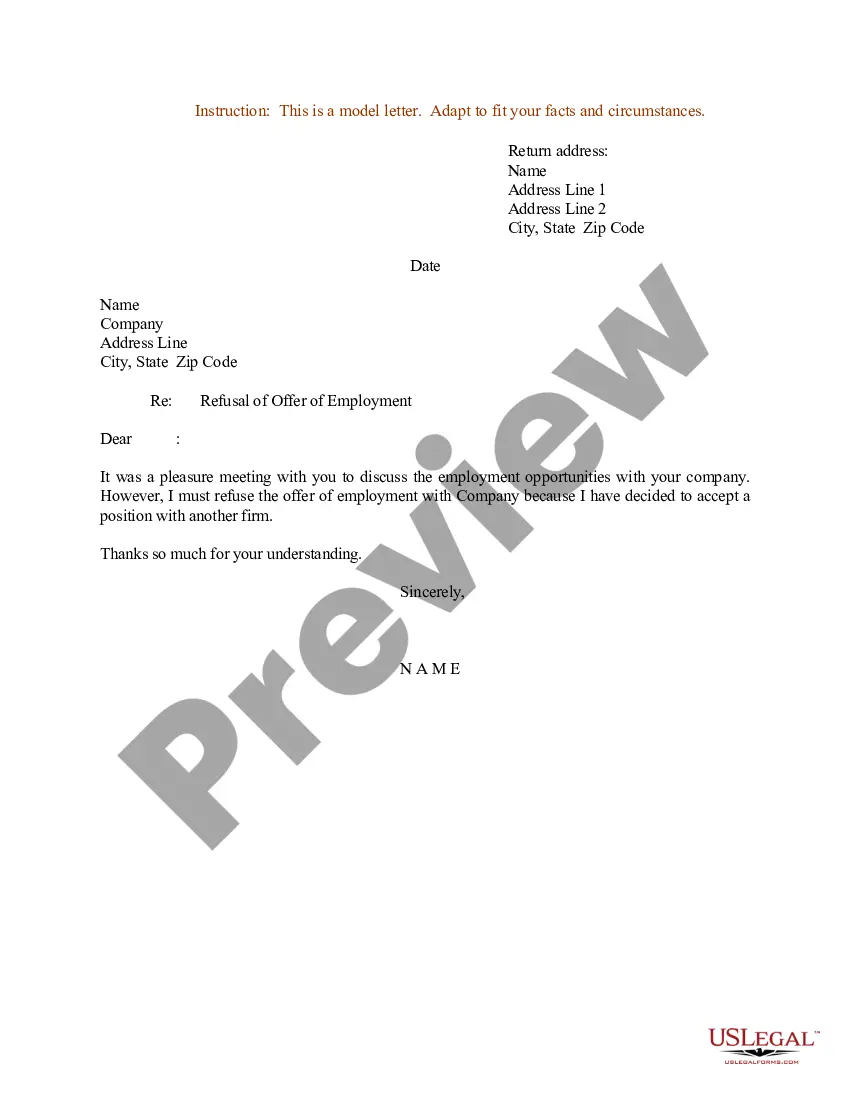
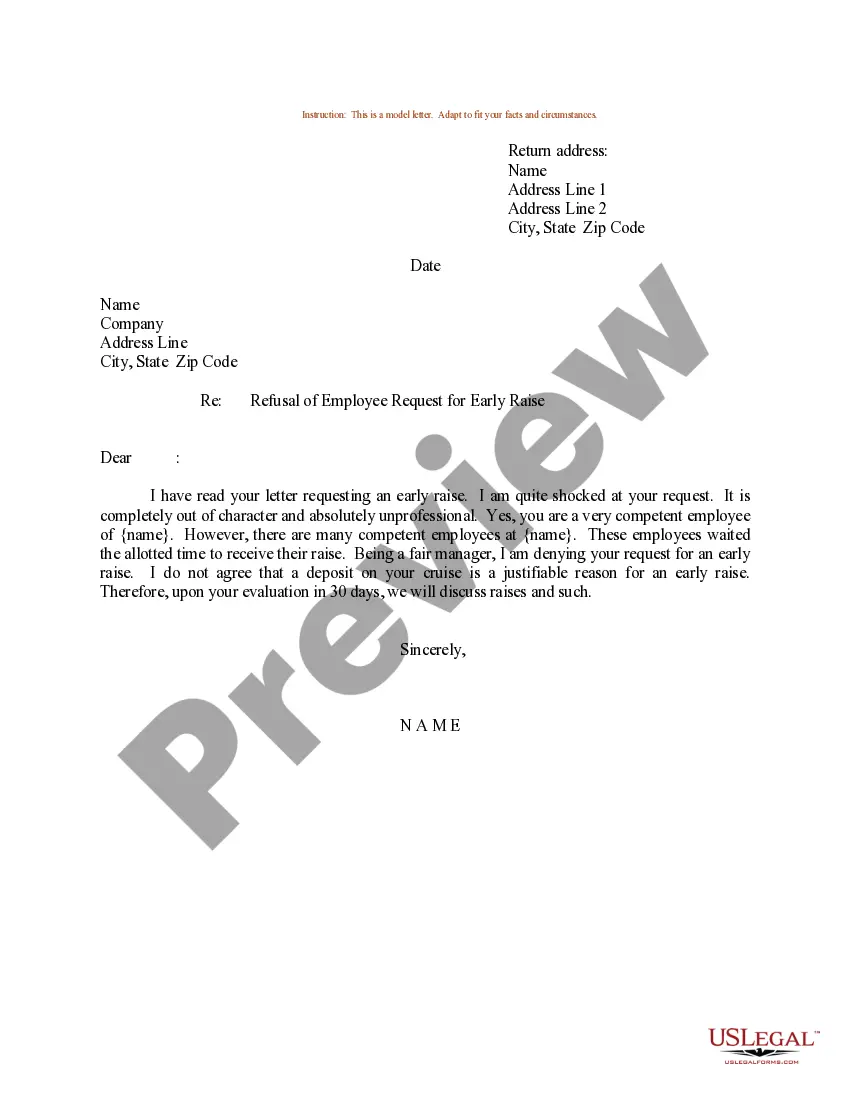
This form should be used when an employee has formally requested overtime compensation, and the employer needs to respond with a denial. It is essential in situations where an employee's overtime request does not meet the companyâs criteria, budget constraints, or policy guidelines. Using this letter helps document the decision and the rationale behind it, which can be important for both parties if disputes arise.
Who should use this form
- Employers or HR representatives who manage employee compensation.
- Business owners responding to employee overtime requests.
- Managers looking to maintain clear communication with their team regarding overtime policies.
Steps to complete this form
- Identify the parties: Specify the company and employee names and addresses.
- Enter the date: Fill in the date the letter is issued.
- State the subject: Clearly indicate that the letter is about the denial of overtime.
- Provide reasons: Include a detailed explanation for the denial, ensuring clarity.
- Sign the letter: Include the signature of the person authorized to issue the denial.
Is notarization required?
This form does not typically require notarization unless specified by local law. However, it's important to verify specific state requirements to ensure compliance.
Get your form ready online
Our built-in tools help you complete, sign, share, and store your documents in one place.
Make edits, fill in missing information, and update formatting in US Legal Forms—just like you would in MS Word.
Download a copy, print it, send it by email, or mail it via USPS—whatever works best for your next step.
Sign and collect signatures with our SignNow integration. Send to multiple recipients, set reminders, and more. Go Premium to unlock E-Sign.
If this form requires notarization, complete it online through a secure video call—no need to meet a notary in person or wait for an appointment.
We protect your documents and personal data by following strict security and privacy standards.

Make edits, fill in missing information, and update formatting in US Legal Forms—just like you would in MS Word.

Download a copy, print it, send it by email, or mail it via USPS—whatever works best for your next step.

Sign and collect signatures with our SignNow integration. Send to multiple recipients, set reminders, and more. Go Premium to unlock E-Sign.

If this form requires notarization, complete it online through a secure video call—no need to meet a notary in person or wait for an appointment.

We protect your documents and personal data by following strict security and privacy standards.
Mistakes to watch out for
- Failing to provide a clear reason for the denial.
- Not including the correct addresses of both the company and employee.
- Using vague language that can lead to misunderstandings.
Benefits of using this form online
- Convenient access: Downloadable and editable templates allow for quick modifications.
- Time-saving: Easily fill out the form without the need for drafting from scratch.
- Legal assurance: Templates are drafted by licensed attorneys to ensure compliance.
Legal use & context
- This letter serves as a formal notice, protecting the employer from potential disputes related to unpaid overtime.
- Clear documentation can be helpful in case of subsequent legal inquiries or labor disputes.
What to keep in mind
- The Sample Letter for Denial of Overtime formalizes the communication of an overtime denial.
- Clear reasons for denial help maintain positive employer-employee relations.
- Using the form can protect against future disputes and misunderstandings regarding pay.
Looking for another form?
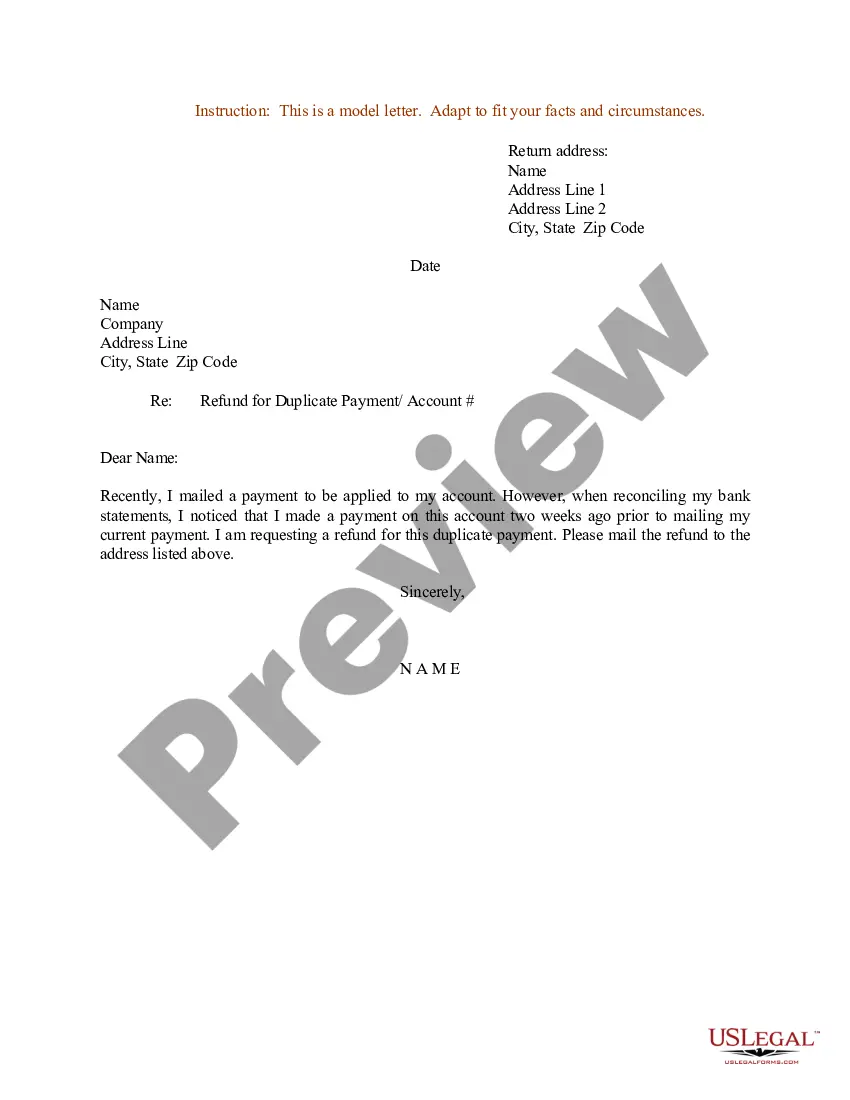
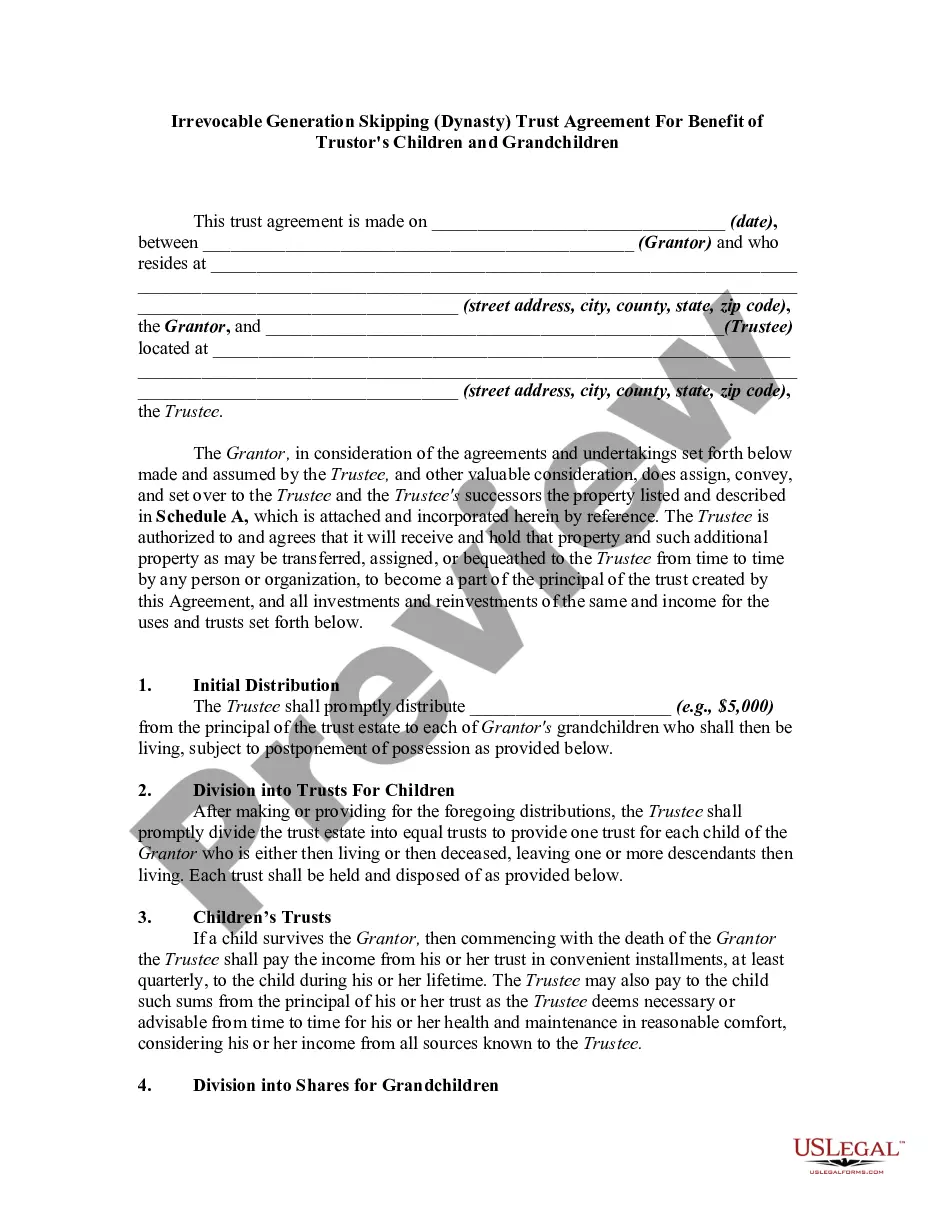
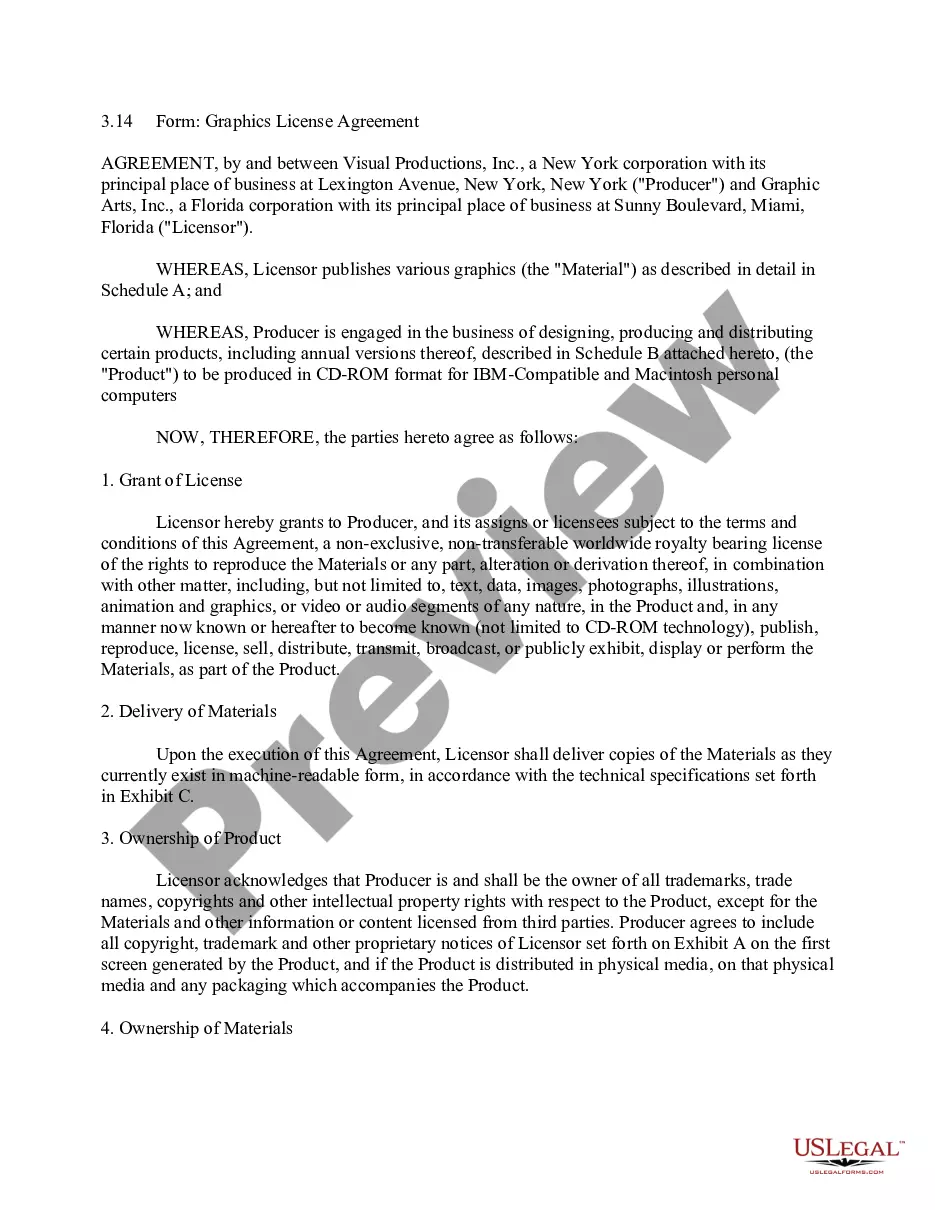
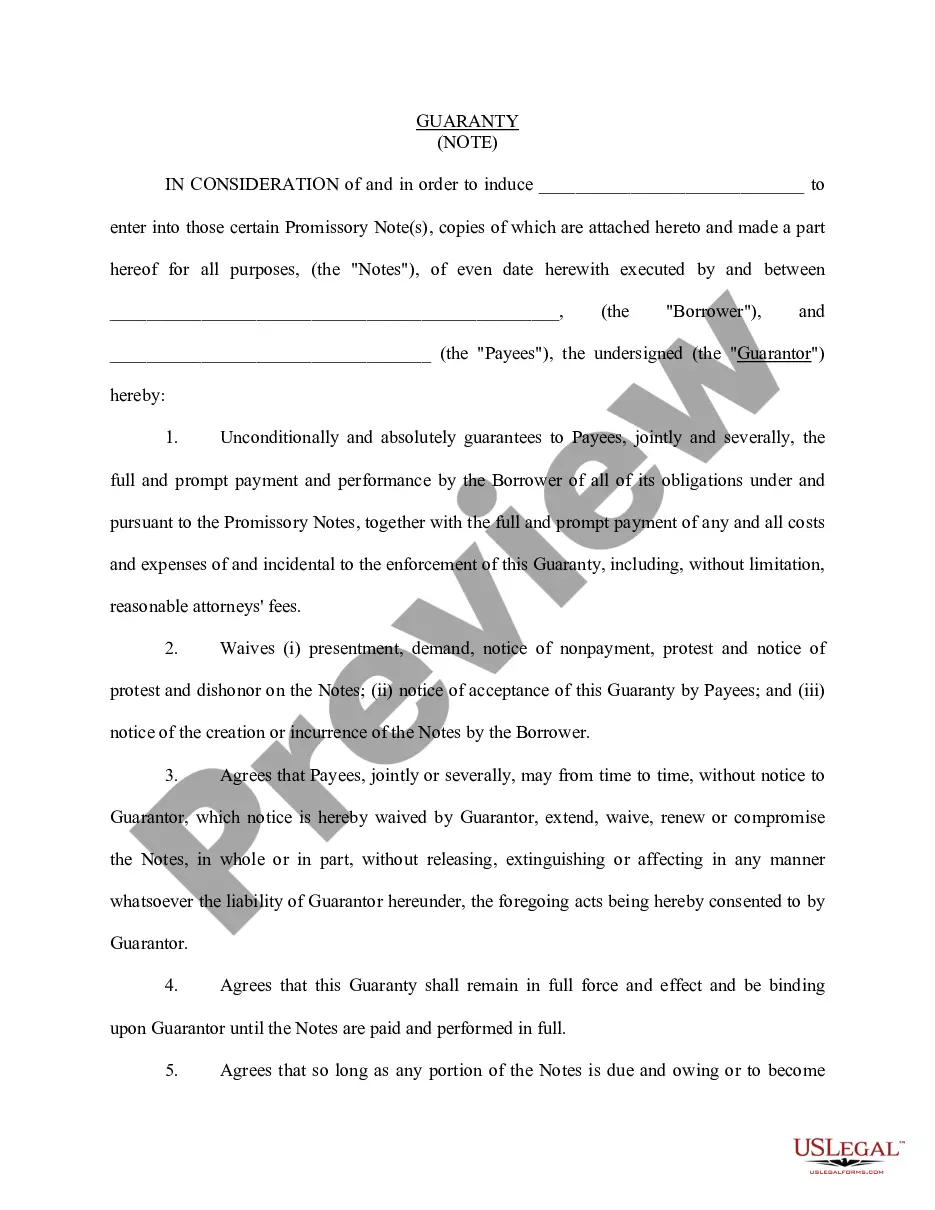
Form popularity
FAQ
Act now. Despite uncertainty around the final overtime rules, it's best to proactively communicate the latest updates on the rules to your employee before they start to ask questions about how they will be affected. Prepare clear messages and responses. Arrange one-on-one time.
Give them a valid reason. Don't just tell your boss you don't want to do something because you don't feel like doing it. Always offer alternative solutions. Remind your boss of your existing workload. Show your gratitude. Find someone else to do it. Be empathetic. Buy yourself some time. Don't beat around the bush.
If you politely refuse every time you are asked, it leaves the door open for another request in the future. If you don't want to do any overtime at all, you should speak to your manager and explain that due to personal commitments, you can't do overtime.
An employer can force an employee to work overtime so long as the request, duration and time is not unreasonable.
Can It Be Legally Imposed? Like federal law, California law does allow employers to penalize its employees if they refuse to do overtime work. An employer has the right to dictate the work schedule and the hours worked by their employees as long as the overtime wage laws are adhered to.
The tone of the letter should be polite and formal. One should mention the reasons for staying overtime. The number of employees who will be working needs to be mentioned. While going through the letter, check the amendments, if necessary.
"Yes," your employer can require you to work overtime and can fire you if you refuse, according to the Fair Labor Standards Act or FLSA (29 U.S.C. § 201 and following), the federal overtime law.As long as you work fewer than 40 hours in a week, you aren't entitled to overtime.
1Act now. Despite uncertainty around the final overtime rules, it's best to proactively communicate the latest updates on the rules to your employee before they start to ask questions about how they will be affected.2Prepare clear messages and responses.3Arrange one-on-one time.
1Familiarity and experience with the client or nature of client requirements, allowing for faster and higher quality output.2Ability to work with the existing licenses and resources, without having to set up new infrastructure for a new employee.How to Justify Overtime to your Boss - Bright Hub\nwww.brighthub.com > office > career-planning > articles