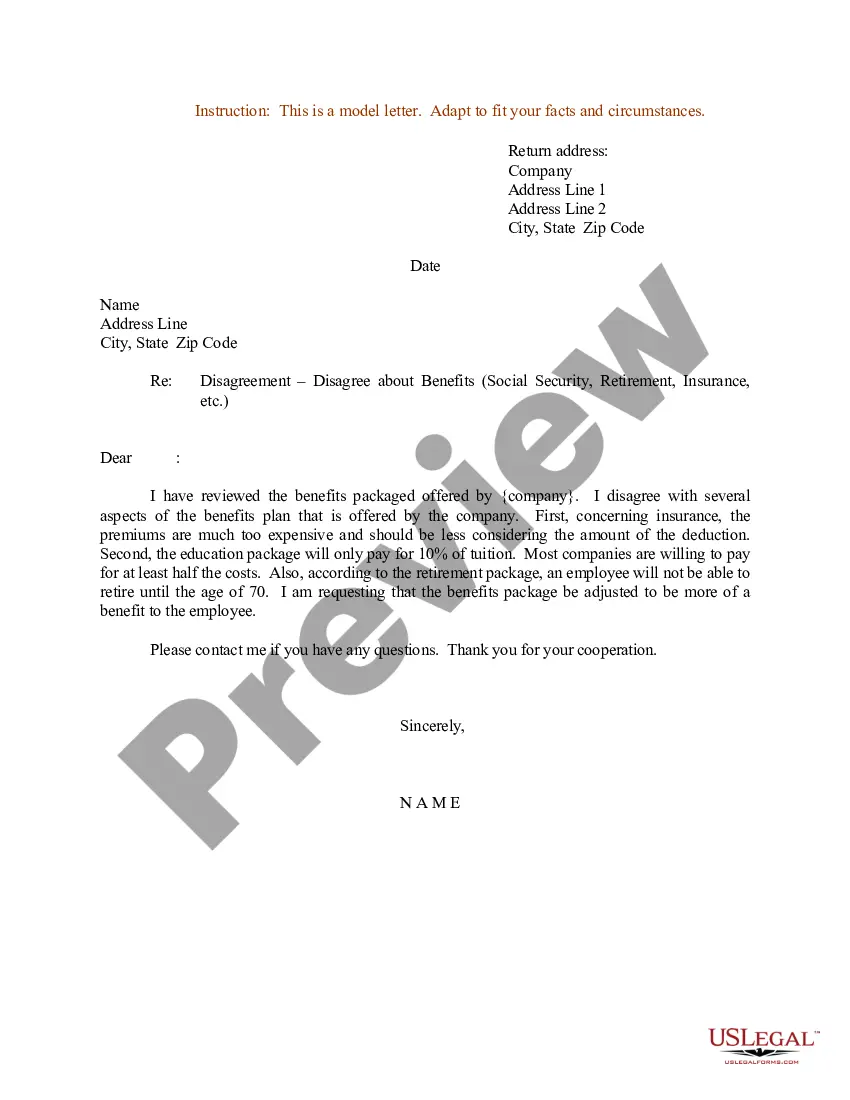
Sample Letter for Disagreement About Benefits
About this form
The Sample Letter for Disagreement About Benefits is a formal document used to dispute decisions related to benefits, such as Social Security, retirement, or insurance. This letter serves as a clear communication tool to outline your disagreement and request further review or clarification, distinguishing itself from other forms of complaint letters by its specific focus on benefits-related issues.
Form components explained
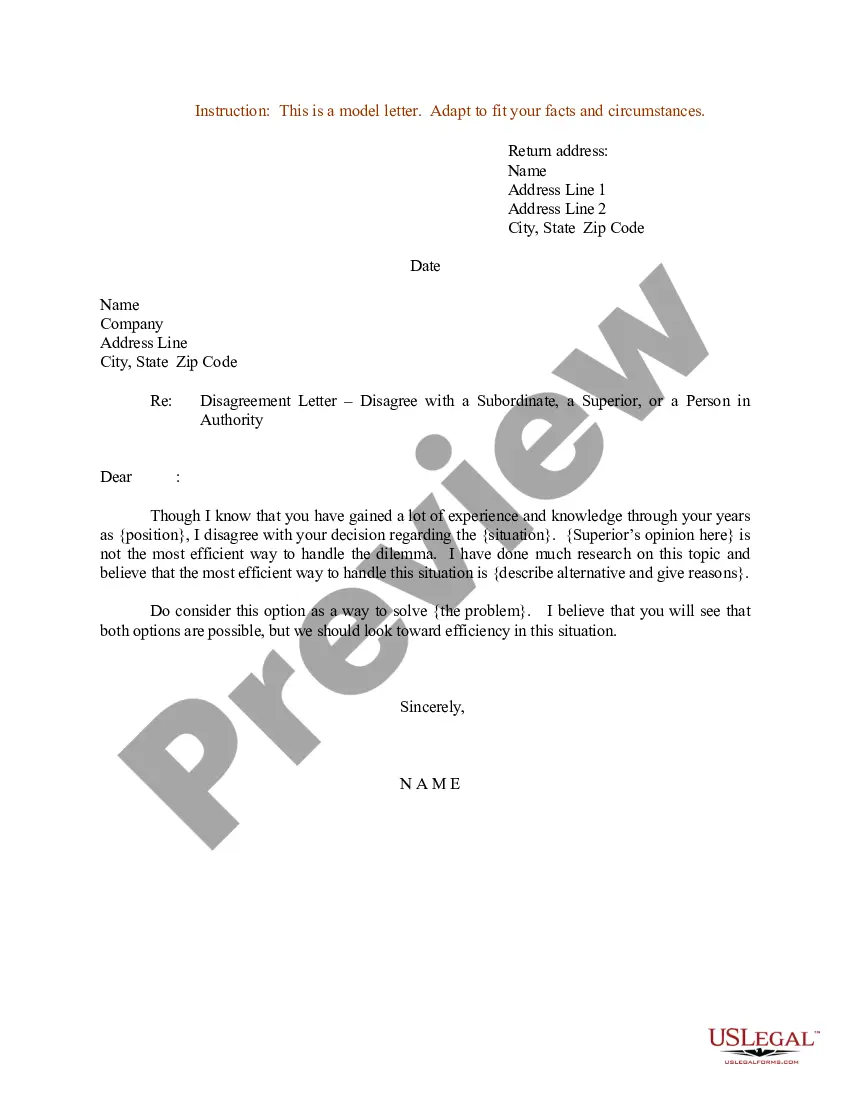
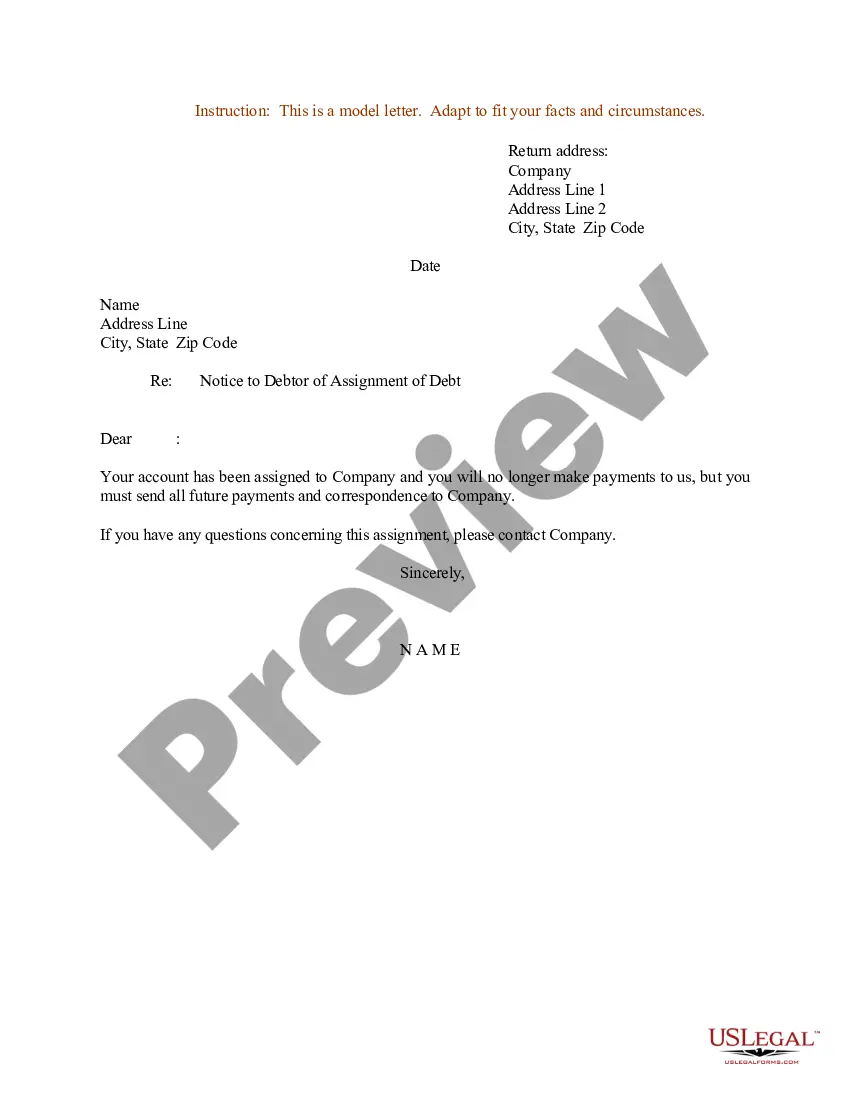
- Return address: Your name and address, necessary for correspondence.
- Date: The date when the letter is being sent, important for record-keeping.
- Recipient's information: The name and address of the person or organization disputing the benefits decision.
- Subject line: Clearly states the purpose of the letter regarding the disagreement about benefits.
- Closing statement: A polite section inviting questions and thanking the recipient for their cooperation.
- Signature: Your name, which formalizes the letter.
Situations where this form applies
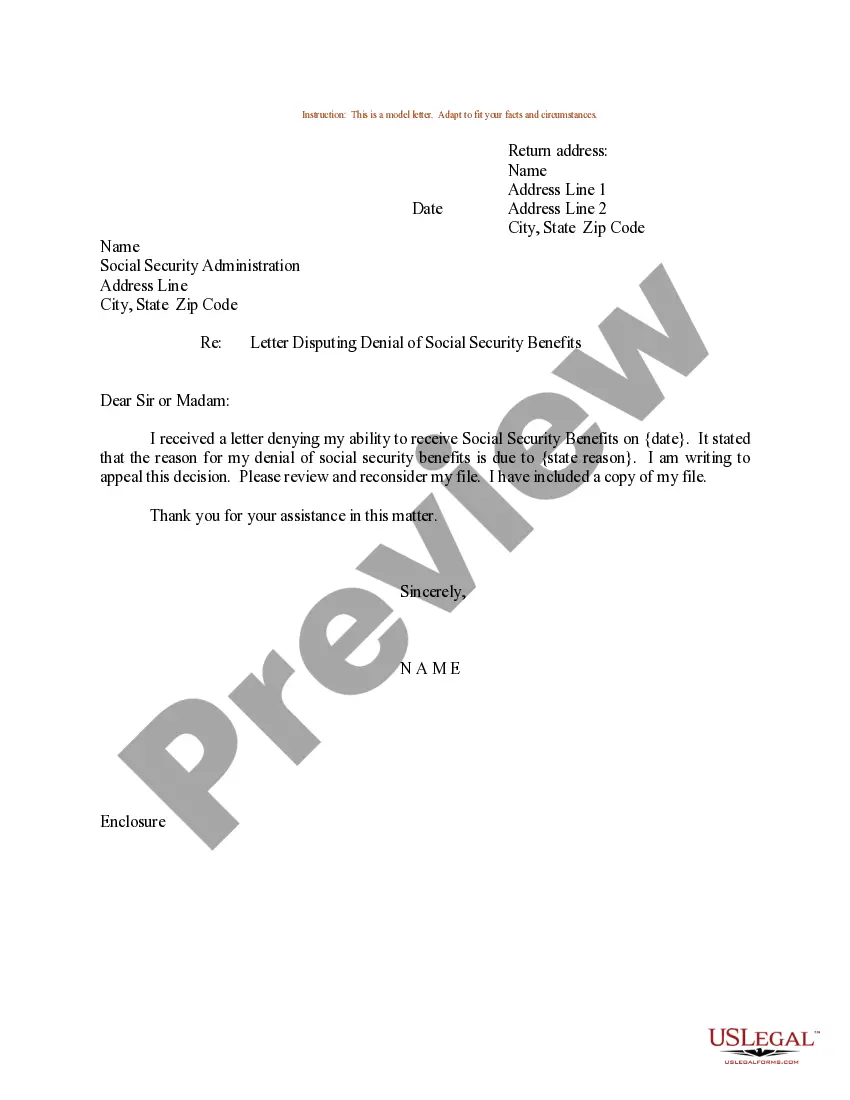
This form is essential when you believe your benefits have been calculated incorrectly or that a denial of benefits is unjust. Examples include receiving a notice of denied Social Security benefits, changes in retirement pension amounts without clear explanation, or discrepancies in insurance claims. Using this letter promptly ensures that your concerns are formally documented and helps initiate a review process.
Who this form is for
This form is intended for individuals who:
- Have received a notice regarding benefits they disagree with.
- Wish to formally communicate their disagreement to the relevant authority or organization.
- Are seeking clarification or a reevaluation of their benefits situation.
- Want to ensure their concerns are documented in a professional manner.
How to complete this form
- Identify and fill in your return address at the top.
- Enter the date the letter is being sent.
- Input the recipient's name and address details.
- Specify the subject line clearly to convey the disagreement.
- Draft a concise message outlining the reasons for your disagreement.
- Sign the letter to formalize your communication.
Notarization requirements for this form
Notarization is generally not required for this form. However, certain states or situations might demand it. You can complete notarization online through US Legal Forms, powered by Notarize, using a verified video call available anytime.
Get your form ready online
Our built-in tools help you complete, sign, share, and store your documents in one place.
Make edits, fill in missing information, and update formatting in US Legal Forms—just like you would in MS Word.
Download a copy, print it, send it by email, or mail it via USPS—whatever works best for your next step.
Sign and collect signatures with our SignNow integration. Send to multiple recipients, set reminders, and more. Go Premium to unlock E-Sign.
If this form requires notarization, complete it online through a secure video call—no need to meet a notary in person or wait for an appointment.
We protect your documents and personal data by following strict security and privacy standards.

Make edits, fill in missing information, and update formatting in US Legal Forms—just like you would in MS Word.

Download a copy, print it, send it by email, or mail it via USPS—whatever works best for your next step.

Sign and collect signatures with our SignNow integration. Send to multiple recipients, set reminders, and more. Go Premium to unlock E-Sign.

If this form requires notarization, complete it online through a secure video call—no need to meet a notary in person or wait for an appointment.

We protect your documents and personal data by following strict security and privacy standards.
Avoid these common issues
- Failing to include complete recipient information, which may delay response.
- Omitting the date, which can lead to confusion about the timeline.
- Being vague in the explanation of the disagreement, reducing clarity.
- Not signing the letter, which may render it less formal.
Why complete this form online
- Convenient instant download allows for quick access.
- Editability ensures it can be customized to fit your specific needs.
- Reliability of professionally drafted content to enhance effectiveness.
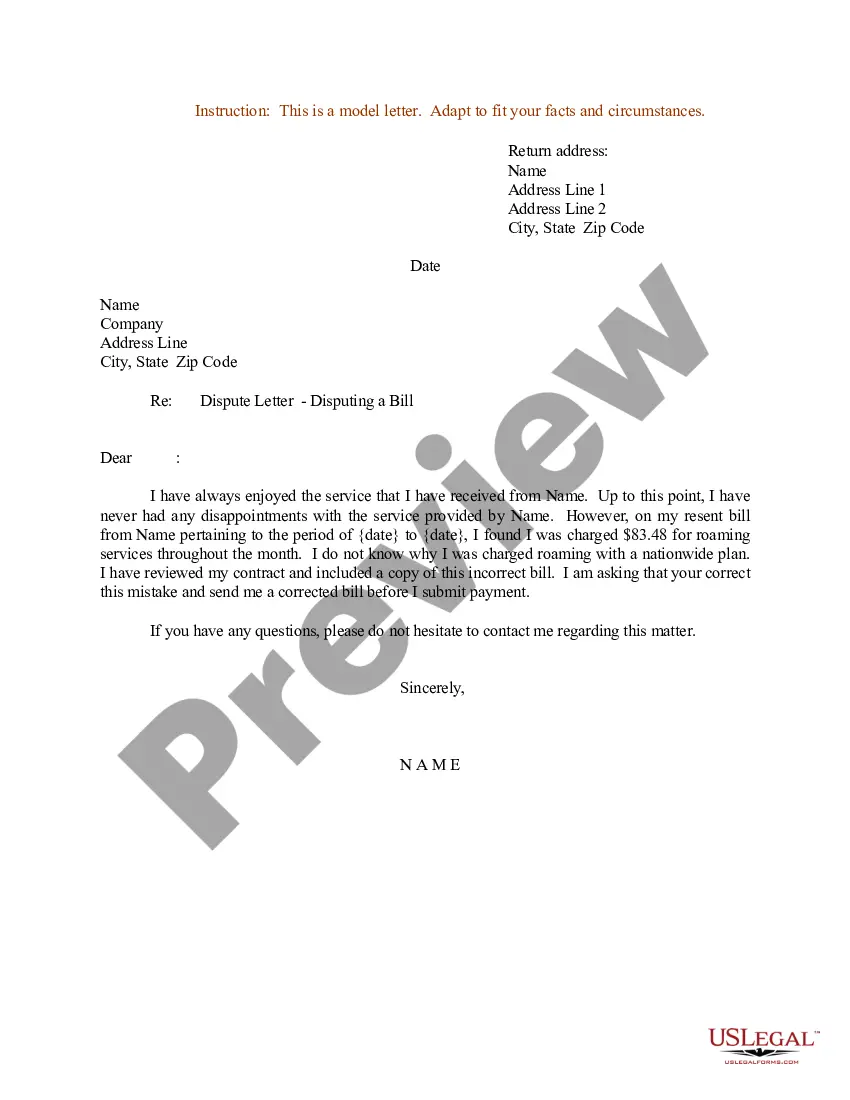
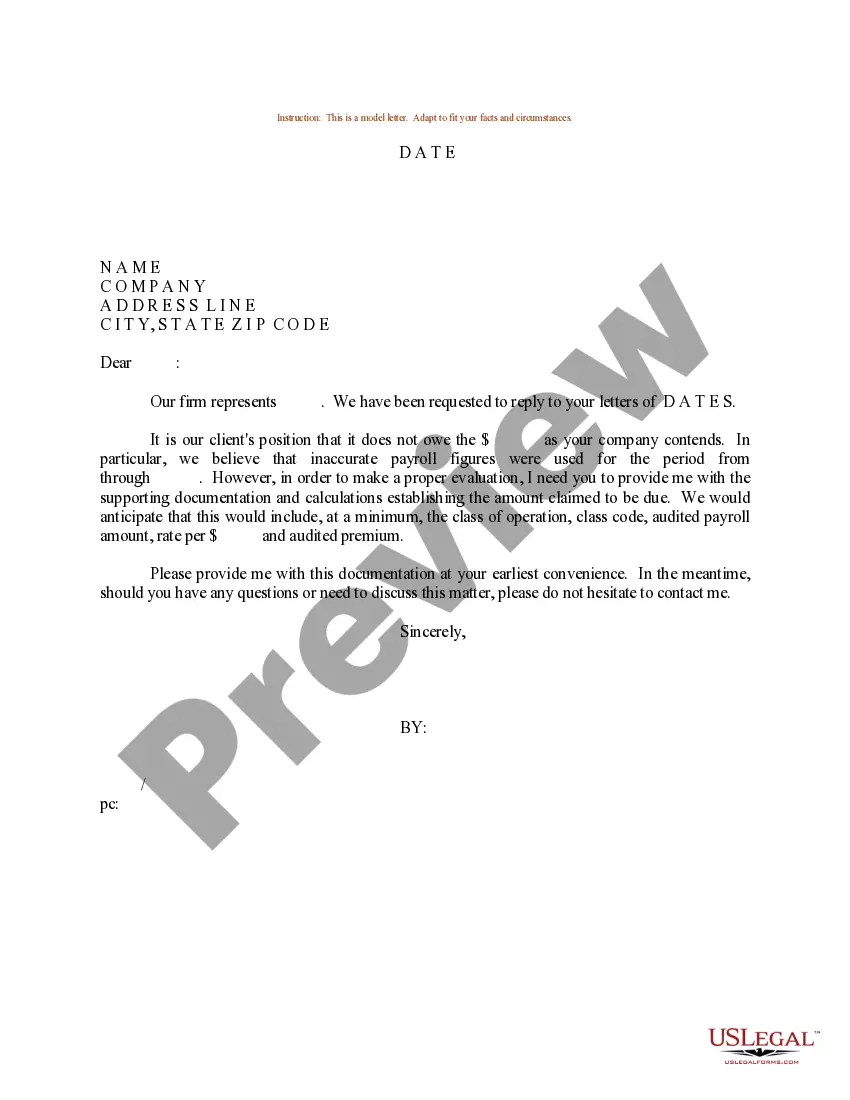
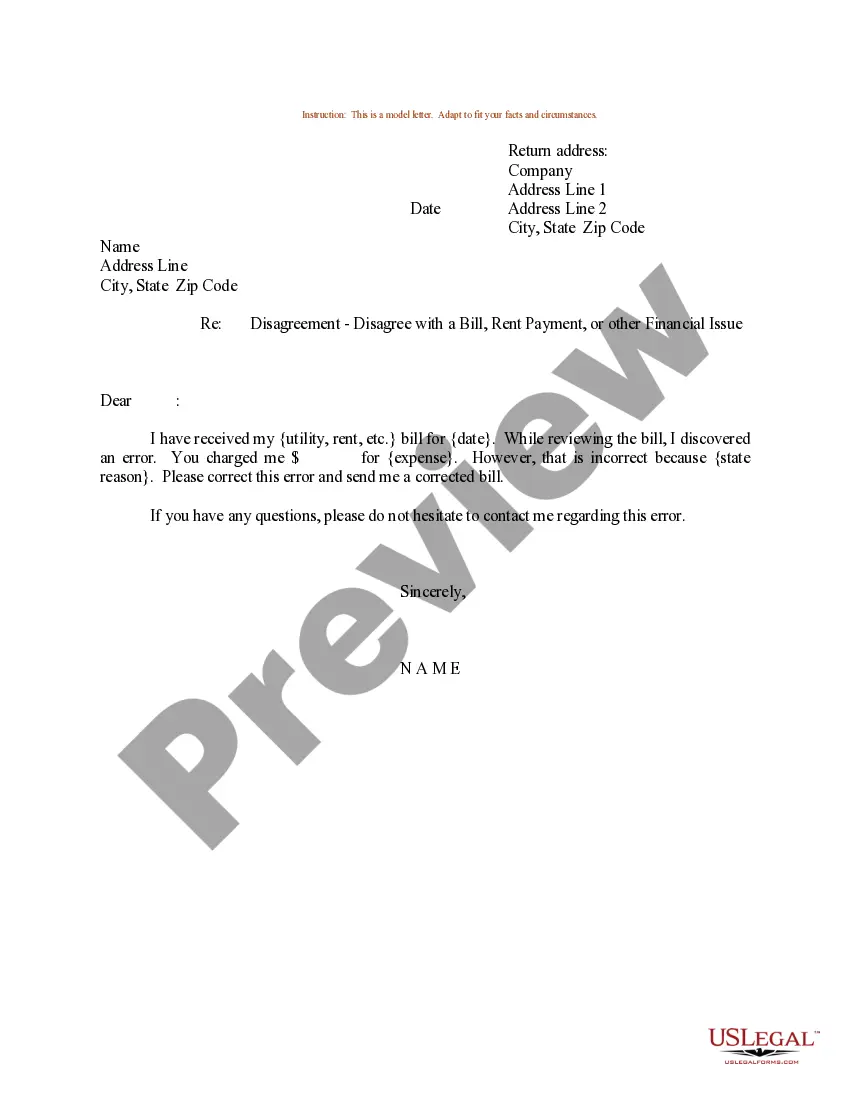
Looking for another form?
Form popularity
FAQ
I respect your point but from my perspective (or but in my opinion)2026 I take your point but that isn't the way I see it; instead, I think that2026 True, that is a fair point, but I have to say I disagree2026 I understand where you are coming from but2026
Consider diffusing the situation by using love and humor. Clearly describe the disagreement and explain what you want done to resolve it. Avoid accusations and threats, particularly in a first letter. Remember to remain courteous, despite the way you may feel. Keep the tone respectful.
I see what you're saying but2026 I understand where you're coming from, but2026 That's a valid point, but2026 I'm sorry but I disagree with you about this.
Write the application reference number and name/address of the scheme at the top of your letter. Make clear that you object. Refer to development plan. Make clear if there are any other material considerations that should be taken into account. Don't be emotive, focus on the issues.
Before getting in to why you disagree, find some common ground or positive aspects first. Be constructive. This means fleshing out your criticisms and backing up your opinions with evidence. When something is an opinion, agree to disagree, when something is factually incorrect point out the error respectfully.
I respect your point but from my perspective (or but in my opinion)2026 I take your point but that isn't the way I see it; instead, I think that2026 True, that is a fair point, but I have to say I disagree2026 I understand where you are coming from but2026
When writing an email/letter of disagreement, you not only need to give reasons why you think you are right, but also try to prove or show that the other person's opinions/reasons are wrong. You can do this by first writing an opinion that the other person has and then give your reason why it is wrong.