Release and Exoneration of Executor on Distribution to Beneficiary of Will and Waiver of Citation of Final Settlement
What is this form?
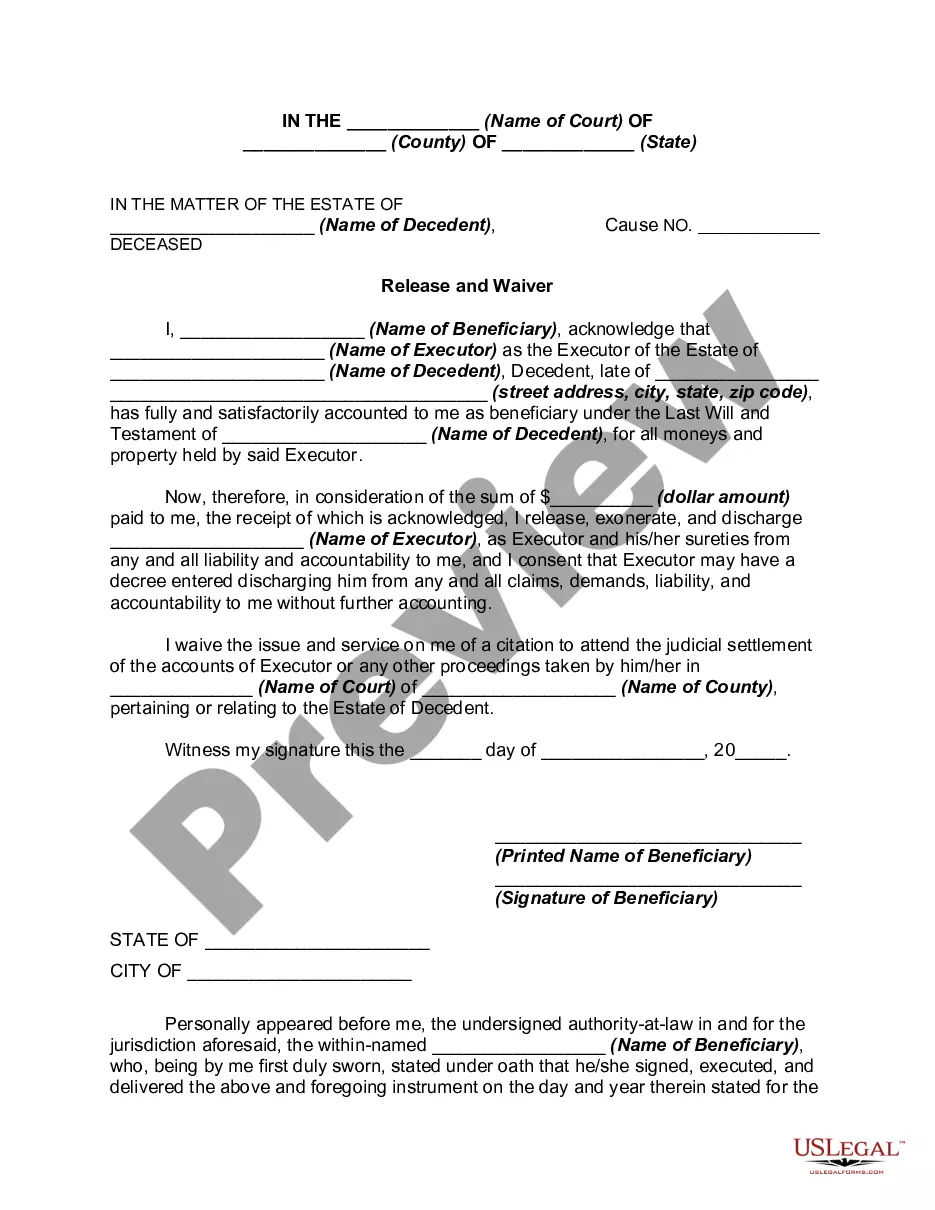
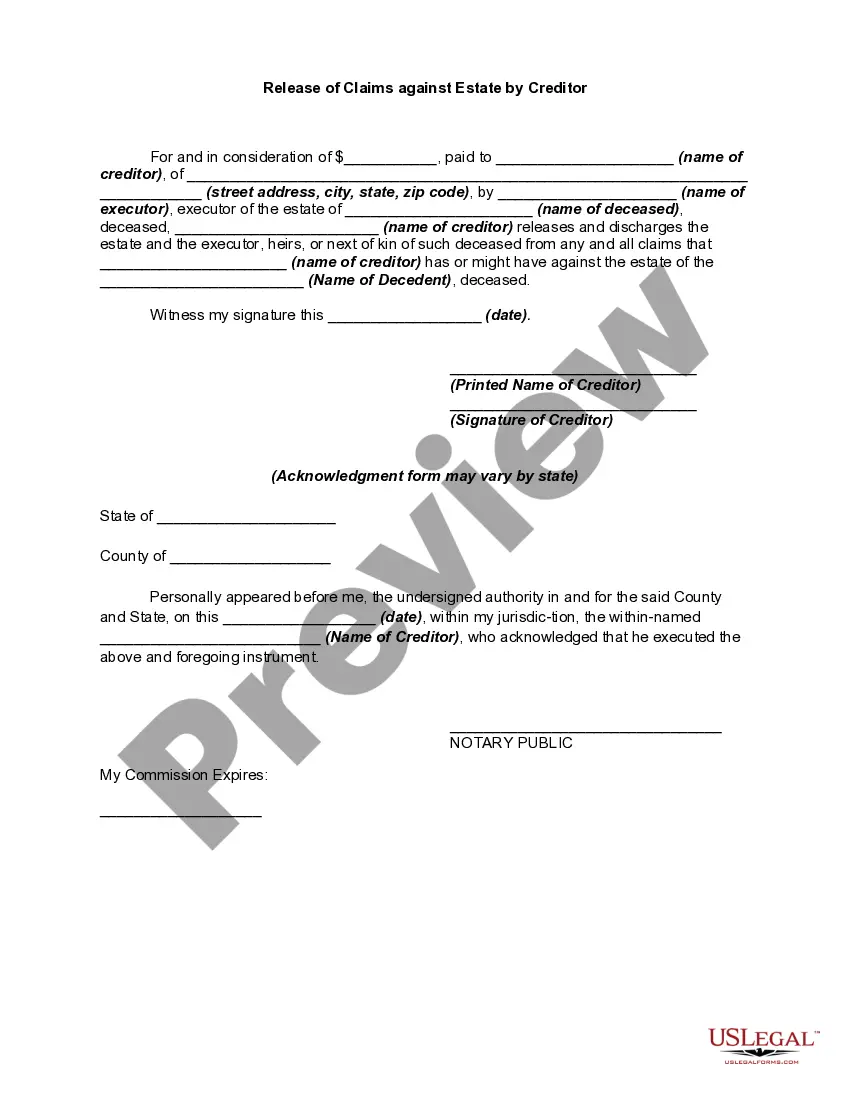
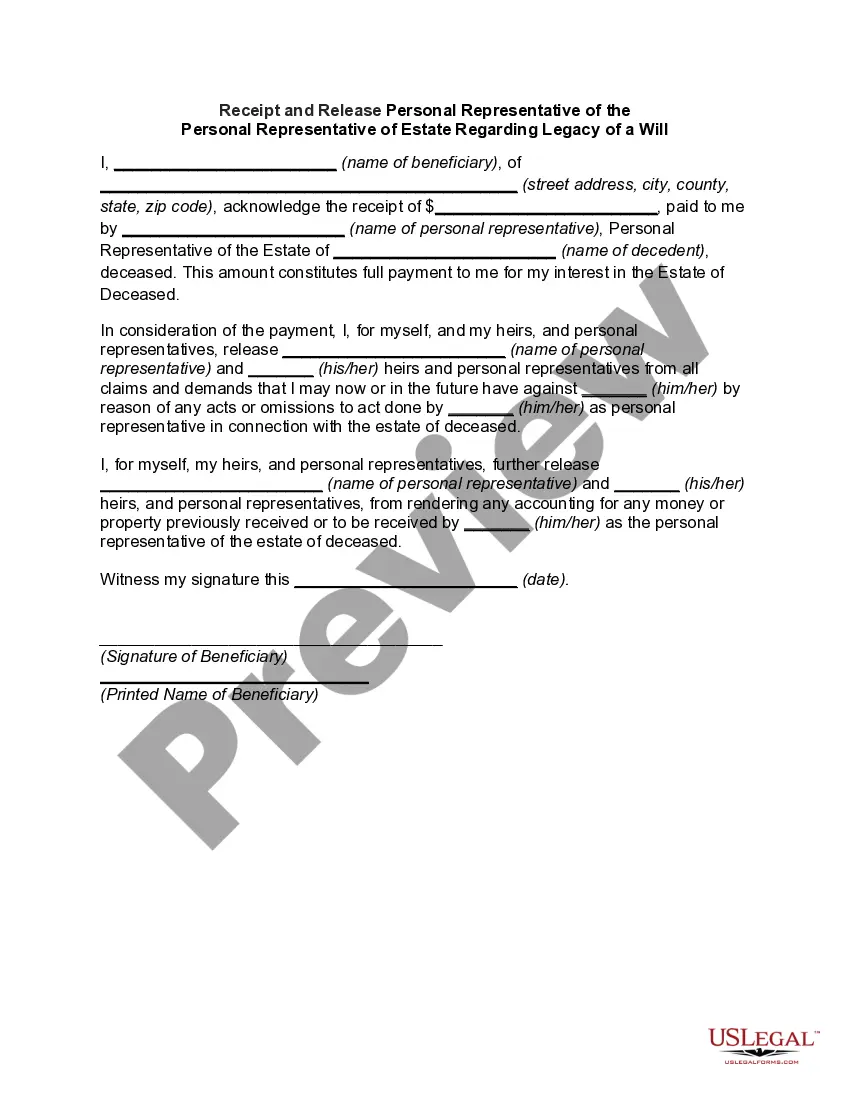
The Release and Exoneration of Executor on Distribution to Beneficiary of Will and Waiver of Citation of Final Settlement is a legal document that allows a beneficiary to formally release the executor of an estate from any further liability once they have received their distribution. This form is essential for ensuring that the executor can settle their accounts without the need for additional legal citations or reviews. It differs from similar forms in its focus on the beneficiary's acknowledgment of the executor's responsibilities and the waiver of future claims regarding the estate distribution.
Key components of this form
- Identification of the county, state, and the estate matter.
- Beneficiary's acknowledgment of the executor's satisfactory accounting.
- Release clause relieving the executor from further liabilities.
- Consent to enter a decree discharging the executor from additional claims.
- Waiver of citation for judicial settlement of executor accounts.
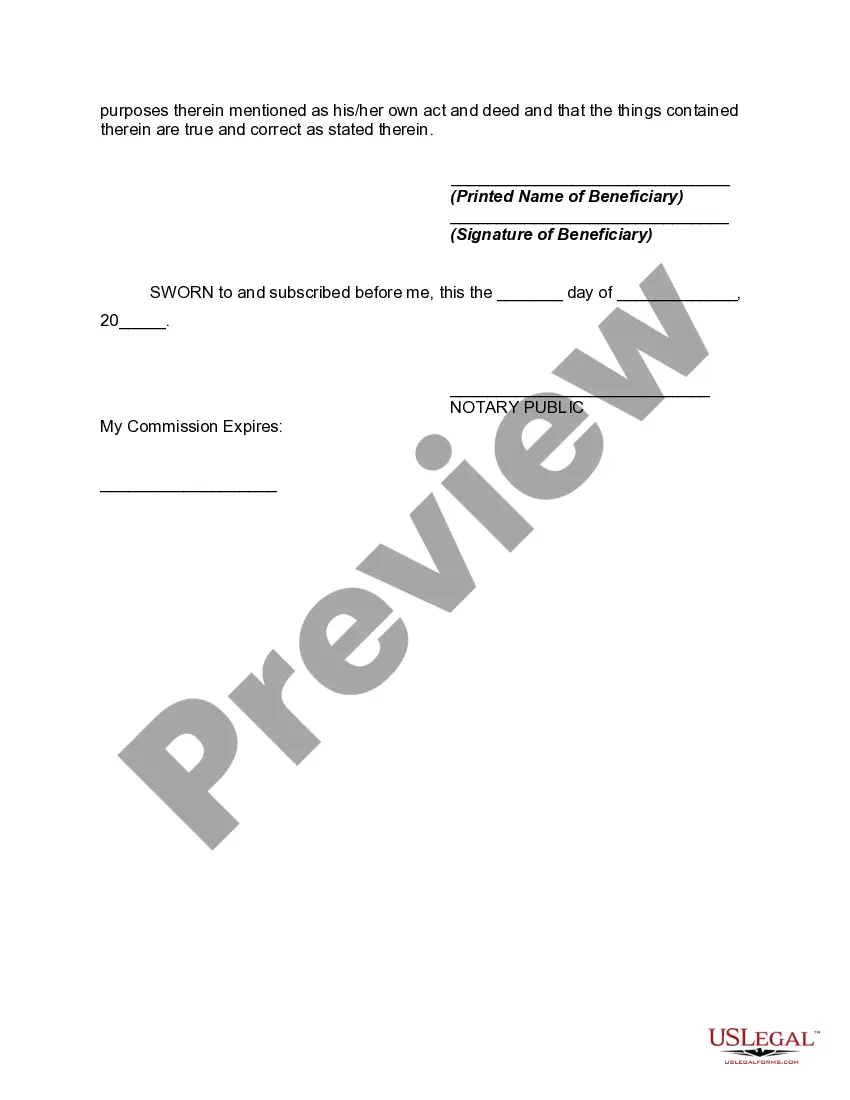
- Spaces for signatures and notarization to validate the document.
When to use this form
This form should be used when a beneficiary of a decedent's estate has received their distribution from the executor and wishes to formally release the executor from any potential claims regarding the final accounting. It is particularly relevant in cases where the beneficiary is satisfied with the distribution and wants to facilitate a smooth closure of the estate without further court involvement.
Who this form is for
- Beneficiaries of an estate who have received their share of the inheritance.
- Executors of estates seeking to finalize distributions without future disputes.
- Legal representatives assisting in the estate settlement process.
How to prepare this document
- Fill in the county and state at the top of the form.
- Enter the decedent's name and the cause number assigned to their estate.
- Provide the beneficiary's name and the executor's name.
- Specify the amount received by the beneficiary in the designated area.
- Sign and date the form where indicated, ensuring that it is witnessed.
- Prepare for notarization by taking the completed form to a notary public, if required by your jurisdiction.
Is notarization required?
This form does not typically require notarization unless specified by local law. However, it's advisable to have a notary public witness the signing to enhance its validity and ensure compliance with jurisdictional requirements.
Get your form ready online
Our built-in tools help you complete, sign, share, and store your documents in one place.
Make edits, fill in missing information, and update formatting in US Legal Forms—just like you would in MS Word.
Download a copy, print it, send it by email, or mail it via USPS—whatever works best for your next step.
Sign and collect signatures with our SignNow integration. Send to multiple recipients, set reminders, and more. Go Premium to unlock E-Sign.
If this form requires notarization, complete it online through a secure video call—no need to meet a notary in person or wait for an appointment.
We protect your documents and personal data by following strict security and privacy standards.

Make edits, fill in missing information, and update formatting in US Legal Forms—just like you would in MS Word.

Download a copy, print it, send it by email, or mail it via USPS—whatever works best for your next step.

Sign and collect signatures with our SignNow integration. Send to multiple recipients, set reminders, and more. Go Premium to unlock E-Sign.

If this form requires notarization, complete it online through a secure video call—no need to meet a notary in person or wait for an appointment.

We protect your documents and personal data by following strict security and privacy standards.
Mistakes to watch out for
- Failing to accurately state the beneficiary's name or amount received.
- Omitting signatures or the date of signing.
- Not consulting local laws which might require additional sections or clauses.
Benefits of completing this form online
- Immediate access to a professionally drafted legal template.
- Convenient download options to complete the form at your own pace.
- Editability allows you to customize the form to meet your specific needs.
Quick recap
- This form facilitates the release of the executor from further claims by the beneficiary.
- It is essential for finalizing the estate settlement process.
- Properly completing and notarizing the form is crucial for legal effectiveness.
- Consult your stateâs laws for any specific requirements regarding this document.
Looking for another form?






Form popularity
FAQ
This probate form lets a beneficiary release the executor from further liability after receiving their distribution and waives the need for a citation in the final settlement. It requires identifying the county, state, and estate matter; the beneficiary’s acknowledgment of satisfactory accounting; a release of liability; consent to a decree discharging the executor; a waiver of citation; and signatures with notarization to validate the document. It is used when the beneficiary is satisfied and wants closure without further court involvement.
A waiver of citation is when interested parties agree to proceed with the probate process or final settlement without the formal notice or citation typically required for court review. In this form, the waiver accompanies the consent to the final settlement and the decree discharging the executor, helping close the estate efficiently while preserving proper documentation.
A letter of release is a document in which a beneficiary formally releases the executor from liability after distributions have been made. This form serves as such a release and includes a release of liability, a waiver of citation for the final settlement, and consent to a decree discharging the executor, with signatures and notarization to validate it.
The form exonerates the executor from further liabilities related to the distribution once the beneficiary acknowledges the accounting as satisfactory and consents to a decree. It includes a release of liability and a consent to enter a decree discharging the executor from additional claims, along with a waiver of citation for the final settlement.
Steps typically include identifying the county/state and estate matter, confirming the beneficiary’s satisfaction with the accounting, signing the release and the waiver of citation, having the document notarized, and ensuring all required signatures are present to validate the decree discharging the executor.
This form uniquely combines a release of executor liability with a waiver of citation for the final settlement and a consent to a decree discharging the executor, all in one document. It also explicitly ties these components to the beneficiary’s acknowledgment of satisfactory accounting and the identified estate matter, which a plain release may not include.