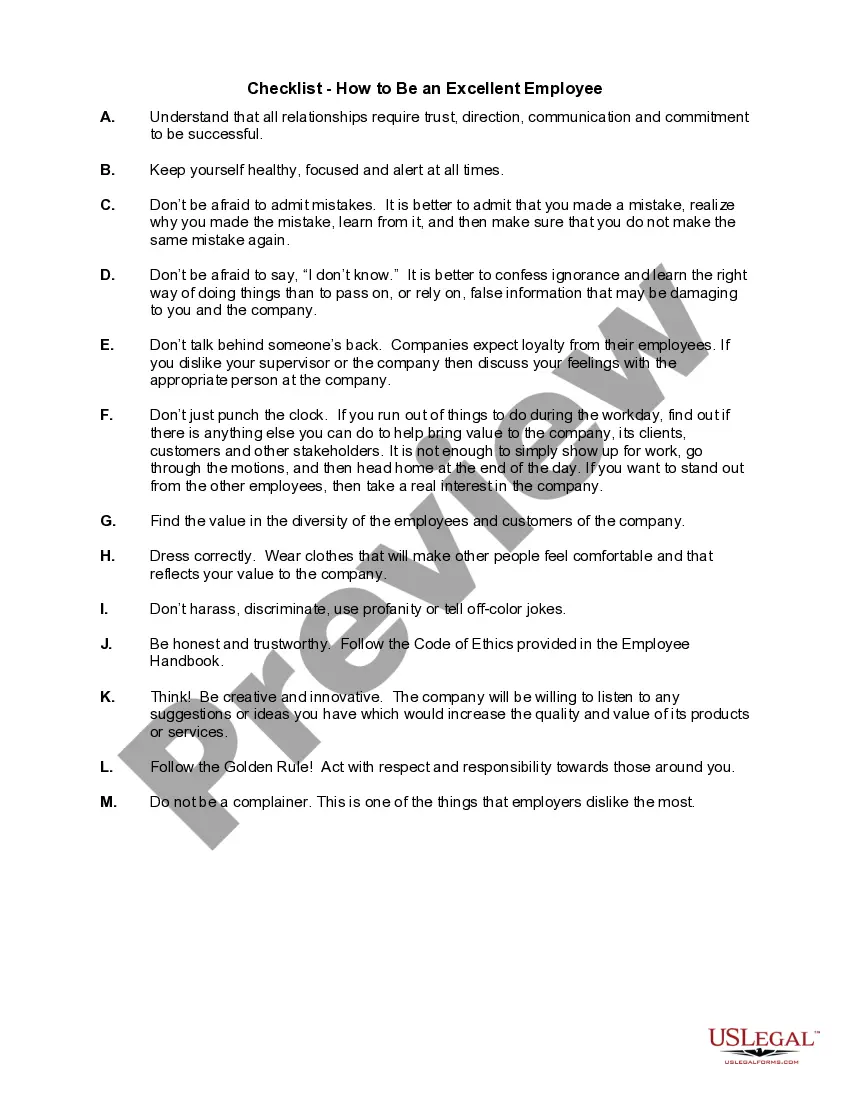
Checklist - How to Be an Excellent Employee
What is this form?
The Checklist - How to Be an Excellent Employee is a guide designed to help employees understand the key behaviors and attitudes that contribute to a positive work environment. Unlike standard employee handbooks, which often focus on prohibited conduct, this checklist emphasizes desired behaviors and encourages employees to take initiative and foster a collaborative atmosphere at work.
Main sections of this form
- Understanding the importance of trust, communication, and commitment in workplace relationships.
- Maintaining personal health and focus for optimal performance.
- Encouraging openness about mistakes and asking questions to foster learning.
- Promoting loyalty and candid communication within the workplace.
- Taking initiative to add value beyond daily tasks.
- Embracing diversity and respecting others' contributions.
- Adhering to a professional dress code and ethical standards.
- Being innovative and respectful towards colleagues.
- Avoiding negative behaviors, such as complaining or gossiping.
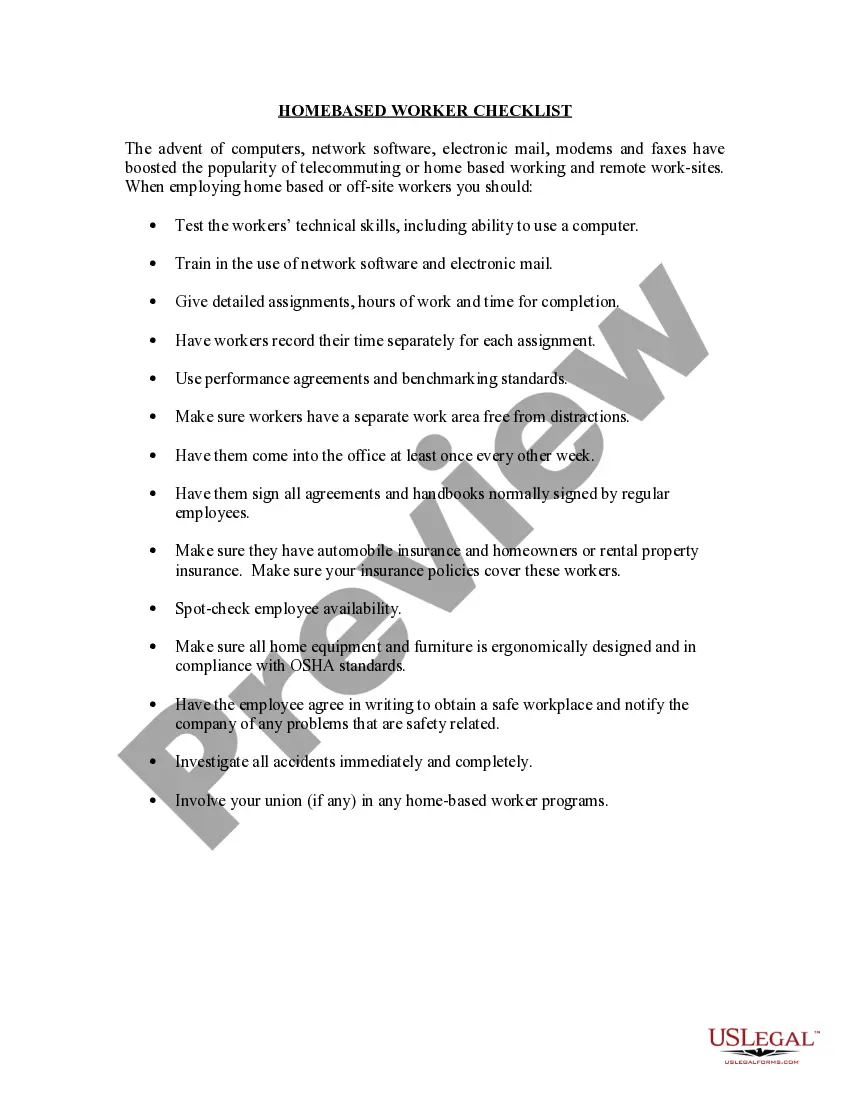
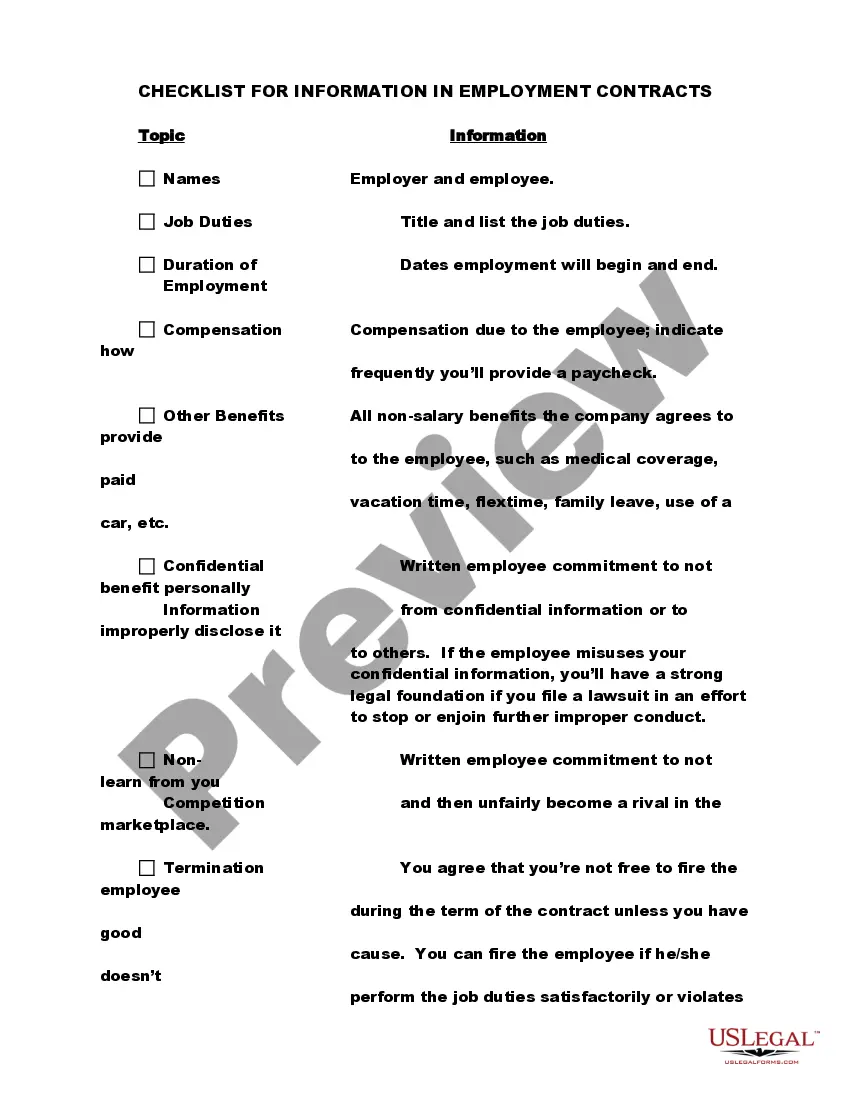
Common use cases
This checklist is valuable for new employees who want to understand workplace expectations clearly. It can also be used by current employees seeking to enhance their professional skills and contribute positively to their work environment. Managers may refer to this checklist when developing training programs or performance reviews to recognize excellent employee behavior.
Who can use this document
- New employees wanting to establish a strong foundation for success.
- Current employees aiming to improve their professional conduct.
- Managers and supervisors looking to guide staff development.
- Human resources professionals developing training and employee engagement programs.
How to complete this form
- Read through the checklist thoroughly to understand each component.
- Reflect on your current workplace behaviors and identify areas for improvement.
- Check off items that you already practice consistently in your role.
- Develop a plan to address any areas of weakness where you would like to improve.
- Share this checklist with your supervisor or mentor for guidance and support in your development.
Does this document require notarization?
Notarization is not commonly needed for this form. However, certain documents or local rules may make it necessary. Our notarization service, powered by Notarize, allows you to finalize it securely online anytime, day or night.
Get your form ready online
Our built-in tools help you complete, sign, share, and store your documents in one place.
Make edits, fill in missing information, and update formatting in US Legal Forms—just like you would in MS Word.
Download a copy, print it, send it by email, or mail it via USPS—whatever works best for your next step.
Sign and collect signatures with our SignNow integration. Send to multiple recipients, set reminders, and more. Go Premium to unlock E-Sign.
If this form requires notarization, complete it online through a secure video call—no need to meet a notary in person or wait for an appointment.
We protect your documents and personal data by following strict security and privacy standards.

Make edits, fill in missing information, and update formatting in US Legal Forms—just like you would in MS Word.

Download a copy, print it, send it by email, or mail it via USPS—whatever works best for your next step.

Sign and collect signatures with our SignNow integration. Send to multiple recipients, set reminders, and more. Go Premium to unlock E-Sign.

If this form requires notarization, complete it online through a secure video call—no need to meet a notary in person or wait for an appointment.

We protect your documents and personal data by following strict security and privacy standards.
Typical mistakes to avoid
- Not reflecting on personal behavior regularly.
- Failing to communicate openly with colleagues and management.
- Ignoring the importance of professional appearance.
- Neglecting to seek feedback or admit mistakes.
- Restricting oneself to just completing tasks without looking for additional ways to contribute.
Benefits of completing this form online
- Instant access to a downloadable resource that can be saved and referenced anytime.
- Flexible and editable format allows for personalization to fit specific workplace needs.
- Convenience in reviewing and sharing with colleagues or supervisors.
- Easy to update and adapt as workplace expectations evolve.
Main things to remember
- This checklist highlights key behaviors that promote excellent employee performance.
- Open communication and honesty are foundational to a positive work environment.
- Employees are encouraged to take initiative and continuously improve themselves.
- Understanding and respecting diversity within the workplace is essential.
- This resource is relevant in all states and can aid in professional development.
Looking for another form?
Form popularity
FAQ
Considering goals: Setting guidelines: Choose your rewards: Communicate the program:
Self-Evaluation. A self-evaluation requires an employee to judge his or her own performance against predetermined criteria. Behavioral Checklist. 360-Degree Feedback. Management by Objectives. Ratings Scale.
1) Attendance. Punctuality is one of the strongest virtues an employee can possess. 2) Innovation and Creativity. 3) Leadership. 4) Communication Skills. 5) Collaboration and Teamwork. 6) Time Management. 7) Customer Experience. 8) Problem Solving.
W-4 form (or W-9 for contractors) I-9 Employment Eligibility Verification form. State Tax Withholding form. Direct Deposit form. E-Verify system: This is not a form, but a way to verify employee eligibility in the U.S.
Leadership Skills. Organizational Skills. Excellent Written and Verbal Communication. Intelligence. Active Listening Skills. Honesty, Ambition and a Strong Work Ethic.
Communication. Collaboration and teamwork. Problem-solving. Quality and accuracy of work. Attendance, punctuality and reliability. The ability to accomplish goals and meet deadlines.
Set Performance Standards. Set Specific Goals. Take Notes Throughout the Year. Be Prepared. Be Honest and Specific with Criticism. Don't Compare Employees. Evaluate the Performance, Not the Personality. Have a Conversation.
Your criteria for judging employee performance should include quantitative elements such as their goals and target achievement. While much of a performance appraisal is qualitative and subjective, the goals and achievement element is objective and measurable in clear numbers.
Submit a job requisition form to HR. Complete a background check. Review the schedule and job basics. Review job descriptions and duties. Complete all new hire forms. Prepare team introductions. Prepare their work environment. Prepare for new hire training.