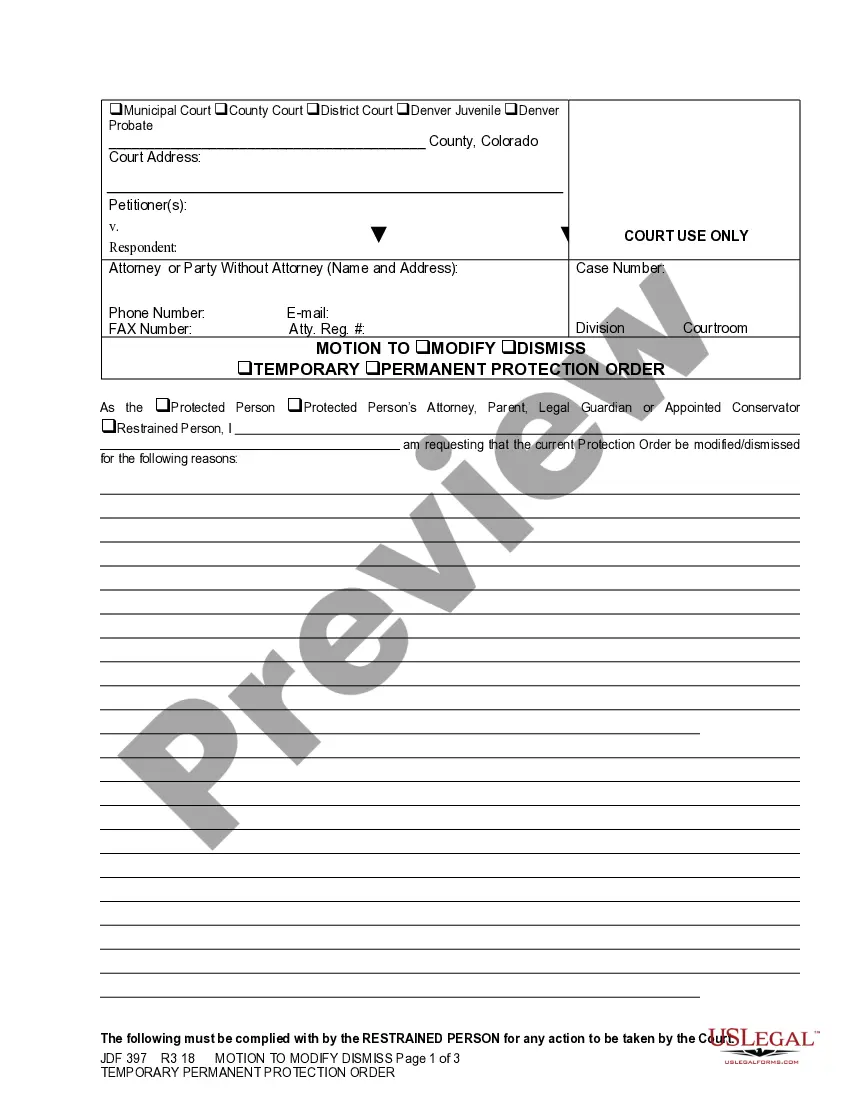
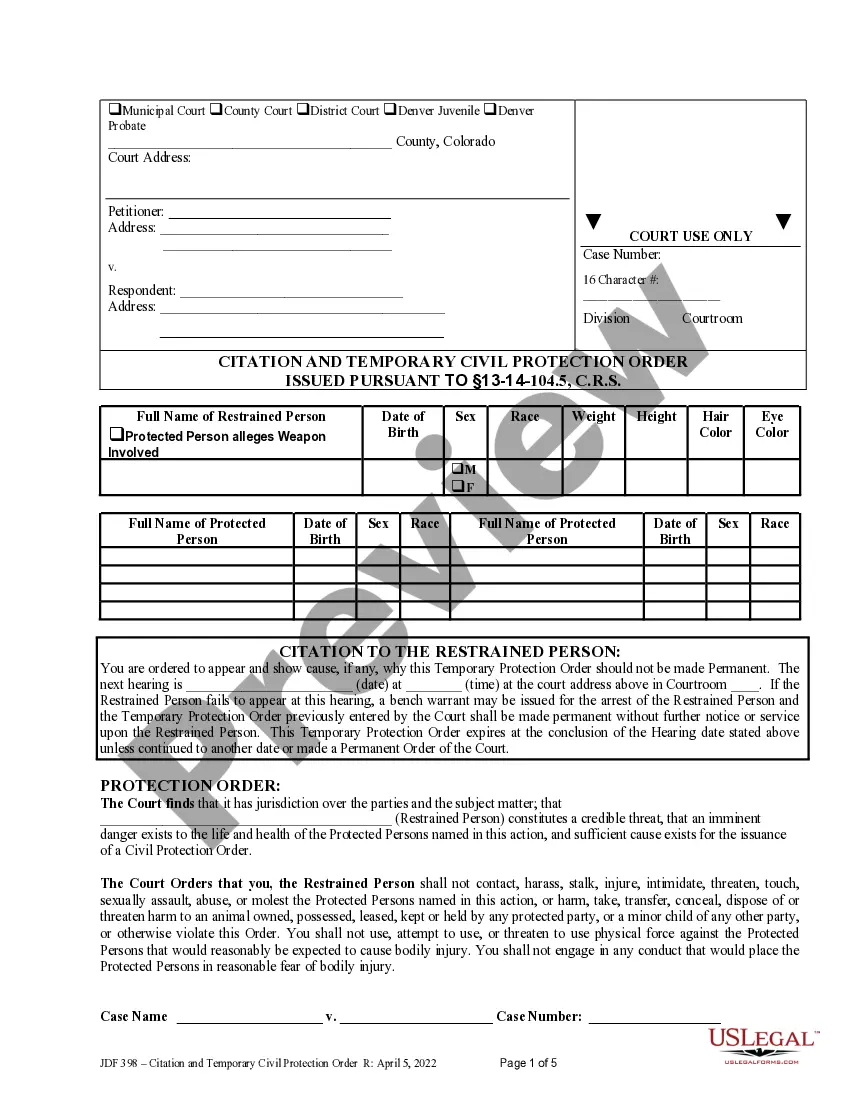
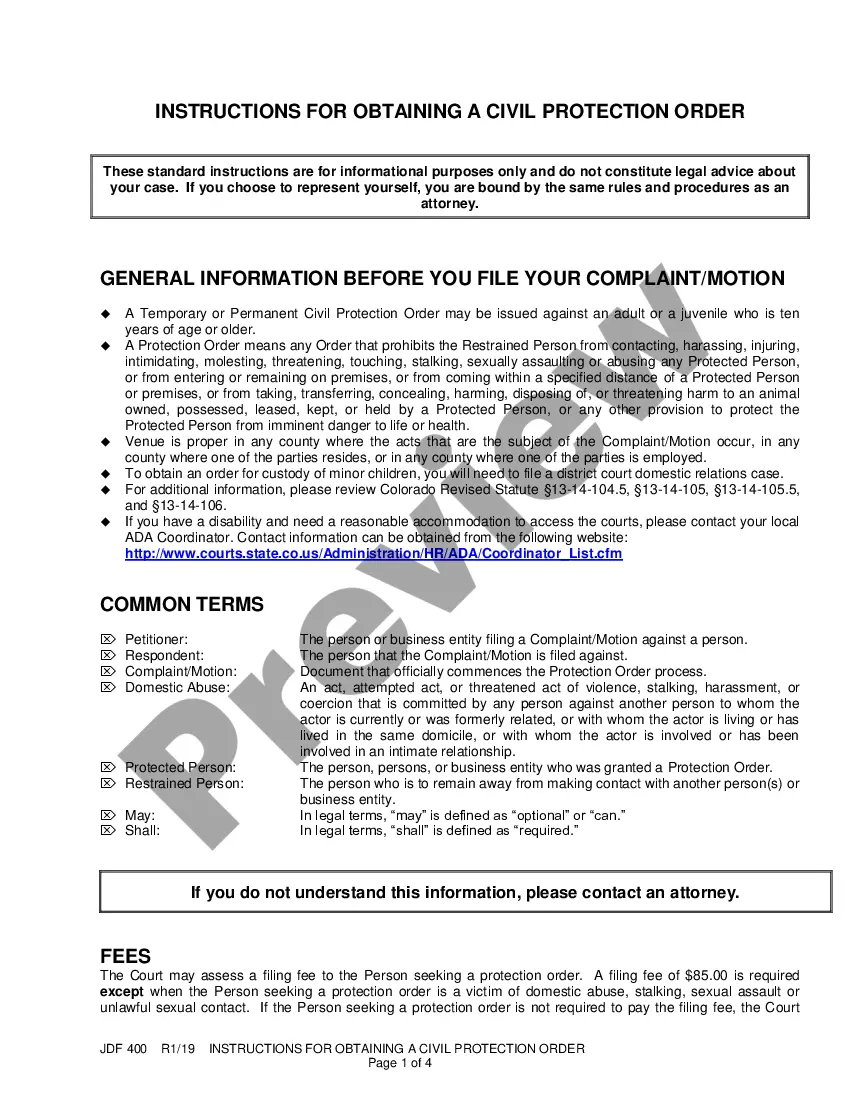
Loan Agreement between Stockholder and Corporation
What is this form?
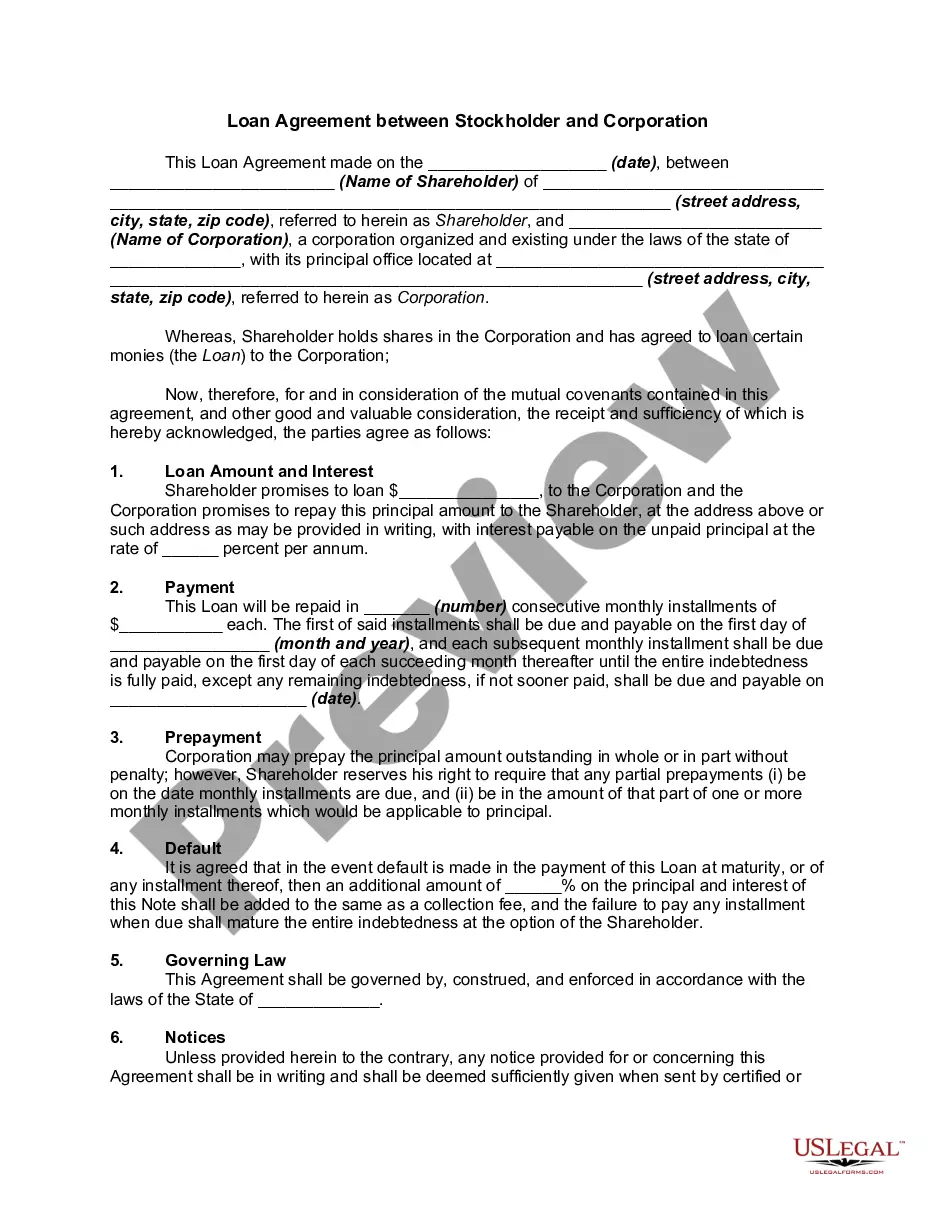
The Loan Agreement between Stockholder and Corporation is a legal document that outlines the terms and conditions under which a shareholder provides a loan to a corporation. This agreement specifies important details such as the loan amount, interest rate, repayment schedule, and consequences of default. It differs from other loan agreements by specifically addressing the relationship between a shareholder and their corporation, ensuring compliance with IRS regulations regarding shareholder loans.
What’s included in this form
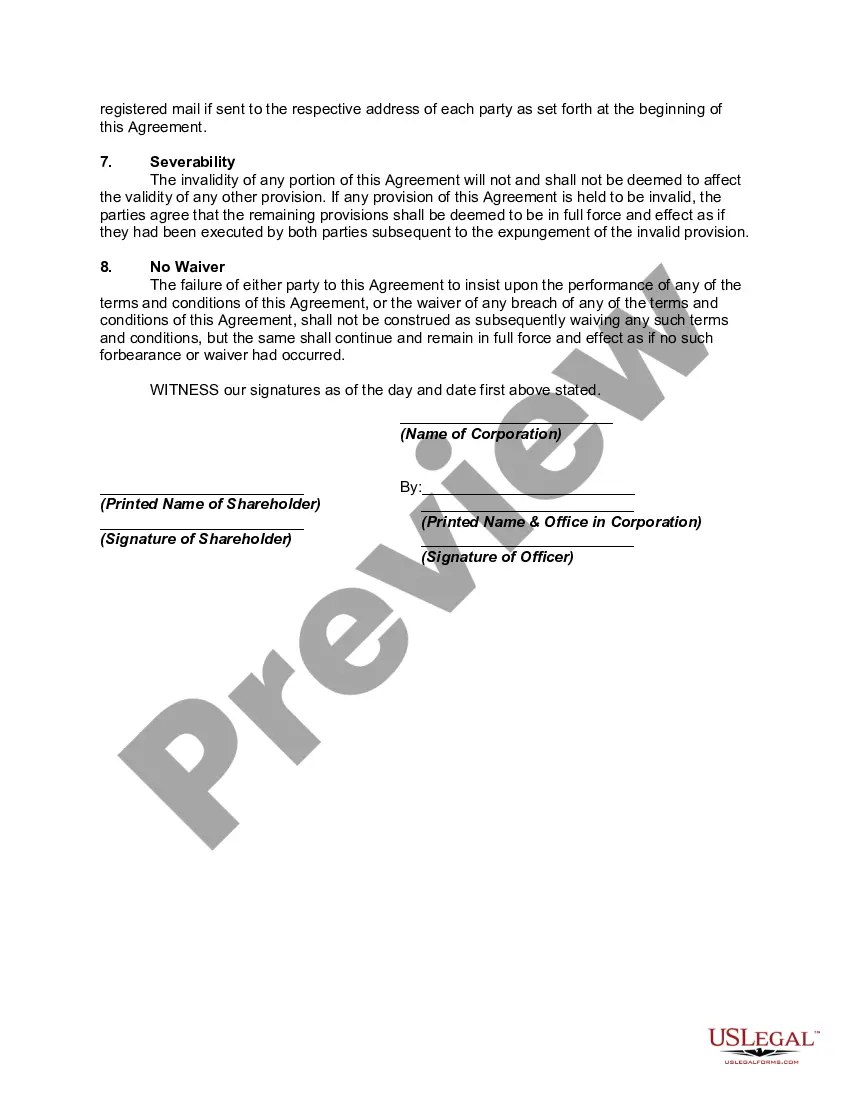
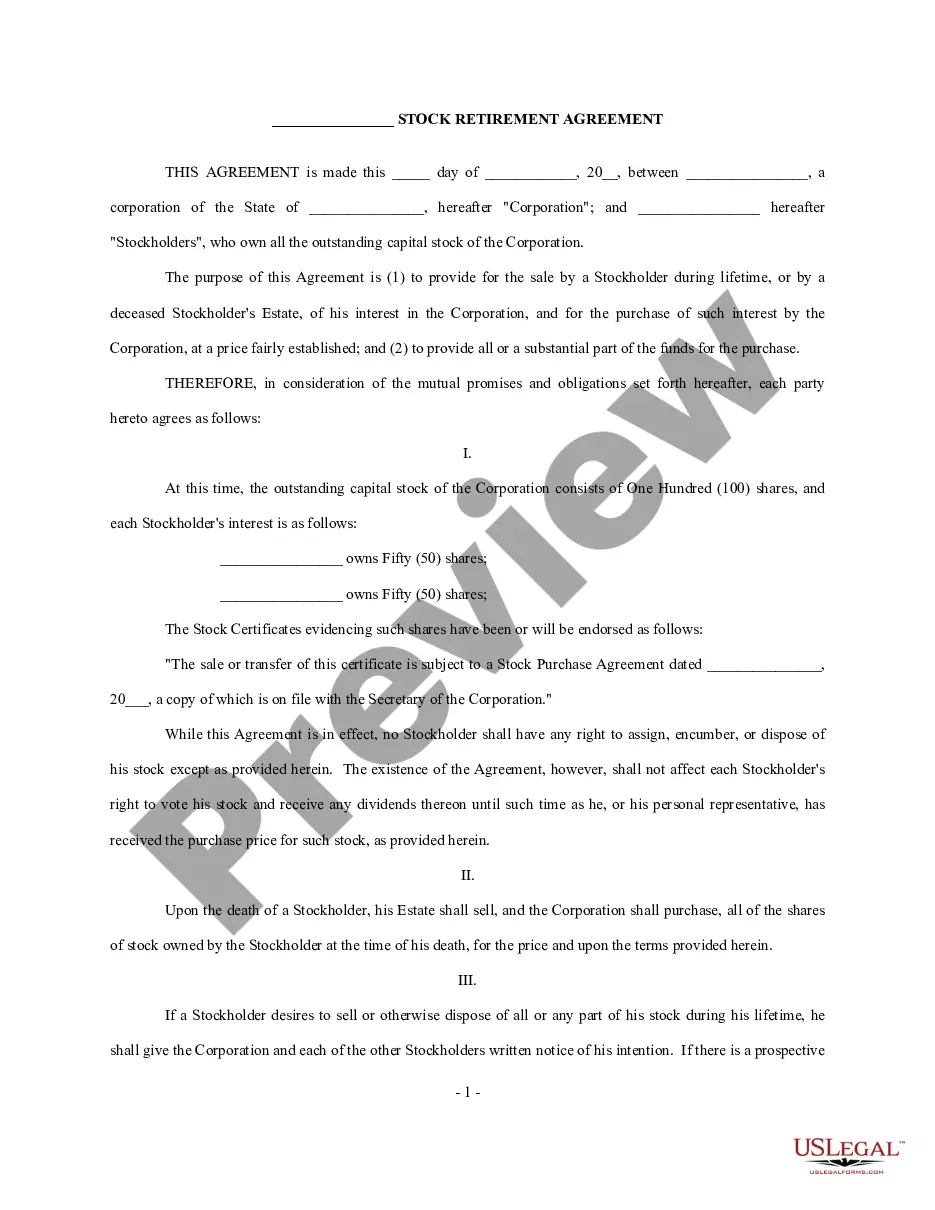
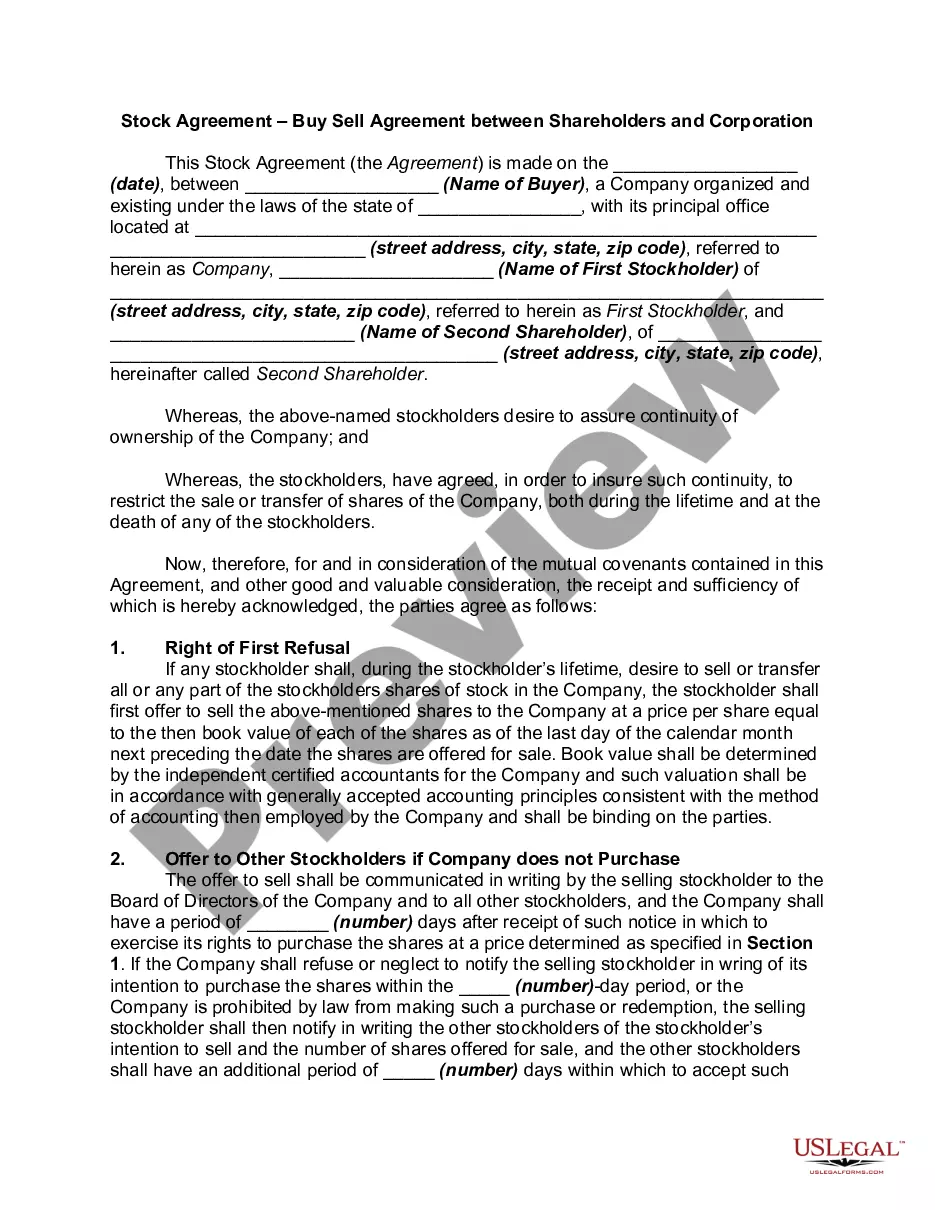
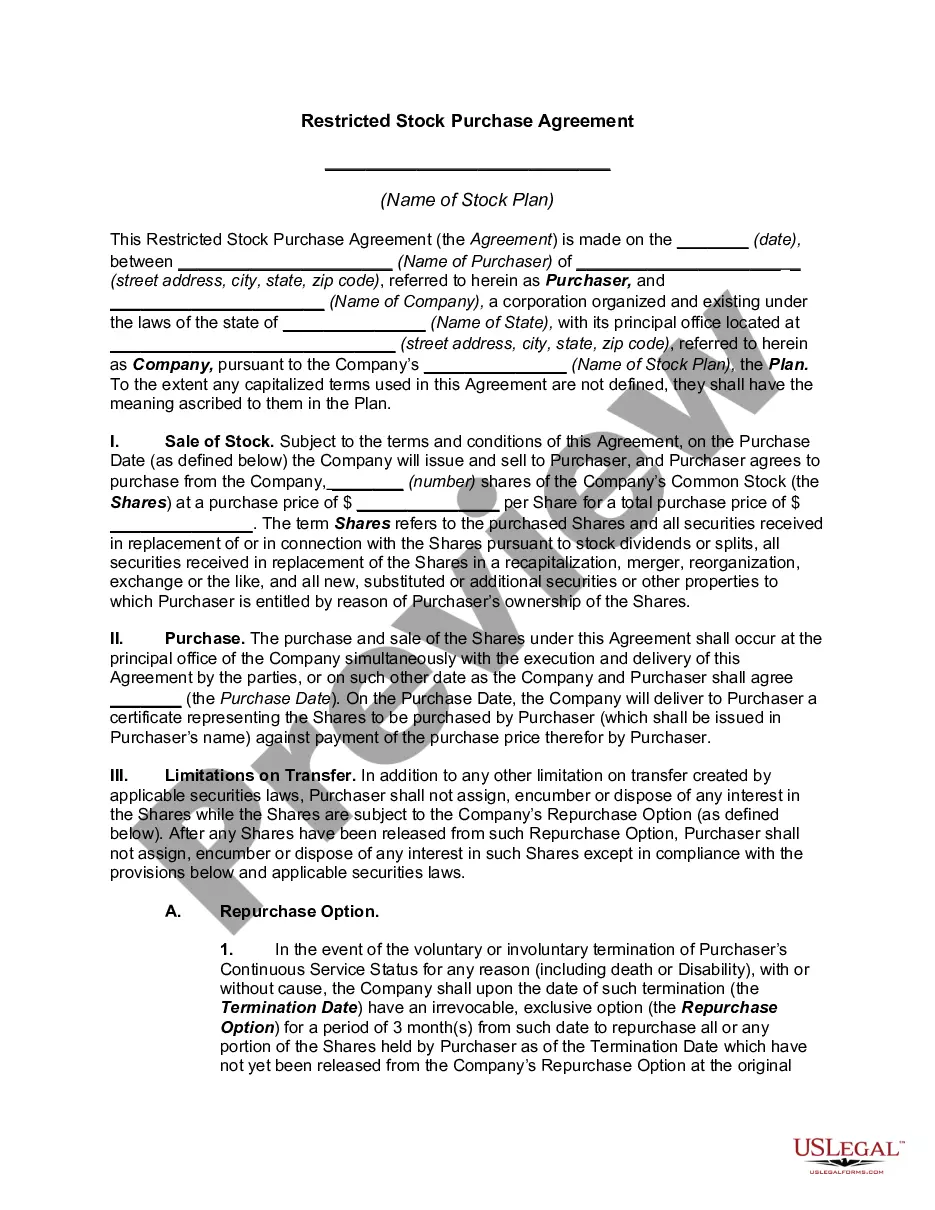
- Loan Amount and Interest: Specifies the principal amount loaned by the shareholder and the applicable interest rate.
- Payment Terms: Outlines the repayment schedule and installment amounts due each month.
- Prepayment Clause: Allows the corporation to repay the loan early without penalty under specified conditions.
- Default Provisions: Details the actions taken if the corporation fails to make payments as agreed.
- Governing Law: Indicates which stateâs laws will govern the agreement.
- Notices: Establishes the requirements for official communications between parties.

Common use cases
This form is typically used when a shareholder decides to lend money to their corporation to provide operating capital or fund specific projects. It's essential to use this agreement to ensure proper documentation for financial reporting and compliance with tax regulations. Businesses should consider this form when a shareholder wants to lend a significant amount of money that needs to be formally outlined to protect both parties' interests.
Who this form is for
- Shareholders seeking to lend money to their corporation.
- Corporations that require capital from their owners for operational needs.
- Small business owners looking for a formal loan structure between themselves and their corporation.
- Companies needing to comply with IRS regulations regarding shareholder loans.
Completing this form step by step
- Identify the parties involved: Enter the name and address of the shareholder and corporation.
- Specify the loan details: Fill in the loan amount and interest rate.
- Outline the repayment schedule: Determine the number of installments and the amount due each month.
- Include prepayment terms: State any conditions under which the corporation may repay the loan early.
- Sign and date the agreement: Ensure all parties sign the document for it to be legally binding.
Notarization guidance
This form does not typically require notarization unless specified by local law. Always verify local regulations to ensure compliance.
Get your form ready online
Our built-in tools help you complete, sign, share, and store your documents in one place.
Make edits, fill in missing information, and update formatting in US Legal Forms—just like you would in MS Word.
Download a copy, print it, send it by email, or mail it via USPS—whatever works best for your next step.
Sign and collect signatures with our SignNow integration. Send to multiple recipients, set reminders, and more. Go Premium to unlock E-Sign.
If this form requires notarization, complete it online through a secure video call—no need to meet a notary in person or wait for an appointment.
We protect your documents and personal data by following strict security and privacy standards.

Make edits, fill in missing information, and update formatting in US Legal Forms—just like you would in MS Word.

Download a copy, print it, send it by email, or mail it via USPS—whatever works best for your next step.

Sign and collect signatures with our SignNow integration. Send to multiple recipients, set reminders, and more. Go Premium to unlock E-Sign.

If this form requires notarization, complete it online through a secure video call—no need to meet a notary in person or wait for an appointment.

We protect your documents and personal data by following strict security and privacy standards.
Common mistakes to avoid
- Failing to include a clear repayment schedule.
- Not specifying an interest rate or including improper charge rates.
- Neglecting to have both parties sign the agreement.
- Omitting details about prepayment options.
- Using vague language that could lead to misunderstandings.
Why complete this form online
- Convenient access: Download and complete the form at your own pace.
- Editability: Customize the form to fit your specific financial arrangement.
- Reliable format: Ensure compliance with legal standards easily.
- Time-saving: Quickly generate a legally binding document without the need for a lawyer.
Legal use & context
- This agreement provides a clear framework for shareholder loans, reducing the risk of disputes.
- It ensures both parties are aware of their rights and obligations related to the loan.
- This form is legally binding, making it enforceable in a court of law if necessary.
Quick recap
- The Loan Agreement between Stockholder and Corporation is essential for formalizing a loan from a shareholder.
- Key components include loan amount, interest rates, repayment terms, and default provisions.
- This form is crucial for IRS compliance and protecting both parties involved.
Looking for another form?



Form popularity
FAQ
The Shareholder Loan Agreement is used when a Corporation borrows money from one of its shareholders (or "stockholders").The Term is the period of time over which the loan will be outstanding. At the end of the Term the Corporation will have repaid the loan and any interest that has accumulated.
Shareholders often loan money to a corporation in order to keep the business operating, but be aware there are rules and regulations, which must be adhered to, so the loan is treated as a loan, and not reclassified as an equity contribution.
Shareholder loan is a debt-like form of financing provided by shareholders. On the other hand, if this loan belongs to shareholders it could be treated as equity.Maturity of shareholder loans is long with low or deferred interest payments.
Set up a new account in the chart of accounts called shareholder loan. If the funds have come in to the bank account from the shareholder it can simply be allocated as a deposit or a transfer to the shareholder account (no journal entry necessary).
Select Settings 2699fe0f. Select Chart of Accounts. Select New. In the Account dialog, select either Other Current Liabilities or Long Term Liabilities from the Account Type drop-down list, depending on the type of loan and its repayment time frame.
A Shareholder Loan Agreement (also called a "Stockholder Loan Agreement") is used when a corporation is borrowing money from one of its shareholders (or "stockholders"); a shareholder (or "stockholder") is lending money to its corporation; or a corporation owes money to a shareholder (or "stockholder") (for salary, etc
Shareholder loans appear in the liability section of the balance sheet.
Maximizing Bad Debt Deduction on Shareholder's Loan to a Corporation. Business bad debts are fully deductible in the year they become partially or entirely worthless (Secs. 166(a)).The worthless debt is incurred in the trade or business of the taxpayer (Sec.