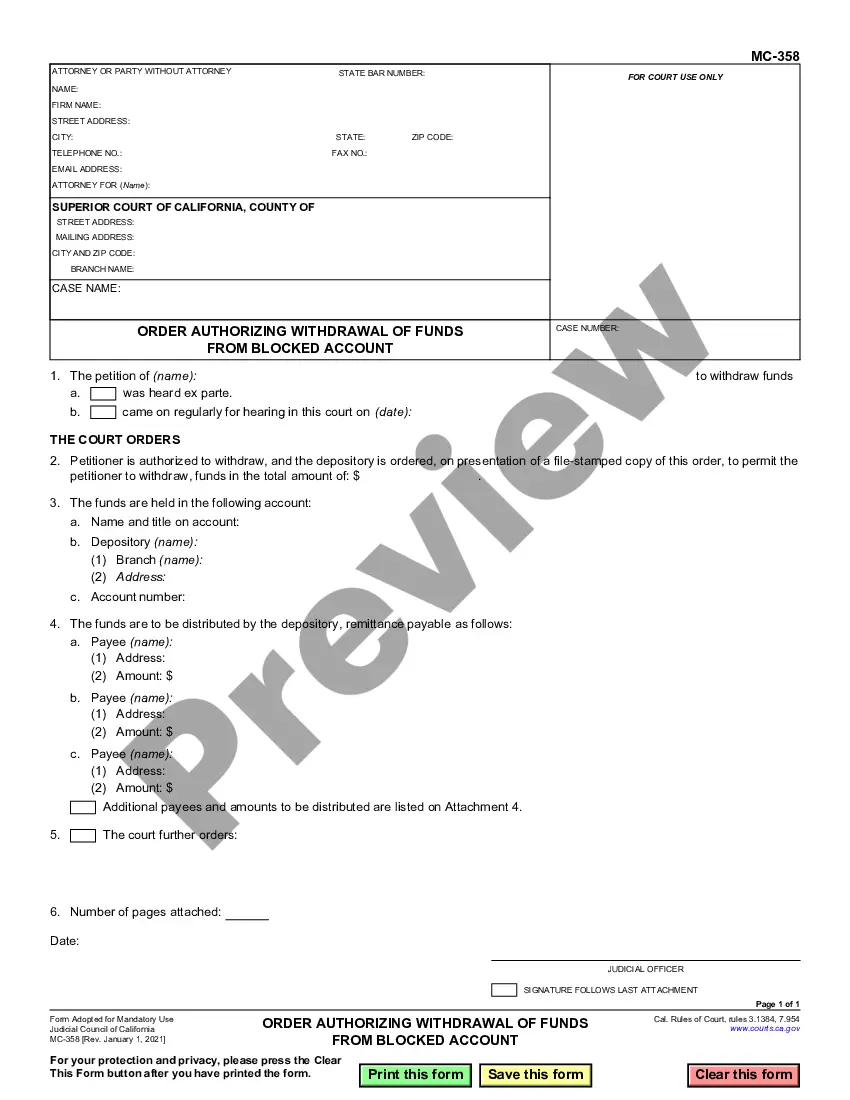
Motion to Release Defendant and Set Reasonable Bail
Understanding this form
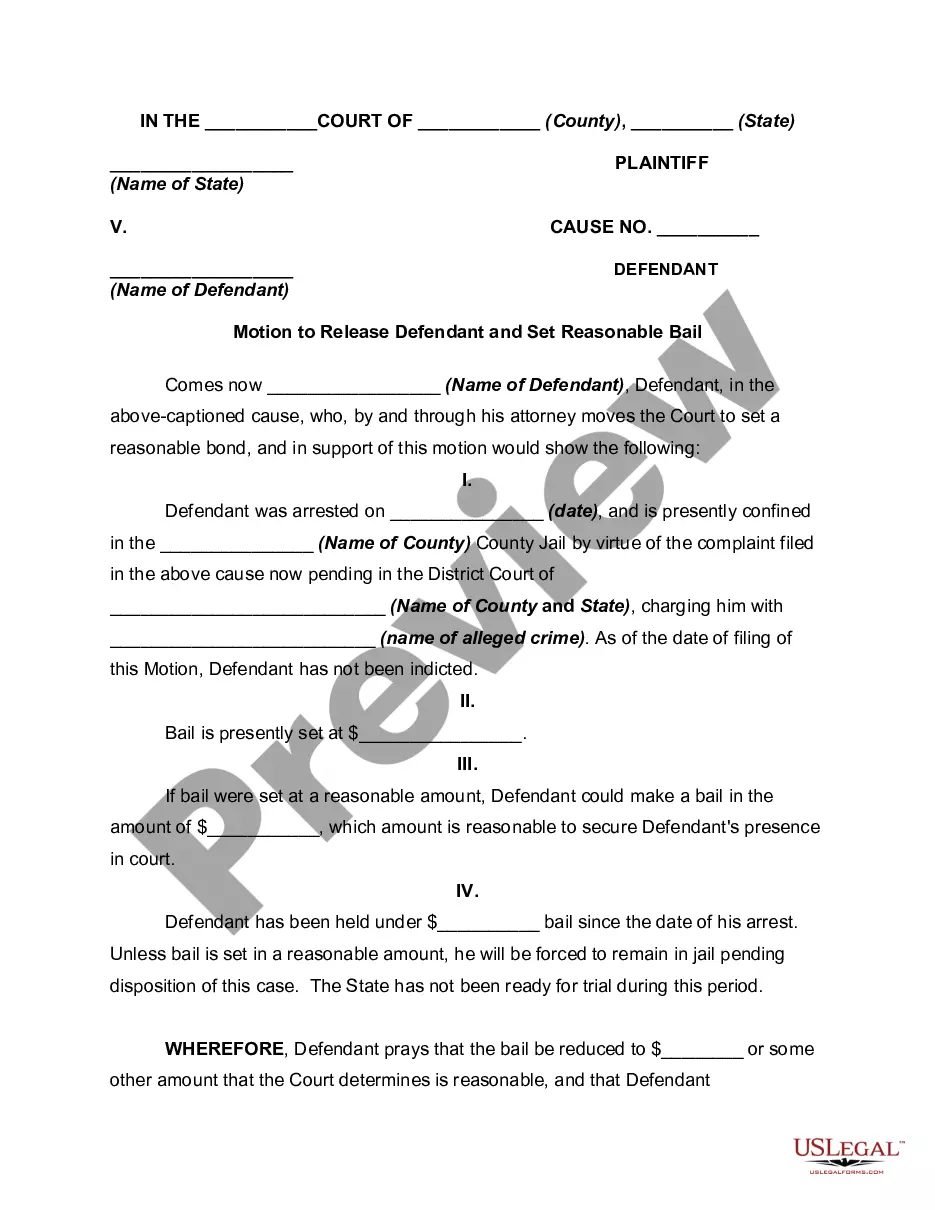
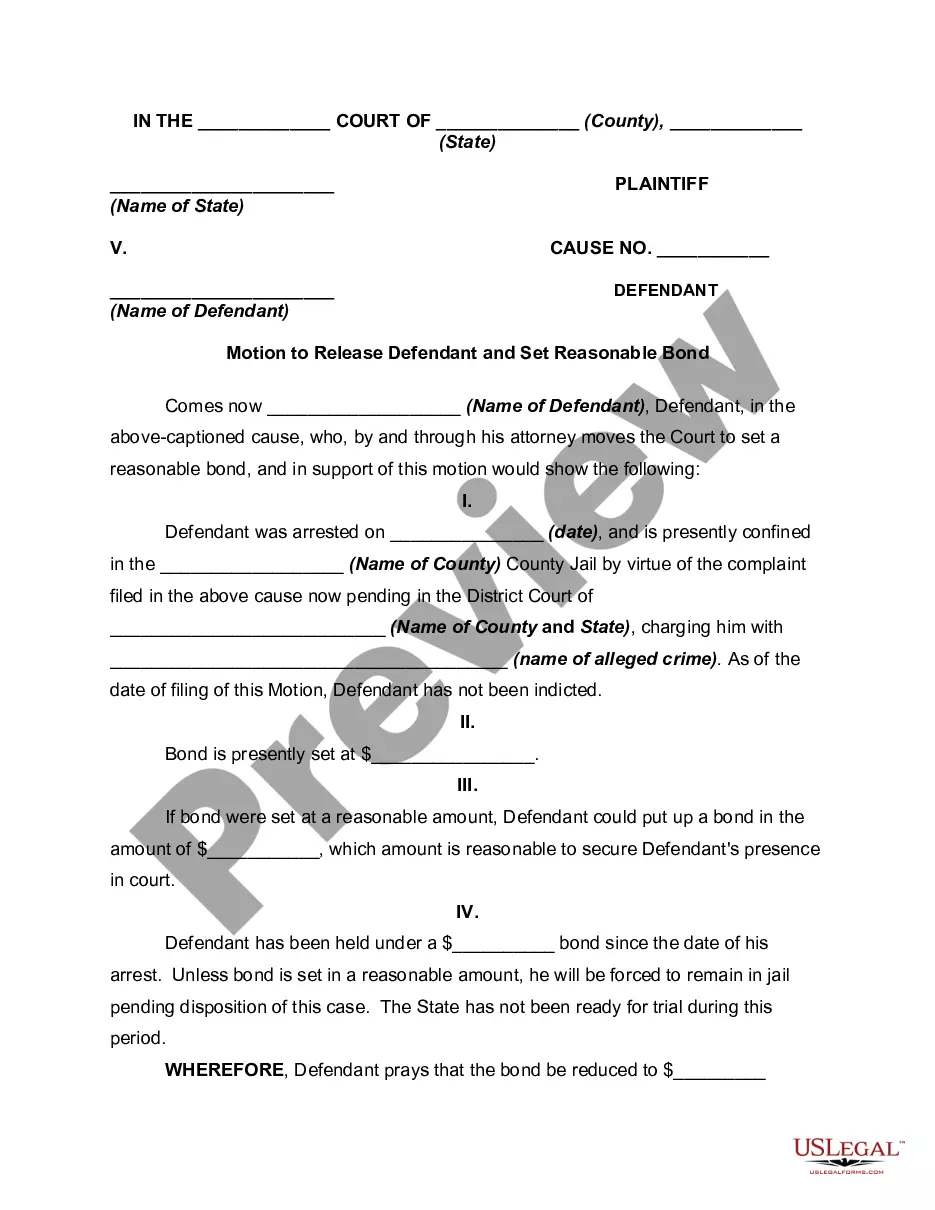
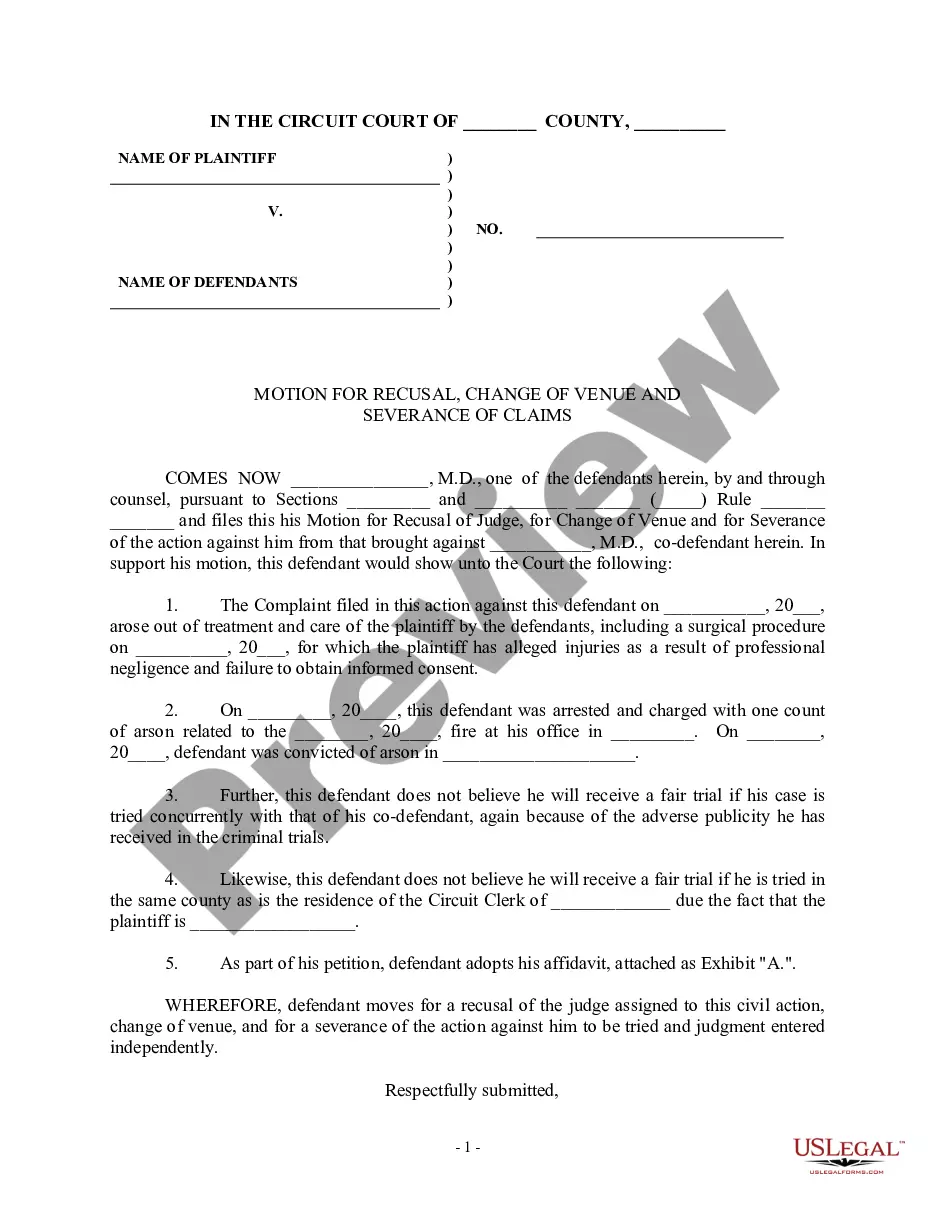
The Motion to Release Defendant and Set Reasonable Bail is a legal document used to request the court to lower the bail amount for a defendant awaiting trial. This form allows the defendant or their attorney to formally ask for a bail reduction, arguing that the current amount set is excessive, thereby facilitating the defendant's release from custody while ensuring their appearance in court. Unlike other bail forms, this motion specifically emphasizes the need for a reasonable bail amount based on the circumstances surrounding the defendant's case.
Key parts of this document
- Case information: Includes the names of the plaintiff (State) and defendant, and the cause number.
- Details of arrest: Specifies the date of arrest, confinement location, and charges against the defendant.
- Bail details: Describes the current bail amount and a proposed reasonable bail amount for consideration.
- Argument for bail reduction: Outlines why the defendant believes the bail should be lowered, including the lack of readiness for trial by the State.
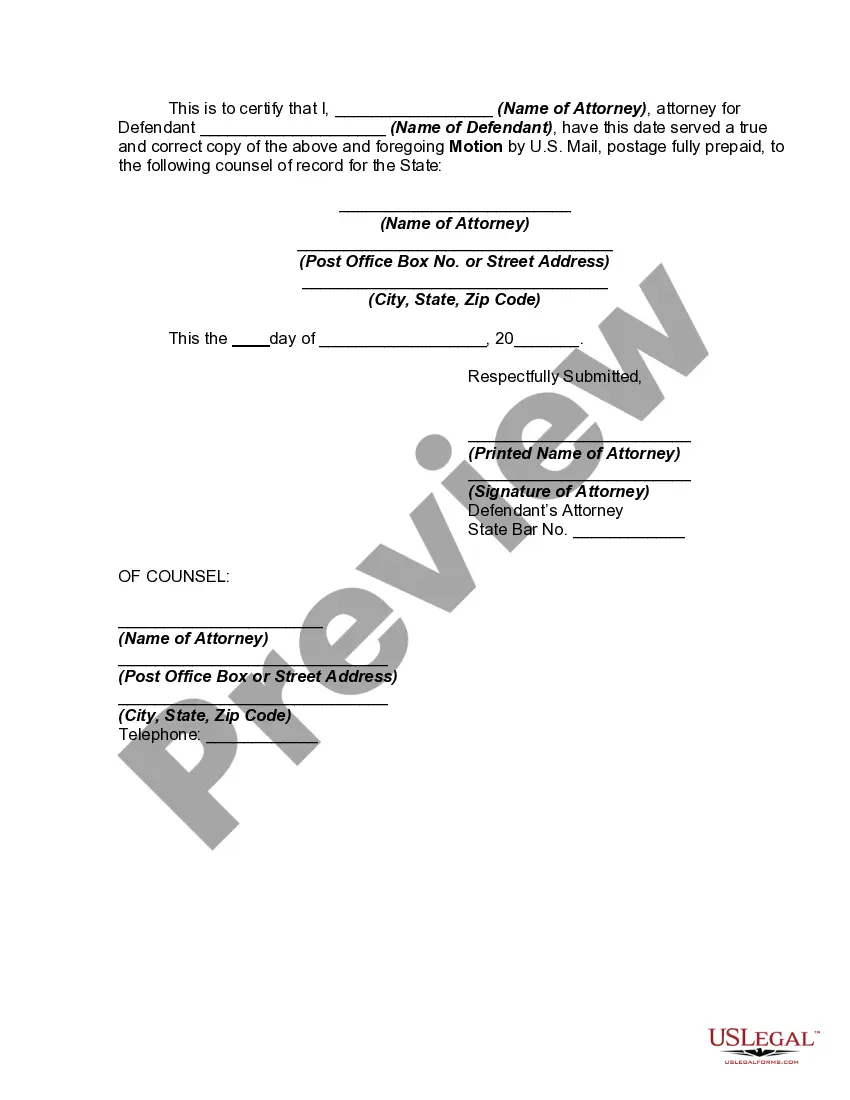
- Certificate of service: Confirms delivery of the motion to the State's attorney.
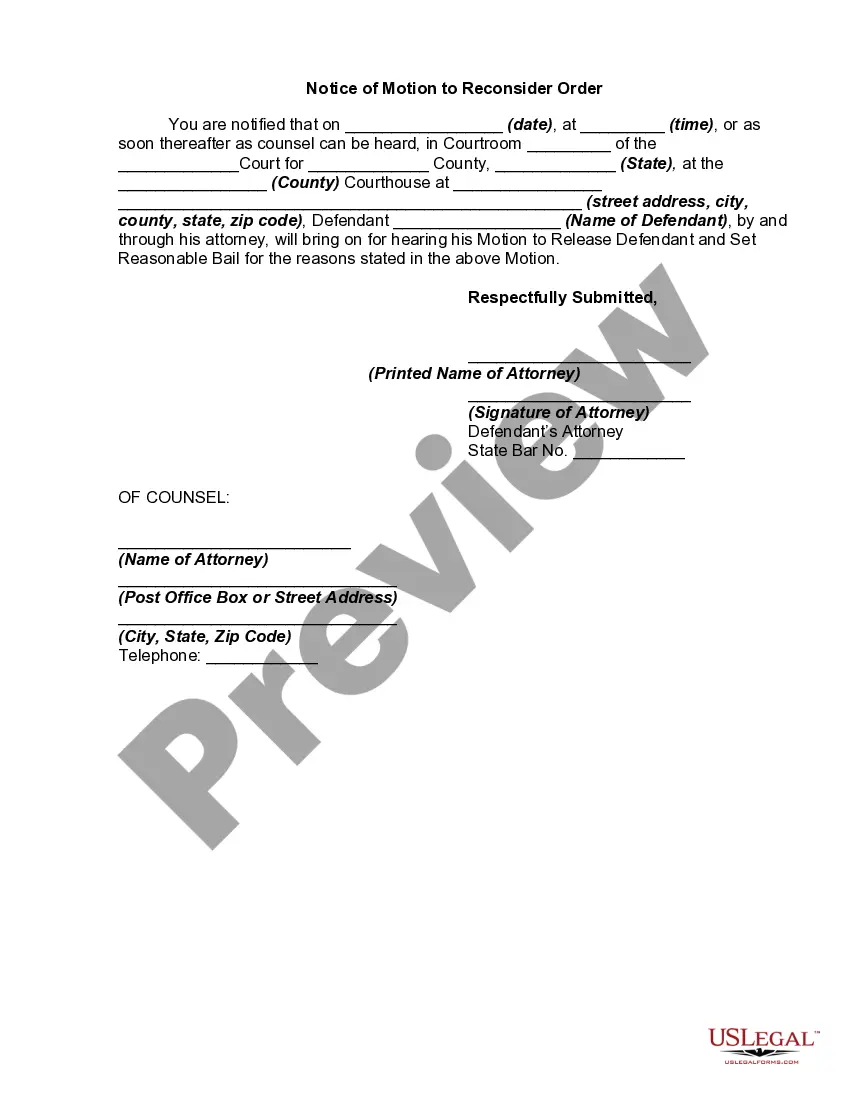
- Notice of motion: Notifies the court and relevant parties of the motion hearing date and location.
When to use this document
This form is needed when a defendant has been arrested and is currently detained under a bail amount that their attorney believes is unreasonably high. It is particularly useful in situations where the defendant has not yet been indicted or where prolonged detention without trial is occurring. Utilizing this motion helps advocate for the defendant's rights by seeking a fairer bail arrangement that allows for their release while awaiting trial.
Who should use this form
- Defendants seeking to lower their current bail amount.
- Attorneys representing a defendant in a criminal case.
- Family members or co-signers of the defendant interested in securing their release.
Completing this form step by step
- Fill in the case information, including the plaintiff and defendant names and case number.
- Provide details about the arrest, including the date, location, and specific charges.
- State the current bail amount and propose a new reasonable bail amount.
- Explain the reasons for requesting a bail reduction, including any delays in the trial process.
- Complete the certificate of service to ensure all parties are notified of the motion.
- Sign and date the motion appropriately before submission to the court.
Is notarization required?
This form does not typically require notarization unless specified by local law. However, it is advisable to check with the specific court handling the case to confirm any additional requirements regarding notarization.
Get your form ready online
Our built-in tools help you complete, sign, share, and store your documents in one place.
Make edits, fill in missing information, and update formatting in US Legal Forms—just like you would in MS Word.
Download a copy, print it, send it by email, or mail it via USPS—whatever works best for your next step.
Sign and collect signatures with our SignNow integration. Send to multiple recipients, set reminders, and more. Go Premium to unlock E-Sign.
If this form requires notarization, complete it online through a secure video call—no need to meet a notary in person or wait for an appointment.
We protect your documents and personal data by following strict security and privacy standards.

Make edits, fill in missing information, and update formatting in US Legal Forms—just like you would in MS Word.

Download a copy, print it, send it by email, or mail it via USPS—whatever works best for your next step.

Sign and collect signatures with our SignNow integration. Send to multiple recipients, set reminders, and more. Go Premium to unlock E-Sign.

If this form requires notarization, complete it online through a secure video call—no need to meet a notary in person or wait for an appointment.

We protect your documents and personal data by following strict security and privacy standards.
Common mistakes
- Failing to specify all relevant case details, such as the cause number and accused charges.
- Not providing a clear and reasonable justification for the bail reduction request.
- Omitting signatures or dates from the motion, which can lead to processing delays.
- Not serving the motion to the State's attorney, which may impact the legal process.
Advantages of online completion
- Easy access to legally vetted templates prepared by licensed attorneys.
- Convenience of downloading and editing the form from home.
- Time-saving compared to traditional legal assistance.
- Comprehensive guidance available to help users through the completion process.
Legal use & context
- The Motion to Release Defendant and Set Reasonable Bail is a formal request to the court that can influence the conditions of pre-trial detention.
- It aims to provide a pathway for defendants to secure their release while awaiting trial, balancing their rights against the state's interest in ensuring court appearances.
Main things to remember
- This motion serves to contest excessive bail amounts and advocates for a fairer bond.
- Proper completion of the form is crucial for it to be considered by the court.
- Awareness of state-specific requirements is necessary to ensure legal compliance.
Looking for another form?
Form popularity
FAQ
The Motion to Release Defendant and Set Reasonable Bail is a standard court document used to ask the judge to lower the defendant’s bail amount so they can be released while awaiting trial. It is typically filed when the current bail is believed to be unreasonably high. The form guides a request for a reasonable bail amount based on the case’s facts and the defendant’s detention status.
This form collects six core items: case information (state and defendant names and the cause number), details of arrest (date and confinement location, charges), bail details (the current amount and your proposed reasonable amount), the argument for bail reduction (why the bail should be lowered), and a certificate of service plus notice of motion with the hearing details.
Release on recognizance is a bail option where the defendant is released without posting money, based on a promise to appear in court. This Motion to Release Defendant and Set Reasonable Bail, however, asks the court to lower the current bail amount to a reasonable level; it does not automatically grant ROR. The court may consider both concepts when deciding the case.
The form is used to pursue a bail amount that is reasonable given the defendant’s case and detention status. It does not itself establish a constitutional right; rather, it provides arguments and specific bail figures for the court to consider. For constitutional questions, consulting a licensed attorney is advised.
Release without bail, often called release on the defendant’s own recognizance, is typically considered when the court believes the defendant will appear for future hearings and does not pose a flight risk. This Motion to Release Defendant and Set Reasonable Bail does not automatically grant such release; the court would evaluate the proposed reasonable bail amount and related factors.
Unlike a generic bail reduction request, this motion specifically seeks to release the defendant by setting a reasonable bail amount and guides the court through the six key sections: case information, arrest details, current and proposed bail, argument for reduction, certificate of service, and notice of motion. The emphasis is on release from custody.