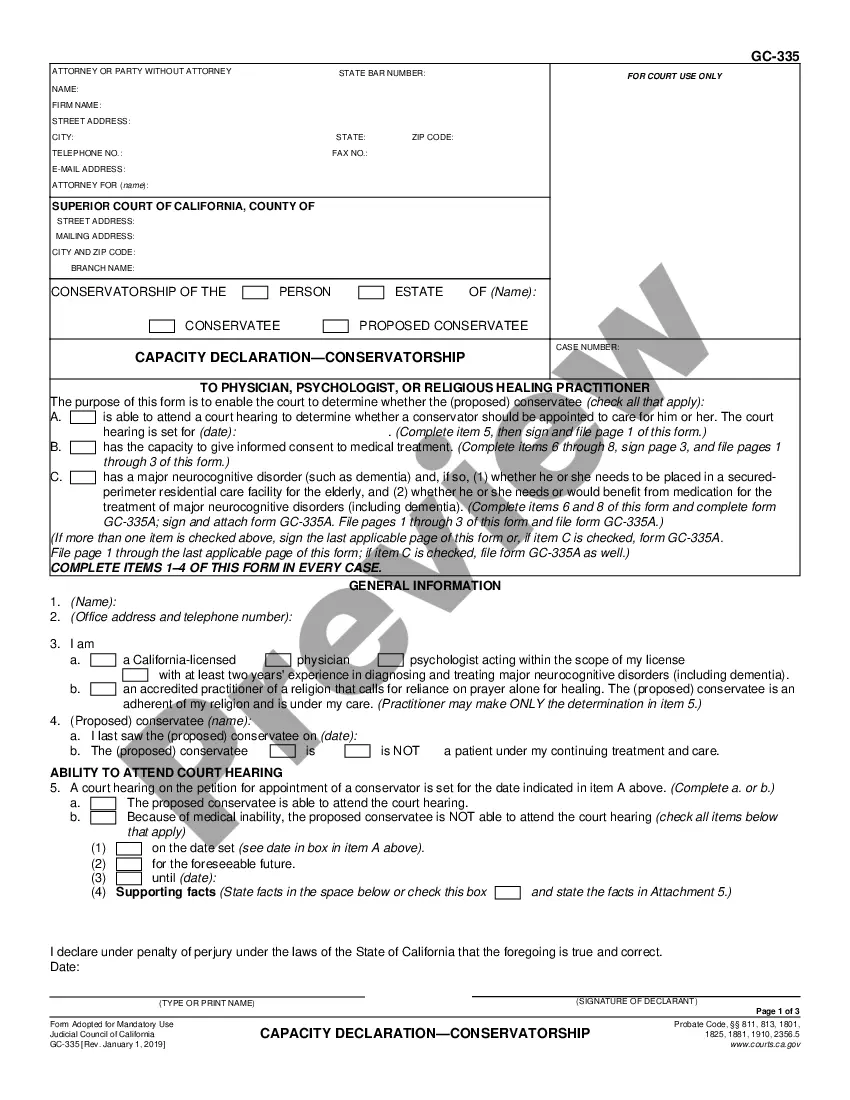
Agreement to Waive Contract Breach
Overview of this form
The Agreement to Waive Contract Breach is a legal document that allows parties involved in a contract to formally agree to overlook a breach that has occurred. This form is essential for parties wishing to maintain their contractual relationship without pursuing litigation. Unlike other contracts or waiver forms, this document specifically addresses past breaches while preserving the original agreement's validity moving forward.
Form components explained
- Date of the agreement.
- Identification of the breaching party and the nonbreaching party.
- Reference to the original contract and the breach specifics.
- Clauses averting future breaches while confirming current obligations.
- Signature lines for both parties to affirm their agreement.

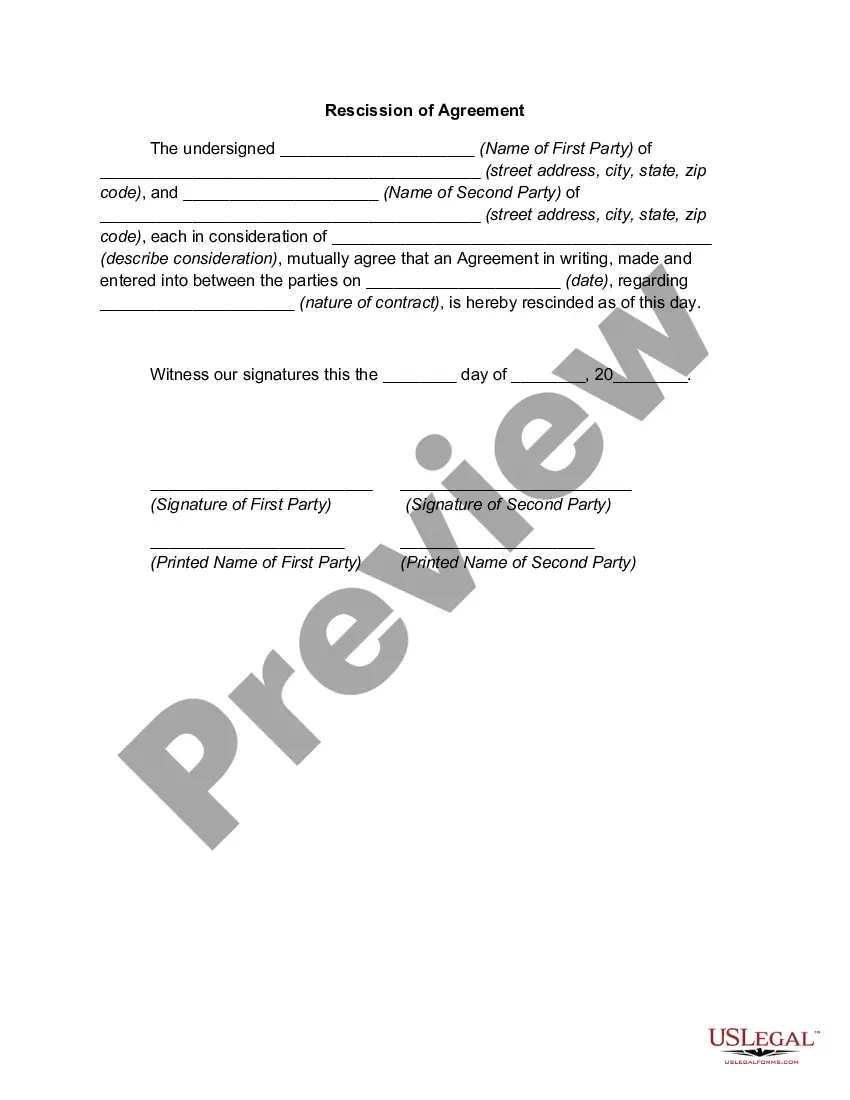
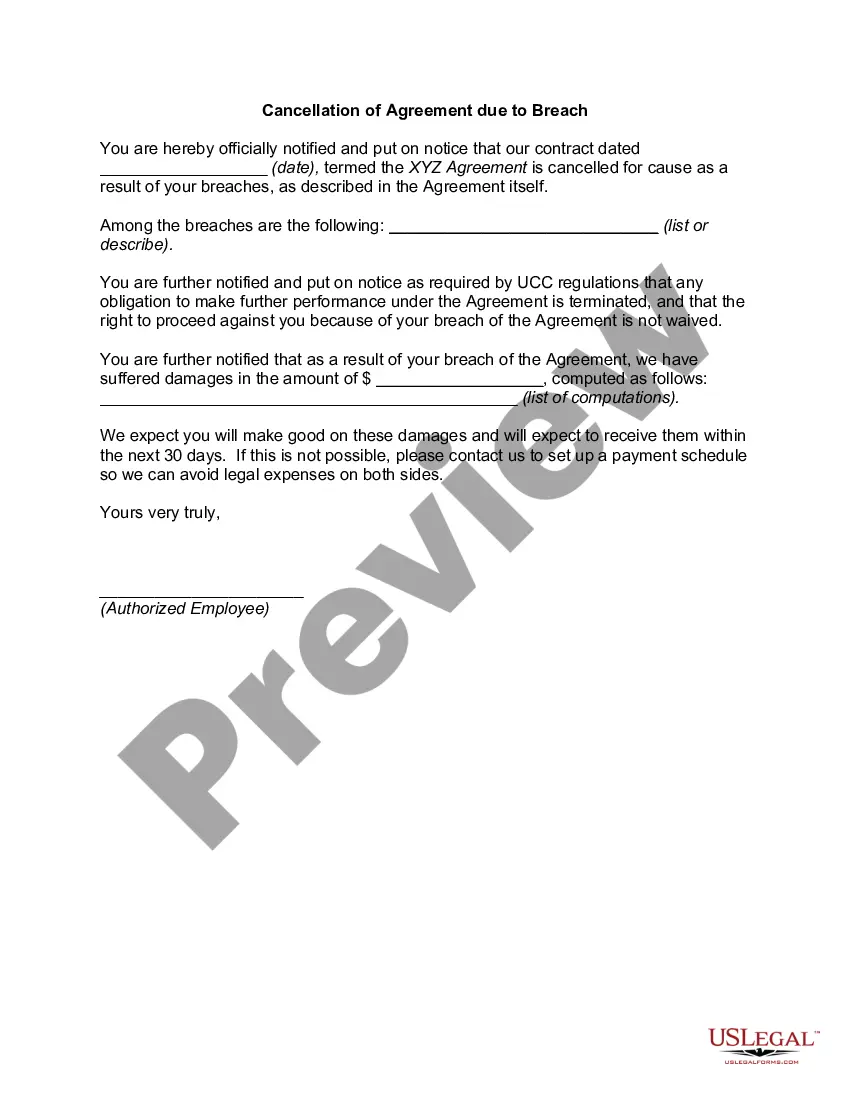
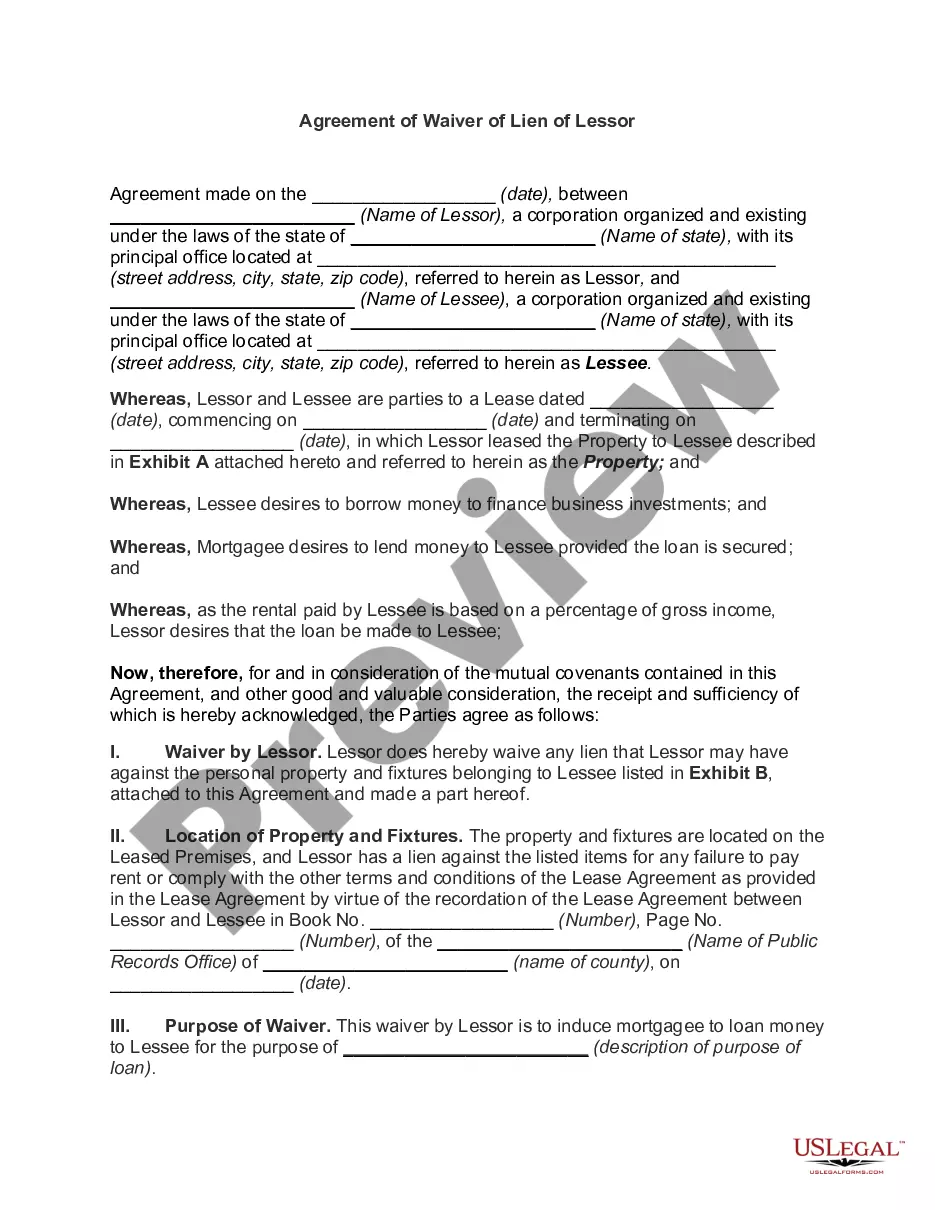
When to use this form
This form should be used in situations where one party has failed to meet obligations outlined in a contract, but the other party wishes to continue the relationship without taking legal action. Examples include missed payments, incomplete services, or other performance issues that do not warrant terminating the contract.
Who needs this form
- Business owners and partners seeking to resolve contract issues amicably.
- Individuals who have entered into a contractual agreement and wish to overlook a minor breach.
- Both parties involved in a contract facing disputes but willing to continue their business relationship.
How to complete this form
- Enter the date the agreement is made.
- Fill in the names and addresses of both the breaching and nonbreaching parties.
- Describe the original contract and the breach that occurred.
- Review clauses to ensure they meet your understanding of the waiver.
- Have both parties sign and date the agreement to finalize it.
Notarization guidance
In most cases, this form does not require notarization. However, some jurisdictions or signing circumstances might. US Legal Forms offers online notarization powered by Notarize, accessible 24/7 for a quick, remote process.
Get your form ready online
Our built-in tools help you complete, sign, share, and store your documents in one place.
Make edits, fill in missing information, and update formatting in US Legal Forms—just like you would in MS Word.
Download a copy, print it, send it by email, or mail it via USPS—whatever works best for your next step.
Sign and collect signatures with our SignNow integration. Send to multiple recipients, set reminders, and more. Go Premium to unlock E-Sign.
If this form requires notarization, complete it online through a secure video call—no need to meet a notary in person or wait for an appointment.
We protect your documents and personal data by following strict security and privacy standards.

Make edits, fill in missing information, and update formatting in US Legal Forms—just like you would in MS Word.

Download a copy, print it, send it by email, or mail it via USPS—whatever works best for your next step.

Sign and collect signatures with our SignNow integration. Send to multiple recipients, set reminders, and more. Go Premium to unlock E-Sign.

If this form requires notarization, complete it online through a secure video call—no need to meet a notary in person or wait for an appointment.

We protect your documents and personal data by following strict security and privacy standards.
Typical mistakes to avoid
- Failing to specify details about the breach, which can lead to misunderstandings.
- Not having both parties review the entire document before signing.
- Using outdated contract templates that do not meet current legal standards.
Benefits of using this form online
- Convenient access to a legally vetted template available for immediate download.
- Editability allows customization to suit specific circumstances without needing a lawyer.
- Reliability through clear, structured formatting that helps ensure compliance with legal standards.
Summary of main points
- The Agreement to Waive Contract Breach allows for the forgiveness of a past breach while maintaining the original contract.
- It is a helpful tool to resolve disputes amicably and avoid litigation.
- Completing the form accurately is crucial for enforceability.
Looking for another form?
Form popularity
FAQ
A liability waiver, or release of liability, is a legal document that a company or organization has you sign in order to protect them from being sued in the event that you are injured.
It's possible that the party damaged by the breach of contract may choose to ignore the breach. This is called a waiver of breach contract.A waiver may be implied or express. If you decide to waive a breach of contract, it means you are giving up your right to pursue remedies for the breach.
A release form or a waiver is simply a legal document containing an agreement between two parties.A waiver is an essential document that informs participants of the risks involved in certain activities and also protects you from liability.
Get help. Writing a waiver should not be complicated. Use the correct structure. Proper formatting. Include a subject line. Include a caution! Talk about the activity risks. Do not forget an assumption of risk. Hold harmless.
A waiver is not complete until it includes the signatures of both the event host and business owner and that of the participant. The date should also be included alongside the signatures. You may also include a signature line for a witness if necessary.
The existence of a contract; Performance by the plaintiff or some justification for nonperformance; Failure to perform the contract by the defendant; and, Resulting damages to the plaintiff.
In California, a liability waiver must be clear, unambiguous, and explicit. In other words, waivers cannot be printed in faded ink, in small font, on the back of a paper, or in an otherwise ambiguous form. If the waiver that you sign is not represented clearly, it may not hold up in the event of a lawsuit.
Pleading the Complaint: How to Plead Breach of Written Contract. A written contract may be pleaded either by its termsset out verbatim in the complaint or a copy of the contract attached to the complaint and incorporated therein by referenceor by its legal effect.