Landscaping Agreement to Cut and Remove Foliage, Fill-in Erosion and Related Matters
What is this form?
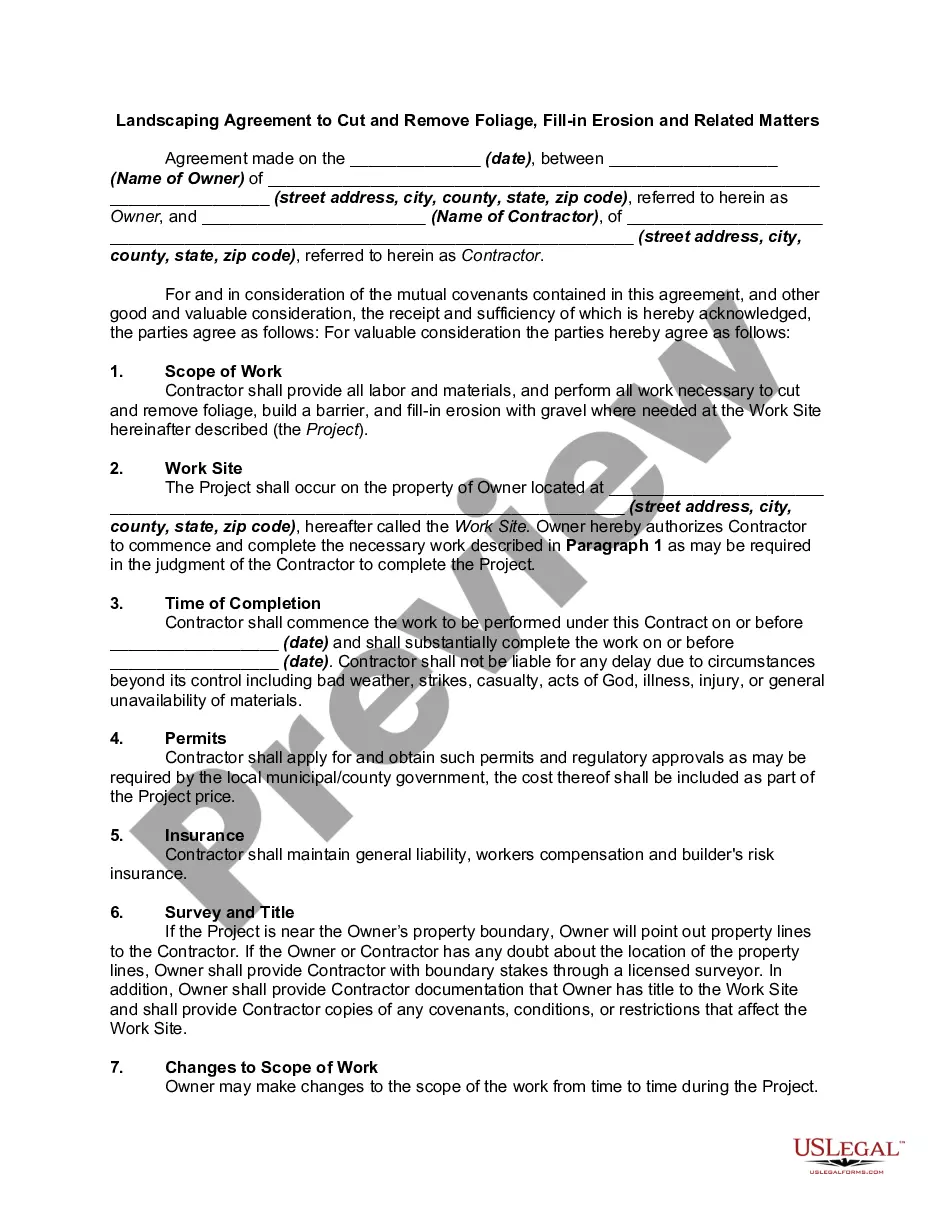
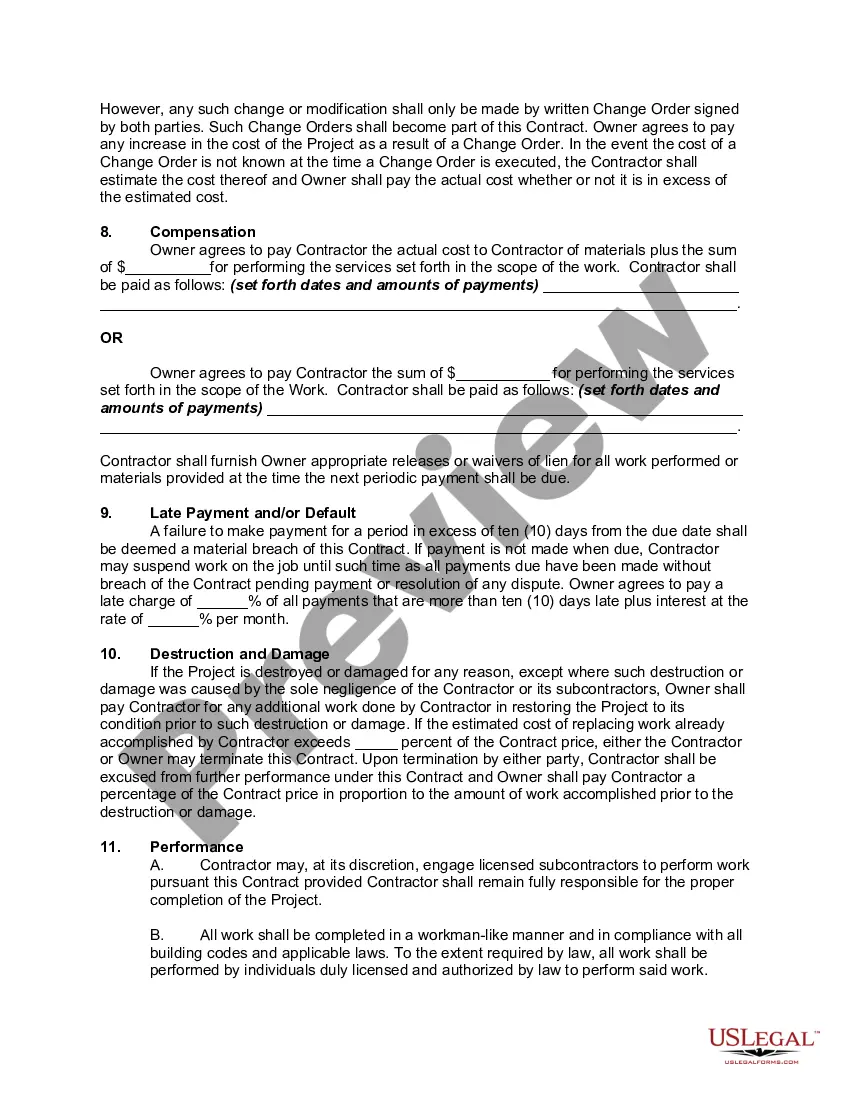
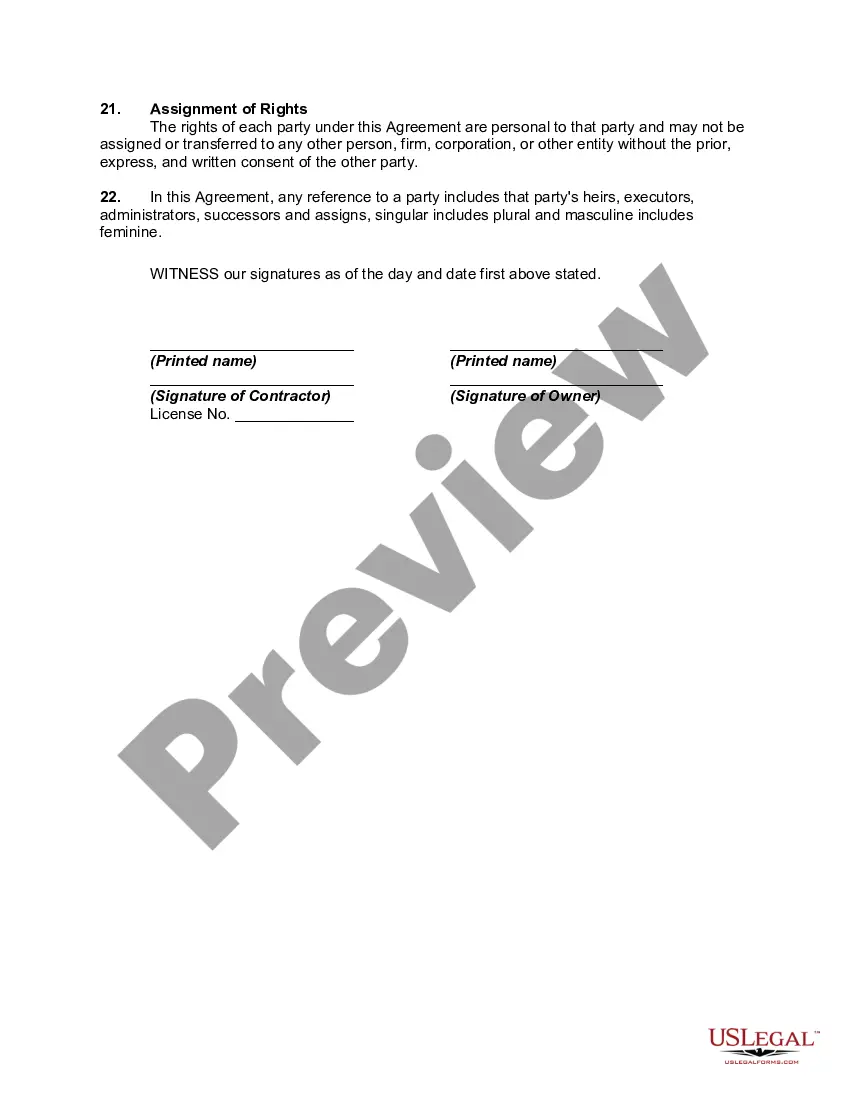
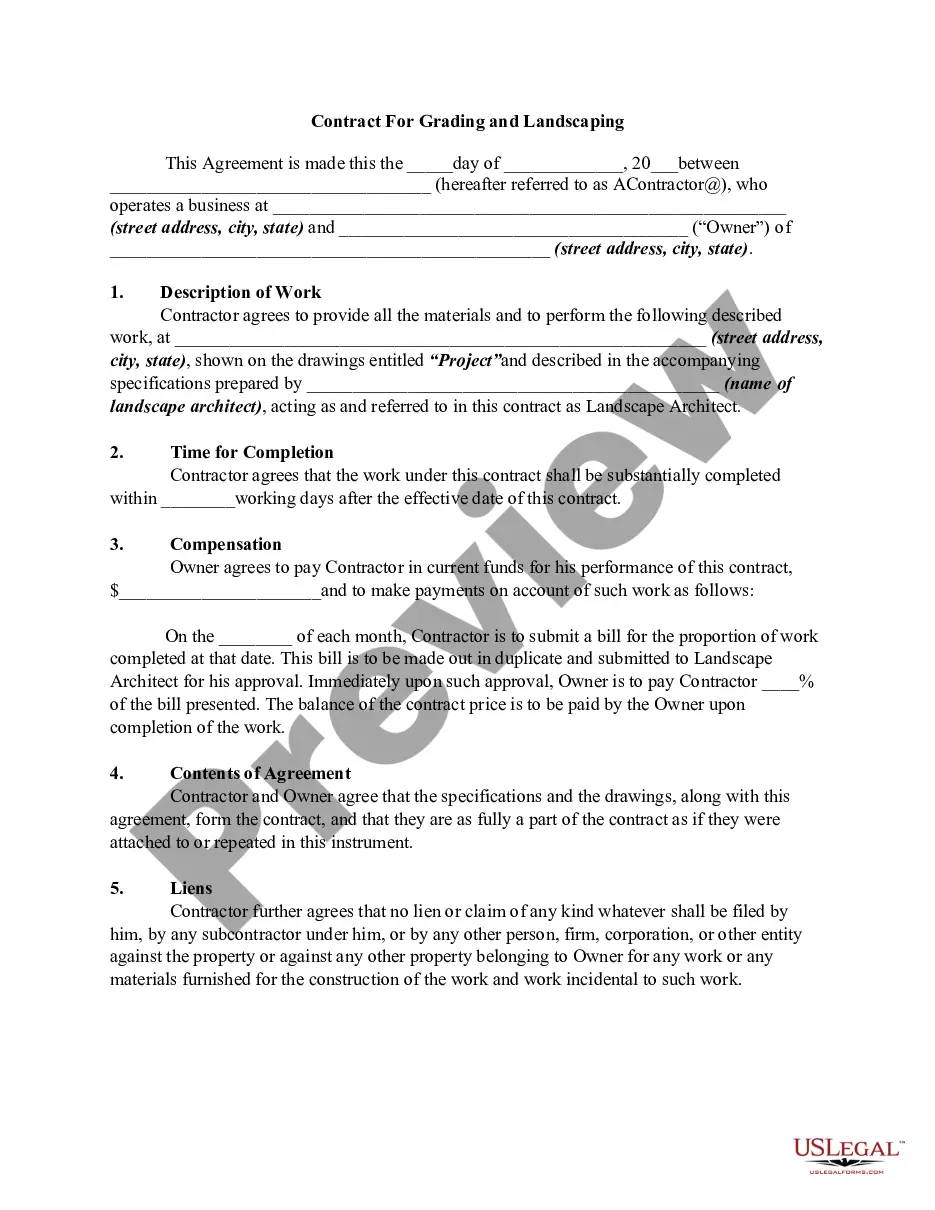
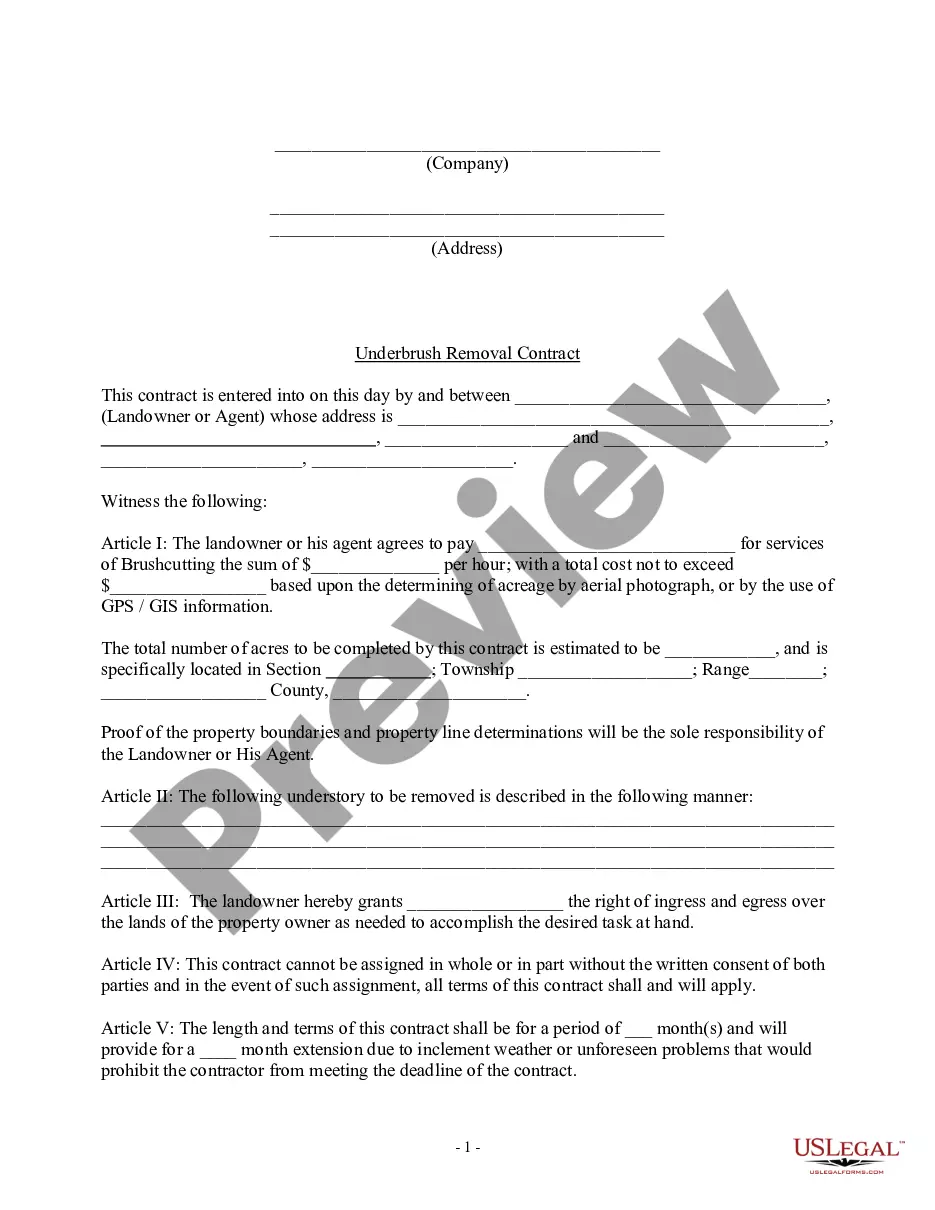
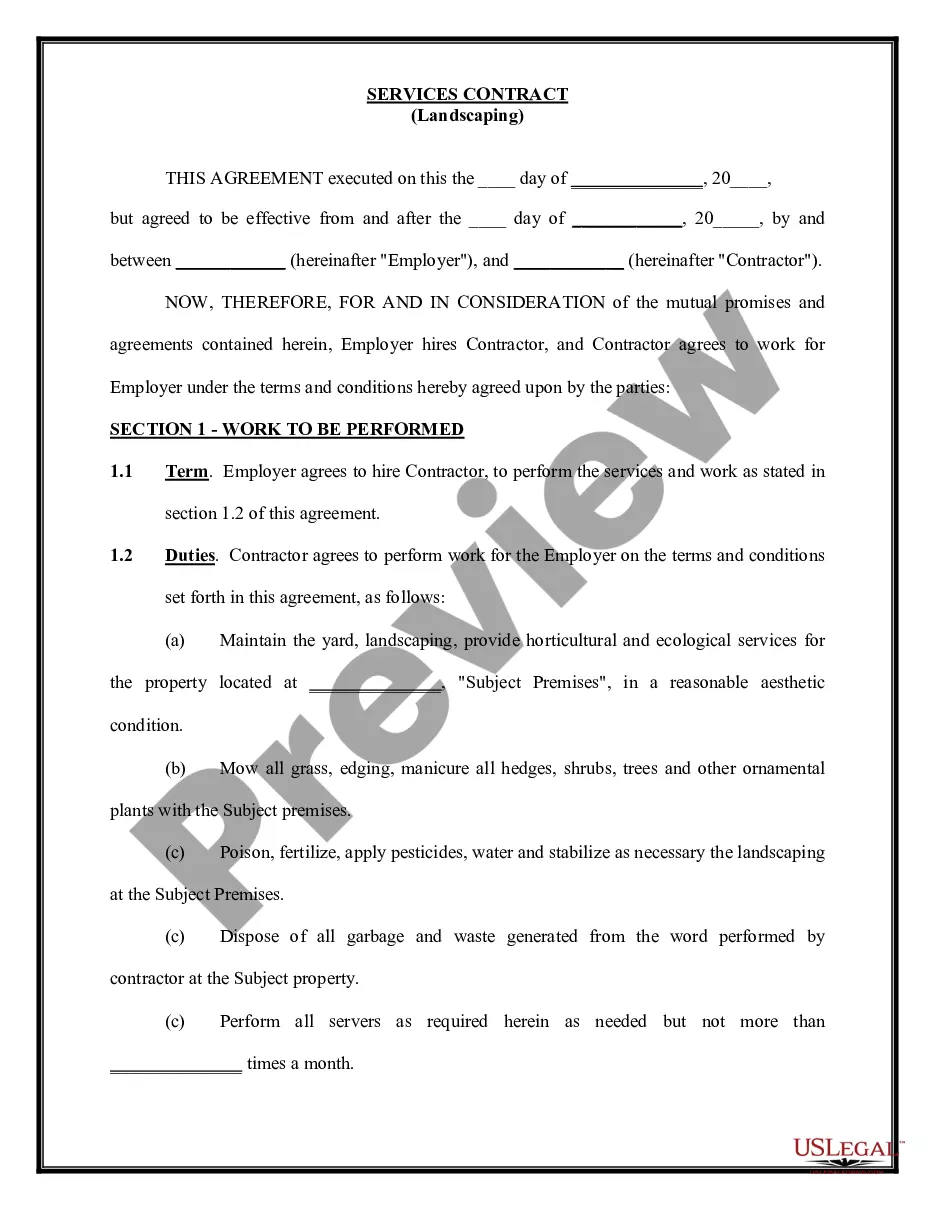
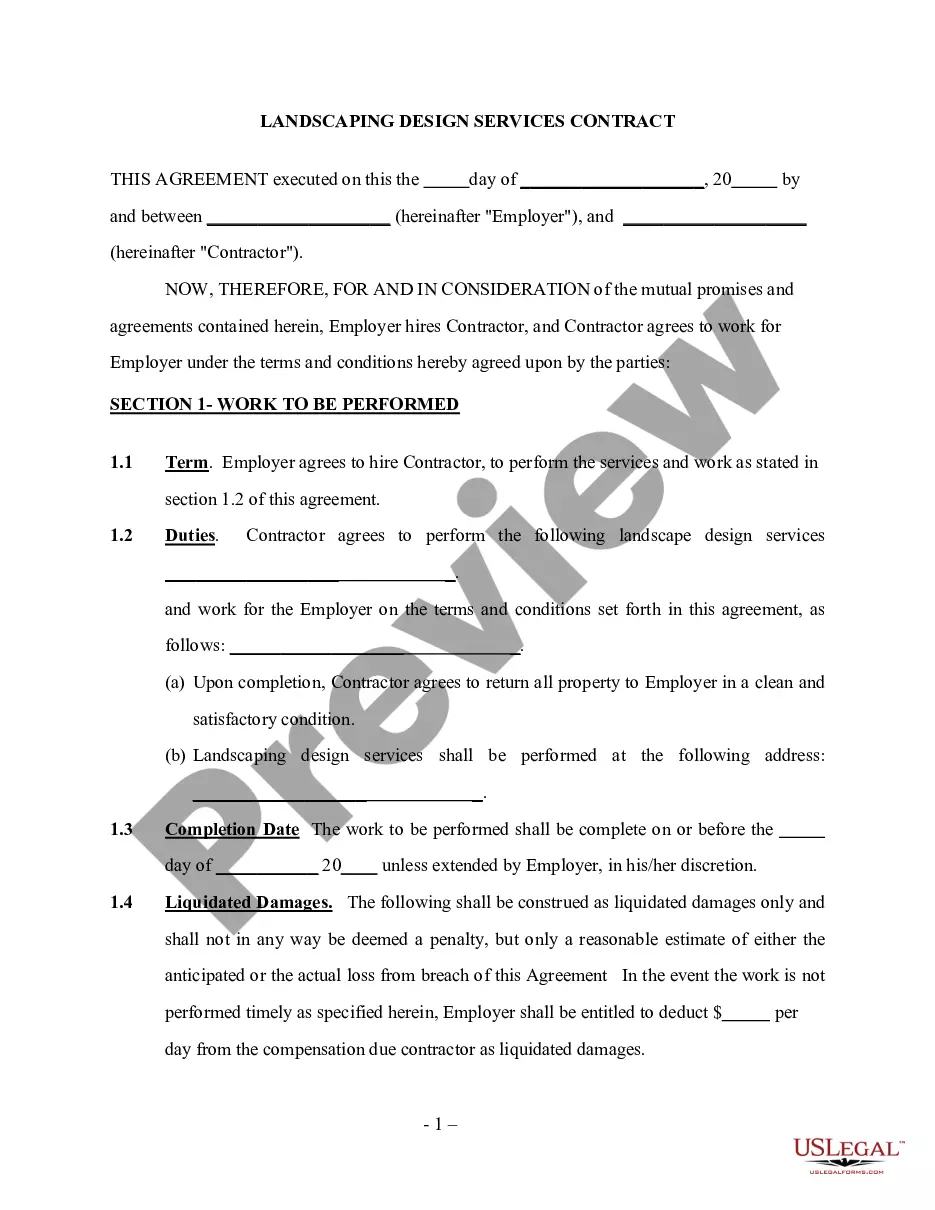
This Landscaping Agreement to Cut and Remove Foliage, Fill-in Erosion and Related Matters is a legal contract between a property owner and a contractor. It outlines the terms under which the contractor will perform landscaping work, including cutting foliage, mitigating erosion, and related tasks. This agreement is distinct from other landscaping contracts as it specifically addresses the removal of foliage and erosion-fill tasks, making it particularly suited for projects focused on both aesthetics and property protection.
What’s included in this form
- Agreement Date: Specifies the date when the agreement is made.
- Parties Involved: Identifies the property owner and the contractor.
- Scope of Work: Details the tasks the contractor agrees to perform.
- Work Site: Describes the location where the landscaping will take place.
- Time of Completion: Sets a timeline for when the work will start and finish.
- Permits: Clarifies who is responsible for obtaining necessary permits.
- Insurance: Requires the contractor to maintain specific insurance coverage.
- Compensation: Outlines how the contractor will be paid for their services.
- Changes to Scope: Provides a process for making formal changes to the work.
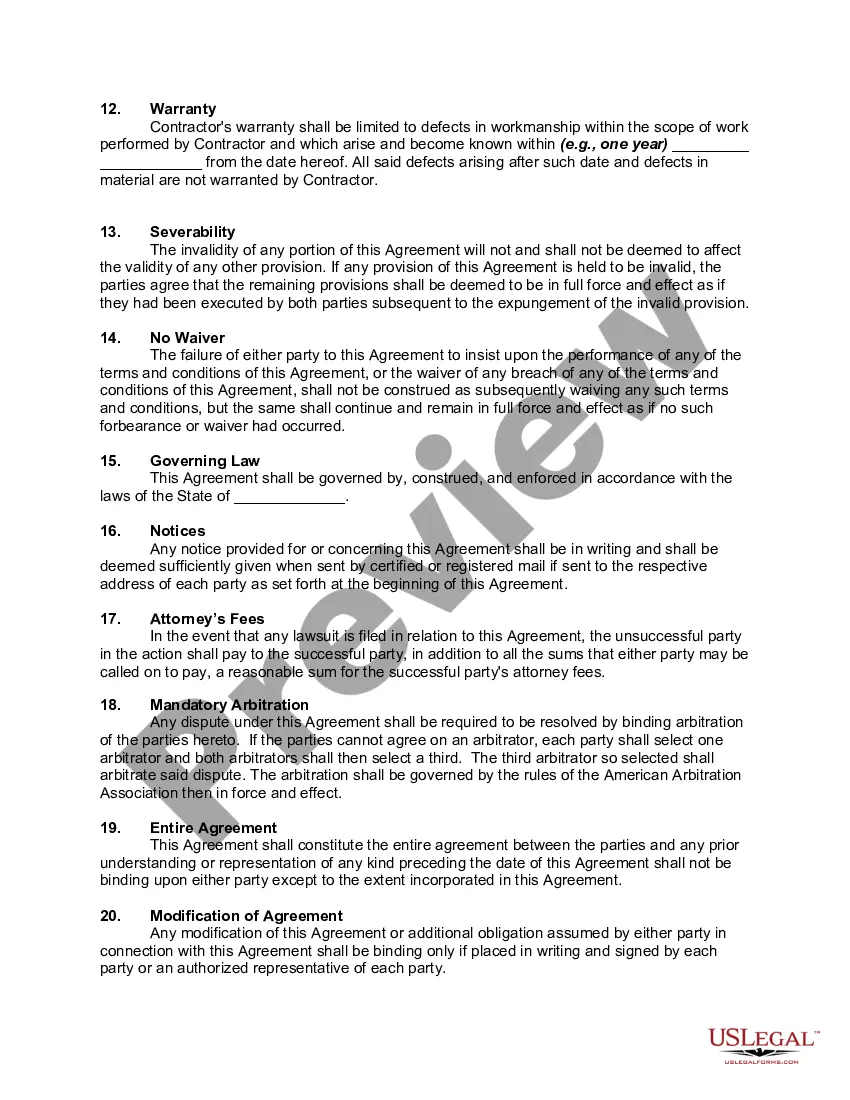
- Governing Law: Indicates the state law that governs the agreement.
When to use this document
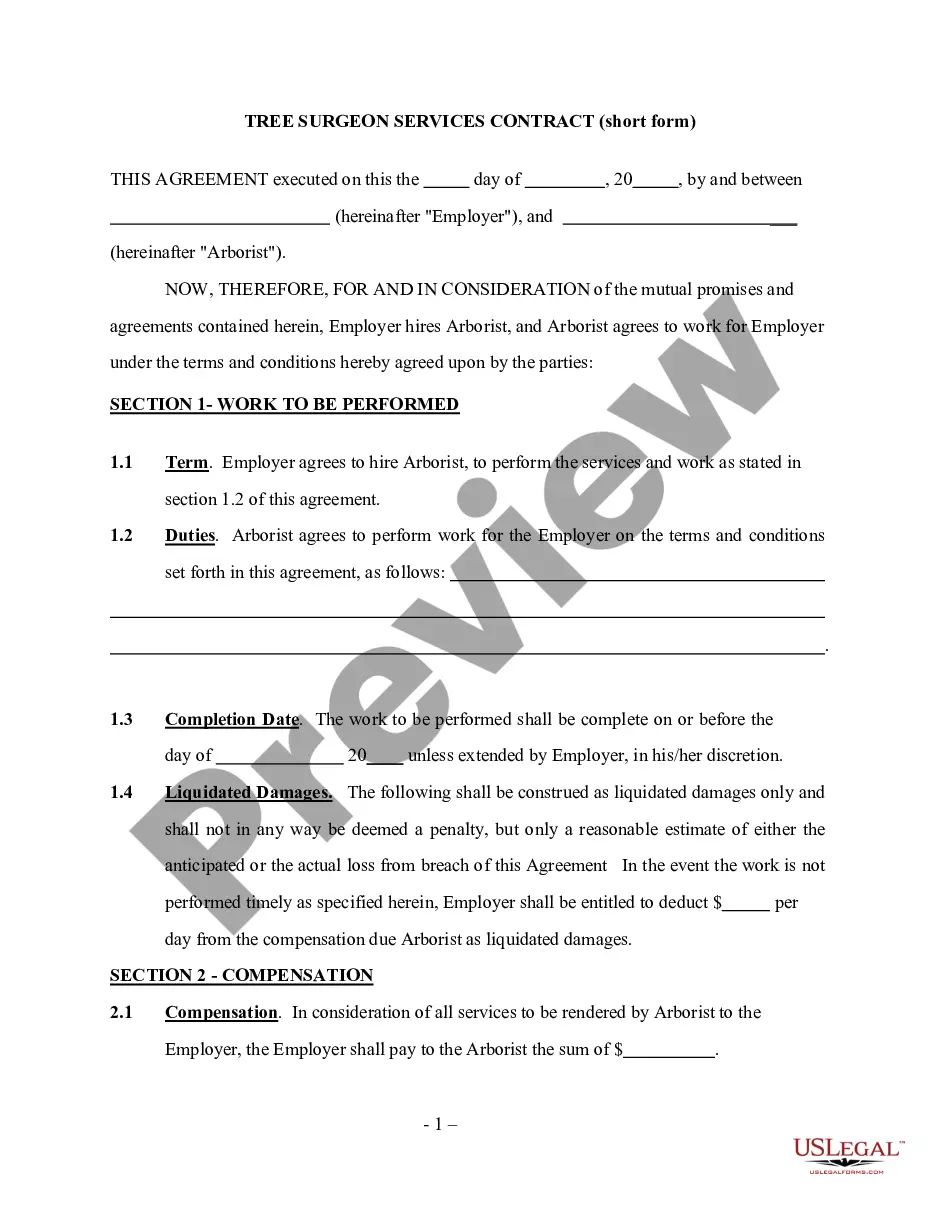
This form is used when a property owner needs to hire a contractor for landscaping work that involves cutting and removing plants and addressing erosion problems. It is particularly useful when the project requires a structured agreement that outlines responsibilities, payment terms, and legal protections for both parties involved. Situations may include home renovations, property enhancements, or maintenance of land subject to erosion.
Intended users of this form
- Property owners looking to manage landscaping projects effectively.
- Contractors offering specialized landscaping services.
- Individuals unfamiliar with legal contracts who need a clear agreement template.
- Homeowners preparing for property improvements or maintenance.
Steps to complete this form
- Identify the parties: Fill in the name and address of both the property owner and contractor.
- Specify the property: Clearly describe the work site where the landscaping will take place.
- Detail the scope of work: Outline the specific tasks the contractor will perform.
- Set timelines: Enter the dates for when work will begin and when it is expected to be completed.
- Agree on compensation: State the payment terms, including amounts and scheduling of payments.
- Sign and date: Both parties must sign the agreement to make it legally binding.
Notarization requirements for this form
This form does not typically require notarization unless specified by local law. It is advisable to check your state's requirements to ensure compliance with any specific regulations.
Get your form ready online
Our built-in tools help you complete, sign, share, and store your documents in one place.
Make edits, fill in missing information, and update formatting in US Legal Forms—just like you would in MS Word.
Download a copy, print it, send it by email, or mail it via USPS—whatever works best for your next step.
Sign and collect signatures with our SignNow integration. Send to multiple recipients, set reminders, and more. Go Premium to unlock E-Sign.
If this form requires notarization, complete it online through a secure video call—no need to meet a notary in person or wait for an appointment.
We protect your documents and personal data by following strict security and privacy standards.

Make edits, fill in missing information, and update formatting in US Legal Forms—just like you would in MS Word.

Download a copy, print it, send it by email, or mail it via USPS—whatever works best for your next step.

Sign and collect signatures with our SignNow integration. Send to multiple recipients, set reminders, and more. Go Premium to unlock E-Sign.

If this form requires notarization, complete it online through a secure video call—no need to meet a notary in person or wait for an appointment.

We protect your documents and personal data by following strict security and privacy standards.
Common mistakes
- Failing to include specific details about the scope of work, which can lead to misunderstandings.
- Not clearly defining timelines for project completion, leading to potential delays.
- Overlooking the need for permits or failing to clarify who is responsible for obtaining them.
- Neglecting to specify payment schedules, which can cause disputes later on.
- Ignoring local landscaping regulations or requirements that could affect the project.
Advantages of online completion
- Convenience: Easily download and complete the form at your own pace.
- Editability: Customize the agreement to fit your specific project needs.
- Reliability: Form templates are drafted by licensed attorneys to ensure legal validity.
- Accessibility: Access your forms anytime, anywhere, without the need for in-person consultations.
Main things to remember
Key Takeaways
- The Landscaping Agreement formalizes the relationship between a property owner and a contractor.
- Clearly defined scope of work and payment terms can help avoid disputes.
- Consulting local regulations is essential to ensure compliance with state-specific requirements.
Looking for another form?

Form popularity
FAQ
Title the employment contract. Give your employment contract a title so the person who reviews or signs the document understands what it is. Identify the parties. List the term and conditions. Outline the job responsibilities. Include compensation details. Use specific contract terms. Consult with an employment lawyer.
Names of the landlord and tenant and/or their agents. Description of the property. Amount of rent and due dates for payment, grace period, late charges. Mode of rent payment. Methods to terminate the agreement prior to the expiration date and charges if any.
Create your HelloSign account. Use the Google authenticator or enter in your email and a password. Upload your PDF document. Format the PDF using special formatting fields. Fill out and sign the PDF. Send and store. All done.
All business contracts must contain the essential elements of an agreement. The essential elements include consideration, offer and acceptance, a legal purpose, capable parties and mutual assent. Consideration means something of value must be exchanged.
When writing your own renters agreement you are able to include your own classes, such as tenants aren't allowed to have pets. However, these added clauses must be in line with both the landlord's and tenants' rights and if they infringe on these rights then they are void and can't stand up in a court of law.
Write down excuses beforehand and identify countermeasures. Add some penalties if you feel that you're slipping up too often. Agree to it on paper with your signature. Get a co-signor. Post it in public. Get support from friends and family. Find a group on the same journey.
Names of all tenants. Limits on occupancy. Term of the tenancy. Rent. Deposits and fees. Repairs and maintenance. Entry to rental property. Restrictions on tenant illegal activity.
Get it in writing. Keep it simple. Deal with the right person. Identify each party correctly. Spell out all of the details. Specify payment obligations. Agree on circumstances that terminate the contract. Agree on a way to resolve disputes.
Name the parties. A simple rental agreement form needs to name the parties signing the lease and where they live. Describe the premises. Define the term of the lease. Set how much rent is owed. Assign a security deposit amount. Finalize the lease.