Agreement to Purchase Goods or Personal Property over a Long Term or Ongoing Basis with Confidentially Provisions and Patent Rights
What is this form?
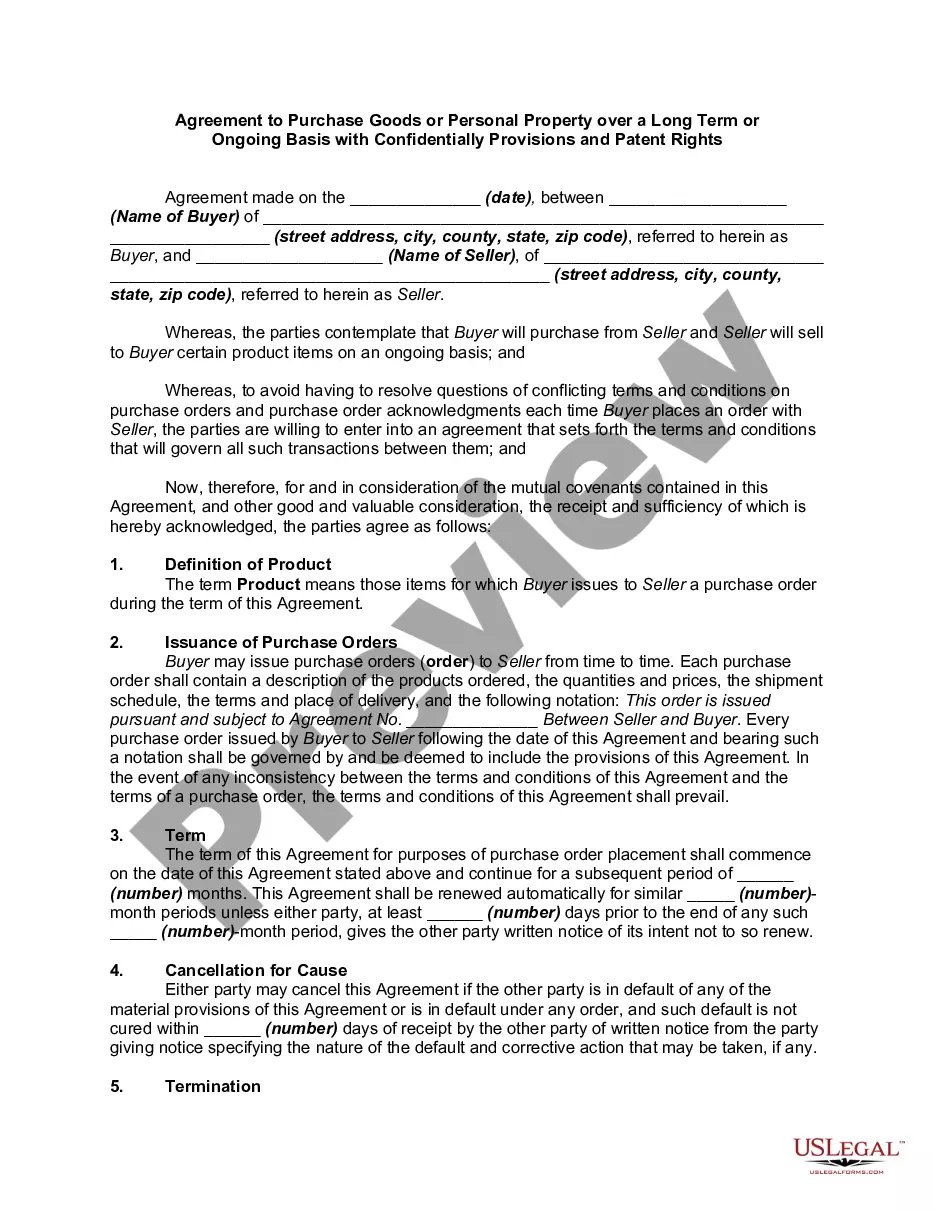
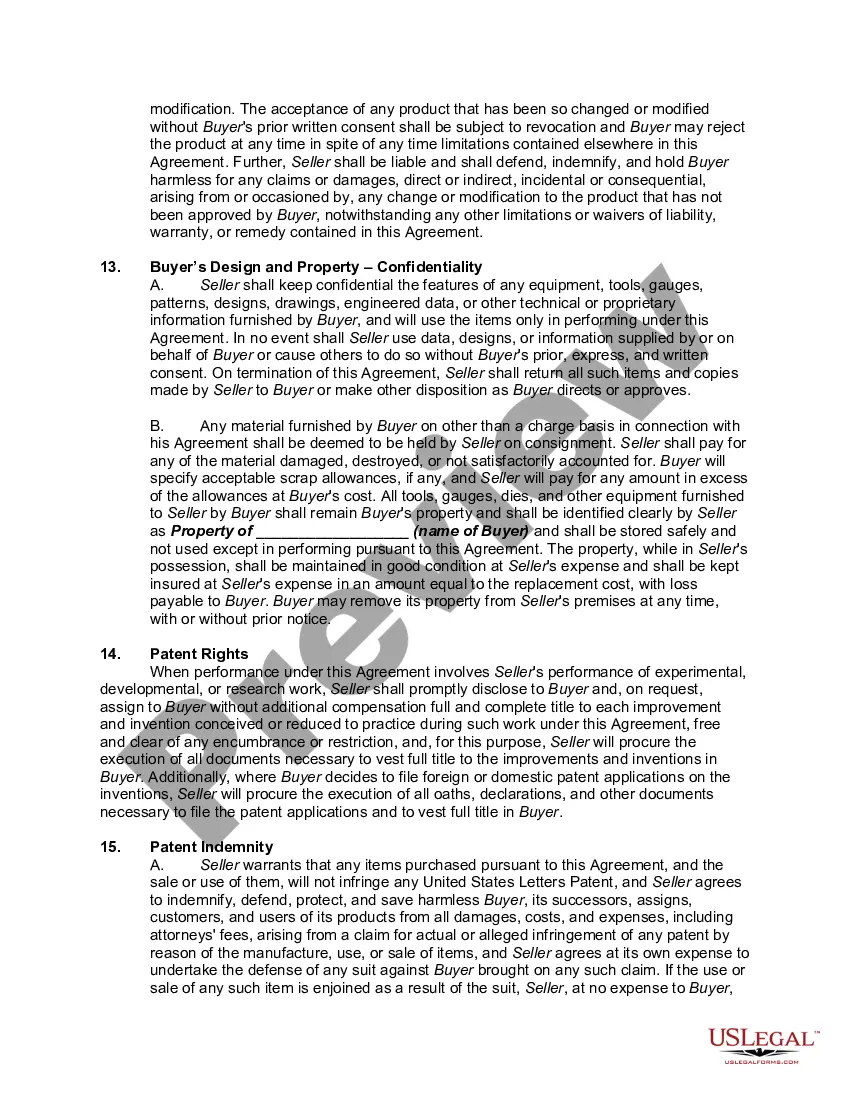
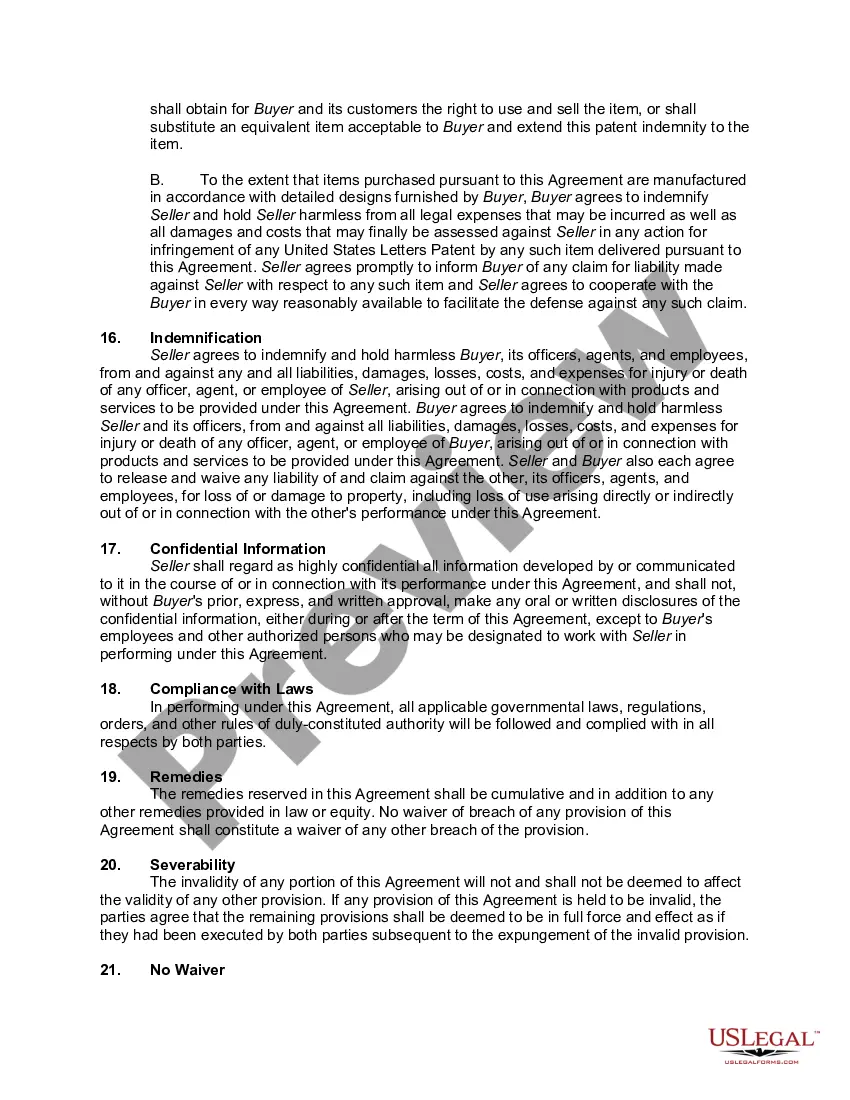
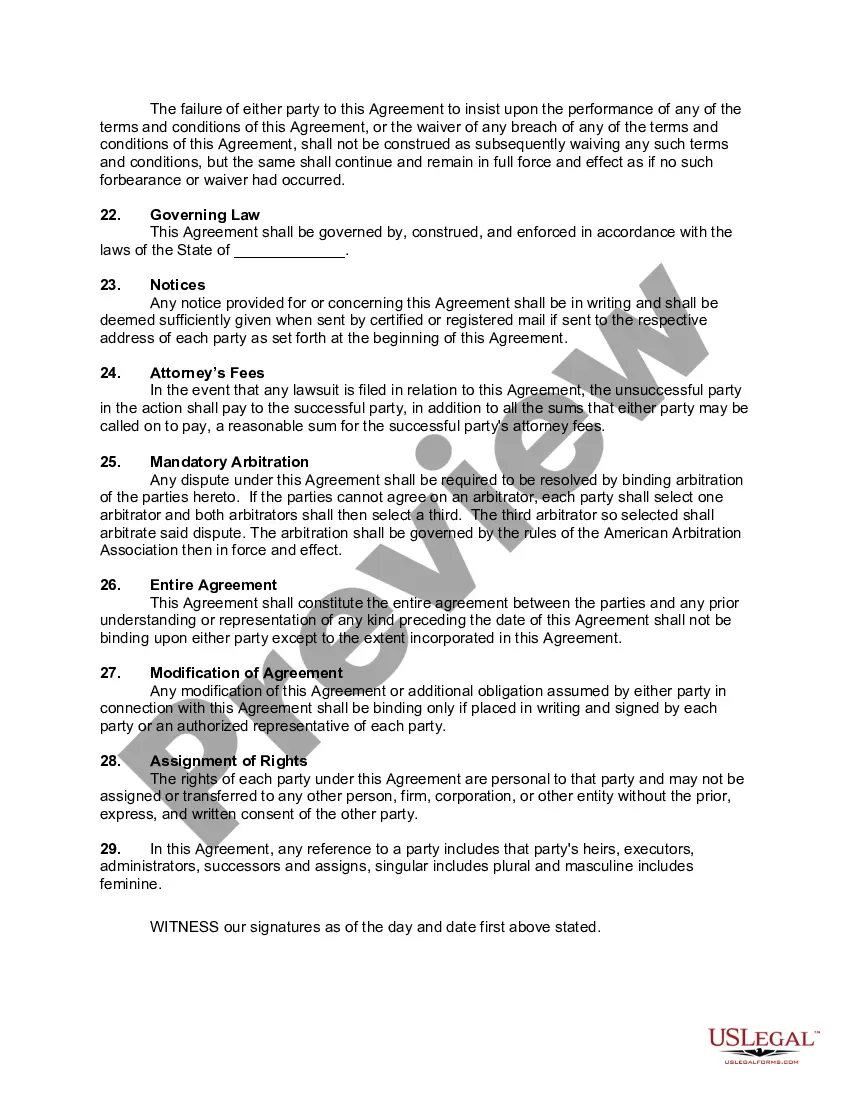
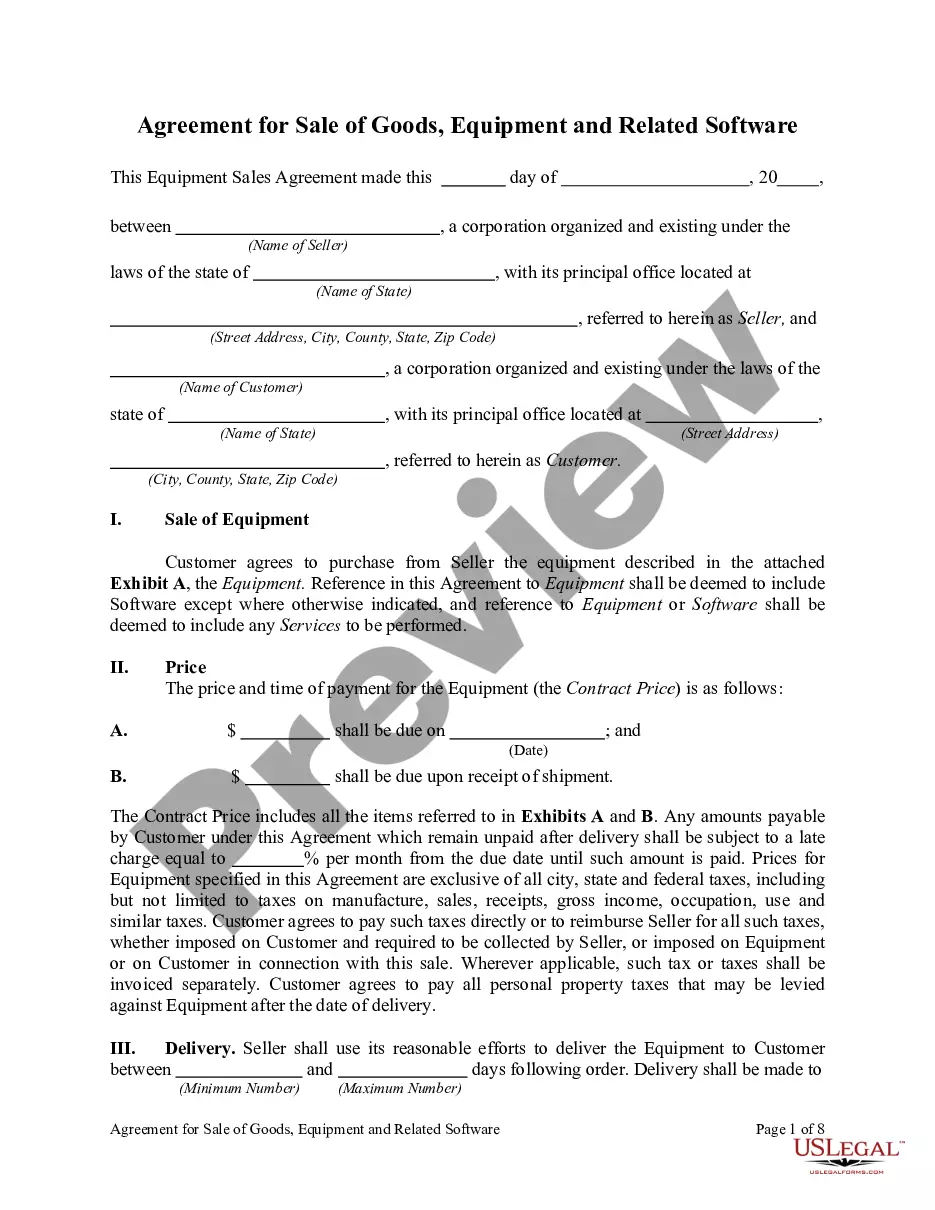
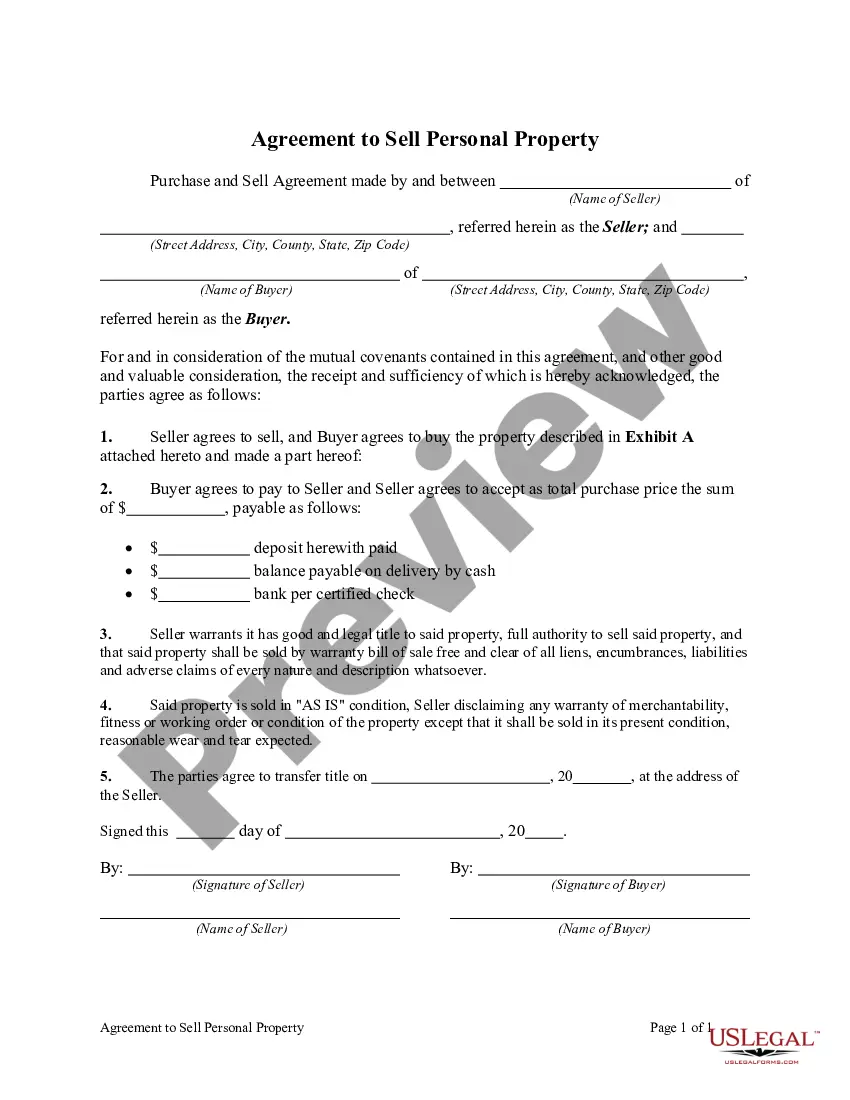
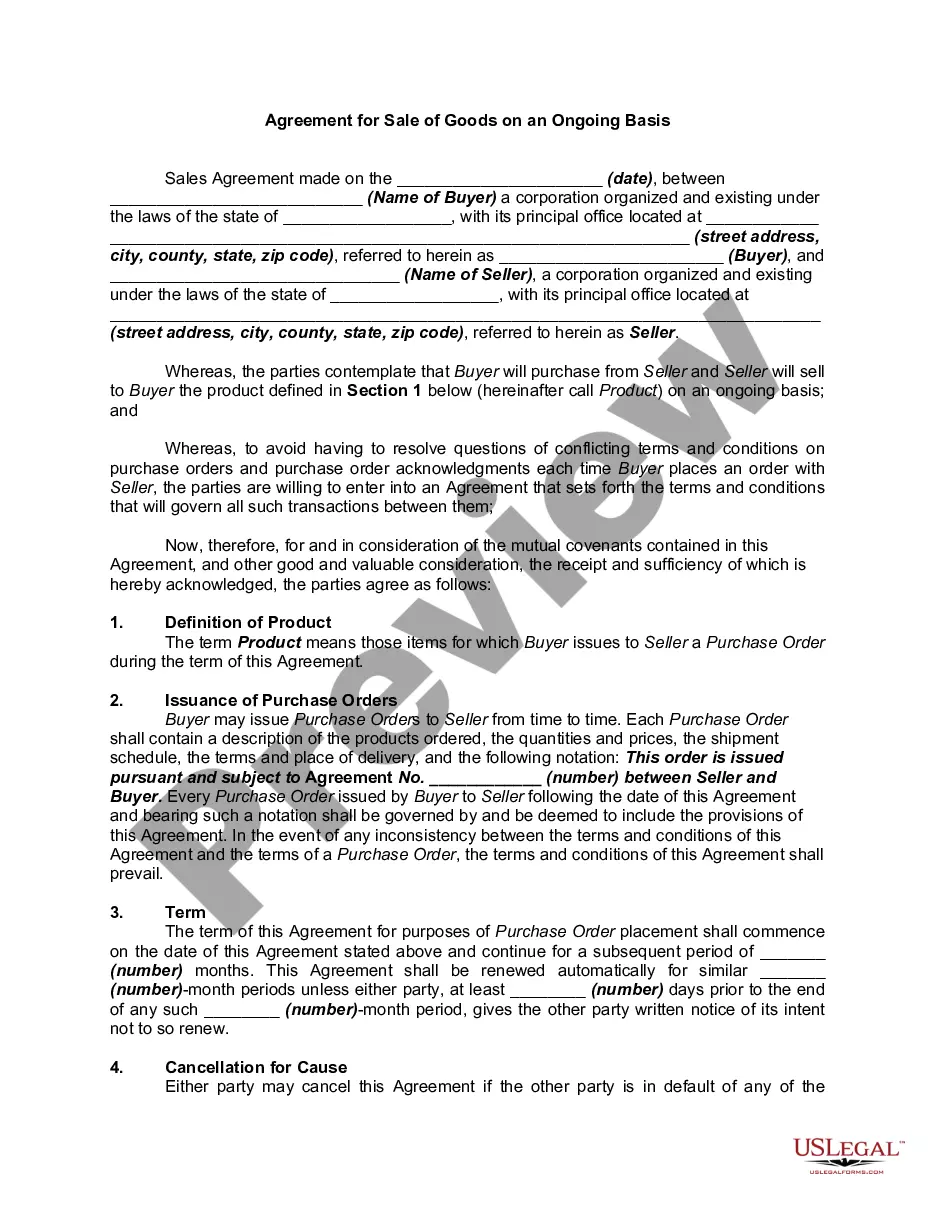
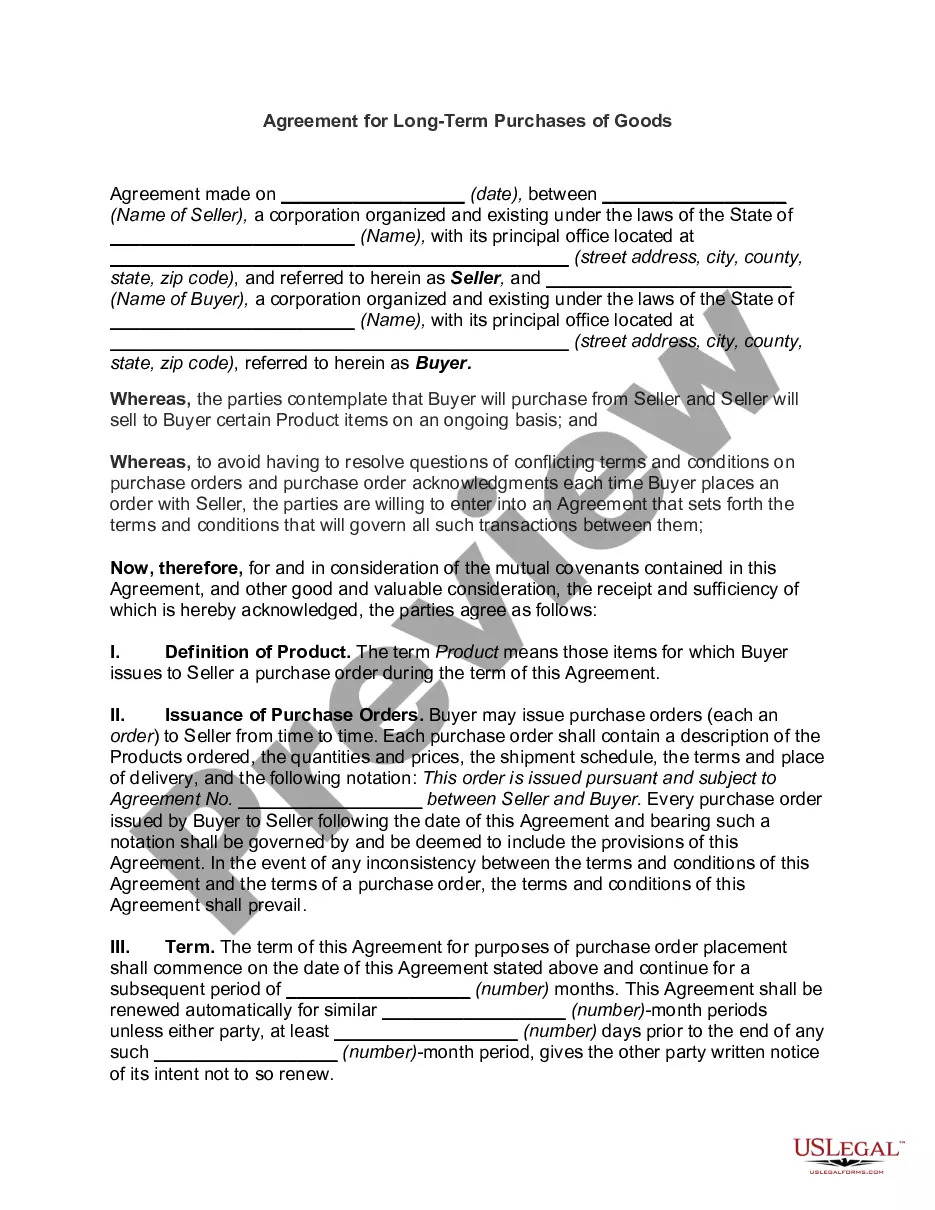
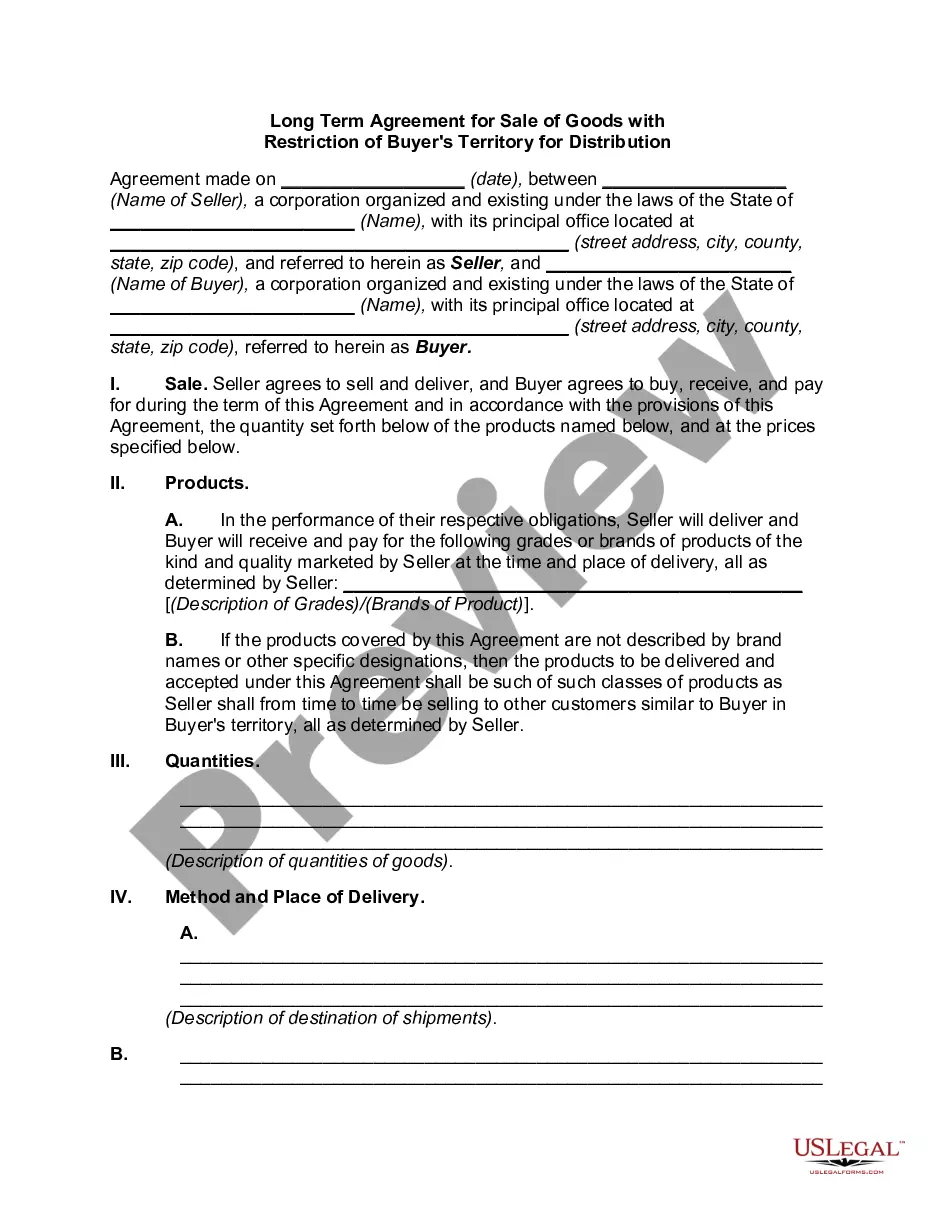
This Agreement to Purchase Goods or Personal Property over a Long Term or Ongoing Basis with Confidentiality Provisions and Patent Rights is a legally binding document outlining the terms under which a buyer agrees to purchase goods from a seller on an ongoing basis. This agreement ensures clarity for both parties regarding rights, responsibilities, and product specifications, making it distinct from standard purchase orders by incorporating confidentiality and patent rights clauses. It is designed to streamline long-term purchasing relationships and clarify the obligations of each party.
Main sections of this form
- Definition of product: Specifies the items covered under this agreement.
- Issuance of purchase orders: Outlines the procedure for placing orders and the governing terms of each order.
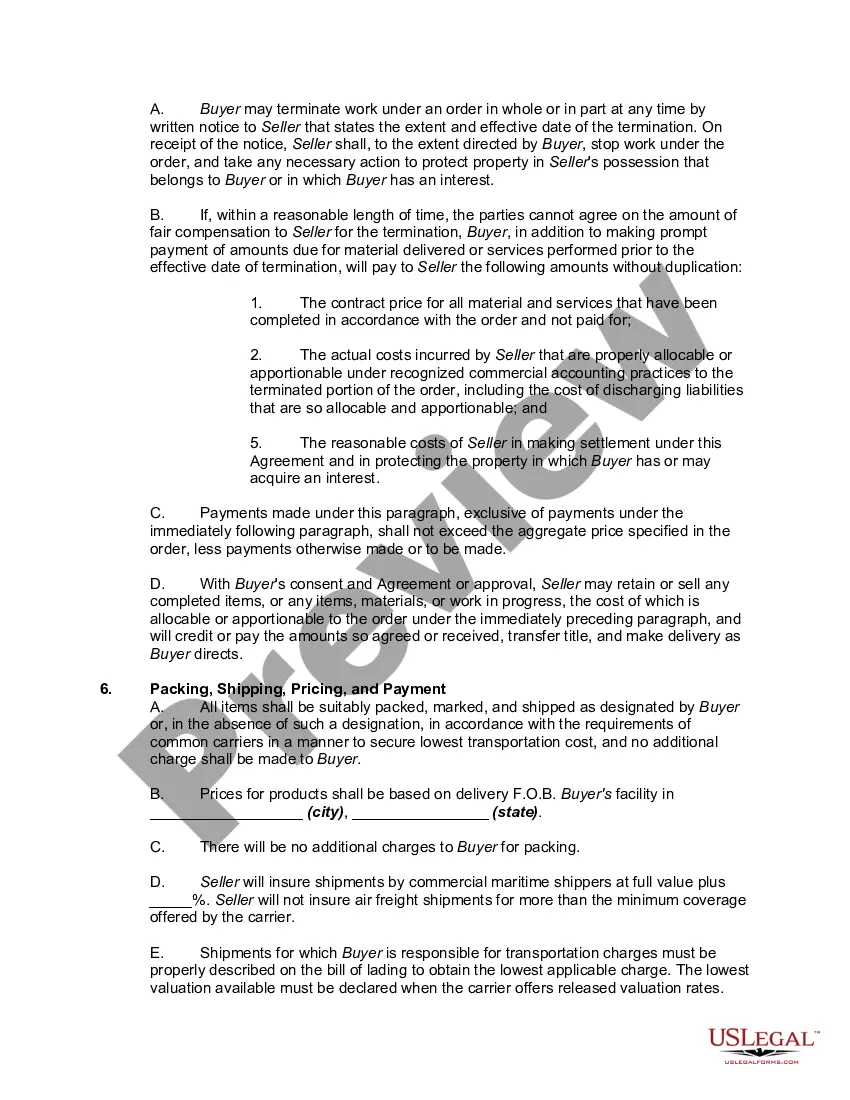
- Terms of cancellation and termination: Describes under what circumstances the agreement may be ended.
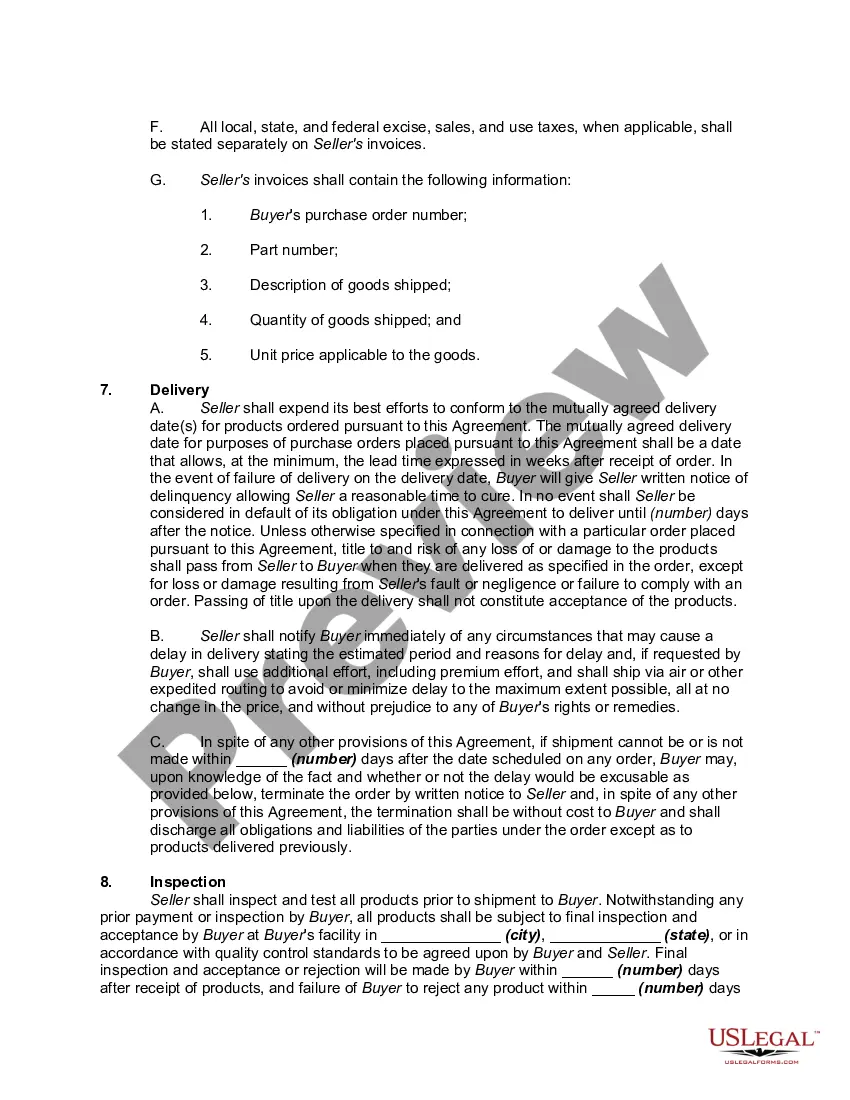
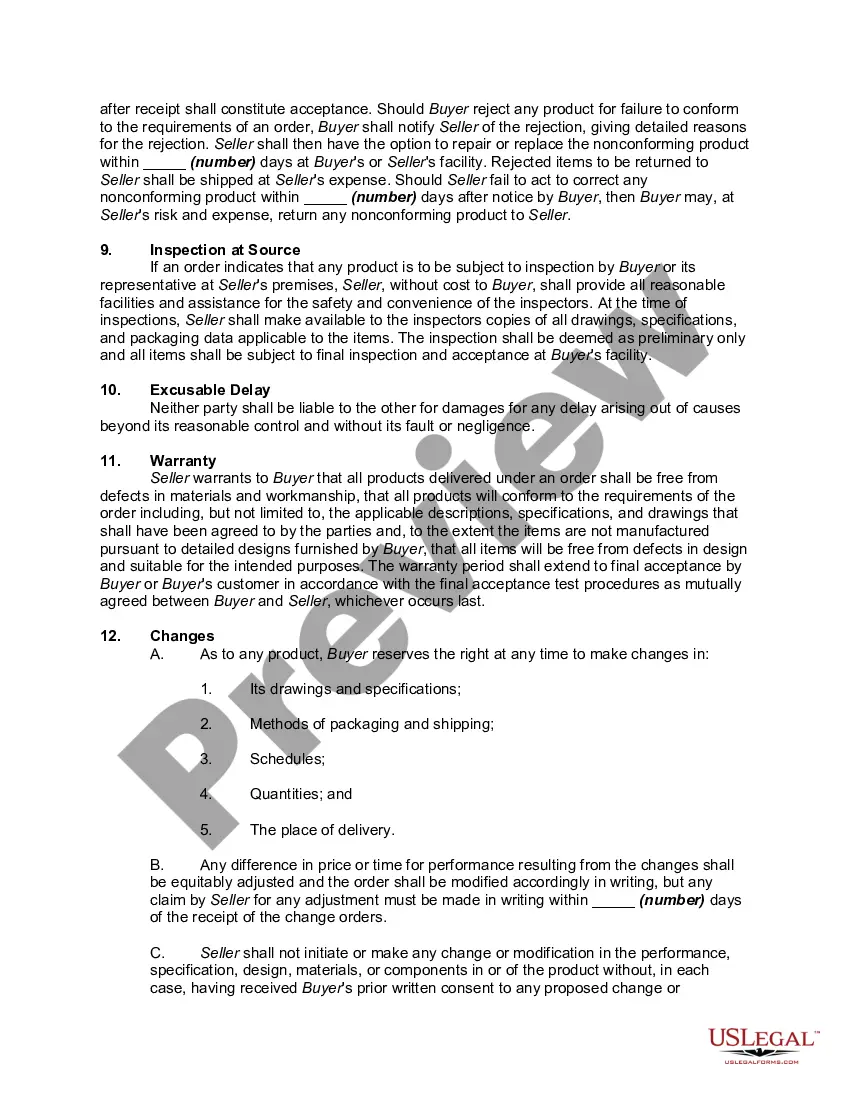
- Delivery and inspection: Establishes obligations for product delivery timelines and quality inspections.
- Confidentiality provisions: Mandates that proprietary information be kept confidential by the seller.
- Patent rights: Details the assignment of patent rights for inventions developed during the agreement.
When to use this document
This form is useful when a business needs to establish a long-term purchasing relationship with a supplier. Use it when you intend to purchase goods on an ongoing basis, wish to maintain confidentiality regarding proprietary information, or need to assign patent rights for any inventions developed in connection with the purchased products. This agreement is ideal for businesses in manufacturing, technology, or any sector where product specifications and confidentiality are crucial.
Intended users of this form
- Businesses looking to enter into long-term relationships with suppliers.
- Buyers who require clear terms for ongoing purchases of goods.
- Companies needing to protect their proprietary information and patent rights.
- Suppliers who want to formalize their terms with buyers in a way that minimizes disputes over contract specifics.
How to prepare this document
- Identify the parties: Clearly state the names and addresses of the buyer and seller.
- Define the product: Specify the goods that will be purchased under this agreement.
- Enter the effective date: Fill in the date the agreement takes effect.
- Detail purchase order issuance: Include information on how orders will be placed.
- Include terms for confidentiality and patent rights: Ensure these clauses reflect the intentions of both parties.
- Review and sign: Have both parties review the agreement and sign to validate it.
Does this form need to be notarized?
This form does not typically require notarization unless specified by local law. However, having a notarized signature can provide additional legal protection in some jurisdictions.
Get your form ready online
Our built-in tools help you complete, sign, share, and store your documents in one place.
Make edits, fill in missing information, and update formatting in US Legal Forms—just like you would in MS Word.
Download a copy, print it, send it by email, or mail it via USPS—whatever works best for your next step.
Sign and collect signatures with our SignNow integration. Send to multiple recipients, set reminders, and more. Go Premium to unlock E-Sign.
If this form requires notarization, complete it online through a secure video call—no need to meet a notary in person or wait for an appointment.
We protect your documents and personal data by following strict security and privacy standards.

Make edits, fill in missing information, and update formatting in US Legal Forms—just like you would in MS Word.

Download a copy, print it, send it by email, or mail it via USPS—whatever works best for your next step.

Sign and collect signatures with our SignNow integration. Send to multiple recipients, set reminders, and more. Go Premium to unlock E-Sign.

If this form requires notarization, complete it online through a secure video call—no need to meet a notary in person or wait for an appointment.

We protect your documents and personal data by following strict security and privacy standards.
Typical mistakes to avoid
- Failing to specify the products clearly, which can lead to disputes.
- Not including adequate confidentiality provisions, risking exposure of sensitive information.
- Overlooking the terms for termination and cancellation, which can create confusion if issues arise.
- Neglecting to address patent rights, potentially leading to ownership conflicts over inventions.
Benefits of using this form online
- Convenience: Easily download and customize the agreement to meet specific business needs.
- Editability: Modify the form as situations change or specific legal requirements arise.
- Reliability: Forms drafted by licensed attorneys ensure compliance with legal standards.
Legal use & context
- Establishes mutual obligations between buyer and seller in long-term transactions.
- Provides legal protection for proprietary information and patent rights.
- Ensures compliance with state-specific laws, enhancing enforceability.
What to keep in mind
- This agreement is essential for businesses engaging in long-term purchasing relationships.
- Clearly outlines terms, offers confidentiality, and addresses patent rights.
- Review local laws to ensure compliance and proper use of the form.
Looking for another form?

Form popularity
FAQ
Buyer and seller information. Property details. Pricing and financing. Fixtures and appliances included/excluded in the sale. Closing and possession dates. Earnest money deposit amount. Closing costs and who is responsible for paying.
The identity of the buyer and seller. A description of the property being purchased. The purchase price. The terms as to how and when payment is to be made. The terms as to how, when, and where the goods will be delivered to the purchaser.
A purchase agreement is a legal document that is signed by both the buyer and the seller. Once it is signed by both parties, it is a legally binding contract. The seller can only accept the offer by signing the document, not by just providing the goods.
Who Prepares The Real Estate Purchase Agreement? Typically, the buyer's agent writes up the purchase agreement. However, unless they are legally licensed to practice law, real estate agents generally can't create their own legal contracts.
Step 1: Negotiate the Terms of the Sale with the Buyer. Step 2: Gather the Necessary Background Information. Step 3: Begin with the Basic Information. Step 4: Write Down the Specific Description of the Product. Step 5: Write Down the Details of the Item's Delivery.
Buyer's Inspection Contingency. Essentially, this contingency conditions the closing on the buyer receiving and being happy with the result of one or more home inspections. Financing Contingency. Insurance-Related Contingencies. Appraisal Contingency. Other Contingencies.
A real estate deal can take a turn for the worst if the contract is not carefully written to include all the legal stipulations for both the buyer and seller.You can write your own real estate purchase agreement without paying any money as long as you include certain specifics about your home.
Step 1: Apply For A Mortgage. Step 2: Research The Neighborhood. Step 3: Find A Property. Step 4: Ask For A Seller's Disclosure. Step 5: Make An Offer. Step 6: Hire A Lawyer And Home Inspector. Step 7: Negotiate. Step 8: Finalize Home Financing And Closing.
Does a Real Estate Purchase Agreement have to be notarized in order to be valid? No, this document does not have to be signed by a notary public since it does not get filed with the County Recorder's Office.