Lease Agreement of Dock Facilities between City and Corporation
Understanding this form
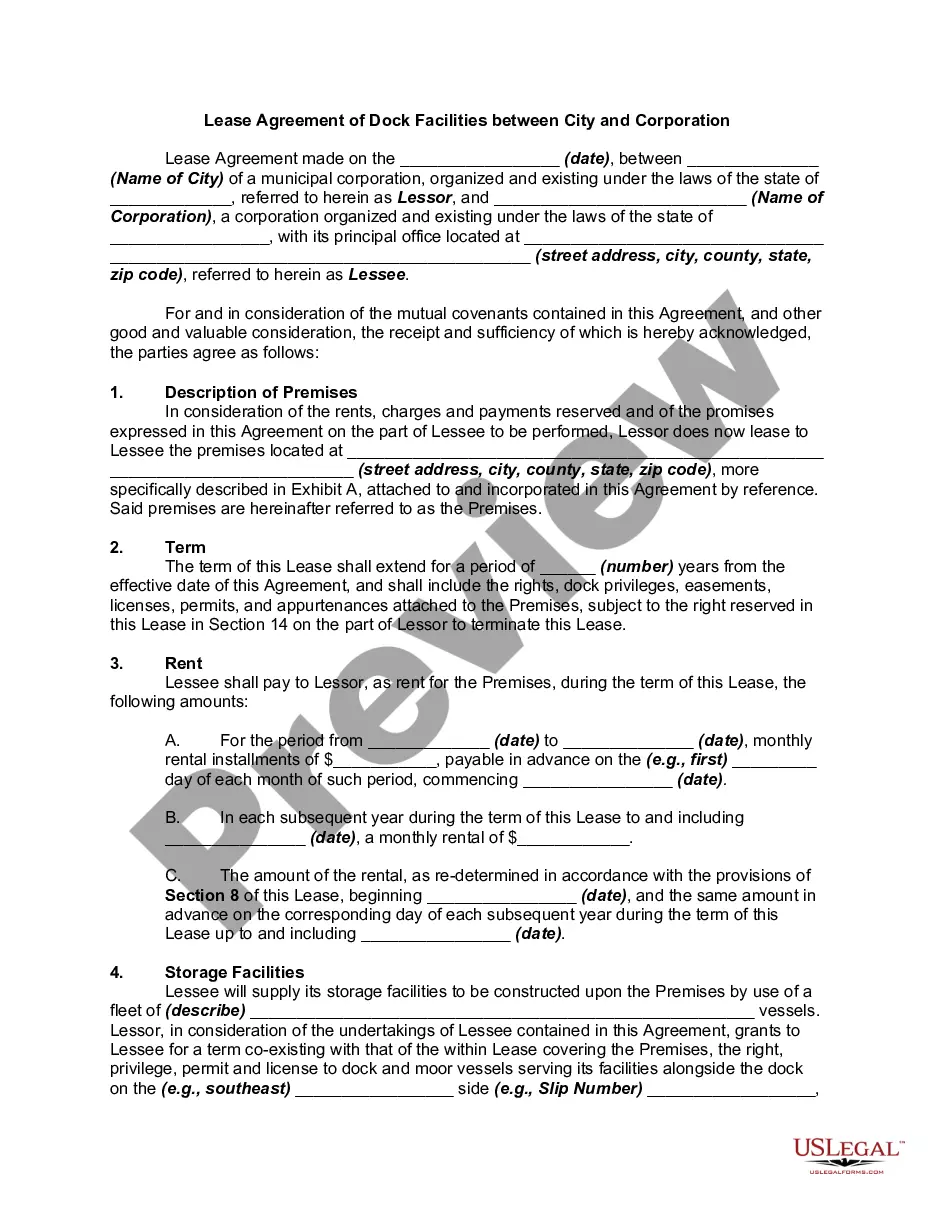
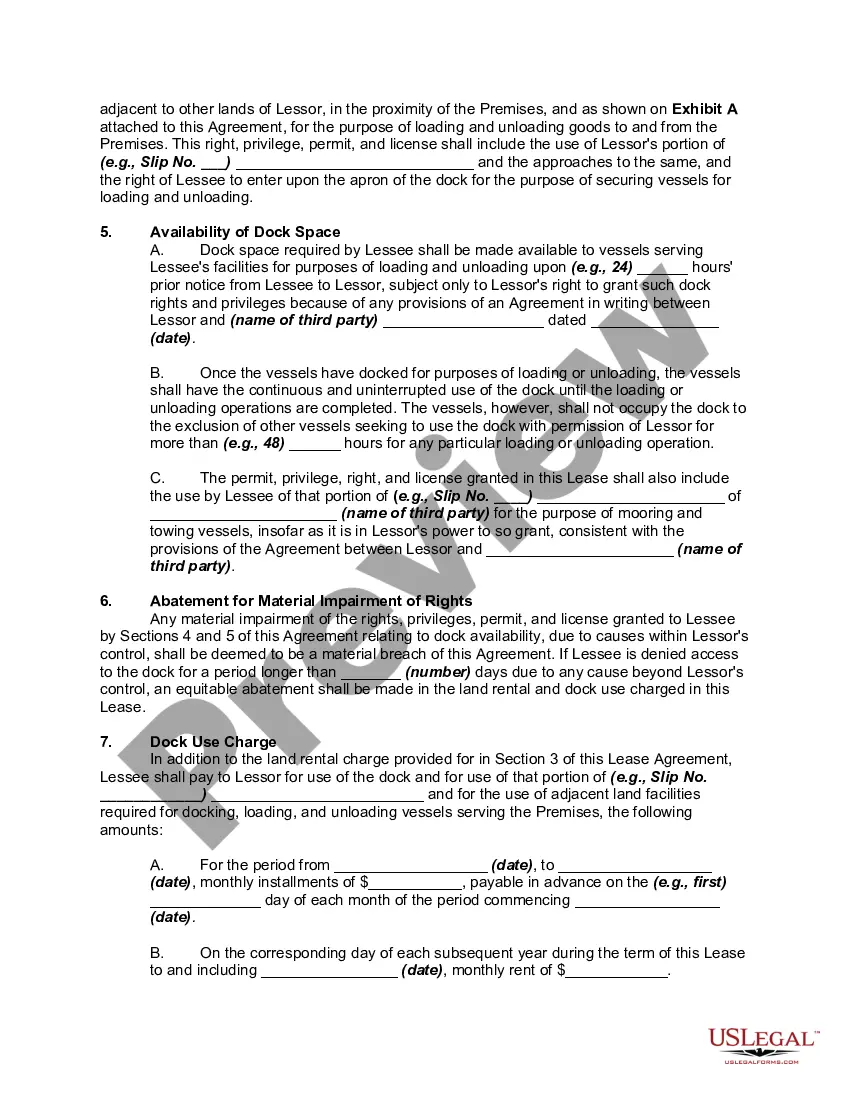
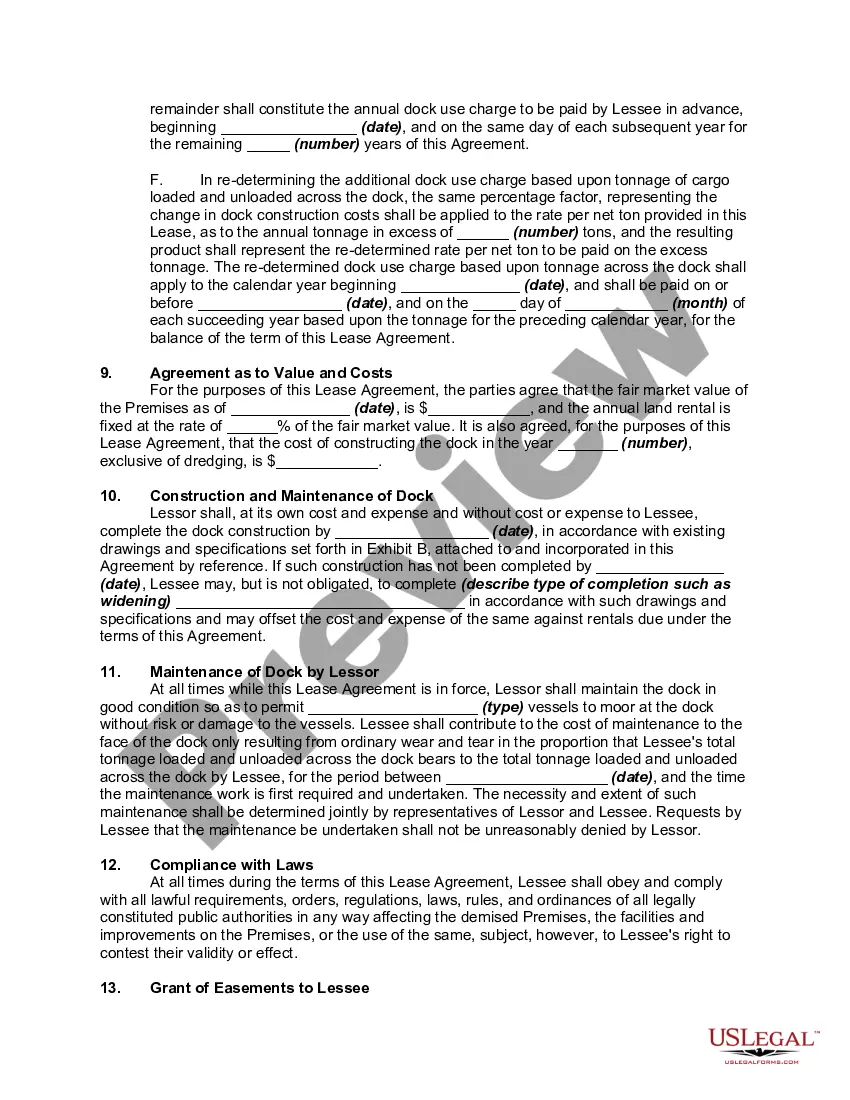
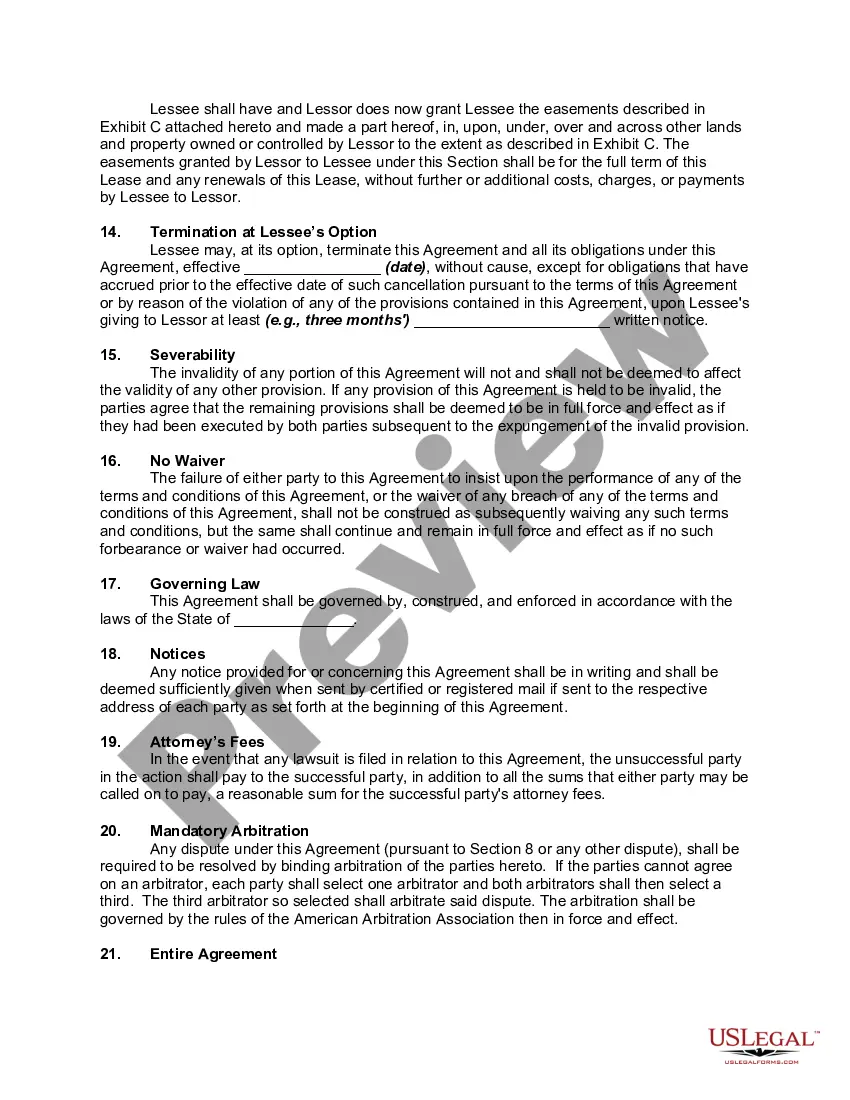
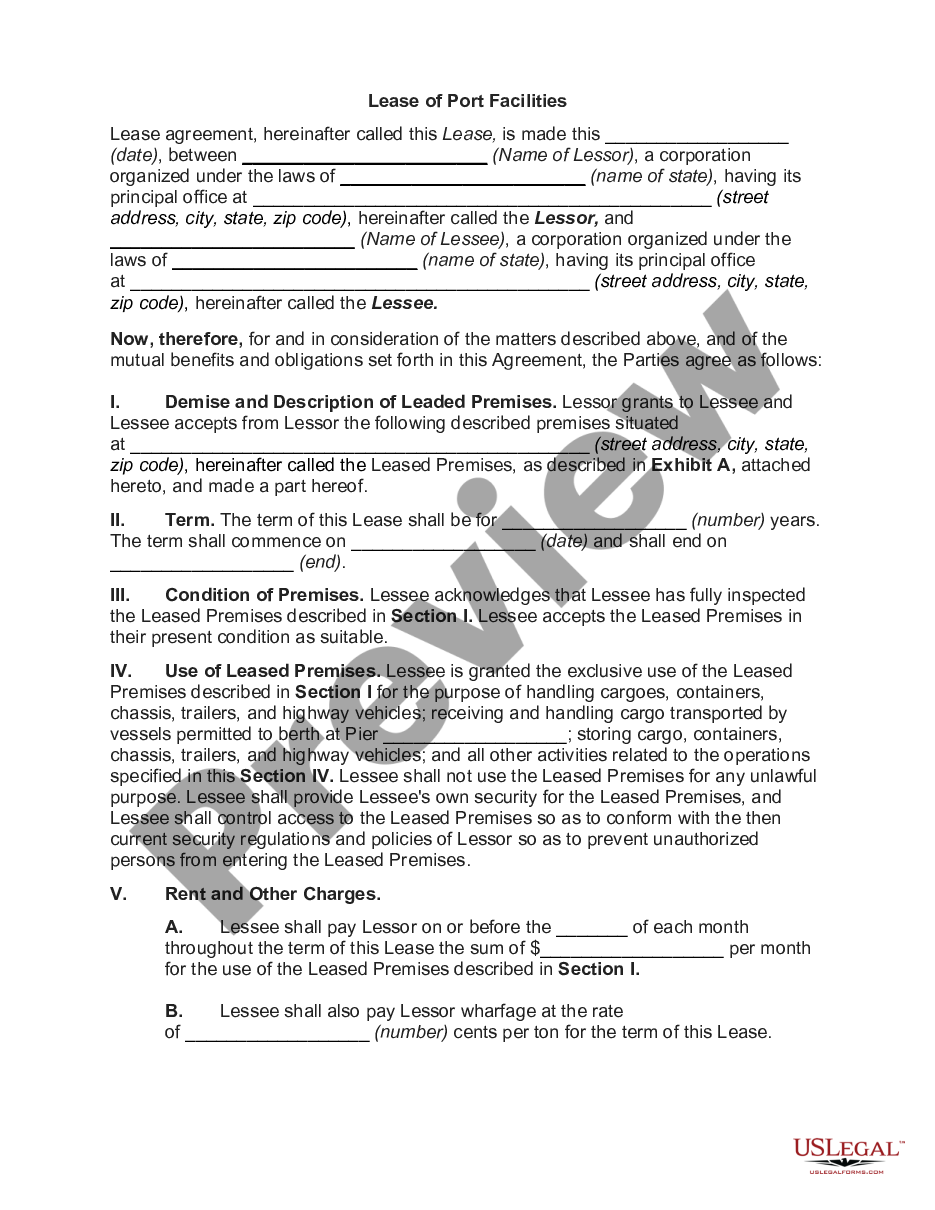
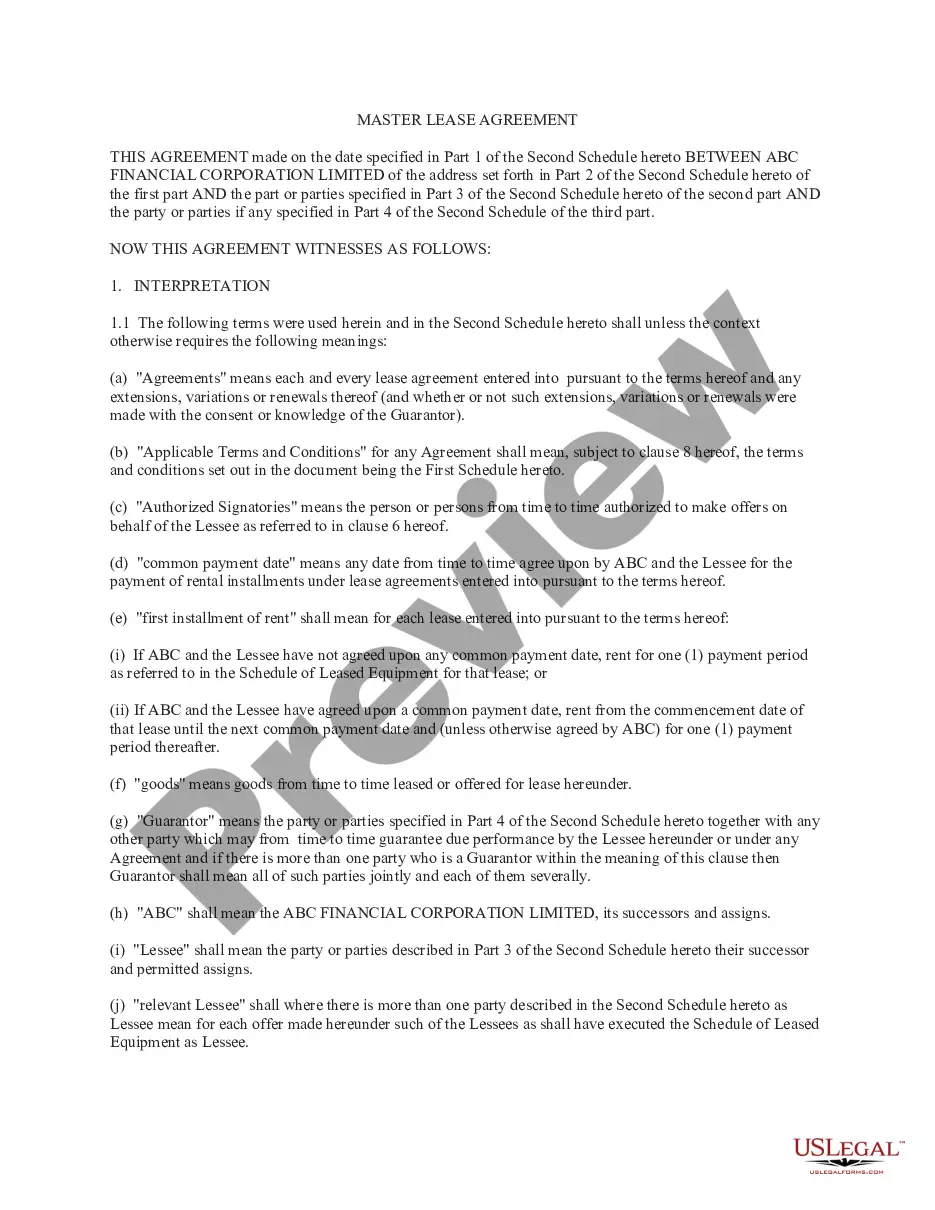
The Lease Agreement of Dock Facilities between City and Corporation is a formal document outlining the leasing terms between a municipality and a private corporation for dock facilities. This agreement specifies the rights and responsibilities regarding the use of dock space for loading and unloading goods. Unlike other lease agreements, this form addresses specific provisions relevant to dock operations and the unique considerations for maritime activities.
Main sections of this form
- Date and parties involved in the agreement.
- Description of the leased premises, including specific dock location.
- Duration of the lease and related dock privileges.
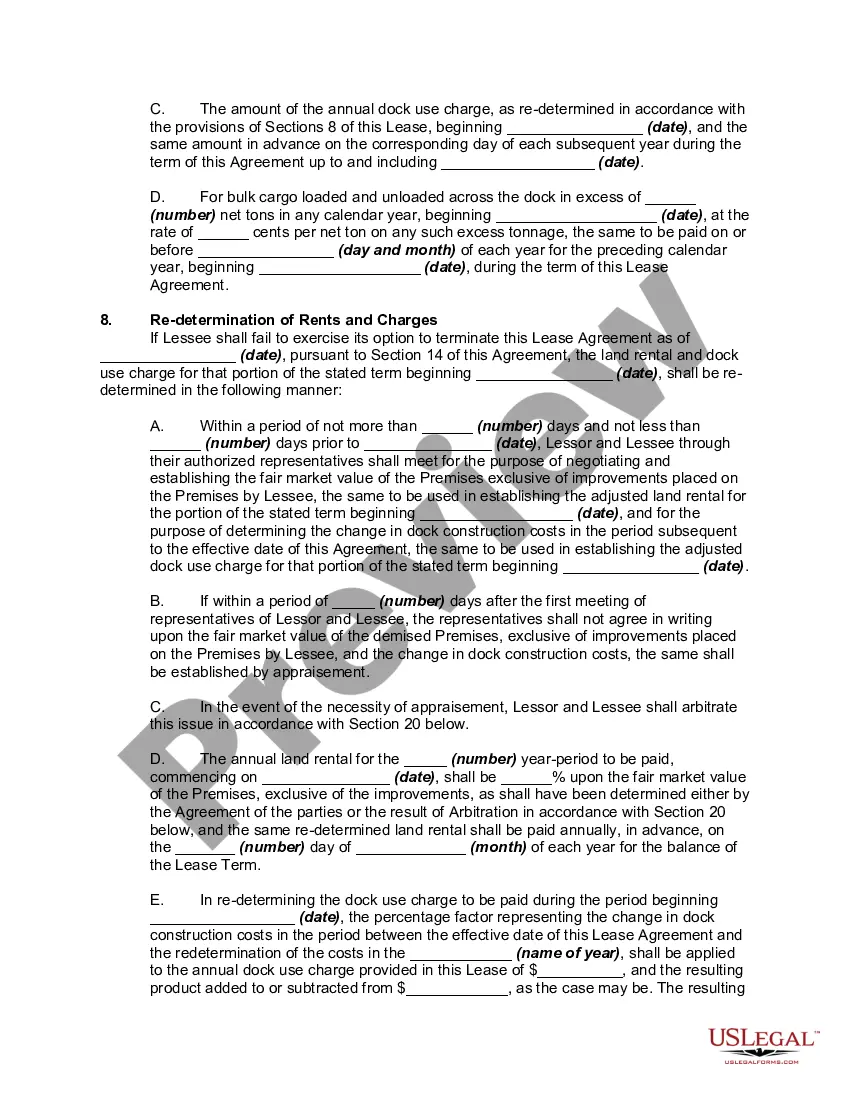
- Details regarding rent payments and any additional dock use charges.
- Obligations for construction and maintenance of the dock facilities.
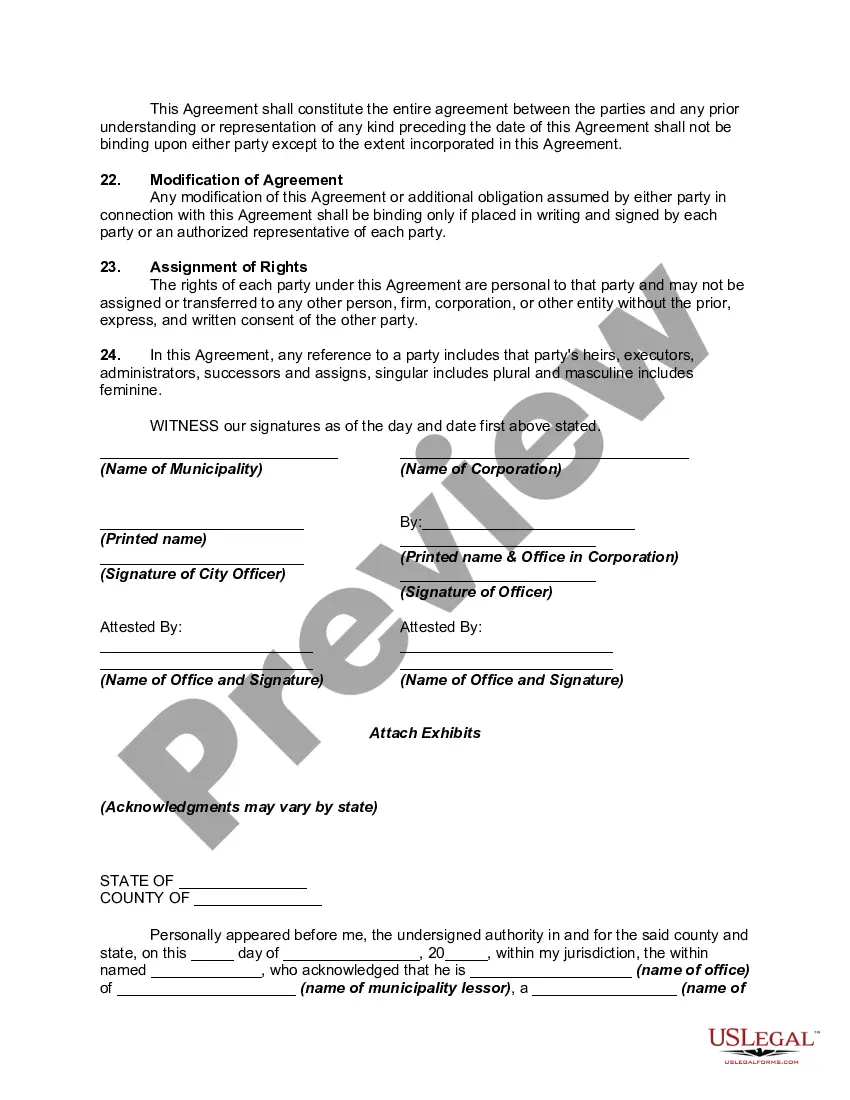
- Termination rights and notices required for ending the lease.
When this form is needed
This lease agreement should be used when a city or municipality wishes to lease dock facilities to a corporation for commercial operations. It is relevant for businesses involved in shipping, logistics, or any activity that requires docking for related vessels. This form is essential when clear terms and conditions are needed to govern the lease arrangement between public and private entities.
Intended users of this form
- Municipalities and local governments looking to establish dock leases.
- Private corporations requiring dock facilities for operational purposes.
- Legal representatives managing lease agreements for either party.
- Businesses engaging in maritime trade and logistics.
How to complete this form
- Identify the parties involved: the city or municipality (Lessor) and the corporation (Lessee).
- Specify the dock location and any relevant descriptions of the premises.
- Enter the terms of the lease including start dates, duration, and rent payment details.
- Detail any construction obligations and maintenance responsibilities for the dock.
- Provide termination rights and conditions for notice of cancellation.
Notarization requirements for this form
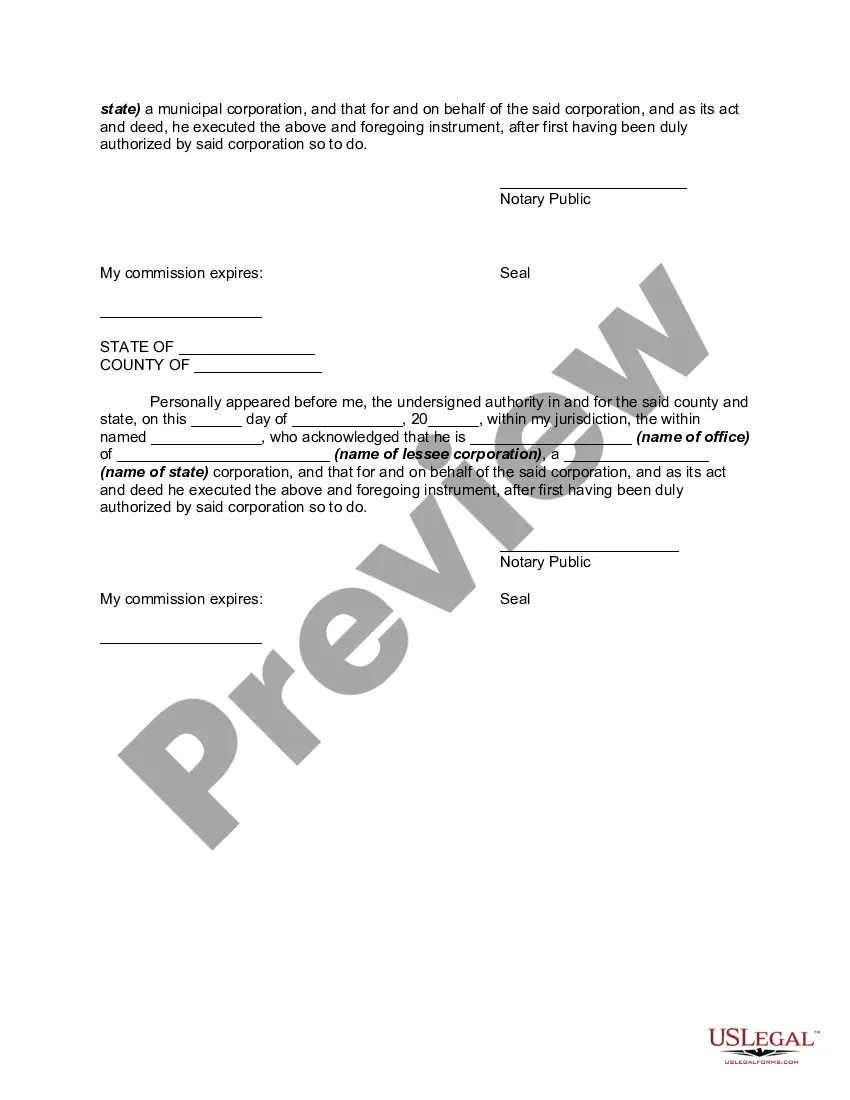
This form typically does not require notarization unless specified by local law. However, notarization can enhance the form's validity and may be beneficial in disputes. It is advisable to check with a legal professional regarding specific jurisdictional requirements.
Get your form ready online
Our built-in tools help you complete, sign, share, and store your documents in one place.
Make edits, fill in missing information, and update formatting in US Legal Forms—just like you would in MS Word.
Download a copy, print it, send it by email, or mail it via USPS—whatever works best for your next step.
Sign and collect signatures with our SignNow integration. Send to multiple recipients, set reminders, and more. Go Premium to unlock E-Sign.
If this form requires notarization, complete it online through a secure video call—no need to meet a notary in person or wait for an appointment.
We protect your documents and personal data by following strict security and privacy standards.

Make edits, fill in missing information, and update formatting in US Legal Forms—just like you would in MS Word.

Download a copy, print it, send it by email, or mail it via USPS—whatever works best for your next step.

Sign and collect signatures with our SignNow integration. Send to multiple recipients, set reminders, and more. Go Premium to unlock E-Sign.

If this form requires notarization, complete it online through a secure video call—no need to meet a notary in person or wait for an appointment.

We protect your documents and personal data by following strict security and privacy standards.
Typical mistakes to avoid
- Failing to clearly define the dock location, leading to usage disputes.
- Not specifying the terms for rent increases or dock usage fees.
- Omitting essential details on maintenance responsibilities.
- Neglecting to include the notice period for termination of the lease.
Benefits of using this form online
- Immediate access to a professionally drafted lease agreement.
- Customizable fields to tailor the agreement to specific needs.
- Convenience of downloading and editing the form from anywhere.
- Reliable templates that ensure compliance with legal standards.
Legal use & context
- This lease agreement serves as a binding contract between the municipality and the corporation.
- Enforceability of terms depends on compliance with local laws pertaining to dock facility leasing.
- Parties should be aware of the rights outlined in the lease, including rights to dock usage and maintenance responsibilities.
Main things to remember
- Understanding the components of the Lease Agreement is crucial for both parties.
- Clear terms in the lease help avoid future disputes.
- Always verify state-specific requirements for municipal leases to ensure compliance.
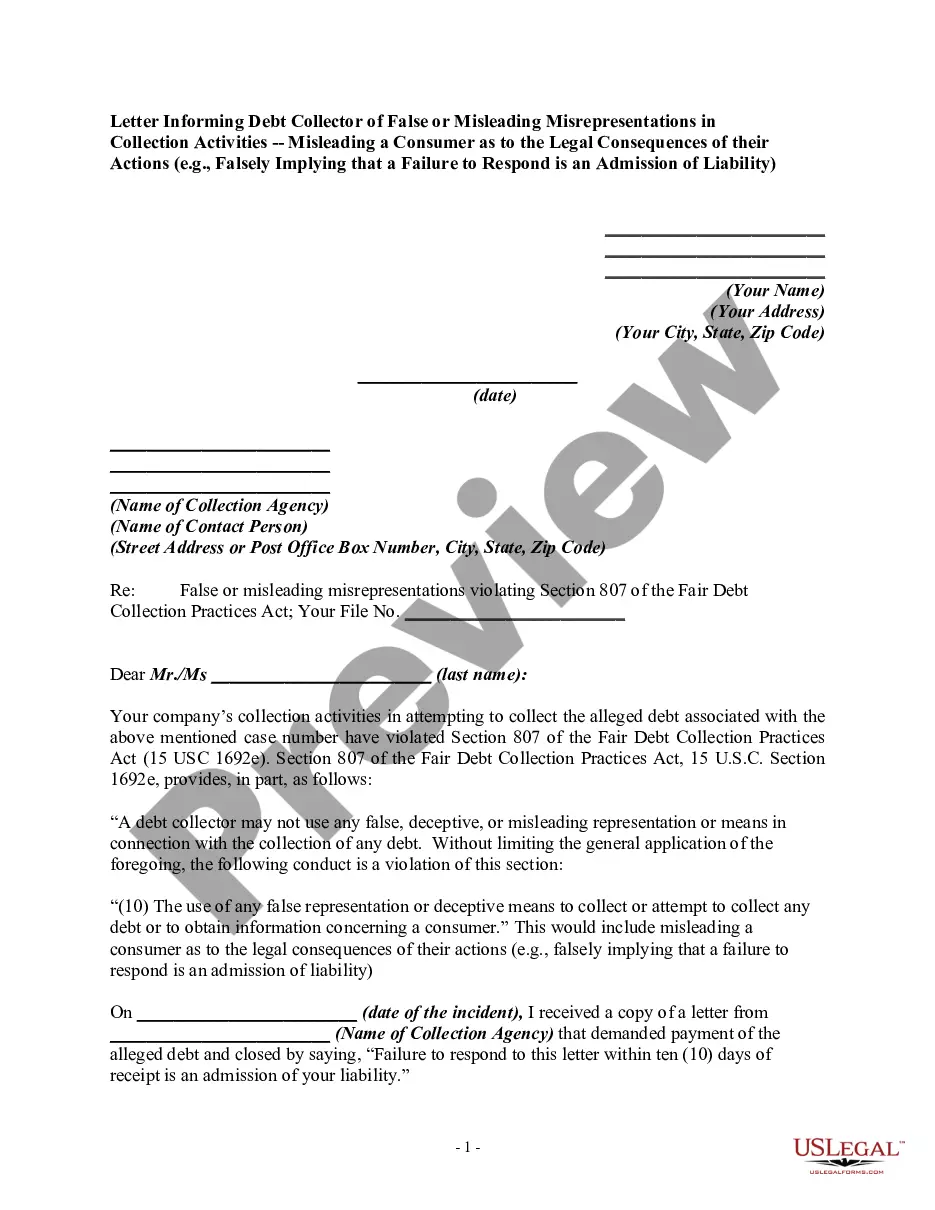
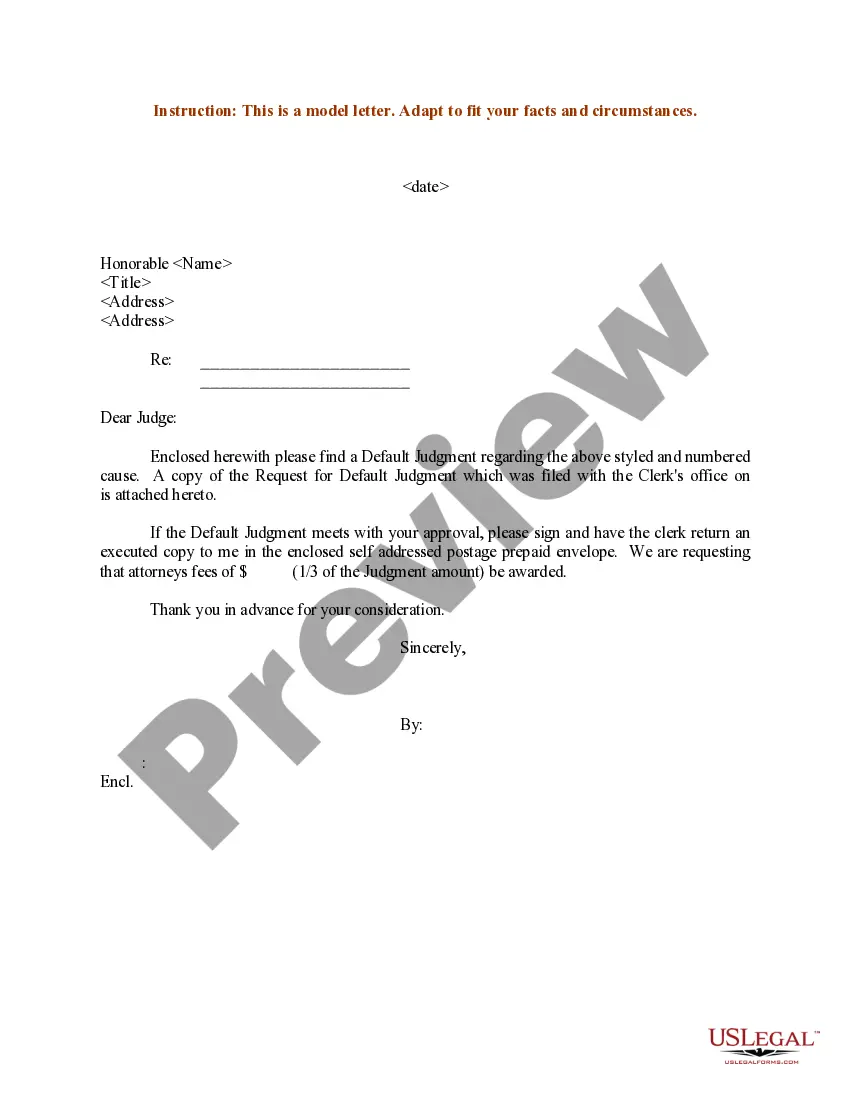
Looking for another form?


Form popularity
FAQ
Names of all tenants. Limits on occupancy. Term of the tenancy. Rent. Deposits and fees. Repairs and maintenance. Entry to rental property. Restrictions on tenant illegal activity.
The Introduction. The beginning of the lease agreement should contain the name of the landlord and tenant, as well as a statement of the agreement into which they are entering. Rent. Deposit. Taxes. Property Insurance. Utilities and Amenities. Remodeling and Improvements. Repairs and Maintenance.
Under California law, a lease does have to be in writing to be enforceable, but only when the lease is for a period of more than a year.There is, however, an additional legal doctrine called partial performance which does make oral contracts enforceable even if they are covered by the Statute of Frauds.
Collect each party's information. Include specifics about your property. Consider all of the property's utilities and services. Know the terms of your lease. Set the monthly rent amount and due date. Calculate any additional fees. Determine a payment method. Consider your rights and obligations.
The Lease Must be in Writing It does not matter if the lease is handwritten or typed.
What is a corporate let? A corporate let is when a company takes on a residential tenancy agreement as the tenant, rather than an individual.As the official tenant, the company is responsible for all the tenant's obligations including the payment of rent, council tax and utility bills.
As long as the contract spells out specific details and both parties have signed that they agree to the contract's terms, a handwritten contract is legally binding and enforceable in court.
Name the parties. A simple rental agreement form needs to name the parties signing the lease and where they live. Describe the premises. Define the term of the lease. Set how much rent is owed. Assign a security deposit amount. Finalize the lease.
Most leases and rental agreements include a clause in which the tenant agrees that the premises are in habitable (livable) condition and promises to alert the landlord to any defective or dangerous condition. Tenant's repair and maintenance responsibilities.