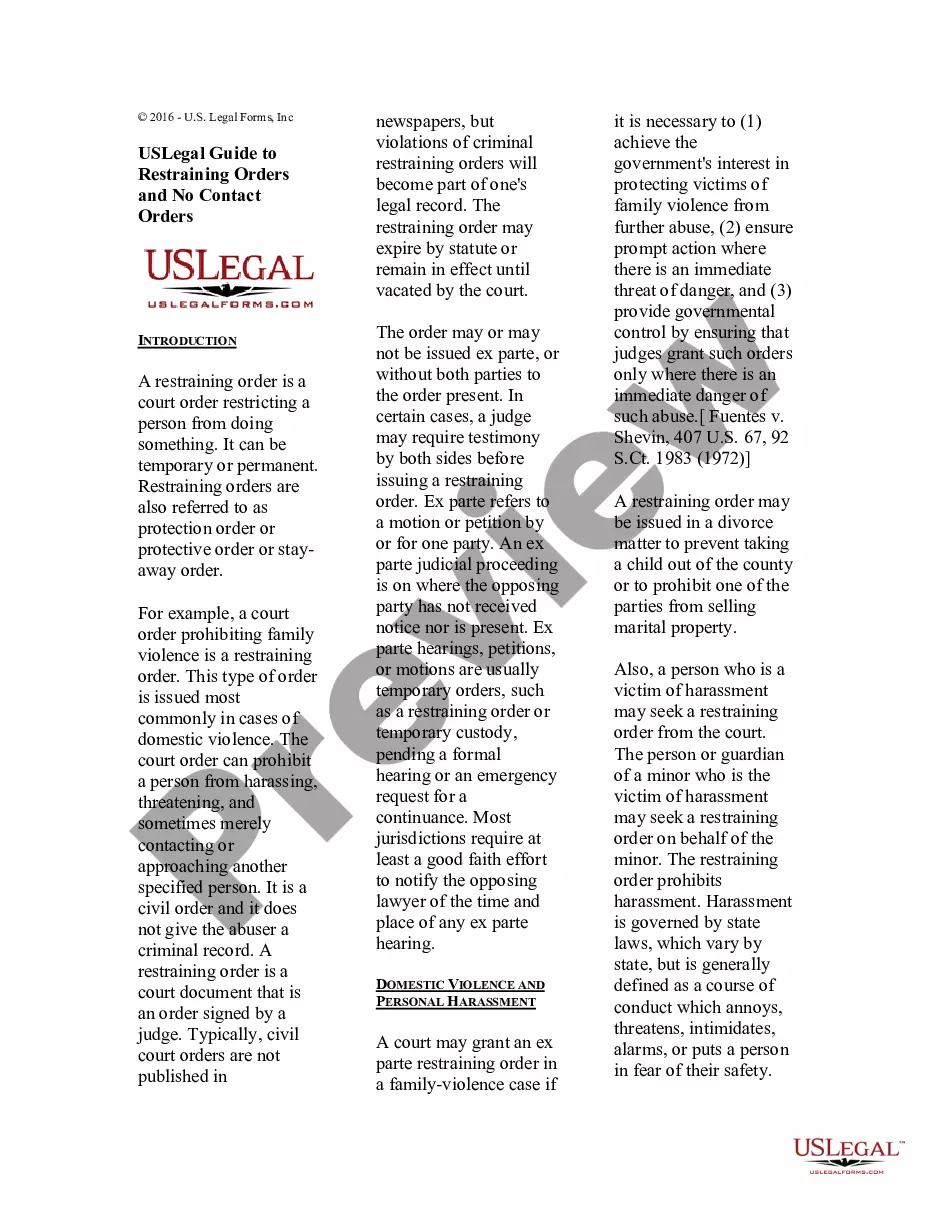
Petition to for Restraining Order due to Domestic Violence
Overview of this form
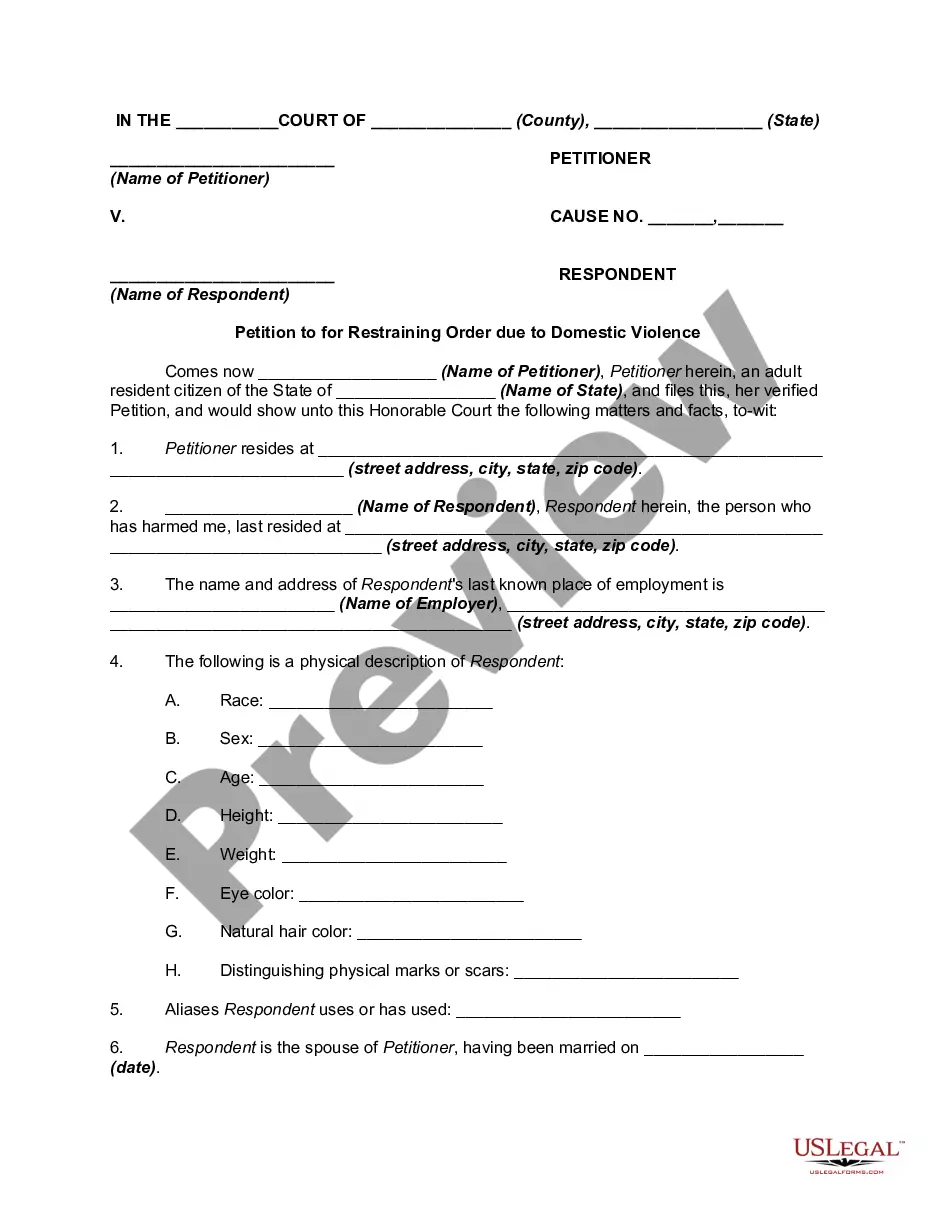
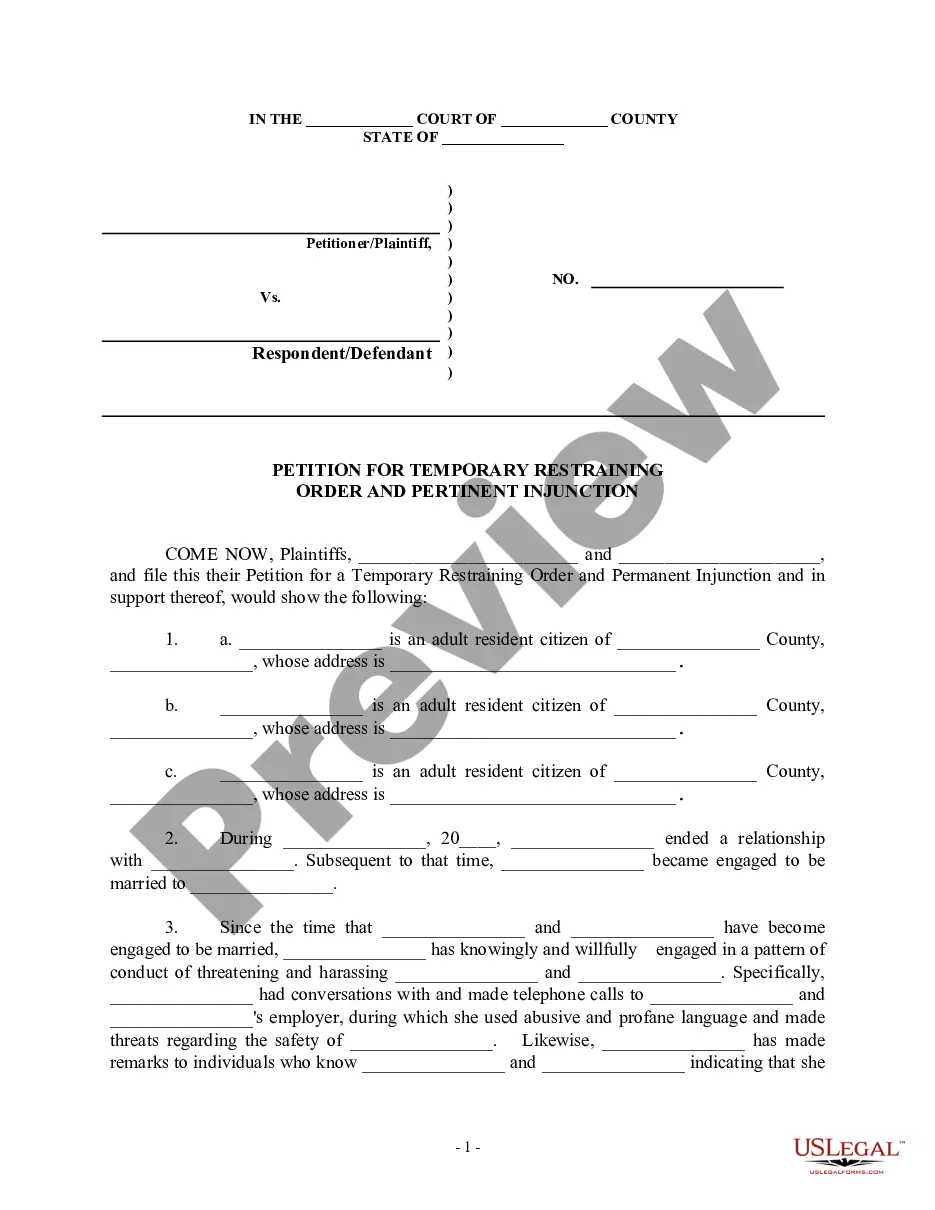
The Petition for Restraining Order due to Domestic Violence is a legal document used to seek protection from an individual who has committed acts of domestic violence. This form allows the petitioner to request a court order that restricts the respondent from contacting or approaching them, helping to ensure their safety. Unlike other restraining orders, this petition is specifically filed in cases of domestic violence, highlighting the urgent need for protective action when there is an immediate threat to personal safety.
Key parts of this document
- Name and address of the petitioner.
- Name and address of the respondent.
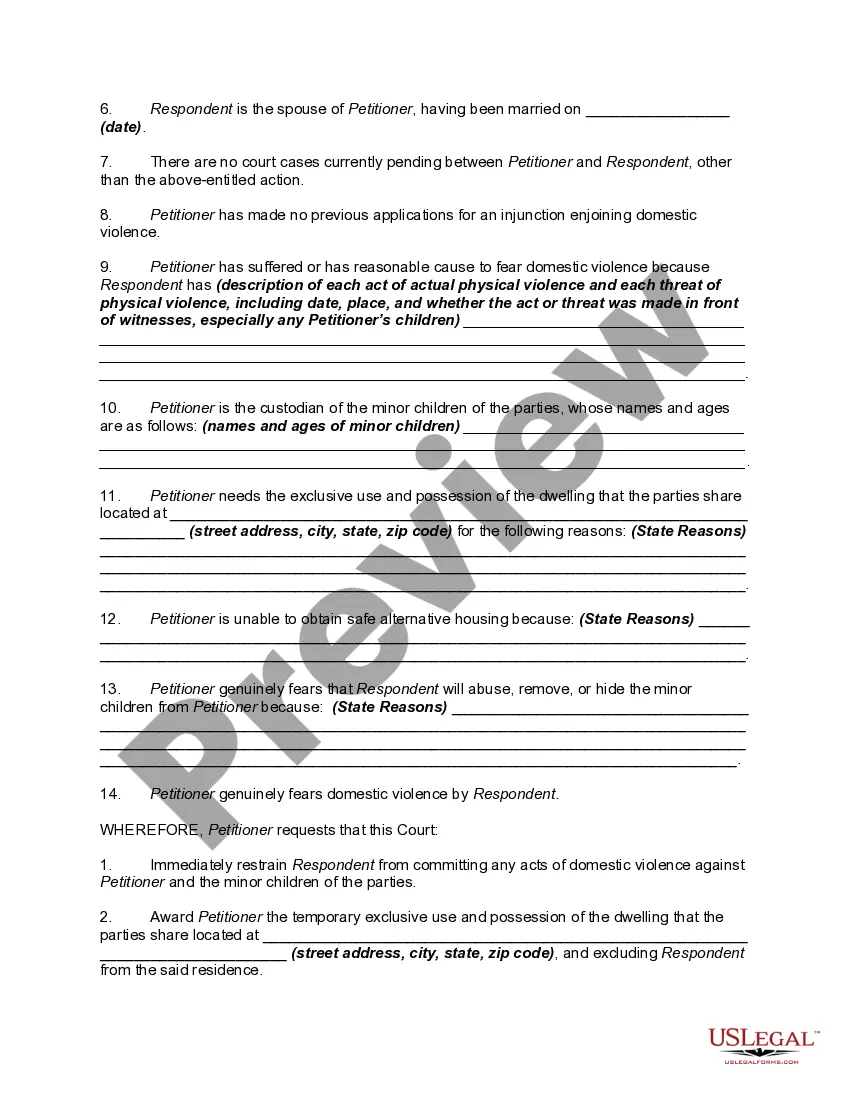
- Details of past incidents of domestic violence.
- Custody information regarding minor children.
- Request for temporary use of shared dwelling.
- Petitioner's reasons for fearing further violence.

When to use this document
This form should be used when an individual is experiencing domestic violence and needs immediate legal protection from the abuser. It is particularly relevant in situations where the victim feels threatened, has suffered previous violence, or fears for their safety or that of their children. Filing this petition can help secure a temporary restraining order while the court evaluates the situation.
Intended users of this form
- Individuals who are victims of domestic violence.
- Parents concerned about the safety of their minor children due to violence by an ex-partner or spouse.
- Anyone needing legal protection from harassment or threats from a family member or intimate partner.
How to complete this form
- Identify the parties involved: fill in the names and addresses of both the petitioner and respondent.
- Document specific incidents: provide detailed descriptions of the acts of domestic violence, including dates and witnesses.
- Enter information about minor children: include their names and ages if applicable.
- State your reasons: explain why you require exclusive possession of the shared dwelling and your fears regarding further violence.
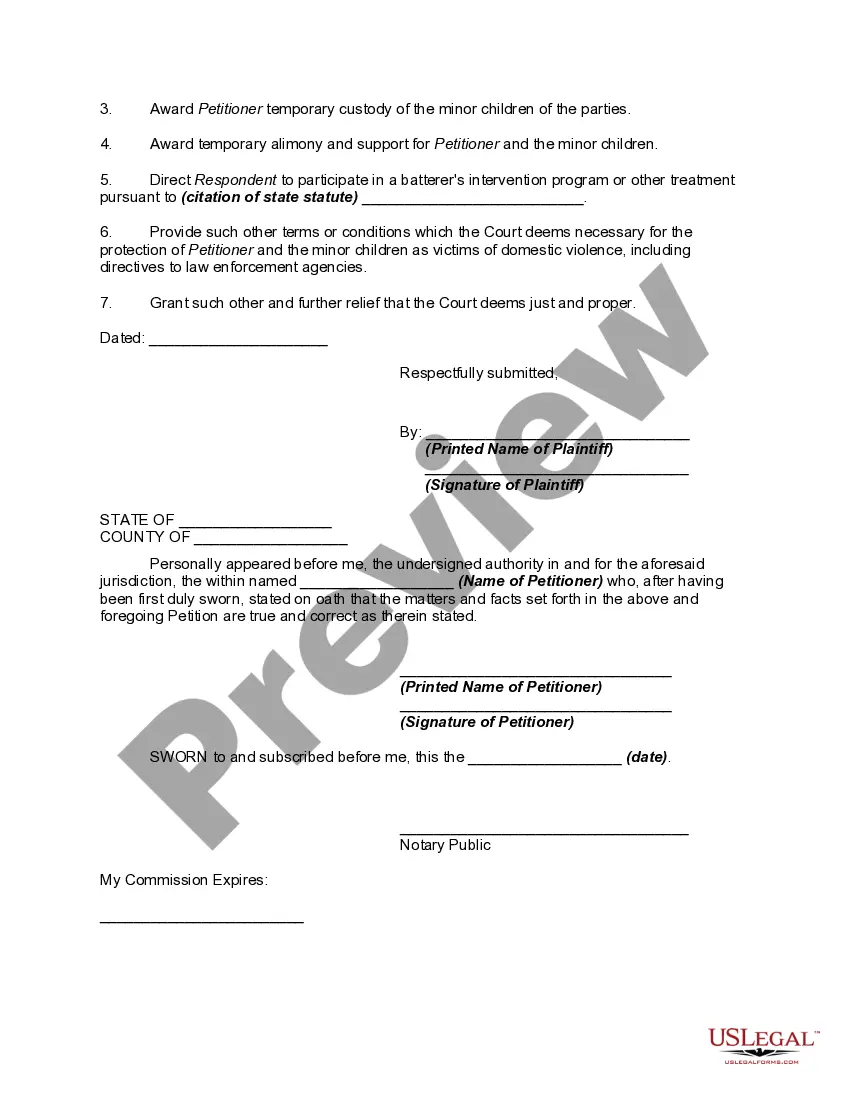
- Sign and date the petition: ensure all required signatures are included for the form to be valid.
Notarization guidance
To make this form legally binding, it must be notarized. Our online notarization service, powered by Notarize, lets you verify and sign documents remotely through an encrypted video session.
Get your form ready online
Our built-in tools help you complete, sign, share, and store your documents in one place.
Make edits, fill in missing information, and update formatting in US Legal Forms—just like you would in MS Word.
Download a copy, print it, send it by email, or mail it via USPS—whatever works best for your next step.
Sign and collect signatures with our SignNow integration. Send to multiple recipients, set reminders, and more. Go Premium to unlock E-Sign.
If this form requires notarization, complete it online through a secure video call—no need to meet a notary in person or wait for an appointment.
We protect your documents and personal data by following strict security and privacy standards.

Make edits, fill in missing information, and update formatting in US Legal Forms—just like you would in MS Word.

Download a copy, print it, send it by email, or mail it via USPS—whatever works best for your next step.

Sign and collect signatures with our SignNow integration. Send to multiple recipients, set reminders, and more. Go Premium to unlock E-Sign.

If this form requires notarization, complete it online through a secure video call—no need to meet a notary in person or wait for an appointment.

We protect your documents and personal data by following strict security and privacy standards.
Typical mistakes to avoid
- Failing to provide specific and detailed descriptions of incidents of violence.
- Not including all necessary information about minor children.
- Overlooking required signatures or not notarizing the petition if necessary.
Benefits of using this form online
- Convenience of accessing and filling out the form from home.
- Ability to print and download the form immediately for filing.
- Ensured compliance with legal standards by using templates created by licensed attorneys.
Main things to remember
- The Petition for Restraining Order is essential for protecting victims of domestic violence.
- Completing the form requires specific details about incidents and personal circumstances.
- State laws impact the form's requirements and procedures, so consult local regulations.
- Notarization is typically required for the petition to be enforceable.
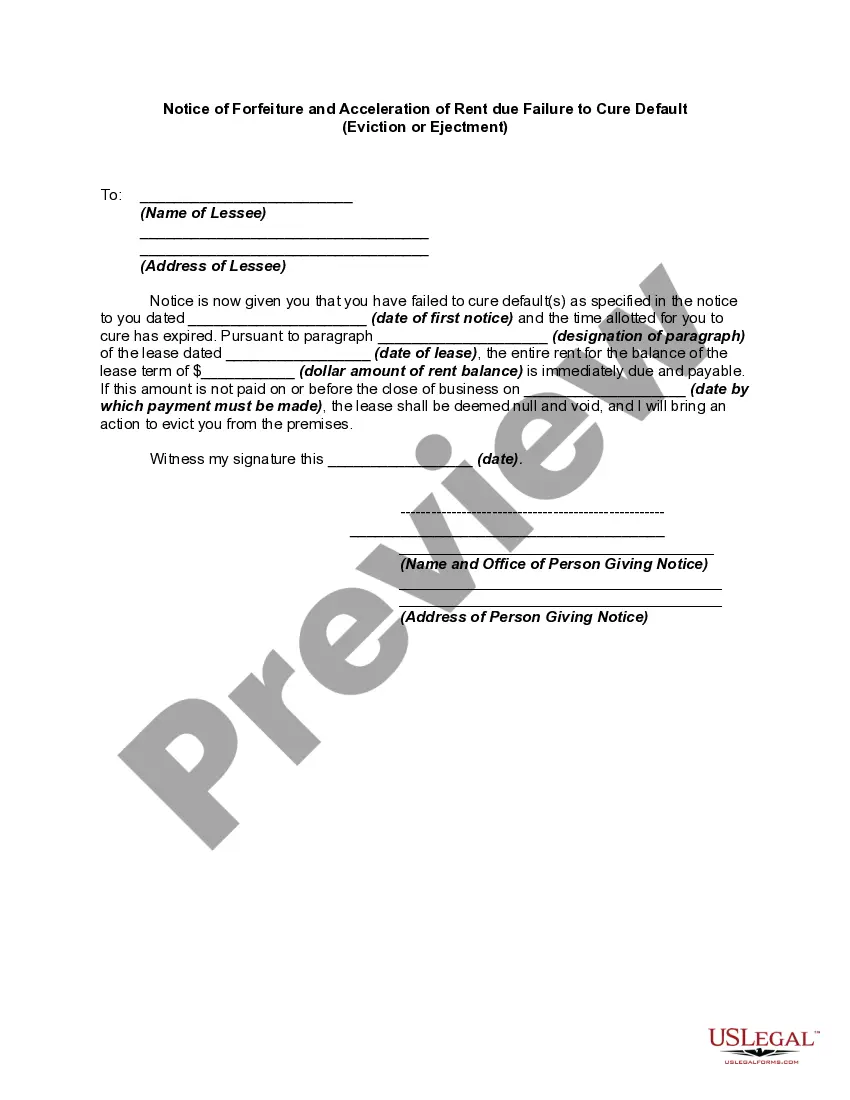
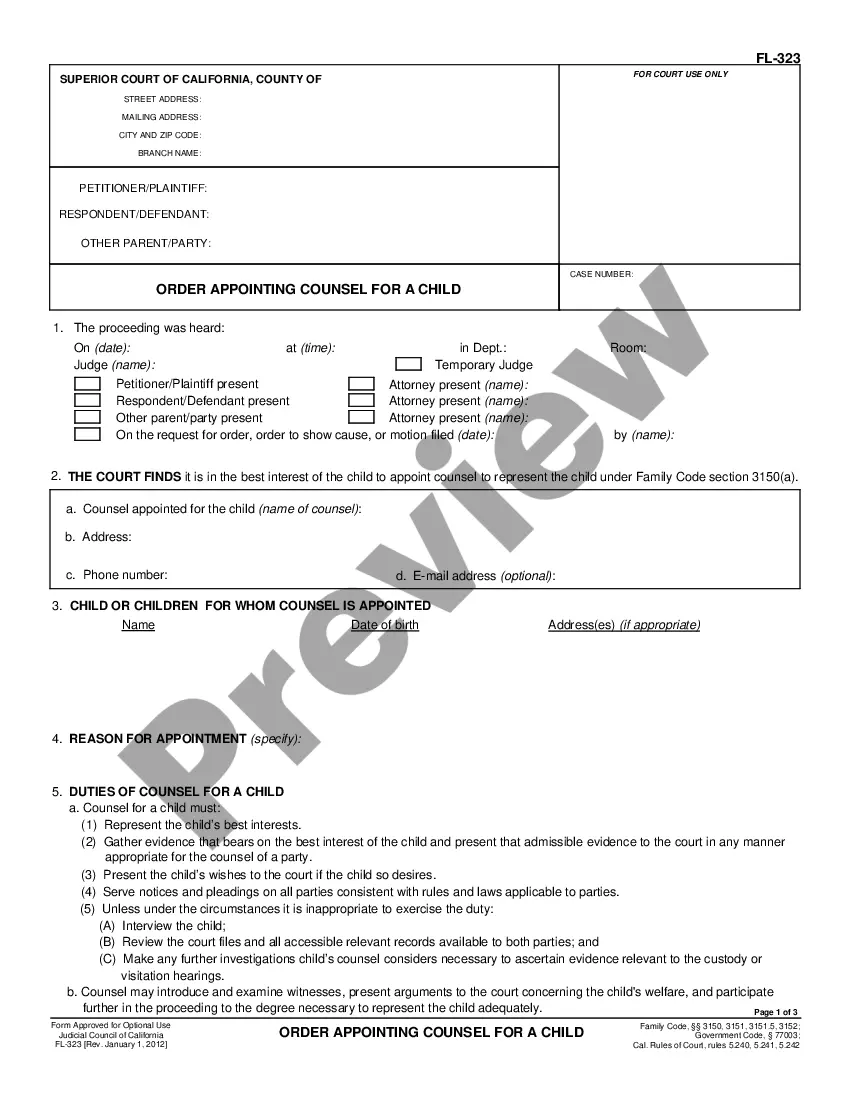
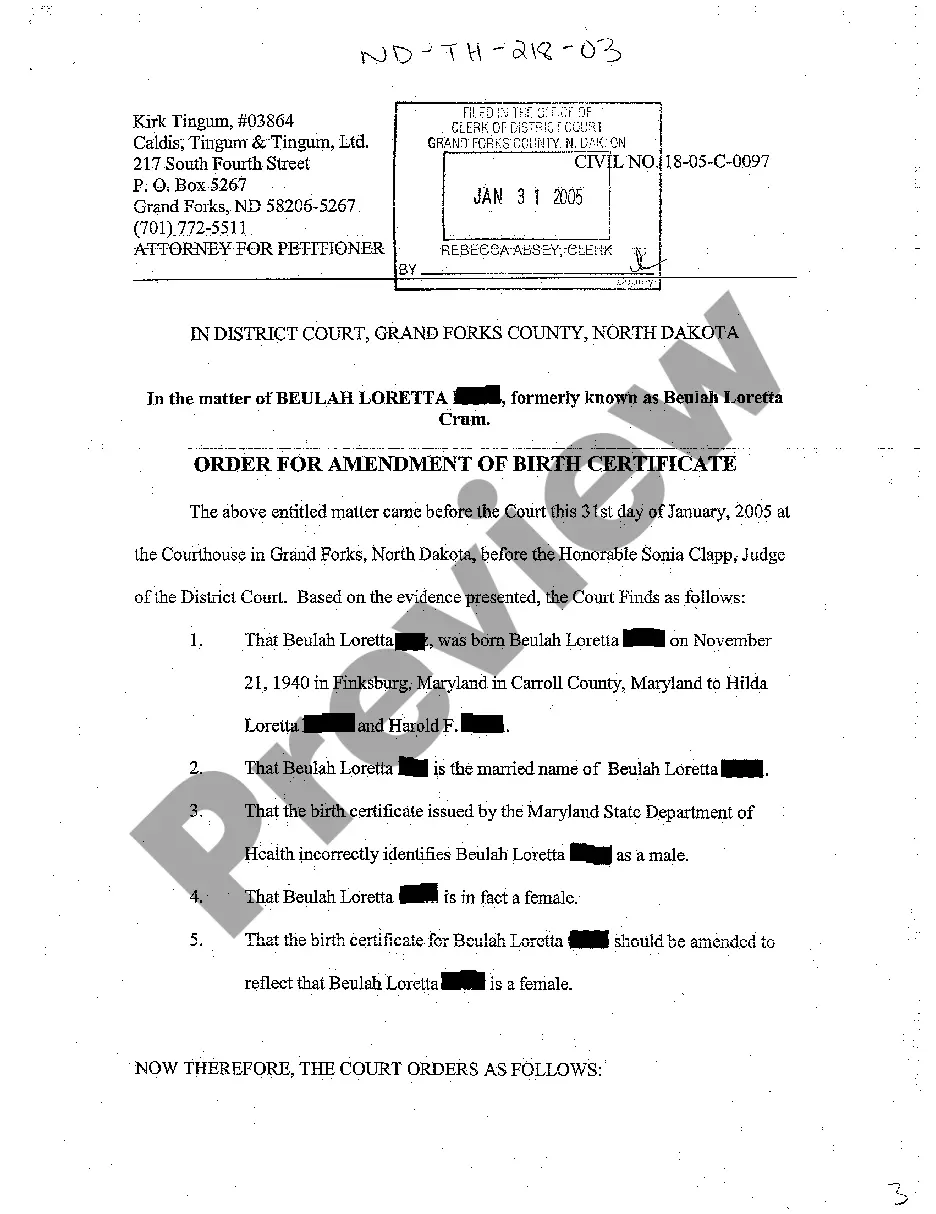
Looking for another form?
Form popularity
FAQ
If the altercation that led to the alleged domestic violence was less of an assault and more of a mutual fight, the accuser may realize they could be charged as well and invoke their fifth amendment right against self-incrimination. Without a cooperating witness, the case may be dismissed.
It does not cost anything to file for an order of protection. Many orders of protection cases are handled without a lawyer however it can often be helpful to have one represent you in court.If you are going to be in court without a lawyer, our Preparing for Court By Yourself section may be useful to you.
Domestic violence can be handled in three different types of courts:civil court, where you might address violation of a protection order or sue for money damages (possible civil lawsuits include sexual harassment, personal injury).
A civil harassment restraining order is a court order that helps protect people from violence, stalking, serious harassment, or threats of violence. You can ask for a civil harassment restraining order if: A person has abused (or threatened to abuse), sexually assaulted, stalked, or seriously harassed you, and.
Physical EvidenceEvidence such as photographs of the alleged victim's injury, or of destroyed or damaged property can be very powerful evidence for the prosecution in a domestic violence case.Physical evidence may be trustworthy, but it is still open to interpretation.
If a prosecutor discovers that the accuser has a history of falsely alleging domestic violence, they may feel that a jury will not believe them during a trial since a defense attorney will likely bring up that history. This may lead to the charges being dismissed.
Criminal charges must be proven beyond a reasonable doubt (the highest legal burden of proof), while domestic violence for restraining orders only must be proven by a preponderance of the evidence, which means the judge believes it is more likely than not that domestic violence happened.
These are orders to stop specific acts against everyone named in the restraining order as a protected person. Some of the things that the restrained person can be ordered to stop are: Contacting, calling, or sending any messages (including e-mail);
The court is looking for a description of your relationship to the respondent, when, where, what happened, and who did what to whom. Using the facts of the incident only, keep your statement brief and to the point. Briefly describe the most recent incident of abuse and/or threats of abuse or other behaviors.