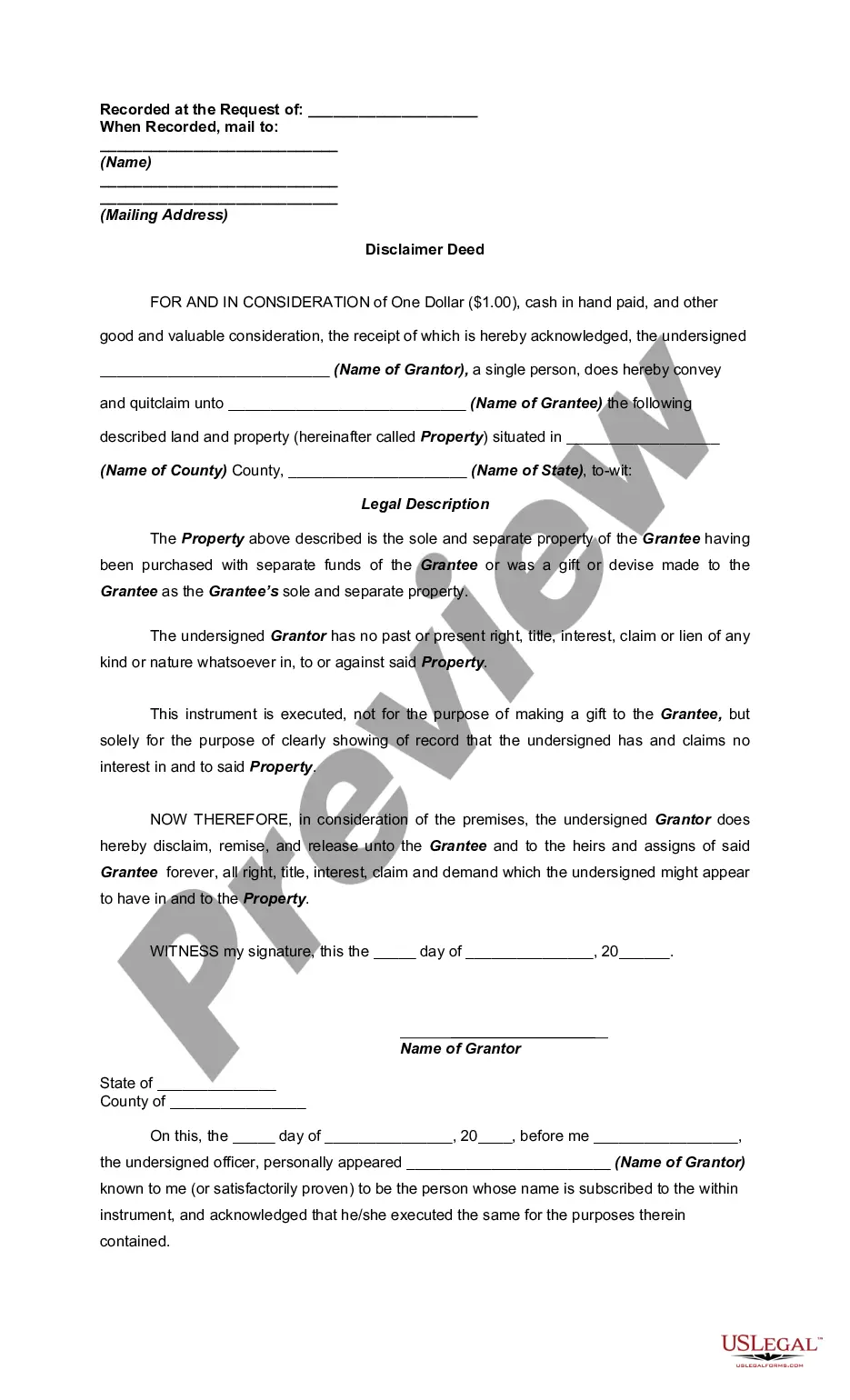
Disclaimer Deed
What this document covers
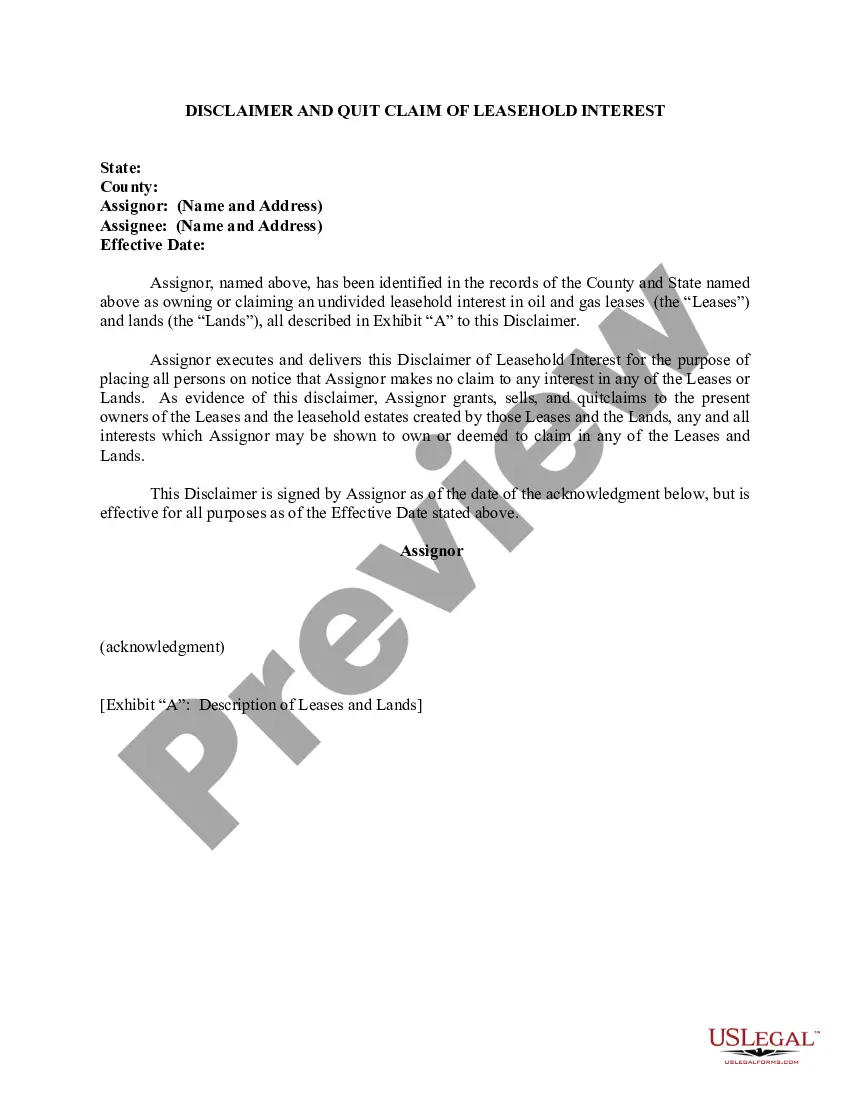
A disclaimer deed is a legal document in which one spouse renounces any interest in property owned by the other spouse. This form is often requested by mortgage companies to ensure that a spouse not listed on the loan does not claim any ownership over the property. By using a disclaimer deed, the conveying spouse formally acknowledges that they hold no claim to the property, providing clarity and legal protection during property transactions.
Form components explained
- Grantor: The individual who is disclaiming their interest in the property.
- Grantee: The individual who holds title to the property.
- Property description: A clear legal description of the property being conveyed.
- Disclaimer clause: A statement that the grantor has no interest, claim, or demand on the property.
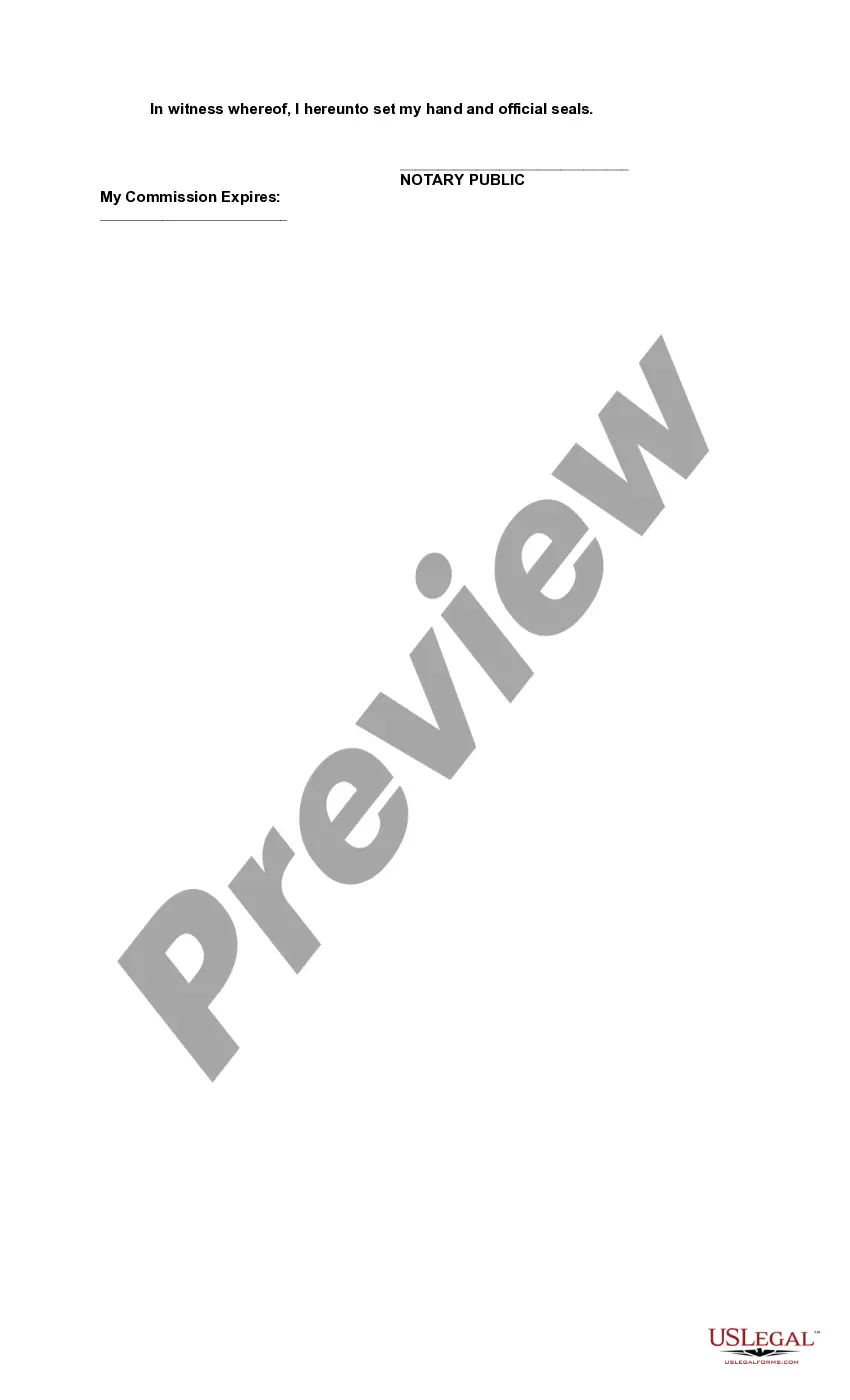
- Signature and notarization section: Space for signatures and notary acknowledgment confirming the identity of the grantor.


When this form is needed
This form is used when one spouse wishes to formally relinquish any claim or interest in real property owned by the other spouse. Scenarios where a disclaimer deed may be necessary include refinancing a mortgage, ensuring clear title during a property purchase, or clearly establishing ownership rights in case of a divorce or separation.
Who can use this document
This form is intended for:
- Spouses involved in mortgage transactions where one spouse is not included as a borrower.
- Individuals wanting to clarify property ownership prior to a legal separation or divorce.
- Property owners looking to secure title against possible claims from a spouse or former partner.
Completing this form step by step
- Identify the parties: Enter the names of the grantor and grantee.
- Specify the property: Provide a detailed legal description of the property.
- Enter consideration: State the consideration amount, often a nominal amount like one dollar.
- Complete the disclaimer clause: Ensure the clause stating the grantorâs disclaiming of interest is correctly filled out.
- Sign and notarize: The grantor must sign in the presence of a notary public to validate the document.
Notarization guidance
Yes, this form must be notarized to be legally valid. Notarization helps verify the identity of the grantor and provides a layer of authenticity to the deed. US Legal Forms offers integrated online notarization services, ensuring secure, accessible options for notarizing your documents remotely.
Get your form ready online
Our built-in tools help you complete, sign, share, and store your documents in one place.
Make edits, fill in missing information, and update formatting in US Legal Forms—just like you would in MS Word.
Download a copy, print it, send it by email, or mail it via USPS—whatever works best for your next step.
Sign and collect signatures with our SignNow integration. Send to multiple recipients, set reminders, and more. Go Premium to unlock E-Sign.
If this form requires notarization, complete it online through a secure video call—no need to meet a notary in person or wait for an appointment.
We protect your documents and personal data by following strict security and privacy standards.

Make edits, fill in missing information, and update formatting in US Legal Forms—just like you would in MS Word.

Download a copy, print it, send it by email, or mail it via USPS—whatever works best for your next step.

Sign and collect signatures with our SignNow integration. Send to multiple recipients, set reminders, and more. Go Premium to unlock E-Sign.

If this form requires notarization, complete it online through a secure video call—no need to meet a notary in person or wait for an appointment.

We protect your documents and personal data by following strict security and privacy standards.
Mistakes to watch out for
- Failing to provide a complete legal description of the property.
- Not having the document notarized, if required in your state.
- Leaving out or incorrectly filling in the names of the grantor or grantee.
- Using vague language in the disclaimer clause.
Benefits of using this form online
- Convenience: Download and complete the form from your home or office at any time.
- Editability: Easily fill in the specific details relevant to your situation.
- Reliability: Access forms compliant with current legal standards developed by licensed attorneys.
Looking for another form?


Form popularity
FAQ
A person who signs a quitclaim deed to transfer property they do not own results in no title at all being transferred since there is no actual ownership interest. The quitclaim deed only transfers the type of title you own.
In a common-law state, you can apply for a mortgage without your spouse. Your lender won't be able to consider your spouse's financial circumstances or credit while determining your eligibility. You can also put only your name on the title.
In order to transfer ownership of the marital home pursuant to a divorce, one spouse is going to need to sign a quitclaim deed, interspousal transfer deed, or a grant deed, in order to convey the title to the property.
The disclaimer deed is a legal document that has legal consequences. Further, the disclaimer deed will clearly state that the spouse signing it is waiving (disclaiming) any interest in the house being purchased.
The Arizona Court of Appeals reversed the trial court. The Court of Appeals held that a disclaimer deed is a legal document and its legal effect must be followed.
To use a Quitclaim Deed to add someone to a property deed or title, you would need to create a Quitclaim Deed and list all of the current owners in the grantor section. In the grantee section, you would list all of the current owners as well as the person you would like to add.
The disclaimer deed is a legal document that has legal consequences. Further, the disclaimer deed will clearly state that the spouse signing it is waiving (disclaiming) any interest in the house being purchased.
They're as effective as a warranty deed to transfer title, but only if the title is good. A quitclaim deed can convey title as effectively as a warranty deed if the grantor has a good title when the deed is delivered.