Contract to Employ Law Firm - Hourly Fee - with Retainer
Understanding this form
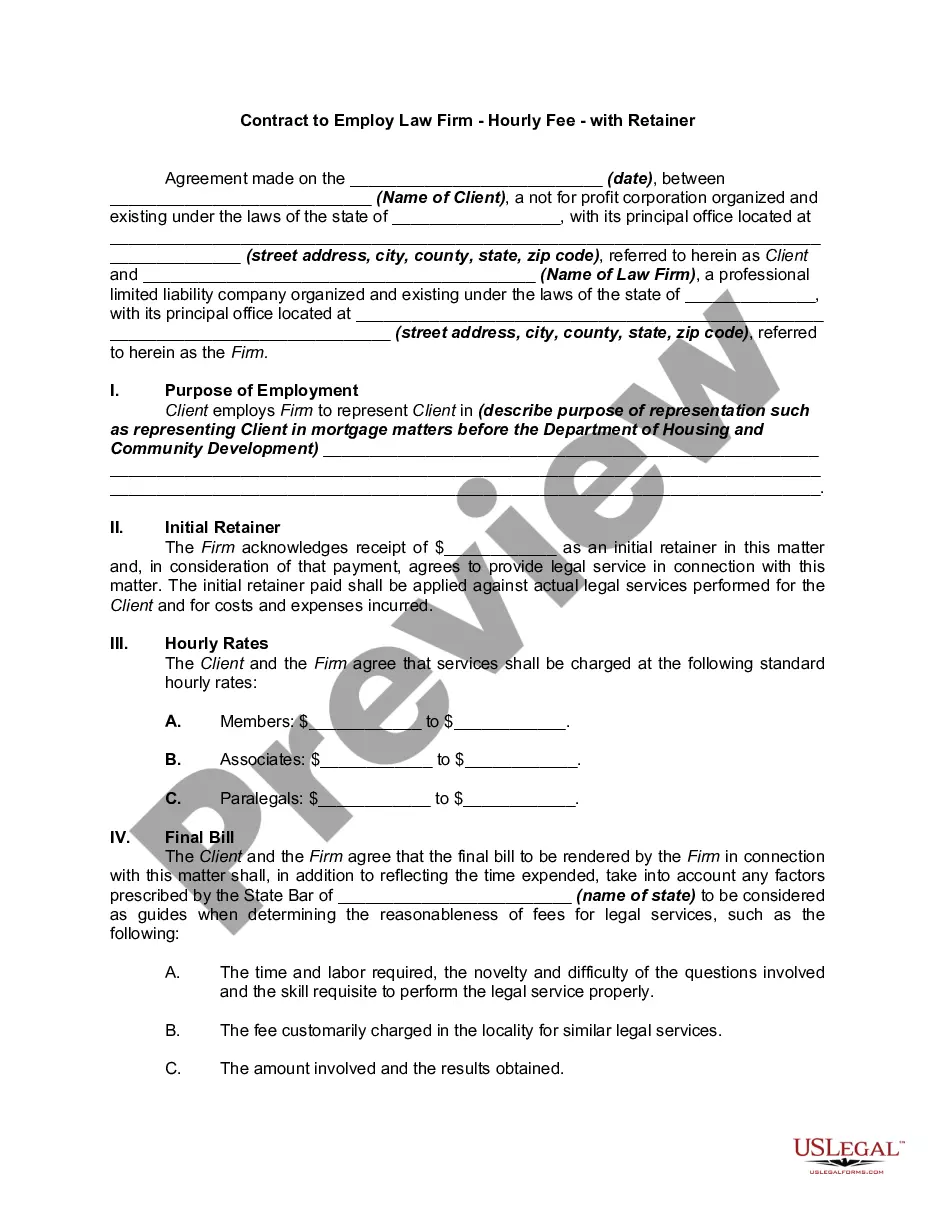
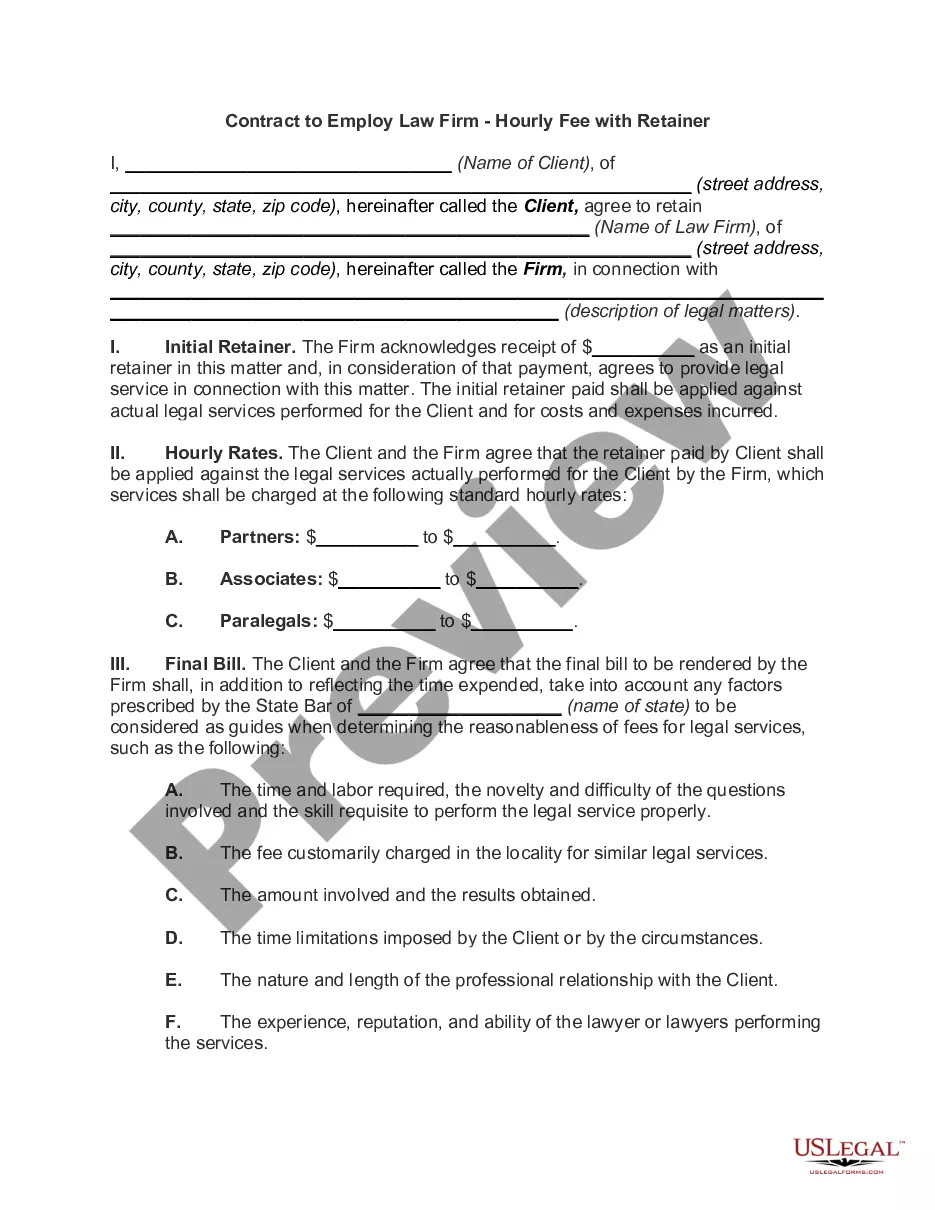
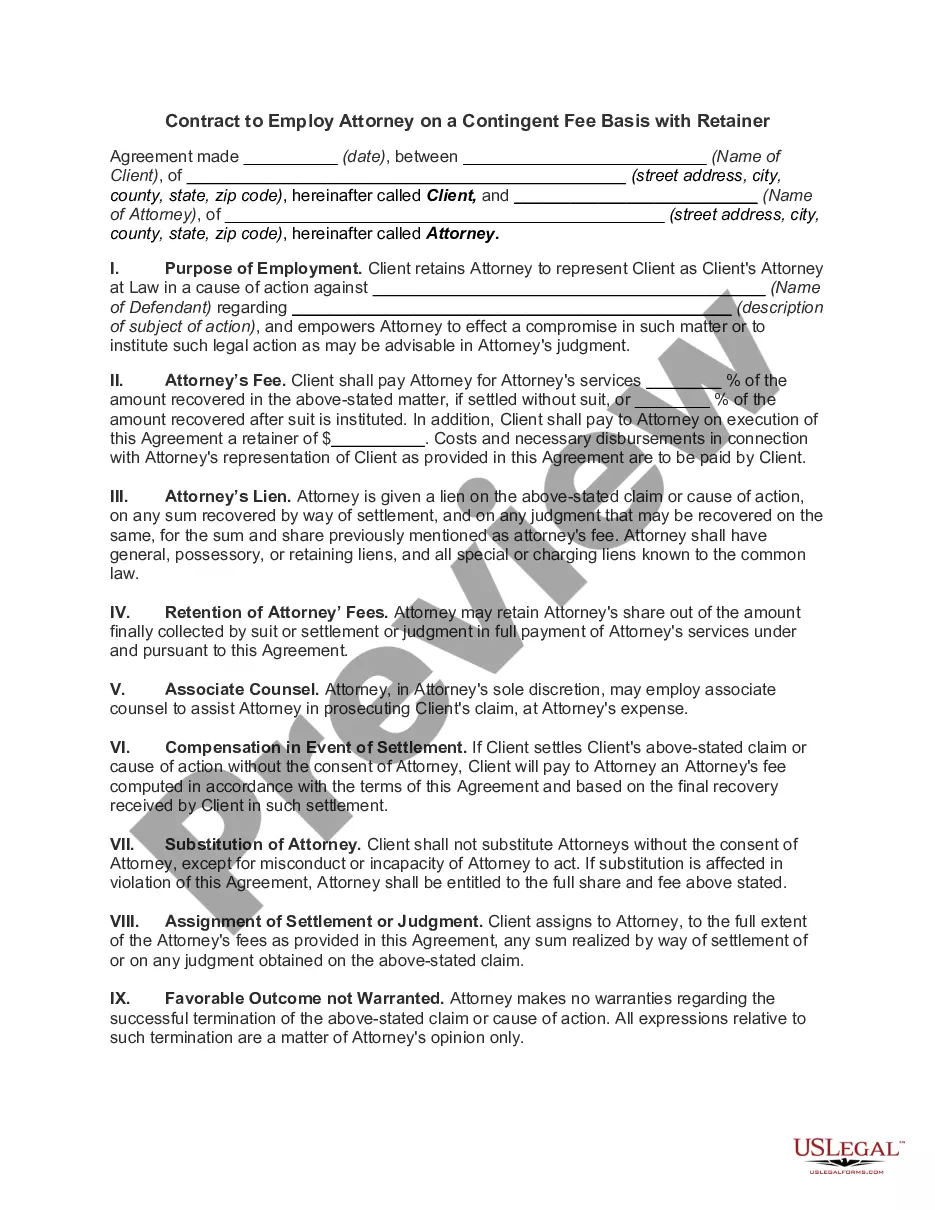
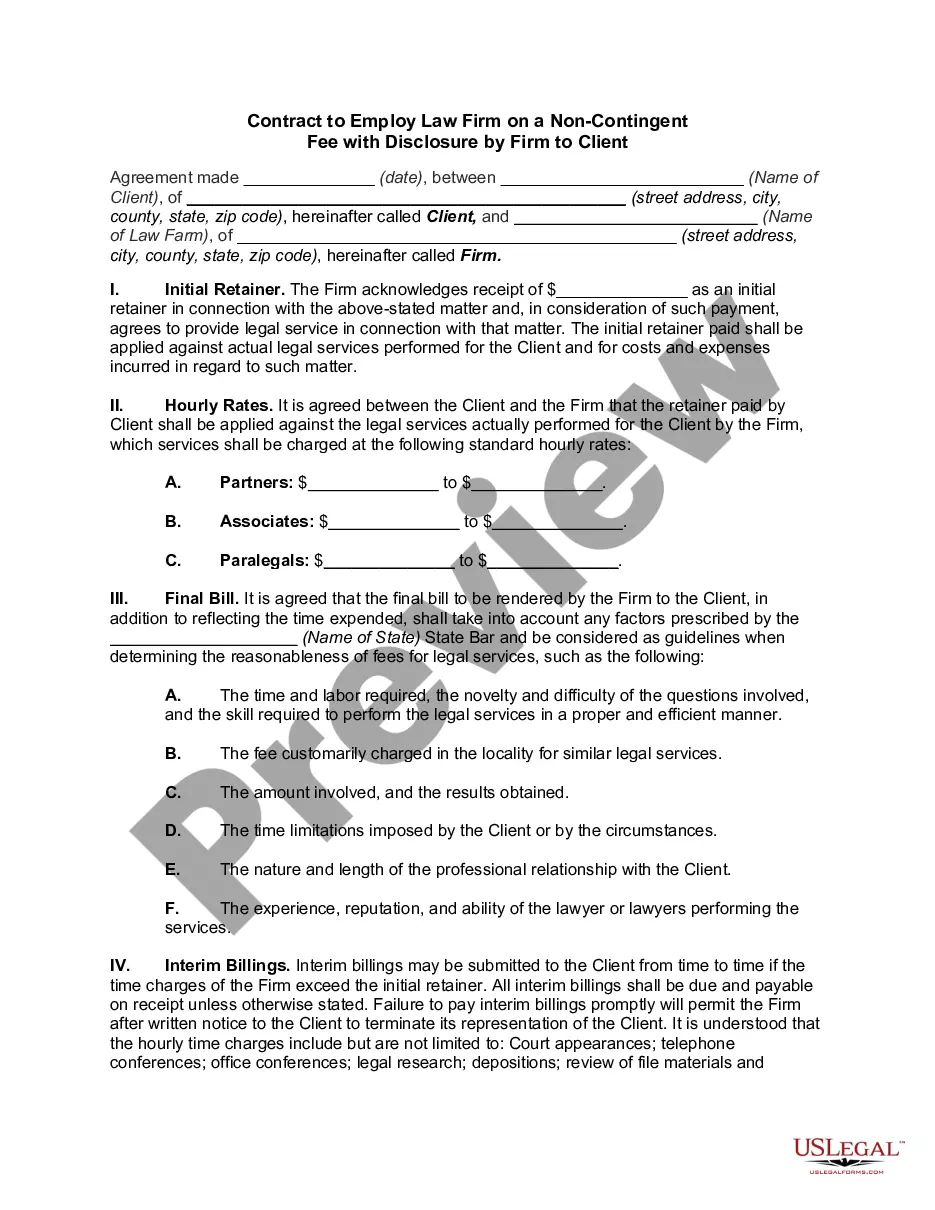
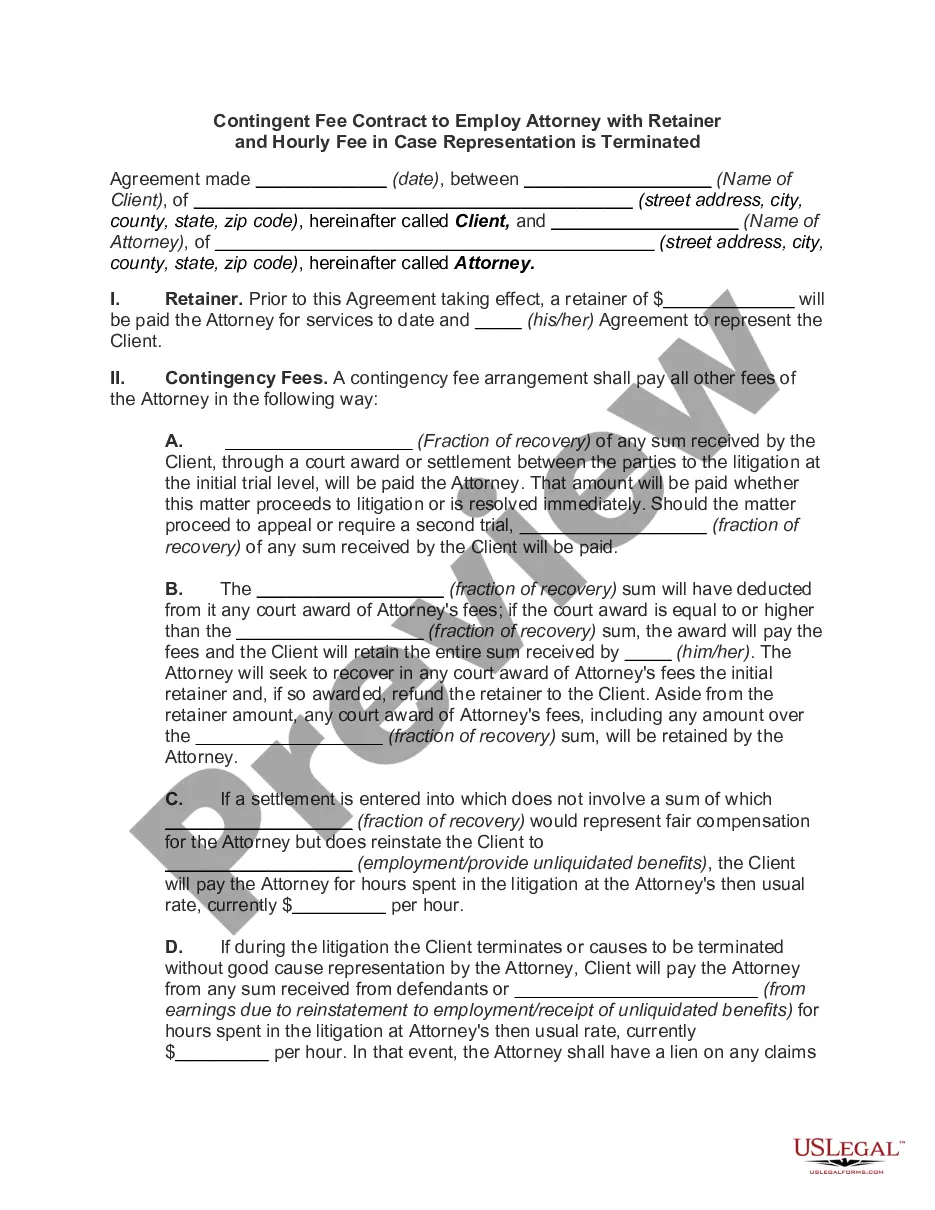
The Contract to Employ Law Firm - Hourly Fee - with Retainer is a legal document used to establish a working relationship between a client and a law firm. This form outlines the terms of employment, including payment arrangements through hourly fees and an initial retainer. It is designed for clients who require ongoing legal services, enabling them to understand their financial commitment and the firm's obligations. Unlike fixed-fee agreements, this contract accounts for the variable nature of legal work, ensuring transparency and clarity in billing practices.
Main sections of this form
- Agreement date and parties involved: Names and addresses of both the client and the law firm.
- Purpose of employment: A description of the legal representation to be provided.
- Initial retainer: Amount paid upfront and how it will be applied to costs.
- Hourly rates: Clearly defined charges for different levels of staff involved in the case.
- Final bill provisions: Guidelines for how the final invoice will be calculated.
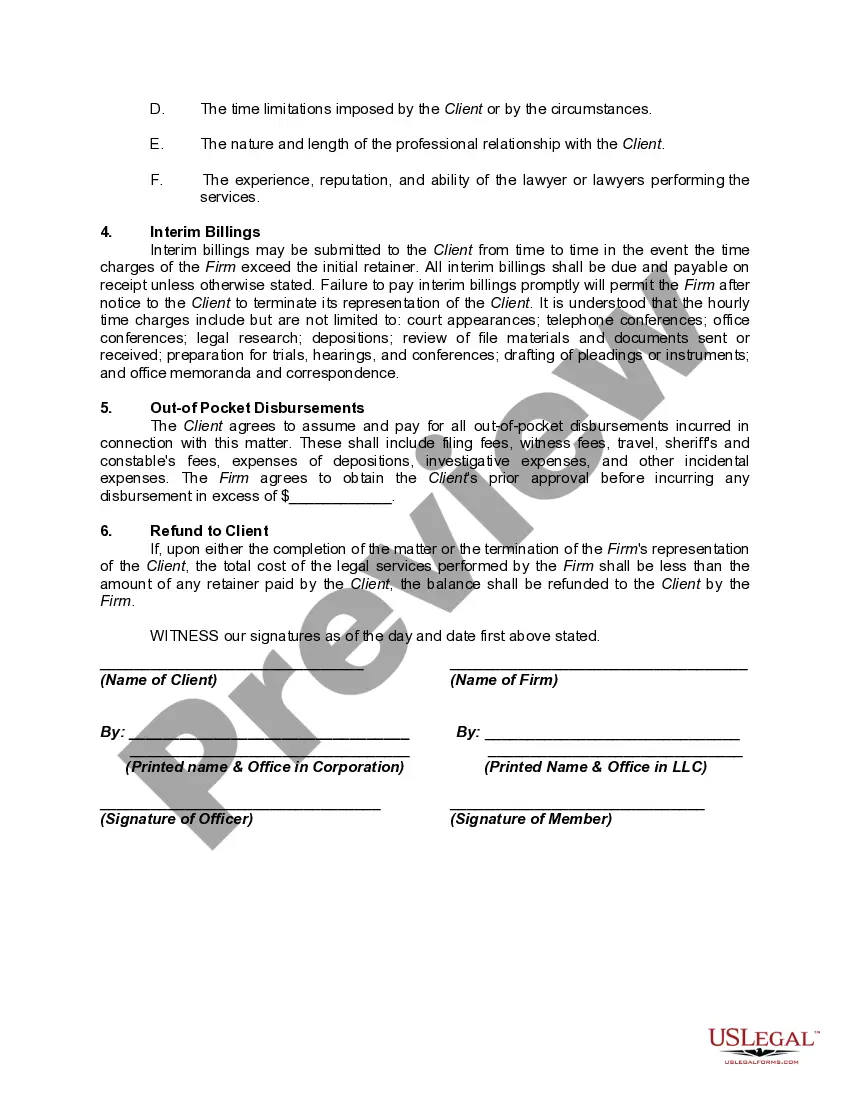
- Interim billings: Conditions under which interim bills may be issued during the case.
- Out-of-pocket disbursements: Details on additional expenses incurred and payment responsibilities.
- Refund clause: Terms for refunding any unused retainer amount after services are complete.

When to use this form
This form should be used when hiring a law firm for legal representation that charges on an hourly basis and requires an initial retainer. Common scenarios include engaging a firm for ongoing matters such as real estate transactions, litigations, or any legal advisory requiring significant time investment. It is particularly useful when clients seek clear terms on billing and services provided.
Who this form is for
This form is suitable for:
- Individuals or organizations hiring a law firm that charges hourly fees.
- Clients who require an upfront retainer to secure legal services.
- Non-profit organizations needing legal representation while managing budget constraints.
- Businesses seeking formal agreements for legal advisement or representation.
Completing this form step by step
- Identify the parties: Enter the names and addresses of the client and law firm.
- Specify the purpose: Clearly describe the legal services the firm will provide.
- Enter the retainer amount: Specify the initial retainer that will be applied to services.
- List hourly rates: Indicate the billing rates for different attorney levels and staff.
- Review disbursement caps: Set the maximum amount for out-of-pocket expenses requiring prior approval.
- Finalize details: Ensure all parties sign and date the contract to make it legally binding.
Does this form need to be notarized?
This form usually doesn’t need to be notarized. However, local laws or specific transactions may require it. Our online notarization service, powered by Notarize, lets you complete it remotely through a secure video session, available 24/7.
Get your form ready online
Our built-in tools help you complete, sign, share, and store your documents in one place.
Make edits, fill in missing information, and update formatting in US Legal Forms—just like you would in MS Word.
Download a copy, print it, send it by email, or mail it via USPS—whatever works best for your next step.
Sign and collect signatures with our SignNow integration. Send to multiple recipients, set reminders, and more. Go Premium to unlock E-Sign.
If this form requires notarization, complete it online through a secure video call—no need to meet a notary in person or wait for an appointment.
We protect your documents and personal data by following strict security and privacy standards.

Make edits, fill in missing information, and update formatting in US Legal Forms—just like you would in MS Word.

Download a copy, print it, send it by email, or mail it via USPS—whatever works best for your next step.

Sign and collect signatures with our SignNow integration. Send to multiple recipients, set reminders, and more. Go Premium to unlock E-Sign.

If this form requires notarization, complete it online through a secure video call—no need to meet a notary in person or wait for an appointment.

We protect your documents and personal data by following strict security and privacy standards.
Typical mistakes to avoid
- Failing to describe the purpose of representation clearly, which can lead to misunderstandings.
- Neglecting to specify hourly rates or leaving them blank, creating ambiguity in billing.
- Not signing the contract, which makes it unenforceable.
- Overlooking to include terms for interim billings, leading to unexpected charges.
- Misunderstanding the retainer; not realizing it may be less than the total services required.
Why use this form online
- Convenience of downloading and filling out the form at any time.
- Editability allows for customization to fit specific legal needs.
- Access to professional templates drafted by licensed attorneys ensures reliability.
- Immediate access to the form can expedite legal processes when time is of the essence.
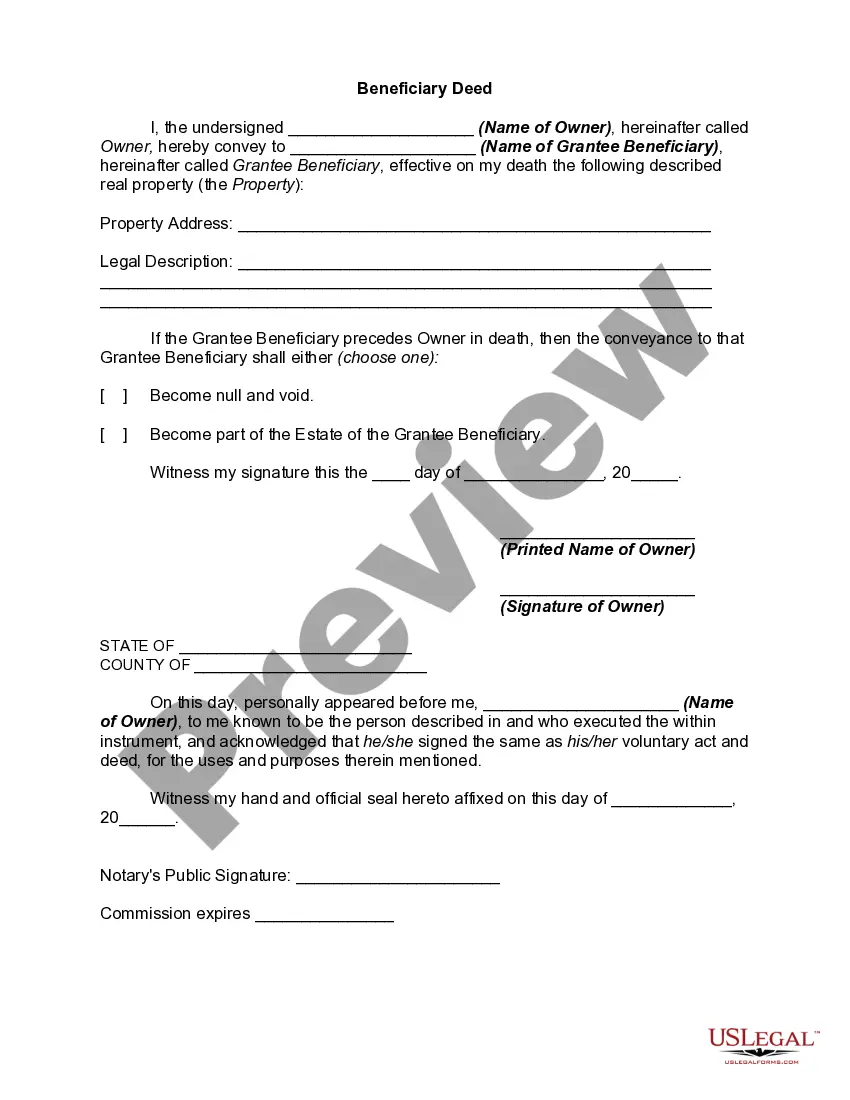
Looking for another form?








Form popularity
FAQ
Accounting for a Retainer Fee If the firm is using the accrual basis of accounting, retainers are recognized as a liability upon receipt of the cash, and are recognized as revenue only after the associated work has been performed.
A retainer fee is an advance payment that's made by a client to a professional, and it is considered a down payment on the future services rendered by that professional. Regardless of occupation, the retainer fee funds the initial expenses of the working relationship.
In a definitive sense, a retainer is a fee that is paid in advance in order to hold services (ie. a wedding or event date). While a deposit may also reserve a date, it is returned when the services have been completed. A retainer is by default non-refundable and is not returned.
Accounting for a Retainer Fee If the firm is using the accrual basis of accounting, retainers are recognized as a liability upon receipt of the cash, and are recognized as revenue only after the associated work has been performed.
Generally, if the attorney is on a cash basis of accounting, the retainer is taxable when received. The client is normally given a periodic accounting of the time and costs spent on the case. If the prepaid funds are exhausted, the client is billed for any balance due.
A retainer is a fee paid to a person (usually a lawyer) before any services have been performed.This document typically includes the type of work the attorney is doing for the client, all associated fees, and the general rights of both parties entering into the agreement.
An attorney may accept a credit card as a form of payment for a retainer, but the entire fee must be put onto the account. Using a credit card may be a good option if the interest on the card is low. A credit card may be easier to pay back than a personal loan.
The amount you're to receive each month. The date you're to be paid by. Any invoicing procedures you're expected to follow. Exactly how much work and what type of work you expect to do. When your client needs to let you know about the month's work by.
As such, a retainer agreement is a formal document outlining the relationship between an attorney and client. It details the different obligations and expectations involved, which can include ethical work principles, retainer fees, modes of communication, and professional ground rules.