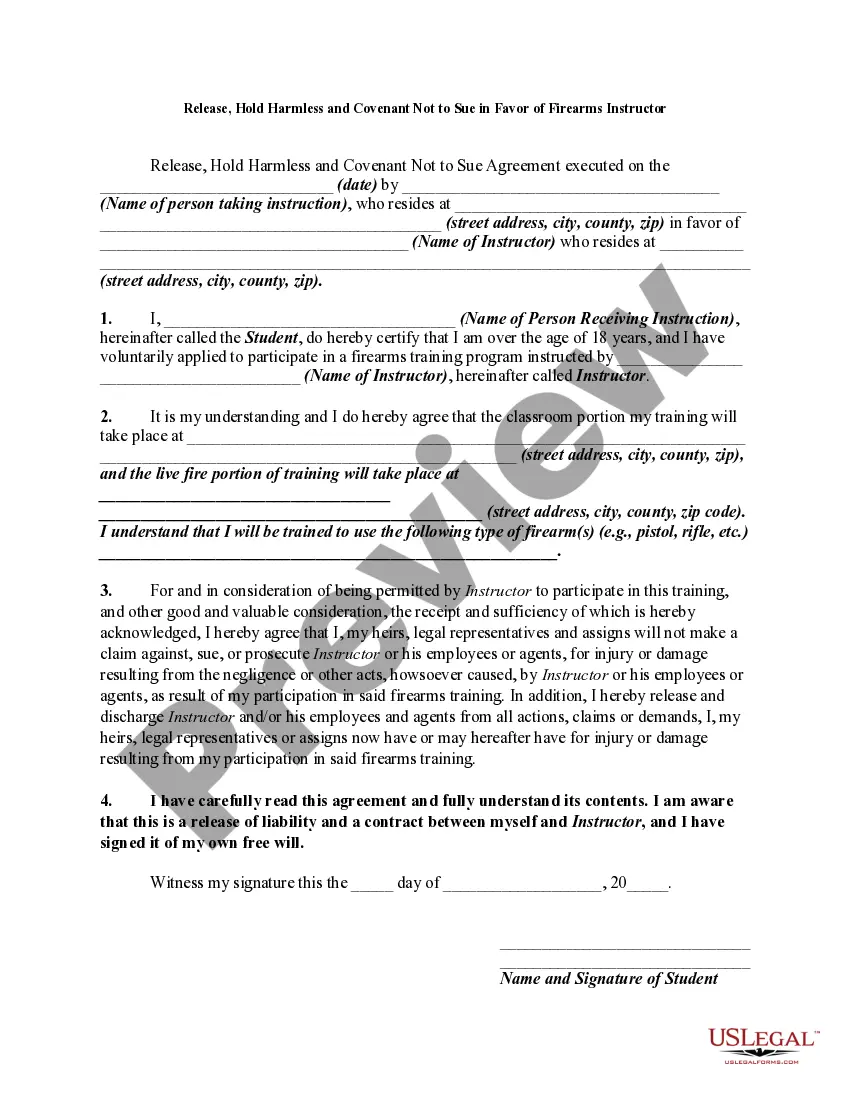
Release, Hold Harmless and Covenant Not to Sue in Favor of Firearms Instructor
What is this form?
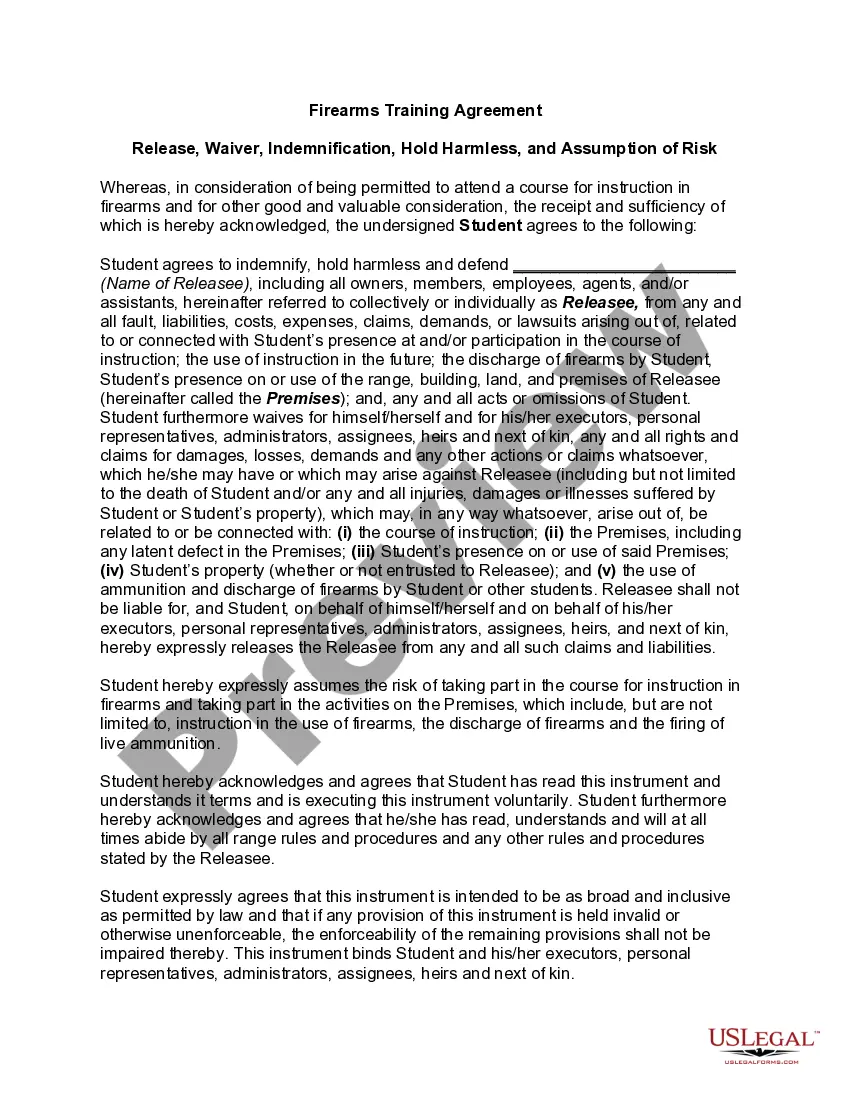
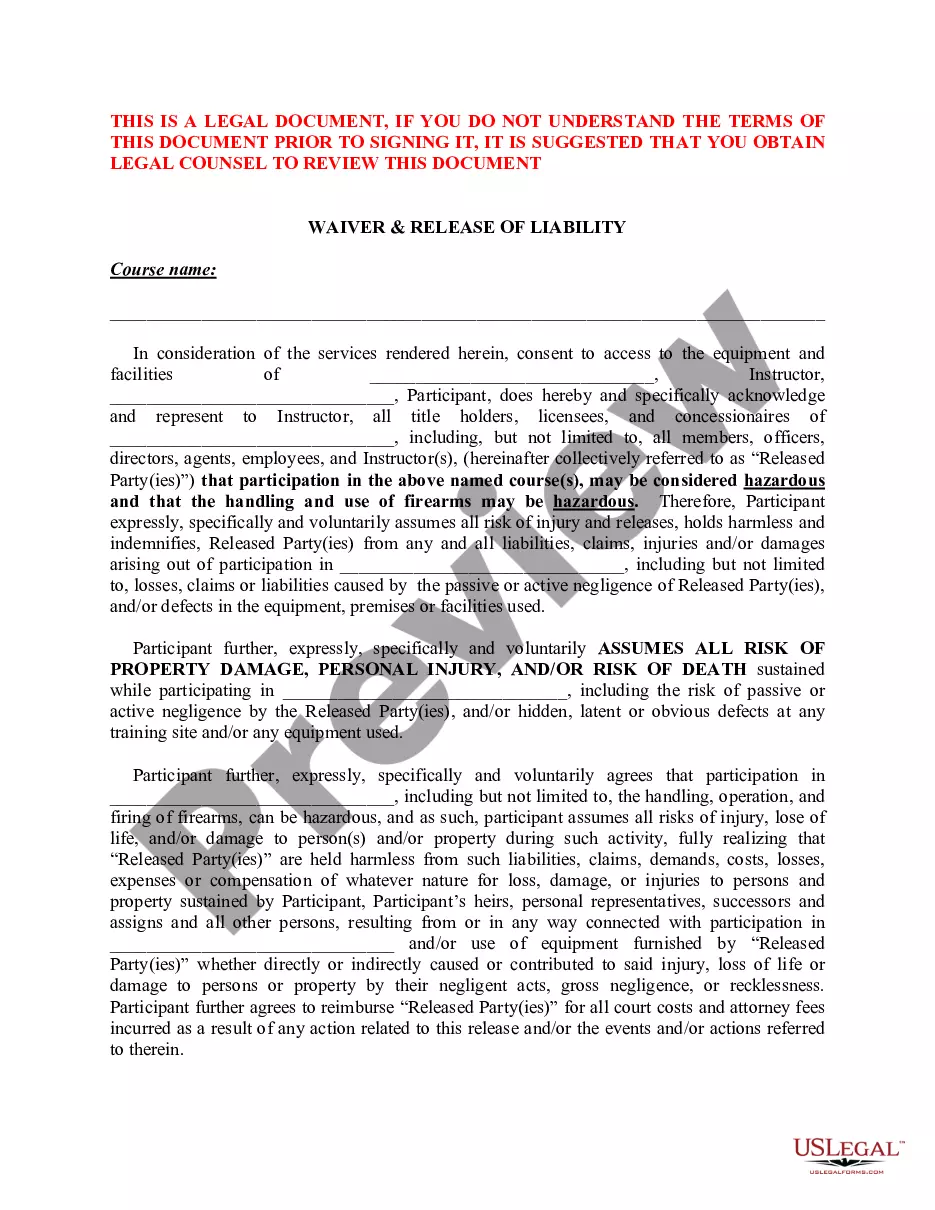
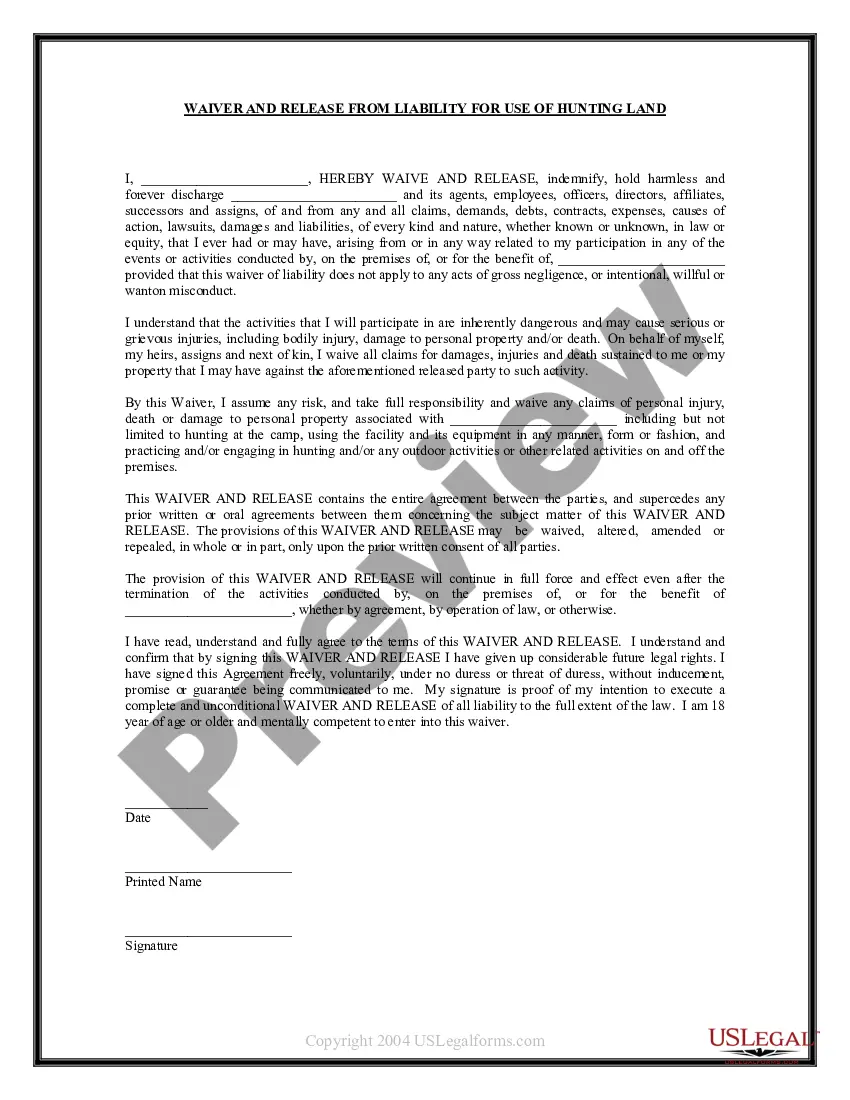
The Release, Hold Harmless and Covenant Not to Sue in Favor of Firearms Instructor is a legal document that allows an individual (the Student) to voluntarily give up their right to hold the instructor liable for any injuries or damages that may arise from participating in firearms training. This form serves as a protective measure for instructors, clarifying that the Student assumes the risks associated with firearms training and waives the right to legal action against the instructor or their representatives. Unlike other waivers, this document specifically addresses the hold harmless aspect, emphasizing the non-liability of the instructor.
What’s included in this form
- Date of the agreement.
- Name and address of the Student and the Instructor.
- Certification of the Student's age and voluntary participation.
- Description of the training locations and types of firearms involved.
- A clause releasing the Instructor from liability for negligence or other claims.
- Signature of the Student, affirming understanding of the agreement.
When this form is needed
This form should be used when an individual wishes to participate in a firearms training program and needs to acknowledge the risks involved. It is particularly important when the training includes live fire exercises, where the likelihood of accidents can increase. By completing this form, the Student acknowledges their understanding of these risks and waives their right to sue the instructor for any related injuries, making it essential for instructors to have this document on file.
Who this form is for
This form is intended for the following individuals:
- Individuals over the age of 18 who wish to participate in firearms training.
- Firearms instructors who conduct training programs and want to protect themselves from liability.
- Organizations or businesses involved in firearms training that require liability waivers from participants.
Instructions for completing this form
- Enter the date of the agreement at the top of the form.
- Fill in the names and addresses of both the Student and the Instructor.
- Certify that you are over 18 and voluntarily wish to participate in the training.
- Specify the location of the classroom and live fire training activities.
- List the types of firearms you will be trained on.
- Sign and date the agreement to affirm your understanding and acceptance of the terms.
Is notarization required?
This form does not typically require notarization unless specified by local law. Ensure you verify any additional requirements related to your stateâs regulations on liability waivers.
Get your form ready online
Our built-in tools help you complete, sign, share, and store your documents in one place.
Make edits, fill in missing information, and update formatting in US Legal Forms—just like you would in MS Word.
Download a copy, print it, send it by email, or mail it via USPS—whatever works best for your next step.
Sign and collect signatures with our SignNow integration. Send to multiple recipients, set reminders, and more. Go Premium to unlock E-Sign.
If this form requires notarization, complete it online through a secure video call—no need to meet a notary in person or wait for an appointment.
We protect your documents and personal data by following strict security and privacy standards.
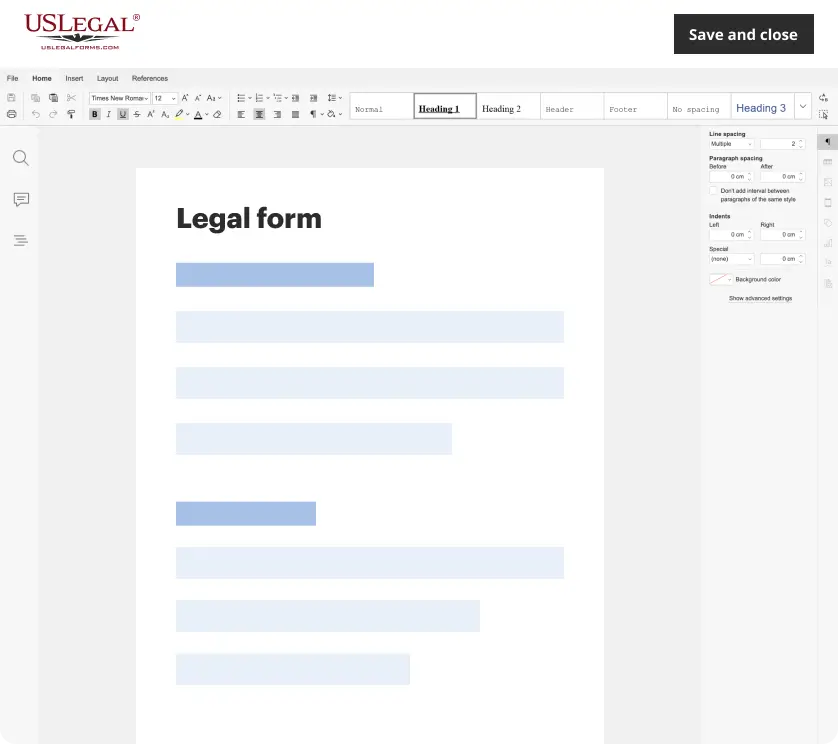
Make edits, fill in missing information, and update formatting in US Legal Forms—just like you would in MS Word.
Download a copy, print it, send it by email, or mail it via USPS—whatever works best for your next step.
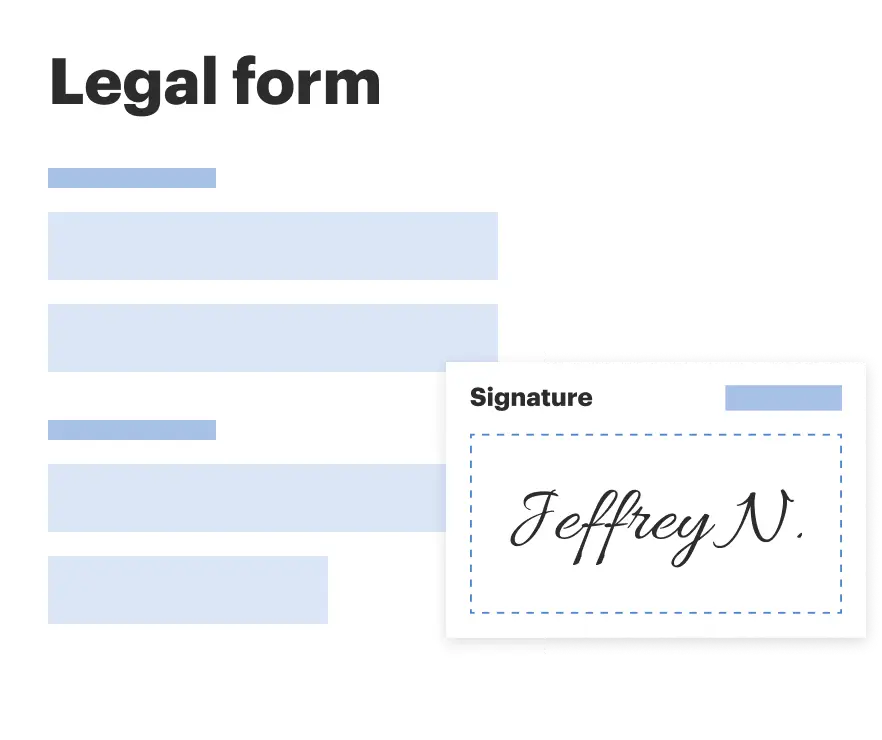
Sign and collect signatures with our SignNow integration. Send to multiple recipients, set reminders, and more. Go Premium to unlock E-Sign.
If this form requires notarization, complete it online through a secure video call—no need to meet a notary in person or wait for an appointment.
We protect your documents and personal data by following strict security and privacy standards.
Common mistakes to avoid
- Failing to fully read and understand the terms before signing.
- Not including complete and accurate addresses for all parties.
- Omitting the date of the agreement.
- Assuming that the waiver covers gross negligence or intentional misconduct.
- Not obtaining a witness signature if required by state law.
Why complete this form online
- Convenient access to download and print the form at any time.
- Editability allows for customization to suit specific training programs.
- Prepared by licensed attorneys, ensuring legal compliance and accuracy.
- Quickly completed, saving time for both instructors and participants.
Legal use & context
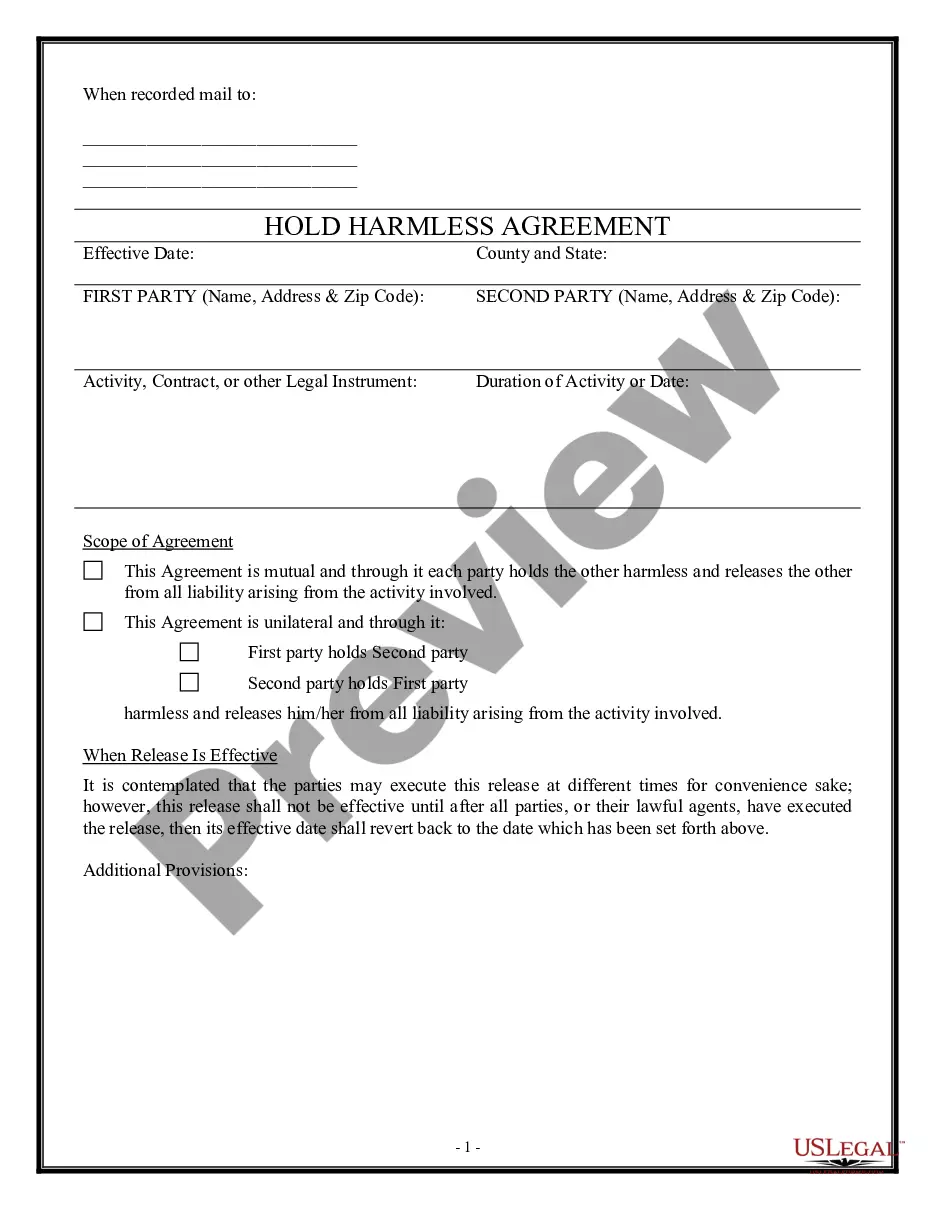
- This form releases the instructor from liability for injuries sustained during training, provided no gross negligence is involved.
- Participants should recognize that signing this document limits their legal options if an incident occurs.
- Each jurisdiction may treat liability waivers differently, thus it's crucial to be informed about local regulations.
Main things to remember
- The form protects firearms instructors from legal claims related to injury during training.
- Students must understand the risks and willingly agree to participate.
- Accurate completion of the form is essential for it to be valid.
Looking for another form?

Form popularity
FAQ
While courts typically frown upon adhesiontype (i.e., take it or leave it) contracts where the weaker party is unrepresented and asked to give up certain rights they would otherwise have without fully understanding the consequences, No Sue Agreements have been found to be enforceable by various courts in a variety of
The covenant not to execute is a promise by the plaintiff not to seek further damages from the insured. Insurance claim lawsuits involve three main parties: the insured, the insurer, and the claimant.In this case, the insured and claimant may agree to limit the judgment so that the claimant can go after the insurer.
California law doesn't permit covenants not so sue if it is to exempt someone from fraud, willful injury or violation of the law. The court determined that that wasn't the case here. consultation over a two-year period, militates against a conclusion that the covenant not to sue is procedurally unconscionable.