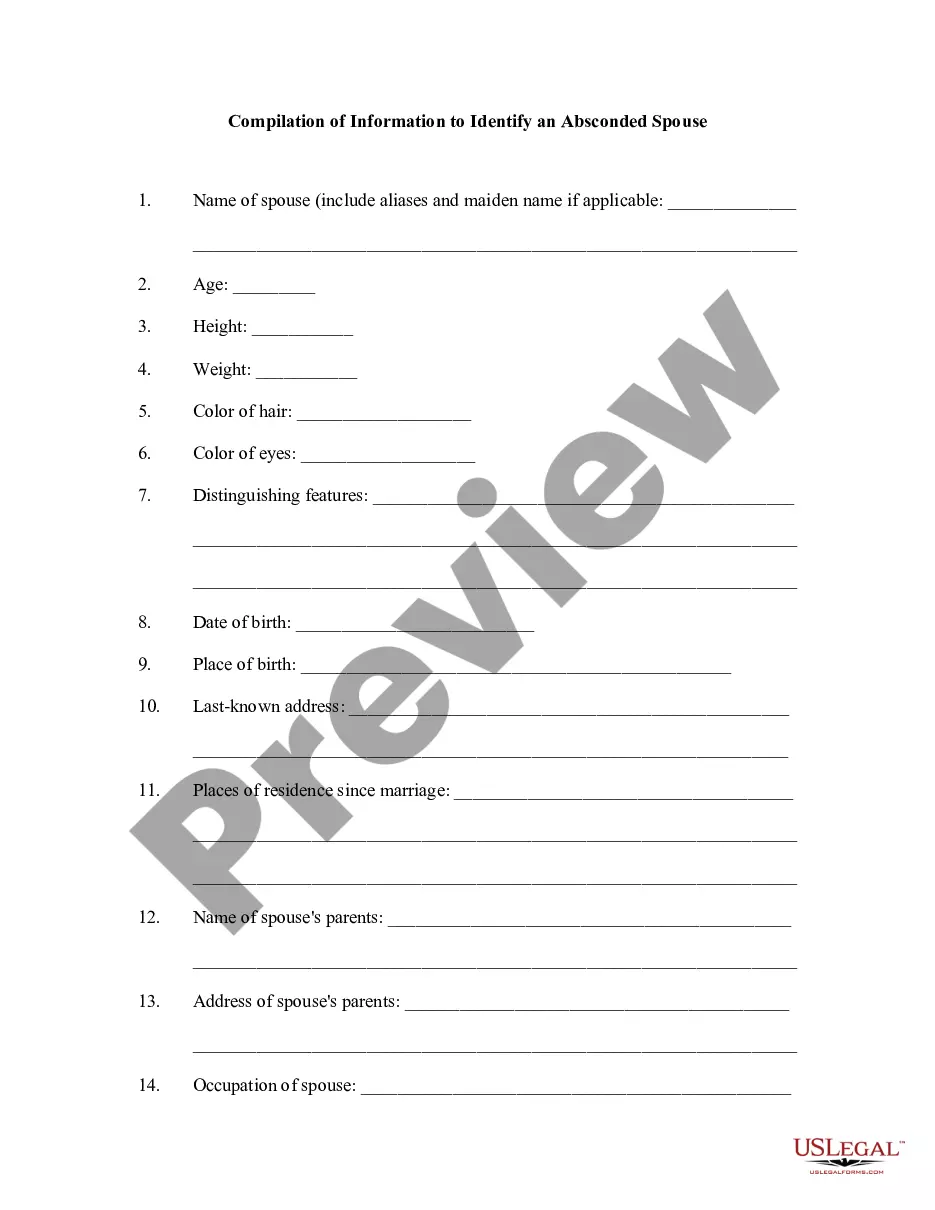
Compilation of Information to Identify an Absconded Spouse
Overview of this form
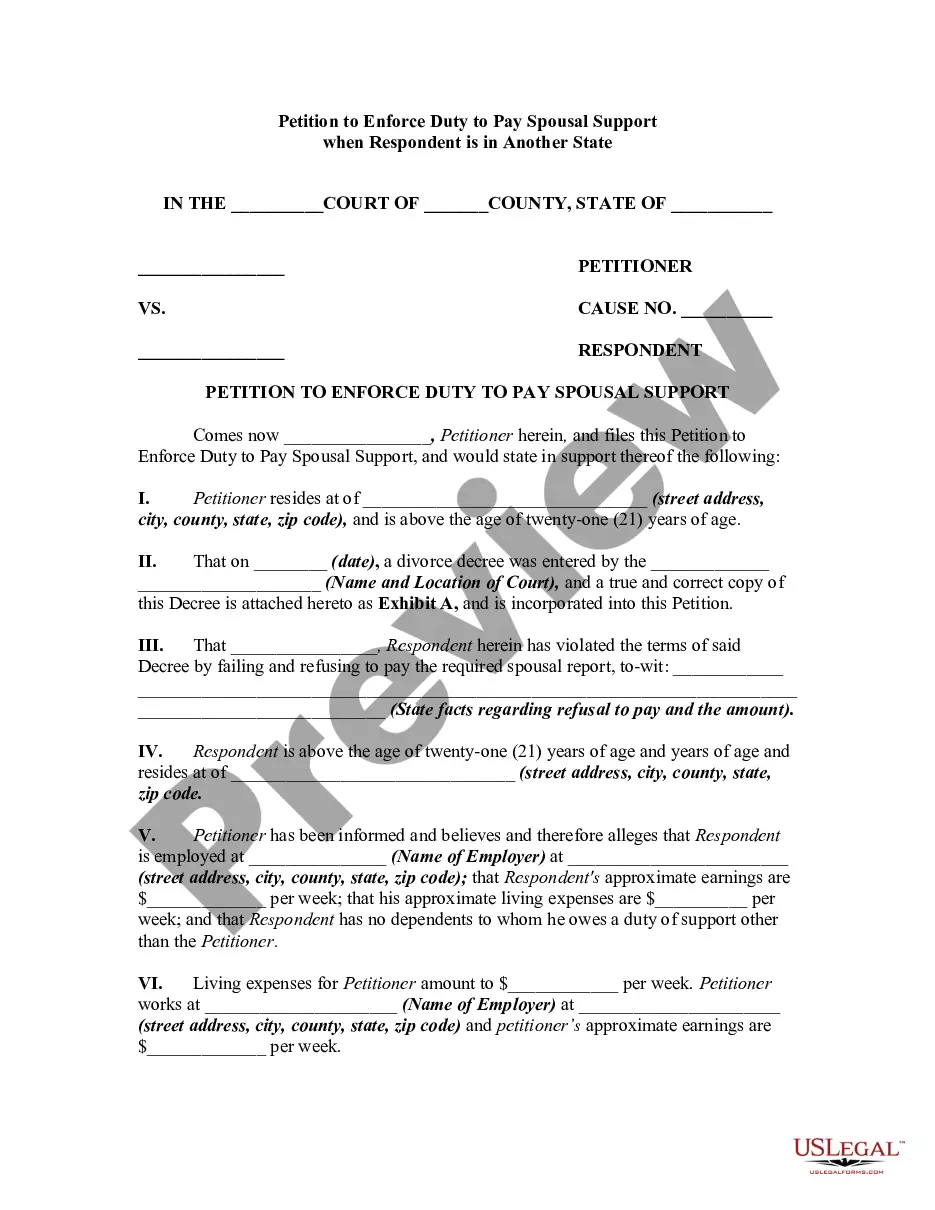
The Compilation of Information to Identify an Absconded Spouse form is a legal tool designed to help individuals gather essential information about a spouse who has left the jurisdiction. This form is particularly useful for those seeking to enforce child or spousal support obligations when the other party has relocated out of state. Unlike other legal documents, this form focuses specifically on compiling a comprehensive set of details to aid in locating the absent spouse.
Main sections of this form
- Name of spouse, including aliases and maiden name
- Physical characteristics such as age, height, and weight
- Last-known address and places of residence
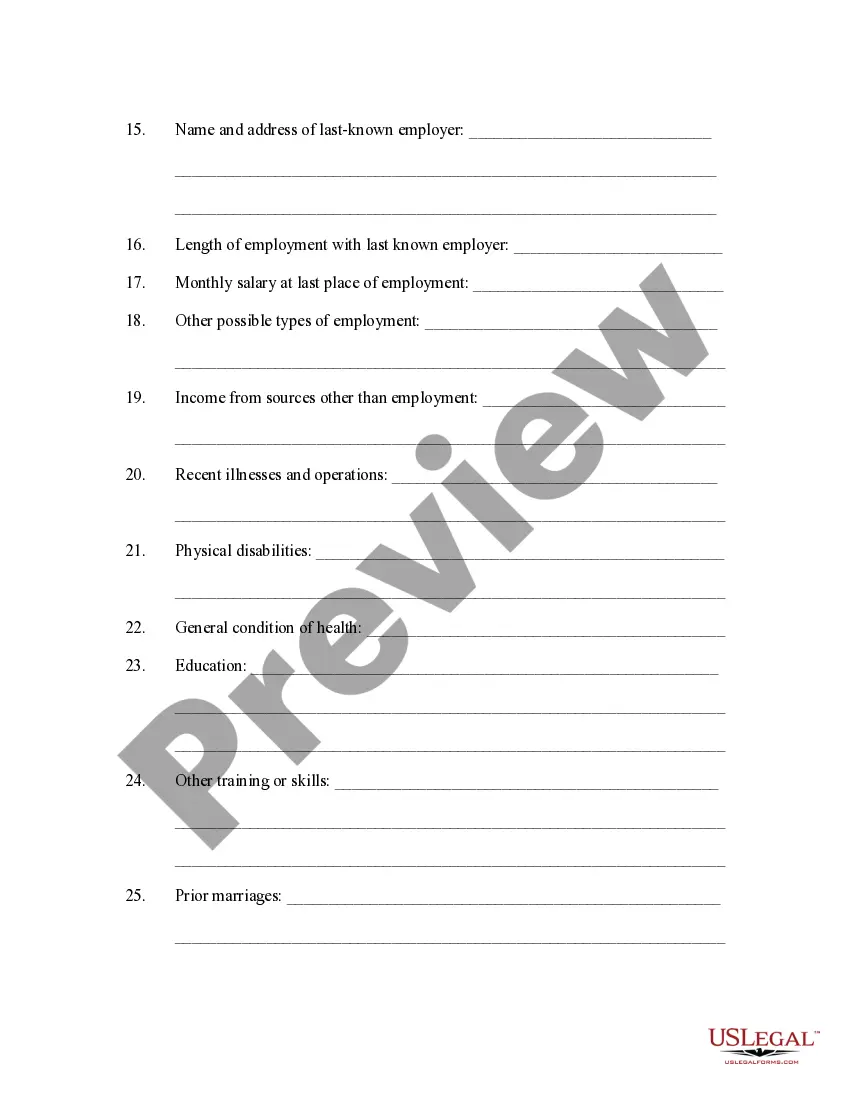
- Name and address of last-known employer
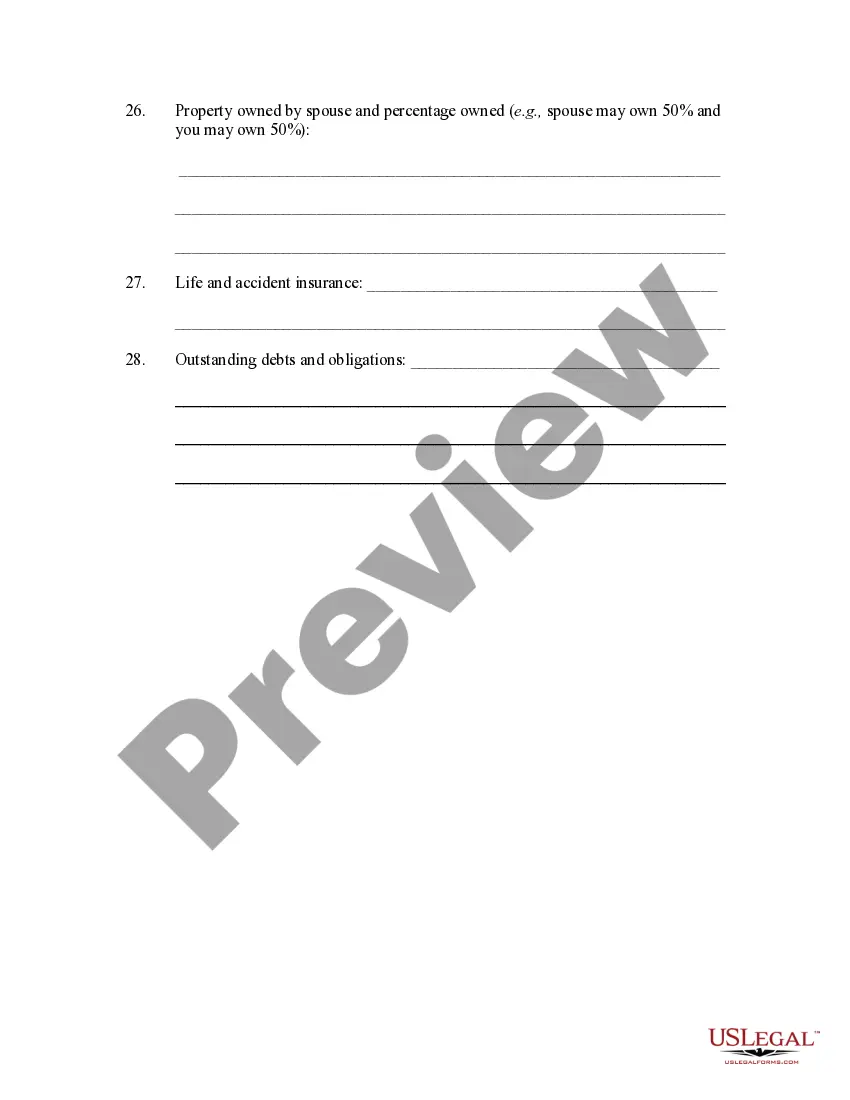
- Financial details, including income and debts
- General health condition and distinguishing features
Common use cases
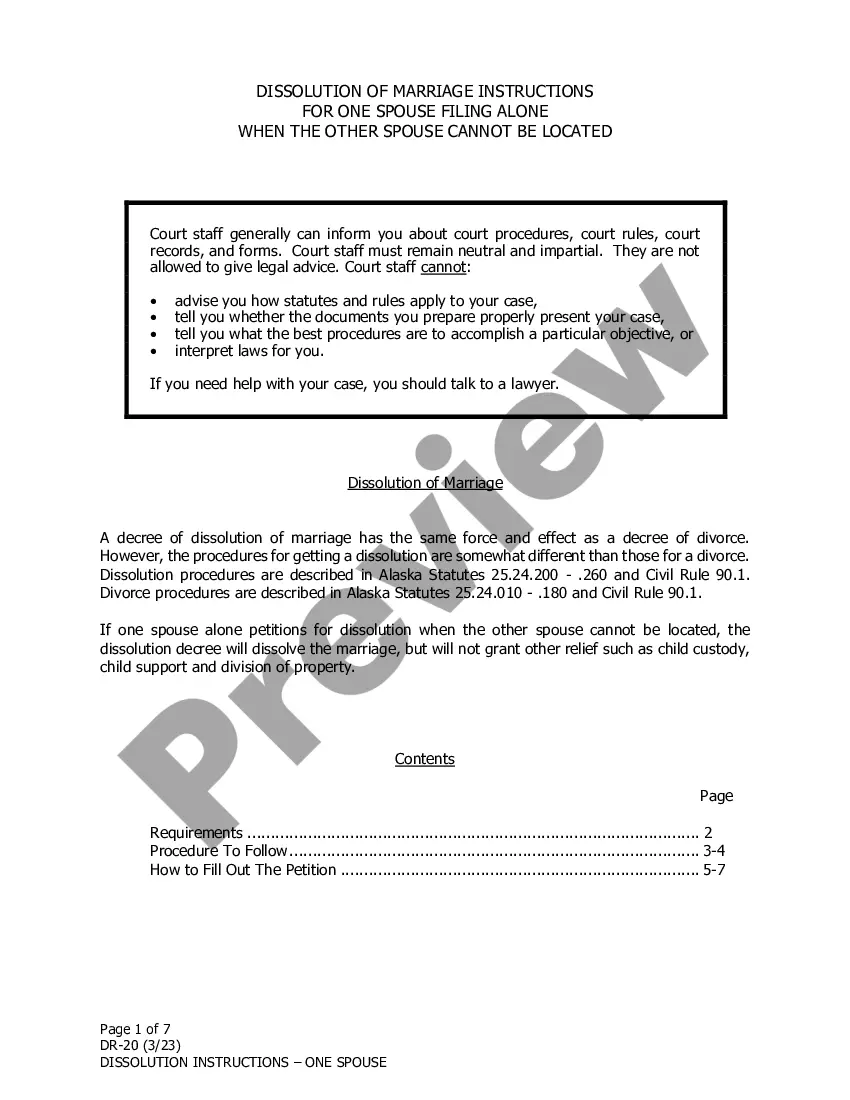
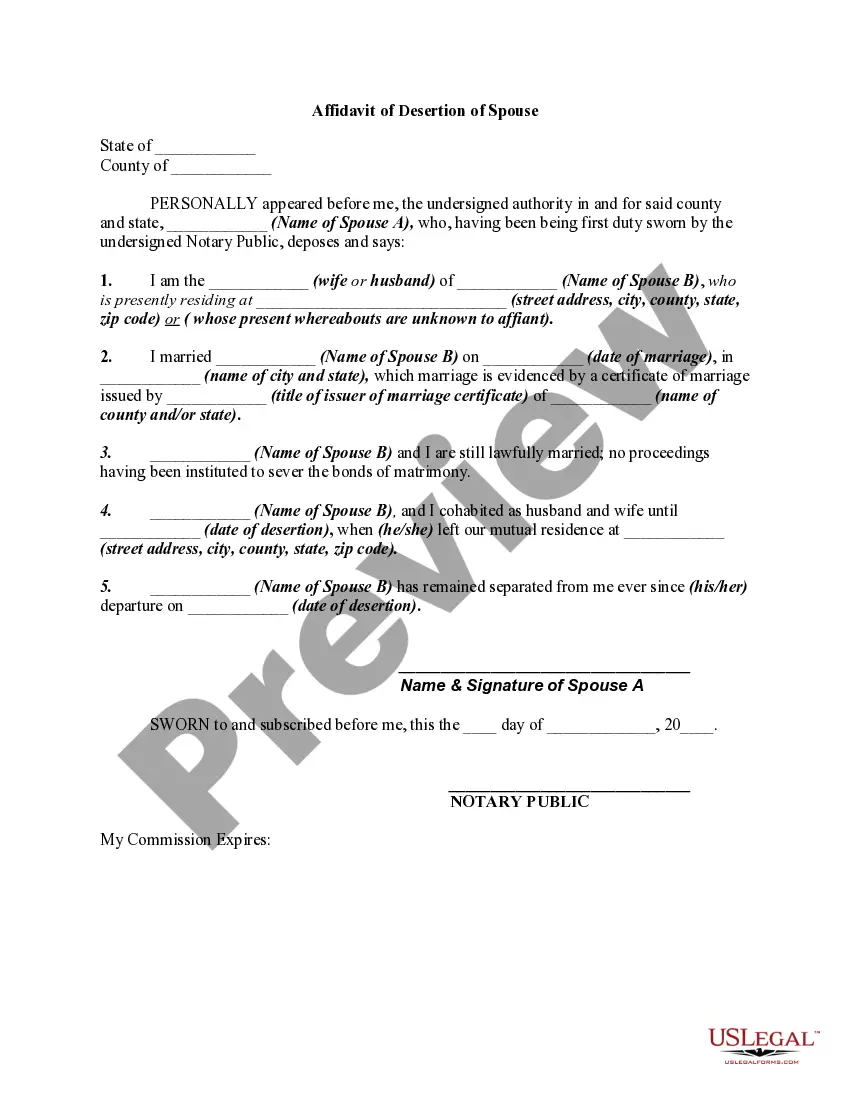
This form should be used in situations where an individual has lost contact with their spouse and needs assistance in locating them. It is particularly relevant when seeking to enforce legal obligations such as child support or spousal support, especially if the spouse has moved to another state. Additionally, this form can be beneficial during divorce proceedings or custody disputes involving an absent spouse.
Who needs this form
This form is intended for:
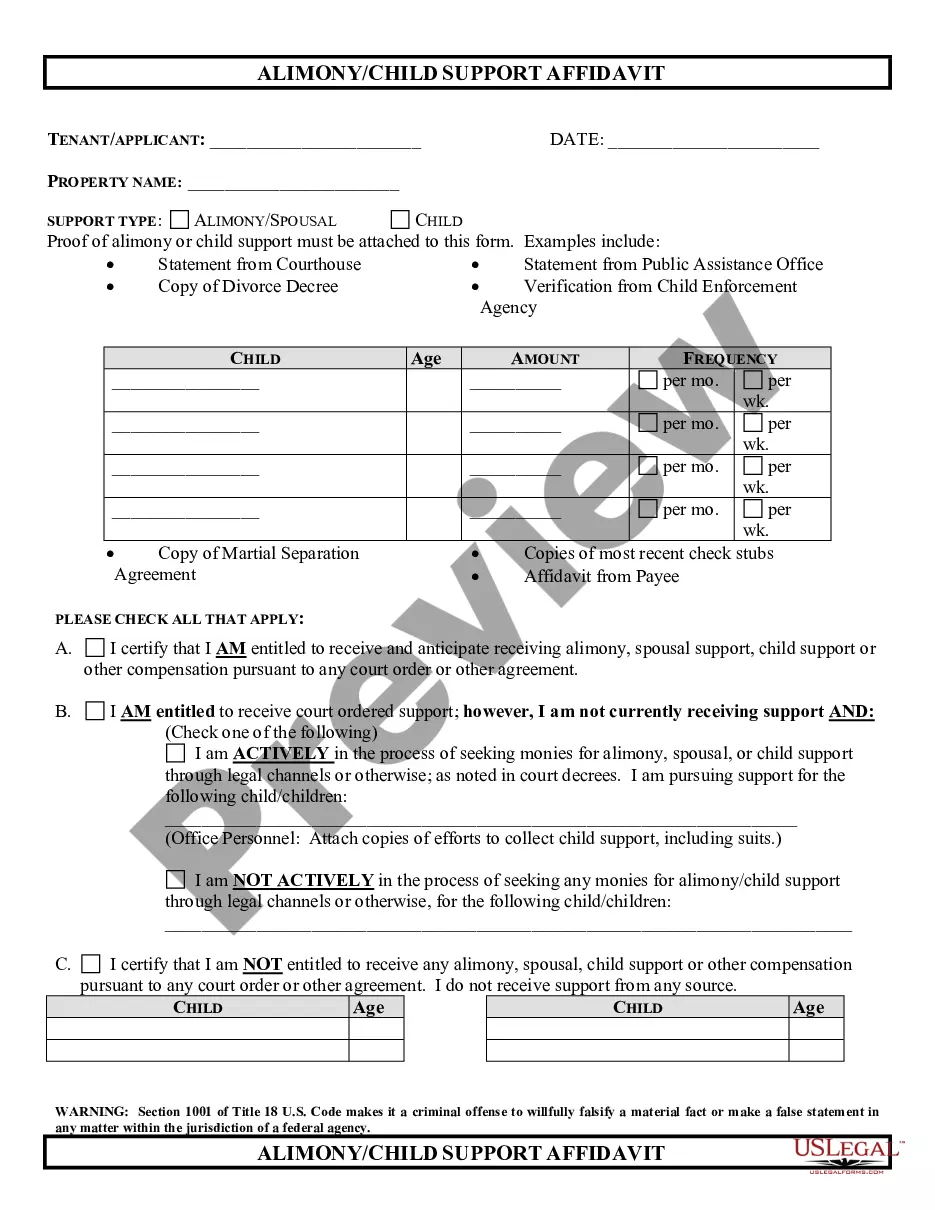
- Individuals pursuing child support or spousal support from an absconded spouse
- Parents seeking assistance in locating a missing parent for custody purposes
- Anyone involved in divorce proceedings where a spouse has left the jurisdiction
Instructions for completing this form
- Enter the full name of the absconded spouse, including aliases and maiden name.
- Provide personal details such as age, height, and weight.
- Document any distinguishing features and the last-known address of the spouse.
- Fill in employment details, including the last-known employer's name and address.
- List any outstanding debts and assets owned by the spouse.
Does this document require notarization?
This form does not typically require notarization to be legally valid. However, some jurisdictions or document types may still require it. US Legal Forms provides secure online notarization powered by Notarize, available 24/7 for added convenience.
Get your form ready online
Our built-in tools help you complete, sign, share, and store your documents in one place.
Make edits, fill in missing information, and update formatting in US Legal Forms—just like you would in MS Word.
Download a copy, print it, send it by email, or mail it via USPS—whatever works best for your next step.
Sign and collect signatures with our SignNow integration. Send to multiple recipients, set reminders, and more. Go Premium to unlock E-Sign.
If this form requires notarization, complete it online through a secure video call—no need to meet a notary in person or wait for an appointment.
We protect your documents and personal data by following strict security and privacy standards.

Make edits, fill in missing information, and update formatting in US Legal Forms—just like you would in MS Word.

Download a copy, print it, send it by email, or mail it via USPS—whatever works best for your next step.

Sign and collect signatures with our SignNow integration. Send to multiple recipients, set reminders, and more. Go Premium to unlock E-Sign.

If this form requires notarization, complete it online through a secure video call—no need to meet a notary in person or wait for an appointment.

We protect your documents and personal data by following strict security and privacy standards.
Avoid these common issues
- Failing to provide complete names, including aliases.
- Leaving out critical details like last-known address or employment information.
- Not updating information if changes occur after the initial submission.
Benefits of completing this form online
- Convenient access to form anytime and anywhere.
- Editable fields to ensure accuracy and completeness.
- Instant availability for urgent legal needs.
Legal use & context
Using the Compilation of Information to Identify an Absconded Spouse form can be a critical step in the legal process of enforcing support obligations. It is essential to gather accurate information, as this can affect the ability to locate the absent spouse and initiate legal action effectively.
Quick recap
- The form assists in locating a spouse who has left the jurisdiction.
- It is particularly useful for enforcing child support and spousal support obligations.
- Ensure all relevant information is accurately completed to enhance the chances of locating the absconded spouse.
Looking for another form?
Form popularity
FAQ
Hire a reputable divorce attorney who is knowledgeable about finding hidden assets. With the help of an attorney, you can subpoena many valuable records, including employment records, bank statements, loan applications and other account records.
Bank and other financial statements are no longer being delivered to your home address. A sudden decrease in salary. Intentional overpayments. No new clients. Defensive behavior.
However, divorcing spouses in all states can use powerful legal tools, called discovery, to help them find hidden income and other assets (discovery is explained in detail below). The first step in dividing assets during a divorce is to create a complete financial picture of all of the assets owned by each spouse.
If you do not respond to your spouse or partner's petition for divorce or separation or you file a response but reach an agreement, your case will be considered either a "default" or an "uncontested case." In a true default case, you are giving up your right to have any say in your divorce or legal separation case.
The answer is no, you cannot file without him getting notice and yes, you can divorce him without his consent.Without some type of service, the divorce will not go forward. So, as I said above, the answer is no, you cannot file for divorce without your husband knowing.
Failure to Respond: If a defendant fails to answer the complaint or file a motion to dismiss within the time limit set forth in the summons, the defendant is in default. The plaintiff can ask the court clerk to make a note of that fact in the file, a procedure called entry of default.
If you do not respond to your spouse or partner's petition for divorce or separation or you file a response but reach an agreement, your case will be considered either a "default" or an "uncontested case." In a true default case, you are giving up your right to have any say in your divorce or legal separation case.
If you cannot find your spouse, you can request permission from the court to publish a notice of the divorce in the newspaper or post a notice in the courthouse. This is called a Motion to Serve by Publication or Posting.
The paperwork that is served on the respondent will typically indicate the amount of time that the respondent has to file their answer. Typically, they will have at least 20 days to respond. States have different laws and requirements regarding what can and/or should be filed.