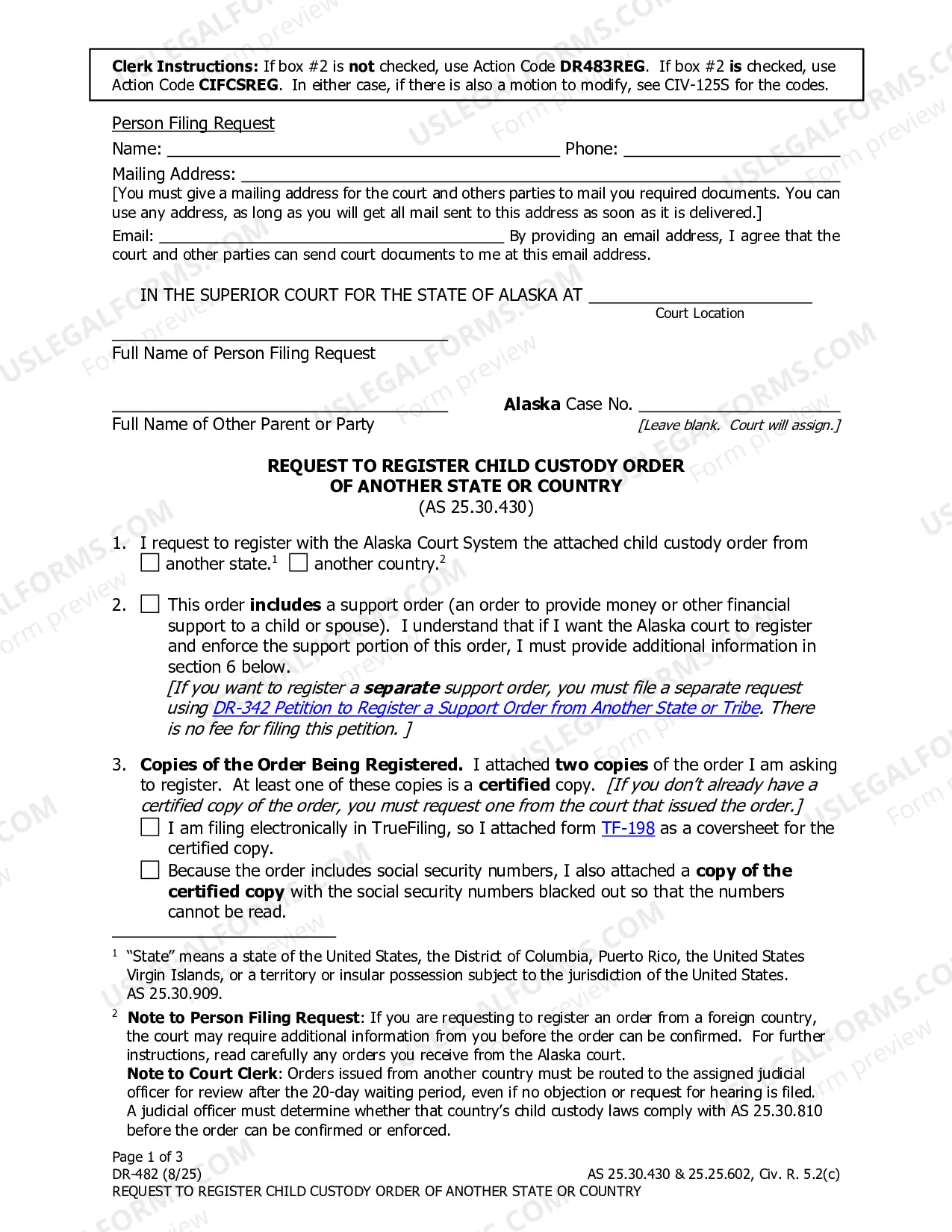
Voluntary Acknowledgment of Parentage By Mother and Father
What is this form?
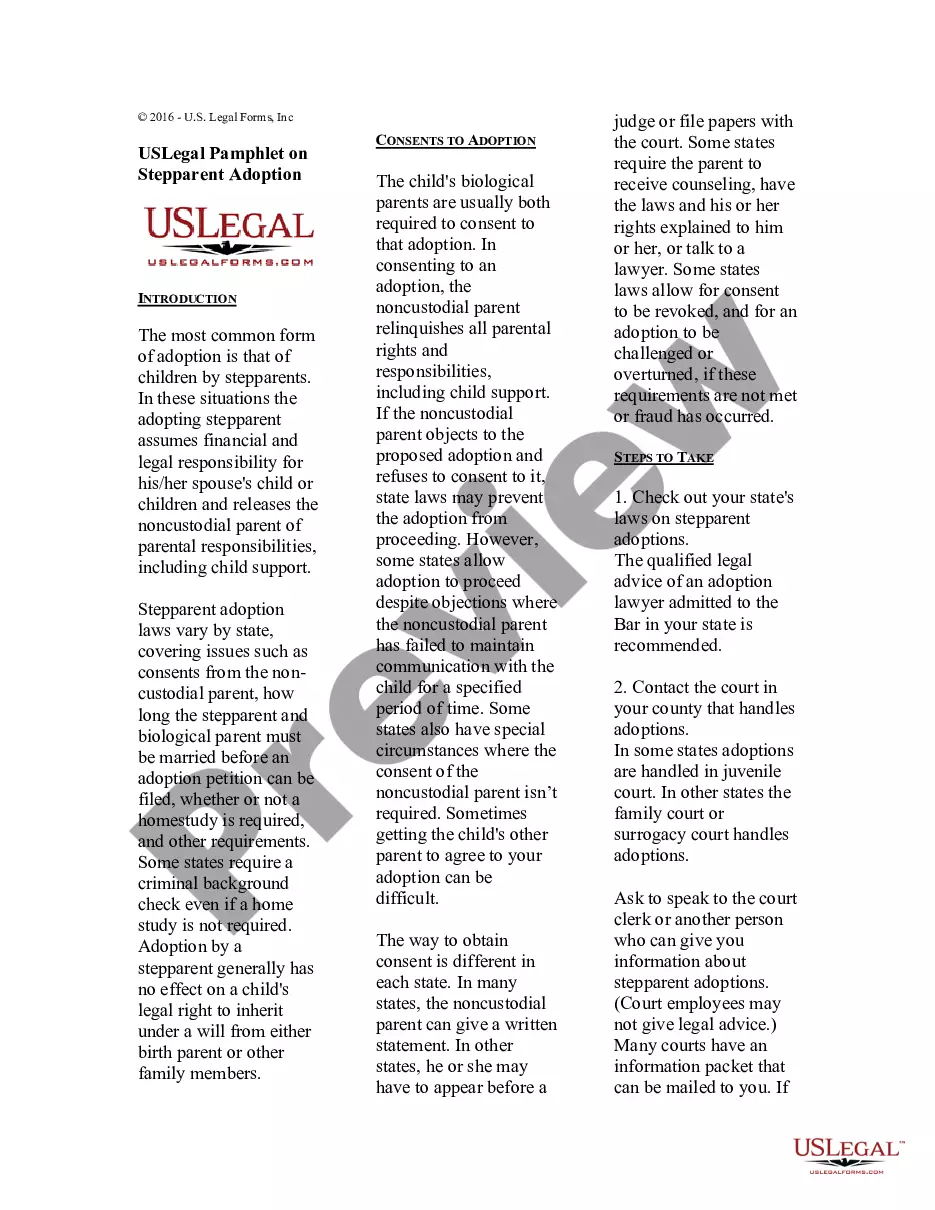
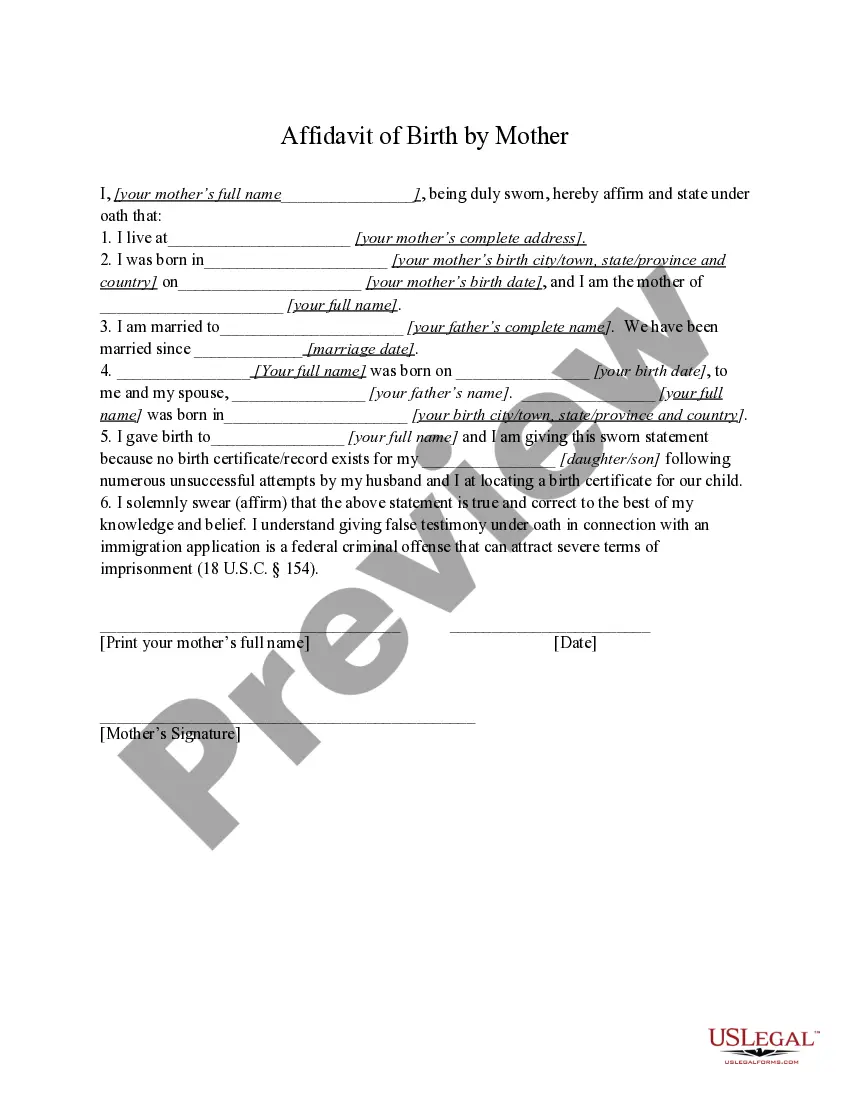
The Voluntary Acknowledgment of Parentage By Mother and Father is a legal document that establishes paternity for children born outside of marriage. By signing this form, both parents acknowledge that they are the biological parents of the child, granting the child the same legal rights as those born to married parents. This form may be required to amend the child's birth certificate, ensuring both parents' names are included. It is crucial to understand how this form differs from other parentage acknowledgment forms, particularly in its binding legal effect and the requirement for notarization in certain jurisdictions.
Main sections of this form
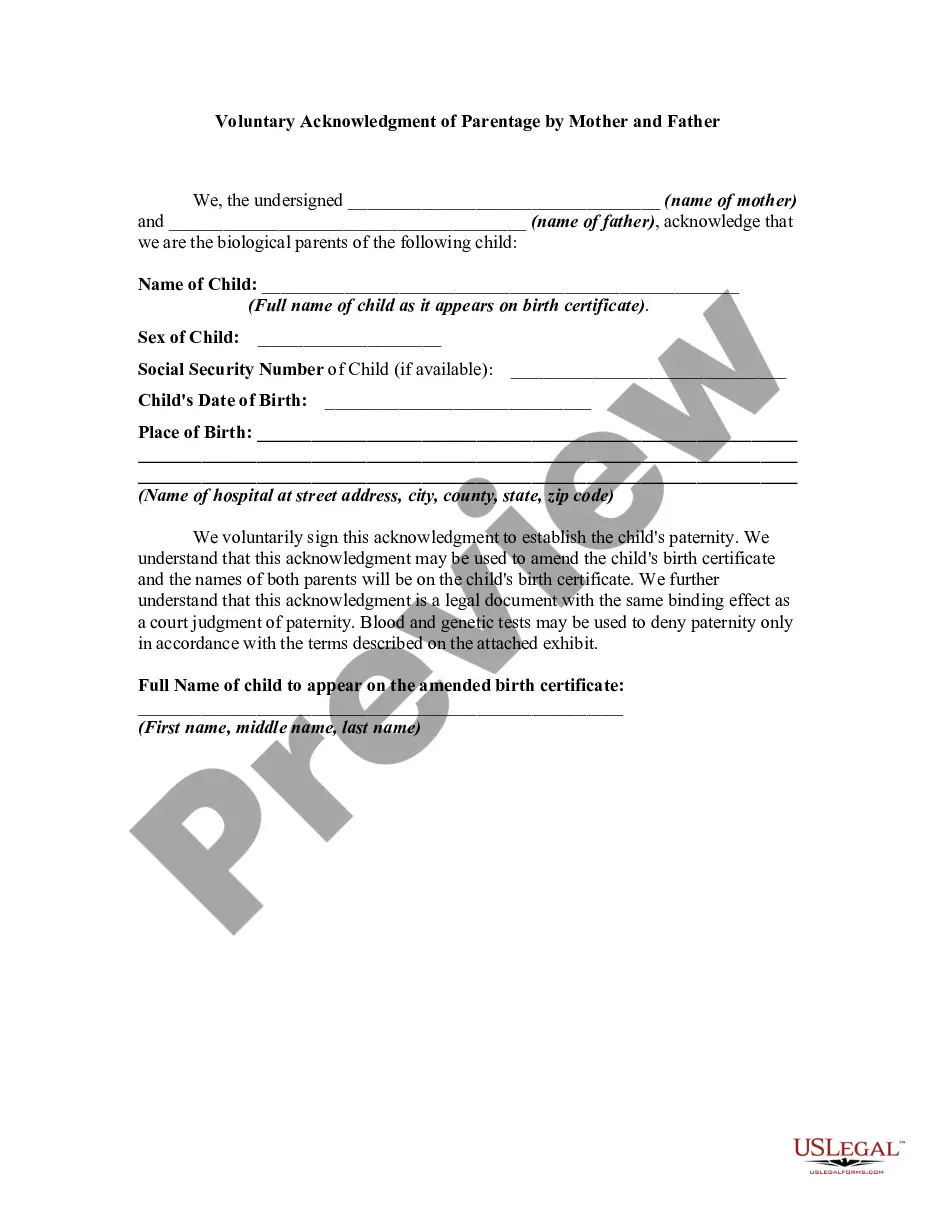
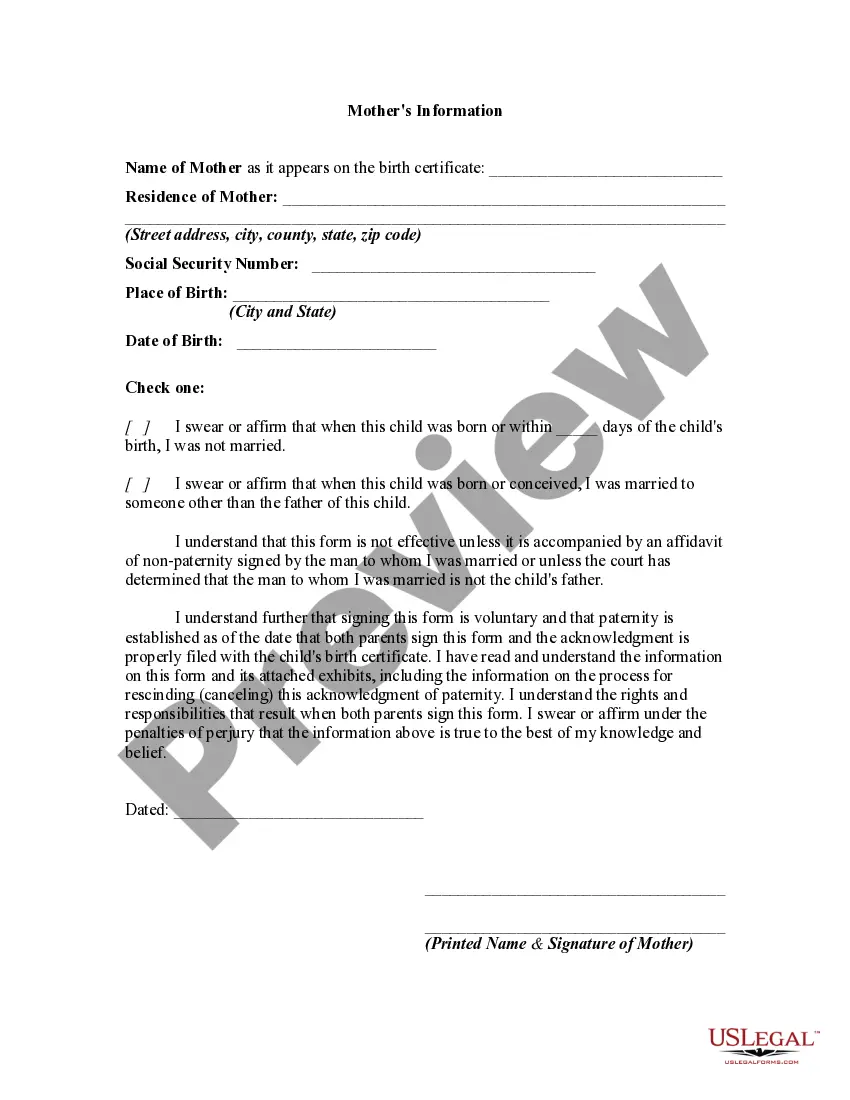
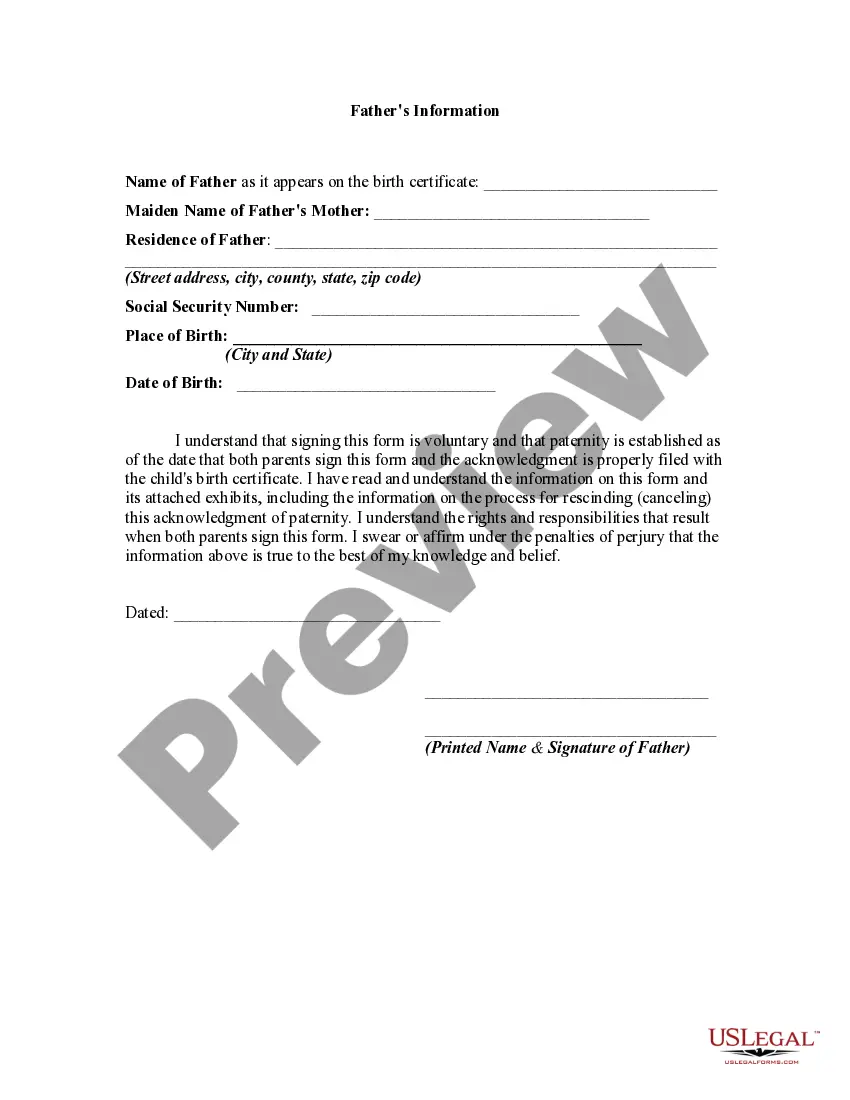
- Name and information for both parents, including social security numbers and places of birth.
- Child's full name, date of birth, and place of birth.
- Acknowledgment of paternity by both parents through their signatures.
- Statements regarding marital status at the time of the childâs birth.
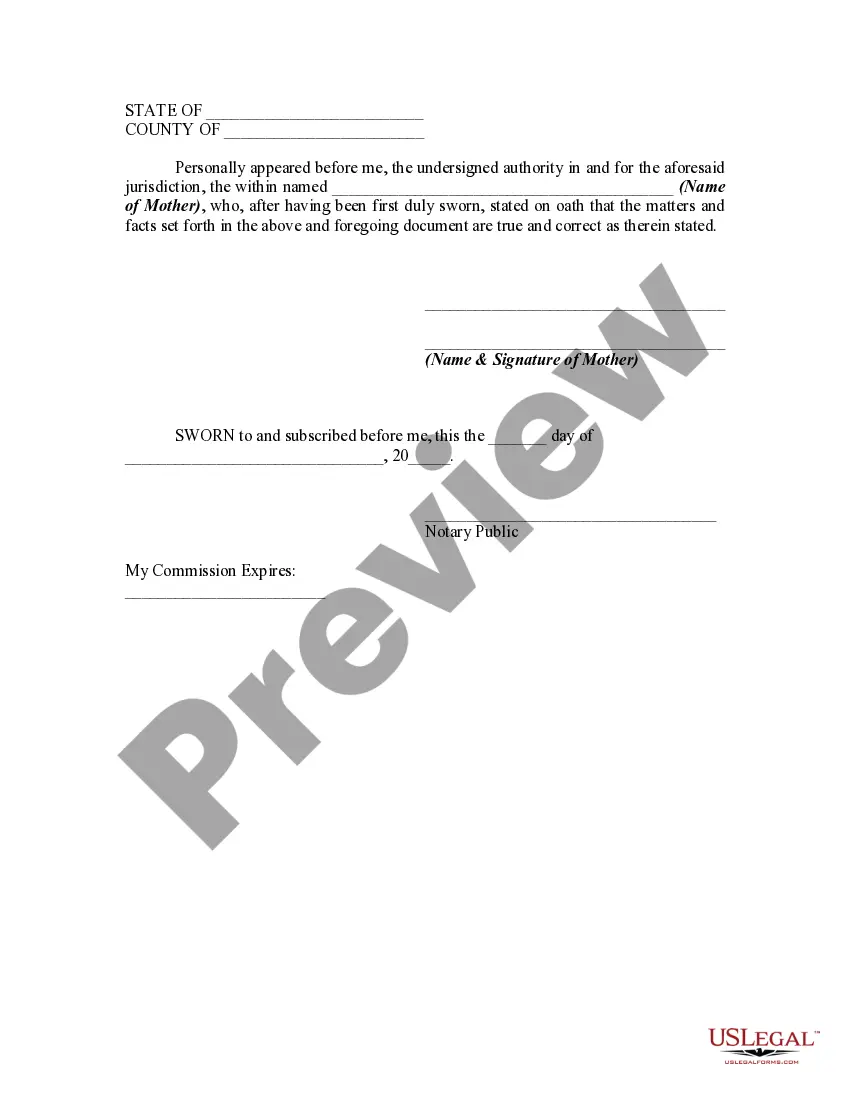
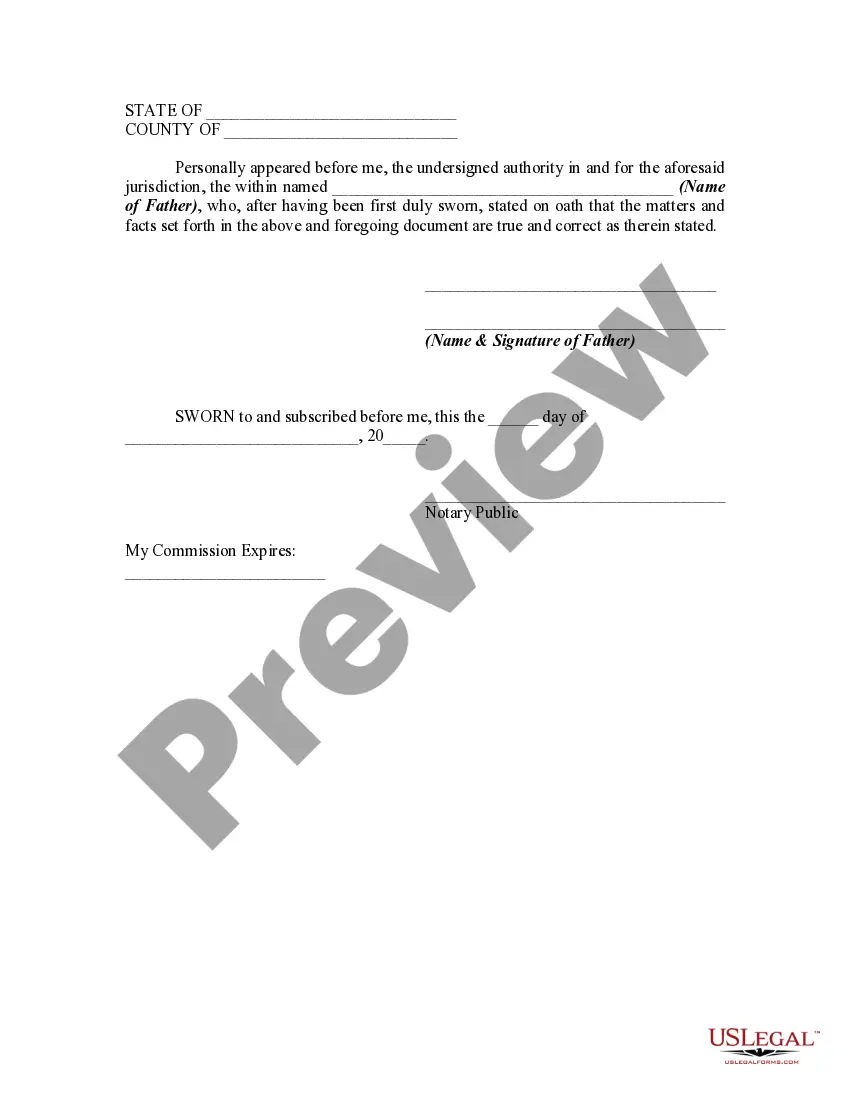
- Notary acknowledgment for both parents to verify the authenticity of the signatures.
When to use this form
This form should be used in situations where parents wish to legally establish the paternity of their child born outside of wedlock. Utilizing this acknowledgment can be important for various reasons including ensuring the child receives legal rights, amending the birth certificate, and making decisions about child support and custody.
Intended users of this form
- Unmarried parents who wish to formally recognize their parental relationship.
- Parents who want to ensure their child's legal rights are secured.
- Any mother or father requiring a legal record of paternity for personal or legal matters.
How to complete this form
- Enter the names of the mother and father in the designated fields.
- Provide the full name, date of birth, and place of birth for the child.
- Each parent must check their marital status at the time of the child's birth and sign the form.
- Have the signatures notarized to validate the document legally.
- Submit the completed acknowledgment to the appropriate local agency to amend the birth certificate.
Notarization guidance
Yes, this form must be notarized to be legally valid. Notarization authenticates the signatures of both parents and ensures that the acknowledgment is recognized by the court. US Legal Forms offers integrated online notarization, allowing you to facilitate this process through a secure video call without needing to travel.
Get your form ready online
Our built-in tools help you complete, sign, share, and store your documents in one place.
Make edits, fill in missing information, and update formatting in US Legal Forms—just like you would in MS Word.
Download a copy, print it, send it by email, or mail it via USPS—whatever works best for your next step.
Sign and collect signatures with our SignNow integration. Send to multiple recipients, set reminders, and more. Go Premium to unlock E-Sign.
If this form requires notarization, complete it online through a secure video call—no need to meet a notary in person or wait for an appointment.
We protect your documents and personal data by following strict security and privacy standards.

Make edits, fill in missing information, and update formatting in US Legal Forms—just like you would in MS Word.

Download a copy, print it, send it by email, or mail it via USPS—whatever works best for your next step.

Sign and collect signatures with our SignNow integration. Send to multiple recipients, set reminders, and more. Go Premium to unlock E-Sign.

If this form requires notarization, complete it online through a secure video call—no need to meet a notary in person or wait for an appointment.

We protect your documents and personal data by following strict security and privacy standards.
Common mistakes
- Failing to notarize the document, which can render it invalid.
- Leaving sections blank, especially the names and details of the child.
- Not providing accurate personal information for both parents.
- Not understanding the legal implications before signing.
Why use this form online
- Convenience of accessing and filling out the form from home.
- Ability to edit and ensure all information is accurate before submission.
- Secure storage of the completed form for future reference.
- Guidelines and support available to help navigate the form completion process.
Looking for another form?






Form popularity
FAQ
Can You Change Your Child Last Name Without Father Consent? Yes you can.
No, you can choose to give your baby your last name, the father's last name, or a hyphenated combination of both.
A father has the right to change the name of his child if he can establish that he is, in fact, the legal father. A legal father simply refers to the father with custodial rights to make decisions regarding the child.
The mother and father can sign an Acknowledgment of Paternity form. This form is usually filled out at the hospital when the child is born but is also available in the local child support office and local birth registrar.Both parents shouldn't have any doubts about who the biological father is or other concerns.
For example, in a paternity fraud case, the judge may hold a person in contempt for lying or falsifying information about the paternity test. When this occurs, the judge may issue a contempt order, which can result in criminal charges.
Whether you are married or not, you don't have to give the baby the last name of either parent if you don't want to, and the child does not have to have the father's last name to be considered legitimate. (See the article Legitimacy of Children Born to Unmarried Parents for more on the subject.)
A voluntary declaration of parentage or paternity is a California governmental form that, when signed by both parents, establishes them as the legal parents of the child. The form must be signed voluntarily. No one can force either person to sign the form.
The Declaration of Parentage declares who the child's parents are.Even though the true father's name has been included on the birth certificate as a result of a Declaration of Parentage, this does not automatically grant parental responsibility to the father.
An acknowledgment of paternity will require some basic information including the child's full name, mother's full name, and father's full name. The father's date of birth, address, and Social Security number are also needed. The AOP must be signed and notarized by both parents.