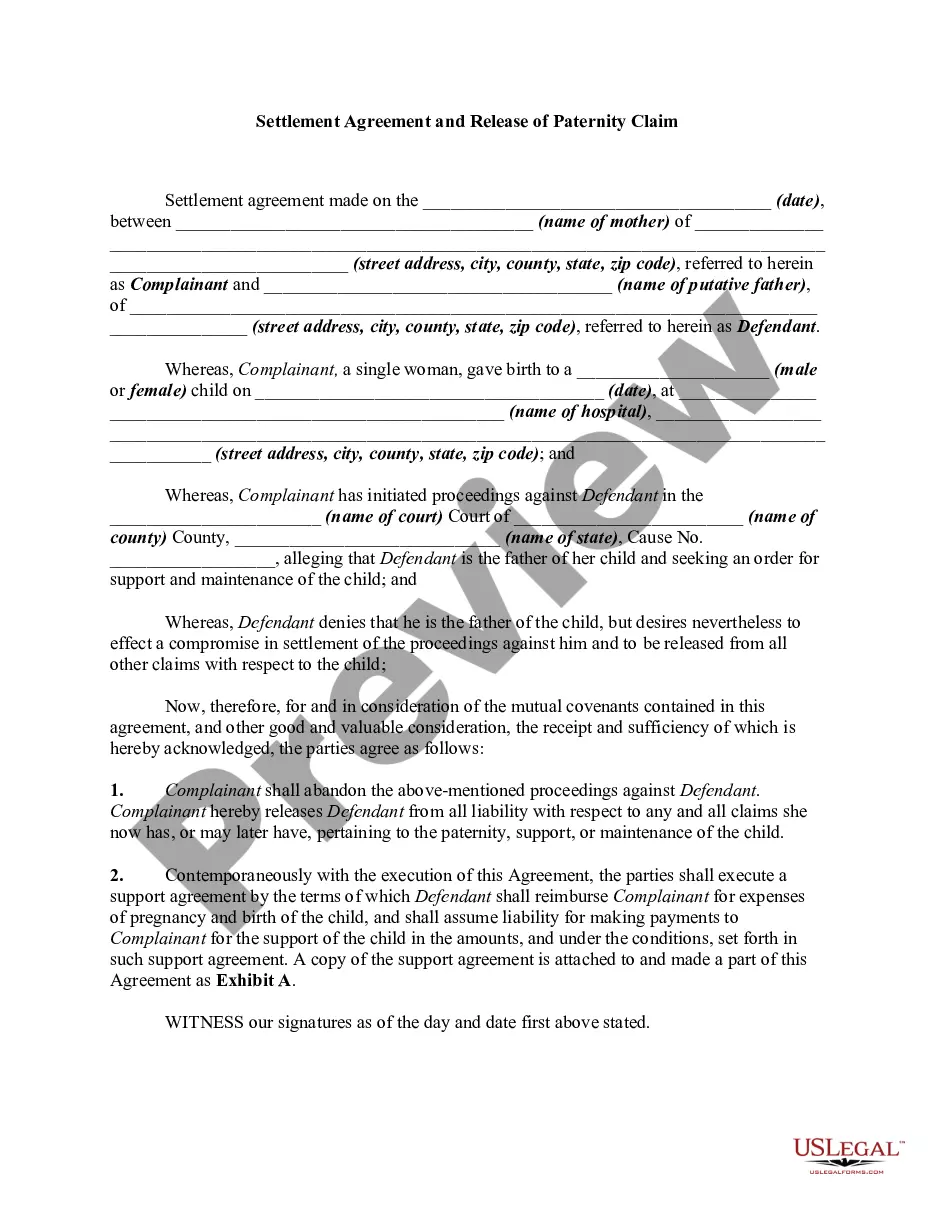
Settlement Agreement and Release of Paternity Claim
What is this form?
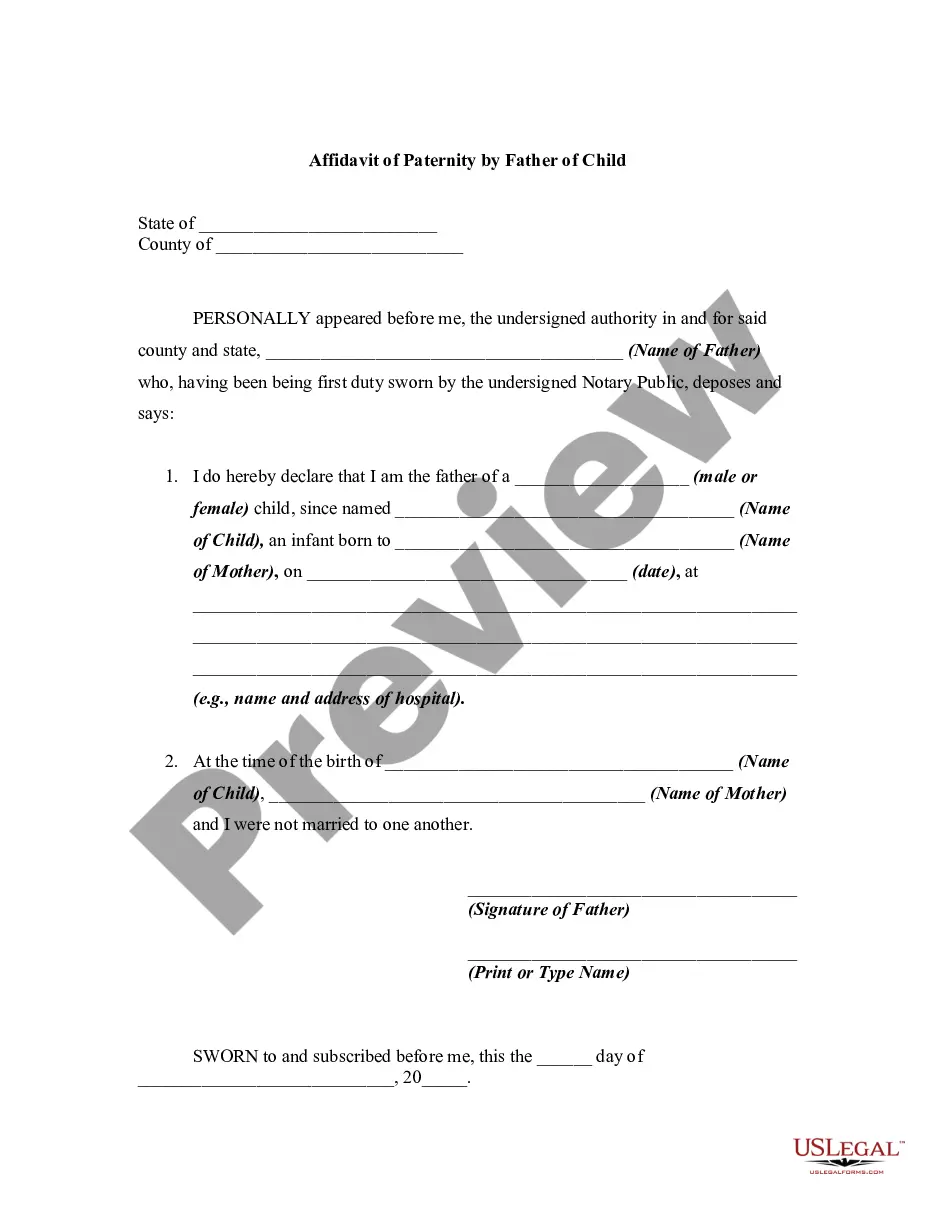
The Settlement Agreement and Release of Paternity Claim is a legal document used to resolve disputes regarding the paternity of a child born out of wedlock. This form allows the mother and the putative father to compromise and settle any claims related to paternity, child support, and other obligations, thereby avoiding further court proceedings. It is distinct from other forms in that it specifically addresses disputes over paternity and associated claims.
Key parts of this document
- Date of the agreement
- Names and addresses of the parties involved (Complainant and Defendant)
- Details about the child (gender, date of birth, hospital)
- Court details where proceedings were initiated
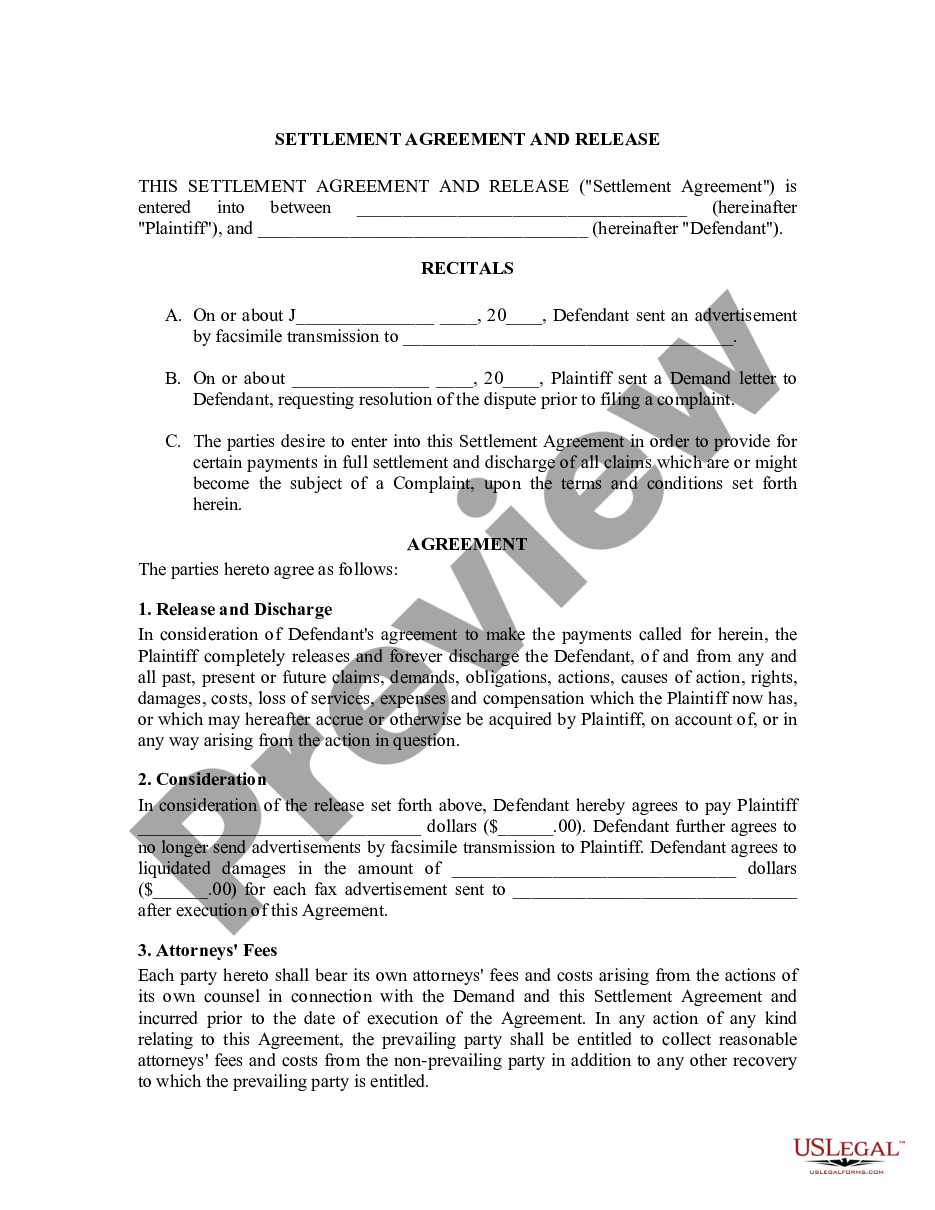
- Clauses regarding the abandonment of proceedings and release of claims
- Execution of a support agreement outlining financial responsibilities
When to use this form
This form should be used when there is a dispute over the paternity of a child where the mother has initiated legal proceedings against a putative father. It is suitable in cases where both parties wish to resolve their differences amicably without continuing the court case, and it sets forth the terms of financial support while releasing the father from certain obligations regarding paternity claims.
Who should use this form
- Unmarried mothers who believe they need to establish paternity for their child.
- Putative fathers who wish to settle paternity claims without contesting them in court.
- Parents looking for a formal acknowledgment of child support agreements.
How to complete this form
- Identify the parties involved, providing their full names and addresses.
- Enter the date of the agreement and the details about the child.
- Specify the court where the initial paternity proceedings were filed.
- Fill in the clauses regarding the abandonment of the proceeding and the release of claims.
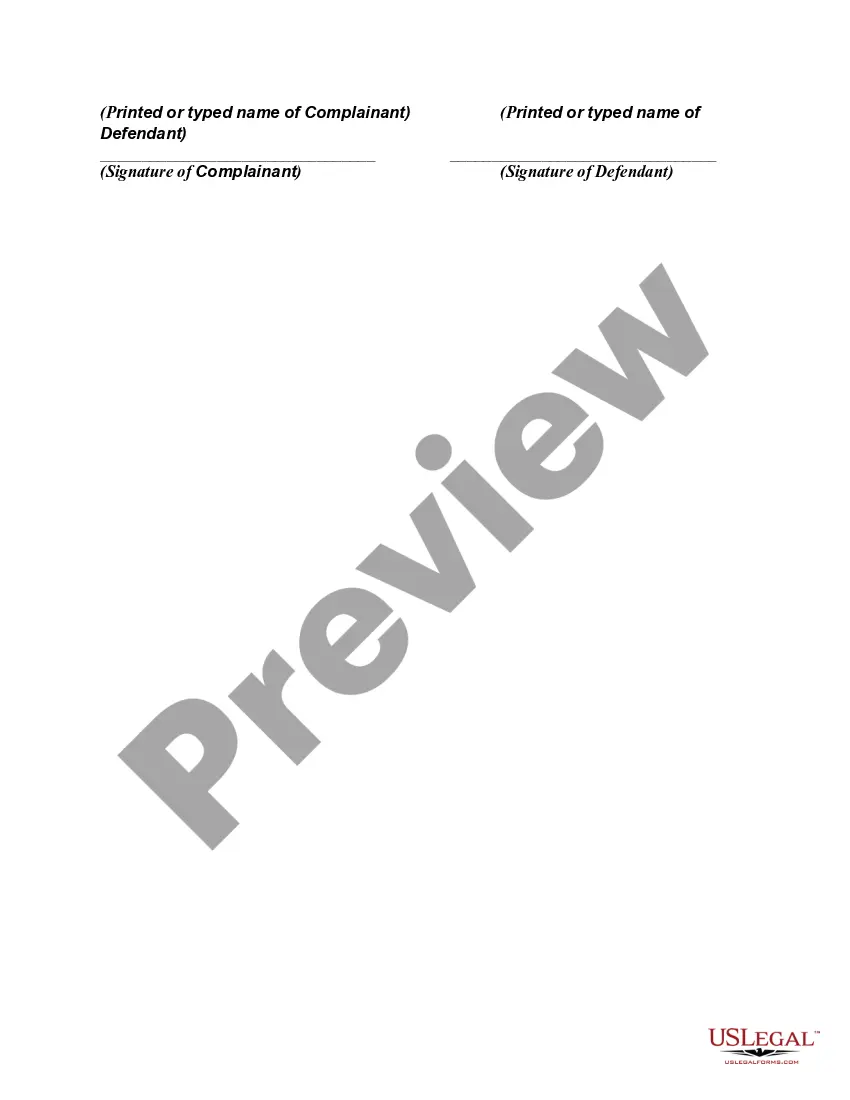
- Sign the document in the presence of a witness if required.
Notarization guidance
Notarization is not commonly needed for this form. However, certain documents or local rules may make it necessary. Our notarization service, powered by Notarize, allows you to finalize it securely online anytime, day or night.
Get your form ready online
Our built-in tools help you complete, sign, share, and store your documents in one place.
Make edits, fill in missing information, and update formatting in US Legal Forms—just like you would in MS Word.
Download a copy, print it, send it by email, or mail it via USPS—whatever works best for your next step.
Sign and collect signatures with our SignNow integration. Send to multiple recipients, set reminders, and more. Go Premium to unlock E-Sign.
If this form requires notarization, complete it online through a secure video call—no need to meet a notary in person or wait for an appointment.
We protect your documents and personal data by following strict security and privacy standards.

Make edits, fill in missing information, and update formatting in US Legal Forms—just like you would in MS Word.

Download a copy, print it, send it by email, or mail it via USPS—whatever works best for your next step.

Sign and collect signatures with our SignNow integration. Send to multiple recipients, set reminders, and more. Go Premium to unlock E-Sign.

If this form requires notarization, complete it online through a secure video call—no need to meet a notary in person or wait for an appointment.

We protect your documents and personal data by following strict security and privacy standards.
Mistakes to watch out for
- Failing to properly identify the parties involved.
- Not including the date of the agreement or relevant court information.
- Omitting signatures or witness requirements, if applicable.
- Not attaching the support agreement as stated within the form.
Why complete this form online
- Convenience of completing the form from home without needing an attorney.
- Editability allows users to customize the form for specific situations.
- Access to reliable templates drafted by licensed attorneys for legal accuracy.
What to keep in mind
- The Settlement Agreement and Release of Paternity Claim is essential for resolving paternity disputes legally.
- Completing this form enables the mother and putative father to settle claims amicably and agrees on child support.
- Ensure that the document is tailored to meet state-specific legal requirements.
Looking for another form?
Form popularity
FAQ
1An offer. This is what one party proposes to do, pay, etc.2Acceptance.3Valid consideration.4Mutual assent.5A legal purpose.6A settlement agreement must also not be "unconscionable." This means that it cannot be illegal, fraudulent, or criminal.
The agreement should list the rights, claims, obligations, or interests that will be released in the settlement as well as any claims or obligations that are not part of the settlement.
This includes releasing the Released Party from all claims for damages, costs, expenses, and compensation.This release and discharge shall be a fully binding and complete settlement among all Parties to this Agreement and their heirs, assigns, and successors.
1#1. Start with the Basics.2#2. Include the Details.3#3. Confirm Your Agreement.4#4. Identify and Divide Assets and Debts.5#5. Create a Parenting Plan for Custody and Visitation.6#6. Agree on Child Support and Spousal Support (Alimony)7#7. Polishing Your Agreement.8Conclusion.
A release is an agreement not to sue; it waives your right to sue and company and "releases" your employer from legal liability for claims you may have against it. A release may be as broad or as narrow as the parties agree to make it.
Make sure you have all of the basic information and divorce forms you need according to the divorce laws in your state. Make sure you have all of the personal information you need. Include a statement that you and the other party are in agreement with the contents of the document.
Lawyers call an agreement to settle a dispute a "release," because in exchange for some act (often the payment of money), one person gives up (or releases) his or her claim against another.
A release of all claims form may be included as part of a settlement agreement, which is a document agreeing to resolve the parties' differences, dismiss their claims, and release the opposing parties from liability. Release of all claims forms are also called liability waiver forms.
Some people wonder if they can save even more by money by writing their own settlement agreement and not seeking the help of a divorce attorney at all. While there is no legal requirement that you have a lawyer draft your settlement agreement, it is certainly a good idea to do so.