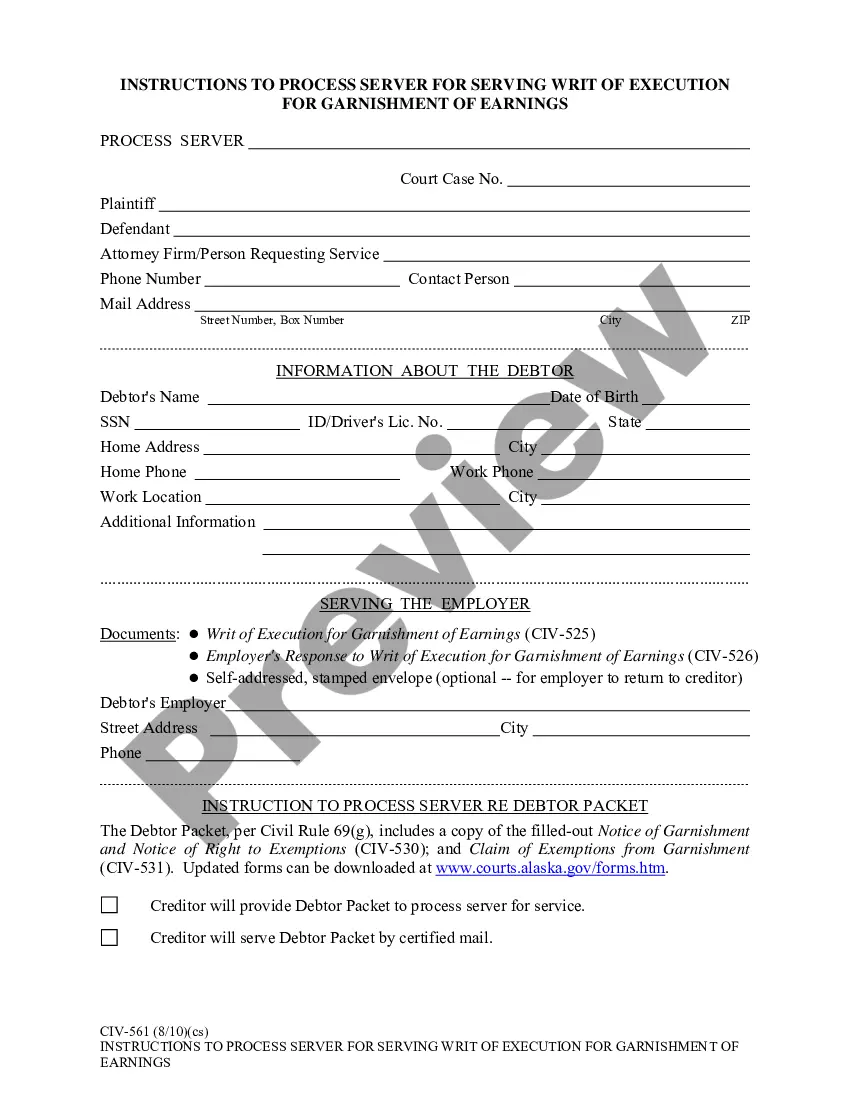
Agreement to Continue Payment of Monthly Spousal Support
What this document covers
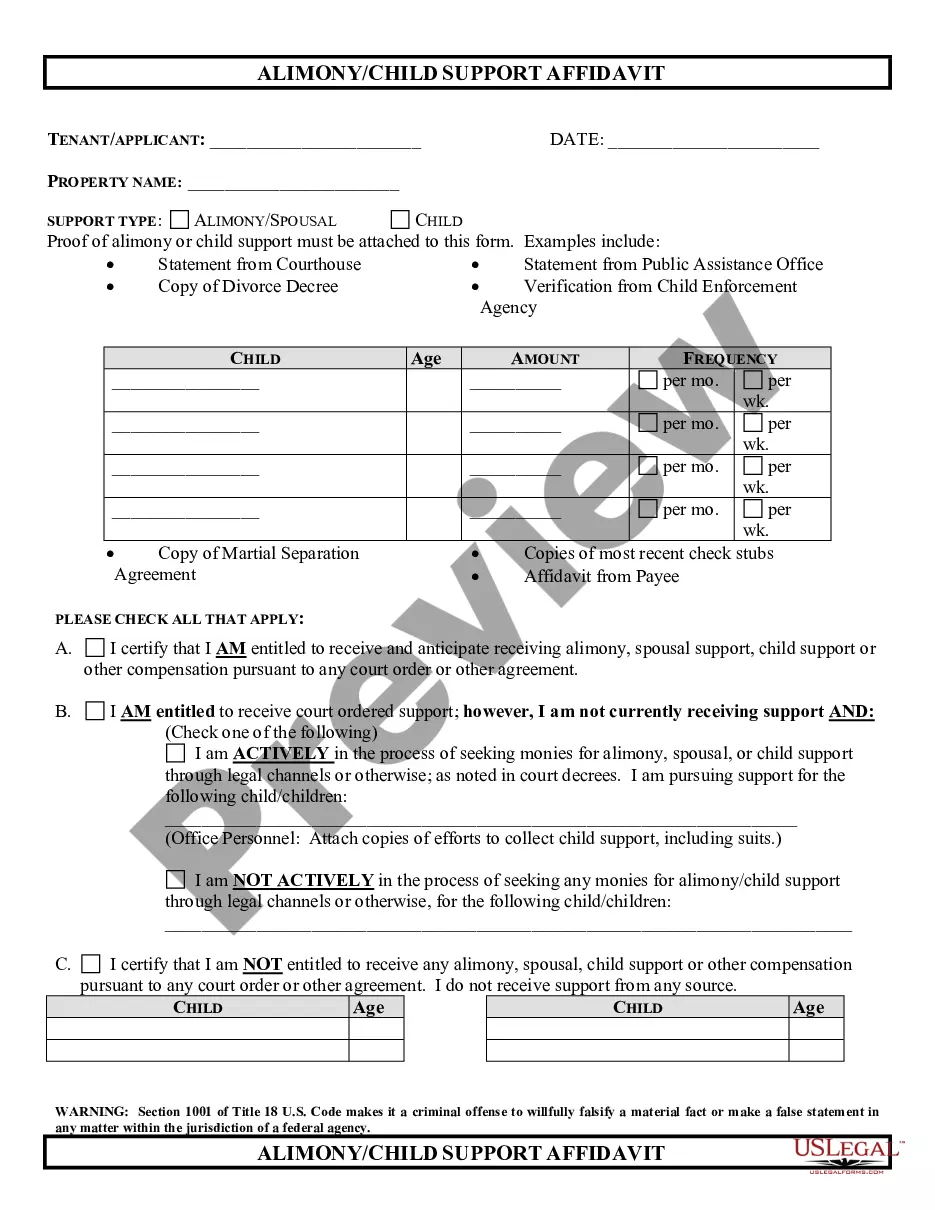
The Agreement to Continue Payment of Monthly Spousal Support is a legal document used by a former spouse (the former husband) to agree to continue providing financial support to his ex-wife for a specified period. This form is particularly important when the financial circumstances of the former wife have changed since the original spousal support order was issued. It helps to formalize this new arrangement while ensuring compliance with legal requirements.
Key parts of this document
- Date of the agreement and details of the parties involved.
- Reference to the original decree or judgment that established the initial spousal support terms.
- Amount of spousal support to be paid monthly.
- New termination date for the continued support payments.
- Signatures of both parties to affirm their agreement.


When to use this form
This form is used when the former husband agrees to extend spousal support payments due to a change in his former wife's financial situation. Common situations include job loss, unexpected medical expenses, or other financial hardships that necessitate continued support beyond the originally stipulated period.
Who can use this document
- Former spouses looking to modify existing spousal support agreements.
- Individuals experiencing changes in financial circumstances that affect their ability to receive or provide support.
- Families undergoing divorce proceedings where spousal support is a topic of discussion.
How to prepare this document
- Identify the date of the agreement and the names of both the former husband and wife.
- Provide the addresses of both parties to establish their residency.
- Reference the original court decree, including the court name and details of the ruling.
- Specify the amount of spousal support to be continued and outline the new payment timeline.
- Ensure both parties sign and date the agreement to validate its terms.
Notarization requirements for this form
Notarization is generally not required for this form. However, certain states or situations might demand it. You can complete notarization online through US Legal Forms, powered by Notarize, using a verified video call available anytime.
Get your form ready online
Our built-in tools help you complete, sign, share, and store your documents in one place.
Make edits, fill in missing information, and update formatting in US Legal Forms—just like you would in MS Word.
Download a copy, print it, send it by email, or mail it via USPS—whatever works best for your next step.
Sign and collect signatures with our SignNow integration. Send to multiple recipients, set reminders, and more. Go Premium to unlock E-Sign.
If this form requires notarization, complete it online through a secure video call—no need to meet a notary in person or wait for an appointment.
We protect your documents and personal data by following strict security and privacy standards.

Make edits, fill in missing information, and update formatting in US Legal Forms—just like you would in MS Word.

Download a copy, print it, send it by email, or mail it via USPS—whatever works best for your next step.

Sign and collect signatures with our SignNow integration. Send to multiple recipients, set reminders, and more. Go Premium to unlock E-Sign.

If this form requires notarization, complete it online through a secure video call—no need to meet a notary in person or wait for an appointment.

We protect your documents and personal data by following strict security and privacy standards.
Typical mistakes to avoid
- Not including the correct reference to the original court order.
- Failing to specify the new termination date for support payments.
- Missing signatures from either party, which can render the agreement invalid.
Why use this form online
- Instant access to professionally drafted legal templates.
- Convenience of downloading and filling out forms at your pace.
- Cost-effective solution compared to hiring an attorney for simple modifications.
Looking for another form?







Form popularity
FAQ
Buying or maintaining a life insurance policy to secure the alimony award; Using suitable assets by attaching a lien on some of the payer spouse's assets (however, the lien must be tailored exclusively to the alimony obligation);
Strategy 1: Avoid Paying It In the First Place. Strategy 2: Prove Your Spouse Was Adulterous. Strategy 3: Change Up Your Lifestyle. Strategy 4: End the Marriage ASAP. Strategy 5: Keep Tabs on Your Spouse's Relationship. Strategy 6: Have A Judge Evaluate Your Spouse's Fitness to Work. Strategy 7: Prove They Don't Need It.
Payment amount and the date received. Check number or money order number for the payment. Account number and bank name that the money was drawn on. A photocopy of the check you received or a copy of a receipt that you signed for a cash payment.
A refusal to pay spousal support is essentially a violation of court orders. To remedy this, courts have a substantial amount of discretion when it comes to punishments. A judge might impose a fine on your former spouse or even order jail time if he or she continues to disobey the court order.
If you stop making alimony payments (regardless of the reason), you could face civil or criminal charges for contempt of court. Contempt of court means that you violated a court order during your divorce proceedings.
If your settlement agreement or alimony order doesn't address the issue of when alimony can be modified, then either spouse is free to ask for a change to alimony by filing a request with the court.If a court accepts the reduced amount, a judge will issue a new alimony order.
Contempt: If your spouse has refused or failed to pay your alimony, a judge may find your spouse in contempt of the court.If your spouse continues to refuse to pay, the court can take additional actions, such as charging more fines or even jail time.
Often, a court will order a temporary modification, just for the period of changed circumstances. For example, if you're paying support and you lose your job, the court might reduce your support obligation for six months or until you find a new job, whichever happens sooner.
You'll need to file a motion (legal paperwork) with the court, and ask a judge to order your spouse to make the overdue payments and keep up with future payments. This is sometimes called a motion for enforcement or contempt.