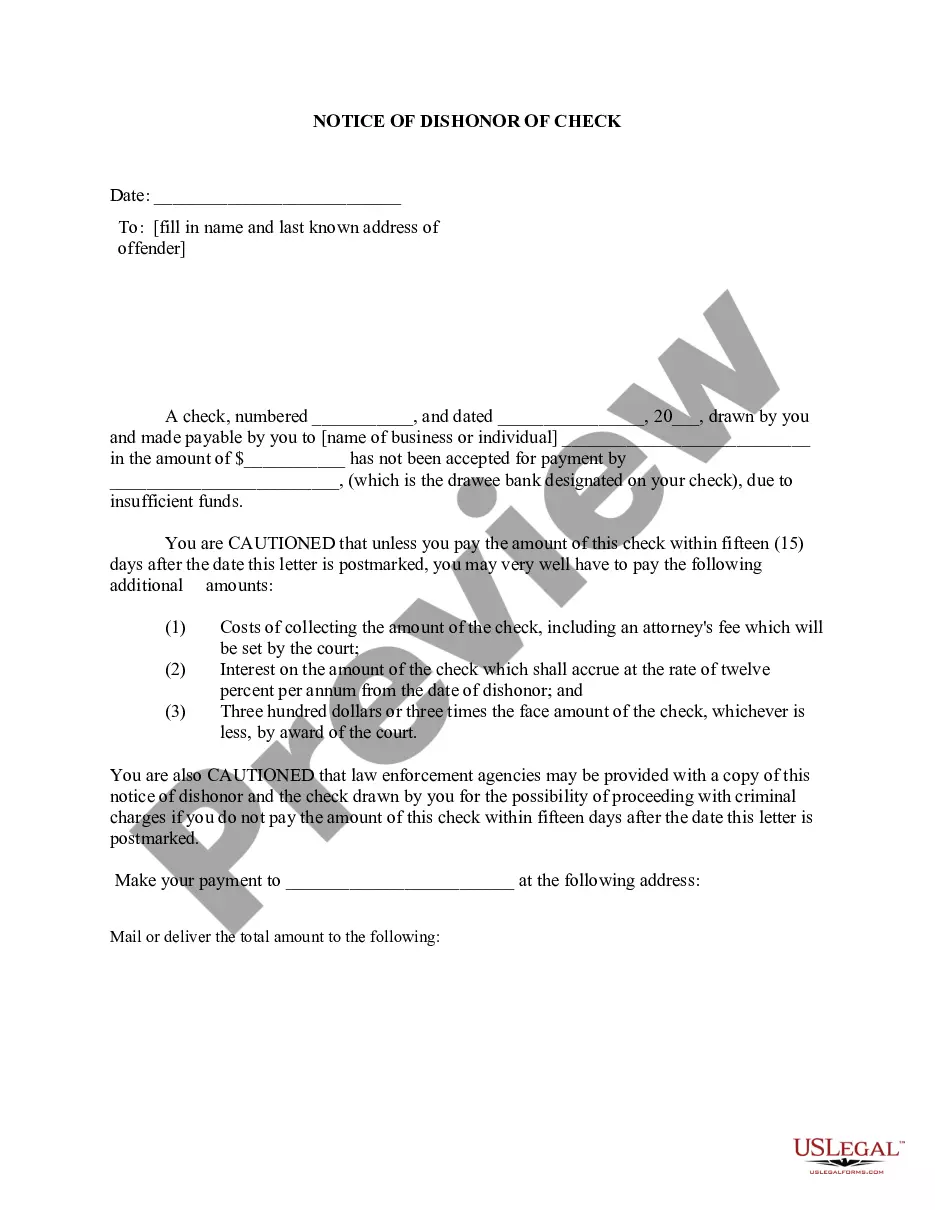
Agreement to Enter a Plea of Nolo Contendere
About this form
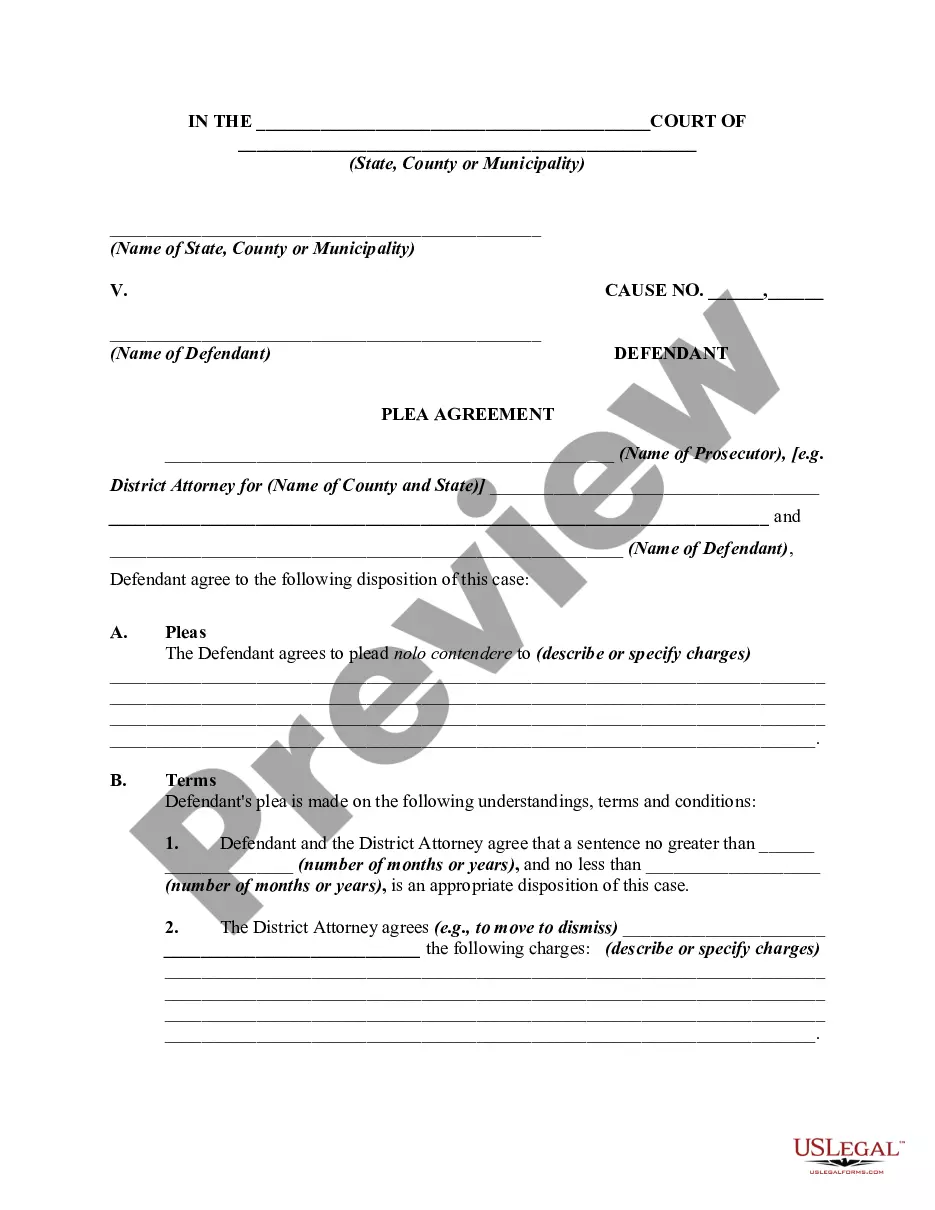
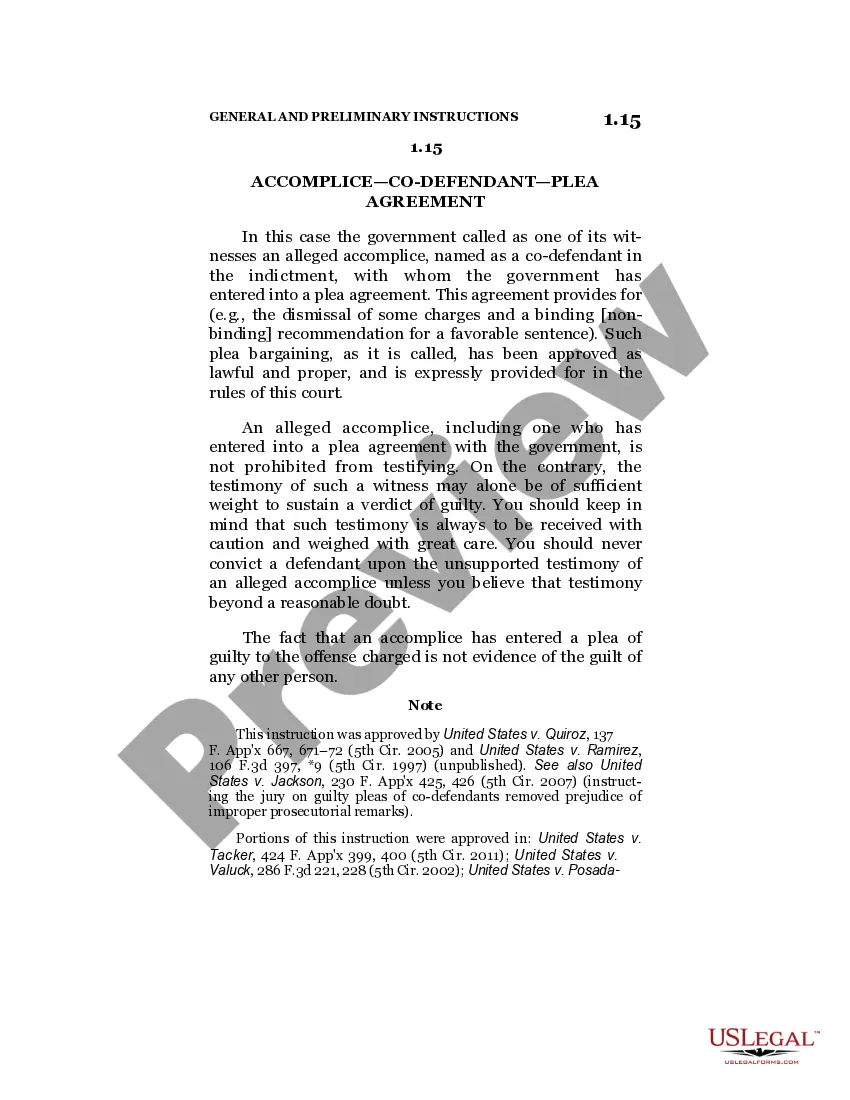
The Agreement to Enter a Plea of Nolo Contendere is a legal document that allows a defendant in a criminal case to plead "no contest" to the charges against them. By making this plea, the defendant does not admit guilt but accepts the court's judgment. This form is often used in plea bargain scenarios, differing from a standard guilty plea as it does not establish factual guilt for future civil matters.
Key parts of this document
- Case details: Includes the names of the state, county, and defendant.
- Plea statement: Specifies the charges to which the defendant is pleading nolo contendere.
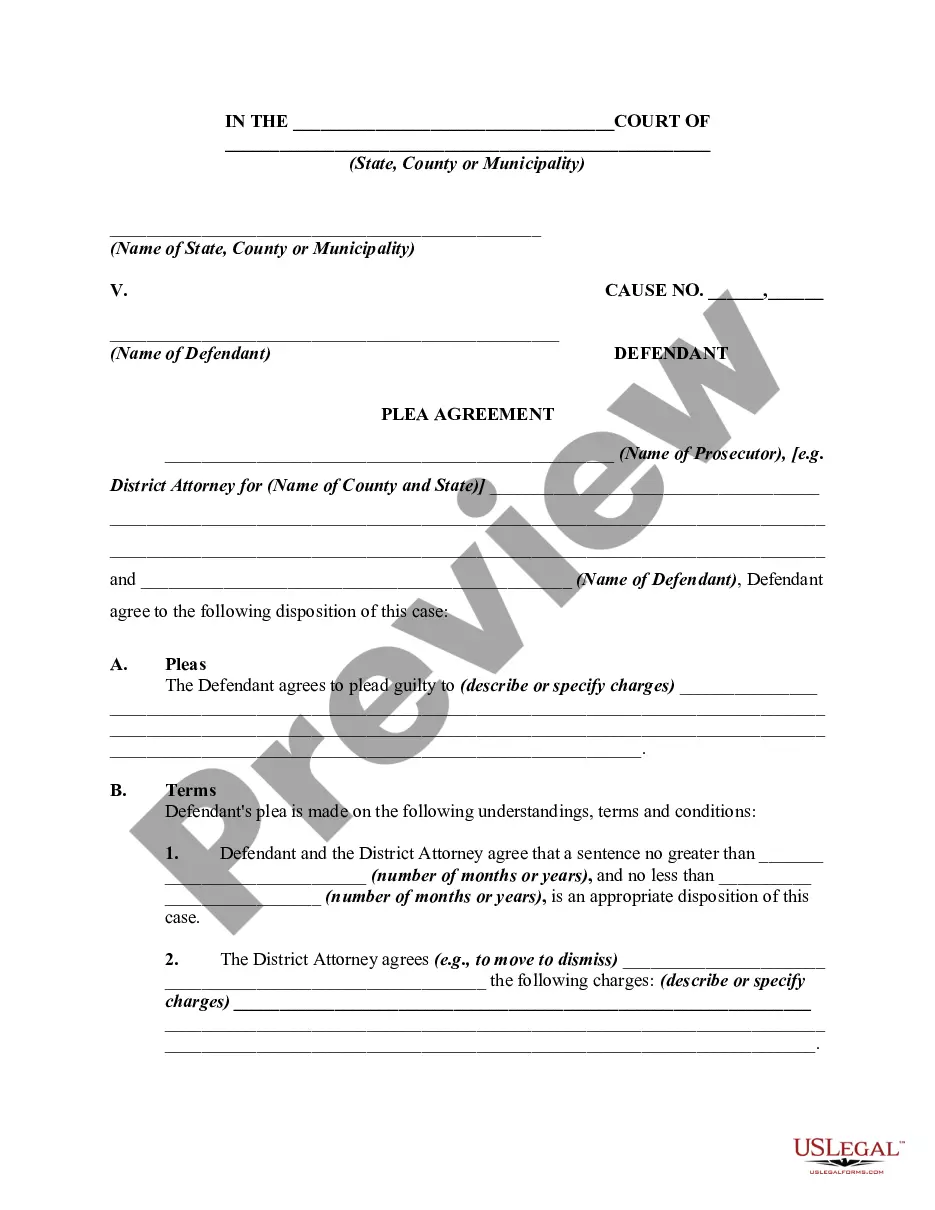
- Terms of agreement: Outlines recommended sentences and any charges to be dismissed by the prosecutor.
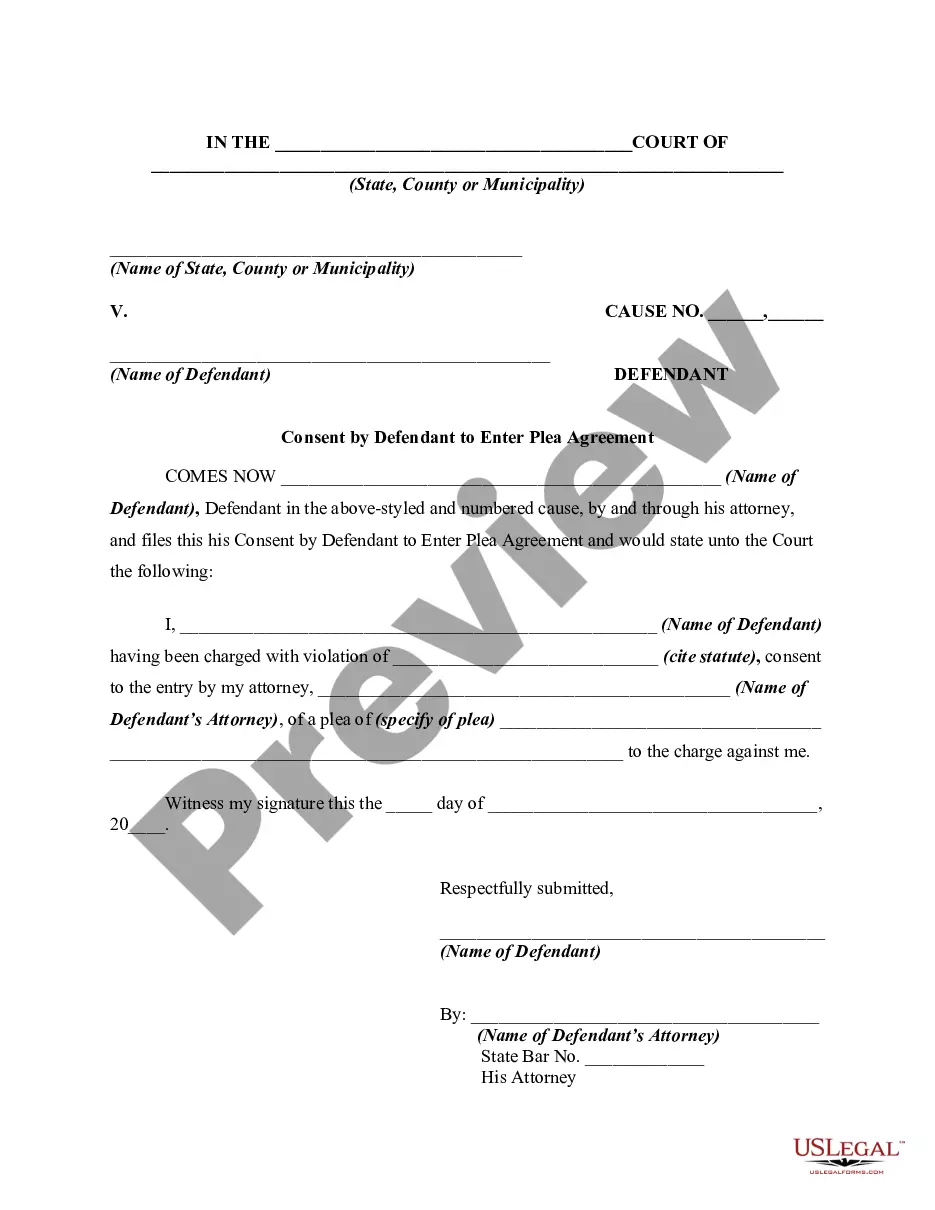
- Statements from both the defendant and their attorney confirming understanding of rights and agreement to the plea.
- Signature lines for the defendant, their attorney, and the district attorney, with dates for documentation.


When to use this form
This form is used when a defendant wishes to enter a plea of nolo contendere rather than contesting the charges. Typical scenarios include situations where the defendant wants to avoid a trial, possibly due to the risks associated with a guilty verdict and its implications for civil liability. It may also be beneficial in negotiating plea deals with the prosecutor, especially when seeking reduced sentences.
Intended users of this form
- Defendants in criminal cases who wish to plead nolo contendere.
- Individuals interested in negotiating plea bargains to mitigate potential penalties.
- Legal representatives acting on behalf of defendants who need to formalize a plea agreement.
Completing this form step by step
- Identify the jurisdiction by filling in the state, county, or municipality at the top of the form.
- Provide the name of the defendant and details regarding the charges being pled to.
- Specify the terms of the plea agreement, including sentence length and any charges to be dismissed.
- Ensure that both the defendant and their attorney read and sign the agreement, acknowledging their understanding of the terms.
- Secure the district attorney's signature to finalize the agreement.
Does this form need to be notarized?
This form does not typically require notarization to be legally valid. However, some jurisdictions or document types may still require it. US Legal Forms provides secure online notarization powered by Notarize, available 24/7 for added convenience.
Get your form ready online
Our built-in tools help you complete, sign, share, and store your documents in one place.
Make edits, fill in missing information, and update formatting in US Legal Forms—just like you would in MS Word.
Download a copy, print it, send it by email, or mail it via USPS—whatever works best for your next step.
Sign and collect signatures with our SignNow integration. Send to multiple recipients, set reminders, and more. Go Premium to unlock E-Sign.
If this form requires notarization, complete it online through a secure video call—no need to meet a notary in person or wait for an appointment.
We protect your documents and personal data by following strict security and privacy standards.

Make edits, fill in missing information, and update formatting in US Legal Forms—just like you would in MS Word.

Download a copy, print it, send it by email, or mail it via USPS—whatever works best for your next step.

Sign and collect signatures with our SignNow integration. Send to multiple recipients, set reminders, and more. Go Premium to unlock E-Sign.

If this form requires notarization, complete it online through a secure video call—no need to meet a notary in person or wait for an appointment.

We protect your documents and personal data by following strict security and privacy standards.
Common mistakes
- Failing to include accurate case details, such as the cause number or full names.
- Not specifying the exact terms of the plea agreement, which can lead to misunderstandings.
- Ignoring signatures or failing to have the necessary parties sign the document.
Why complete this form online
- Convenience of having access to a legally sound template that can be downloaded anytime.
- Editability allows users to customize the form according to their specific case details.
- Reliability ensured by forms drafted by licensed attorneys with legal expertise.
Looking for another form?




Form popularity
FAQ
There are three ways a defendant can plea during a court case: guilty, not guilty, and nolo contendere (also known as no contest).
Plea Bargaining: Areas of Negotiation Discusses the three main areas of negotiations involving plea bargains:charge bargaining,sentence bargaining, and fact bargaining.
A no-contest plea, known often by its Latin name "nolo contendere," has the same primary legal effects as a guilty plea. If you plead no contest to a criminal charge, you will have a conviction on your record, just as though you had pleaded guilty or been convicted after a trial.
The most common types of plea are "guilty" and "not guilty". Pleading guilty typically results in a more lenient punishment for the defendant; it is thus a type of mitigating factor in sentencing.
The purpose of entering a no contest plea is often to avoid being sued civilly for essentially confessing to a crime, which is the basis of a guilty plea.Pleading no contest or nolo contendere means you admit no guilt for the crime, but the court can determine the punishment.
In a criminal proceeding, a defendant may enter a plea of nolo contendere, in which the defendant does not accept or deny responsibility for the charges but agrees to accept punishment. The plea differs from a guilty plea because a "no contest" plea cannot be used against the defendant in another cause of action.
Guilty. Guilty is admitting to the offense or offenses. Not Guilty. Pleading not guilty is perhaps the most common plea entered in criminal court. No Contest. Withdrawing a Plea.
A nolo contendere plea may be appropriate "where the defendant would not be able to supply a sufficient factual basis for a guilty plea because he or she was intoxicated on the night of the incident, where there is the possibility of future civil litigation resulting from the offense, or where a defendant cannot
As a defendant, you should understand the criminal process, and the various types of pleas available to you. These pleas include: not guilty, guilty, and no contest (nolo contendere).