Lease of Storage Space for Household Goods
What this document covers
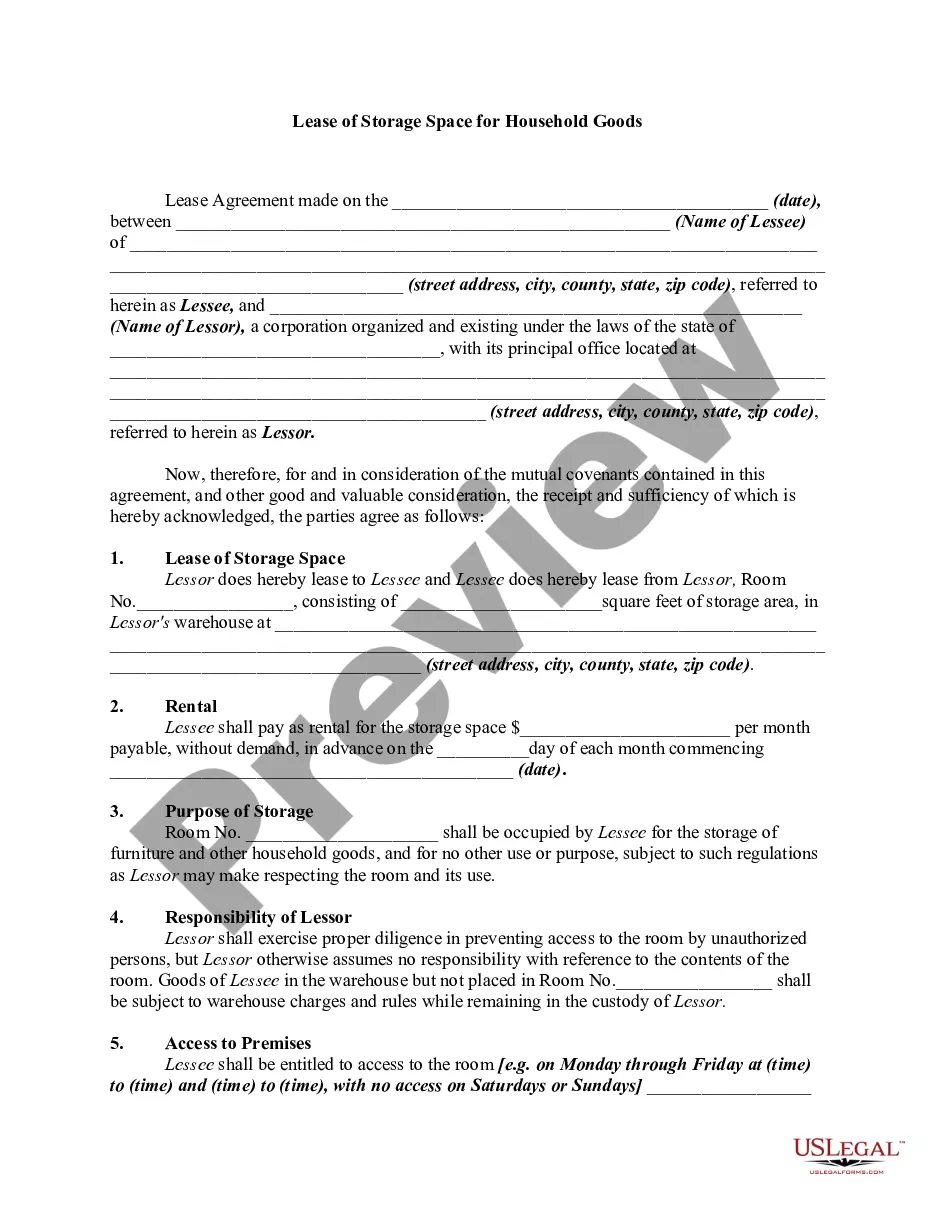
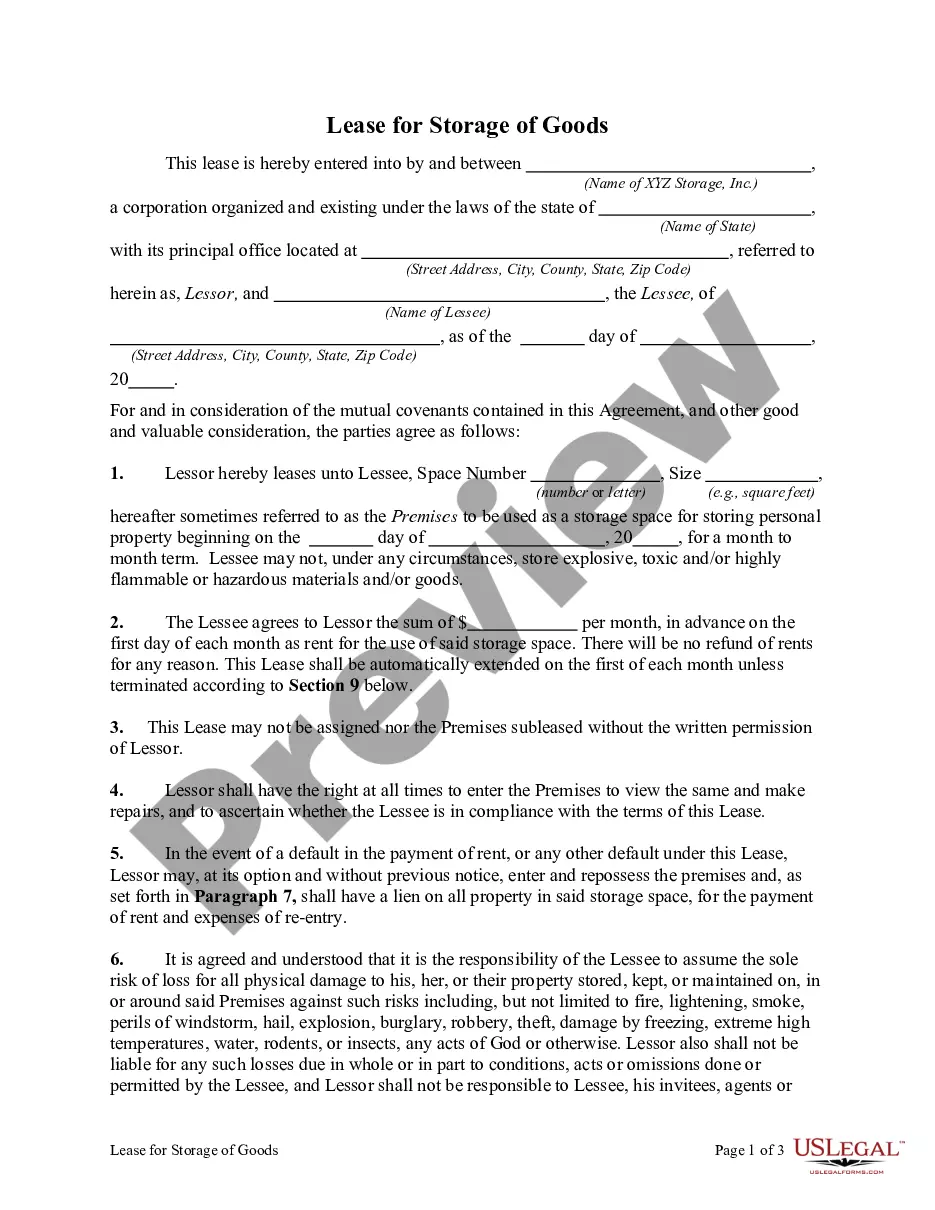
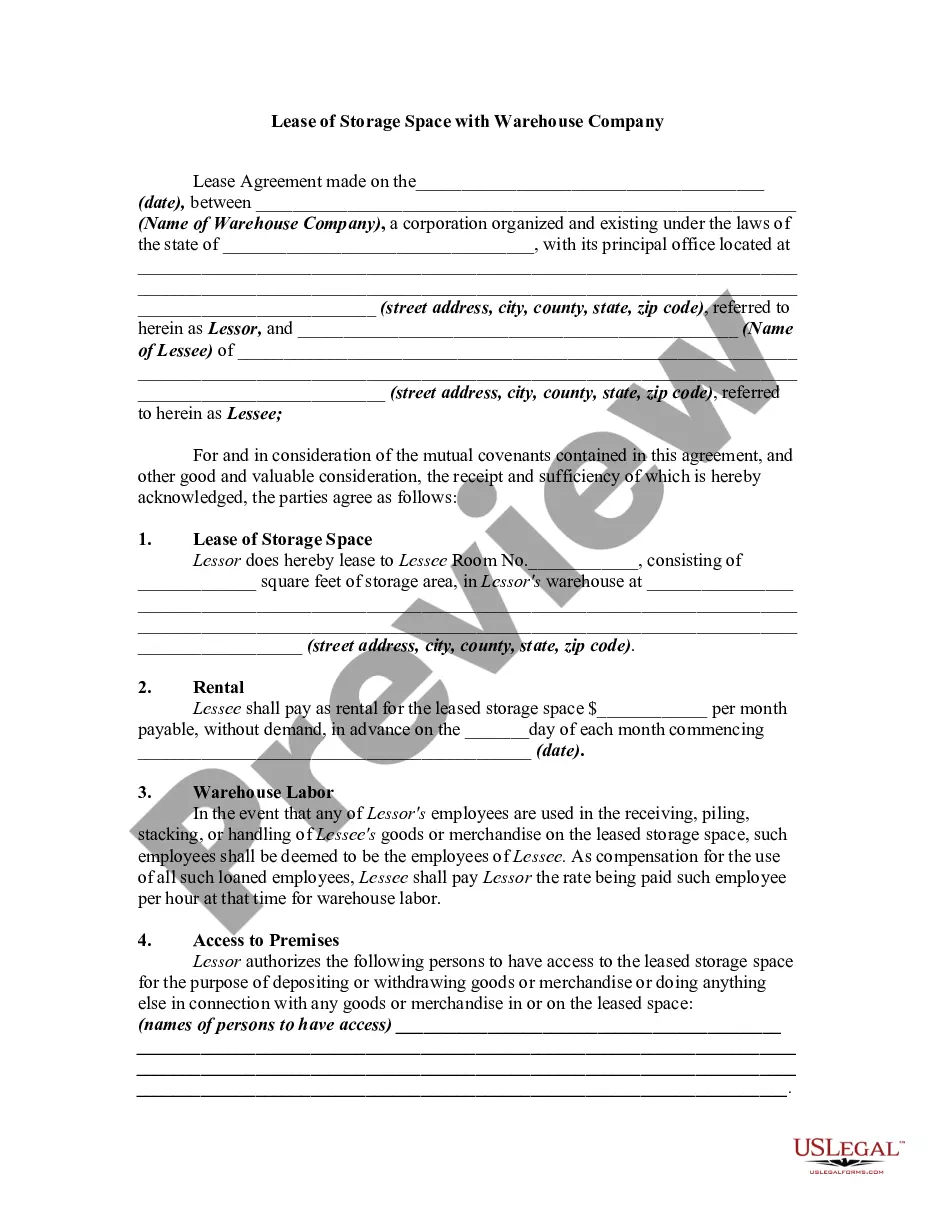
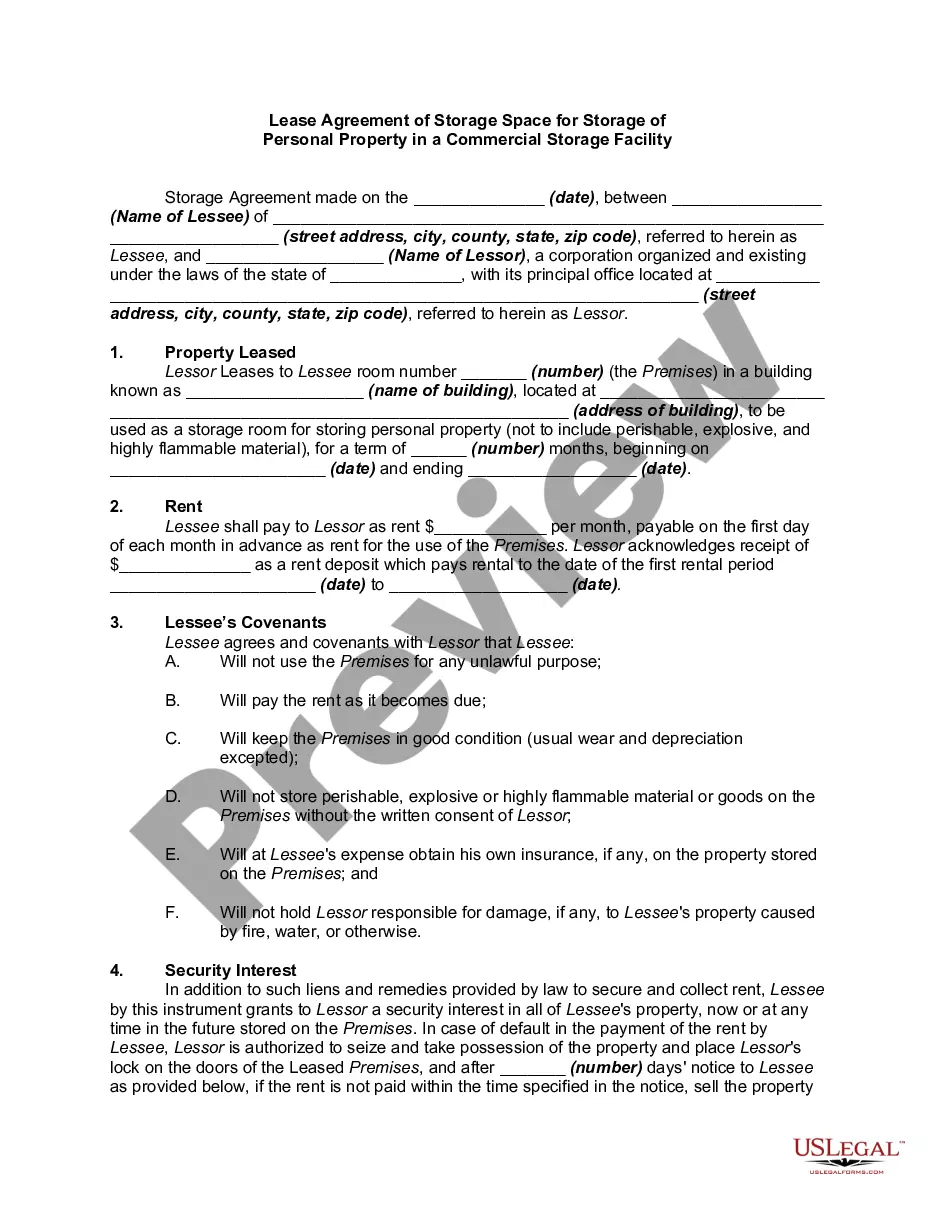
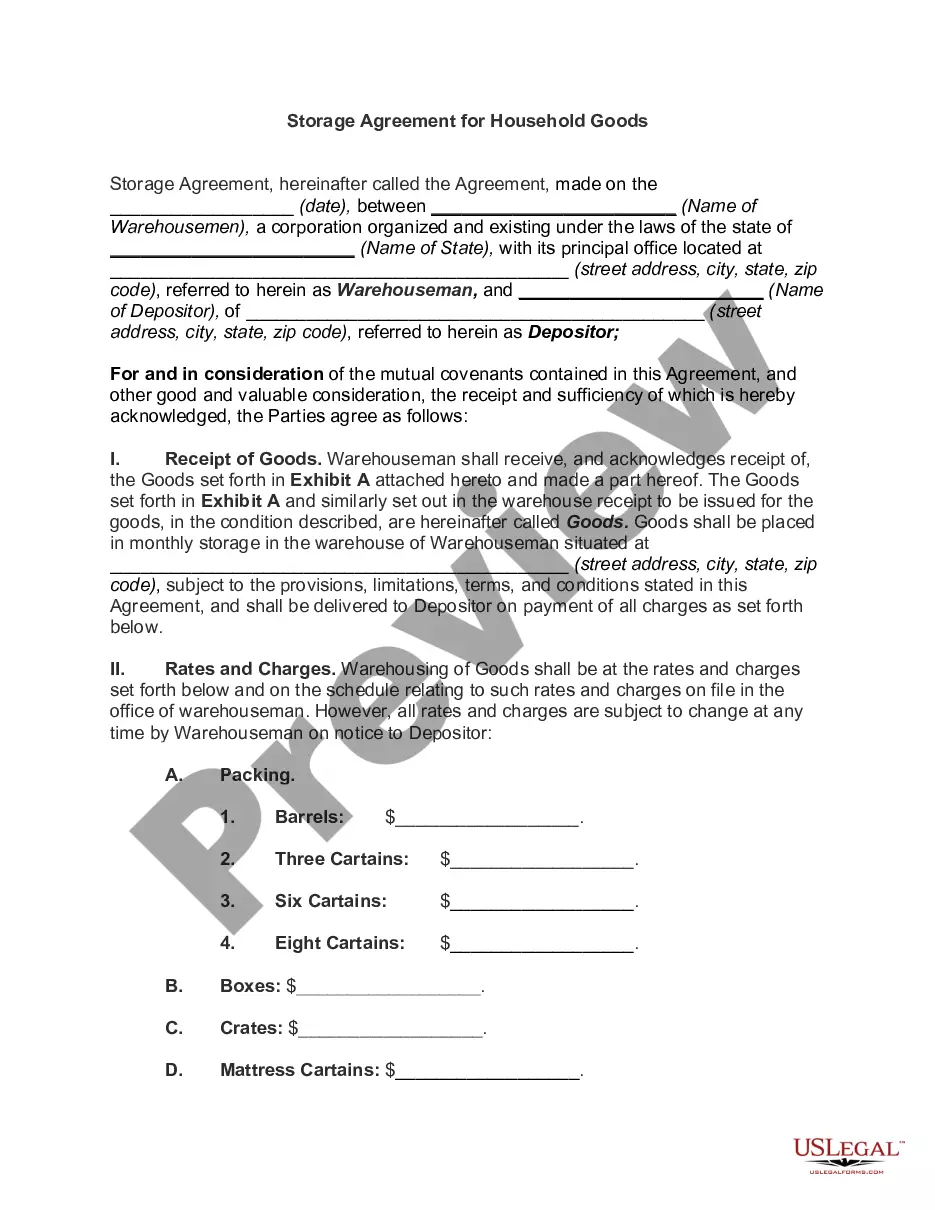
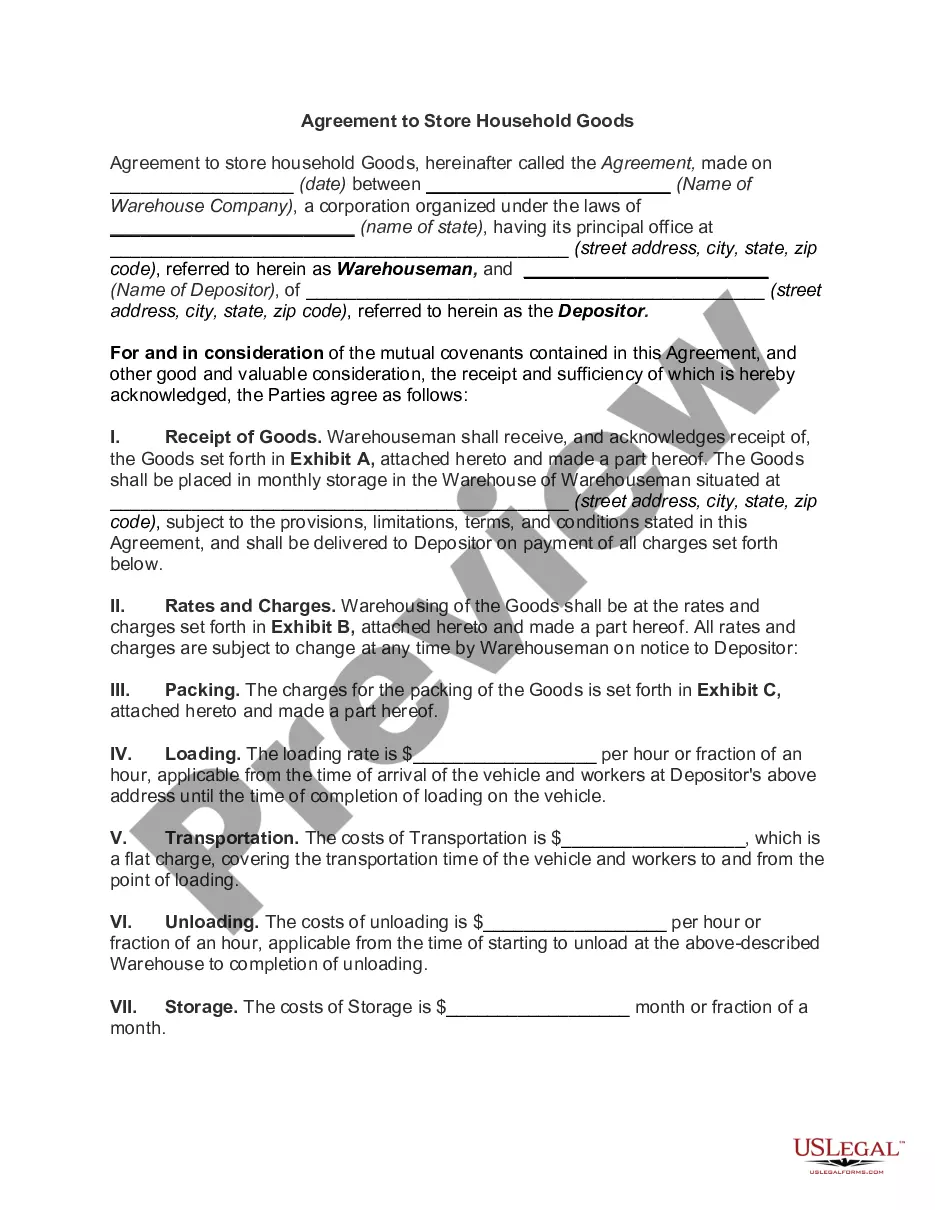
The Lease of Storage Space for Household Goods is a legal document that outlines the terms and conditions under which an individual (Lessee) leases storage space from a company or individual (Lessor) for household items. This lease differs from a bailment as it establishes a legal right for the Lessee to access and control their stored goods, differentiating it from other warehousing agreements. It serves to clarify the rights and responsibilities of both parties in the storage arrangement.
Main sections of this form
- Lease Agreement introduction, specifying parties involved and effective date.
- Detail of the storage space being leased, including size and location.
- Rental details including payment amount and schedule.
- Usage restrictions, specifically noting the types of goods that can be stored.
- Access regulations outlining when and how the Lessee can access the storage space.
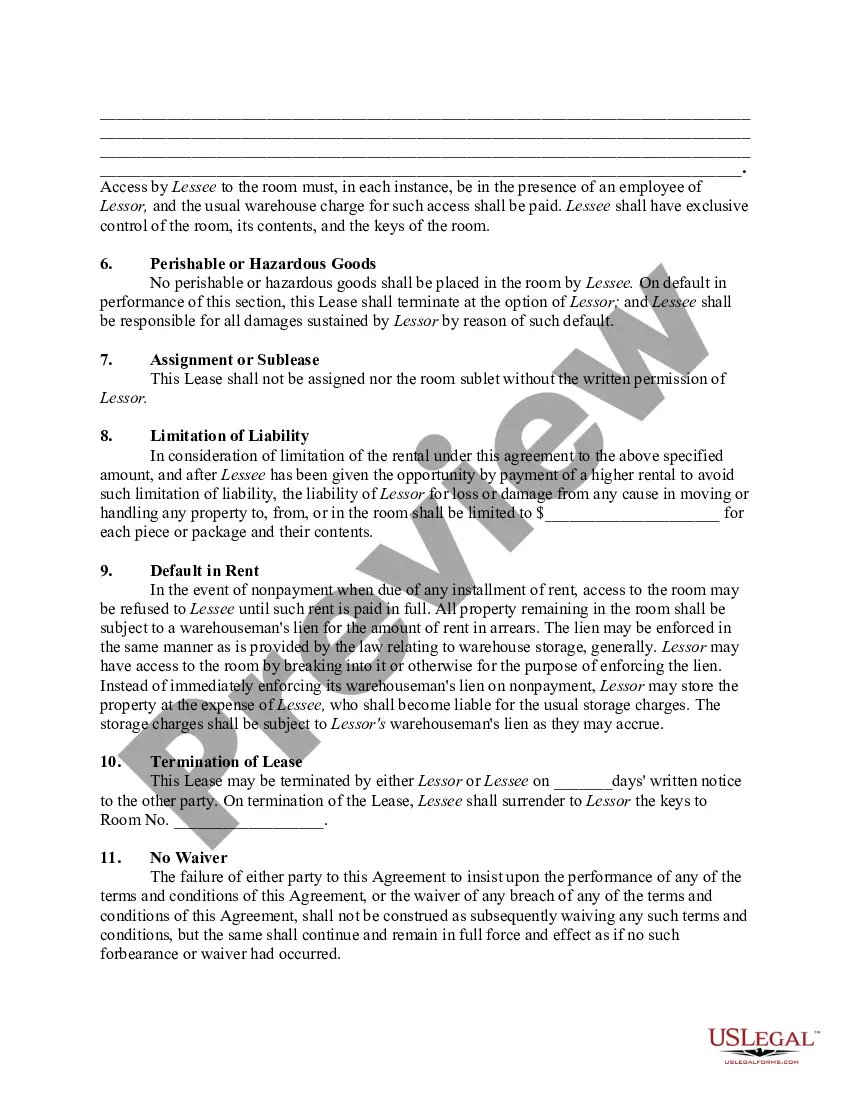
- Liability limitations to protect the Lessor from loss or damage claims.
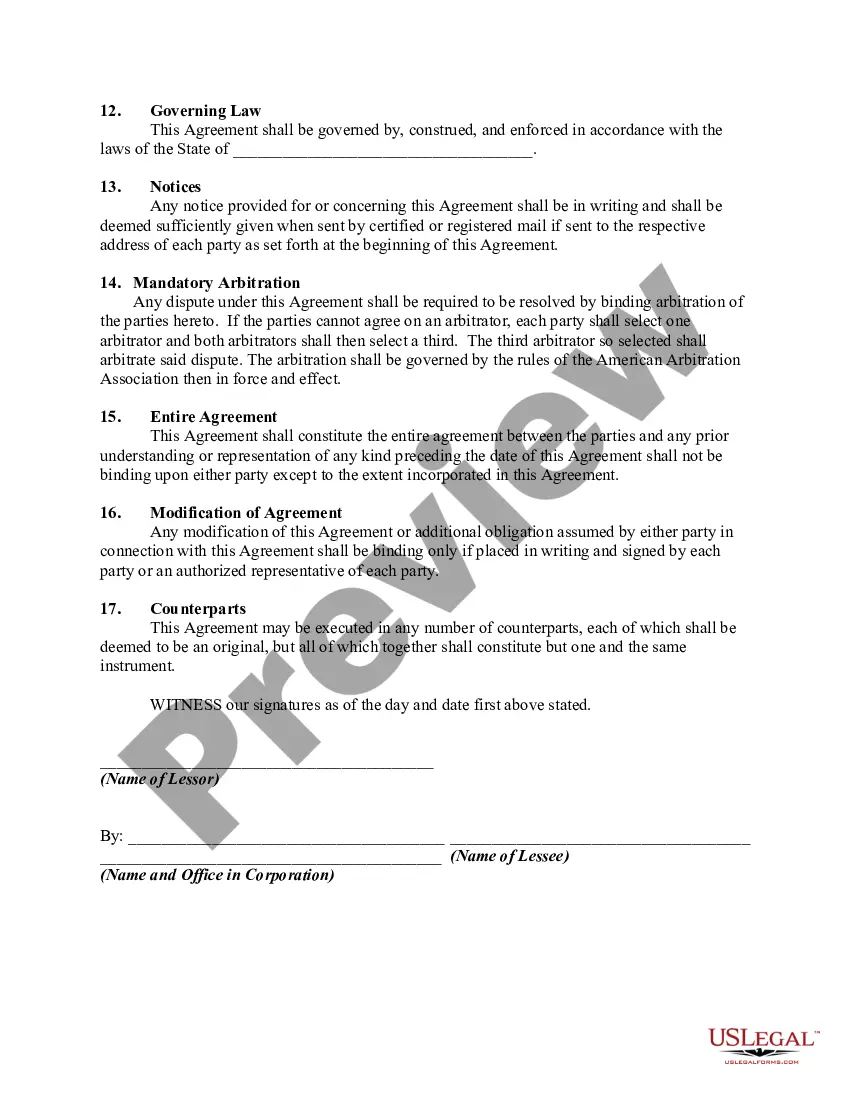
- Termination conditions indicating how and when the lease can be ended.
Situations where this form applies
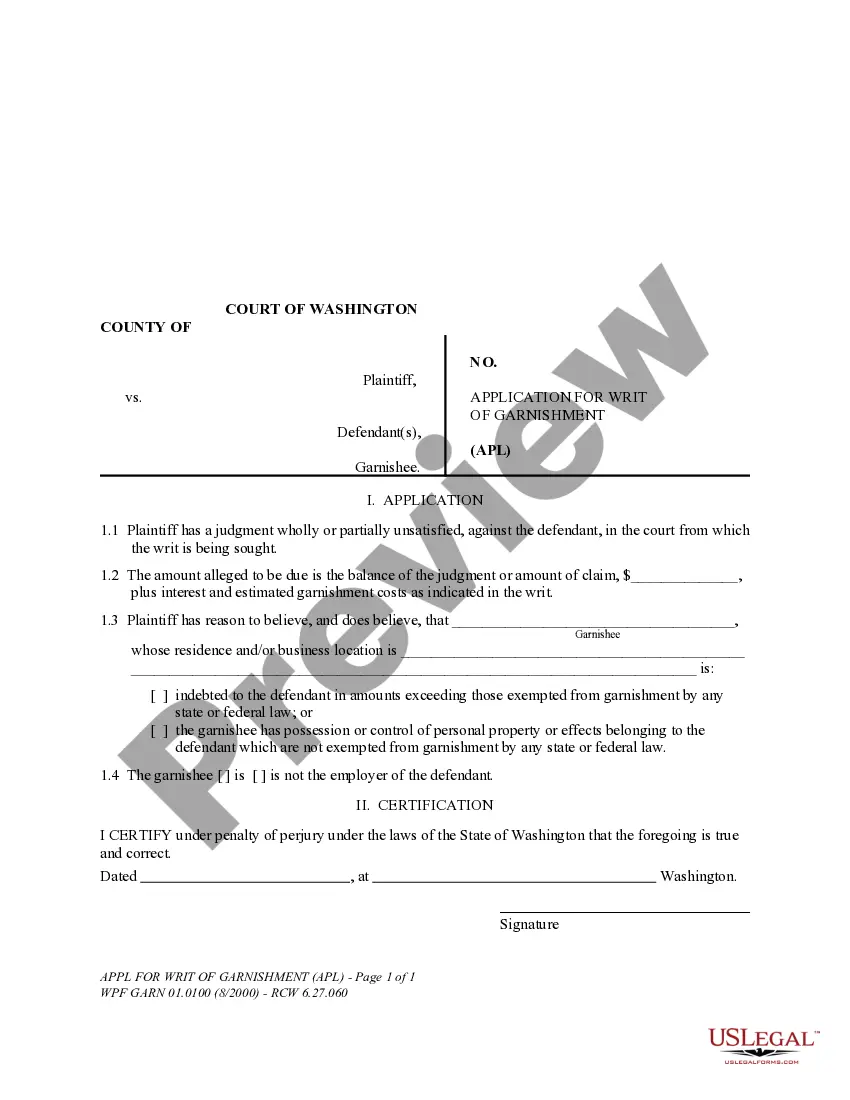
This form is useful when an individual or business needs to rent space in a warehouse or storage facility to store household goods, especially when they require direct access to their items. It is appropriate for short-term or long-term storage needs, and helps to formalize conditions such as payment, access times, and liability for stored goods.
Who this form is for
- Individuals or families looking to store household items temporarily or for an extended period.
- Small business owners needing extra space to keep inventory or equipment.
- Storage facility operators wanting to outline agreements with customers.
- Anyone who needs a formal arrangement regarding the rental of storage space.
Instructions for completing this form
- Identify the parties involved (Lessee and Lessor) and fill in their names and addresses.
- Specify the effective date of the lease agreement.
- Indicate the room number and dimensions of the storage space being leased.
- Set the rental amount and specify payment terms, including due dates.
- Outline the access schedule for the Lessee to the storage space.
- Sign and date the agreement to finalize the terms between both parties.
Is notarization required?
This form does not typically require notarization unless specified by local law. However, it is advisable to check state regulations regarding lease agreements to ensure compliance.
Get your form ready online
Our built-in tools help you complete, sign, share, and store your documents in one place.
Make edits, fill in missing information, and update formatting in US Legal Forms—just like you would in MS Word.
Download a copy, print it, send it by email, or mail it via USPS—whatever works best for your next step.
Sign and collect signatures with our SignNow integration. Send to multiple recipients, set reminders, and more. Go Premium to unlock E-Sign.
If this form requires notarization, complete it online through a secure video call—no need to meet a notary in person or wait for an appointment.
We protect your documents and personal data by following strict security and privacy standards.

Make edits, fill in missing information, and update formatting in US Legal Forms—just like you would in MS Word.

Download a copy, print it, send it by email, or mail it via USPS—whatever works best for your next step.

Sign and collect signatures with our SignNow integration. Send to multiple recipients, set reminders, and more. Go Premium to unlock E-Sign.

If this form requires notarization, complete it online through a secure video call—no need to meet a notary in person or wait for an appointment.

We protect your documents and personal data by following strict security and privacy standards.
Avoid these common issues
- Failing to clearly define the storage space dimensions and location.
- Not specifying the rental payment methods or due dates.
- Omitting key restrictions on stored items (e.g., hazardous materials).
- Inadequately outlining access times or procedures.
- Not including cancellation terms or the procedure for ending the lease.
Benefits of completing this form online
- Quick and easy access to a professionally drafted lease agreement.
- Ability to customize the form to fit individual needs by entering specific details.
- Cost-effective solution, avoiding legal fees for drafting a similar document from scratch.
- Convenient download options, allowing immediate use and filing.
Legal use & context
- This lease creates a legal agreement binding both the lessee and the lessor.
- Understanding the limitations of liability can help both parties manage their risks properly.
- The terms outlined within this lease support enforceability, should any disputes arise.
Main things to remember
- This lease agreement governs the rental of storage space specifically for household goods.
- It provides legal clarity on the usage, payment, and access to the stored items.
- Ensuring all terms are agreed upon in writing can prevent potential disputes.
- Always review state-specific requirements that may pertain to storage leases.
Key terms explained
- Lessee: The person or entity renting the storage space.
- Lessor: The property owner or company that owns the storage facility.
- Bailment: A legal relationship where possession of personal property is transferred from one party to another.
- Storage space: The designated area within a facility used for storing goods.
Looking for another form?
Form popularity
FAQ
Instead the storage space actually should be classified as rent. That means the rental charge would be added to any other rental charges you might incur for leased space, such as for an office or factory, and deducted as a business expense as part of the rental category, says Mark H.
If you're looking to save space, try storing belongings in a vertical position. Also, all large and heavy items should be placed on the bottom. If laying your mattress flat, avoid putting it at the very bottom of the storage unit, as belongings on top are sure to put pressure on the padding and springs.
Yes, a storage unit for your business is a tax-deductible expense.
No. Living in a storage unit is prohibited by various local and federal housing laws.In another instance, police had to vacate multiple residents from a storage facility due to health concerns. The authorities further stressed that it's illegal to live in an area not zoned for residential use.
You can deduct the expenses of moving your household goods and personal effects, including expenses for hauling a trailer, packing, crating, in-transit storage, and insurance. You can't deduct expenses for moving furniture or other goods you bought on the way from your old home to your new home.
If you're a cash basis taxpayer, you can't deduct uncollected rents as an expense because you haven't included those rents in income. Repair costs, such as materials, are usually deductible.
General Tax Deduction Rules For businesses, rental expenditures for a storage facility are considered a tax deduction if the expense is ordinary and necessary for the business according to the Internal Revenue Service (IRS) rules.
When you rent a storage unit, you're often offered additional insurance to cover any possible damage to the contents.While renter's insurance cover fire, they don't often cover water damage. You could be left on the hook. The storage unit insurance usually caps the total value of the items in the unit.
It doesn't matter if you're renting a storage unit for a short or longer period of time. You will have to sign a contract with the company you're renting from. And since it's not that uncommon that people don't understand the papyrology, signing this contract can be stressful.