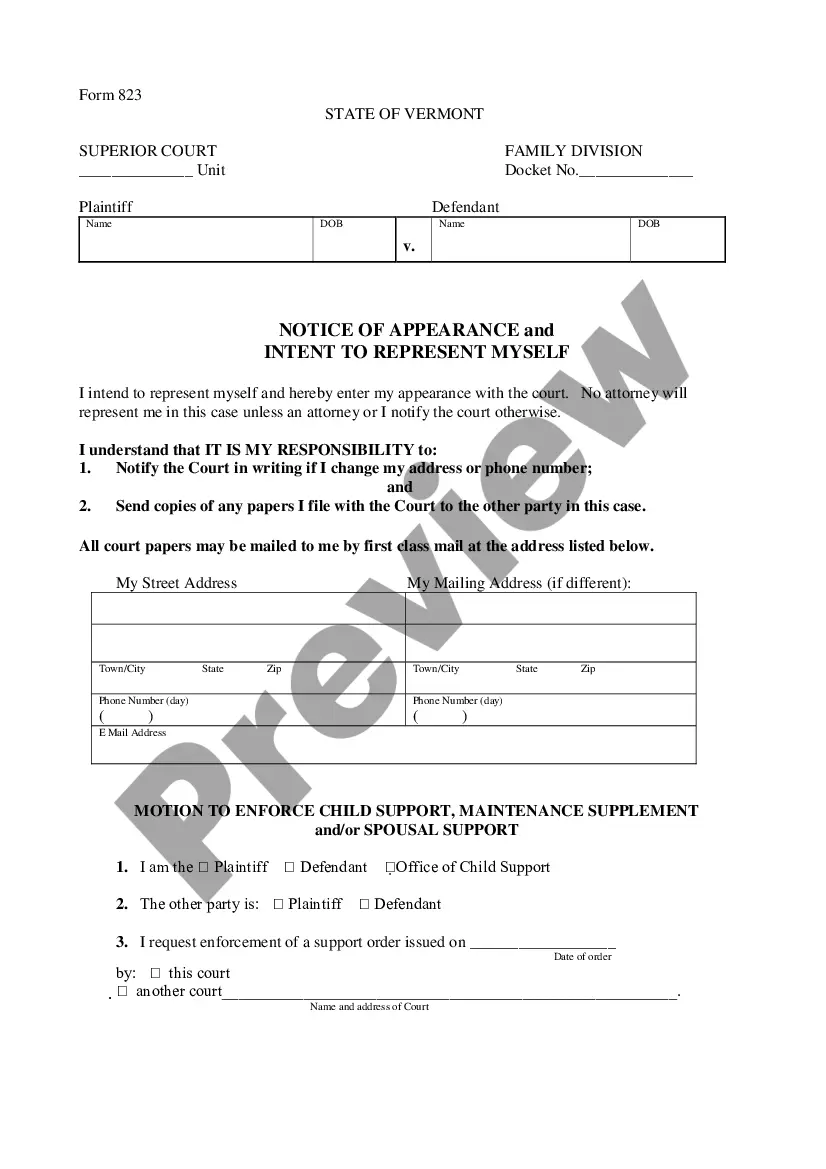
Motion of Defendant to Discharge or Quash Writ of Garnishment and Notice of Motion
About this form
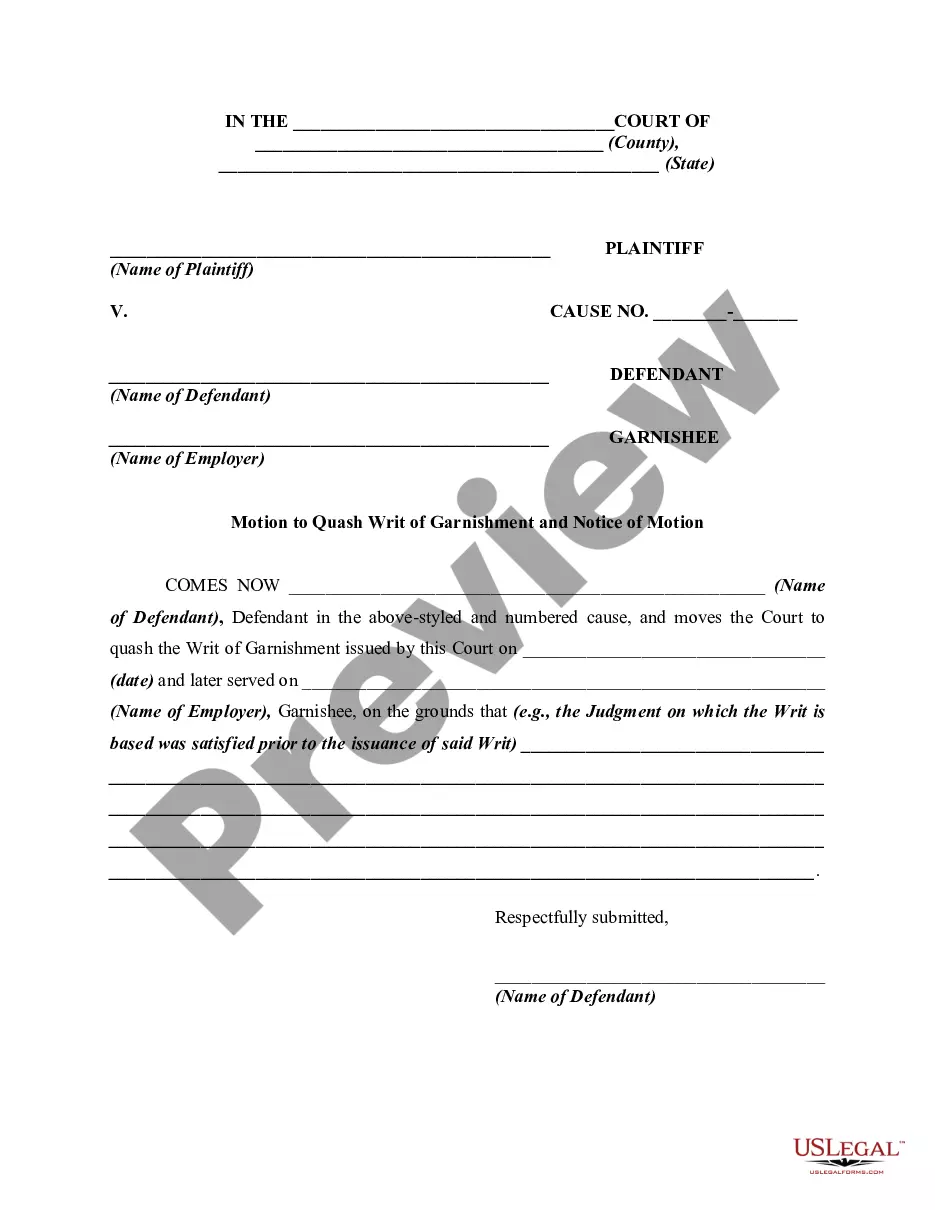
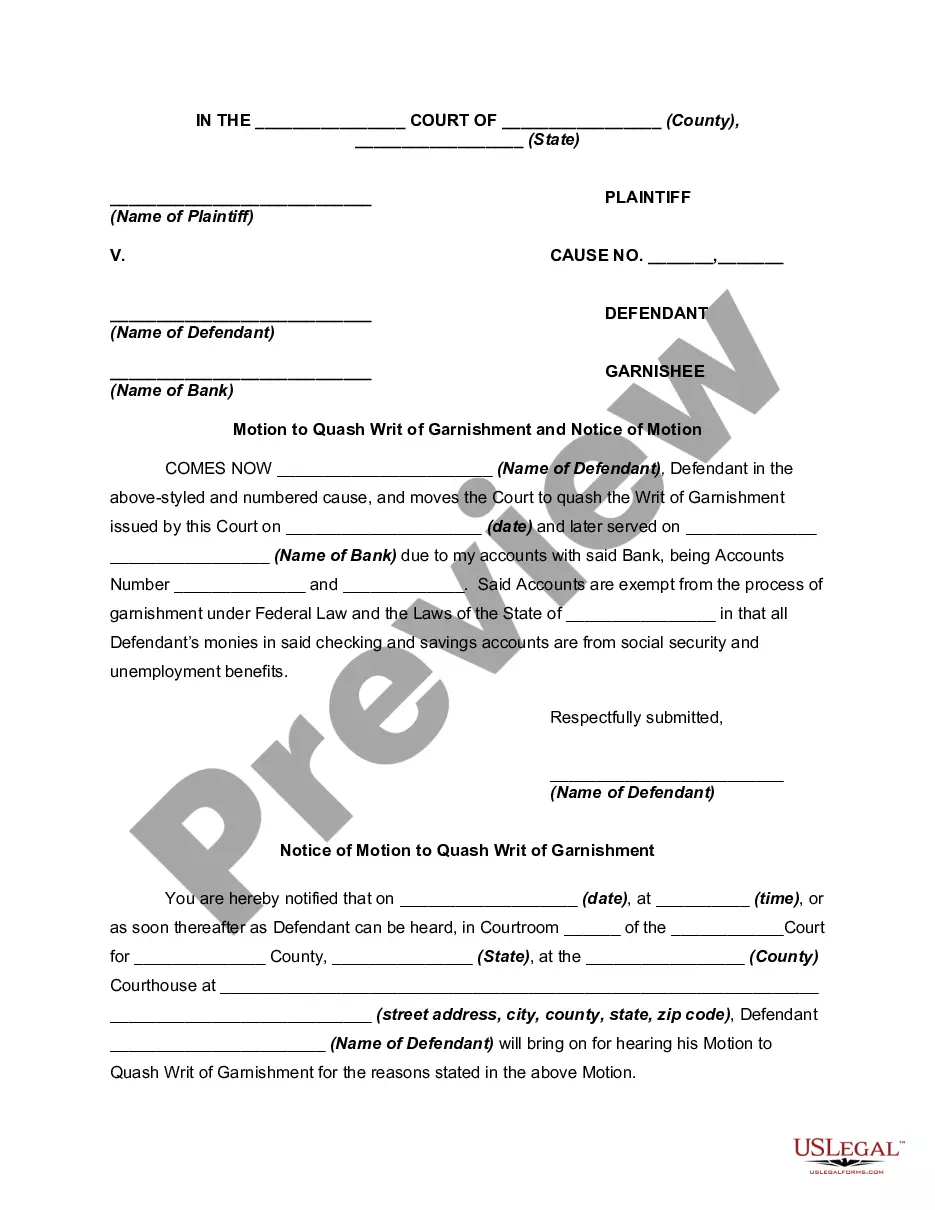
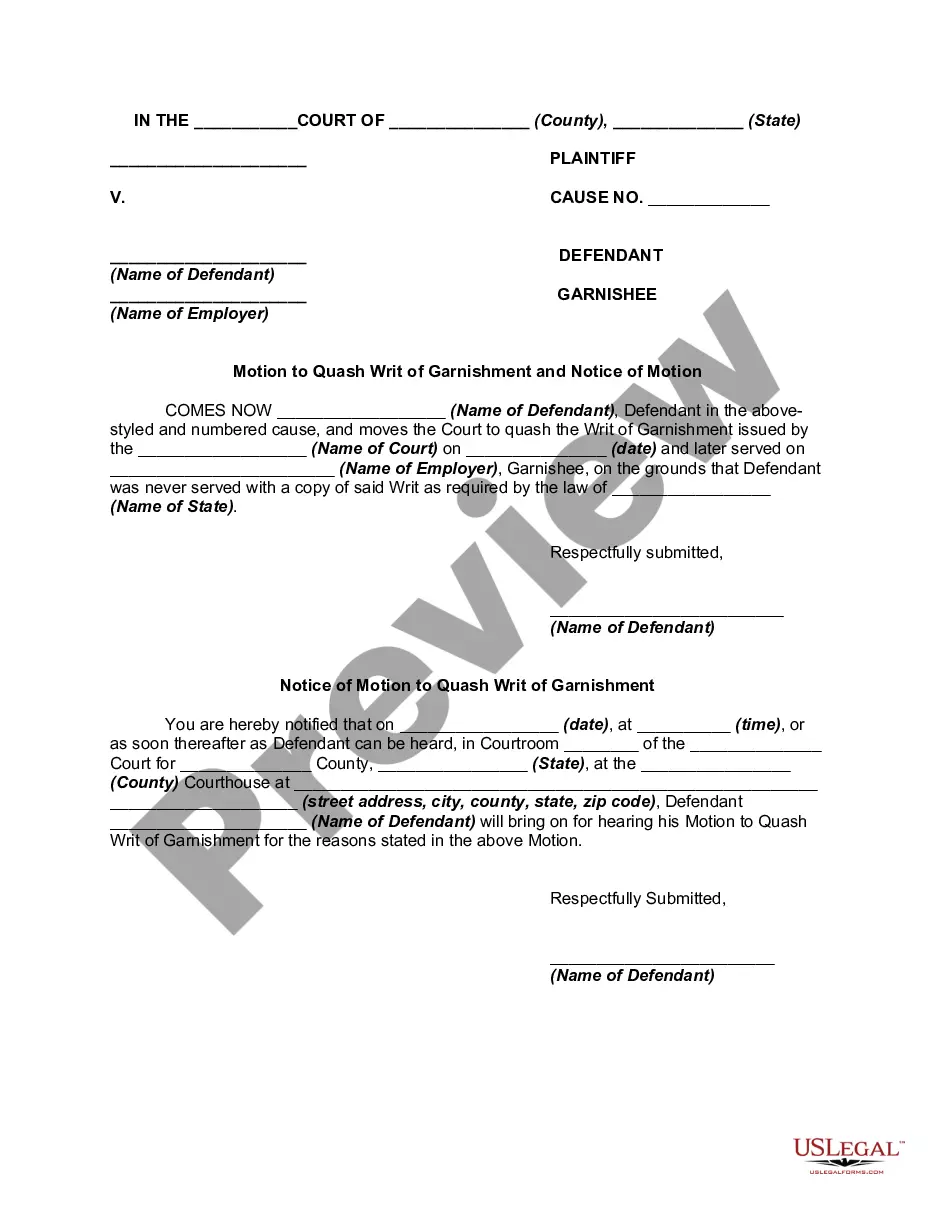
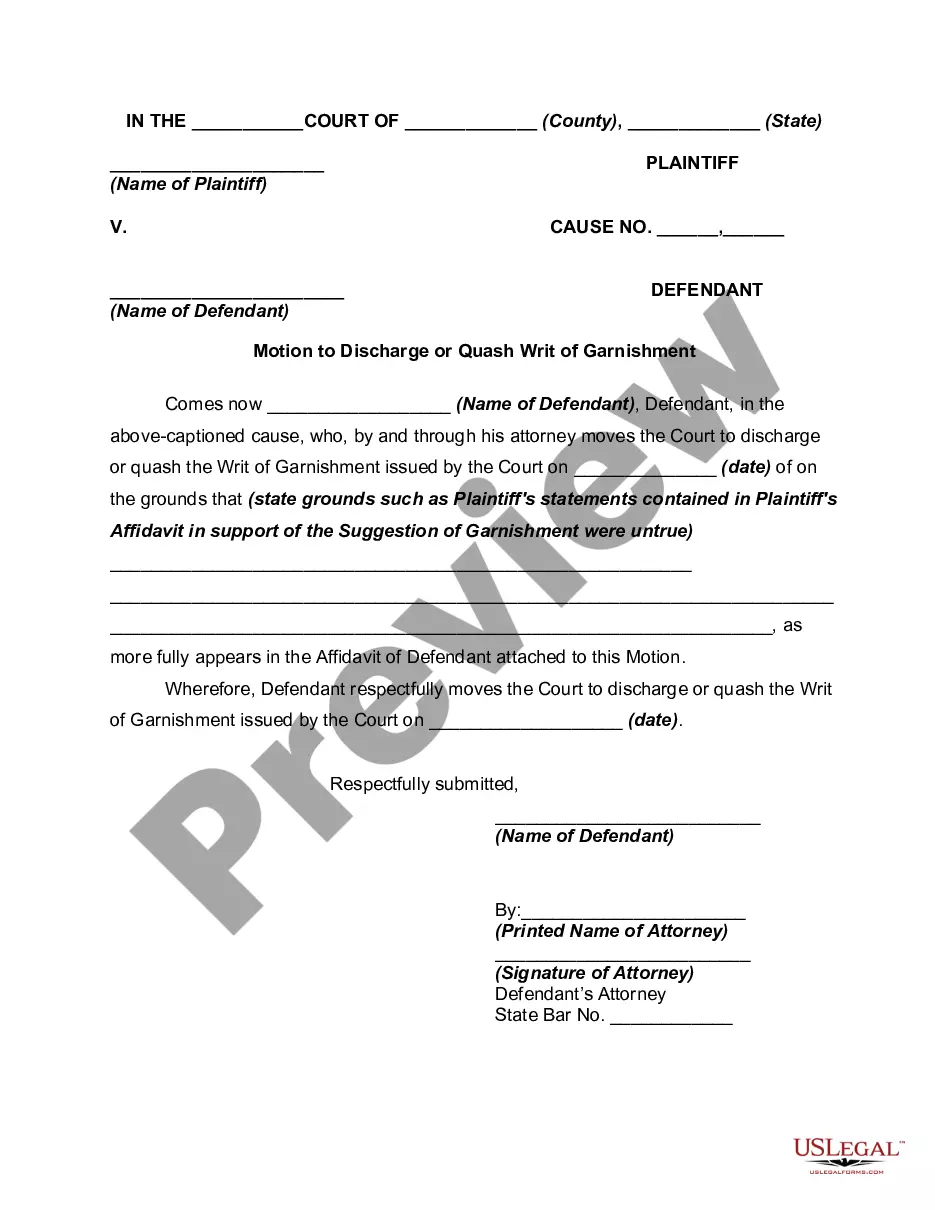
The Motion of Defendant to Discharge or Quash Writ of Garnishment is a legal document used to challenge a court's order for garnishment. This form allows the defendant to request that the court quash or cancel the writ of garnishment, which is often used to withhold a portion of their wages for debt repayment. Unlike similar forms, this motion includes specific grounds for the request, which may vary based on local laws and individual circumstances. It follows the notice pleadings format of the Federal Rules of Civil Procedure, ensuring compliance with most state regulations.
Key parts of this document
- Name of the Plaintiff and Defendant involved in the garnishment case.
- Details about the Garnishee, typically the employer withholding wages.
- The grounds for requesting the quashing of the writ of garnishment.
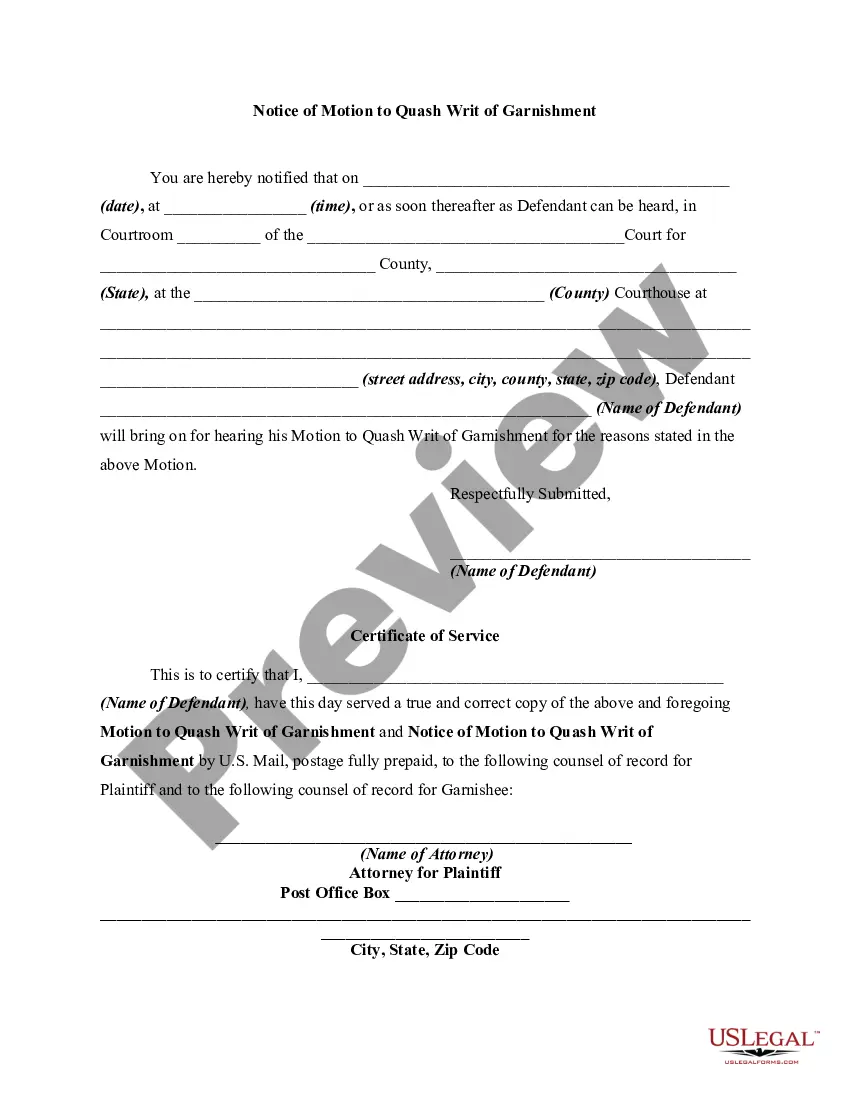
- Notice of the motion hearing date, time, and location.
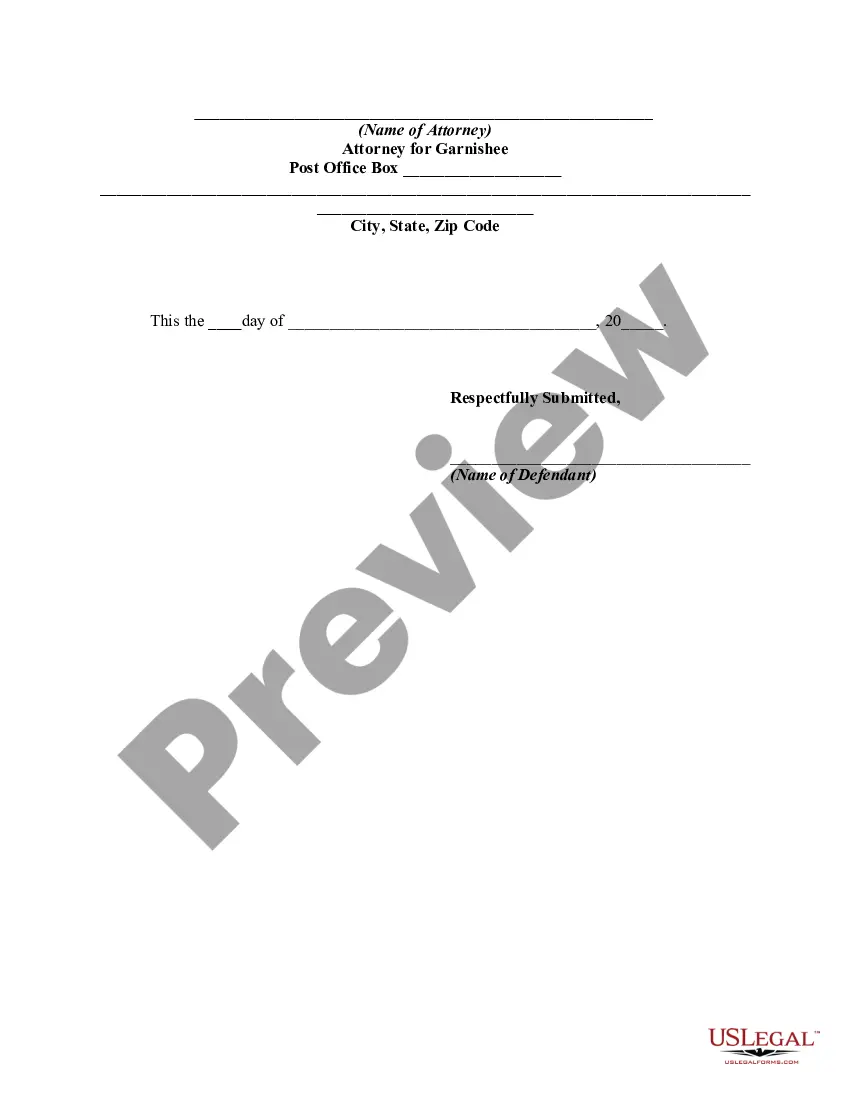
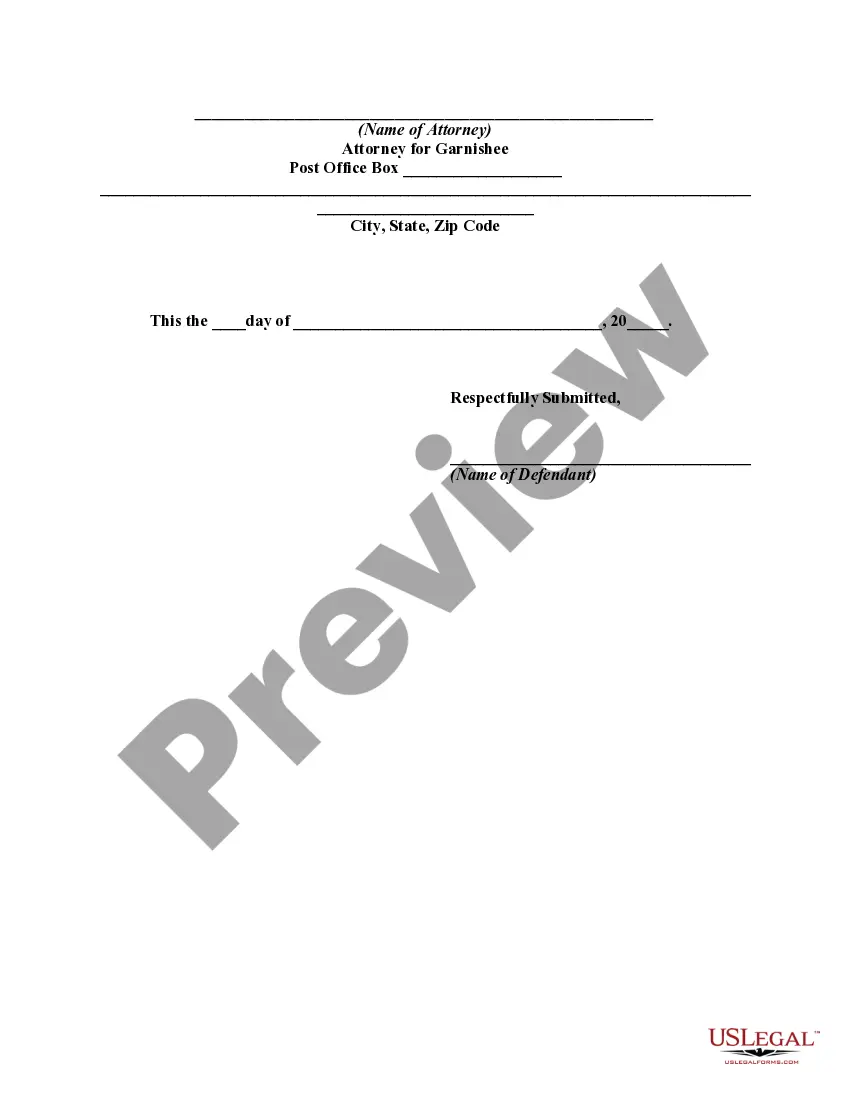
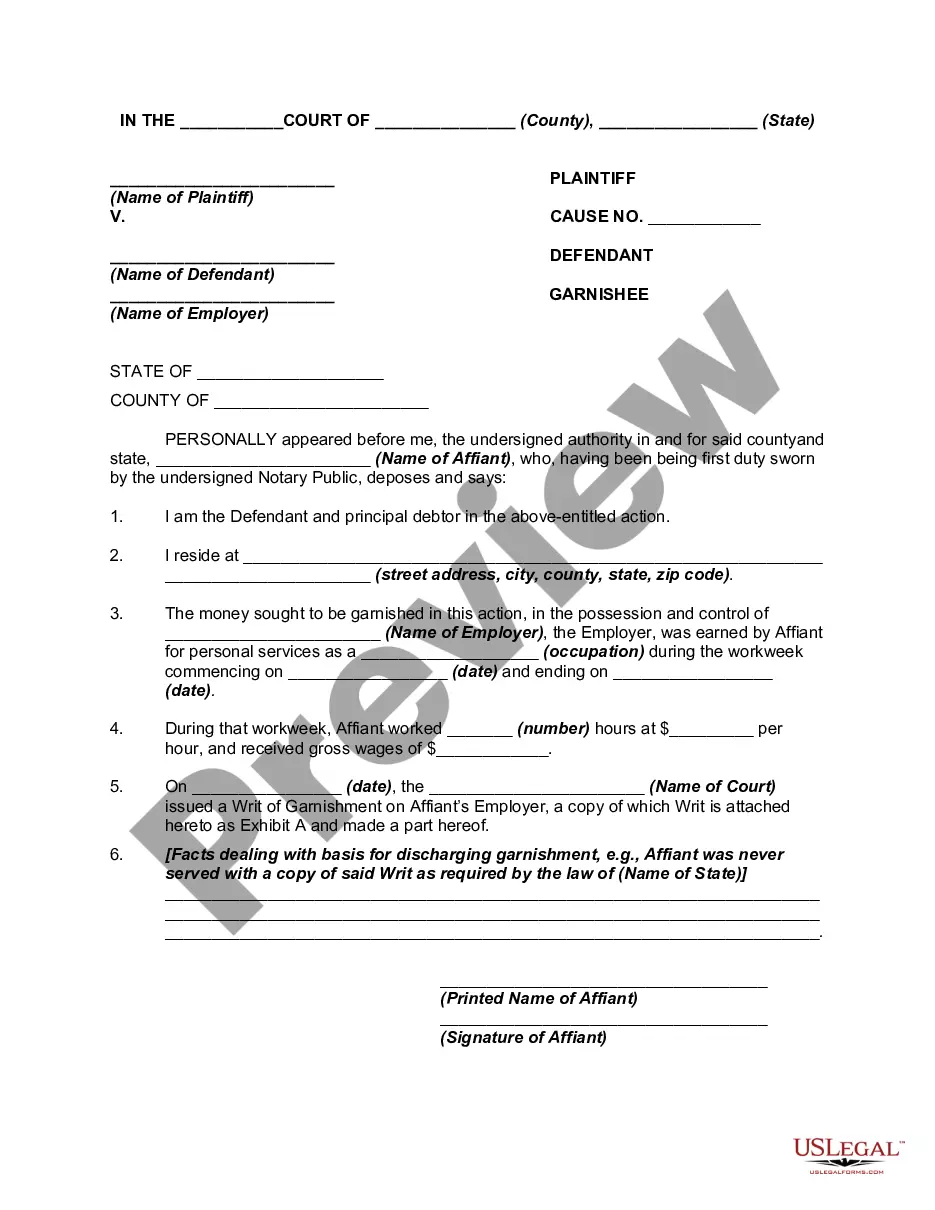
- Certificate of service indicating the distribution of the motion to involved parties.
When this form is needed
This motion should be used when a defendant believes that a writ of garnishment has been wrongly issued. Common scenarios include instances where the underlying judgment has been satisfied, the garnishment is for an improper debt, or the defendant is exempt from garnishment under local laws. Filing this motion enables the defendant to formally contest the garnishment and seek its dismissal in a timely manner.
Who needs this form
- Defendants who are subject to a writ of garnishment regarding their wages.
- Individuals who have satisfied the debt or believe they are wrongly subject to garnishment.
- Anyone seeking to challenge the legality of the garnishment in their specific case.
Completing this form step by step
- Identify the parties: Fill in the names of the plaintiff, defendant, and garnishee.
- State the date the writ was issued and served to the garnishee.
- Clearly outline the grounds for quashing the writ, providing necessary details.
- Specify the date, time, and location for the motion hearing.
- Complete the certificate of service, ensuring it is addressed to all relevant parties.
Does this document require notarization?
Notarization is not commonly needed for this form. However, certain documents or local rules may make it necessary. Our notarization service, powered by Notarize, allows you to finalize it securely online anytime, day or night.
Get your form ready online
Our built-in tools help you complete, sign, share, and store your documents in one place.
Make edits, fill in missing information, and update formatting in US Legal Forms—just like you would in MS Word.
Download a copy, print it, send it by email, or mail it via USPS—whatever works best for your next step.
Sign and collect signatures with our SignNow integration. Send to multiple recipients, set reminders, and more. Go Premium to unlock E-Sign.
If this form requires notarization, complete it online through a secure video call—no need to meet a notary in person or wait for an appointment.
We protect your documents and personal data by following strict security and privacy standards.

Make edits, fill in missing information, and update formatting in US Legal Forms—just like you would in MS Word.

Download a copy, print it, send it by email, or mail it via USPS—whatever works best for your next step.

Sign and collect signatures with our SignNow integration. Send to multiple recipients, set reminders, and more. Go Premium to unlock E-Sign.

If this form requires notarization, complete it online through a secure video call—no need to meet a notary in person or wait for an appointment.

We protect your documents and personal data by following strict security and privacy standards.
Avoid these common issues
- Failing to provide complete and accurate information about the parties involved.
- Not including the specific grounds for requesting the quashing of the writ.
- Missing deadlines for filing the motion or for serving copies to the opposing party.
- Neglecting to check local rules which may have specific requirements for format or procedures.
Why complete this form online
- Convenient and quick access to a professionally drafted legal document.
- Editable format allows users to personalize the information easily.
- Reduces the risk of errors by providing structured fields for necessary information.
Looking for another form?

Form popularity
FAQ
A writ of garnishment is an order granted to a third party (garnishee), to hold or attach the property of a defendant or judgment creditor.A motion to quash the writ of garnishment asks the judge to nullify its order, to a garnishee, of seizure or attachment of property of a defendant or judgment creditor.
It means that the court order to your employer to garnish your wages is dismissed. However, if you still owe money to the creditor, the creditor still can pursue you through other channels including if you start a new job elsewhere.
The Order dissolves the existing writ of garnishment. It means that whatever was being garnished, wages or bank accounts, are no longer subject to the writ of garnishment.
If it's already started, you can try to challenge the judgment or negotiate with the creditor. But, they're in the driver's seat, and if they don't allow you to stop a garnishment by agreeing to make voluntary payments, you can't really force them to. You can, however, stop the garnishment by filing a bankruptcy case.
A motion to quash is a request to a court or other tribunal to render a previous decision or proceeding null or invalid.In some cases, motions to quash are requests to nullify a decision made by the same or a lower court. It can arise out of mistakes made by any lawyer or court officer.
Filing a claim of exemption. filing for bankruptcy, or. vacating the underlying money judgment.
In most states, employers answer a writ of garnishment by filling out the paperwork attached to the judgment and returning it to the creditor or the creditor's attorney.
In some instances you can negotiate a payment plan with your creditor to stop wage garnishment.Most creditors are willing to work out a payment plan with you rather than file the expensive forms and go through the legal process of garnishing your wages.
Try To Work Something Out With The Creditor. File a Claim of Exemption. Challenge the Garnishment. Consolidate or Refinance Your Debt. Work with a Credit Counselor to Get on a Payment Plan. File Bankruptcy.