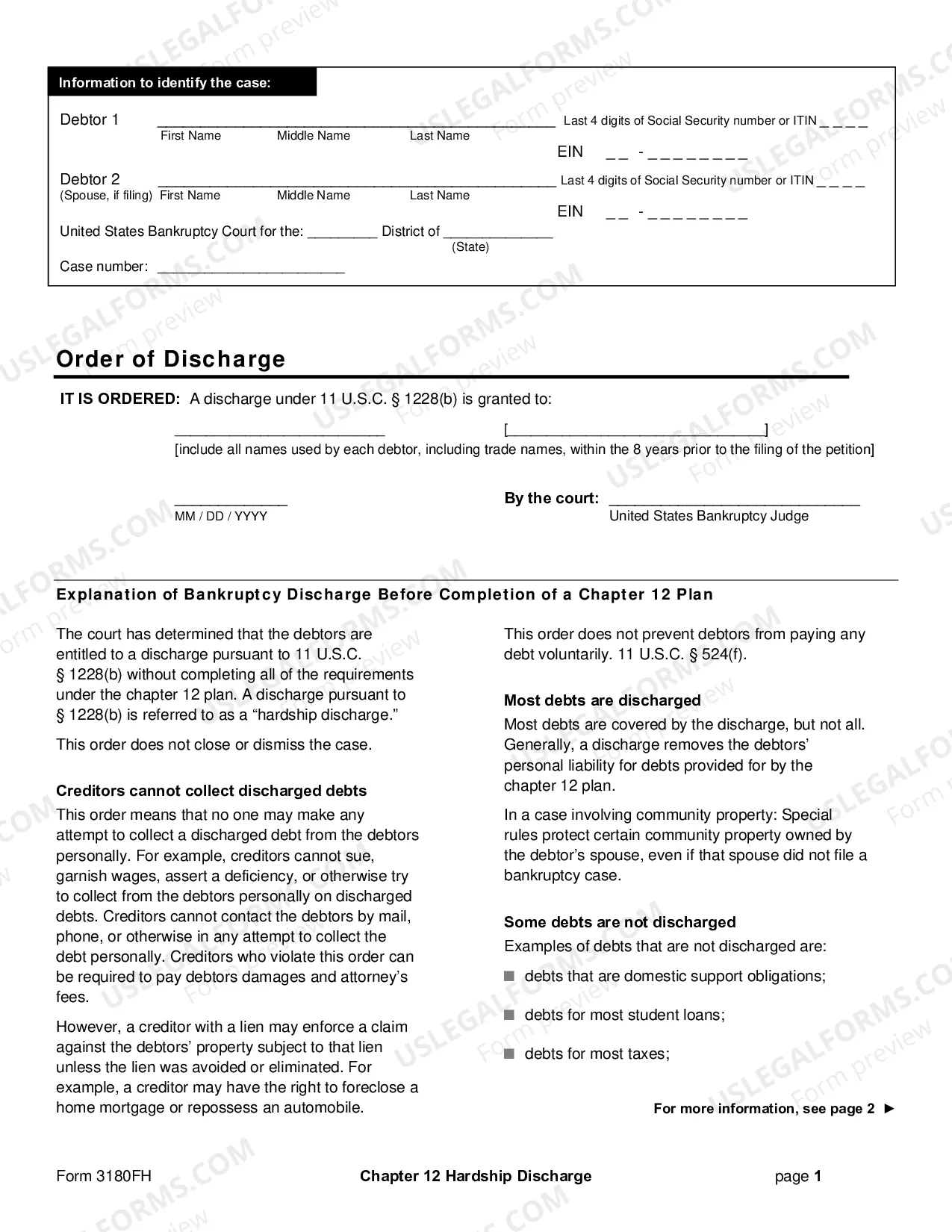
Release Agreement Between Apartment Owner and Tenant Regarding Damages To Apartment Where No Law Suit Has Been Filed
About this form
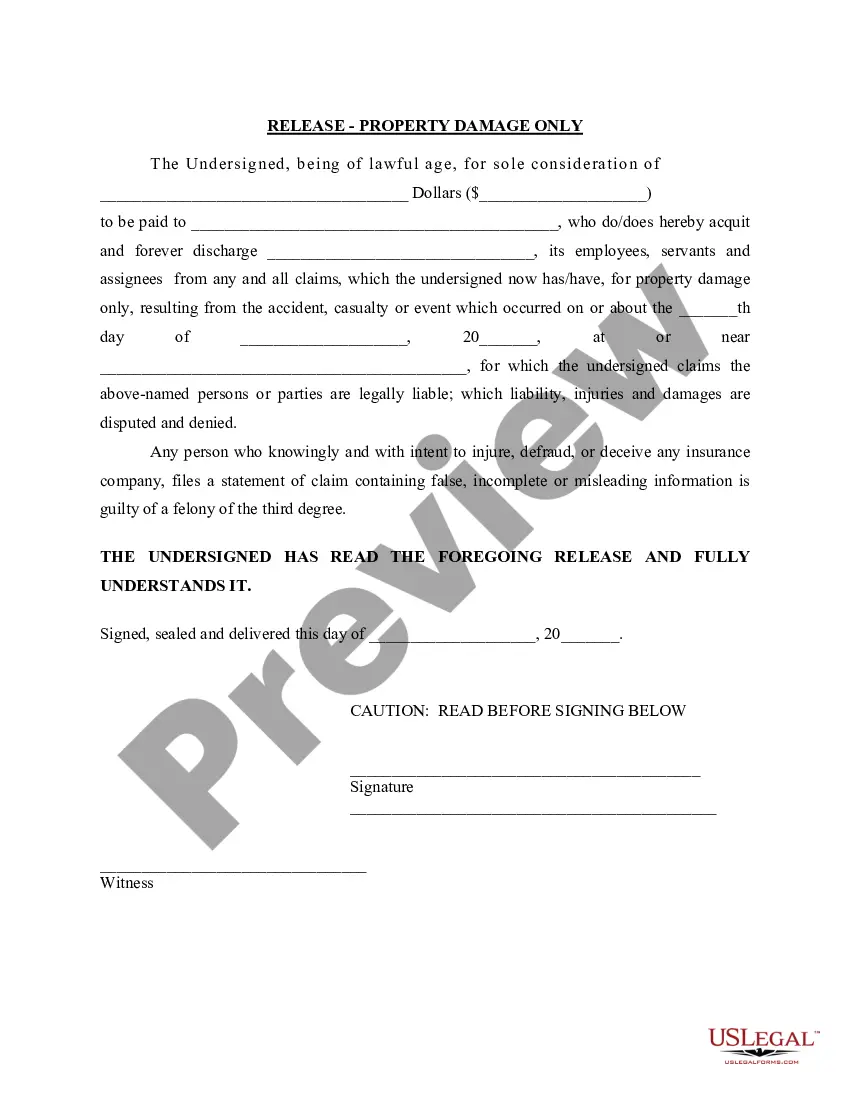
The Release Agreement Between Apartment Owner and Tenant Regarding Damages To Apartment Where No Law Suit Has Been Filed is a legal document used to relinquish any claims or rights related to damages allegedly caused by a tenant in an apartment. Unlike other agreements that might initiate legal action, this release serves to settle disputes amicably and prevents further claims once both parties agree on damages and compensation. This form allows apartment owners and tenants to clarify their agreements without the need for court intervention.
What’s included in this form
- Details about the parties involved: the apartment owner (Releasor) and the tenant (Releasee).
- Description of the alleged damages to the apartment and any charges made for them.
- Agreed sum for full payment to settle the dispute regarding damages.
- A release of claims clause, ensuring no future legal claims can be made related to the damages once the agreement is signed.
- Signature and acknowledgment section for the Releasor and their representative.

Situations where this form applies
This form is useful when an apartment owner and tenant wish to settle disputes over alleged damages without resorting to legal proceedings. It is applicable in situations where the tenant disputes the charges but both parties agree on a compensation amount. The release officially documents that the tenant will not be held liable for further claims regarding these damages after the sum has been paid.
Who should use this form
- Apartments owners (Releasors) who need to confirm the settlement of alleged damages with their tenants.
- Tenants (Releasees) who want to negotiate or contest damage charges and settle amicably with their landlords.
- Landlords and property management companies handling rental units with disputes over damage assessments.
How to prepare this document
- Identify the parties: Fill in the names and addresses of both the apartment owner and tenant.
- Describe the apartment: Include the apartment name and specific address along with dates of occupancy.
- Detail the damages: Clearly outline the alleged damages and any charges made by the apartment owner.
- Specify the settlement amount: Enter the agreed amount to be paid to settle the dispute.
- Sign the document: Ensure the apartment owner and their representative sign the release, indicating acknowledgment.
Notarization guidance
This form does not typically require notarization unless specified by local law. It's recommended to check state-specific requirements to ensure the form's validity.
Get your form ready online
Our built-in tools help you complete, sign, share, and store your documents in one place.
Make edits, fill in missing information, and update formatting in US Legal Forms—just like you would in MS Word.
Download a copy, print it, send it by email, or mail it via USPS—whatever works best for your next step.
Sign and collect signatures with our SignNow integration. Send to multiple recipients, set reminders, and more. Go Premium to unlock E-Sign.
If this form requires notarization, complete it online through a secure video call—no need to meet a notary in person or wait for an appointment.
We protect your documents and personal data by following strict security and privacy standards.

Make edits, fill in missing information, and update formatting in US Legal Forms—just like you would in MS Word.

Download a copy, print it, send it by email, or mail it via USPS—whatever works best for your next step.

Sign and collect signatures with our SignNow integration. Send to multiple recipients, set reminders, and more. Go Premium to unlock E-Sign.

If this form requires notarization, complete it online through a secure video call—no need to meet a notary in person or wait for an appointment.

We protect your documents and personal data by following strict security and privacy standards.
Typical mistakes to avoid
- Failing to provide accurate details about the damages may lead to misunderstandings.
- Not having the form signed by all relevant parties could invalidate the release.
- Omitting crucial information, such as dates or parties' addresses, can lead to legal issues.
- Assuming the form is legally binding without confirming local laws and regulations.
Advantages of online completion
- Convenience: Easily download the form from anywhere, saving time and effort.
- Editability: Customize the document to fit specific circumstances without needing to start from scratch.
- Reliability: Use professionally drafted legal forms created by licensed attorneys to ensure compliance and effectiveness.
Quick recap
- The release agreement helps settle disputes regarding apartment damages without going to court.
- It formalizes the agreement between the tenant and landlord regarding the resolution of damage claims.
- Ensure all details are complete and accurate to avoid issues in the future.
Looking for another form?
Form popularity
FAQ
Used to settle claims over damages to an apartment without filing or pursuing court action, this release documents the identities of the Releasor (apartment owner) and Releasee (tenant), describes the alleged damages and charges, records the agreed payment, and includes a release of any future claims related to those damages once signed.
If the tenant disputes the charges but agrees on an amount, signing the release finalizes a settlement without a lawsuit. The tenant typically pays the agreed sum and, in return, releases the landlord from further claims related to the described damages after payment.
The most common action is to reach an amicable agreement on the damages, specify an agreed payment, and use the Release Agreement to document a release of claims. This approach avoids court intervention and formally closes the dispute once payment is made.
To complete, fill in the parties (apartment owner and tenant), describe the alleged damages and charges, specify the agreed payment, and include the release of claims clause. The Releasor and, if applicable, the Releasor’s representative should sign and acknowledge. After signing, the agreement becomes effective to bar future claims.
The signature section is for the Releasor (apartment owner) and the Releasor’s representative to acknowledge the agreement. It records the owner's consent to the settlement and the release of claims related to the documented damages.
This form is designed for settlements without a lawsuit. It documents an agreed sum and a release of claims related to damages after payment, avoiding court intervention. In contrast, a release that accompanies or follows a lawsuit typically arises from litigation and may involve court-approved terms or other remedies.