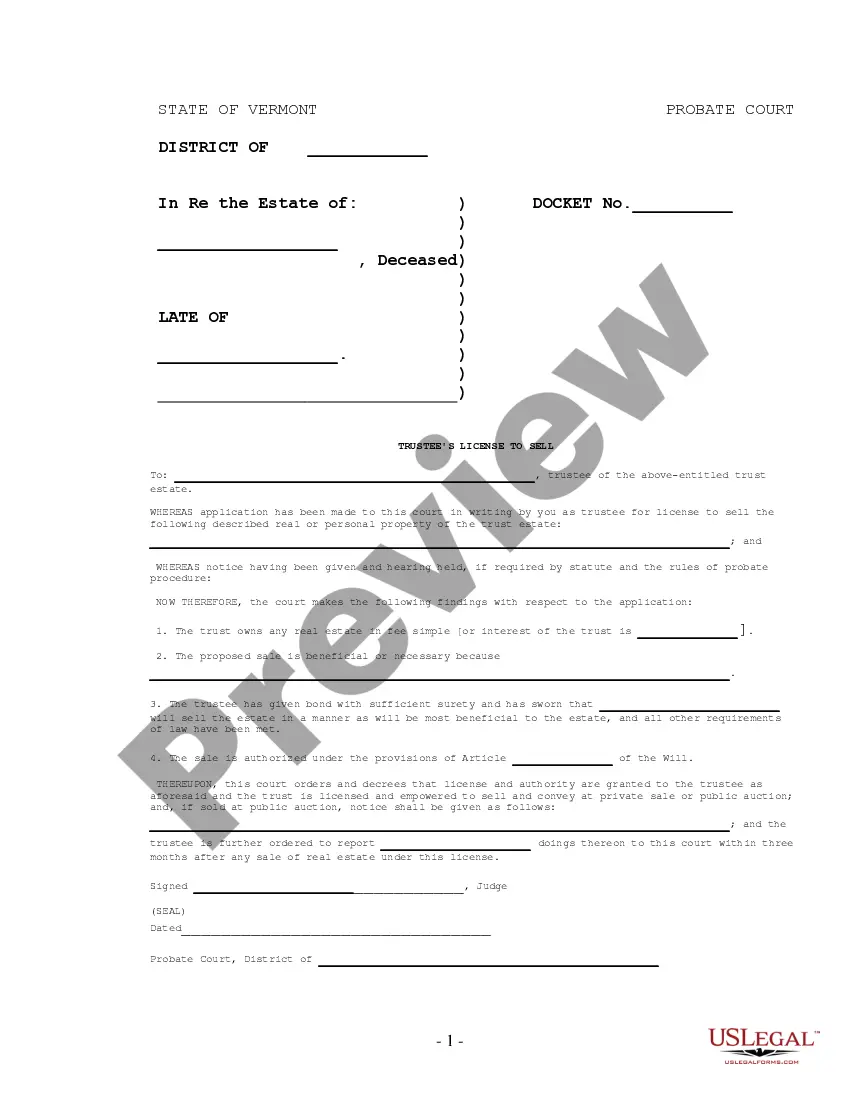
Assignment of Certificate of Deposit Agreement
Understanding this form
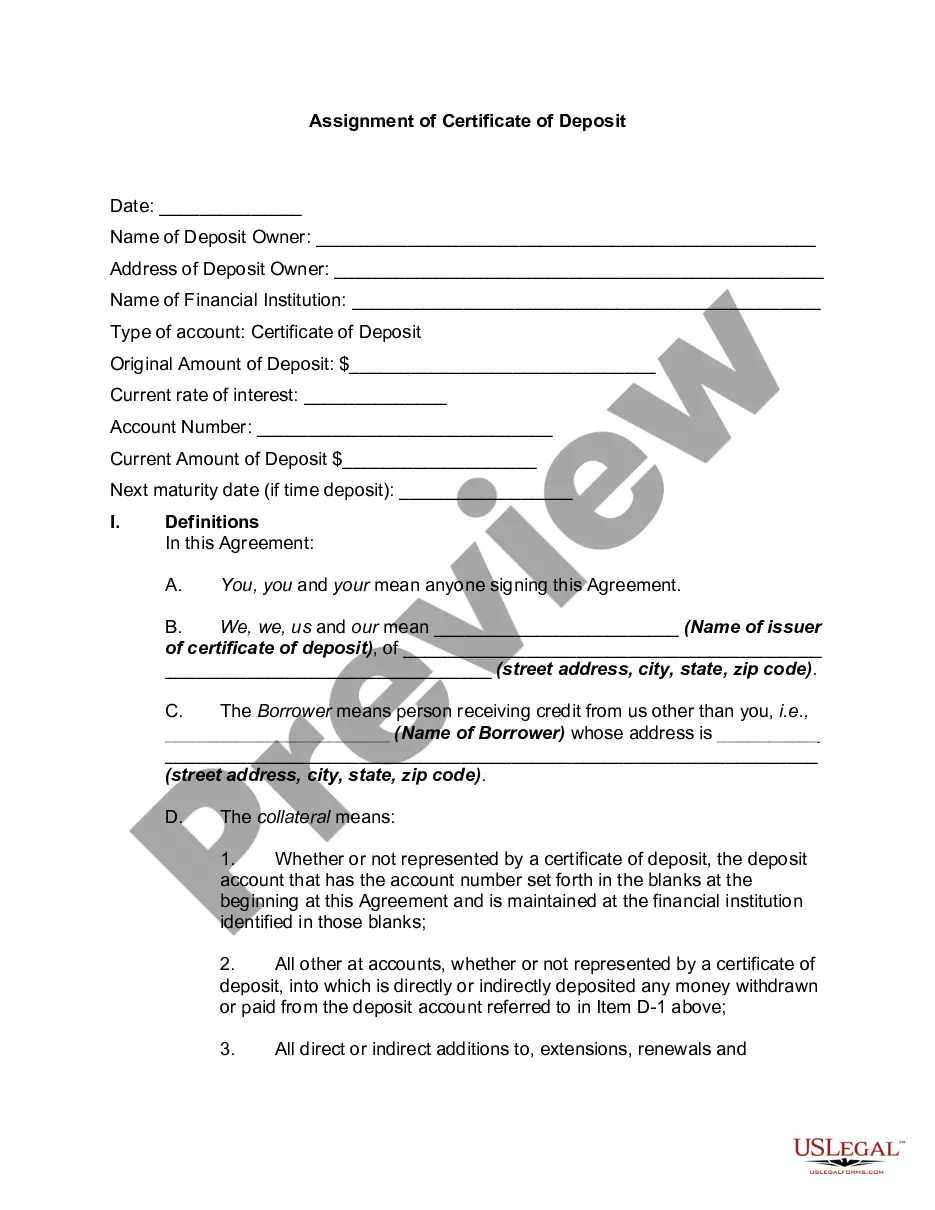
The Assignment of Certificate of Deposit Agreement is a legal document that facilitates the assignment of a certificate of deposit (CD) as collateral to secure a debt or obligation. This form is distinct from general credit agreements because it specifically addresses the use of a CD, ensuring that lenders have a secured interest in the deposit. It is important for both the deposit owner and the borrowing party to understand the terms outlined within the form to ensure compliance and enforceability.
Key components of this form
- Date: The date of the agreement.
- Name and address of the deposit owner: The individual or entity holding the certificate of deposit.
- Name of financial institution: The bank or credit union where the CD is held.
- Account details: Original amount, current interest rate, account number, and current amount of deposit.
- Definitions section: Clarifies key terms used in the agreement, including "you," "we," "borrower," and "collateral."
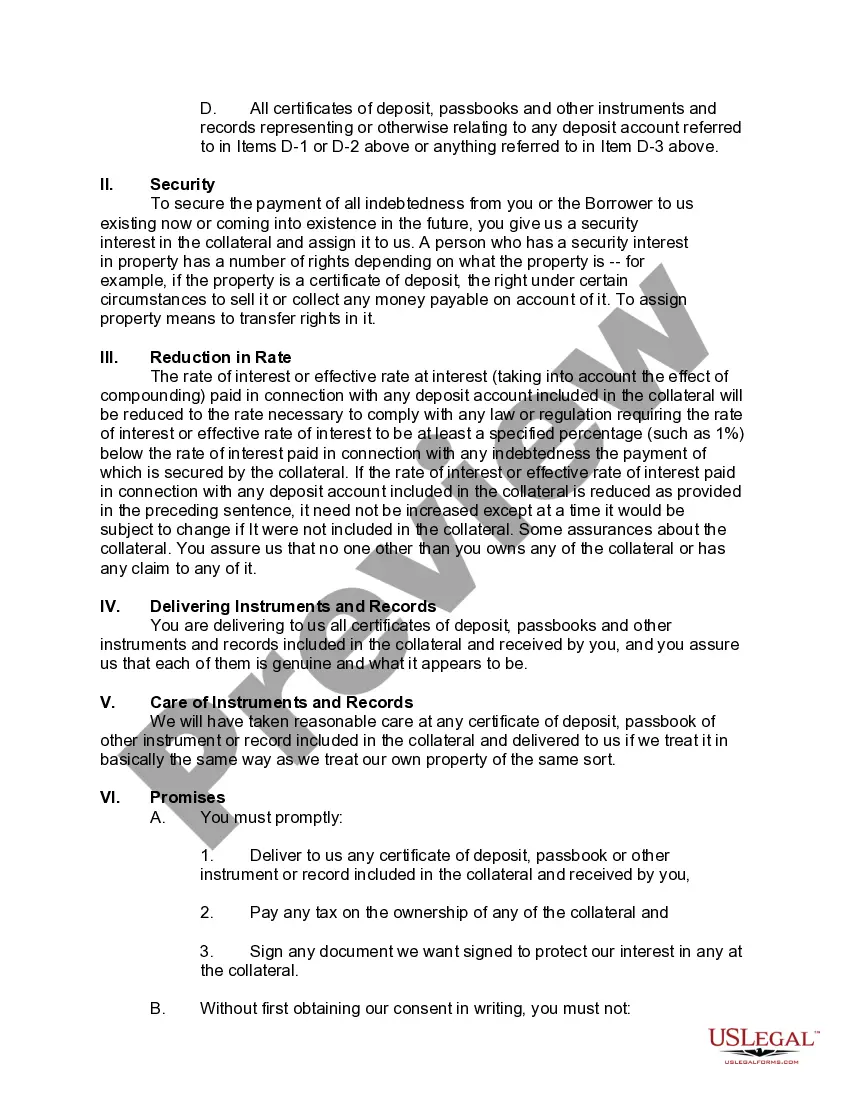
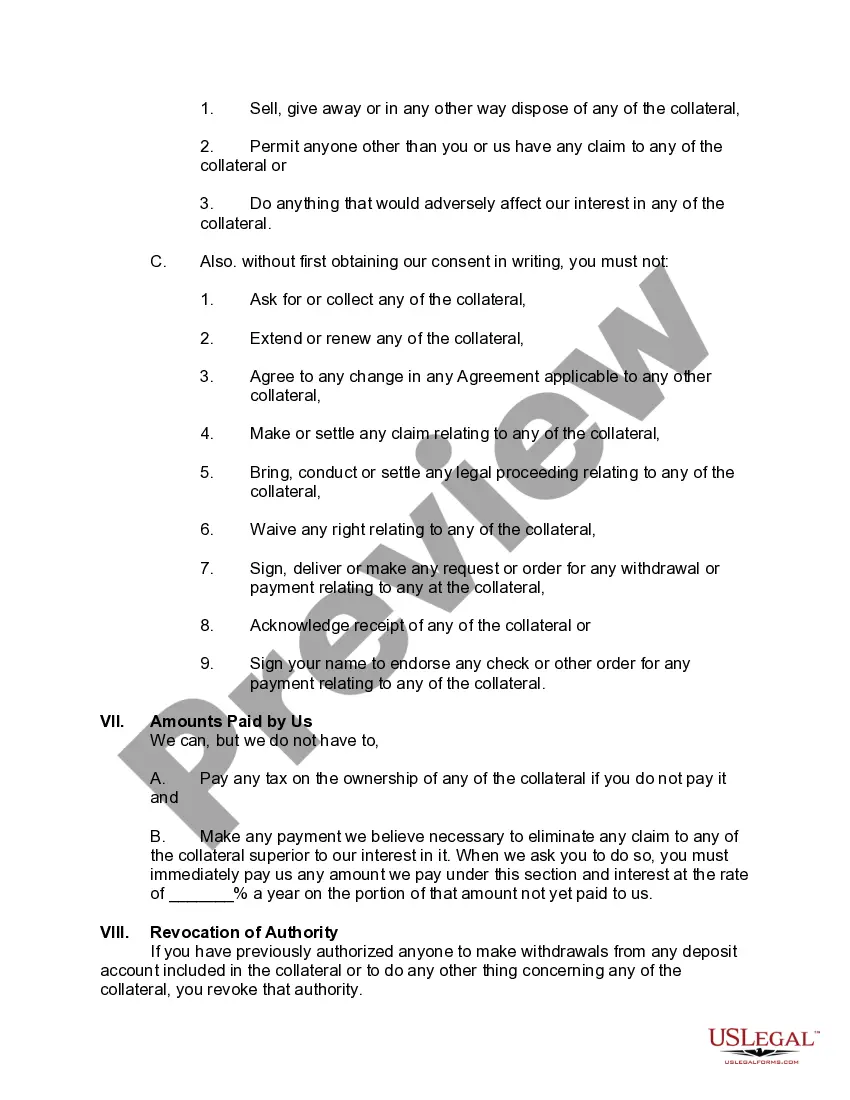
- Security interest: Describes the lender's secured interest in the collateral.
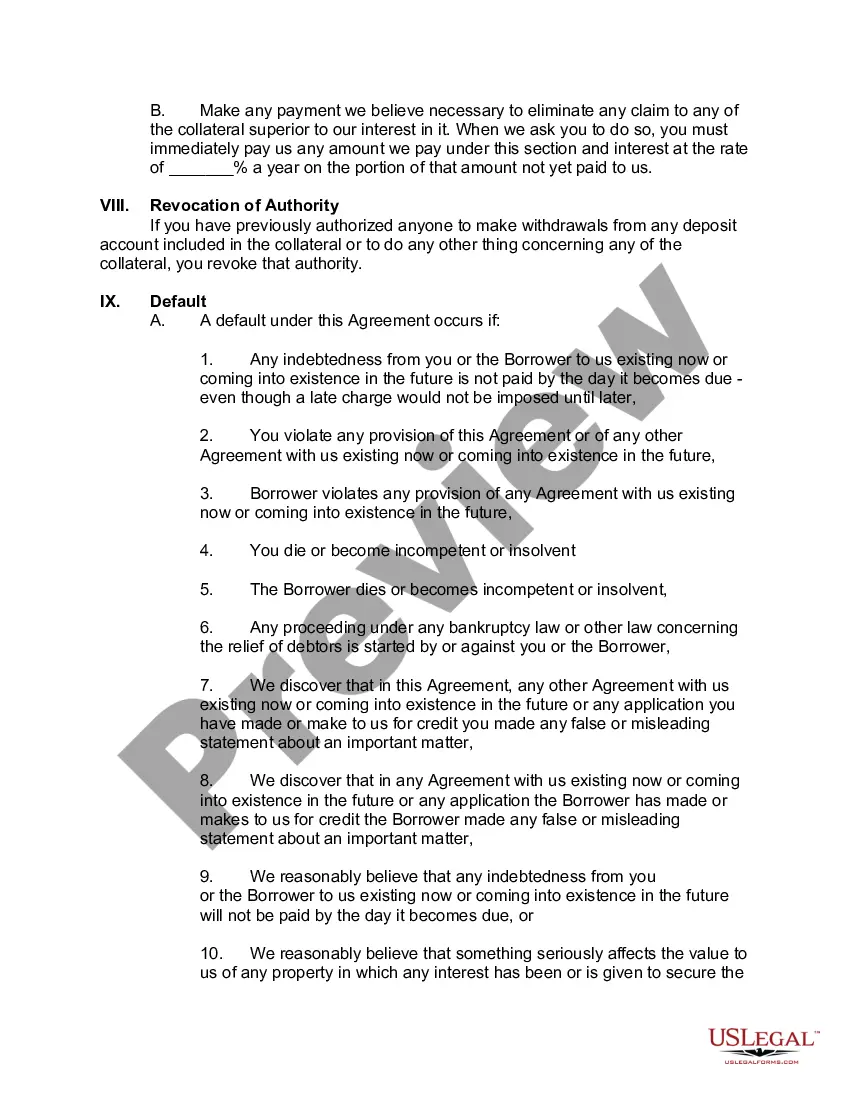
- Default clause: Outlines conditions that would constitute a default under the agreement.
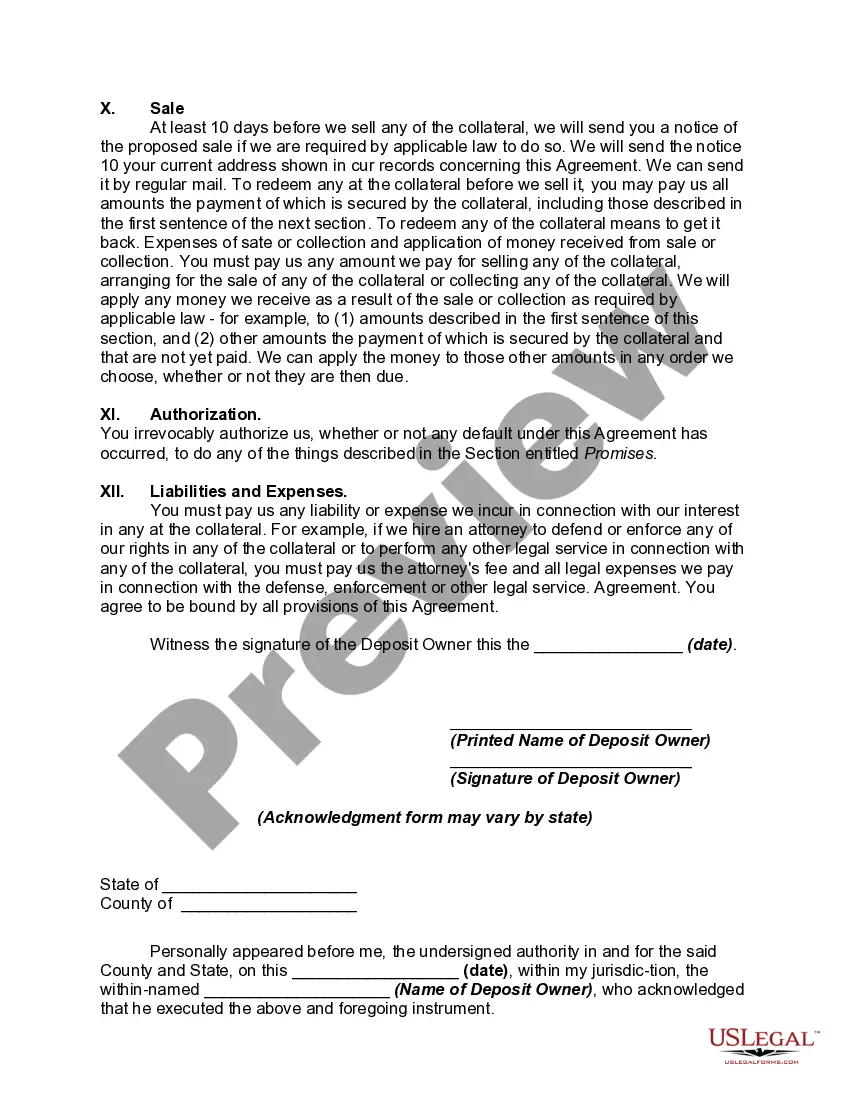
- Notarization section: Provides details for acknowledgment and legal validity.
Common use cases
This form is typically used when an individual or business needs to secure a loan or credit line with a certificate of deposit. It is particularly suitable in situations where the borrower does not have sufficient unsecured collateral and offers a CD as security. The lender can utilize this agreement to confirm their rights to the CD should the borrower default on the loan.
Intended users of this form
- Individuals looking to secure a personal loan with their certificate of deposit.
- Business owners needing to use a CD as collateral for a business loan.
- Lenders seeking to document their security interest in a borrower's CD.
- Anyone involved in credit transaction agreements requiring collateralization of assets.
How to complete this form
- Identify the parties involved by filling in the name and address of the deposit owner and the lending institution.
- Insert the account details, including the original amount of the deposit, current interest rate, and account number.
- Review the definitions section and ensure all terms are clearly understood and applicable.
- Consult with a legal professional if necessary to validate any obligations and compliance aspects.
- Obtain notarization and ensure all parties sign the document where indicated.
Does this document require notarization?
Yes, this form must be notarized to be legally valid, confirming the authenticity of the signatures involved. US Legal Forms offers integrated online notarization, available for use 24/7 through secure video calls, ensuring that the process is easy and legally binding without the need for travel.
Get your form ready online
Our built-in tools help you complete, sign, share, and store your documents in one place.
Make edits, fill in missing information, and update formatting in US Legal Forms—just like you would in MS Word.
Download a copy, print it, send it by email, or mail it via USPS—whatever works best for your next step.
Sign and collect signatures with our SignNow integration. Send to multiple recipients, set reminders, and more. Go Premium to unlock E-Sign.
If this form requires notarization, complete it online through a secure video call—no need to meet a notary in person or wait for an appointment.
We protect your documents and personal data by following strict security and privacy standards.

Make edits, fill in missing information, and update formatting in US Legal Forms—just like you would in MS Word.

Download a copy, print it, send it by email, or mail it via USPS—whatever works best for your next step.

Sign and collect signatures with our SignNow integration. Send to multiple recipients, set reminders, and more. Go Premium to unlock E-Sign.

If this form requires notarization, complete it online through a secure video call—no need to meet a notary in person or wait for an appointment.

We protect your documents and personal data by following strict security and privacy standards.
Mistakes to watch out for
- Failing to accurately complete account details, such as the account number or current amount.
- Not obtaining necessary signatures, including that of a notary public if required.
- Overlooking the implications of the default clause, which could affect legal rights.
- Using outdated versions of the form that may not align with current legal standards.
Why complete this form online
- Convenience of downloading and filling out the form anytime and anywhere.
- Editable templates that allow users to customize the agreement to fit their needs.
- Immediate access to legal forms drafted by licensed attorneys, ensuring accountability.
Looking for another form?




Form popularity
FAQ
An Assignment of Certificate of Deposit Agreement is a legal document that uses a CD as collateral to secure a loan or other obligation. It creates a lender’s security interest in the CD and sets the terms to protect both the depositor and borrower. The form covers definitions, the security interest, what constitutes default, and notarization requirements to ensure enforceability.
No. In this form, an assignment of the CD creates a security interest in the collateral to secure the loan, not merely transfer ownership. The document defines the security interest, outlines default conditions, and includes a notarization section, all to govern how the CD can be used as collateral.
No. The Assignment of Certificate of Deposit Agreement creates a security interest in the CD rather than transferring ownership to the lender. It specifies how the collateral will be handled if the borrower defaults and documents the lender’s rights to the CD under the agreement.
Prepare the agreement by dating it and listing the deposit owner and financial institution, then include the CD account details (original amount, current amount, account number, current rate). Define terms, describe the security interest and default triggers, and complete the notarization section to acknowledge validity.
The form focuses on using a CD as collateral and does not itself authorize a title transfer of the CD to another person. Whether a transfer is possible depends on the CD issuer and governing loan terms; consult the lender and possibly an attorney for guidance.
This form specifically targets a certificate of deposit as the collateral and includes CD-specific details like the account number, original amount, current balance, and current rate. It also features a defined definitions section, a formal security interest, a default clause, and a notarization section to ensure enforceability.